This post may contain affiliate links. If you purchase through these links, I may earn a small commission at no extra cost to you. This helps keep Pine+Mango running. Thank you for your support! Read our full disclosure here.
You’re standing in the produce aisle, cart half-full of greens and grains, and that little voice starts whispering: “This is going to bankrupt me, isn’t it?”
I get it. When you’re thinking about shifting toward more plant foods, one of the biggest fears isn’t about taste or satisfaction—it’s about your wallet.
Will eating this way drain your bank account? Can you actually afford to nourish yourself without going broke?
Here’s what I want you to know: I was terrified about the same thing. And what I discovered completely flipped my assumptions upside down.
Let me show you the real numbers, the honest breakdown, and what plant food costs actually look like in real life.
Subscribe to Our Nourished Newsletter
Get free weekly guidance for your plant-based journey, straight to your inbox.
- Why We Think Plant Foods Cost More (But They Actually Don't)
- My Actual Monthly Food Cost Breakdown
- Understanding Plant Food Costs: Where the Savings Actually Come From
- The Price Per Serving: What It Really Means
- Where I Choose to Splurge (And Where You Can Too)
- What I Don't Buy Anymore (And Don't Miss)
- The Real Comparison: $400 vs. $150 Monthly Plant Food Cost
- How to Keep Plant Food Costs Low on Any Budget
- The Hidden Savings Beyond Groceries
- What About Organic and Quality Concerns?
- Making Plant Food Costs Work in Your Real Life
- FAQs About Plant Food Costs
- In Essence: Plants Save You Money
- Subscribe to Our Nourished Newsletter
Why We Think Plant Foods Cost More (But They Actually Don’t)
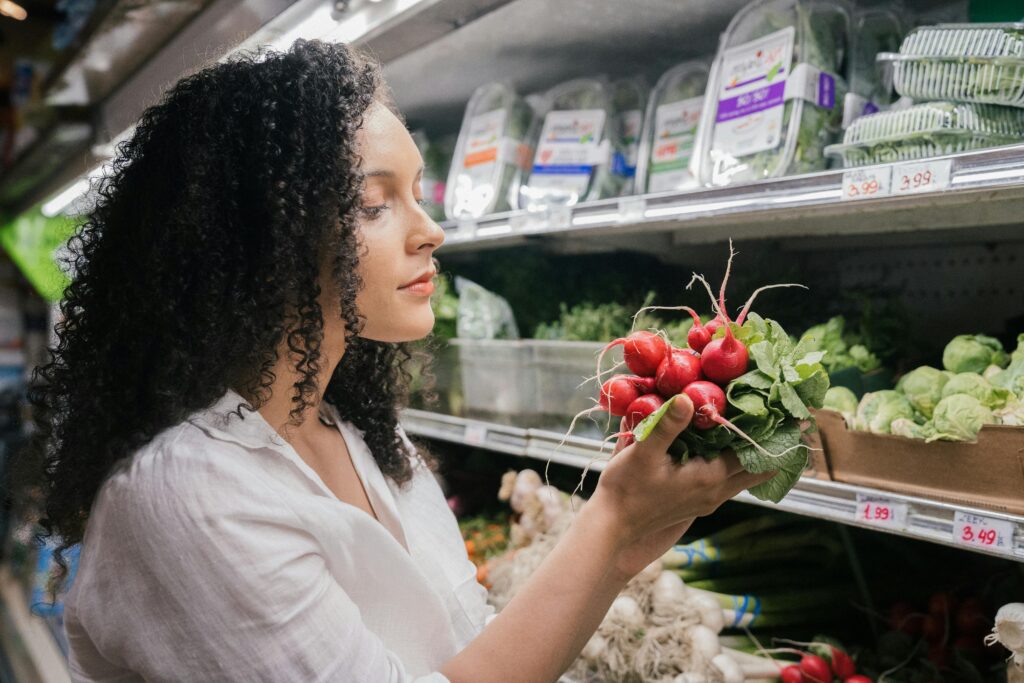
Let’s talk about where this fear comes from, because it’s not coming out of nowhere.
When you walk into a grocery store and see those fancy plant-based burgers or artisan nut cheeses with price tags that make your eyes water, yeah—that stuff is expensive.
The specialty products, the trendy superfoods, the Instagram-worthy smoothie bowls topped with $15 acai powder? Those things cost a fortune.
But here’s the truth nobody’s telling you: that’s not what plant food cost looks like when you’re actually eating this way.
The wellness industry has sold us this polished image of what “healthy eating” should be. It’s become synonymous with expensive supplements, fancy ingredients you can’t pronounce, and specialty stores where everything costs three times what it should.
No wonder you’re scared!
Real plant-centered eating—the kind that actually transforms your health and fits into a normal life—looks nothing like that.
It’s beans from a can. Rice from a bag. Frozen vegetables when fresh ones are pricey. Oats bought in bulk. Potatoes. Bananas. Lentils.
These are some of the cheapest foods on the planet. And they’re what I eat most.
My Actual Monthly Food Cost Breakdown
Alright, let’s get into the numbers. Real ones. Not some idealized version, but what I actually spend.
My current monthly grocery spending: approximately $150
Before I shifted toward eating mostly plant foods? I was dropping $400+ every single month on groceries. Let that sink in for a second.
I’m spending less than half of what I used to spend, and I’m eating better food than I ever have.
Here’s roughly where that $150 goes each month:
- Grains and starches ($25-30): Brown rice, oats, whole grain pasta, potatoes, sweet potatoes
- Legumes ($15-20): Dried beans, lentils, canned chickpeas, black beans
- Frozen vegetables ($20-25): Mixed veggies, broccoli, spinach, peas, corn
- Fresh produce ($25-35): Bananas, apples, onions, garlic, seasonal vegetables, leafy greens
- Nuts and seeds ($10-15): Peanut butter, pumpkin seeds, walnuts
- Plant milk and essentials ($15-20): Unsweetened soy milk, nutritional yeast, vinegar, spices
- Extras ($20-25): Frozen berries, tofu, tempeh
Notice what’s missing? Meat. Cheese. Eggs. Yogurt. Those individually wrapped snack packs. The processed convenience foods that used to fill my cart and drain my wallet.
Understanding Plant Food Costs: Where the Savings Actually Come From
The savings aren’t magic. They come from a fundamental shift in how you build your meals and what plant food cost actually means compared to animal products.
1. Protein is where you save the most.
A pound of dried lentils costs about $1.50 and makes multiple meals.
A pound of chicken breast? That’s $4-6 depending on where you live, and it’s gone in one or two meals. Ground beef? Even more expensive.
And don’t even get me started on fish.
2. Beans, lentils, and chickpeas are ridiculously cheap.
I buy mine dried when I remember to plan ahead, or canned when I need convenience. Either way, I’m getting protein, fiber, and satisfaction for pennies.
This is the real plant food costs that matter.
3. Bulk buying transforms your budget.
Rice, oats, dried beans, pasta—these store forever and cost way less when you buy the big bags.
I stock up once every few months and my pantry stays full.
4. Frozen vegetables are a game-changer.
They’re picked at peak ripeness, flash-frozen, and they last for months. No waste, no guilt about letting fresh produce rot in the crisper drawer.
And they often cost less than fresh, especially out of season.
Here’s something else: when you stop buying animal products and heavily processed foods, you cut out some of the most expensive items in the store.
You’re not paying for packaging, marketing, or the true cost of industrial animal agriculture. You’re just buying food.
The Price Per Serving: What It Really Means
Let me break down what you’re actually paying per serving, because this is where plant food costs become crystal clear.
- Lentils: $1.50 for a pound of dried lentils = about 8-10 servings. That’s roughly 15-20 cents per serving of protein-rich food.
- Rice: A 5-pound bag costs around $5-7 = about 50 servings. That’s 10-14 cents per serving.
- Oats: A large container for $4 = about 30 servings of breakfast. That’s roughly 13 cents per serving.
- Frozen broccoli: $1.50 per bag = 3-4 servings. That’s about 40 cents per serving.
- Canned beans: $1 per can = 3-4 servings. That’s 25-33 cents per serving.
Compare that to animal products:
- Chicken breast: $5-6 per pound = 3-4 servings. That’s $1.25-2 per serving.
- Ground beef: $6-8 per pound = 3-4 servings. That’s $1.50-2.67 per serving.
- Cheese: $6-8 per block = maybe 8 servings. That’s 75 cents to $1 per serving.
When you look at plant food cost this way—per actual serving—the difference is massive.
Where I Choose to Splurge (And Where You Can Too)
I’m not going to pretend I eat perfectly frugally all the time.
There are items where I spend a little extra, and I’m okay with that because I eat these on the regular.
- Frozen mixed berries. Yeah, they’re pricey. But I make smoothies frequently, so that’s worth it to me.
- Good quality nut butter. I could buy the cheapest peanut butter, but I prefer the ones that are just peanuts. It costs a bit more, but I use it often enough that it matters.
- Nutritional yeast and certain spices. These aren’t daily purchases, but they make my food taste amazing. Nutritional yeast gives me that cheesy flavor I love, and a good bag lasts months.
- Occasional specialty items. When I run out (every few months), I’ll grab some kimchi, hemp seeds and ground flaxseeds, or some tahini to make dressings. These aren’t necessities, but they keep things interesting.
The key is knowing what adds real value to your meals and what’s just marketing hype.
You don’t need goji berries and spirulina. You need foods that make you feel good and taste good, and most of those are shockingly affordable.
What I Don’t Buy Anymore (And Don’t Miss)
This is where the real shift in plant food cost happened for me. It’s not just about what I buy now—it’s about what I stopped buying.
- Pre-packaged “healthy” snacks. The protein bars, the organic crackers in individual servings, the fancy trail mix. Those added up fast.
- Meat or cheese. This was the biggest change to my grocery bill. When you remove these from your cart, you suddenly have so much more budget to work with.
- Condiments and sauces. I make simple dressings with ingredients I already have—lemon juice, vinegar, tahini, nutritional yeast. No more $6 bottles of specialty sauce I’d use twice and forget about.
- Packaged convenience food. Pre-cut vegetables, pre-cooked grains, those microwave meals. I cook more from scratch now, and it’s cheaper and honestly tastes better.
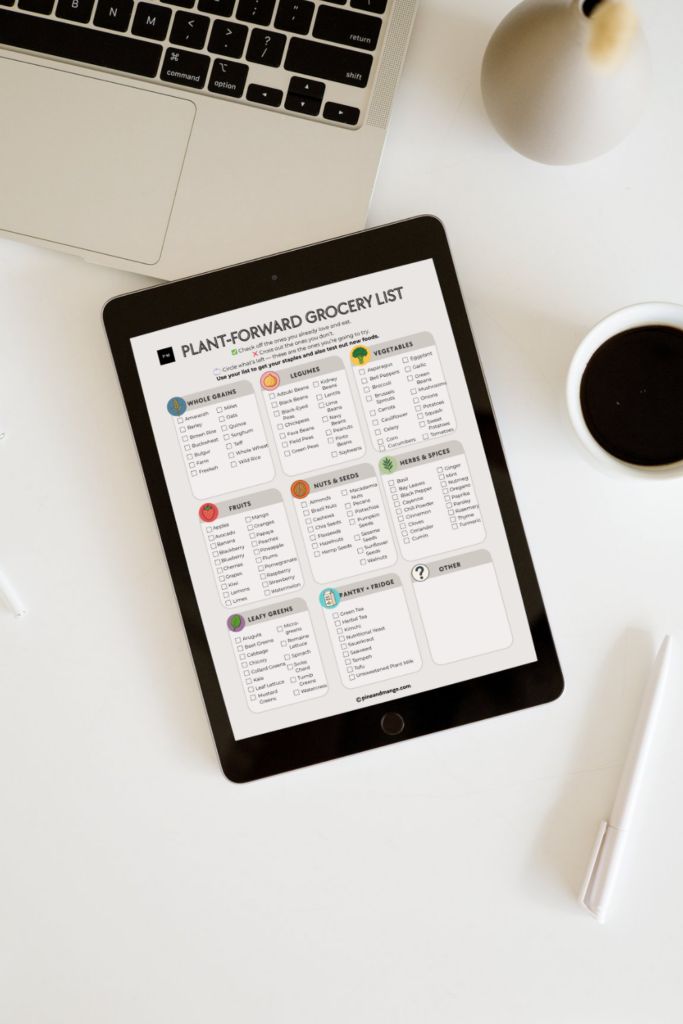
Get Your FREE Plant-Forward Grocery List Today!
The Real Comparison: $400 vs. $150 Monthly Plant Food Cost
Let’s break down what that old $400 monthly budget actually looked like, because understanding where the money was going helps explain why plant food costs are actually lower.
Old grocery spending (approximately $400/month):
- Meat and poultry: $100-120
- Cheese and dairy: $40-50
- Eggs: $30-40
- Processed snacks and convenience foods: $60-80
- Fresh produce (minimal): $15-20
- Grains and pantry staples: $40-50
- Condiments, sauces, extras: $30-40
- Impulse buys and treats: $40-60
I was spending a fortune on protein sources that didn’t fill me up for long, dairy products that were jacking up my gut, and convenience foods that left me hungry an hour later.
Plus, I was wasting food constantly. Fresh meat would go bad before I used it. Vegetables would wilt. Half-empty containers would get shoved to the back of the fridge and forgotten.
Now? My groceries last longer. Dried goods don’t expire next week. Frozen vegetables wait patiently for me.
And the meals I make actually satisfy me, so I’m not constantly hunting for snacks between meals.
How to Keep Plant Food Costs Low on Any Budget
You don’t need to spend what I spend. You might spend less, you might spend a little more depending on where you live (and your household size).
But here’s how to keep plant food costs manageable regardless of your budget.
- Start with the staples. Buy big bags of rice, oats, dried beans, and lentils. These are your foundation. They’re filling, nutritious, and dirt cheap.
- Buy frozen vegetables. Seriously, this is one of the smartest moves you can make for controlling plant food costs. They’re nutritious, last forever, and often cost less than fresh.
- Shop seasonally for fresh produce. When zucchini is in season, it’s cheap. When it’s not, it’s overpriced. Learn what’s abundant right now and buy that.
- Use canned beans when dried feels overwhelming. Yes, dried beans are cheaper. But if opening a can is the difference between eating well and ordering takeout, open the can. No judgment.
- Skip the specialty products at first. You don’t need plant-based cheese or fancy meat alternatives to understand real plant food cost. Those are treats, not necessities. Build your meals around whole foods first.
- Buy store brands. The generic brown rice tastes the same as the fancy brand. So do the oats, the canned tomatoes, and the frozen broccoli.
- Plan your meals loosely. You don’t need a rigid meal plan, but knowing roughly what you’ll eat this week prevents overbuying and waste—the hidden enemy of low plant food cost.
The Hidden Savings Beyond Groceries

Beyond the obvious plant food cost savings at checkout, there are benefits I didn’t anticipate.
- I eat out less. My food at home actually satisfies me now, so I’m not constantly tempted by takeout. That alone has saved me hundreds.
- I waste less food. When your pantry is full of dried goods and your freezer has vegetables, nothing goes bad before you can use it. Food waste is a huge hidden cost most people don’t track.
- My energy is better. This sounds intangible, but when you feel good, you make better decisions. I’m not grabbing expensive energy drinks or impulse buying snacks because I’m exhausted and hungry.
- I’m healthier overall. Fewer doctor visits, less money on over-the-counter remedies for digestive issues. These add up more than you’d think when you’re calculating true plant food cost vs. the old way.
The money you save on groceries might get redirected into other areas of wellness—movement you enjoy, time outdoors, things that actually enrich your life.
But you’re not hemorrhaging cash at the grocery store anymore.
What About Organic and Quality Concerns?
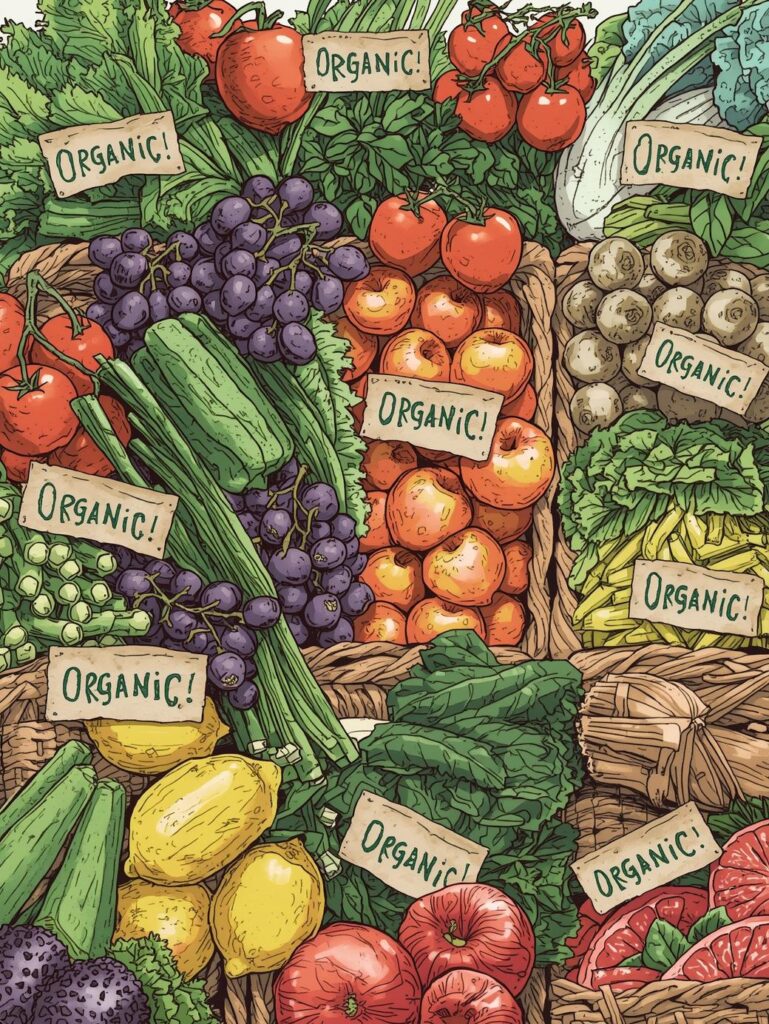
Here’s my honest take on how organic affects plant food costs: buy organic when it matters to you and when you can afford it.
But don’t let perfect be the enemy of good.
I buy organic for the “dirty dozen” produce when it’s on sale or when the price difference is minimal. But I’m not going to skip vegetables altogether because I can’t afford organic.
Eating conventional broccoli is infinitely better than eating no vegetables at all.
For me, quality means food that’s minimally processed and as close to its natural state as possible. That’s more important than a label. A regular potato is still an amazing, nutrient-dense food even if it’s not organic.
Do what makes sense for your budget and your values. There’s no single right answer here, and organic choices don’t have to dramatically increase your overall plant food cost.
Making Plant Food Costs Work in Your Real Life

Look, I know your situation might be different from mine. Maybe you live somewhere with higher food costs. Maybe you’re feeding a family. Or maybe you have food access issues in your area.
This isn’t about perfectly replicating my grocery bill. It’s about showing you that the fear of plant food costs destroying your budget is overblown.
- Start small. Replace one or two meals a week with plant-centered ones. Notice what it costs. Notice how you feel.
- Experiment. Try buying dried beans instead of canned meat one week. See what happens to your grocery total and get a real sense of plant food cost.
- Get creative. A bag of lentils becomes soup, becomes tacos, becomes pasta sauce. These foods are versatile, and that versatility stretches your dollar.
- Give yourself permission to learn. You might overbuy at first. You might waste some things as you figure out what you actually use. That’s part of the process.
The goal isn’t perfection. It’s progress. It’s discovering that nourishing yourself doesn’t have to cost a fortune.
FAQs About Plant Food Costs
Q: What is the average plant food cost per month?
Plant food costs vary by location and choices, but focusing on whole foods like beans, rice, oats, potatoes, and frozen vegetables typically costs $100-200 per month for one person.
This is significantly less than a typical grocery bill that includes meat, cheese, and processed foods, which often runs $300-500 monthly.
The key is building meals around affordable staples rather than expensive specialty products.
Q: What are the cheapest plant foods for protein?
The lowest cost for protein comes from dried beans and lentils at $1-2 per pound, providing 8-10 servings. Canned beans cost around $1 per can for 3-4 servings. Peanut butter, split peas, and tofu (when on sale) are also budget-friendly.
These options cost 15-35 cents per serving compared to $1.25-2.50 per serving for animal proteins, making them the most economical protein choices.
Q: Does eating more plant foods really save money?
Yes, when you focus on whole plant foods rather than specialty products. They cost lower because staples like beans, lentils, rice, oats, potatoes, and frozen vegetables are among the most affordable foods available.
Most people who shift from animal-heavy eating to plant-centered meals save $100-250 monthly because meat, cheese, and processed convenience foods are typically the most expensive grocery items.
📖 Good Reads: How Not to Die, The China Study and Plant-Based Nutrition
In Essence: Plants Save You Money
The story you’ve been told about plant food costs being outrageous? It’s just not true when you look at the actual numbers.
My grocery spending dropped by more than half when I started eating mostly plant foods. I’m talking real, whole foods—not fancy products or Instagram-worthy creations.
Just beans, rice, oats, potatoes, frozen vegetables, and whatever fresh produce is affordable that week.
Understanding real plant food costs changed everything for me. You don’t need to spend a fortune to nourish yourself. You need information, a little planning, and permission to do this imperfectly.
Start where you are. Buy what you can afford. Let your body and your budget guide you toward what works.
This isn’t about deprivation or strict rules. It’s about discovering that taking care of yourself can actually save you money while making you feel better than you have in years.
You’ve got this. And your wallet will thank you.
⭐ Let’s talk: What surprised you most about the real plant food costs? Have you noticed savings when adding more plant foods to your meals? Drop your experience in the comments—I’d love to hear what’s working for you.