This post may contain affiliate links. If you purchase through these links, I may earn a small commission at no extra cost to you. This helps keep Pine+Mango running. Thank you for your support! Read our full disclosure here.
You deserve to feel satisfied and energized—not constantly counting down until your next meal.
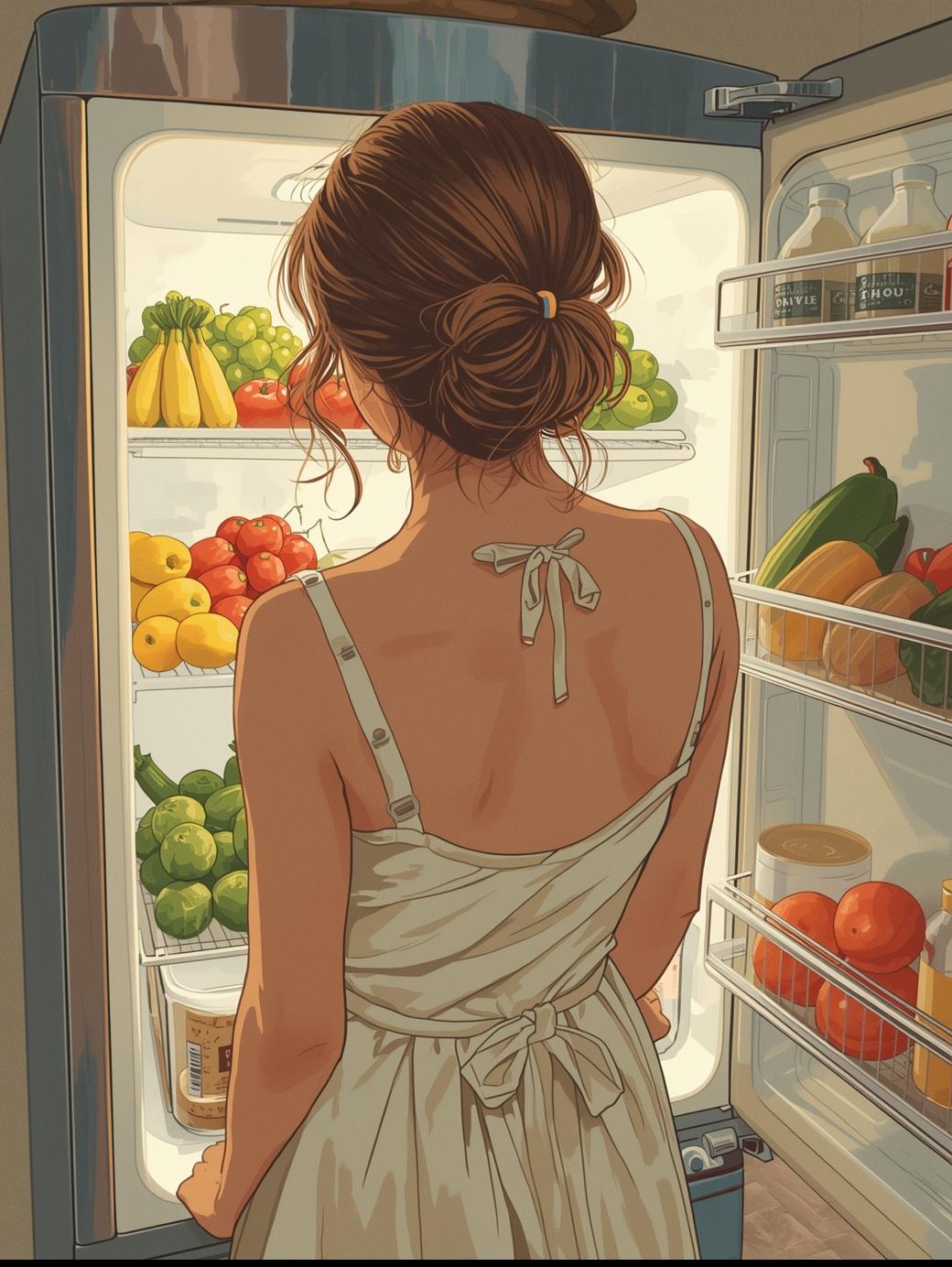
If you’re eating more plants and finding yourself raiding the pantry an hour later, you’re not alone. I’ve been there, standing in front of the fridge wondering why I felt like I hadn’t eaten at all.
Here’s what I wish someone had told me from the start: feeling hungry all the time isn’t a plant-based problem. It’s a plate problem—and it’s completely fixable.
Let’s figure out what’s going on and get you feeling truly nourished.
Subscribe to Our Nourished Newsletter
Get free weekly guidance for your plant-based journey, straight to your inbox.
- Why Am I Always Hungry After Eating Plant-Based Foods
- Mistake #1: Not Eating Enough Food (Period)
- Mistake #2: Skipping Protein-Rich Plants
- Mistake #3: Going Too Low on Healthy Fat
- Mistake #4: Relying Too Heavily on Simple Carb
- Mistake #5: Not Drinking Enough Water
- Mistake #6: Eating Too Quickly
- Mistake #7: Not Planning Ahead
- The Hidden Mistake: Not Eating Regularly Enough
- What a Satisfying Plant-Based Meal Actually Looks Like
- Give Your Body Time to Adjust
- FAQs About Plant-Based Mistakes
- In Essence: You're Not Doing It Wrong
- Subscribe to Our Nourished Newsletter
Why Am I Always Hungry After Eating Plant-Based Foods
The short answer? You’re probably not eating enough of the right combinations.
After years of restriction eating, I had no concept of what “enough” actually looked like. I’d load up on salads and wonder why I was starving by 3 PM.
Turns out, lettuce—no matter how much you pile on—doesn’t provide what your body needs to feel full and stay full.
Your body needs three key players to feel satisfied: protein, healthy fats, and fiber-rich carbohydrates. When one of these is missing, your hunger signals keep firing.
It’s not weakness. It’s biology.
Think of it like building a fire. You need kindling, logs, and oxygen. Miss one element, and the fire fizzles out. Your meals work the same way.
The truth is, most people who feel constantly hungry on plant-based eating are making one or more of seven common mistakes. Once you identify which ones apply to you, the fixes are surprisingly simple.
Mistake #1: Not Eating Enough Food (Period)
This was my biggest mistake, hands down. Years of counting calories and restricting portions had trained me to eat tiny amounts.
When I started adding more plants, I kept those same small portions—but plant foods are generally less calorie-dense than animal products. A cup of broccoli has about 30 calories. A cup of chicken? Over 200.
I remember sitting down to what I thought was a “big” salad, only to be hungry again before I even finished cleaning up the kitchen. The portion looked huge on my plate, but calorie-wise? I’d eaten maybe 300 calories total. No wonder I was starving.
The fix: You need to eat MORE food, not less.
Stop eyeballing portions based on old restriction habits. Fill your plate generously. A proper plant-based meal should be visually abundant—colorful, varied, and yes, bigger than you might be used to.
Here’s what worked for me:
- Use a bigger plate and actually fill it
- Add an extra scoop of grains or legumes
- Don’t be afraid of seconds
- Pack snacks for between meals (hummus and veggies, fruit and nut butter, trail mix)
- If your stomach growls within two hours of eating, you didn’t eat enough
Your body has been through enough restriction. It’s time to nourish it properly.
Mistake #2: Skipping Protein-Rich Plants
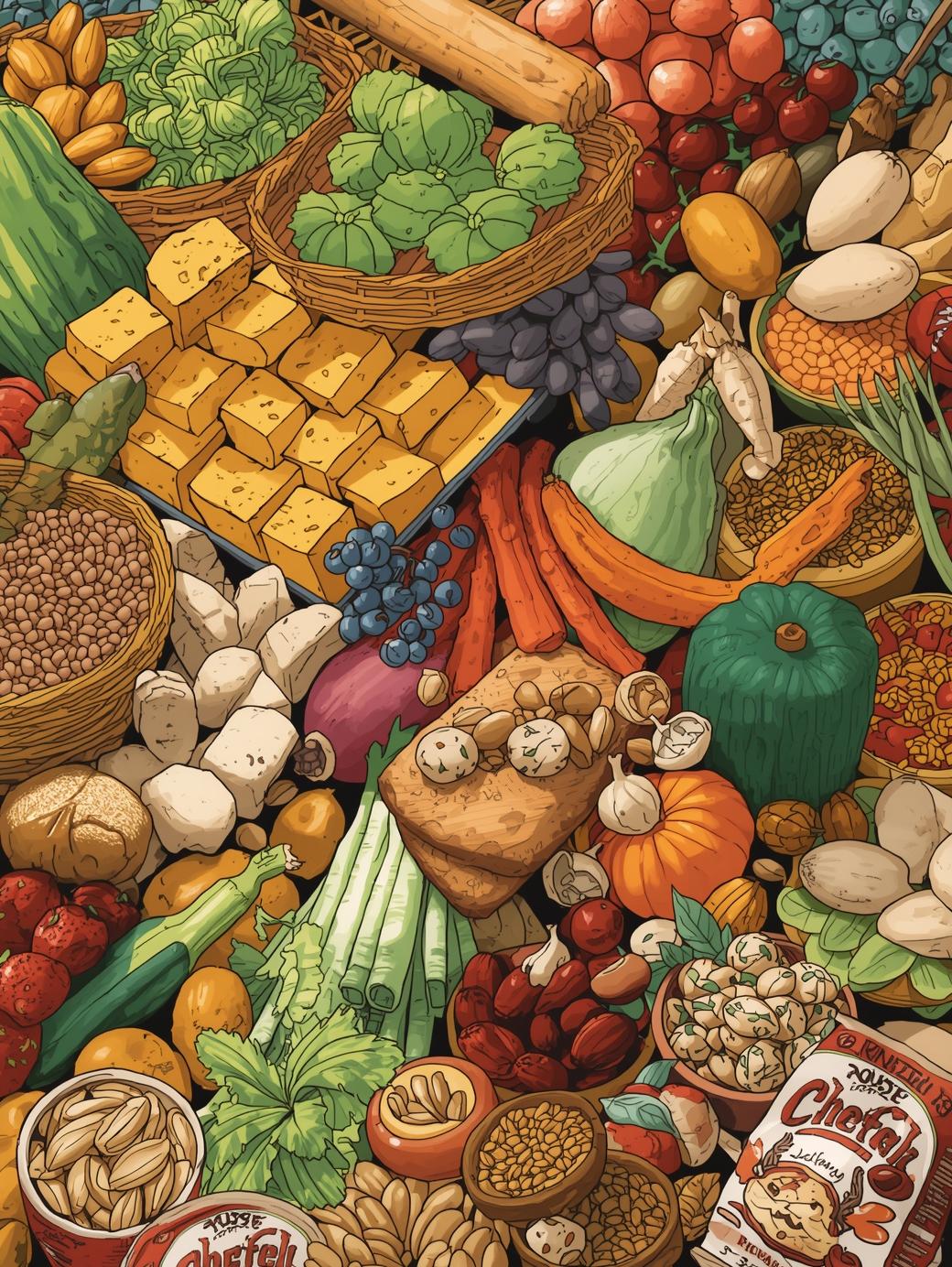
Protein is what keeps you full. Without it, you’ll be hungry no matter how much you eat.
I used to think eating plants meant living on fruit smoothies and veggie stir-fries. Spoiler alert: that doesn’t work. I was constantly snacking, never satisfied, and honestly? I was cranky.
The hunger from missing protein feels different than regular hunger. It’s this nagging, gnawing sensation that doesn’t go away no matter how much fruit or vegetables you eat.
Your body is smart—it knows what it needs, and it’ll keep sending hunger signals until it gets adequate protein.
The fix: Include protein-rich plants at every meal.
The best sources include:
- Lentils (18g protein per cooked cup)
- Chickpeas (15g per cooked cup)
- Black beans (15g per cooked cup)
- Tofu (20g per cup)
- Tempeh (31g per cup)
- Edamame (17g per cooked cup)
- Quinoa (8g per cooked cup)
- Hemp seeds (10g per 3 tablespoons)
Aim for 15-20 grams of protein per meal. That might look like a cup of lentils over quinoa, or a tofu scramble with black beans.
Build your meals around these foods instead of treating them as afterthoughts.
And forget that myth about combining certain foods to create complete amino acids. Your body pools amino acids throughout the day. Just eat a variety of protein-rich plants and you’re golden.
Mistake #3: Going Too Low on Healthy Fat
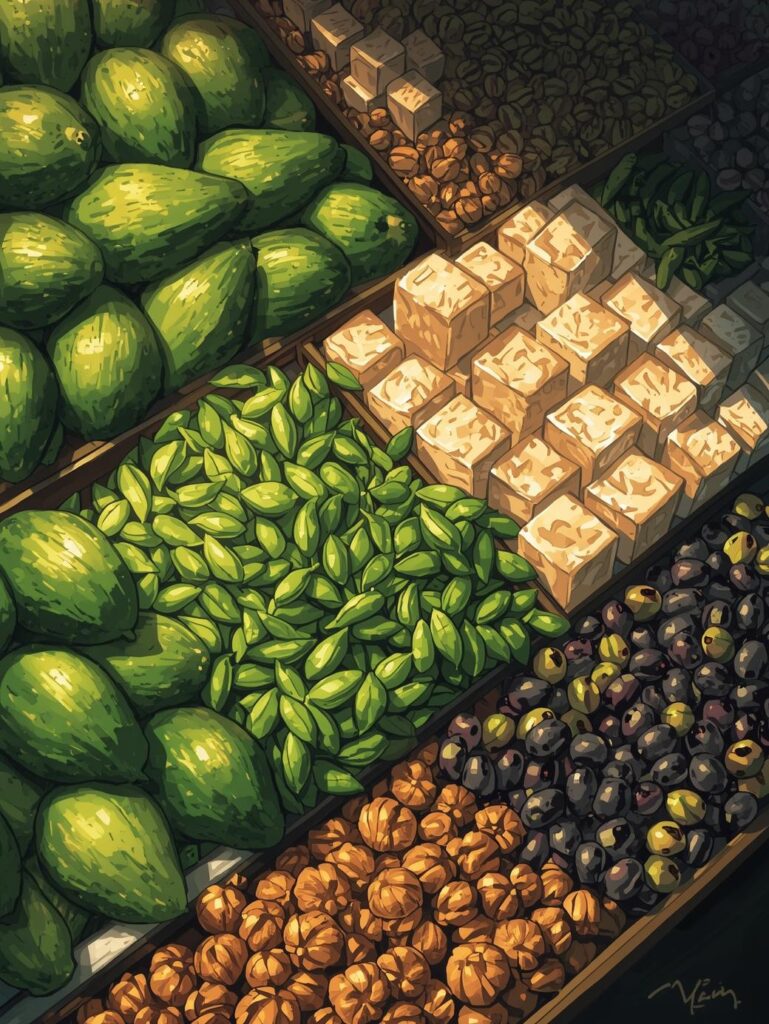
Fat got demonized for decades, and a lot of us are still scared of it.
But here’s the truth: fat is essential for feeling satisfied. It slows digestion, helps absorb nutrients, and sends powerful fullness signals to your brain.
When I started including more healthy fats, everything changed. Suddenly, I could go hours without thinking about food.
Fat also makes food taste incredible, which matters more than we give it credit for. When your meals are satisfying and delicious, you’re less likely to wander into the kitchen looking for something to “hit the spot.”
The fix: Add healthy fats to every meal.
Include these throughout your day:
- Avocados (half an avocado per meal)
- Nuts and nut butters (a small handful or 2 tablespoons)
- Seeds (chia, flax, hemp, pumpkin—1-2 tablespoons)
- Tahini (2 tablespoons on Buddha bowls or in dressings)
- Olives and olive oil (drizzle generously)
- Coconut (unsweetened shredded or coconut milk in curries)
A bowl of oatmeal? Add almond butter and chia seeds. Salad? Include avocado and a tahini dressing. Stir-fry? Toss in cashews or peanut sauce.
You’ll notice the difference immediately. Your meals will keep you full longer, your energy will be more stable, and you’ll actually look forward to eating instead of feeling like you’re just fueling up.
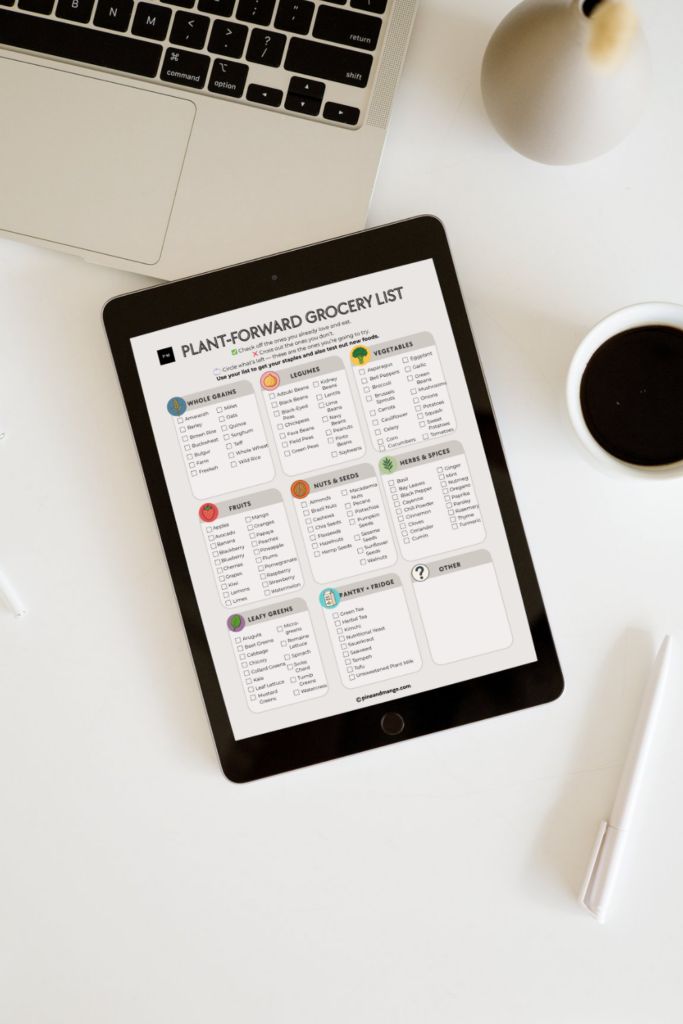
Get Your FREE Plant-Forward Grocery List Today!
Mistake #4: Relying Too Heavily on Simple Carb
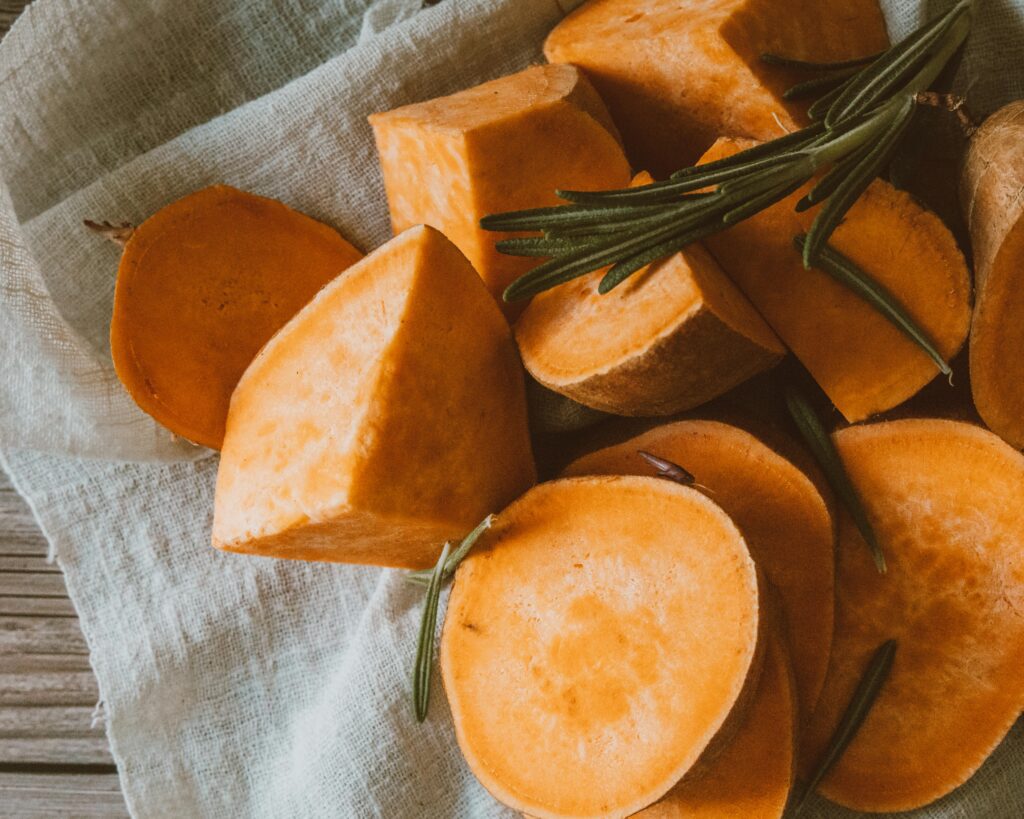
Fruit is wonderful. Bread is delicious. But if that’s the bulk of what you’re eating, your blood sugar is on a rollercoaster—and so is your hunger.
Simple carbohydrates digest quickly, spiking your blood sugar and then dropping it fast. That crash is what sends you back to the kitchen looking for more food.
The fix: Choose complex carbohydrates that include fiber.
These keep your blood sugar steady:
- Brown rice, wild rice, or forbidden rice
- Quinoa, farro, barley
- Sweet potatoes and regular potatoes (with the skin!)
- Oats (steel-cut or rolled, not instant)
- Whole grain bread and pasta
- Beans and lentils (bonus: they’re also protein!)
Pair them with protein and fat, and you’ve got a meal that holds you for hours.
A banana alone? You’ll be hungry in 30 minutes. A banana with almond butter on whole grain toast? That’s a different story.
Mistake #5: Not Drinking Enough Water

Sometimes what feels like hunger is actually thirst in disguise.
I used to confuse the two all the time. I’d reach for a snack when my body was really asking for water. Dehydration can make you feel tired, foggy, and yes—hungry.
The fix: Drink water consistently throughout the day.
Start with a glass when you wake up. Keep a water bottle with you. Aim for at least eight glasses a day, more if you’re active or it’s hot outside.
If plain water feels boring, add lemon, cucumber, or fresh mint. Herbal teas count too.
Before you reach for a snack, drink a full glass of water and wait 10 minutes. You might be surprised how often that “hunger” completely disappears.
Mistake #6: Eating Too Quickly
When you eat fast, your body doesn’t have time to register fullness. The signal from your stomach to your brain takes about 20 minutes.
I used to inhale my meals, especially when I was super hungry. Then I’d still feel empty and go back for more. Ten minutes later? Uncomfortably stuffed.
This habit was leftover from years of rushing through meals, eating at my desk, scrolling through my phone while I ate. I wasn’t even tasting my food half the time, let alone giving my body a chance to tell me when I’d had enough.
The fix: Slow down and savor your food.
Put your fork down between bites. Chew thoroughly. Notice the flavors and textures. Have a conversation. Enjoy the experience.
It sounds simple, but it makes a massive difference. You’ll eat less, feel more satisfied, and actually enjoy your meals. Plus, proper chewing helps with digestion, which means you’ll absorb more nutrients from your food.
Try this: set a timer for 20 minutes and don’t finish your meal before it goes off. At first, it’ll feel ridiculously slow. But you’ll be amazed at how much better you feel.
Mistake #7: Not Planning Ahead
Winging it rarely works when you’re adjusting to a new way of eating.
When I didn’t have quick, satisfying options ready, I’d default to whatever was easiest—which usually meant something that left me hungry an hour later.
The fix: Prepare simple staples in advance.
Spend an hour on Sunday doing this:
- Cook a big batch of quinoa or brown rice
- Roast a sheet pan of vegetables
- Make a pot of beans or lentils
- Prep a container of hummus or tahini dressing
- Wash and chop raw veggies for snacking
- Cook a batch of overnight oats or chia pudding for breakfasts
Having these ready means you can throw together a nourishing meal in five minutes. Mix and match throughout the week. Add different seasonings to keep things interesting.
Meal planning isn’t about perfection. It’s about making it easier to nourish yourself when you’re tired or busy. When good food is as convenient as grabbing a snack, you’ll make better choices without even thinking about it.
The Hidden Mistake: Not Eating Regularly Enough

Here’s one more thing that tripped me up: waiting too long between meals.
When you let yourself get absolutely ravenous, two things happen. First, you’re more likely to grab whatever’s quickest instead of making something nourishing. Second, you’ll probably eat too fast and too much because your body is in panic mode.
I used to skip breakfast, have a light lunch around 2 PM, then wonder why I was eating everything in sight by dinnertime. My blood sugar was all over the place, and my hunger hormones were a mess.
The fix: Eat every 3-4 hours.
This doesn’t mean constant snacking. It means three solid meals with one or two planned snacks if needed. Keep your blood sugar stable and your energy consistent.
A typical day might look like:
- Breakfast at 8 AM
- Snack at 11 AM (if needed)
- Lunch at 1 PM
- Snack at 4 PM
- Dinner at 7 PM
Listen to your body. Some people do great with three meals and no snacks. Others need that mid-morning or afternoon bridge. There’s no one right way—just what works for you.
What a Satisfying Plant-Based Meal Actually Looks Like
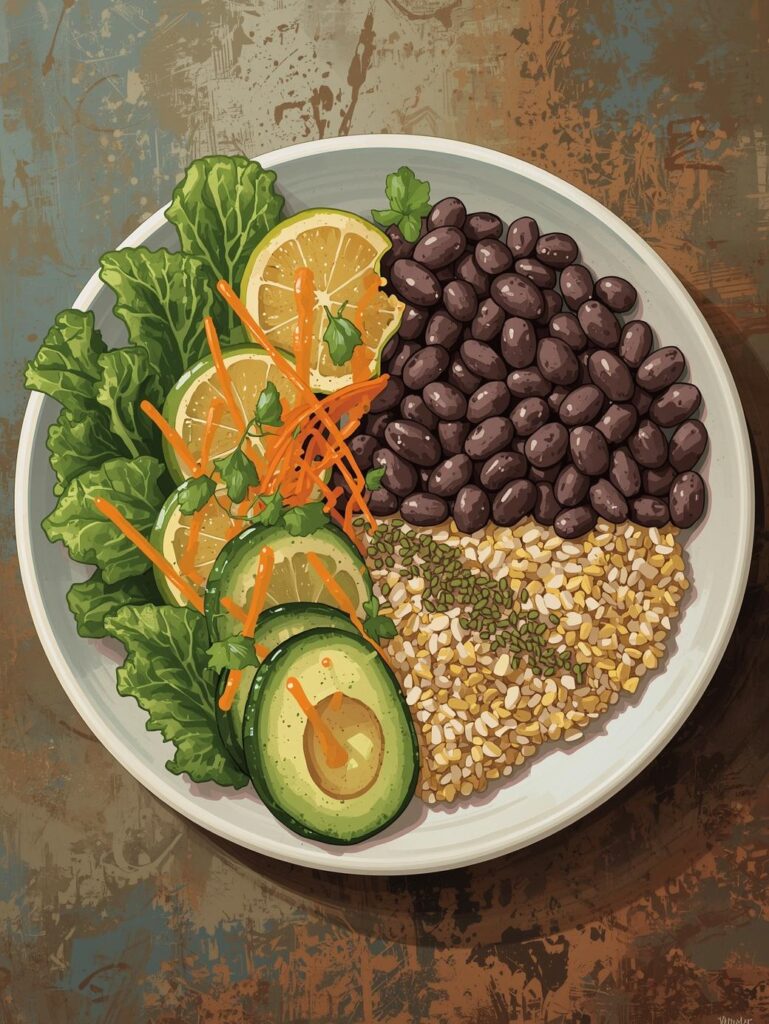
Let me paint you a picture of what changed everything for me.
Instead of a plain salad with vinegar dressing, I started building meals like this:
- Base: Two cups of mixed greens and roasted vegetables
- Protein: One cup of seasoned chickpeas or baked tofu
- Carbs: Three-quarters cup of quinoa or sweet potato
- Fat: Half an avocado and tahini dressing
- Extras: Pumpkin seeds, fresh herbs, lemon juice
That meal keeps me full for 3-4 hours. It’s colorful, it’s delicious, and my body feels amazing after eating it.
Notice the portions? They’re generous. This isn’t restriction eating. This is abundance.
Another example that I come back to again and again: a big bowl with brown rice, black beans, roasted sweet potato, sautéed peppers and onions, avocado, salsa, and a drizzle of cashew cream.
It’s basically a plant-based burrito bowl, and it’s so satisfying I don’t even think about food until the next meal.
The key is making sure every component is there. Remove the beans, and I’m hungry in two hours. Skip the avocado, and something feels missing. But with all the pieces in place? Perfect.
Give Your Body Time to Adjust
Here’s something nobody talks about: your digestive system needs time to adapt.
If you’re coming from eating mostly processed foods or animal products, your gut microbiome is adjusting. You might feel hungrier at first as your body figures things out.
Your digestive enzymes are ramping up production to handle all that fiber. Your gut bacteria are diversifying and multiplying.
Be patient with yourself. It took me about three weeks to stop feeling like I needed to eat every two hours.
By month two, my hunger signals became predictable and manageable.
During this adjustment period, it’s okay to eat more frequently. Honor your hunger. Your body isn’t broken. It’s learning a new language, and that takes time.
Some people notice they need to eat more volume initially because their bodies aren’t extracting nutrients as efficiently yet. That’s completely normal.
As your gut adapts, you’ll find your natural rhythm.
FAQs About Plant-Based Mistakes
Q: How much should I eat on a plant-based lifestyle?
Eat until you’re satisfied, not stuffed. Plant foods are generally less calorie-dense, so your portions will be larger than you might expect.
Focus on filling half your plate with vegetables, a quarter with protein-rich plants, and a quarter with whole grains or starchy vegetables. Include healthy fats at every meal.
Listen to your body—if you’re genuinely hungry an hour later, you didn’t eat enough.
Most people need to eat 20-30% more volume when transitioning to plant-based eating compared to what they ate before.
Q: Why do I feel full while eating but hungry an hour later?
This usually means you’re missing protein or healthy fats.
Fiber-rich vegetables can make your stomach feel physically full, but without protein and fat to slow digestion and stabilize blood sugar, that fullness disappears quickly.
Make sure every meal includes all three elements: protein, healthy fats, and complex carbohydrates. Also check that you’re drinking enough water—sometimes thirst mimics hunger.
The physical sensation of fullness isn’t the same as true satiety, which comes from giving your body all the nutrients it needs.
Q: How long does it take for hunger to normalize after switching to plant-based eating?
Most people notice their hunger stabilizing within 2-4 weeks as their digestive system adjusts and they learn to build more balanced meals.
If you’re still struggling after a month, you’re probably not eating enough overall or missing key nutrients like protein or healthy fats.
Track your meals for a few days to identify patterns. Your body will find its rhythm—just give it time and proper nourishment. Remember, everyone’s timeline is different, and factors like stress, sleep, and activity level also affect hunger regulation.
📖 Good Reads: How Not to Die, The China Study and Plant-Based Nutrition
In Essence: You’re Not Doing It Wrong
If you’ve been feeling hungry and frustrated, I want you to know something: you’re not failing.
You’re learning and adjusting. You’re undoing years of restriction and relearning how to nourish yourself properly.
The constant hunger isn’t your fault, and it’s definitely not permanent. With a few simple shifts—more food, more protein, more healthy fats, better planning—you’ll find yourself feeling satisfied and energized throughout the day.
Your body wants to feel good. It wants to be nourished. It’s been waiting for you to give it what it actually needs.
So be generous with yourself. Fill your plate. Try the adjustments that resonated most with you. Pay attention to what makes you feel amazing and do more of that.
You’ve got this. And I’m right here with you.
⭐ Let’s chat: What’s been your biggest challenge with feeling satisfied while eating more plants? Drop a comment below—I’d love to hear what’s working (or not working) for you.