This post may contain affiliate links. If you purchase through these links, I may earn a small commission at no extra cost to you. This helps keep Pine+Mango running. Thank you for your support! Read our full disclosure here.
You’re standing in your kitchen right now, aren’t you?
Pantry doors open, fridge humming, staring at shelves full of stuff you’re not sure you need anymore. Maybe you’re holding a box of something processed, wondering if it fits into this new way of eating.
Or maybe you’re feeling that familiar overwhelm creeping in, thinking you need to throw everything out and start from scratch with a $500 grocery haul.
I’ve been exactly where you are. And here’s what I learned: transforming your kitchen doesn’t require a dramatic purge or emptying your bank account.
It’s about making thoughtful, gradual changes that actually stick.
This isn’t about perfection or having every superfood on your shelf. It’s about creating a space that makes nourishing yourself feel easy and natural.
Let’s walk through this together, step by step, with zero judgment and all the practical guidance you need.
Subscribe to Our Nourished Newsletter
Get free weekly guidance for your plant-based journey, straight to your inbox.
- Understanding the Kitchen Reset Mindset
- What to Toss (And What Can Stay)
- Essential Tools You Actually Need
- Building Your Plant-Based Kitchen
- The Gradual Swap Strategy
- Avoiding Common Kitchen Reset Mistakes
- Making Your Kitchen Work for You
- Budget-Friendly Kitchen Reset Tips
- Linking Your Kitchen to Your Eating Plan
- FAQs About Plant-Based Kitchen Setup
- In Essence: Reset Gradually
- Subscribe to Our Nourished Newsletter
Understanding the Kitchen Reset Mindset
Here’s the truth nobody tells you: you don’t need to overhaul everything overnight.
The kitchen reset isn’t about punishment or restriction. It’s about removing what no longer serves your body and making room for foods that actually nourish you.
Think of it as creating space for abundance, not deprivation.
When I first started, I thought I needed fancy ingredients and equipment.
Wrong.
I needed simplicity. I needed basics that worked. And I needed to stop overthinking every single decision.
Your kitchen should feel like a place of possibility, not pressure. That shift in perspective changes everything.
What to Toss (And What Can Stay)

Let’s start with what really needs to go.
I’m not talking about a dramatic trash-everything moment. I’m talking about gradually removing foods that aren’t supporting your health goals.
Remove These Gradually
- Highly processed foods with ingredient lists you can’t pronounce. If it has more than 10 ingredients or includes things like artificial colors, preservatives, or hydrogenated oils, it’s working against you, not for you.
- Refined sugars hiding in everything from pasta sauce to bread. Check those labels. Sugar goes by dozens of names, and it’s sneaking into places you’d never expect.
- Products with trans fats or excessive saturated fats. Your body doesn’t need them, and they’re actively making inflammation worse.
Here’s What Can Actually Stay
- Whole grains you already have. Brown rice, quinoa, oats, whole wheat pasta. These are keepers.
- Canned or dried beans and legumes. Total pantry heroes. Don’t let anyone tell you canned beans aren’t healthy—they absolutely are.
- Nuts, seeds, and nut butters without added oils or sugars. Read those labels, though. You’d be surprised how many brands sneak in unnecessary ingredients.
- Frozen fruits and vegetables. Honestly, sometimes these are even more nutritious than fresh because they’re frozen at peak ripeness.
- Spices and herbs. Every single one. These are your flavor foundation.
★ One thing that shocked me: I didn’t need to toss as much as I thought. My basic pantry staples were already plant-friendly. I just needed to stop buying the junk and start adding the good stuff.
Essential Tools You Actually Need

Forget the gadgets. Forget the expensive spiralizers and fancy blenders (at least for now).
Start With These Basics
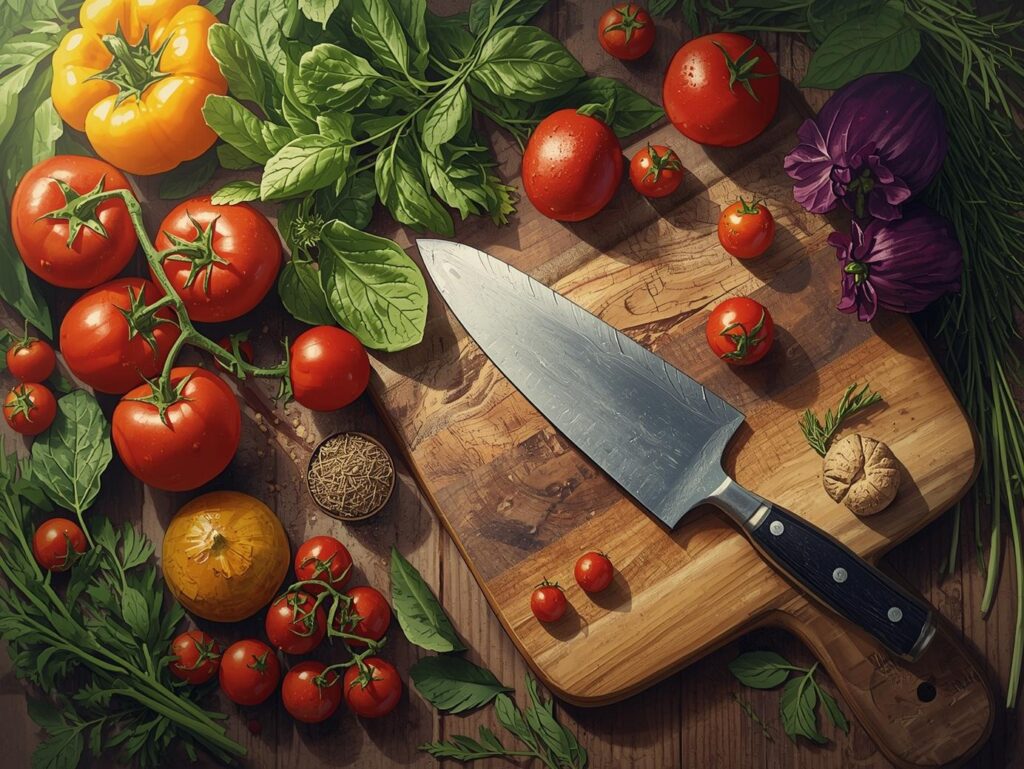
- A good set of knives and a cutting board. Sharp knives make prep faster and safer. Invest here if you can.
- Large pots and pans. You’ll be cooking beans, grains, soups, and sautéing vegetables. A big pot and a decent skillet are non-negotiable.
- Glass storage containers. Meal prep becomes so much easier when you can see what you have. Plus, no weird plastic chemicals leaching into your food.
- A colander and strainer. For rinsing beans, draining pasta, washing produce.
- Measuring cups and spoons. Especially helpful when you’re learning how much of everything to use.
- Baking sheet. For roasting vegetables, and whatever else you put in the oven.
Nice to Have (But Not Essential)
- A blender for smoothies and sauces. But honestly, you can wait on this until you know you’ll use it regularly.
- A food processor for chopping and making hummus. Again, not day-one essential.
- An Instant Pot or slow cooker for hands-off cooking. These are game-changers for batch cooking beans and grains, but you can absolutely cook everything on the stovetop.
I cooked for months with just a pot, a pan, and a knife. Don’t let the lack of fancy equipment stop you from starting.
Building Your Plant-Based Kitchen
This is where the magic happens.
You’re not buying everything at once. You’re building gradually, one grocery trip at a time.
Your Foundation Staples
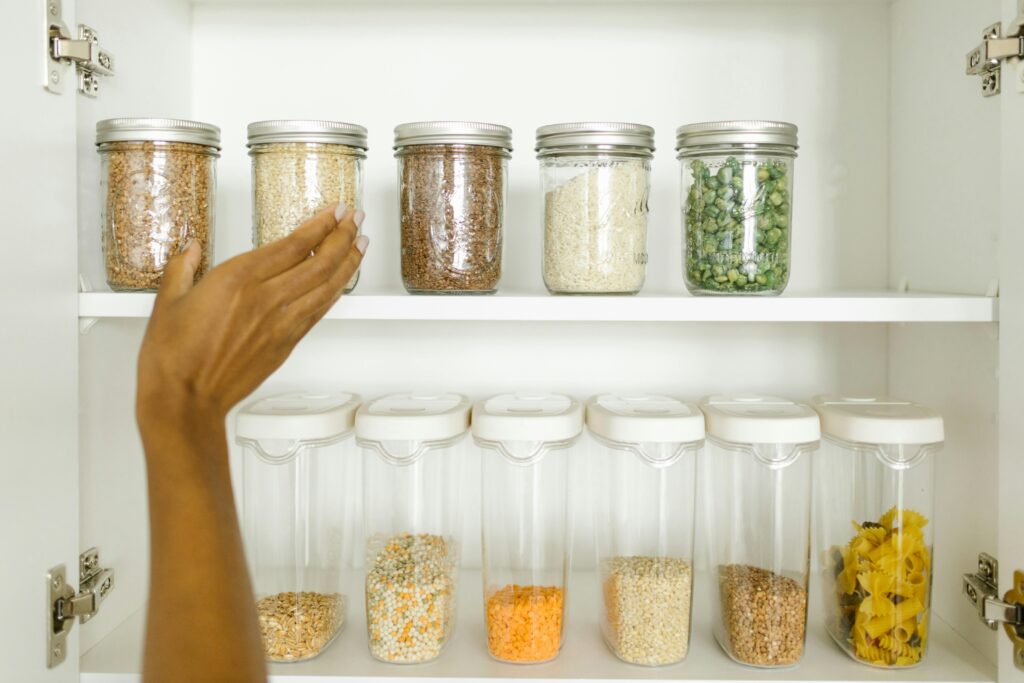
- Whole grains form the base of so many meals. Stock brown rice, quinoa, oats, whole grain pasta, and maybe some farro or barley if you’re feeling adventurous.
- Legumes are your protein powerhouses. Beans (black, pinto, chickpeas, kidney), lentils (red, green, brown), and split peas. Buy them dried or canned—both work beautifully.
- Nuts and seeds add healthy fats and protein. Almonds, walnuts, cashews, sunflower seeds, pumpkin seeds, chia seeds, and flaxseeds are all fantastic.
- Healthy fats include extra virgin olive oil, avocado oil for higher heat cooking, and tahini for dressings and sauces.
Flavor Builders
- Spices transform bland into brilliant. Garlic powder, onion powder, cumin, paprika, turmeric, cinnamon, black pepper, and red pepper flakes are my daily essentials.
- Acids brighten everything. Keep lemon juice, lime juice, and different vinegars (balsamic, apple cider, rice vinegar) on hand.
- Umami boosters add depth. Nutritional yeast, soy sauce or tamari, miso paste, and tomato paste create that savory satisfaction.
- Sweeteners for when you need them. Maple syrup, dates, and bananas are my go-tos for natural sweetness.
Fresh Essentials
- Stock your fridge with fresh vegetables you actually like. Don’t buy kale if you hate kale. Buy what you’ll eat.
- Fresh fruits for snacking and smoothies. Bananas, apples, berries, oranges. Simple and satisfying.
- Fresh herbs elevate everything. Cilantro, parsley, and basil add brightness. But dried herbs work too, so don’t stress this.
- Plant milks for smoothies, oatmeal, and cooking. Unsweetened varieties give you the most versatility (and no added sugars).
★ My strategy: I added 2-3 new items every grocery trip. One trip, I’d grab tahini and nutritional yeast. Next trip, maybe some miso paste and new spices. Before I knew it, my pantry was stocked and I hadn’t spent a fortune in one go.

Build Your Plant-Based Blueprint for FREE Today!
The Gradual Swap Strategy
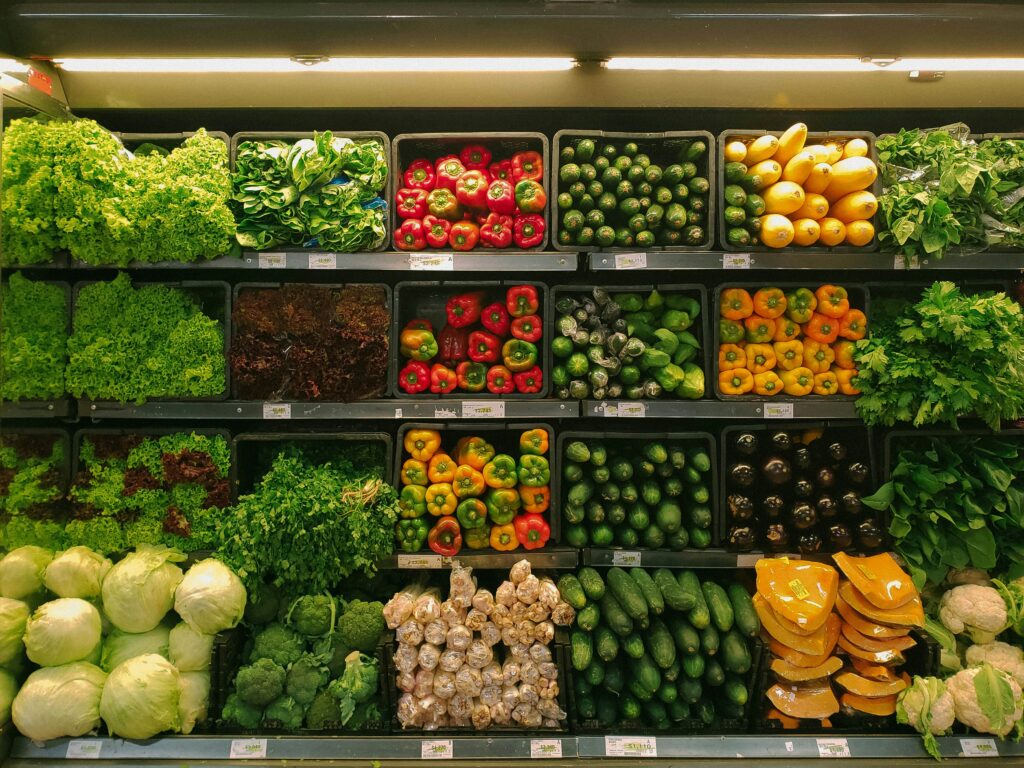
This is how you actually make it stick without feeling deprived or broke.
Swap as You Run Out
When your regular pasta is gone, replace it with whole grain. When the vegetable oil runs low, switch to olive or avocado oil. Once you finish that jar of mayo, try making your own cashew-based version or buy a healthier alternative.
This approach feels manageable.
You’re not throwing away food or money. You’re just making a different choice next time.
Try One New Thing Weekly
Pick one new ingredient to experiment with each week.
This week, maybe it’s tempeh. Next week, tahini. The following week, nutritional yeast.
This keeps things interesting without overwhelming you. Plus, you’ll actually learn how to use each ingredient before moving on to the next.
Experiment With Substitutions
Craving something specific? Figure out the plant-based version. Cashew cream instead of heavy cream. Mashed beans instead of ground meat in tacos. Banana or flax eggs in baking.
Some substitutions work better than others. Give yourself permission to experiment and mess up. That’s how you learn what works for your taste.
I didn’t get it right immediately. My first attempt at cashew cream was grainy. My first bean burger fell apart.
But I kept trying, kept adjusting, and eventually found what worked.
Avoiding Common Kitchen Reset Mistakes
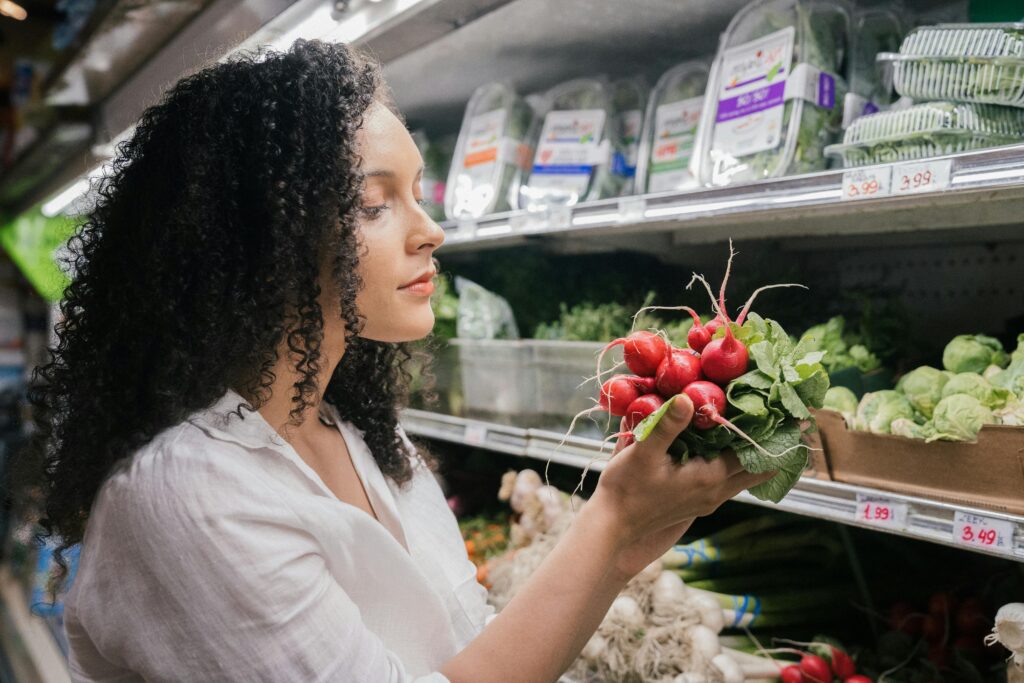
Let me save you from the mistakes I made.
- Don’t Buy Everything at Once: I know it’s tempting to go all-in, but you’ll waste food and money. You don’t know what you’ll actually use yet. Buy gradually. Learn as you go.
- Don’t Toss Food You’ve Already Bought: Unless it’s truly unhealthy, finish what you have before replacing it. Wasting food helps nobody, including your wallet.
- Don’t Obsess Over Perfection: So you still have regular pasta in your pantry alongside the whole grain version. So what? Progress over perfection, always.
- Don’t Forget to Taste Test: Not all plant milks taste the same. Not all nutritional yeast brands are equal. Buy small amounts first. Find what you actually like before committing to bulk purchases.
- Don’t Ignore What You Already Enjoy: If you already love roasted vegetables, keep making them. If you’re obsessed with a certain fruit, keep eating it. Build on what’s already working.
The biggest mistake I made was trying to force myself to eat foods I genuinely disliked.
Save yourself the trouble. Eat what you enjoy.
Making Your Kitchen Work for You

Organization matters more than you think.
- Keep frequently used items at eye level. Grains, beans, and spices you use daily should be easy to grab.
- Store ingredients in clear containers so you can see what you have. This prevents overbuying and food waste.
- Group similar items together. All your grains in one spot, all your spices together, all your baking supplies in their own area.
- Prep ingredients when you have time. Chop vegetables on Sunday for the week. Cook a big batch of grains. Soak and cook beans in bulk.
These small organizational tweaks save massive time and mental energy during busy weekdays.
Budget-Friendly Kitchen Reset Tips

You don’t need to spend a fortune to eat well.
Shop Smart
Buy dried beans and grains in bulk. They’re significantly cheaper than packaged versions and store forever.
Choose frozen produce when fresh is expensive. Nutritionally equivalent, often cheaper, and zero waste from spoilage.
Skip specialty stores for basics. Your regular grocery store has everything you need. Rice, beans, oats, fruits, vegetables, spices—it’s all there.
Prioritize Your Spending
Spend more on fresh produce and less on packaged convenience foods.
The real food is where your money should go.
Invest in quality oils and spices. These last a long time and make everything taste better.
Use What You Have
Get creative with ingredients you already own. That random grain in the back of your pantry? Use it. Those canned tomatoes? Make a sauce.
I cut my grocery bill in half by shopping bulk bins and buying what was on sale.
Plant-based eating is actually cheaper when you focus on whole foods instead of processed substitutes.
Linking Your Kitchen to Your Eating Plan
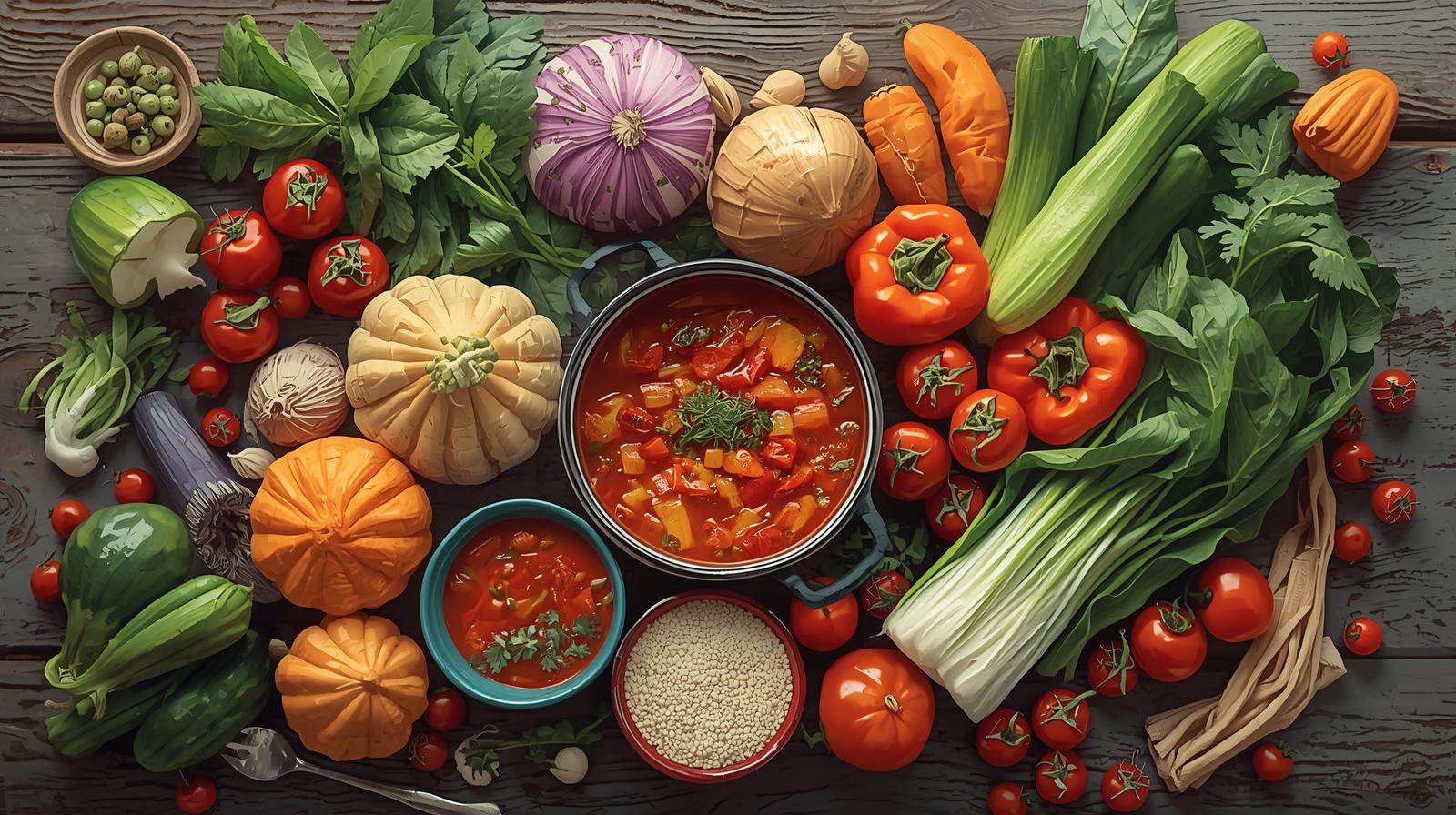
Your kitchen setup is just the beginning. Here’s how everything connects:
- Once your kitchen is stocked, you need a system. Check out our Beginner’s Guide to Eating More Plants for the mindset shifts and practical strategies that make this sustainable long-term.
- Confused about what to buy each week? Our article The Ultimate Plant-Based Grocery List for Beginners breaks down exactly what to shop for, organized by category and season.
- Worried about the cost? Read How to Eat Plant-Based on a Budget (Without Sacrificing Nutrition) for money-saving strategies that prove healthy eating doesn’t require a huge paycheck.
- Struggling with flavor? Learn How to Season Vegetables So They Actually Taste Amazing so your plant foods taste incredible, not boring.
Your kitchen setup creates the foundation. These other resources help you build the complete system.
FAQs About Plant-Based Kitchen Setup
Q: Do I have to throw out all my current food?
Absolutely not. Finish what you have, especially shelf-stable items. As things run out, replace them with plant-based alternatives.
The only exceptions are foods actively making you feel terrible or items you know you won’t eat.
Wasting food helps nobody. Transition thoughtfully.
Q: Can I really eat plant-based without expensive specialty ingredients?
Yes! The foundation of plant-based eating is incredibly affordable: rice, beans, oats, seasonal produce, and basic spices. These cost less than meat, dairy, and processed foods.
The expensive trap is buying trendy superfoods and processed substitutes.
Stick with whole foods and your grocery bill will likely decrease, not increase.
Q: What if my family isn’t on board with these changes?
Stock your plant-based essentials while keeping some familiar items others prefer. You don’t need separate kitchens.
Many staples work for everyone: pasta, rice, vegetables, fruit, bread, nut butters.
Cook plant-based meals everyone can enjoy, and keep a few specific items for family members who aren’t ready to change.
Lead by example, not by force.
Q: How do I keep produce from going bad before I use it?
- Buy less fresh produce more frequently, or buy frozen.
- Store leafy greens in produce bags with a paper towel to absorb moisture.
- Keep herbs in water like a bouquet.
- Store vegetables properly—some in the crisper, some on the counter.
- Prep vegetables when you get home so they’re ready to use.
And remember, frozen vegetables are just as nutritious and eliminate waste entirely.
📖 Good Reads: How Not to Die, The China Study and Plant-Based Nutrition

In Essence: Reset Gradually
S etting up your plant-based kitchen isn’t about perfection or speed. It’s about creating a space that makes nourishing yourself the easy, natural choice.
You start with the basics—grains, beans, vegetables, and a few good tools. Then build gradually, adding ingredients as you learn what you actually use.
Organize thoughtfully so you can see what you have and use it before it goes bad. You focus on whole foods that cost less and nourish more than processed alternatives.
This kitchen setup becomes the foundation for everything else.
Once your pantry is stocked and your fridge is full of real food, the daily decisions get easier. Cooking becomes simpler. Your body starts feeling different. And you begin to understand why eating more plants changes everything.
So take a breath. Start where you are. Buy what you can afford. Cook what sounds good. And know that every single addition to your kitchen is a step toward feeling better in your body.
You’ve got this. And I’m here, cheering you on every step of the way.
⭐ Let’s chat: What’s already in your kitchen right now that you didn’t realize was plant-friendly? I bet you have more than you think! Drop it in the comments below.