This post may contain affiliate links. If you purchase through these links, I may earn a small commission at no extra cost to you. This helps keep Pine+Mango running. Thank you for your support! Read our full disclosure here.
For years, we’ve been told that fat makes us fat, then suddenly fat became our friend, and now there’s drama about which fats are “good” and which ones we should avoid.
It’s exhausting, honestly.
But here’s the beautiful truth: when you embrace whole plant foods, the healthy fats come naturally packaged with fiber, vitamins, and minerals that your body recognizes and knows exactly what to do with.
Let me walk you through this without the confusing science jargon or conflicting advice. We’re going to simplify what healthy fats actually are, where to find them in the plant kingdom, and how to use them in your everyday meals.
No weird supplements or expensive superfoods required—just real food that makes you feel amazing.
Subscribe to Our Nourished Newsletter
Get free weekly guidance for your plant-based journey, straight to your inbox.
- What Are Healthy Fats and Why Does Your Body Need Them?
- The Best Sources of Healthy Fats from Plants
- How Much Healthy Fat Do You Actually Need?
- Simple Ways to Add Healthy Fats to Your Meals
- Common Mistakes People Make with Healthy Fats
- The Truth About Omega Fatty Acids
- What About Cooking Oils?
- Busting the Fat Myths That Keep You Stuck
- How Healthy Fats Support Your Transformation Journey
- FAQs About Plant-Based Healthy Fats
- In Essence: Healthy Fats Are Essential
- Subscribe to Our Nourished Newsletter
What Are Healthy Fats and Why Does Your Body Need Them?
Your body needs fat to survive. That’s just the reality of human biology.
Fats help your brain function properly (your brain is about 60% fat!), they cushion your organs, help you absorb vitamins A, D, E, and K, keep your skin glowing, and give you lasting energy that doesn’t crash an hour after eating.
When you remove healthy fats from your eating pattern, you might notice you’re constantly hungry, your skin gets dry, you can’t focus, and you feel tired all the time.
There are three main types of fats you’ll encounter:
- Unsaturated fats (the ones we want more of) – these include monounsaturated and polyunsaturated fats that support heart health
- Saturated fats (use sparingly) – these are solid at room temperature and mostly found in animal products and tropical oils
- Trans fats (avoid these) – artificial fats created through processing that harm your health
The healthiest fats come from whole plant sources where nature has perfectly balanced the nutrients. When you eat a handful of walnuts, you’re not just getting fat—you’re getting omega-3s, protein, fiber, antioxidants, and minerals all working together.
The Best Sources of Healthy Fats from Plants
Let me share the plant foods I keep in my kitchen because they’re packed with the good stuff and taste incredible (and give the most nutritional bang for your buck)!
Nuts and Seeds: Nature’s Perfect Package
Raw or dry-roasted nuts and seeds are absolute powerhouses.
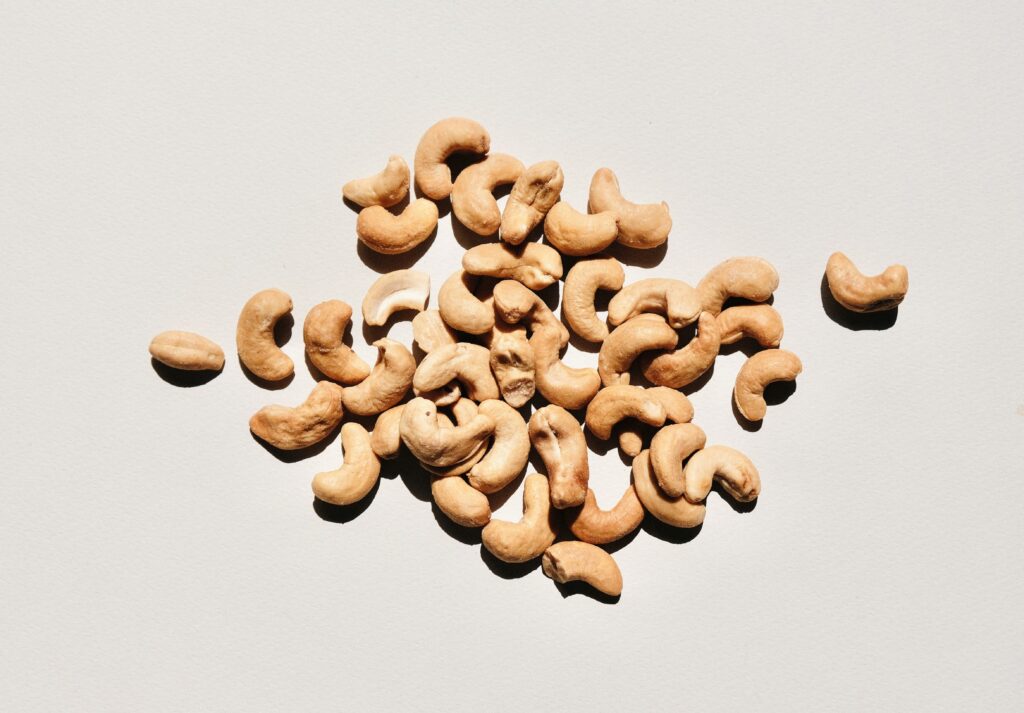
Almonds, walnuts, cashews, pecans, pistachios, pumpkin seeds, sunflower seeds, hemp seeds, chia seeds, and flax seeds all bring different nutrients to the table.
Walnuts are my go-to because they’re rich in omega-3 fatty acids that reduce inflammation. Just a quarter cup gives you what your body needs for the day. I toss them in my morning oatmeal or grab a handful as an afternoon snack.
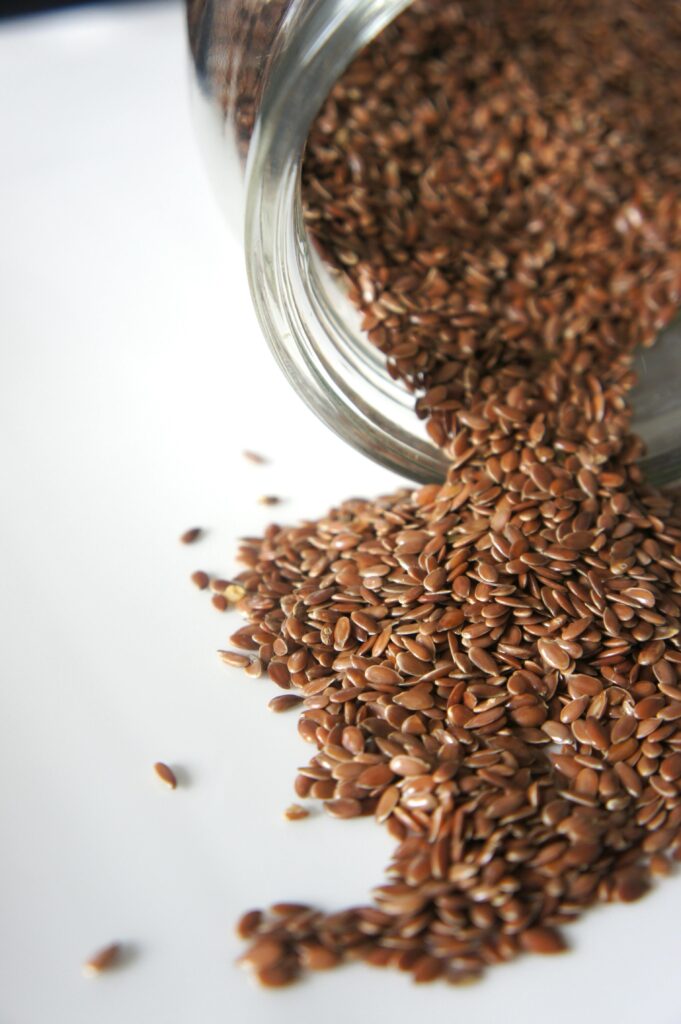
Chia seeds and ground flaxseeds are sneaky little additions that boost any meal. Sprinkle them on your breakfast, blend them in smoothies, or use them in baking.
Ground flax absorbs better than whole seeds, so invest in a small coffee grinder if you can.
Avocados: The Creamy Champion
Avocados deserve their own spotlight because they’re just that good. Half an avocado gives you nearly 15 grams of healthy monounsaturated fats that keep you satisfied for hours.
I used to think avocados were only for toast or guacamole, but now I add them to smoothies for creaminess, slice them over salads, mash them as a sandwich spread, or even eat them straight with a spoon and a sprinkle of sea salt.
They make everything taste richer without any weird aftertaste.
Olives and Olive Oil: Mediterranean Magic
Extra virgin olive oil is one of the healthiest oils you can use, especially when it’s cold-pressed and stored in a dark bottle. The key word here is “extra virgin”—that means it’s the first pressing and hasn’t been heavily processed.
Use olive oil for low to medium heat cooking, drizzle it over finished dishes, or make simple salad dressings.
Whole olives are fantastic too. They’re salty, savory, and add tons of flavor to grain bowls, salads, and pasta dishes.
Build Your Plant-Based Blueprint for FREE Today!
Whole Soy Foods: More Than Just Protein
Edamame, tofu, and tempeh all contain healthy fats along with complete protein and tons of other nutrients. A cup of edamame has about 8 grams of fat, mostly the good kind.
I love snacking on steamed edamame with a little salt, or adding cubed tofu to stir-fries and soups.
Tempeh has a nutty flavor that works perfectly in sandwiches or crumbled over salads.
Coconut: Use Mindfully
Coconut products contain saturated fat, so they’re not something to go wild with.
But used occasionally, coconut milk adds amazing creaminess to curries and soups, while shredded coconut brings texture to baked goods and breakfast bowls.
I use light coconut milk more often than full-fat, and I measure it rather than pouring freely. Balance is everything.
How Much Healthy Fat Do You Actually Need?
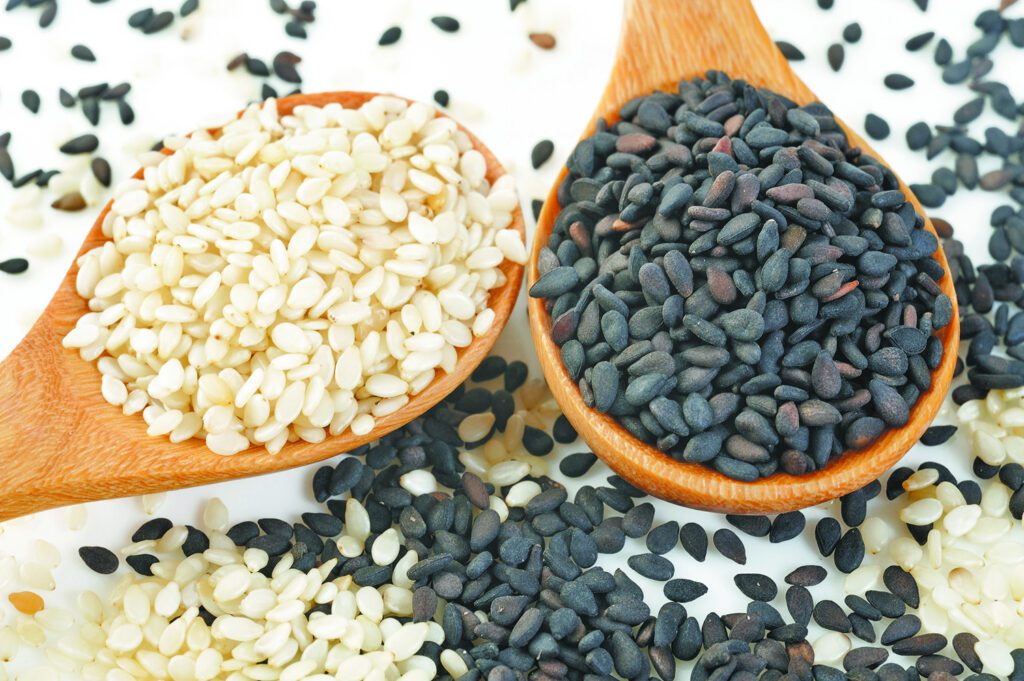
This is where things get personal because everyone’s body is different. Generally speaking, about 20-35% of your daily calories can come from fat.
For most people eating 2,000 calories a day, that’s roughly 44-78 grams of fat total.
But here’s what matters more than hitting a specific number: are you eating whole food sources of fat throughout the day? Are you feeling satisfied after meals? Is your energy steady?
Here’s what a day of balanced fat intake might look like:
- Breakfast: Oatmeal with ground flaxseed and walnuts (10g fat)
- Snack: Apple with almond butter (10g fat)
- Lunch: Big salad with chickpeas, pumpkin seeds, and olive oil dressing (15g fat)
- Snack: Handful of cashews (13g fat)
- Dinner: Stir-fry with tofu and vegetables cooked in a small amount of sesame oil (15g fat)
That’s about 63 grams spread throughout the day from whole food sources. You feel full, your brain works great, and you’re not thinking about food every hour.
Simple Ways to Add Healthy Fats to Your Meals
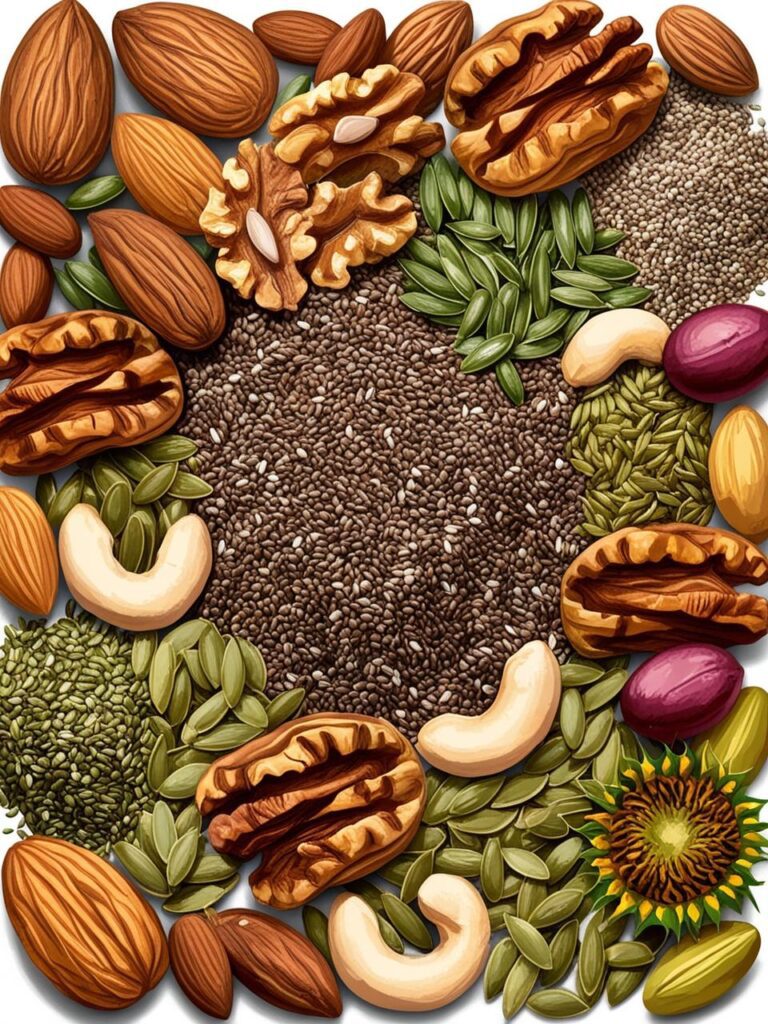
Sometimes the hardest part isn’t knowing what to eat, it’s figuring out how to actually use these foods in real life.
Breakfast ideas that take minutes:
- Add nut butter to your toast or oatmeal.
- Blend half an avocado into your smoothie.
- Sprinkle chia seeds or hemp hearts on top of your breakfast bowl.
- Make overnight oats with ground flaxseed mixed right in.
Lunch and dinner upgrades:
- Toss a handful of nuts or seeds into your salads for crunch and staying power.
- Drizzle olive oil and lemon juice as the simplest dressing ever.
- Add cubed avocado to grain bowls, soups, or wraps.
- Use tahini (ground sesame seeds) as a sauce base for roasted vegetables or buddha bowls.
Snack time solutions:
- Keep pre-portioned bags of mixed nuts in your bag or desk drawer.
- Slice vegetables and dip them in hummus or guacamole.
- Spread almond butter on apple slices or celery sticks.
The trick is having these foods visible and accessible. When they’re front and center in your kitchen, you’ll naturally reach for them.
Common Mistakes People Make with Healthy Fats
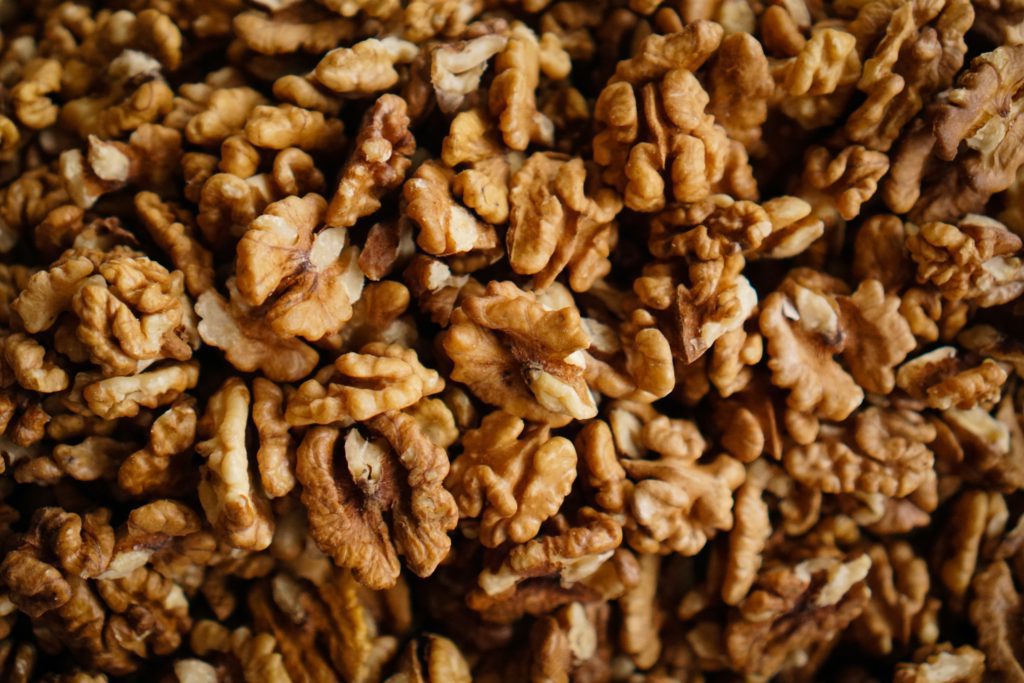
Let me save you some trouble by sharing what I’ve learned the hard way.
1. Overdoing it with oils
Even healthy oils are calorie-dense at 120 calories per tablespoon.
When you’re cooking, measure your oil instead of free-pouring. You need way less than you think, especially if you’re using non-stick pans or adding a splash of water or vegetable broth.
2. Forgetting about omega-3s
Most people get plenty of omega-6 fatty acids but not enough omega-3s, which leads to inflammation. Ground flaxseed, chia seeds, hemp seeds, and walnuts are your omega-3 champions.
Try to include one of these daily.
3. Choosing processed over whole
Nut butters are great, but check the ingredients. You want nuts and maybe salt—that’s it. No added oils or sugars needed.
Better yet, make your own in a food processor!
4. Ignoring portion sizes
Nuts and seeds are incredibly healthy, but a serving is about a small handful (1/4 cup or roughly 1 ounce). It’s easy to mindlessly munch through half a jar while watching TV.
Portion them out ahead of time.
5. Buying rancid products
Fats can go bad, especially nuts, seeds, and their oils. They’ll smell off or taste bitter when they’re rancid.
Store nuts and seeds in the fridge or freezer, and keep oils in a cool, dark place. Buy smaller quantities that you’ll use within a few months.
The Truth About Omega Fatty Acids
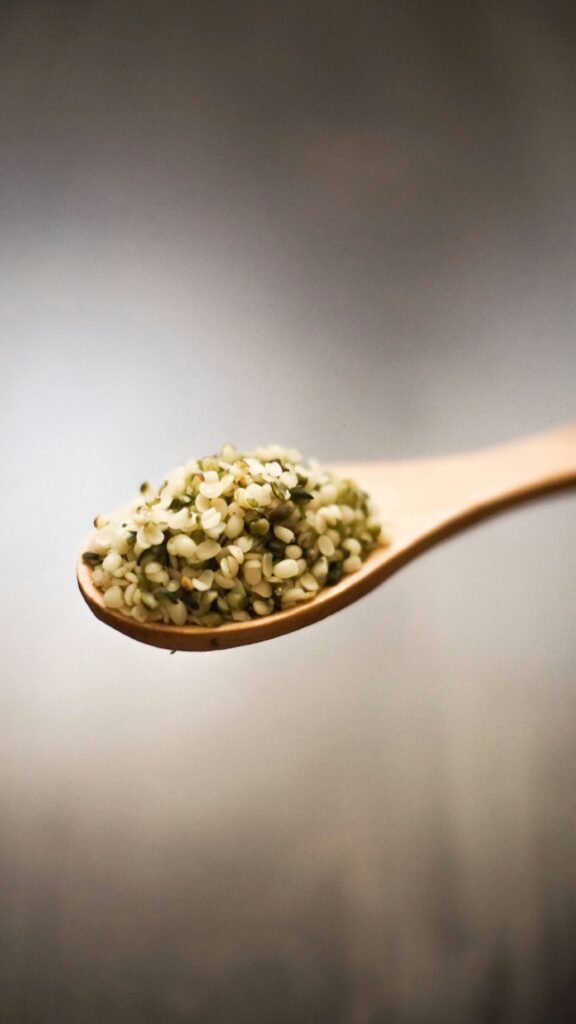
You’ve probably heard about omega-3s and omega-6s, and maybe you’ve wondered if you need to take fish oil or algae supplements.
Here’s the simple truth: both omega-3 and omega-6 fatty acids are essential, meaning your body can’t make them—you have to eat them.
The problem most people face is getting way too many omega-6s (from processed foods and certain oils) and not enough omega-3s.
The best plant sources of omega-3s include:
- Ground flaxseeds
- Chia seeds
- Hemp seeds
- Walnuts
- Algae-based supplements (if you want extra insurance)
Aim for about 1-2 tablespoons of ground flaxseed or chia seeds daily, or a handful of walnuts. That covers your omega-3 needs beautifully.
For omega-6s, you’re likely getting plenty from nuts, seeds, and whole grains without even trying. The goal isn’t to eliminate omega-6s, but to balance them with omega-3s for reduced inflammation and better overall health.
What About Cooking Oils?
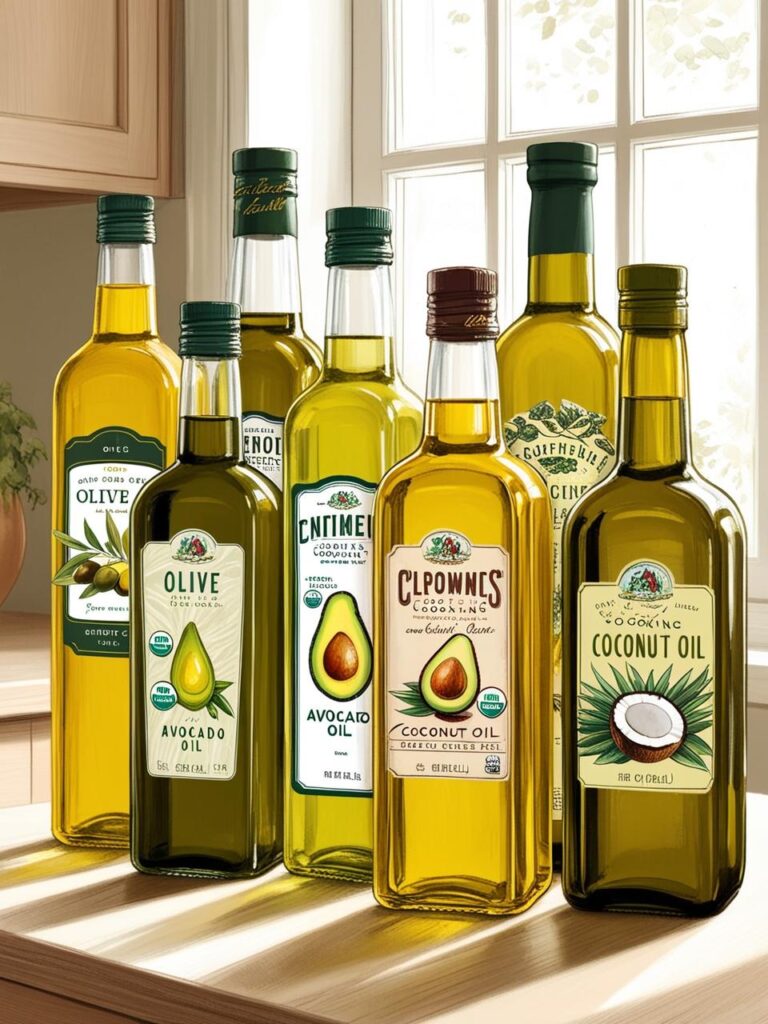
Not all oils handle heat the same way, and this matters more than you might think.
- High heat cooking (sautéing, roasting, stir-frying): Use avocado oil or refined coconut oil. These have higher smoke points and won’t break down into harmful compounds.
- Medium heat cooking (light sautéing): Extra virgin olive oil works beautifully here. Just don’t let it get so hot that it smokes.
- No heat (dressings, drizzling): This is where extra virgin olive oil, flaxseed oil, and hemp oil shine. Never heat flaxseed or hemp oil—they break down quickly and lose their benefits.
- The water sauté method: This is my secret weapon for cutting back on oil without sacrificing flavor. Add a few tablespoons of water or vegetable broth to your pan instead of oil, and cook your vegetables until tender. Add a tiny drizzle of olive oil at the end for flavor if you want.
Busting the Fat Myths That Keep You Stuck
Let’s clear up some confusion that’s probably been holding you back.
Myth #1: All fat makes you gain weight.
Truth: Your body needs fat to function, and eating healthy fats actually helps you feel full longer, which can prevent overeating.
Weight gain comes from eating more calories than you burn, regardless of whether those calories come from fat, carbs, or protein.
Myth #2: Low-fat is always healthier.
Truth: Many low-fat products replace fat with sugar and refined carbs, which are way worse for your health.
Whole food sources of fat with their natural fiber and nutrients are far better choices.
Myth #3: You need tons of fat to feel satisfied.
Truth: Balance is key. When you combine healthy fats with fiber from vegetables, fruits, and whole grains, you feel satisfied without needing massive amounts of any one macronutrient.
Myth #4: Coconut oil is a superfood you should eat daily.
Truth: Coconut oil is high in saturated fat, which isn’t as beneficial as unsaturated fats from nuts, seeds, and olives. Use it occasionally for flavor, not as your primary fat source.
How Healthy Fats Support Your Transformation Journey
When you’re moving away from restrictive eating and toward nourishing your body with plants, healthy fats become your best friend.
They help you feel full and satisfied, which means you’re not constantly thinking about your next meal or battling cravings. They stabilize your blood sugar so you don’t experience those awful energy crashes.
These fats make your food taste amazing, which makes this whole journey enjoyable instead of feeling like punishment.
The abundance mindset shifts from “I can’t eat fat” to “I get to nourish my body with these incredible foods that taste good AND make me feel amazing.”
That’s when everything clicks.
FAQs About Plant-Based Healthy Fats
Q: Do I need to count fat grams or can I just eat whole plant foods intuitively?
For most people, eating a variety of whole plant foods throughout the day naturally provides the right amount of healthy fats without counting anything.
Focus on including nuts, seeds, avocados, or olives in most of your meals, and your body will tell you if you need more or less. If you’re feeling constantly hungry, tired, or noticing dry skin, you might need to add more healthy fats.
If you’re feeling sluggish after meals, you might be overdoing it. Trust your body’s signals.
Q: Can I get enough omega-3 fatty acids without eating fish or taking supplements?
Absolutely! Ground flaxseeds, chia seeds, hemp seeds, and walnuts all provide ALA omega-3s that your body can convert into the types it needs. One to two tablespoons of ground flax or chia daily, or a handful of walnuts, covers your omega-3 needs.
Some people choose to take an algae-based supplement for extra peace of mind, but it’s not necessary if you’re regularly eating these plant sources.
Q: Are nut and seed butters just as healthy as whole nuts and seeds?
Yes, as long as they don’t have added oils, sugars, or other ingredients. The only difference is that nut and seed butters are easier to overeat because you can’t see the portion size as clearly.
A serving is about two tablespoons, which is less than you’d think when you’re scooping straight from the jar!
Whole nuts and seeds also give you more fiber and take longer to eat, which helps with satisfaction.

In Essence: Healthy Fats Are Essential
Healthy fats aren’t something to fear—they’re essential for your body to thrive. When you choose whole plant sources like nuts, seeds, avocados, and olives, you’re getting so much more than just fat.
You’re getting fiber, vitamins, minerals, and antioxidants all working together to support your health.
Start simple. Add ground flax to your morning routine. Keep a jar of mixed nuts where you can see them. Slice an avocado onto your lunch. These small, consistent actions add up to lasting change without feeling overwhelming.
Remember, this journey isn’t about perfection—it’s about progress. Some days you’ll nail it, and other days you’ll forget to include these foods and that’s completely okay.
What matters is coming back to what makes you feel good, energized, and nourished over the long run.
⭐ What’s your favorite way to add healthy fats to your meals? Are you team avocado toast, or do you prefer tossing nuts and seeds into everything? Share what’s working for you!