No products in the cart.
This post may contain affiliate links. If you purchase through these links, I may earn a small commission at no extra cost to you. This helps keep Pine+Mango running. Thank you for your support! Read our full disclosure here.
Are you tired of feeling like grains are just… well, empty carbs?
Here’s the truth: most of us grew up thinking all grains were created equal, but they’re absolutely not. Some grains are nutritional powerhouses that can genuinely transform how you feel and fuel your body.
When you start exploring plant-based eating, the grain aisle can feel overwhelming.
You’re standing there wondering which ones actually matter, which ones will keep you full and satisfied, and which ones are worth your money.
The good news? I’m about to show you the eight grains that punch way above their weight nutritionally.
Switching to nutrient-rich grains is one of the smartest moves you can make when embracing a plant-forward lifestyle.
Let’s dig into the healthiest grains and show you exactly why they deserve a spot in your kitchen.
Subscribe to Our Nourished Newsletter
Get free weekly guidance for your plant-based journey, straight to your inbox.
Table Of Contents
- What Makes a Grain Actually Nutritious?
- The 8 Healthiest Grains Ranked by Nutrient Density
- 1. Teff: The Protein Powerhouse Champion
- 2. Amaranth: The Immortal Grain
- 3. Quinoa: The Balanced All-Rounder
- 4. Buckwheat: The Endurance Grain
- 5. Millet: The Underrated Mineral Powerhouse
- 6. Wild Rice: The Fiber-Filled Grain
- 7. Barley: The Cholesterol-Fighting Champion
- 8. Oats: The Reliable Everyday Essential
- How to Incorporate These Grains Into Your Daily Life
- FAQs About Nutrient-Dense Grains
- In Essence: Expand Your Grain Horizons
- Subscribe to Our Nourished Newsletter
What Makes a Grain Actually Nutritious?
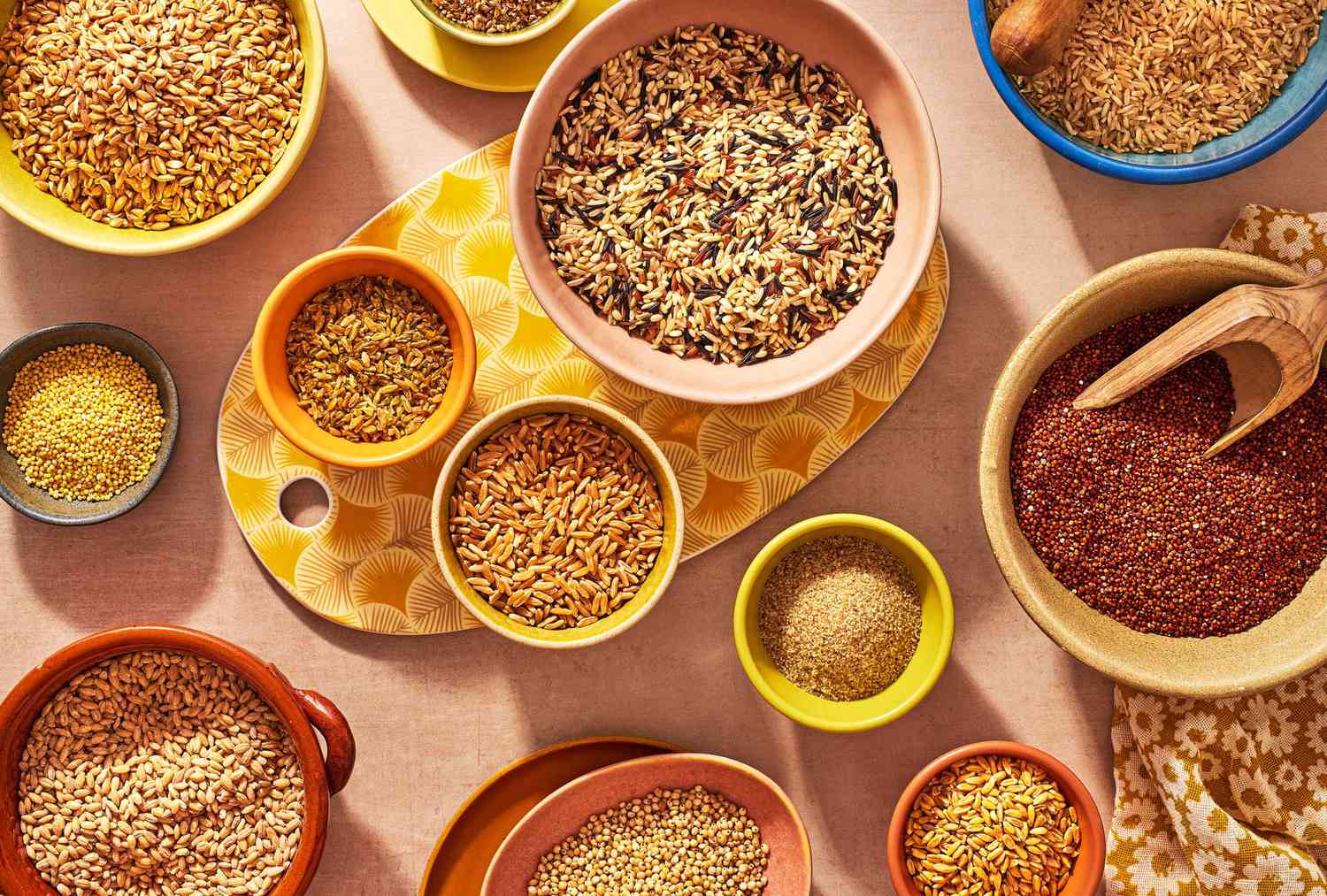
Before we rank them, you need to understand what we’re measuring. Nutrient density simply means how much nutrition you get per serving.
Think of it this way: you want maximum value for your money and your calories.
When we talk about the most nutritious grains, we’re looking at protein content, fiber, B vitamins, minerals like iron and magnesium, and antioxidants.
These are the building blocks your body needs to thrive.
A grain that checks multiple boxes is way more valuable than one that just fills your belly.
Here’s something important: whole grains beat refined grains every single time. When grain is refined, they strip away the nutrient-rich bran and germ, leaving mostly starch.
That’s why we’re focusing on whole grain options.
The 8 Healthiest Grains Ranked by Nutrient Density
1. Teff: The Protein Powerhouse Champion
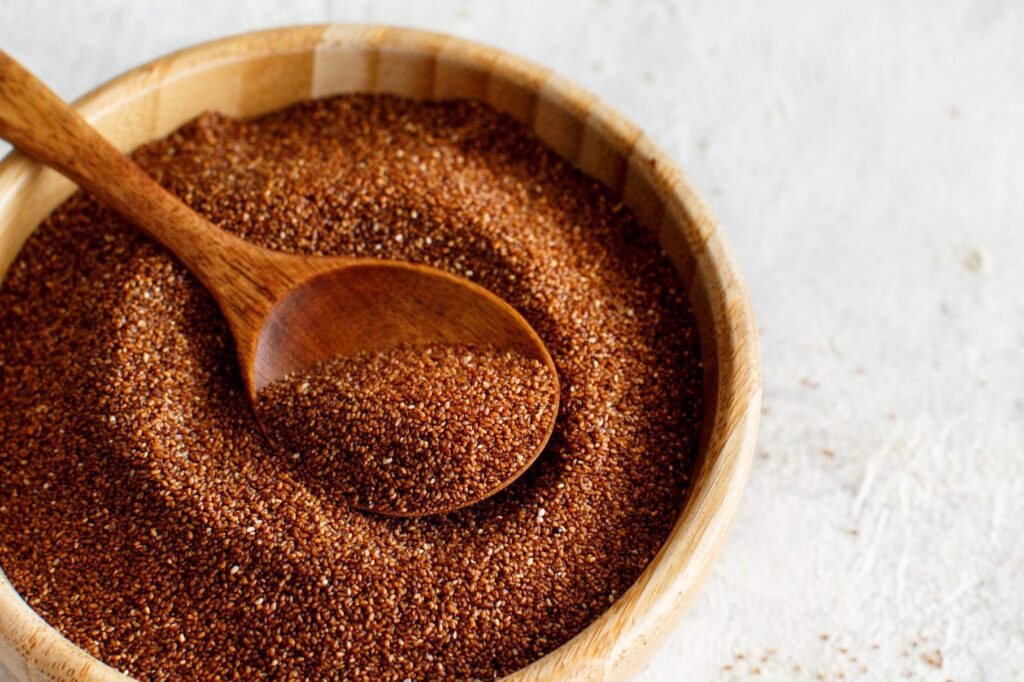
If you haven’t heard of teff yet, prepare yourself. This tiny grain from Ethiopia is absolutely incredible.
Teff is so small it’s almost like a grain-sized speck, but don’t let that fool you.
Here’s what makes teff a standout:
- Contains about 13g of protein per cooked cup
- Loaded with fiber, iron, and calcium
- Rich in resistant starch, which supports healthy digestion
- Naturally gluten-free
- One of the highest iron content among grains
What I love about teff is that it’s an ancient grain that has been nourishing people for centuries.
It has a slightly sweet, nutty flavor that works in both savory and sweet dishes. Many people use teff flour for baking, but you can also cook it like porridge.
How to use it: Make teff porridge for breakfast by simmering the grain with your favorite plant-based milk. It gets creamy and luxurious. You can also blend teff flour into smoothies or use it in flatbreads.
2. Amaranth: The Immortal Grain
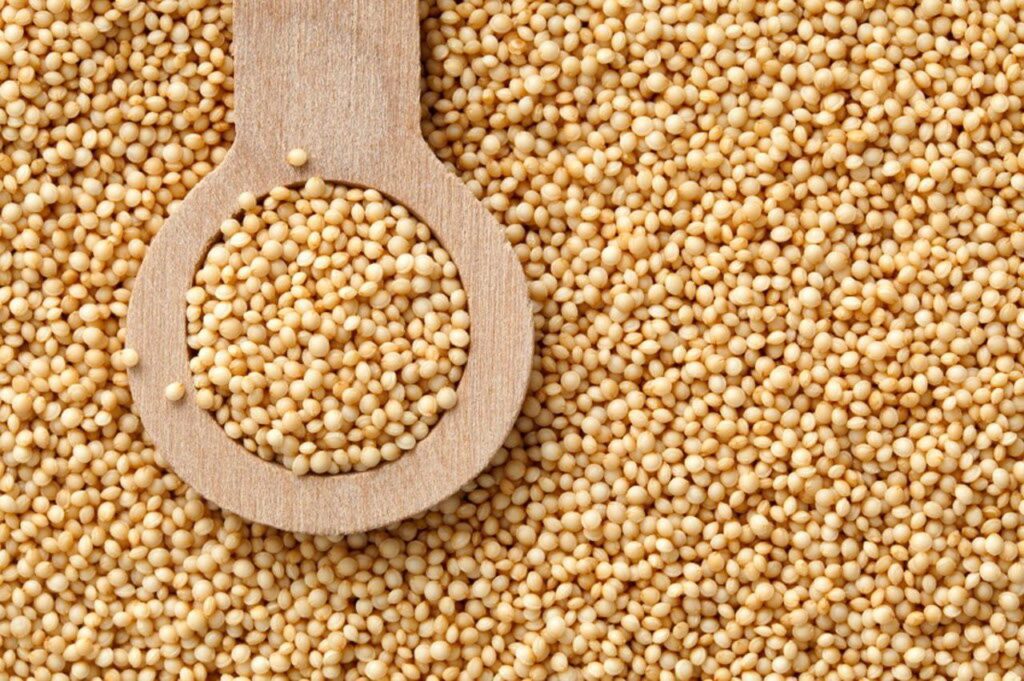
Amaranth is wild. It’s technically not a true grain, but we treat it like one, and it deserves to be here.
This tiny seed-like grain was a staple of ancient civilizations, and there’s a reason why.
Why amaranth deserves your attention:
- Complete protein containing all nine essential amino acids
- About 9g of protein per cooked cup
- Exceptional source of manganese, phosphorus, and magnesium
- Naturally gluten-free
- High in antioxidants that fight inflammation
The coolest part? Amaranth has all the amino acids your body needs. This is huge if you’re eating more plant foods.
Many people get nervous about protein when shifting to plant-abundance, but amaranth is proof that it’s not the challenge people make it out to be.
How to use it: Pop amaranth like popcorn on the stovetop for a snack, or cook it as a hot cereal. You can also blend popped amaranth into nut butters for extra protein and crunch.
3. Quinoa: The Balanced All-Rounder
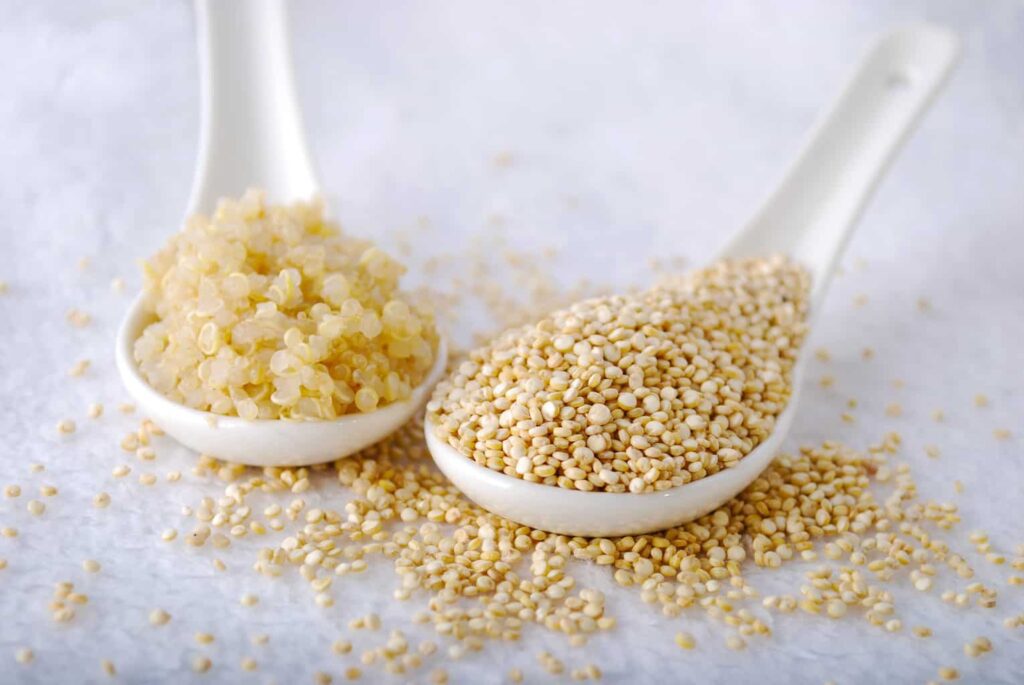
Quinoa caught everyone’s attention years ago, and it’s still earned its place on this list. This grain has a complete amino acid profile and tastes great in basically everything.
What quinoa brings to the table:
- Complete protein with all nine amino acids
- About 8g of protein per cooked cup
- High in fiber, manganese, and magnesium
- Naturally gluten-free
- Easy to digest compared to heavier grains
The thing about quinoa is that it’s versatile without being boring. It has a light, fluffy texture that plays well with others. Plus, it cooks in about 15 minutes, making it perfect for busy days.
How to use it: Make quinoa bowls with roasted vegetables and tahini dressing. Use it as a breakfast porridge with cinnamon and berries. Add it to soups for extra protein, or use quinoa flour in baking.
4. Buckwheat: The Endurance Grain
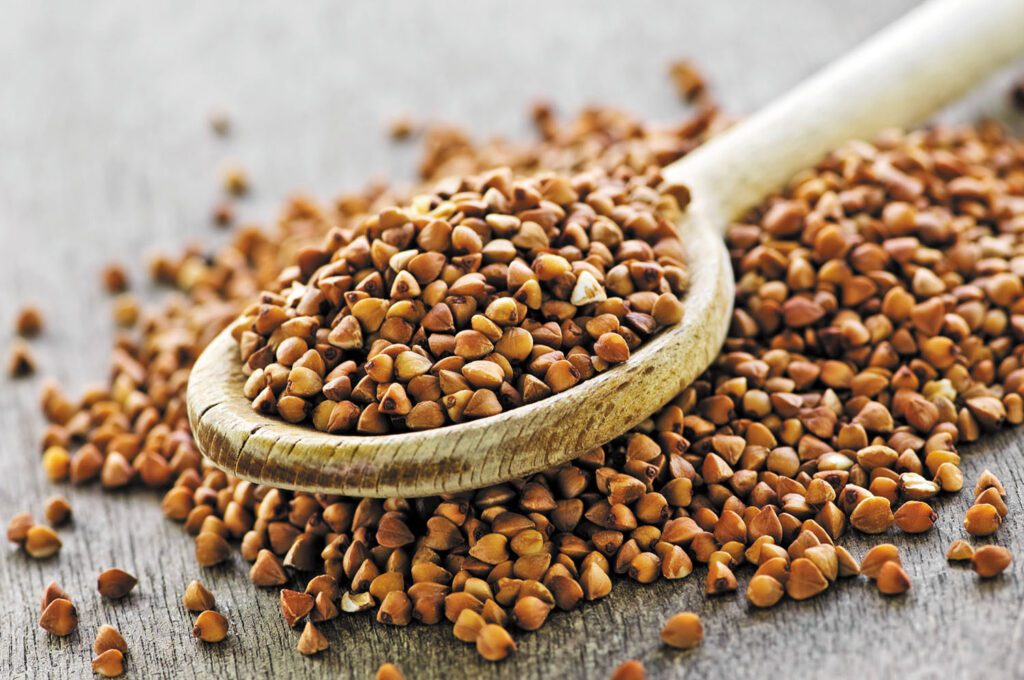
Despite its name, buckwheat contains zero wheat. It’s technically a seed, but we cook and eat it like a grain, and it’s absolutely worth including.
Why buckwheat stands out:
- High in resistant starch for sustained energy
- About 6g of protein per cooked cup
- Rich in rutin, a powerful antioxidant
- Naturally gluten-free
- Contains compounds that support heart health
The resistant starch means your energy stays stable, and you’re not reaching for snacks mid-afternoon. That’s real-world benefit you can feel.
How to use it: Roast buckwheat groats for a crunchy snack or topping. Cook it as porridge, use it in stir-fries, or blend buckwheat flour into pancakes.
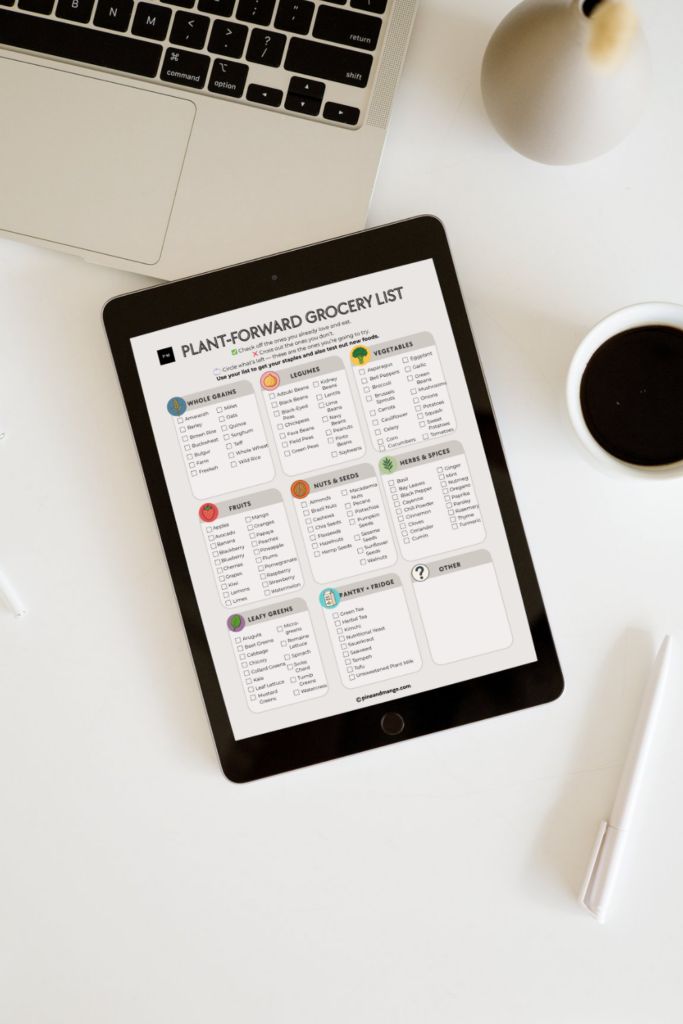
Get Your FREE Plant-Forward Grocery List Today!
5. Millet: The Underrated Mineral Powerhouse
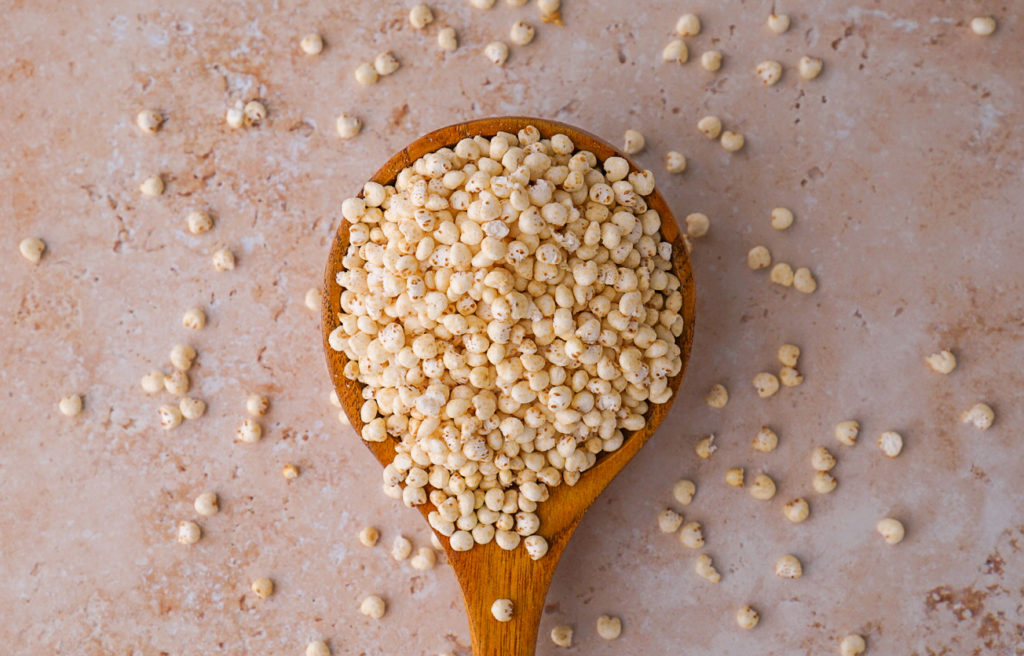
Millet is one of those grains people overlook, but it shouldn’t be. It’s been feeding humans and animals for thousands of years, and it deserves way more attention.
What millet offers nutritionally:
- About 6g of protein per cooked cup
- Exceptional magnesium content for bone health
- High in phosphorus and copper
- Naturally gluten-free
- Contains compounds that support thyroid function (avoid the “pearled millet”)
- Light, easy to digest
Millet has this delicate, slightly sweet flavor that’s different from other grains. It’s not bold, which is honestly refreshing. It plays well with other flavors instead of overpowering them.
How to use it: Cook millet as a simple grain side dish with herbs. Make millet porridge for breakfast, use it in grain bowls, or pop millet like popcorn for a snack.
6. Wild Rice: The Fiber-Filled Grain
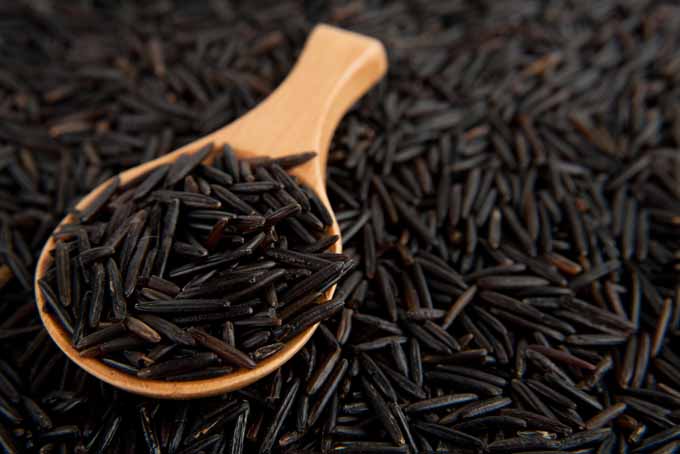
Wild rice isn’t the same as brown rice or white rice. It’s the seed of an aquatic grass, and it’s packed with nutrients that regular rice can’t compete with.
Why wild rice deserves your plate:
- About 7g of protein per cooked cup
- Rich in antioxidants and B vitamins
- Contains zinc and phosphorus for immune support
- Lower glycemic index, meaning it doesn’t spike blood sugar
- Hearty texture that’s deeply satisfying
Here’s something real: wild rice is often way more expensive than other grains, but a little goes a long way. The flavor is nutty and earthy, and it fills you up in a way regular rice just doesn’t.
How to use it: Mix wild rice with other grains like quinoa for complexity. Use it in stuffed vegetables or hearty soups. Make wild rice pilaf with mushrooms and herbs.
7. Barley: The Cholesterol-Fighting Champion
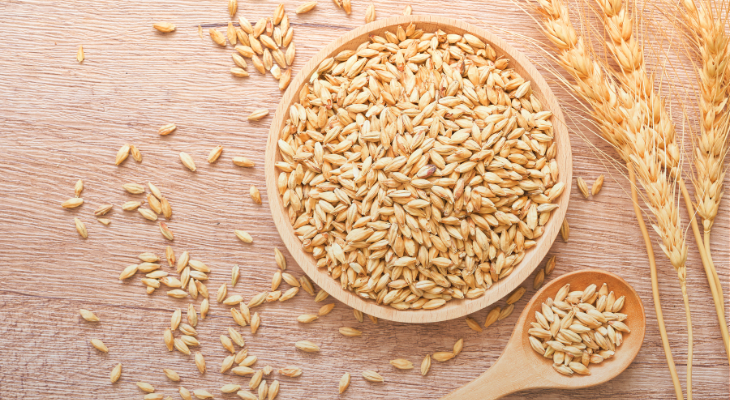
Barley is an ancient grain that’s been used in beer and bread for thousands of years. But beyond its culinary history, it’s genuinely impressive nutritionally.
What makes barley special:
- About 4g of protein per cooked cup
- Exceptionally high in beta-glucan fiber, which supports heart health
- Helps reduce cholesterol naturally
- Rich in selenium and chromium
- Slow-digesting carbs that keep blood sugar balanced
- Prebiotic fiber that feeds your healthy gut bacteria
The science on barley is really compelling. Studies show that eating barley regularly can actually lower cholesterol. That’s the kind of food medicine you want in your life.
How to use it: Make barley risotto (creamy and luxurious without dairy). Use it in soups and stews where it adds substance. Cook it as a grain side dish with sautéed vegetables.
8. Oats: The Reliable Everyday Essential
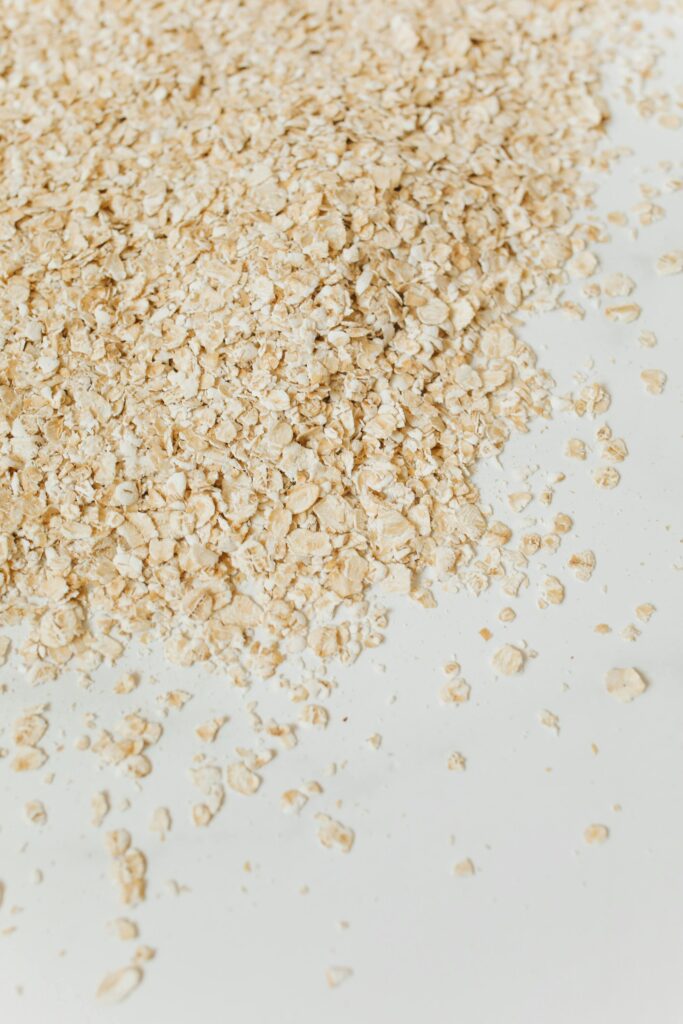
Oats round out the list because, honestly, they’re reliable. They’re one of the most accessible and affordable nutrient-dense grains available.
Why oats are worth keeping on your shelf:
- About 10g of protein per dry cup (uncooked)
- Loaded with beta-glucan fiber for digestive and heart health
- Rich in antioxidants that protect cells
- High in manganese and magnesium
- Naturally gluten-free (though some cross-contamination can happen)
The beauty of oats is that they’re the everyday grain. They’re familiar, they’re forgiving to cook, and they’re packed with benefits.
You don’t need fancy grains every day when oats are this solid. Oats are my go-to grain.
How to use it: Make overnight oats for grab-and-go breakfasts. Cook oatmeal and top with fresh berries and nuts. Blend oats into flour for baking. Make oat milk at home. Use steel-cut oats for a chewier texture.
How to Incorporate These Grains Into Your Daily Life
Start with what feels comfortable. You don’t need to revolutionize your breakfast tomorrow. Pick one or two grains that call to you and experiment.
Here’s my honest approach: I rotate grains throughout the week. Monday might be oats, Wednesday could be quinoa, Friday might be wild rice.
This keeps things interesting and ensures you get the benefits of different nutrients.
Store whole grains in cool, dry places. Glass containers work great because you can see what you have. Most whole grains stay fresh for several months, but if you buy in bulk, consider keeping some in your freezer.
Cook grains in batches. Spend an hour on Sunday cooking several grains, and you’ve got them ready to go all week. This is the real game-changer for staying consistent with nutrient-dense eating.
FAQs About Nutrient-Dense Grains
Q: Do I need to combine grains to get complete protein?
No, you don’t. This is a myth that has stuck around for way too long. While different plant foods contain different amino acids, your body doesn’t need them all at one meal.
As long as you eat a variety of plant foods throughout the day, you’ll get all the amino acids you need.
Amaranth and quinoa are complete proteins on their own, but even incomplete proteins like oats and barley are valuable when part of a varied plant-abundant approach.
Q: Are whole grains better than refined grains?
Yes, absolutely. Whole grains contain the bran, germ, and endosperm, which means they have more fiber, vitamins, and minerals.
Refined grains have been stripped of these nutrient-rich parts, leaving mostly starch and calories.
Think of refined grains as the processed version and whole grains as the real deal. Your body recognizes and uses whole grains way more effectively.
Q: How much grain should I eat per day?
There’s no one-size-fits-all answer, but a general guideline is about 5-8 ounces of grains daily, depending on your activity level and body composition. That might look like a cup of cooked grain per meal.
Listen to your body. If you feel satisfied and energized, you’re probably eating the right amount.
If you’re hungry a few hours later, you might need more, or you might need to combine your grains with enough protein and fat.
📖 Good Reads: Plant-Based Nutrition and How Not to Die

In Essence: Expand Your Grain Horizons
Choosing nutrient-dense grains is one of the most empowering decisions you can make for your health.
These eight grains offer different benefits and flavors, which means you never have to be bored while nourishing your body deeply.
Remember, there’s no pressure to use all of these at once. Start with what sounds good to you and explore from there.
The point is to find what works for your body and your life.
The beautiful thing about eating more plant foods isn’t deprivation or restriction. It’s abundance.
It’s discovering grains your ancestors ate, understanding why they’re so nutritious, and feeding yourself and your family real food that makes you strong.
That’s the shift that matters.
⭐Let’s chat: What grain are you most excited to try first? Drop a comment below and let me know which one is calling to you.