This post may contain affiliate links. If you purchase through these links, I may earn a small commission at no extra cost to you. This helps keep Pine+Mango running. Thank you for your support! Read our full disclosure here.
You know that feeling when you finish a meal but still feel unsatisfied, even though you’re physically full?
Here’s what nobody tells you: the problem isn’t your willpower. It’s not about being “good” or “bad.”
The real issue is that you’ve been living in food scarcity mode for so long that your body doesn’t trust you anymore. And honestly? Can you blame it?
If you’ve spent years restricting, counting, eliminating, and following rules about what you “should” eat, you’ve accidentally trained your brain to see food as the enemy.
But what if I told you there’s another way? One where you can actually feel satisfied, nourished, and free around food?
Learning how to eat more plants from a place of abundance instead of restriction changes everything.
Subscribe to Our Nourished Newsletter
Get free weekly guidance for your plant-based journey, straight to your inbox.
- How to Eat More Plants: The Abundance Approach
- Why Scarcity Thinking Is Sabotaging Your Health
- The Science Behind Plant Abundance
- How to Make the Shift (Without Losing Your Mind)
- What This Actually Looks Like in Real Life
- The Mental Shift That Changes Everything
- Practical Tools You Can Use Today
- Common Obstacles (And How to Handle Them)
- FAQs About How to Eat More Plants
- In Essence: Free Your Mind
- Subscribe to Our Nourished Newsletter
How to Eat More Plants: The Abundance Approach
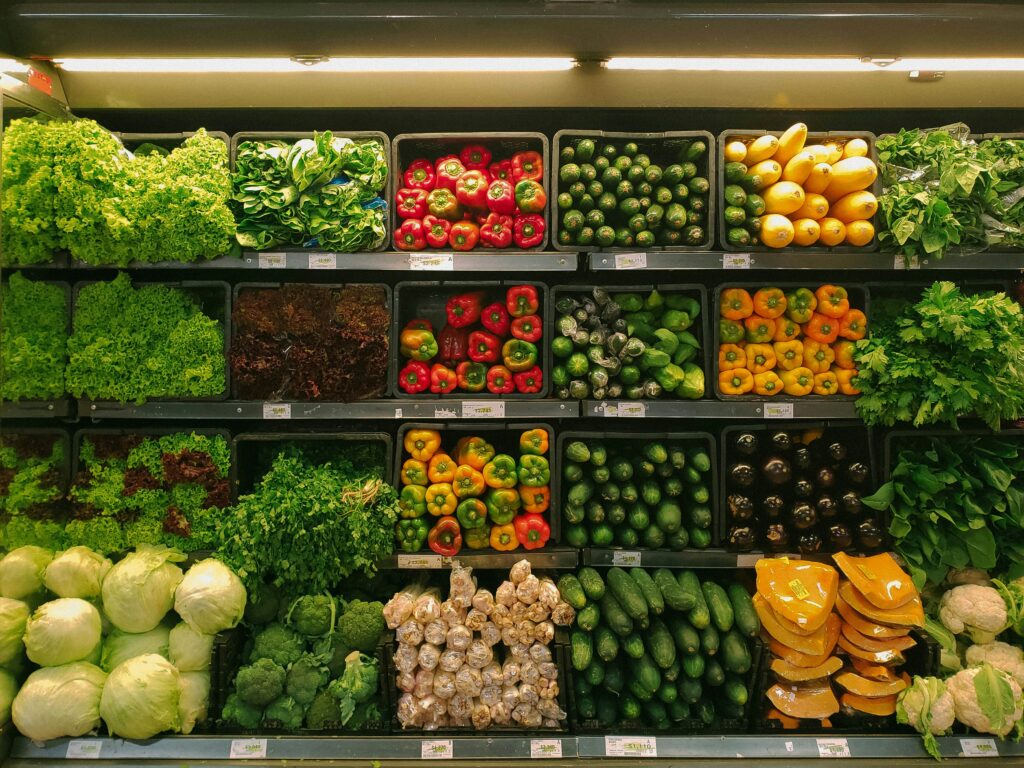
The secret to eating more plants isn’t willpower or strict meal plans. It’s about shifting from restriction to abundance—focusing on what you can add instead of what you need to eliminate.
Think of it like this: scarcity thinking says “I can’t have bread.”
Abundance thinking says “I’m going to have this delicious whole grain toast with avocado because it tastes good and gives me energy.”
People with an abundance mindset believe resources are unlimited and create win-win situations, rather than viewing life as a limited pie where someone else’s slice means less for you.
When you apply this to eating, magic happens.
Your body stops fighting you. Food stops being the enemy. And for the first time in forever, you might actually enjoy eating again.
Why Scarcity Thinking Is Sabotaging Your Health
Let me get real with you for a second. Every single restriction-based eating plan you’ve ever tried has one thing in common: it creates artificial scarcity.
When you restrict food, your body reacts as if there’s a famine, triggering survival mode and heightened anxiety around food.
Here’s what happens in your brain when you tell yourself certain foods are off-limits:
- Your body interprets restriction as danger. It doesn’t know the difference between voluntary restriction and actual starvation. All it knows is that energy isn’t coming in, so it better prepare for the worst.
- The forbidden fruit effect kicks in, making restricted foods more desirable simply because they seem unavailable. Ever notice how the foods you try hardest to avoid are the ones you can’t stop thinking about? That’s not weakness. That’s biology.
- You develop what I call the “last supper mentality.” Before starting any new eating plan, you eat everything you think you’ll have to give up. Many people describe a sense of lack of control around food and almost out-of-body experiences when eating, not even remembering what they consumed.
This isn’t about discipline or willpower. Your brain is literally wired to seek out food at all costs when it perceives scarcity.
Fighting that instinct is like trying to hold your breath forever. Eventually, you’re going to gasp for air.
The Science Behind Plant Abundance
Now here’s where it gets interesting. When you shift to adding more plants instead of restricting foods, something incredible happens to your body.
Your Body Gets What It Actually Needs
Increasing intake of plant-based foods results in higher fiber intake, decreased saturated fat, and increased essential vitamins and minerals.
But here’s the part nobody talks about: when your body gets the nutrients it needs, your cravings change.
I’m not saying you’ll never want a cookie again. I’m saying the desperate, urgent need for sugar at 3 PM starts to fade. Why? Because you’re actually nourished.
Inflammation Decreases
Plants contain phytochemicals and antioxidants that resolve inflammation in your body by neutralizing toxins from pollution, processed foods, bacteria, and viruses.
Less inflammation means clearer thinking, better energy, and fewer random aches that you thought were just “getting older.”
Your Gut Heals
Eating a plant-based approach improves gut health, helping you better absorb nutrients that support your immune system and reduce inflammation.
A happy gut means better mood, clearer skin, and yes, easier weight management without even trying.
Heart Health Improves
Research shows that plant-forward eating patterns improve blood vessel function and reduce inflammatory markers like C-reactive protein, lowering heart disease risk.
This isn’t just about living longer. It’s about feeling better right now.
How to Make the Shift (Without Losing Your Mind)
Okay, so you’re convinced. But how do you actually do this without falling into old restriction patterns?
Because let’s be honest, “eat more plants” can easily turn into another set of rules if you’re not careful.
1. Start With Addition, Not Subtraction
This is the golden rule. When you focus on addition rather than subtraction, you subconsciously tell yourself no food is off limits, making you less likely to feed into scarcity thinking.
Instead of saying “I’m cutting out processed foods,” try “I’m adding a serving of vegetables to lunch.” See the difference? One feels like punishment. The other feels like self-care.
Practical ways to add plants:
- Throw spinach in your morning smoothie
- Add beans to your regular tacos
- Keep cut veggies and hummus ready for snacking
- Start one meal a day with a salad or vegetable soup
- Put berries on your breakfast (whatever that breakfast is)
2. Give Yourself Unconditional Permission
This is where most people get tripped up. They think eating more plants means they can’t have anything else. Wrong.
When you see all types of food as abundant and allowed, and keep those foods around you, you eventually get used to them being around and want them less frequently.
The key is removing the artificial scarcity you’ve created.
Keep the cookies in the house. Have the bread. Eat the pizza when you want it. And also eat the vegetables because they make you feel good. Both things can be true.
3. Listen to Your Body’s Signals
Your body is constantly sending you messages, but years of ignoring hunger cues and following external rules have made you forget how to hear them.
Start asking yourself:
- Am I actually hungry, or am I just bored/stressed/tired?
- What does my body want right now?
- How do I feel an hour after eating this?
- Does this food give me energy or drain it?
There’s no right answer. The point is to start paying attention again.
4. Create an Environment of Abundance
Making sure you have enough food around creates a sense of abundance, so your body knows food will be there when you want it. This means:
- Keeping your kitchen stocked with foods you enjoy
- Not letting yourself get too hungry (that triggers scarcity mode)
- Having convenient plant options ready (washed lettuce, chopped veggies, cooked grains)
- Allowing yourself to eat when you’re hungry, even if it’s “not time”
5. Focus on How Food Makes You Feel
Instead of thinking about food as “good” or “bad,” start thinking about how different foods affect your energy, mood, and body.
Notice that when you eat more plants, you probably:
- Have more stable energy throughout the day
- Don’t get that 3 PM crash as often
- Sleep better
- Have clearer skin
- Feel less bloated
- Think more clearly
These changes aren’t immediate, but they’re real. And they’re way more motivating than any number on a scale.
What This Actually Looks Like in Real Life
Let me paint you a picture of what eating with a plant abundance mindset looks like versus scarcity thinking:
- Scarcity mindset: “I can only eat 1,200 calories today. I’ll have a protein shake for breakfast, a salad with chicken for lunch, and hopefully I have enough calories left for a small dinner. I’m so hungry, but I need to stick to my plan.”
- Abundance mindset: “I’m starting my day with oatmeal topped with berries and walnuts because it keeps me full. For lunch, I’m making a big Buddha bowl with quinoa, roasted vegetables, chickpeas, and tahini dressing. Dinner will probably be stir-fry with tons of veggies, tofu, and brown rice. And if I want a piece of chocolate after? Cool, I’ll have it.”
See the difference? One is about restriction and control. The other is about nourishment and trust.
The Mental Shift That Changes Everything
Here’s the truth nobody wants to hear: you can eat all the plants in the world, but if you’re still operating from a scarcity mindset, nothing will change.
The mental shift is actually more important than the food itself.
Studies show that individuals with a growth and abundance mindset are more likely to achieve their goals, bounce back from setbacks, and experience greater well-being. But this doesn’t happen overnight.
You need to start catching your thoughts. When you think “I shouldn’t eat this” or “I’ve been bad today,” pause.
Reframe it. “I’m allowed to eat whatever I want. I’m choosing to eat more plants because they make me feel good, not because other foods are forbidden.”
It’s going to feel weird at first. You might even overdo it on foods you used to restrict, and that’s okay.
Overeating will occur in response to restriction initially, but as you shift your mindset and give yourself unconditional permission, you’ll build back body trust.
Build Your Plant-Based Blueprint for FREE Today!
Practical Tools You Can Use Today
Stop waiting for motivation or the perfect moment. Here’s what you can do right now:
This week:
- Buy one new vegetable you haven’t tried before
- Add fruit to one meal each day
- Prep a big batch of beans or lentils for the week
- Put a bowl of fresh fruit on your counter where you can see it
This month:
- Experiment with one new plant-based meal each week
- Stock your pantry with grains you enjoy (quinoa, brown rice, oats)
- Find a vegetable preparation method you actually like (roasted, grilled, steamed)
- Notice patterns in when and why you eat
This year:
- Let go of food rules that don’t serve you anymore
- Build a collection of go-to plant-forward meals you love
- Learn to cook vegetables in ways that excite you
- Develop trust in your body’s signals
Common Obstacles (And How to Handle Them)
“But I’m Always Hungry on Plants”
You’re probably not eating enough. Seriously. While plant foods are often lower in calorie density, they’re also high in fiber, which promotes feelings of fullness.
But if you’re coming from years of restriction, you need to eat MORE than you think.
Add healthy fats (avocado, nuts, seeds, olive oil). Include whole grains. Don’t be afraid of bigger portions. Your body needs to learn it can trust you to feed it adequately.
“It’s Too Expensive”
Beans, lentils, oats, rice, frozen vegetables, and seasonal produce are some of the cheapest foods available.
You’re thinking of expensive mock meats and specialty products. You don’t need those.
Real, whole plant foods are budget-friendly.
“I Don’t Have Time”
Neither do I. That’s why batch cooking is your friend.
Make a big pot of soup on Sunday. Prep overnight oats for the week. Keep frozen vegetables on hand. Cut up vegetables when you get home from the store.
It’s about working smarter, not harder.
“My Family Won’t Eat This Way”
You don’t need to convert anyone. Make meals that work for everyone, just increase the plant portions.
Tacos? Add extra beans and veggies. Pasta? Load it with vegetables. Nobody needs to know you’re “doing anything different.”
FAQs About How to Eat More Plants
Q: Do I have to give up all animal products to eat more plants?
No! Eating more plants doesn’t mean eliminating anything else. It means eating primarily plants—focusing on addition rather than subtraction.
The goal is adding more plant foods because they nourish you, not creating new restrictions or cutting out foods you enjoy.
Q: How long does it take to shift from scarcity to abundance thinking?
This is deeply personal and depends on your history with food restriction. Some people feel the shift in weeks; others need months.
Shifting your mindset is an active process that can take many weeks and even months. Be patient with yourself. You’re rewiring years of conditioning.
Q: What if I still binge on certain foods?
Binging is usually a sign that you’re still restricting those foods mentally, even if you’re “allowing” yourself to eat them.
Your body needs to learn that all foods are not scarce—once it understands it can eat them anytime and food is available in abundance, it will heal.
Keep those foods in the house. Eat them regularly without guilt. The urgency will decrease over time.
📖 Good Reads: How Not to Die, The China Study and Plant-Based Nutrition
In Essence: Free Your Mind
Here’s what I want you to remember: learning how to eat more plants isn’t another eating plan. It’s not a set of rules to follow perfectly.
It’s a fundamental shift in how you think about food, your body, and nourishment.
You deserve to eat without guilt. To feel satisfied after meals. To trust your body again. And you absolutely deserve to feel nourished instead of deprived.
Start small. Add one more serving of vegetables today. Choose whole grains at your next meal. Notice how your body feels. Give yourself permission to eat when you’re hungry. Let go of one food rule this week.
The journey from scarcity to abundance isn’t linear. Some days you’ll feel free and peaceful around food. Other days, old patterns will creep back in. That’s okay.
This is about progress, not perfection. It’s about creating a way of eating that feels like freedom instead of another cage.
Your body is on your side. It’s been waiting for you to stop fighting it and start nourishing it. All you have to do is take that first step toward abundance.
⭐Let’s chat: What’s one food rule you’re ready to let go of today? Share in the comments below—I’d love to hear about your journey toward food freedom.