This post may contain affiliate links. If you purchase through these links, I may earn a small commission at no extra cost to you. This helps keep Pine+Mango running. Thank you for your support! Read our full disclosure here.
Ever find yourself standing in front of the fridge at 7 PM, exhausted and starving, wondering why you didn’t plan ahead?
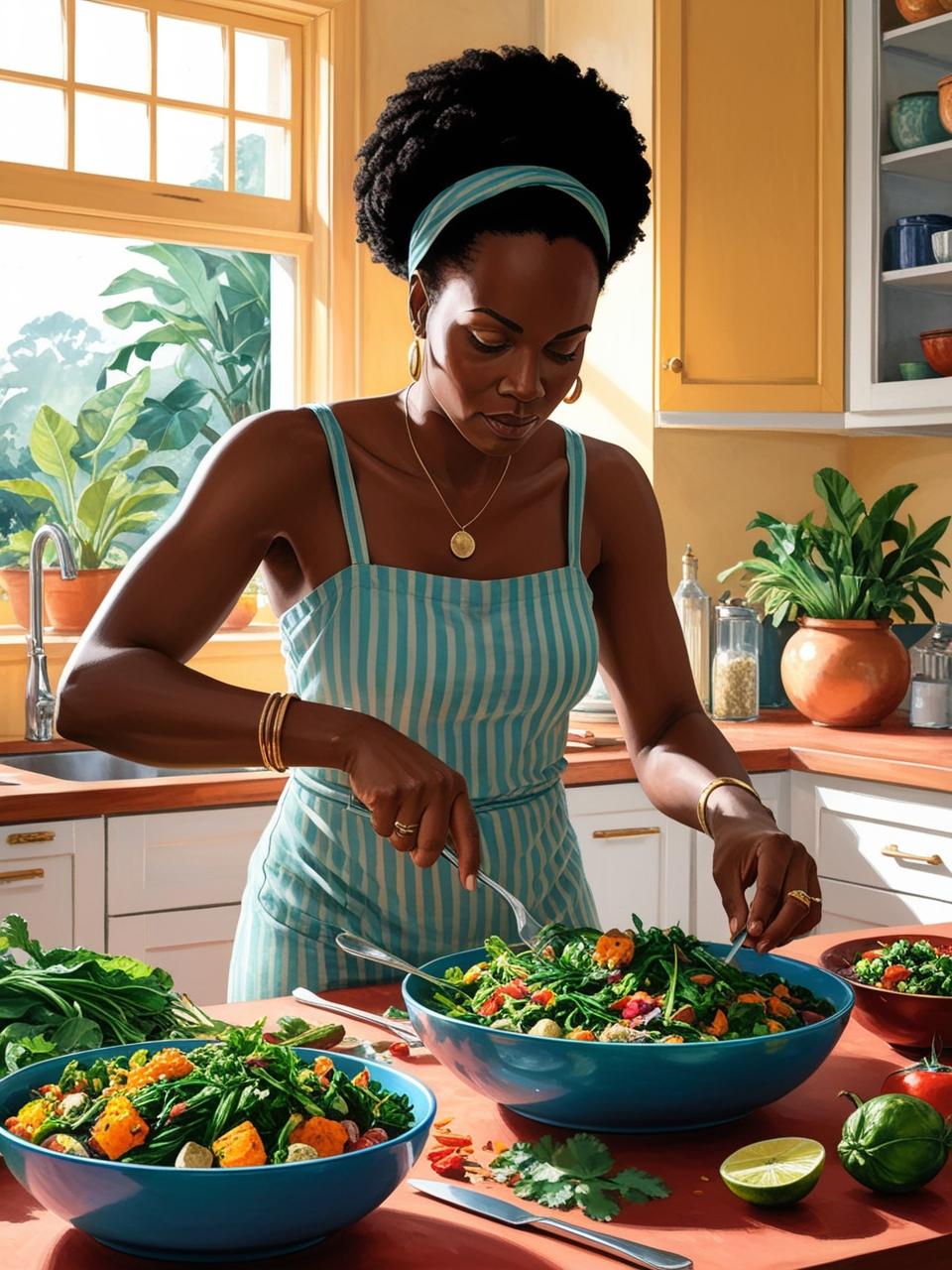
I’ve been there more times than I can count. And here’s what I learned: meal prep isn’t about becoming some Instagram-perfect food blogger with matching glass containers.
It’s about making your life easier so you can actually stick with nourishing your body instead of defaulting to whatever’s fastest when you’re hangry.
Easy plant meal prep is one of those things that sounds intimidating until you realize it’s just about having food ready when you need it.
No fancy skills required. Just a little time upfront that pays you back all week long.
And honestly? Once you get into a rhythm, it becomes the thing that keeps you sane when life gets chaotic.
Subscribe to Our Nourished Newsletter
Get free weekly guidance for your plant-based journey, straight to your inbox.
- Why Meal Prep Actually Matters (More Than You Think)
- The Core Components Method
- My Actual Easy Prep Routine (Nothing Fancy)
- Storage Tips That Actually Work
- Simple Mix-and-Match Meal Ideas
- What to Do When You Don't Have Time for Full Prep
- Common Beginner Mistakes (And How to Avoid Them)
- Building Your Simple Prep Routine
- The Flexibility Factor
- Equipment That Makes Life Easier
- When Easy Meal Prep Saves You (Real Talk)
- FAQs About Easy Plant Meal Prep
- In Essence: Prep for Success
- Subscribe to Our Nourished Newsletter
Why Meal Prep Actually Matters (More Than You Think)
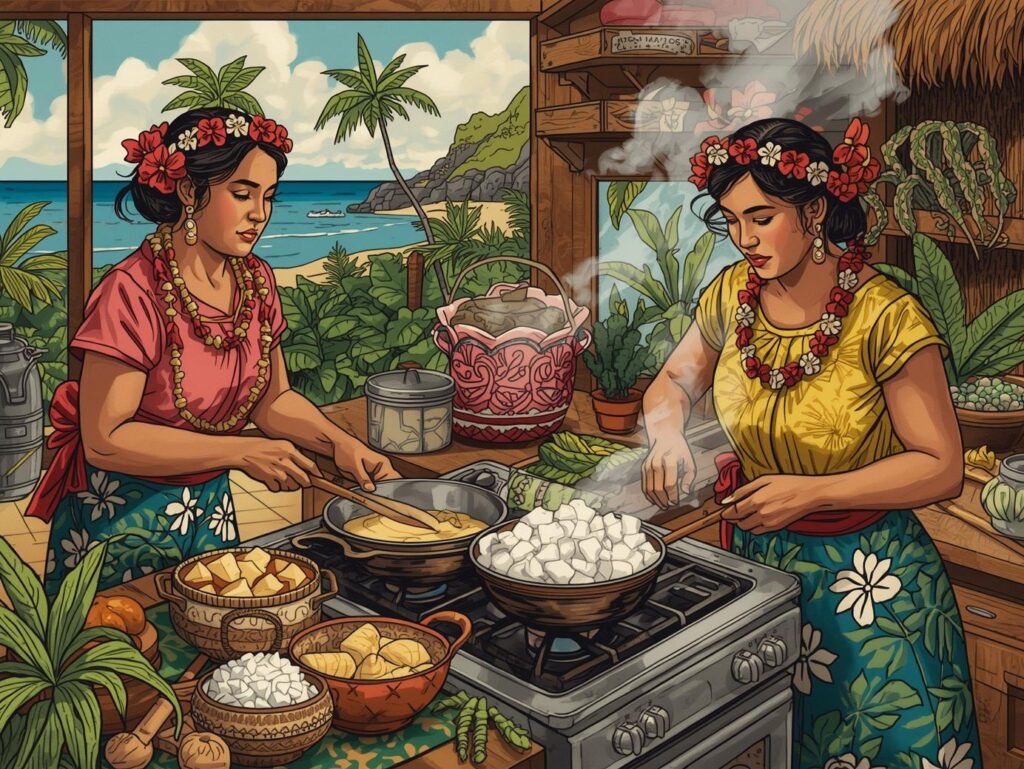
Look, I get it. The idea of spending hours in the kitchen on a Sunday sounds about as appealing as doing taxes.
But here’s the thing: meal prep isn’t about perfection. It’s about protection.
When you have nourishing food ready to go, you’re protecting yourself from those moments when your brain is too tired to make good choices.
You’re setting yourself up to succeed instead of relying on willpower when you’re running on empty.
Plus, eating more plants becomes so much easier when you’re not trying to figure out what to make every single time hunger hits. Your future self will thank you. Trust me on this one.
The Meal Prep Mindset Shift You Need
Before we dive into the how, let’s talk about what easy meal prep actually is.
It’s not about cooking every single meal for the entire week on one day. That’s a recipe for burnout and food that gets sad and soggy by Thursday.
Think of meal prep as building blocks. You’re preparing components that you can mix and match throughout the week. A grain here, some roasted veggies there, a killer sauce that makes everything taste amazing.
These pieces come together in different combinations so you’re not eating the exact same thing five days in a row.
This approach gives you flexibility. Some days you’ll throw together a bowl in five minutes. Other days you might actually feel like cooking something fresh. Either way, you’ve got options.
The Core Components Method
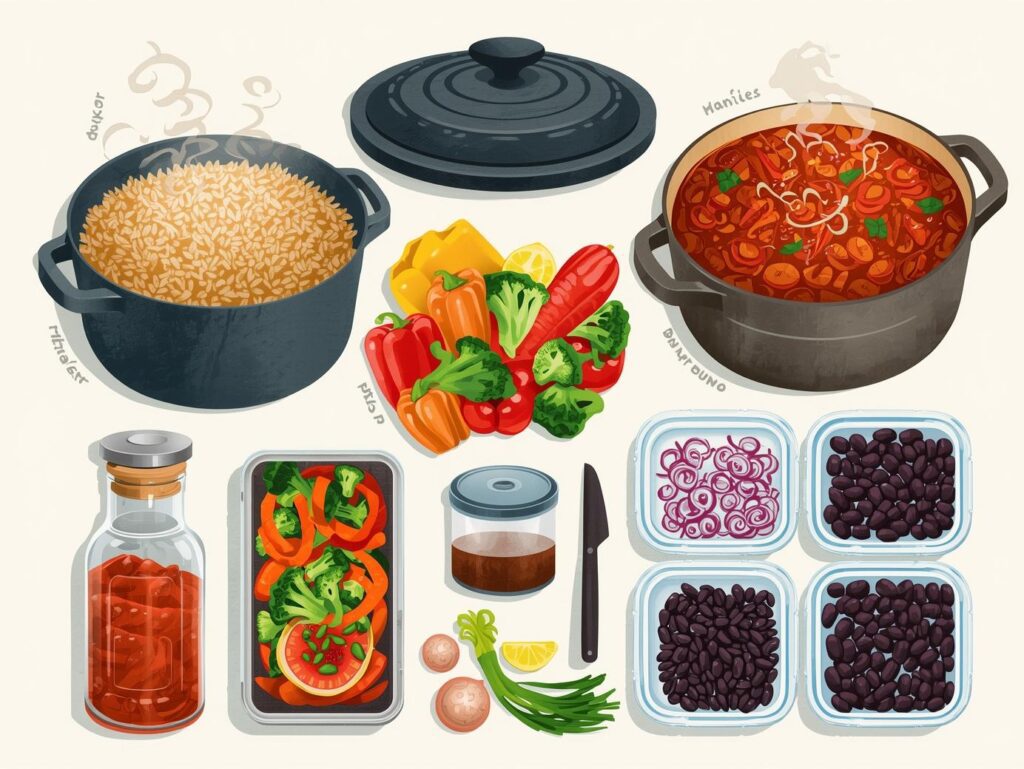
This is where the magic happens. Instead of prepping full meals, focus on these five categories:
1. Grains and Starches
Cook a big batch of something filling. Brown rice, quinoa, sweet potatoes, regular potatoes, or whatever you enjoy.
These become the base of bowls, sides for soups, or quick breakfast options.
2. Proteins
Batch cook beans, lentils, or tofu. A big pot of chickpeas or black beans gives you protein for multiple meals.
Baked tofu cubes? Game changer for throwing into salads or wraps.
3. Vegetables
This is where I spend most of my prep time, and it’s worth every minute. Chop raw veggies for snacking and quick additions. Roast a few sheet pans of whatever’s in season.
The more variety here, the less boring your meals feel.
4. Sauces and Dressings
This is your secret weapon. One good sauce can make the same ingredients taste completely different.
I always make at least one all-purpose sauce that goes with everything. Tahini-based dressings, peanut sauce, cashew cream, or a simple balsamic vinaigrette.
5. Ready-to-Eat Meals
Make one or two things that are completely done. A big pot of soup, a tray of enchiladas, or a hearty stew.
These are your lifesavers for nights when you can’t even think about assembling food.
My Actual Easy Prep Routine (Nothing Fancy)
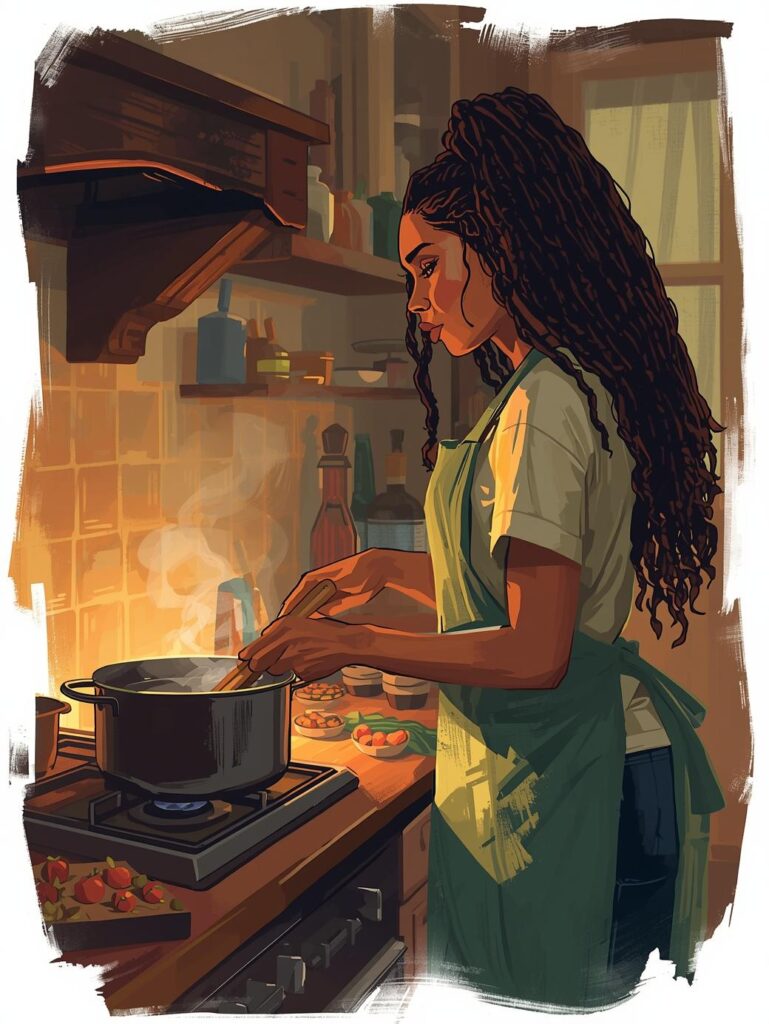
Designating “meal prep day” changed the game for me. The bulk prep work that I do on that day makes it much easier to make meals faster during the week.
On that day, I like to batch cook a grain, cut up my fresh produce, make an all-purpose sauce and pico de gallo, and make a big pot of soup of some sort for heat-up-and-eat meals.
Usually takes me about 1 hour, and then I’m set.
Here’s how it typically goes down:
- Step 1: Start with what takes longest. Get your grains or potatoes going first. While the rice cooker does its thing or the oven roasts your sweet potatoes, you can work on everything else.
- Step 2: Prep your vegetables. Wash, chop, and store your raw veggies. Then get your roasting pans ready. I usually do two or three different veggies so there’s variety. Bell peppers, broccoli, cauliflower, Brussels sprouts, carrots—whatever speaks to you.
- Step 3: Make your sauce. While things are cooking, blend up a sauce or dressing. This takes five minutes and transforms your entire week.
- Step 4: Throw together your complete meal. If you’re making soup or stew, get that going. It can simmer while you finish everything else.
- Step 5: Cool and store properly. Let everything cool before packing it away. Use containers that actually seal well. Label things if you’re prepping multiple items that look similar.
The whole process doesn’t have to happen all at once, either. Sometimes I do grains and veggies on Sunday, then make my soup on Monday evening when I have more energy.
Storage Tips That Actually Work
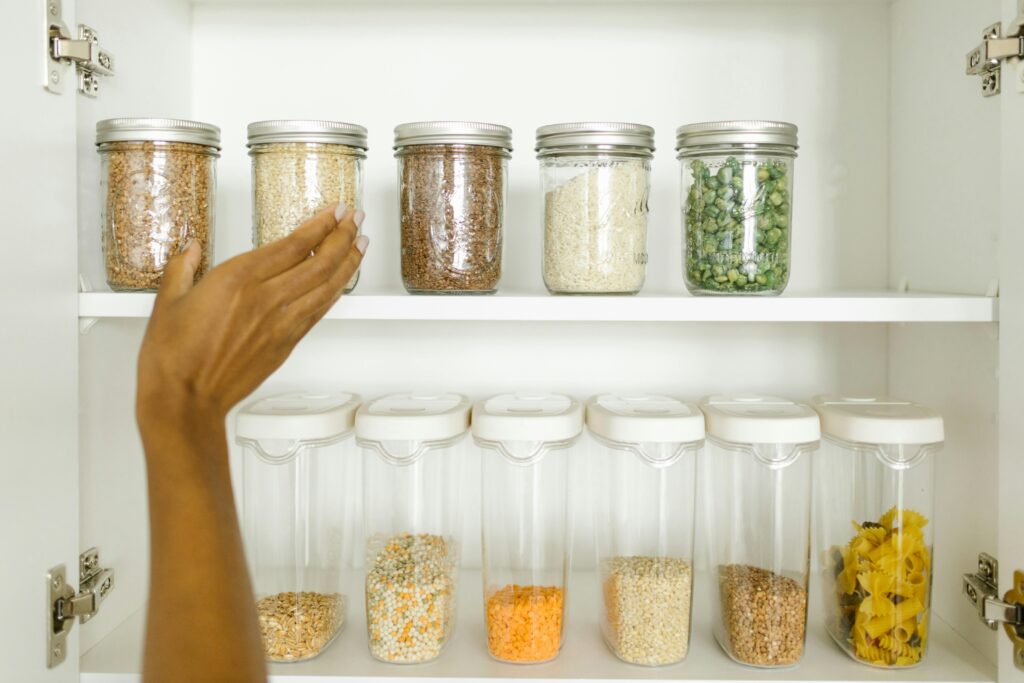
Nobody talks about this enough, but how you store your food matters. A lot.
- Grains and beans stay fresh for four to five days in airtight containers in the fridge. Cooked veggies last about the same. Raw chopped veggies? Keep them in containers with a damp paper towel to maintain crispness.
- Store sauces separately from everything else. They keep longer that way, and your food doesn’t get soggy. Most dressings last at least a week, sometimes longer depending on ingredients.
- Soups and stews actually get better after a day or two. Make them early in the week and you’re golden. They typically last five to seven days if stored properly.
And here’s a tip I learned the hard way: don’t stack warm containers in your fridge. Let things cool to room temperature first, or you’ll end up with condensation that makes everything gross faster.
Simple Mix-and-Match Meal Ideas
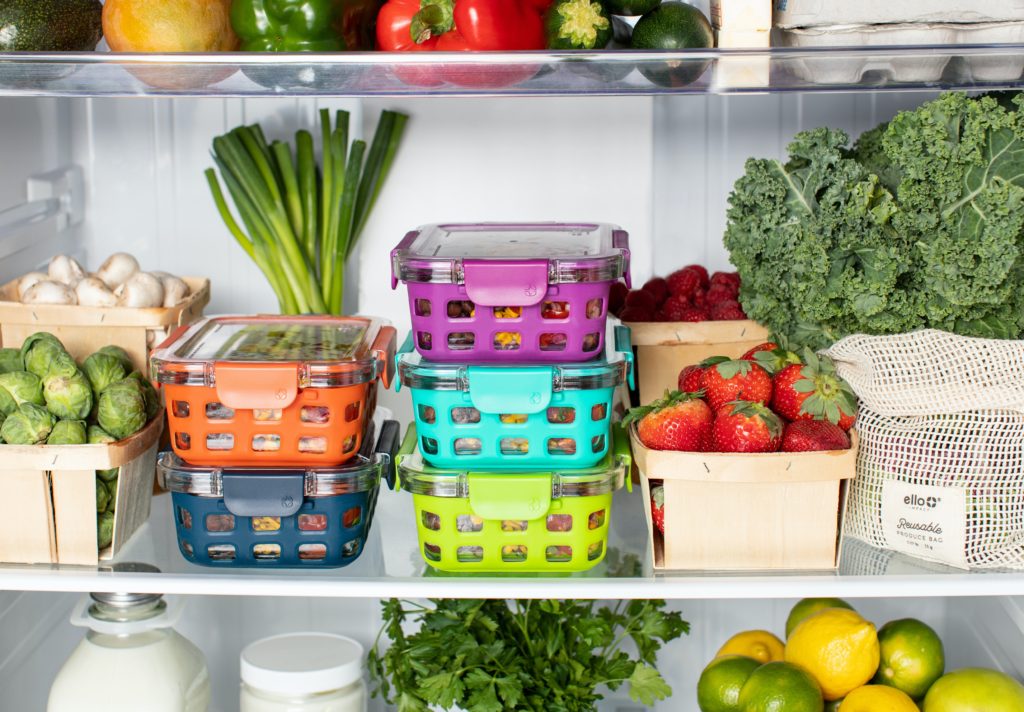
Once you have your components ready, putting together meals becomes ridiculously easy.
Here are some combinations I rotate through:
- A grain bowl with roasted veggies, beans, and your sauce. Takes three minutes to assemble.
- Wraps or tacos using your prepped ingredients. Add some fresh greens and salsa.
- Pasta tossed with roasted vegetables and a quick tomato sauce or pesto.
- Your prepped soup with a side of roasted vegetables or a simple salad.
- Stuffed sweet potatoes loaded with beans, veggies, and sauce.
The beauty of this system is that you’re not locked into specific meals.
You can respond to what sounds good in the moment instead of forcing yourself to eat something you planned five days ago.
Build Your Plant-Based Blueprint for FREE Today!
What to Do When You Don’t Have Time for Full Prep
Some weeks are just busy. When you can’t do a full prep session, focus on the biggest pain points.
At minimum, chop your vegetables. Seriously, just this one thing makes weeknight cooking so much faster.
Or batch cook just your protein source. Having beans or lentils ready means you’re already halfway to a meal.
Make one complete meal like chili or curry that you can eat throughout the week. Pair it with quick sides like bagged salad or microwaved sweet potatoes.
Even doing just one of these things is better than doing nothing. Let go of the all-or-nothing thinking. Some prep is always better than no prep.
Common Beginner Mistakes (And How to Avoid Them)
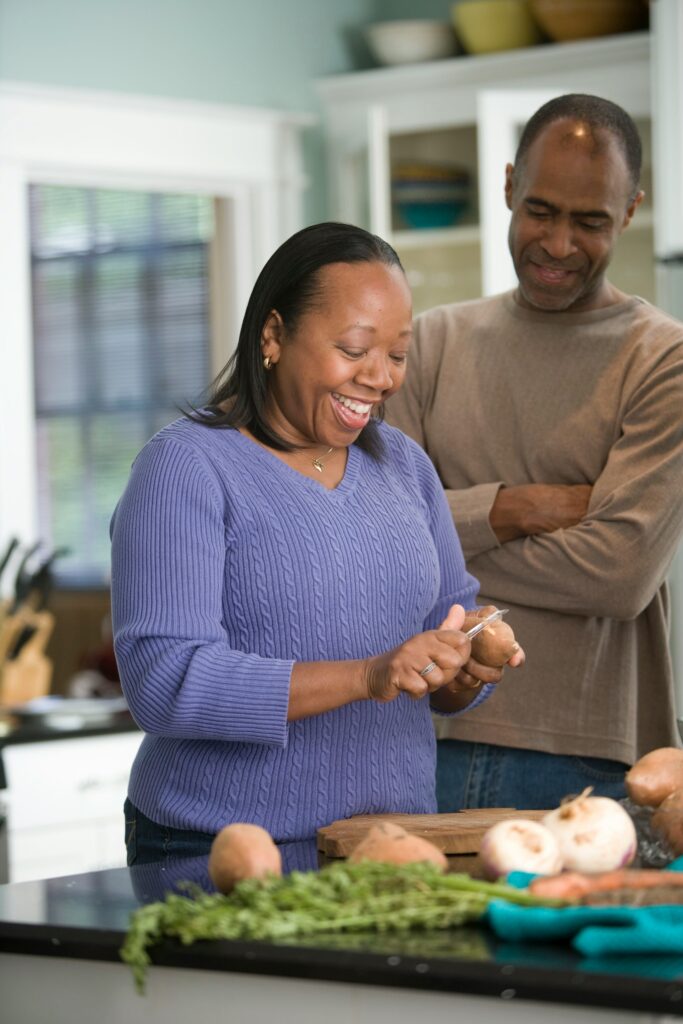
- Prepping too much variety at once: When you’re starting out, keep it simple. Three to four components is plenty. You can always add more as you get comfortable.
- Making everything spicy or strongly flavored: Keep your base components fairly neutral. Add bold flavors when you assemble meals. This gives you more flexibility throughout the week.
- Not accounting for texture: Some veggies get mushy when stored for days. Leafy greens should be added fresh. Crispy elements like nuts or seeds should be stored separately and added right before eating.
- Forgetting about breakfast and snacks: Meal prep isn’t just for lunch and dinner. Overnight oats, cut fruit, hummus with veggies—these things matter when you’re trying to nourish yourself consistently.
- Using containers that leak or don’t seal well: Invest in decent storage containers. You don’t need expensive ones, but they should actually keep your food fresh.
Building Your Simple Prep Routine
Here’s the truth: your first few meal prep sessions might feel clunky. That’s completely normal. You’re building a new skill.
Start small. Maybe just prep for three days instead of a full week. Or focus on just lunches at first.
As you figure out what works for your schedule and taste preferences, you can expand.
Pay attention to what you actually eat versus what sits in your fridge untouched. If you prepped Brussels sprouts and they’re still there on day six, maybe Brussels sprouts aren’t your thing.
That’s valuable information.
Over time, you’ll develop your own system. You’ll know which combinations you love, how much of each component to make, and which shortcuts are worth taking. It becomes almost automatic.
The Flexibility Factor
One of the biggest misconceptions about easy plant meal prep is that it locks you into eating specific foods. But the opposite is true when you do it right.
Having components ready gives you the freedom to respond to your actual cravings and needs.
Want something warm and cozy? Heat up that soup. Craving something fresh and crunchy? Build a bowl with raw veggies and your grain.
You can also still go out to eat or order takeout without feeling like you’ve wasted food. Your prepped ingredients will keep. They’ll be there when you need them.
This flexibility is what makes the whole thing sustainable. You’re not forcing anything. You’re just making it easier to nourish yourself when you want to.
Equipment That Makes Life Easier
You don’t need a ton of fancy gadgets, but a few key items help tremendously.
Good knives that are actually sharp make chopping vegetables so much faster and safer. A rice cooker or Instant Pot can handle grains while you work on other things.
Sheet pans for roasting—get a few decent ones.
A high-powered blender for sauces and dressings isn’t essential, but it sure is nice. Storage containers in various sizes give you options for different components.
That’s really it. Don’t let anyone convince you that you need special meal prep equipment or systems. Your basic kitchen tools work just fine.
When Easy Meal Prep Saves You (Real Talk)
There are going to be weeks where meal prep is the only thing standing between you and a total breakdown in your eating habits.
That night when you work late and come home exhausted? You’ve got food waiting.
When you’re stressed and your brain wants you to order pizza for the third time this week? Having something ready makes the healthier choice the easier choice.
During those times when you’re too tired to care what you eat but you know you need to eat something? This is when meal prep proves its worth.
It’s not about restriction or rules. It’s about removing barriers between you and nourishing food when you need it most.
FAQs About Easy Plant Meal Prep
Q: How long does meal prepped food actually stay fresh?
Most cooked grains, beans, and roasted vegetables stay good for four to five days in the fridge. Soups and stews can last up to seven days.
Raw chopped vegetables are best within three to four days, though heartier veggies like carrots and bell peppers last longer than delicate greens.
When in doubt, trust your senses—if something smells off or looks questionable, toss it.
Q: Do I need to prep all my meals at once or can I prep throughout the week?
You absolutely can spread it out. Some people do a big session on Sunday and a smaller one on Wednesday.
Others prep components as they go—maybe cooking extra rice with dinner to have for lunches, or chopping vegetables in the morning while coffee brews.
Find what fits your life. There’s no single right way to do this.
Q: What if I get tired of eating the same things?
This is where the component method shines. When you prep building blocks instead of complete meals, you can create different combinations throughout the week.
The same roasted vegetables taste completely different with peanut sauce versus tahini dressing. Swap your grain from day to day. Add different toppings.
Keep things varied enough that you look forward to eating what you prepped.
📖 Good Reads: How Not to Die, The China Study and Plant-Based Nutrition

In Essence: Prep for Success
Easy plant meal prep isn’t about becoming someone who has their entire life together. It’s about giving yourself a fighting chance to nourish your body even when life gets messy.
Start where you are. Prep what makes sense for your schedule and your taste buds. Adjust as you learn what works and what doesn’t.
There’s no perfect system—only the one that you’ll actually stick with.
Your journey with food is yours alone. Take what resonates from this article and leave the rest. Make this work for your life, your kitchen, and your preferences.
That’s where the real transformation happens—not in following someone else’s perfect plan, but in creating your own sustainable rhythm.
You’ve got this. And on the weeks when it feels hard? That’s what this community is for. We’re all figuring it out together.
⭐What’s one meal prep component you’re going to try this week, and what’s holding you back from starting? Share your experience in the comments – I’d love to help you troubleshoot and celebrate your wins together!