No products in the cart.
This post may contain affiliate links. If you purchase through these links, I may earn a small commission at no extra cost to you. This helps keep Pine+Mango running. Thank you for your support! Read our full disclosure here.
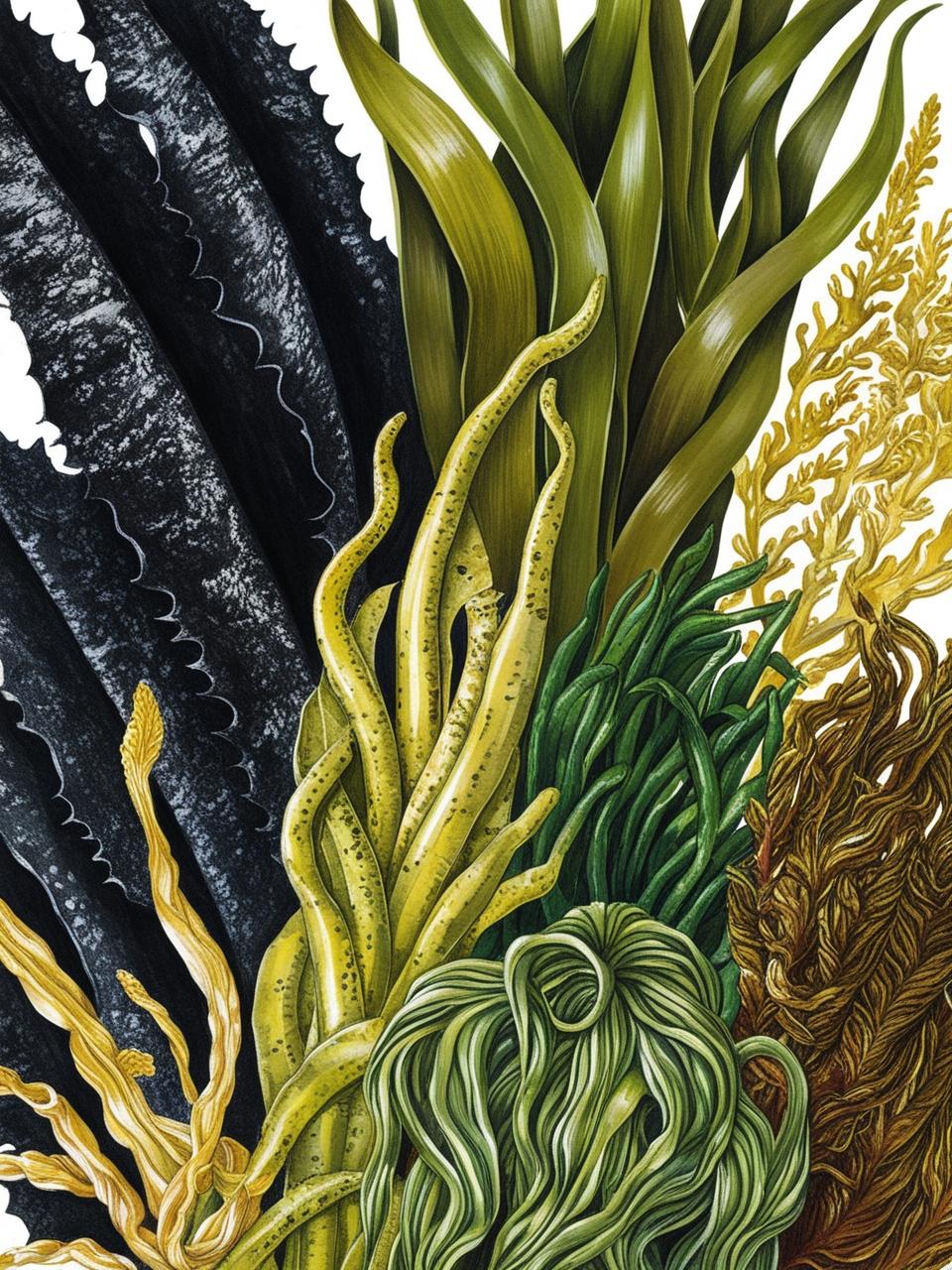
Ever scroll past those weird-looking seaweed packages at the grocery store and wonder what the heck you’re supposed to do with them?
Me too. For the longest time, I thought sea vegetables were just something sushi restaurants used as wrapping paper.
But in reality, these ocean plants are some of the most concentrated sources of nutrients on the entire planet.
We’re talking about foods that have been nourishing coastal communities for thousands of years, and we’ve somehow forgotten about them.
And the best part? You don’t need to eat a ton of them to feel the benefits.
Let me walk you through the six most powerful sea vegetables you can start adding to your meals today.
Subscribe to Our Nourished Newsletter
Get free weekly guidance for your plant-based journey, straight to your inbox.
Why Your Body Needs Sea Vegetables
Land-based vegetables are amazing, but they can only provide the minerals that exist in the soil they’re grown in.
And modern agricultural soil is seriously depleted.
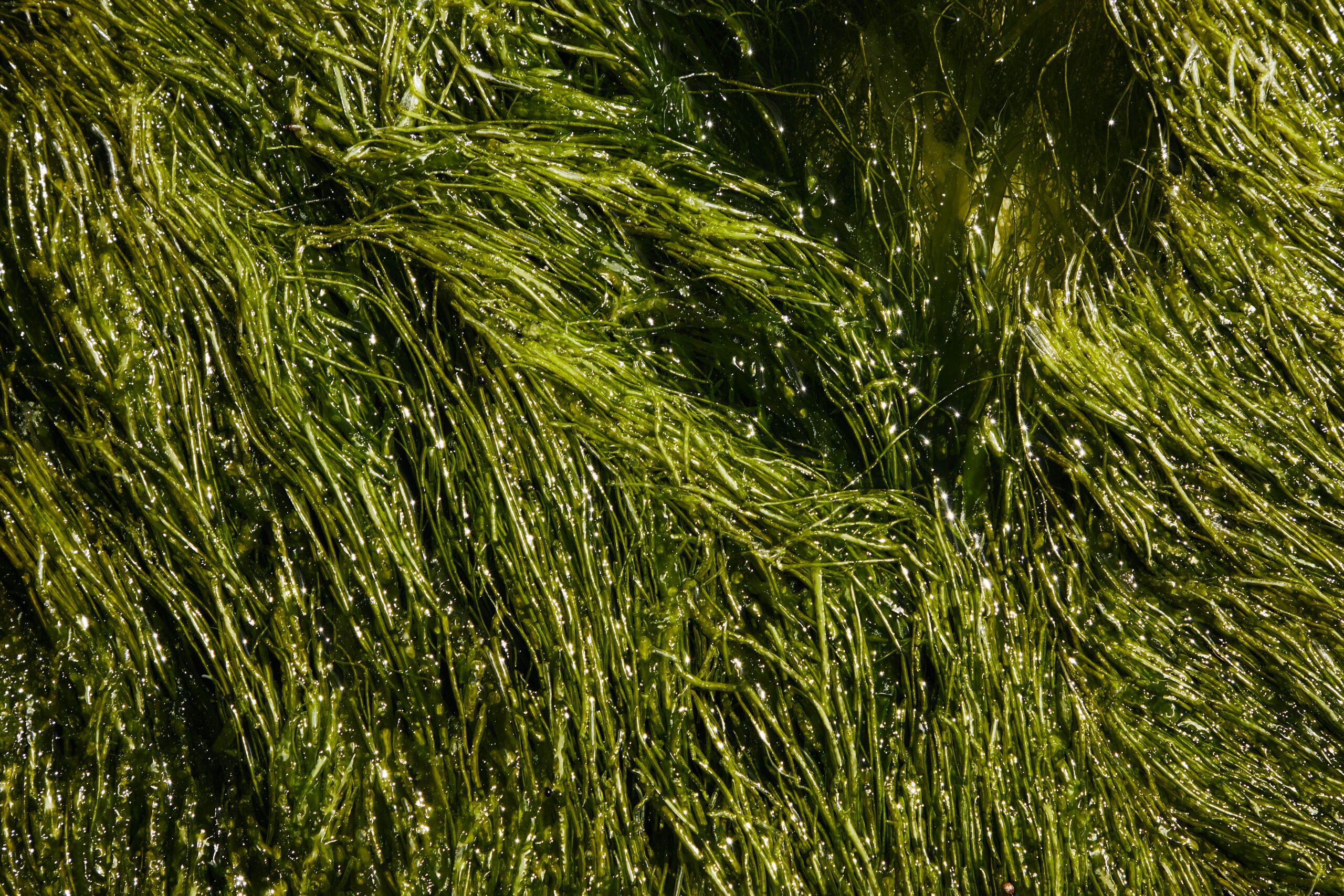
Sea vegetables, on the other hand, grow in mineral-rich ocean water, absorbing nutrients that are harder to find in land-based plants.
They’re packed with iodine, iron, calcium, and trace minerals your body desperately needs but probably isn’t getting enough of.
Your body is incredibly smart. When it’s missing nutrients, it sends out signals — often in the form of cravings or low energy.
Sea vegetables help fill in those nutritional gaps that are so common in modern eating.
6 Most Nutrient-Dense Sea Vegetables
Nori: The Gateway Sea Vegetable
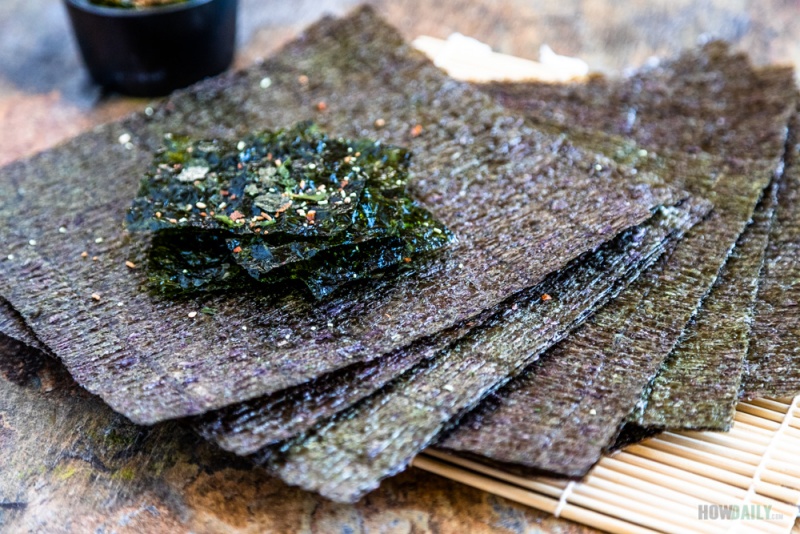
You’ve likely eaten it wrapped around sushi rolls without giving it much thought. But here’s what makes nori special: it’s incredibly rich in vitamin B12, which is notoriously difficult to find in plant foods.
While the bioavailability of B12 from nori is still being studied, it’s one of the few plant sources that contains this crucial nutrient at all.
Nori is also loaded with protein — about 50% protein by dry weight, which is pretty remarkable for any food. Plus, it contains omega-3 fatty acids that support brain health and reduce inflammation.
Additional benefits:
- High in vitamin A for eye health and immune function
- Contains vitamin C to boost iron absorption
- Rich in fiber that feeds your good gut bacteria
- Provides iodine for healthy thyroid function
- May help reduce cholesterol levels
How to use it: Tear sheets into pieces over rice bowls, crumble it into soups as a finishing touch, blend it into popcorn seasoning, or simply snack on toasted nori sheets straight from the package.
Kelp: The Iodine Powerhouse
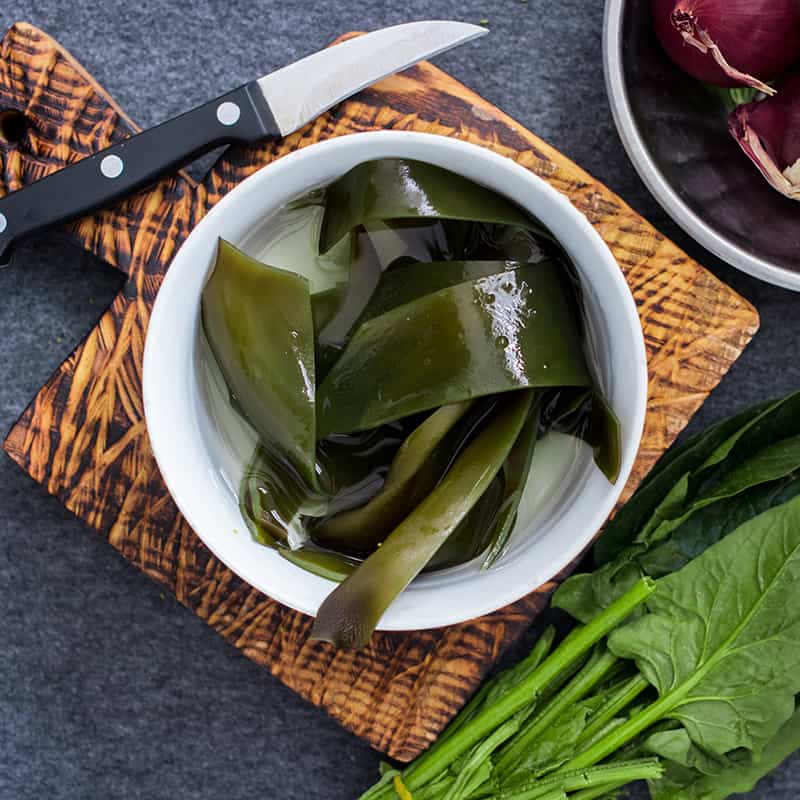
It’s exceptionally high in iodine, a mineral that most people don’t get enough of.
Iodine is absolutely essential for your thyroid to function properly, and your thyroid controls your metabolism, energy levels, and even your mood.
Just a small amount of kelp can provide several times your daily iodine needs.
Kelp is also incredibly rich in a compound called fucoidan, which researchers are studying for its potential immune-supporting and anti-inflammatory properties.
Additional benefits:
- Contains natural alginate that may help remove heavy metals from your body
- Rich in vitamin K for blood clotting and bone health
- Provides folate, which supports cell growth and DNA production
- Contains iron that helps prevent fatigue
- May support healthy blood sugar levels
How to use it: Add kelp granules to salad dressings, sprinkle kelp powder into smoothies, toss kelp noodles with your favorite sauce, or simmer dried kelp strips in soups and broths for depth of flavor.
**Important note:** Because kelp is so high in iodine, you don’t want to go overboard. A little goes a long way, and too much iodine can actually disrupt thyroid function. Start small and listen to your body.
Dulse: The Salty, Savory Secret

This reddish-purple sea vegetable has a naturally salty, slightly smoky flavor that makes it ridiculously easy to incorporate into everyday cooking.
It’s packed with potassium, which helps balance out sodium and supports healthy blood pressure. In fact, dulse contains more potassium than bananas, gram for gram.
Dulse is also one of the best plant sources of iron you can find. Iron carries oxygen throughout your body, and without enough of it, you’ll feel tired, foggy, and run down.
Additional benefits:
- Excellent source of protein with all essential amino acids
- Contains magnesium for nerve and muscle function
- Rich in vitamin B6, which supports brain health
- Provides calcium without dairy
- May help protect against oxidative stress
How to use it: Pan-fry dulse flakes until crispy and crumble them over salads, blend dried dulse into dips and spreads, add it to grain bowls for umami flavor, or stir it into scrambled tofu for a savory kick.

Get Your FREE Plant-Forward Grocery List Today!
Wakame: The Gentle Mineral Boost
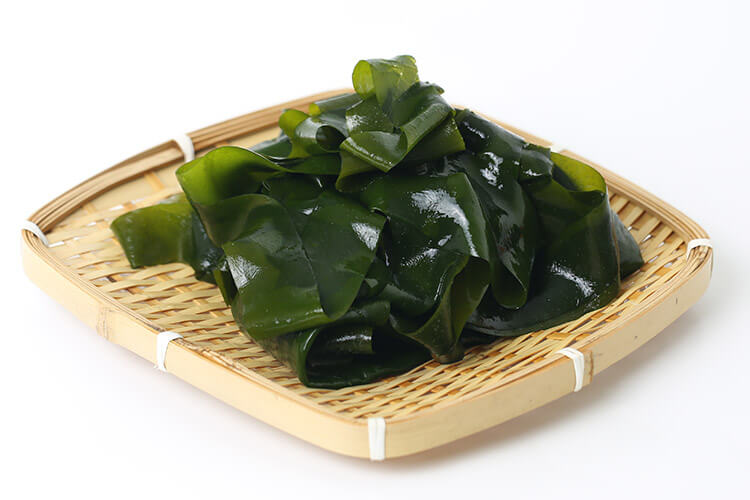
It’s exceptionally high in fucoxanthin, a unique antioxidant that gives wakame its brown-green color. Research suggests that fucoxanthin may support healthy metabolism and help your body manage fat storage more efficiently.
But beyond that one compound, wakame is just loaded with minerals your body craves.
It’s particularly rich in manganese, which helps your body process cholesterol and carbohydrates, and supports healthy bones.
Additional benefits:
- High in magnesium for hundreds of bodily processes
- Contains omega-3 fatty acids for heart and brain health
- Rich in calcium that’s easily absorbed
- Provides folate for healthy cell division
- May support cardiovascular health
How to use it: Rehydrate dried wakame and toss it into salads, add it to miso soup or ramen, blend softened wakame into creamy dressings, or mix it with cucumber and rice vinegar for a quick side dish.
Spirulina: The Protein Champion
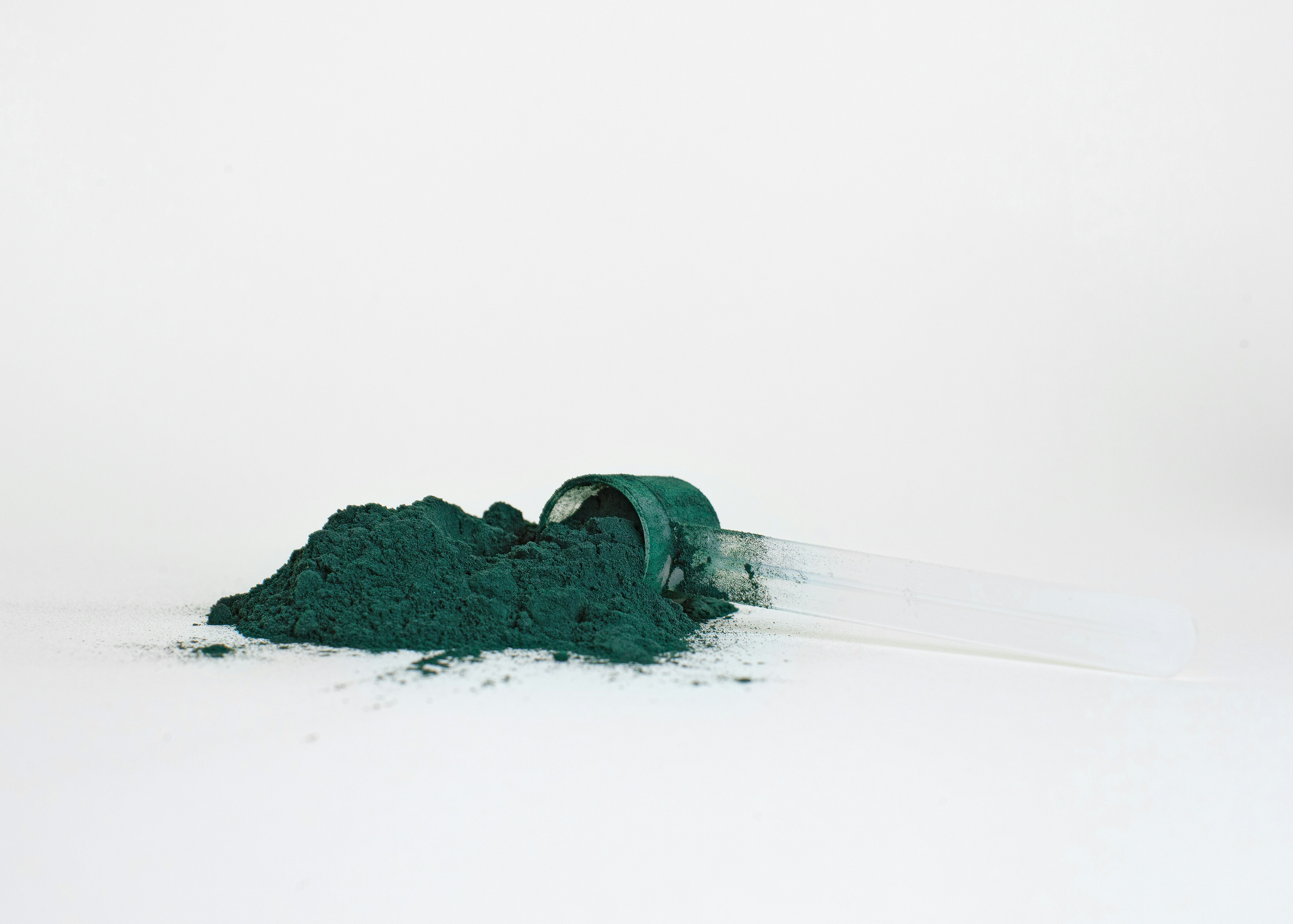
Spirulina is technically a blue-green algae, but it’s grouped with sea vegetables because of how nutrient-dense it is.
Unlike many plant proteins, spirulina contains all essential amino acids, making it a complete protein source. Your body can actually use this protein efficiently to build and repair tissue.
Spirulina is also ridiculously high in B vitamins, particularly B1, B2, and B3, which help your body convert food into usable energy.
Additional benefits:
- Extremely rich in iron, providing more per gram than red meat
- Contains powerful antioxidants like phycocyanin that fight inflammation
- High in beta-carotene for immune function and skin health
- Provides gamma-linolenic acid (GLA), a beneficial omega-6 fatty acid
- May help lower LDL cholesterol and triglycerides
How to use it: Blend a teaspoon into smoothies with banana and berries to mask the flavor, stir it into energy balls or homemade protein bars, mix it into salad dressings with lemon and tahini, or add it to fresh juices.
Let me be honest with you: spirulina tastes like pond water. But when you blend it with sweet fruits or strong flavors, you barely notice it. And the energy boost is worth the slightly funky taste.
Chlorella: The Detox Supporter
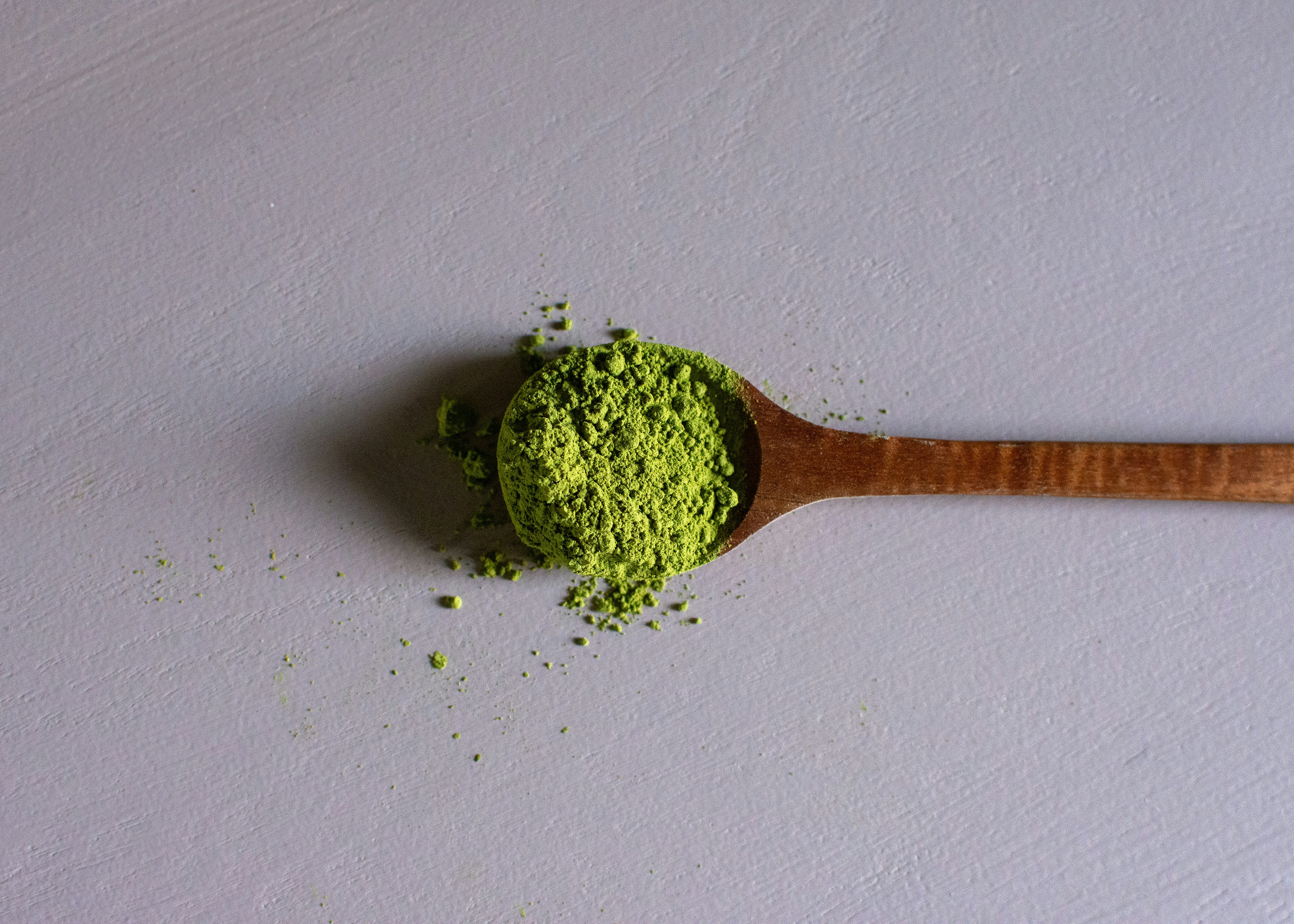
Chlorella is another microalgae that packs a serious nutritional punch.
It’s exceptionally high in chlorophyll, the green pigment that helps plants convert sunlight into energy. In your body, chlorophyll supports the elimination of toxins and may help cleanse your blood.
Chlorella also has a unique ability to bind to heavy metals like mercury and lead, potentially helping your body remove them.
Chlorella is incredibly rich in nucleic acids (RNA and DNA), which support cellular repair and may slow down aspects of aging.
Additional benefits:
- High in complete protein with all essential amino acids
- Contains lutein for eye health and vision protection
- Rich in vitamin B12 (though bioavailability is debated)
- Provides iron, zinc, and magnesium
- May support immune system function
How to use it: Start with a small amount (half a teaspoon) in smoothies, mix it into guacamole or pesto for a nutrient boost, blend it into homemade energy bites, or simply take it in tablet form if the taste doesn’t work for you.
**Important note:** Both spirulina and chlorella can cause digestive upset if you take too much too fast. Start with tiny amounts and gradually increase as your body adjusts.
How to Start Adding Sea Vegetables to Your Life
You don’t need to overhaul your entire kitchen or start eating seaweed salads for breakfast.
Start with nori. Grab a package of roasted nori sheets next time you’re at the store and just snack on them.
Notice how your body feels. Pay attention to whether your energy shifts or if you feel more satisfied after meals.
Then maybe try sprinkling some kelp granules into your next pot of soup. Or toss some wakame into your usual stir-fry. Small additions, no pressure.
The goal isn’t to eat sea vegetables at every meal. It’s to add them in when it feels natural and easy, a few times a week. Even that small amount can make a real difference in how you feel.
Once you start feeling the benefits, you’ll actually want to eat them. It won’t feel like a chore or another thing on your “should do” list.
FAQs About Nutrient-Dense Sea Vegetables
Q: Do sea vegetables contain enough iodine to support thyroid health?
Yes, most sea vegetables are excellent sources of iodine, with kelp being the highest. However, the iodine content can vary widely depending on where and how the sea vegetable was grown.
If you have thyroid issues or take thyroid medication, talk with your healthcare provider before adding large amounts of sea vegetables to your routine.
For most people, small amounts a few times a week provide beneficial iodine without overdoing it.
Q: Can sea vegetables be contaminated with heavy metals?
Some sea vegetables can absorb heavy metals like arsenic, mercury, or lead from polluted ocean water.
To minimize risk, choose sea vegetables from reputable brands that test for contaminants and harvest from clean waters.
Look for products that specifically state they’re tested for heavy metals. Certified organic options and those harvested from pristine waters (like certain areas off the coasts of Maine, Ireland, or Japan) tend to be safer choices.
Q: How much sea vegetable should I eat per day?
There’s no one-size-fits-all answer, but a good starting point is about 1-2 tablespoons of dried sea vegetables per week, spread across several meals.
For kelp specifically, because of its high iodine content, even less is needed — just a pinch or two a few times a week.
Start small and gradually increase as your body adjusts. Pay attention to how you feel and adjust accordingly.
📖 Good Reads: Plant-Based Nutrition and How Not to Die

In Essence: Get Ocean Nourishment
Sea vegetables aren’t a magic solution or another thing to stress about adding to your meals.
When you add them to your routine in small, realistic ways, they fill in nutritional gaps that are hard to address with land vegetables alone.
You don’t need to become a seaweed expert. Just grab one type that sounds interesting, try it in a simple way, and see how your body responds.
Remember, this journey isn’t about being perfect. It’s about discovering what makes your body feel nourished and strong. And sometimes that nourishment comes from the ocean.
Start where you are. Add what feels manageable. Trust that your body knows what it needs, and you’re learning to listen.
⭐ Let’s chat: What’s your experience with sea vegetables? If you’ve tried any of these, which one surprised you the most? Or are you still on the fence about giving them a try? Share your thoughts below!