This post may contain affiliate links. If you purchase through these links, I may earn a small commission at no extra cost to you. This helps keep Pine+Mango running. Thank you for your support! Read our full disclosure here.
Ever stand in the produce section staring at strawberries in January and wonder why they taste like cardboard?
Here’s the thing: those berries traveled thousands of miles to get to you, picked before they were ready, and they’ve been sitting around longer than we’d like to think about.
Meanwhile, the humble winter squash sitting right next to them is bursting with flavor and nutrition because it’s actually supposed to be here right now.
Eating in season isn’t some fancy foodie trend. It’s actually the most natural, simple way humans have eaten for thousands of years — and it might be the missing piece in your journey to feeling truly nourished.
When you align your plate with what nature’s offering right now, something shifts. The food tastes better, your body feels better, and honestly? Your wallet feels better too.
I’ll be straight with you: I’m still learning this myself. But what I’ve discovered so far has completely changed how I shop, cook, and feel about food.
Subscribe to Our Nourished Newsletter
Get free weekly guidance for your plant-based journey, straight to your inbox.
- What Does Eating in Season Actually Mean?
- Why Bother Eating Seasonally?
- What's in Season When? A Simple Breakdown
- How to Start Eating Seasonally (Without Overwhelming Yourself)
- Common Challenges (And How to Handle Them
- The Bigger Picture: Why This Matters Beyond You
- FAQs on Seasonal Eating Guide
- In Essence: Embrace Seasonal Eating
- Subscribe to Our Nourished Newsletter
What Does Eating in Season Actually Mean?
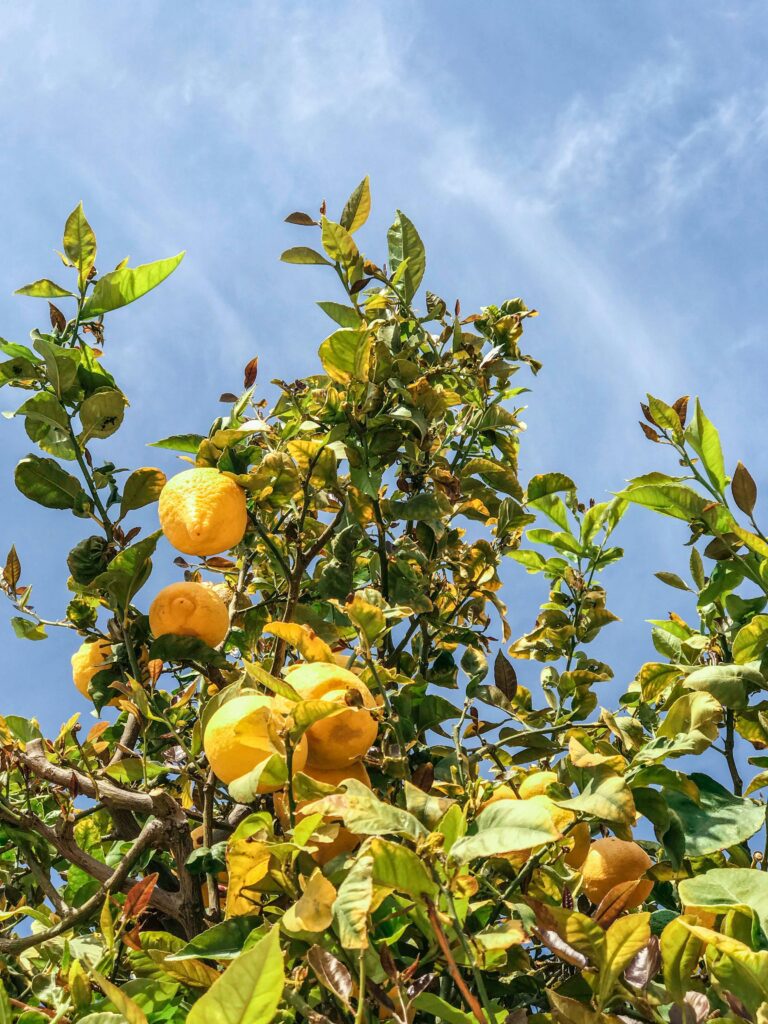
Eating in season means choosing fruits and vegetables that are naturally harvested during the current time of year in your region.
Simple, right? But here’s what makes it powerful: seasonal produce is picked at peak ripeness. It hasn’t traveled across the world. It hasn’t been sitting in storage for months.
This means more nutrients, better flavor, and less environmental impact. Think about it this way: nature knows what it’s doing.
Watermelons grow in summer when we need hydration. Root vegetables grow in fall and winter when we need heartier, warming foods. Leafy greens pop up in spring when our bodies crave fresh, lighter meals after winter.
Your body actually craves what’s in season naturally. You just have to tune in and listen.
Why Bother Eating Seasonally?
1. It Tastes So Much Better
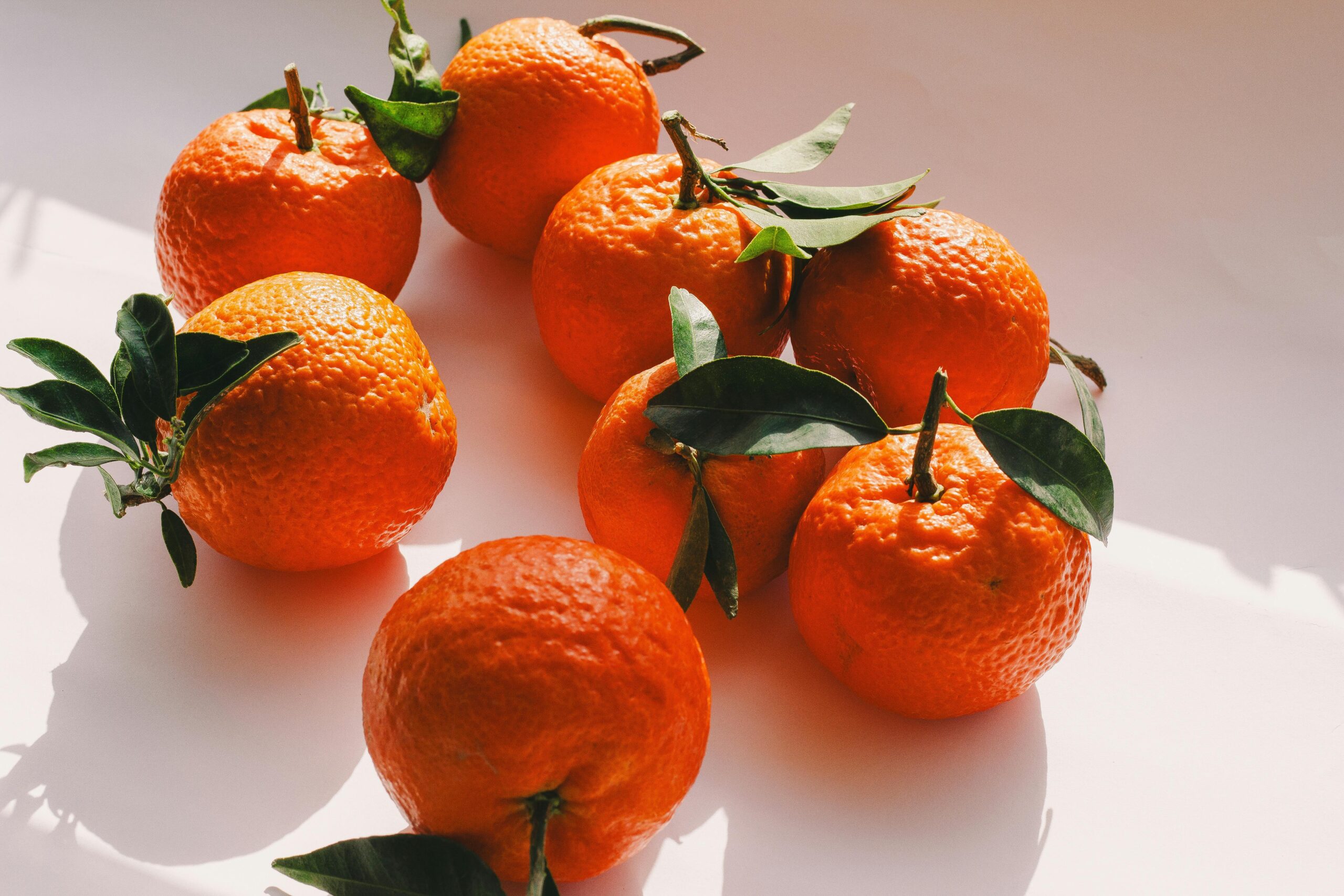
When produce is grown and picked in its natural season, the flavors are intense, rich, and actually satisfying. You’ll find yourself eating less because you’re actually nourished, not just filling space.
Those mealy apples in July? Hard pass. But a crisp apple in October? That’s the real deal.
2. Your Body Gets More Nutrition
Here’s what most people don’t know: produce starts losing nutrients the moment it’s harvested.
Seasonal food from local sources travels less distance and spends less time in transit, which means more vitamins and minerals actually make it to your plate.
One study found that vegetables lose up to 50% of their vitamin C within a week of harvest. So that “fresh” bell pepper that traveled 2,000 miles? Yeah, not so fresh anymore.
3. It’s Easier on Your Wallet
When something’s in season, there’s more of it. Basic supply and demand means lower prices for you.
I’ve bought butternut squash for under a dollar per pound in fall, but that same squash might cost three times as much in spring.
Seasonal eating naturally guides you toward abundance instead of scarcity.
4. You Connect With Nature’s Rhythm
This might sound a little woo-woo, but stay with me.
When you eat seasonally, you start noticing the world around you differently. You anticipate things. “Oh, strawberry season is coming!” or “Time for apples!”
You become part of the cycle instead of fighting against it. And that feeling of being in sync with nature? It’s grounding in a way that’s hard to explain until you experience it.
What’s in Season When? A Simple Breakdown
Spring (March – May)
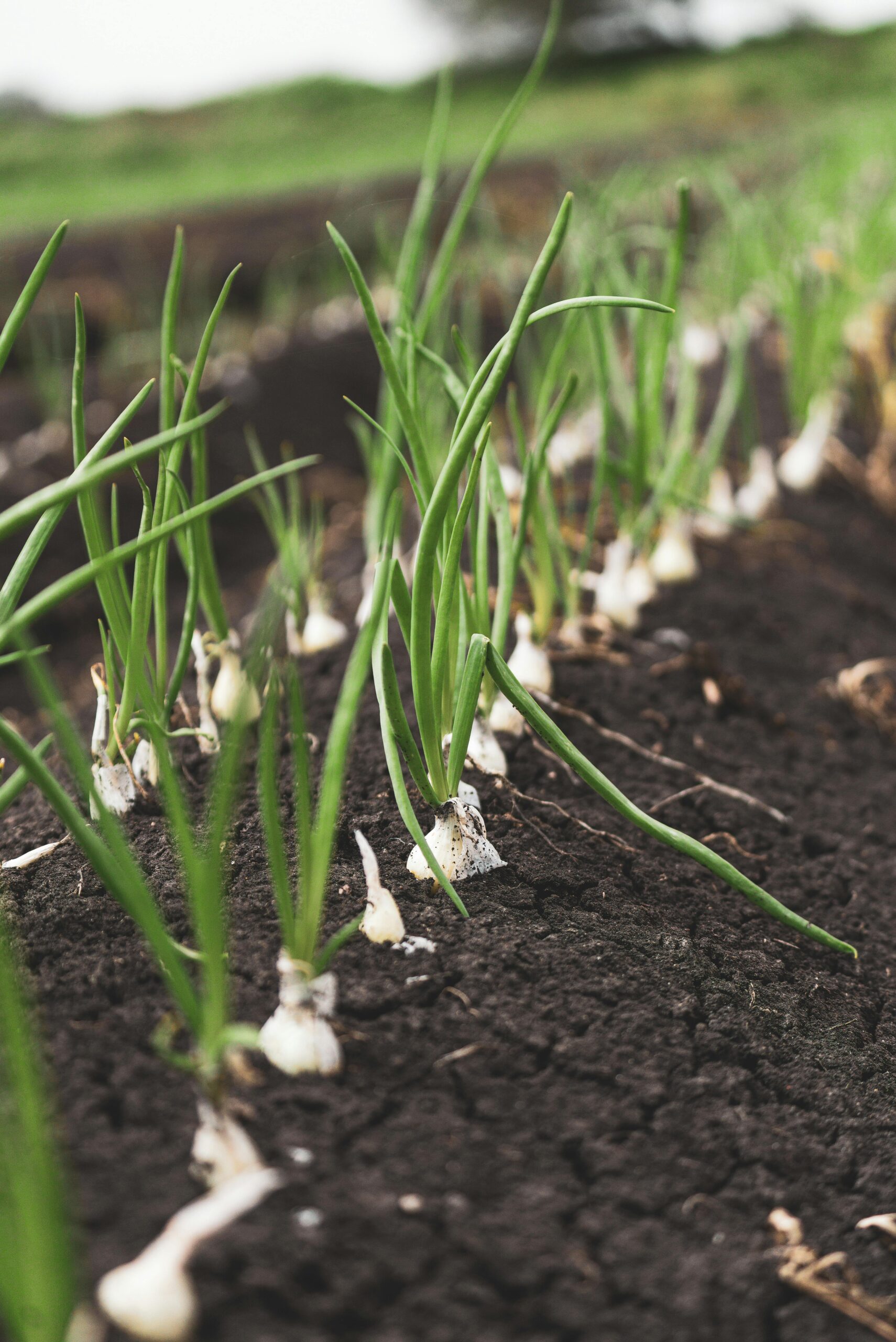
Spring is all about fresh, light, and green. Your body naturally wants to lighten up after winter’s heavier foods.
Look for: Asparagus, peas, radishes, lettuce, spinach, artichokes, strawberries, rhubarb, spring onions, fava beans
These foods are crisp, refreshing, and perfect for shaking off winter sluggishness.
Summer (June – August)
Summer abundance is real, folks. This is when farmers markets absolutely explode with color.
Look for: Tomatoes, zucchini, summer squash, bell peppers, cucumbers, corn, berries (all kinds), peaches, plums, cherries, green beans, eggplant, watermelon
Pro tip: this is when you want to buy extra and preserve things for winter. Make that tomato sauce. Freeze those berries.
Fall (September – November)
Fall brings the comfort foods. Everything gets heartier, sweeter, and more grounding.
Look for: Apples, pears, pumpkins, winter squash (butternut, acorn, delicata), Brussels sprouts, cauliflower, broccoli, sweet potatoes, beets, cranberries, pomegranates, grapes
This is my favorite season for cooking. Everything wants to be roasted and gets caramelized and sweet.
Winter (December – February)
Winter might seem sparse, but there’s more available than you think.
Look for: Citrus (oranges, grapefruits, lemons), winter squash (stores well), cabbage, kale, collards, turnips, parsnips, rutabaga, pomelos, persimmons
Winter is when you lean into stored crops and preserved foods from earlier seasons. This is natural and smart.
How to Start Eating Seasonally (Without Overwhelming Yourself)
#1: Start Small — Just Pick One Thing
You don’t have to overhaul your entire grocery list tomorrow. Start by swapping just one item for its seasonal version.
Buying tomatoes in January? Try switching to citrus or stored squash instead. Small changes add up.
#2: Shop at Farmers Markets
I know, I know. Farmers markets can feel intimidating at first. But here’s the secret: everything there is seasonal by default. You can’t go wrong.
Talk to the farmers. Ask what’s good right now. Ask how to cook something you’ve never tried. Most farmers love sharing their knowledge, and you’ll learn so much just by showing up.
#3: Follow a Seasonal Produce Guide
Print out a simple seasonal produce guide for your region and stick it on your fridge. When you’re planning meals, just glance at it. It becomes second nature pretty quickly.
Different regions have different growing seasons, so find one specific to where you live. A quick search for “seasonal produce guide [your state]” will get you there.
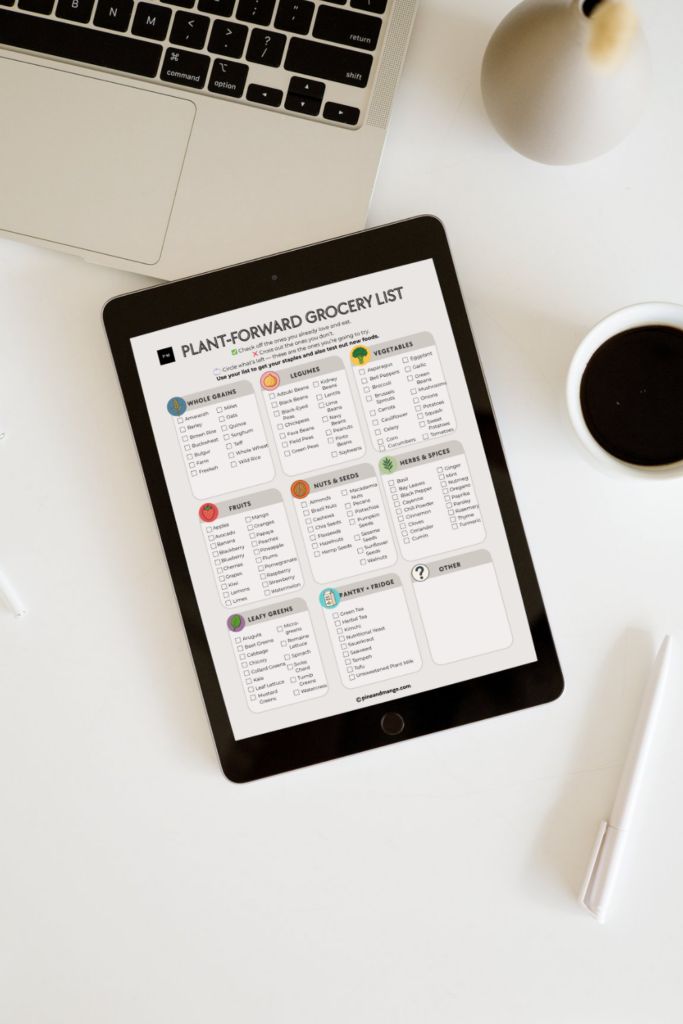
Get Your FREE Plant-Forward Grocery List Today!
#4: Join a CSA (Community Supported Agriculture)
Pay upfront for a “share” of a local farm’s harvest, and you get a box of whatever’s ready each week throughout the growing season.
Yes, you’ll get vegetables you’ve never cooked before. Yes, it’s a little outside your comfort zone. But it forces you to be creative and work with what nature’s providing.
Plus, you’re directly supporting local farmers.
#5: Let the Seasons Guide Your Meal Planning
Instead of deciding “I want to make X recipe” and then buying whatever ingredients it needs regardless of season, flip it. Look at what’s in season first, then decide what to make.
It’s a total mindset shift, but it makes meal planning so much easier and more intuitive.
#6: Preserve Summer’s Bounty for Winter
When summer hits and everything’s abundant and cheap, buy extra. Freeze berries. Make and freeze tomato sauce. Dry herbs. Can pickles if you’re into that.
This isn’t about being some homesteading expert. Even just tossing extra berries in the freezer counts.
You’ll thank yourself in February when you’re making a smoothie with summer strawberries.
Common Challenges (And How to Handle Them
- “But I live somewhere with harsh winters!”: Trust me, I get it. Winter can feel limited. But this is where stored crops come in — winter squash, root vegetables, cabbage, and citrus from warmer regions still in season there. You can also use preserved foods from summer and fall. Humans have been eating seasonally in cold climates forever. It’s doable.
- “Seasonal produce is sometimes more expensive at my regular grocery store.”: Yeah, grocery stores are weird with pricing sometimes. This is where farmers markets, CSAs, and even growing your own food (even just herbs on a windowsill) can help. Also, when something’s truly in season and abundant, prices usually do drop — you just have to know what to look for.
- “I don’t know how to cook some of these vegetables.”: Me neither, half the time! But that’s part of the adventure. This is where the internet is your friend. Look up simple meals. Ask people. Start with roasting — you can roast almost any vegetable with olive oil, salt, and pepper, and it’ll taste good. Don’t let fear of the unknown keep you from trying.
The Bigger Picture: Why This Matters Beyond You
When you eat seasonally, especially from local sources, you’re supporting a food system that’s better for everyone.
You’re supporting local farmers who are stewarding the land. You are reducing the environmental impact of long-distance food transport.
You’re voting with your dollars for a food system that prioritizes quality and sustainability over convenience and profit.
And you’re teaching your body to trust nature’s wisdom again instead of relying on industrial agriculture to provide everything all the time regardless of season.
This isn’t about being perfect. It’s about making choices that align with how you want to feel and the world you want to live in.
FAQs on Seasonal Eating Guide
Q: Is eating seasonally more expensive?
Not usually — in fact, it’s often cheaper. When produce is in season, there’s more of it available, which typically means lower prices.
The key is buying directly from farmers markets or joining a CSA, where seasonal abundance really shows up in your wallet.
Yes, some grocery stores markup seasonal items weirdly, but true seasonal eating at the source is budget-friendly.
Q: Can I still eat seasonally if I don’t have access to farmers markets?
Absolutely. Start by learning what’s in season in your region and prioritizing those items at your regular grocery store. Many stores now label local and seasonal produce.
You can also look into food co-ops, CSA delivery programs, pick-your-own farms or even growing a few items yourself in pots or a small garden.
It’s about working with what you have access to, not achieving some perfect ideal.
Q: What about frozen fruits and vegetables — do they count as seasonal?
Great question! Frozen produce is typically frozen at peak ripeness during harvest season, which means it retains most of its nutrients.
So yes, buying frozen berries in winter that were frozen during summer harvest is actually a smart way to eat seasonally year-round. Just check that you’re buying plain frozen produce without added sauces or sugars.
📖 Good Reads: How Not to Die, The China Study and Plant-Based Nutrition
In Essence: Embrace Seasonal Eating
Eating in season isn’t about adding more rules to your life. It’s actually about simplifying — letting nature guide you instead of trying to force your body to crave strawberries in December.
When you align with the seasons, you naturally eat a wider variety of foods throughout the year. You save money. You support local farmers and a healthier food system.
And most importantly, you feel better because you’re giving your body foods that are more nutrient-dense and vibrant.
Start small. Pick one seasonal swap this week. Visit a farmers market this weekend. Notice what’s abundant right now where you live.
You don’t have to be perfect at this. I’m still learning too. But every small choice to eat what’s actually ready right now is a choice to nourish yourself better and reconnect with the rhythm of nature.
That’s what this whole plant-abundant journey is about: coming home to what feels natural, simple, and good.
⭐What’s one seasonal food you’re excited to eat more of this season? Or what’s one vegetable you’ve been scared to try? Drop a comment — I’d love to hear what you’re working with!