This post may contain affiliate links. If you purchase through these links, I may earn a small commission at no extra cost to you. This helps keep Pine+Mango running. Thank you for your support! Read our full disclosure here.
You’ve heard all the buzz about eating more plants. Maybe you’ve even tried it. But somewhere between “eat more vegetables” and actually doing it every single day, things get muddy.
What does a full day of plant-forward eating even look like in real life? Not the curated version with perfectly plated grain bowls and a smoothie that takes 45 minutes to make.
The real version.
I’m going to show you exactly what I eat in a day eating mostly plants. No fancy ingredients. No hours in the kitchen.
Just honest, nourishing food that actually tastes good and keeps me full.
Subscribe to Our Nourished Newsletter
Get free weekly guidance for your plant-based journey, straight to your inbox.
- Real Plant-Forward Eating Isn't What You Think
- Before the First Meal: My Morning Ritual
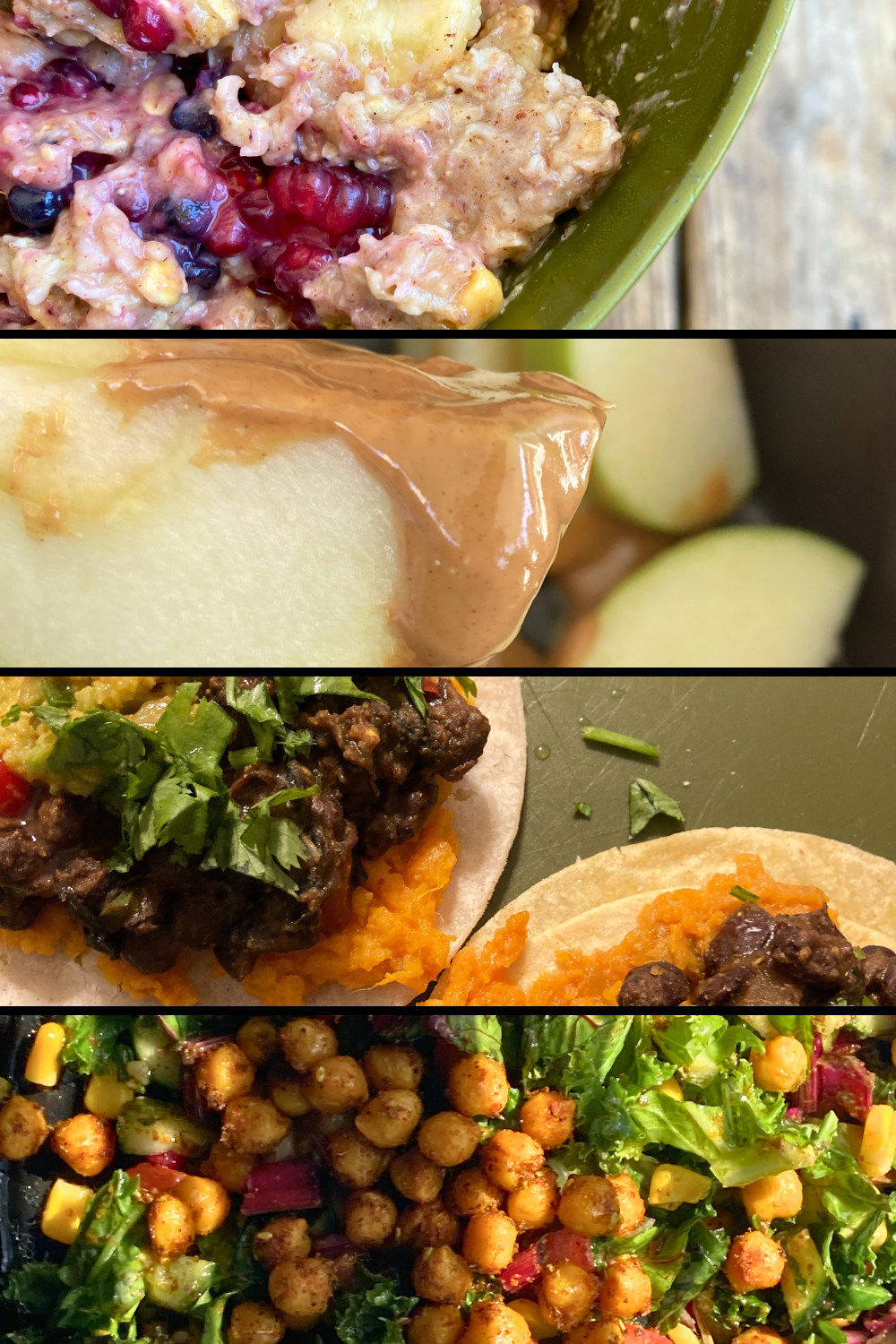
- Breakfast: Microwave Oatmeal That Actually Feels Like a Treat
- Snack: Low-Lift, High-Reward
- Lunch: Black Bean Tacos That Feel Like a Reward
- Dinner: The Big Ass Salad
- Why This Way of Eating Works (Without Trying Hard)
- Frequently Asked Questions
- In Essence: You Don't Need to Be Perfect
- Subscribe to Our Nourished Newsletter
Real Plant-Forward Eating Isn’t What You Think
Let me bust something open right away.
When most people imagine eating more plants, they picture… suffering. Sad salads. Flavorless brown rice. Cravings that never go away.
That was my fear too, once.
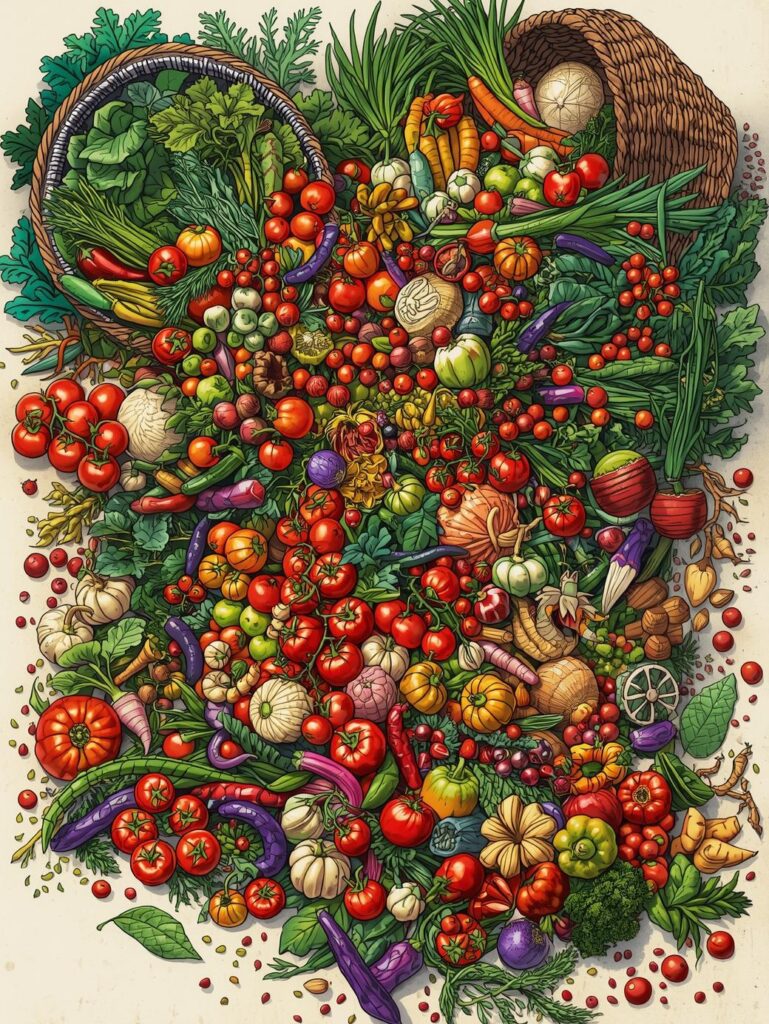
But honestly? Plant-forward eating can be deeply satisfying, incredibly flavorful, and shockingly fast to pull together.
My secret weapons? Frozen produce, canned legumes, good seasonings, and healthy fats from seeds like hemp, flax, and chia. That’s it. No fancy superfoods. No special equipment.
Just real food, thoughtfully put together.
The Meal Blueprint Method is what ties all of it together. Every meal I make follows the same simple formula: Base + Protein + Produce + Flavor/Fat.
Once you see it in action, you’ll start recognizing it everywhere.
Before the First Meal: My Morning Ritual
Before I eat anything, I do two small things that have made a surprisingly big difference.
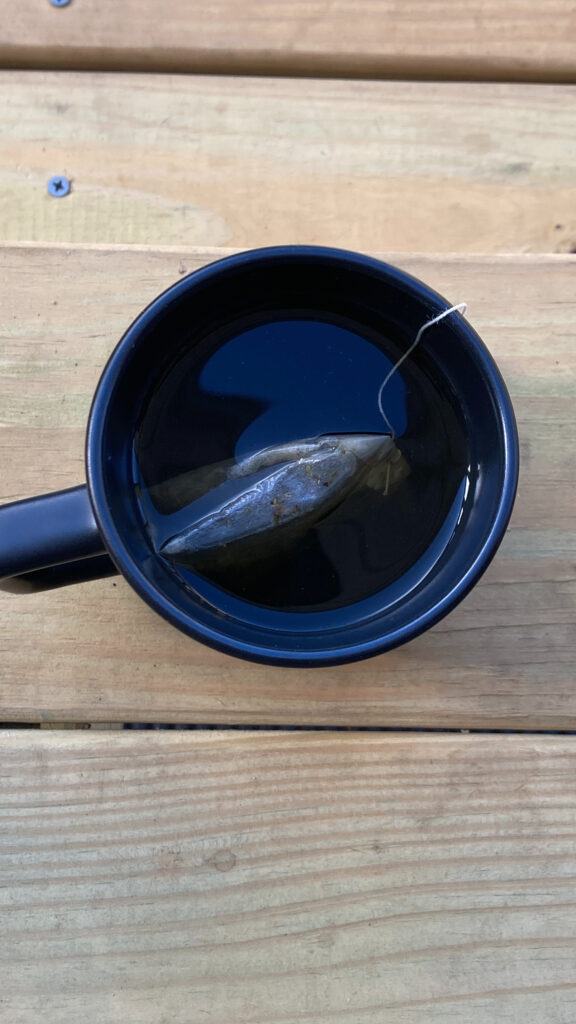
First, green tea with lemon. I sip it slowly before my first meal of the day.
Green tea contains a compound called EGCG (epigallocatechin gallate), a well-studied antioxidant linked to reduced inflammation and improved metabolic function.
The lemon adds a little vitamin C and, honestly, just makes it feel like a moment — a quiet signal to my body that the day is starting.
Second, a forkful of kimchi. Just one forkful, straight from the jar.
Kimchi is a fermented food, which means it delivers live beneficial bacteria (probiotics) to your gut.
Research recognizes kimchi as a functional food with probiotic, anti-inflammatory, and antioxidant properties. It gently wakes up your digestive system before food arrives.
Think of it as opening a door before walking through it.
Neither of these takes more than two minutes. Both are worth it. Small rituals like these aren’t rules. They’re just things that work — and they’re worth trying.
Breakfast: Microwave Oatmeal That Actually Feels Like a Treat
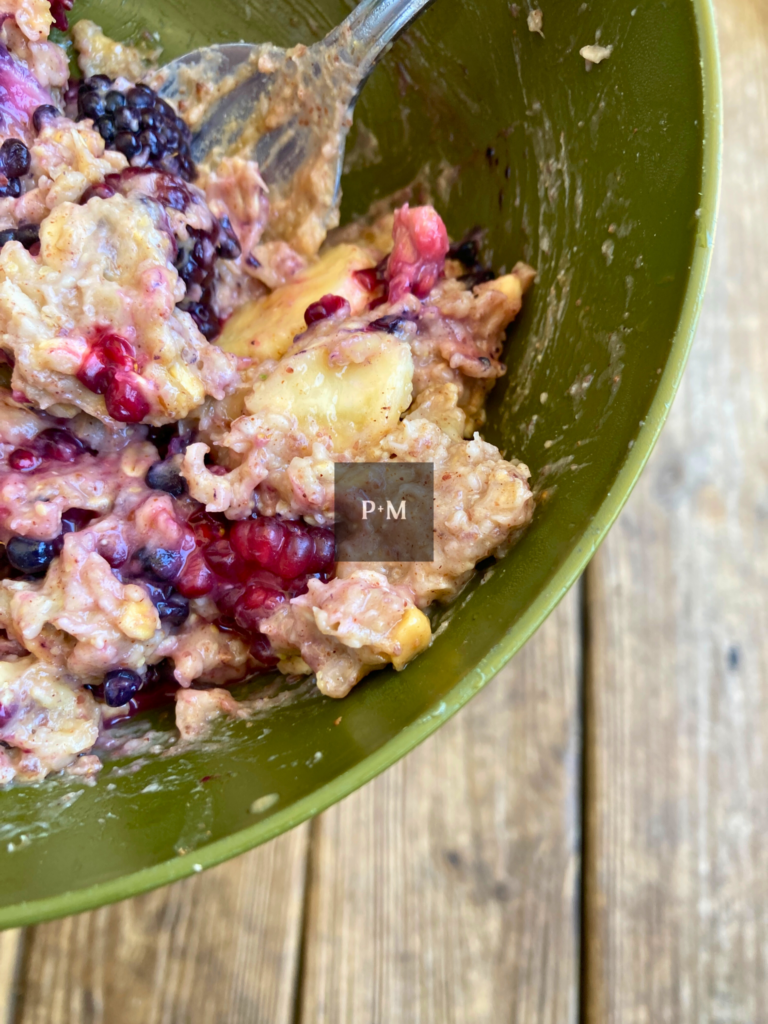
Mornings around here are not slow. I need something fast, filling, and nourishing — and this oatmeal delivers every single time.
What goes in it:
- Rolled oats
- Soy milk (unsweetened)
- Half a banana, smashed right into the bowl
- A big pinch of cinnamon
- A handful of frozen berries
- One tablespoon each of hemp seeds, ground flax, and chia seeds
The banana does all the sweetening. No syrup, no added sugar — just natural fruit sweetness that also adds creaminess. The berries go in frozen; they thaw in about two minutes and cool the whole bowl down to eating temperature.
Genius? Kind of.
Now look at this through the Meal Blueprint lens.
The Base is the oats. The Protein is the soy milk and those seeds. The Produce is the banana and berries. The Flavor/Fat is the cinnamon and the seed blend.
Microwave. Three minutes. Done.
Hemp, flax, and chia seeds are worth talking about for a second because they punch way above their weight.
Hemp seeds provide all essential amino acids and are rich in omega-3 and omega-6 fatty acids. Flaxseeds are one of the richest plant sources of alpha-linolenic acid (ALA), a type of omega-3.
Chia seeds add fiber, calcium, and more omega-3s. A tablespoon of each, every morning, is one of the simplest nutritional upgrades you can make.
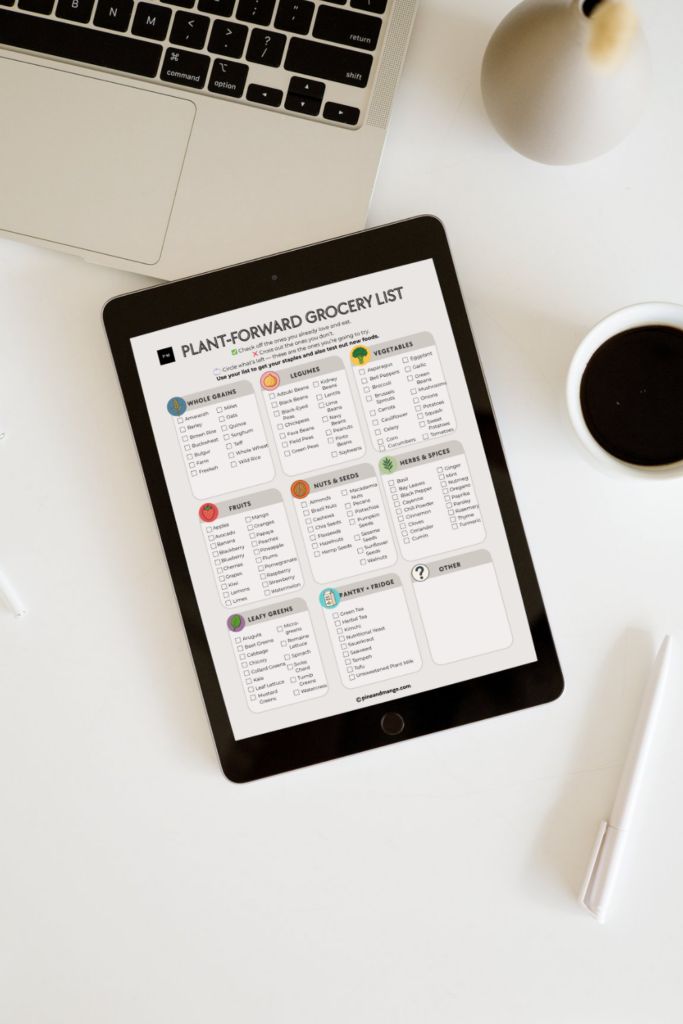
Get Your FREE Plant-Forward Grocery List Today!
Snack: Low-Lift, High-Reward
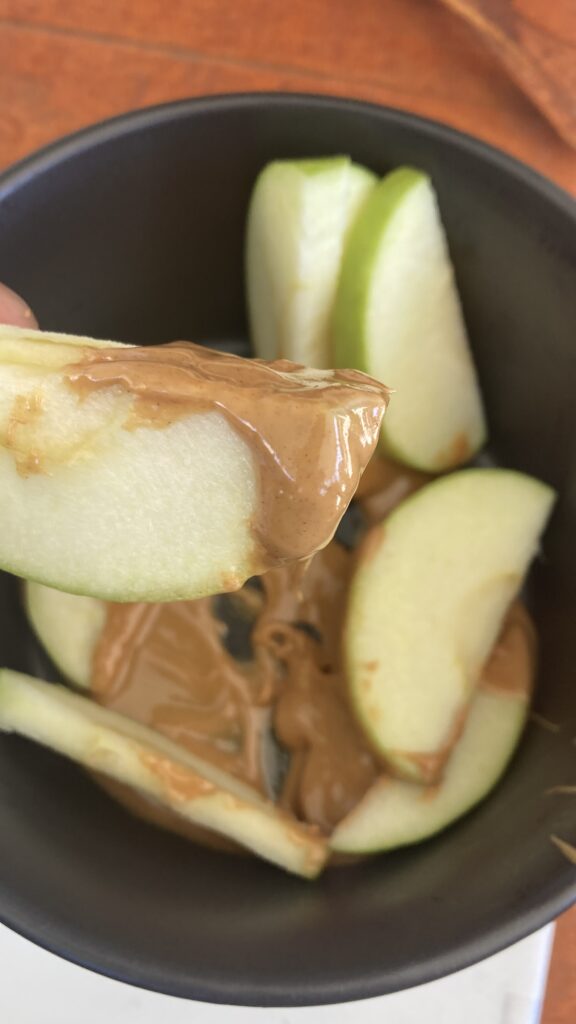
Snacks don’t need a recipe. They barely need a thought.
My go-to is a tart Granny Smith apple with a spoonful of natural peanut butter, or a small handful of walnuts and pepitas (pumpkin seeds).
Both options give you healthy fats, a little protein, and enough fiber to bridge the gap until lunch without energy crashes.
Walnuts in particular are worth mentioning — research highlights their high ALA omega-3 content and anti-inflammatory properties. Pepitas add magnesium and zinc, two minerals many people don’t get enough of.
This isn’t complicated. Grab, eat, move on.
Lunch: Black Bean Tacos That Feel Like a Reward
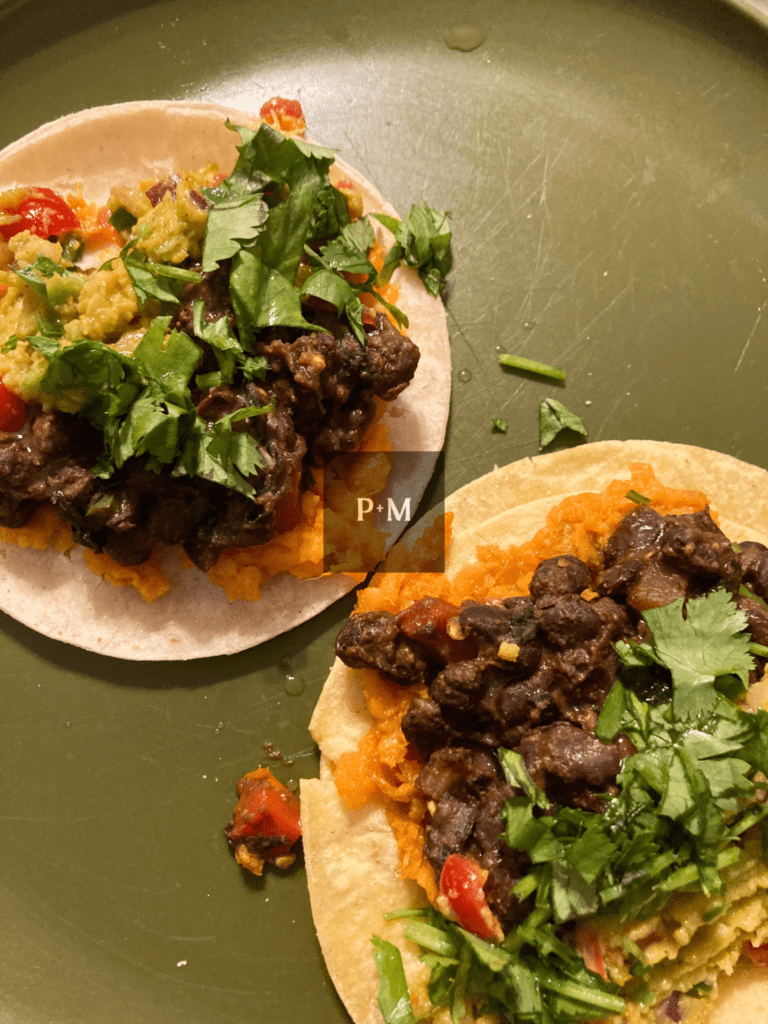
Okay, this one is my favorite meal of the day. And I make it in about ten minutes.
What goes in it:
- Canned black beans, rinsed and warmed with cumin, garlic powder, smoked paprika, and a pinch of salt
- One ripe avocado, smashed with lime juice and a little salt
- Fresh pico de gallo (store-bought is completely fine)
- Corn tortillas, warmed in a dry pan
That’s it. That’s the whole thing. And it is so good.
Through the Meal Blueprint: Base is the corn tortillas. Protein is the black beans. Produce is the pico and lime. Flavor/Fat is the avocado and seasonings.
Canned legumes are one of the most underrated tools in a plant-forward kitchen. They require zero prep beyond rinsing, they’re shelf-stable, affordable, and nutritionally dense.
Black beans are rich in folate, iron, magnesium, and polyphenols that support gut health. There is absolutely no shame in opening a can.
In fact, I’d argue it’s the smart move.
The avocado here isn’t just for flavor — it provides heart-healthy monounsaturated fats that help your body absorb fat-soluble nutrients like vitamins A and K from the pico and any greens you add.
Dinner: The Big Ass Salad
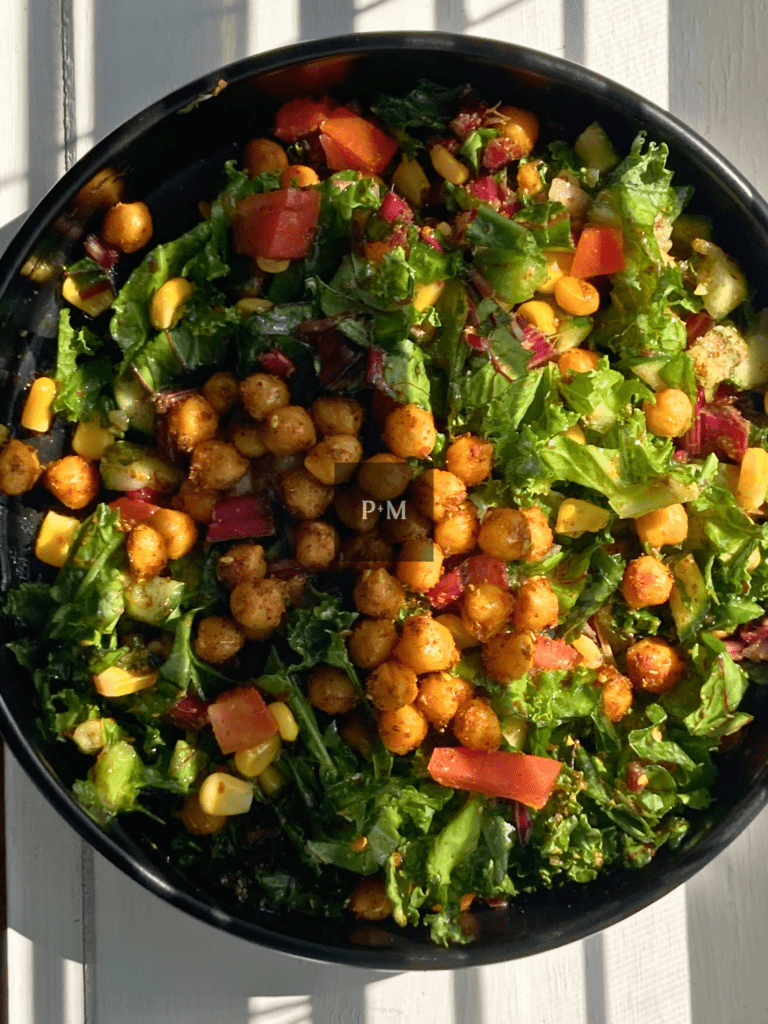
Yes, that’s what I call it. And no, it’s nothing like the sad salads of your past.
What goes in it:
- A large base of mixed leafy greens
- Chopped bell peppers (any color)
- A full can of chickpeas, rinsed
- Tahini dressing (tahini, lemon juice, garlic, water, salt — shaken in a jar)
This salad is filling. The chickpeas make it a meal, not a side dish. One cup of cooked chickpeas delivers around 14–15 grams of protein and 12 grams of fiber.
The tahini dressing is rich in calcium, healthy fats, and has a savory, nutty depth that makes the whole bowl taste intentional.
Meal Blueprint check: Base is the leafy greens. Protein is the chickpeas. Produce is the bell peppers (and the greens themselves). Flavor/Fat is the tahini dressing.
Bell peppers are loaded with vitamin C — one medium red bell pepper contains more vitamin C than an orange. Pairing that with iron-rich chickpeas actually supports iron absorption in the body.
Not because you need to carefully combine foods (you don’t), but because variety naturally creates nutritional synergy.
Why This Way of Eating Works (Without Trying Hard)
What I just walked you through isn’t a strict plan. It’s a rhythm. A loose, flexible, satisfying rhythm that keeps plants at the center without making food feel like a chore.
A few things that make this doable every day:
- Frozen produce is your friend. Frozen berries, corn, edamame, spinach — all just as nutritious as fresh, and way less likely to rot in your fridge.
- Canned goods are not a compromise. Canned beans and canned tomatoes are pantry staples that belong in a nourishing kitchen. Rinse your beans to reduce sodium.
- Seasonings are the real game-changer. Cumin, smoked paprika, garlic powder, cinnamon, turmeric — these transform simple ingredients into something you actually want to eat.
- Seeds add nutrition without effort. Toss hemp, flax, and chia seeds onto nearly anything. You’ll barely notice them and your body will thank you.
- Water is the foundation. I drink water throughout the entire day, consistently. Not a special formula, not a gallon challenge — just steady, regular hydration. It supports digestion, energy, and every single process your body runs on.
The Meal Blueprint Method holds all of this together. When every meal follows the Base + Protein + Produce + Flavor/Fat structure, you stop stressing about whether you’re eating “right” and start trusting the process.
Frequently Asked Questions
Q: Is eating mostly plants expensive?
Not the way I do it.
Canned beans, oats, frozen produce, and bulk seeds are among the most affordable foods in any grocery store. A can of chickpeas or black beans typically costs under two dollars and provides multiple servings.
Eating plant-forward can actually lower your grocery bill when you stop centering every meal around animal proteins.
Q: Will I get enough protein eating this way?
Yes. The meals above include oats, soy milk, hemp seeds, flax seeds, chia seeds, peanut butter, walnuts, black beans, chickpeas, and tahini.
Protein is woven throughout the entire day in varied, whole food sources.
Most adults need around 0.8 grams of protein per kilogram of body weight daily, and plant-forward eating can meet this without any tracking or stress.
Q: Do I have to give up meat completely?
No, and this isn’t about all-or-nothing. Plant-forward eating is about adding more plants, not subtracting everything else.
Start by making most of your meals plant-centered and go from there at your own pace. Progress, not perfection.
📖 Good Reads: How Not to Die, The China Study and Plant-Based Nutrition
In Essence: You Don’t Need to Be Perfect
Simple plant-forward meal ideas are everywhere once you stop looking for complicated ones. My meals are quick. My ingredients are accessible.
And none of it requires a culinary degree or a three-hour Sunday meal prep session.
Start with one meal. Swap your breakfast to that microwave oatmeal. Try the taco situation for lunch this week. Build from there.
The Meal Blueprint Method is your anchor. Base + Protein + Produce + Flavor/Fat. Once it clicks, it clicks for good.
You’ve got this — and I’m right here with you.
⭐ Let’s chat: What does your current go-to meal look like, and which Blueprint swap feels most doable for you to try first? Drop it in the comments — I’d love to hear where you’re starting from.