No products in the cart.
This post may contain affiliate links. If you purchase through these links, I may earn a small commission at no extra cost to you. This helps keep Pine+Mango running. Thank you for your support! Read our full disclosure here.
You really want to eat more plants. But you open the fridge, stare at a bunch of kale, and wonder how anyone actually enjoys this.
Been there. More times than I can count.
Here’s the good news: eating more plants doesn’t start with kale. It starts with easy plant-based foods for beginners, the kind you already recognize, the kind that don’t need a recipe or a culinary degree.
Simple foods that just work.
This list is your starting point. Twenty whole plant foods that are beginner-friendly, budget-conscious, and genuinely good.
Add one. Add five. There’s no wrong move here.
Subscribe to Our Nourished Newsletter
Get free weekly guidance for your plant-based journey, straight to your inbox.
Why Starting Simple Actually Works
When I first started adding more plants, I made the classic mistake of trying to overhaul everything at once. New ingredients, new recipes, new everything. It was exhausting, and it didn’t stick.
What finally worked was starting with simple plant foods I already knew and liked, then slowly expanding from there.
That’s the approach that actually works: start with the plant foods you already like and build outward from there. Already enjoy corn? Try it roasted with black beans. Love apples? Add almond butter and make it a real snack.
Small, familiar starting points lead to big, lasting change.
The 20 Best Beginner-Friendly Plant Foods
Fruits: Nature’s Fast Food
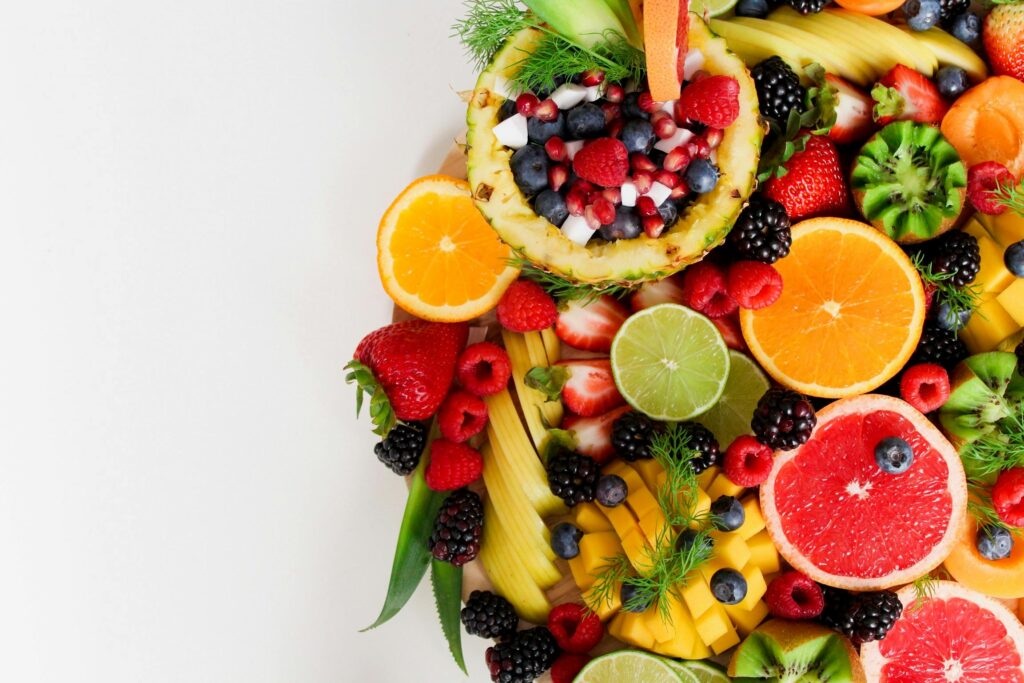
Fruit is the most beginner-friendly category there is. It requires zero prep, travels well, and satisfies a sweet craving without derailing your momentum.
1. Bananas
High in potassium, magnesium, and fast-digesting carbohydrates, bananas are the ultimate grab-and-go food.
Research found that bananas are as effective as sports drinks for fueling endurance activity. Slice one into oatmeal or just eat it on the way out the door.
2. Blueberries
Packed with anthocyanins, a class of antioxidants linked to reduced inflammation and better brain function, blueberries are tiny but mighty.
Frozen ones are just as nutritious as fresh, and way more affordable.
3. Apples
High in fiber, particularly pectin, which feeds beneficial gut bacteria.
An apple a day really does do something. Pair with almond butter for a satisfying, balanced snack.
4. Mangoes
Rich in vitamin C, folate, and beta-carotene.
Mangoes are naturally sweet and work beautifully in smoothies, salsas, or just eaten cold on a warm afternoon. (There’s a reason they’re in our name.)
5. Avocados
Yes, avocado is a fruit. And yes, it deserves a spot on every beginner list.
Loaded with heart-healthy monounsaturated fats and nearly 20 vitamins and minerals, it’s one of the most nutrient-dense foods on the planet.
Vegetables: The Foundation of Everything
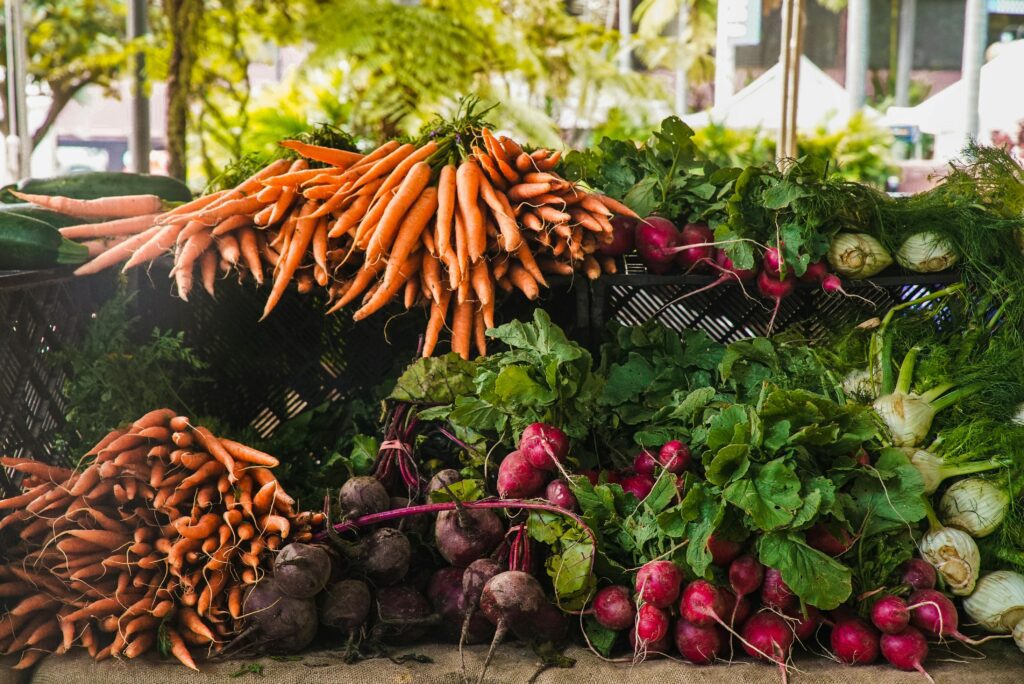
You don’t need to love every vegetable. You just need a few reliable ones that show up well in meals.
6. Sweet Potatoes
One of the most complete whole plant foods for beginners. High in fiber, beta-carotene, potassium, and complex carbohydrates.
Roast them, mash them, cube them into a grain bowl. They are endlessly flexible and deeply satisfying.
7. Spinach
Mild enough to hide in a smoothie, sturdy enough to wilt into pasta or soups. Spinach is rich in iron, calcium, and vitamin K.
It’s one of those foods that works hard without asking for much attention.
8. Broccoli
One of the most researched vegetables on earth. A compound in broccoli called sulforaphane has been studied for its potential anti-inflammatory and protective effects.
Steam it, roast it until the edges crisp up, or toss it raw into salads.
9. Carrots
High in beta-carotene, which converts to vitamin A in the body.
Carrots are crunchy, portable, and genuinely delicious with hummus. Keep a bag in the fridge as a default snack.
10. Cherry Tomatoes
Low maintenance, high reward. Rich in lycopene, an antioxidant associated with reduced risk of certain chronic diseases.
Toss them on everything: salads, grain bowls, pasta, roasted sheet pans.
Legumes: The Unsung Heroes
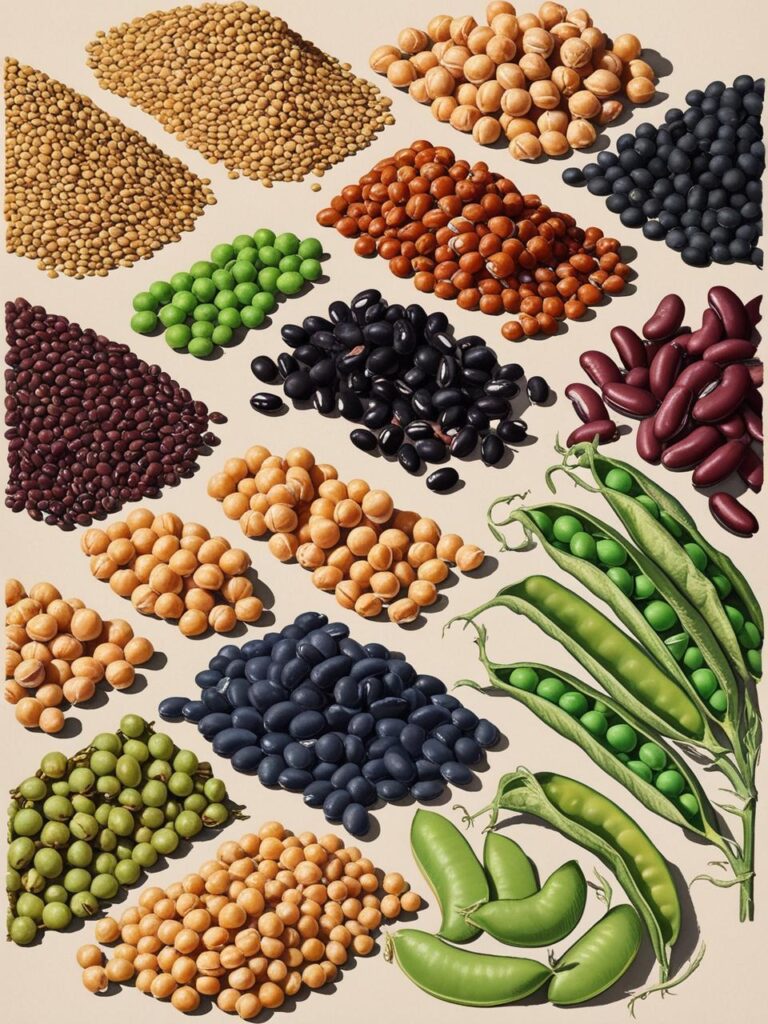
Legumes are the backbone of plant-forward eating. High in protein, fiber, and complex carbs, they keep you full and fuel you right.
11. Lentils
One of the highest plant-protein foods available, with about 18 grams of protein per cooked cup.
They also cook faster than most legumes, no soaking required. Red lentils melt into soups and curries beautifully.
12. Chickpeas
Wildly versatile. Roast them for crunch, blend them into hummus, toss them into stews.
Chickpeas are high in both protein and fiber, and research suggests they support healthy blood sugar regulation.
13. Black Beans
Rich in iron, folate, and magnesium.
Black beans are hearty, affordable, and nearly impossible to mess up. Canned works perfectly, just rinse them first.
14. Edamame
Young soybeans, lightly salted. One cup provides around 17 grams of complete protein, meaning it contains all essential amino acids.
A straightforward, satisfying snack that requires almost no effort.
Whole Grains: Steady, Reliable Energy
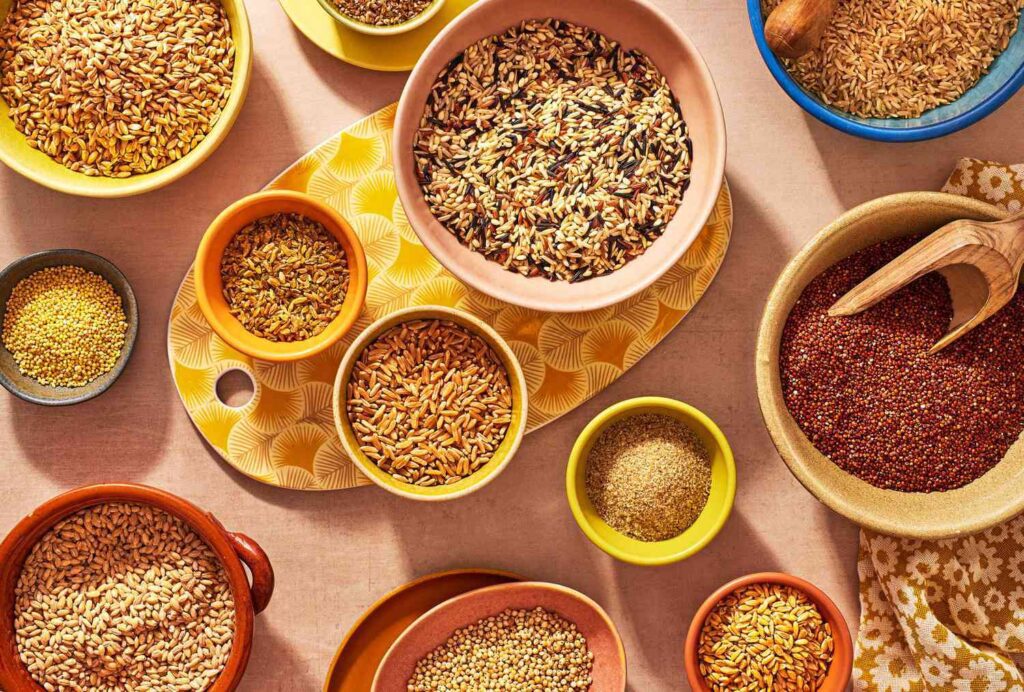
One of the biggest shifts when adding more plants to your meals is replacing refined grains with whole ones. It’s simpler than it sounds.
15. Oats
The easiest breakfast upgrade there is. Rich in beta-glucan, a type of soluble fiber shown to lower LDL cholesterol and support blood sugar balance.
Rolled oats or steel-cut, both are excellent.
16. Brown Rice
A staple that forms the base of dozens of meals. Higher in fiber and nutrients than white rice, with a satisfying nutty flavor.
Cook a big batch on Sunday and use it all week.
17. Quinoa
Technically a seed, quinoa cooks like a grain and contains all nine essential amino acids, making it a rare complete protein from a plant source.
It’s mild, fluffy, and works in both savory and sweet applications.
Nuts, Seeds, and Healthy Fats
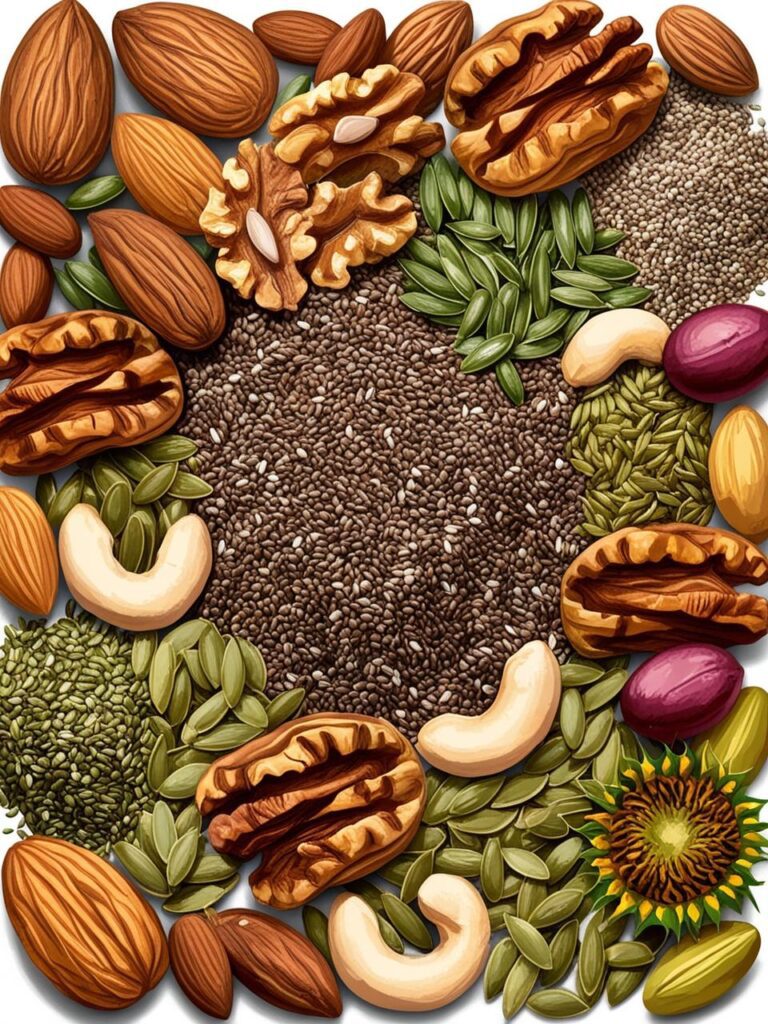
These are the finishing touches that make plant-based meals more satisfying and nutritionally complete.
18. Almonds
High in vitamin E, magnesium, and healthy fats. A small handful of almonds has been shown in research to support heart health and satiety.
Keep them in your bag. Seriously.
19. Chia Seeds
Two tablespoons deliver around 10 grams of fiber, 5 grams of protein, and a solid dose of omega-3 fatty acids.
Stir them into oatmeal, blend into smoothies, or make a simple chia pudding overnight.
20. Hemp Seeds
Mild and nutty, hemp seeds are one of the easiest ways to add protein and omega-3s to any meal. Sprinkle them on salads, bowls, oatmeal, or yogurt.
They require zero prep and blend into the background.
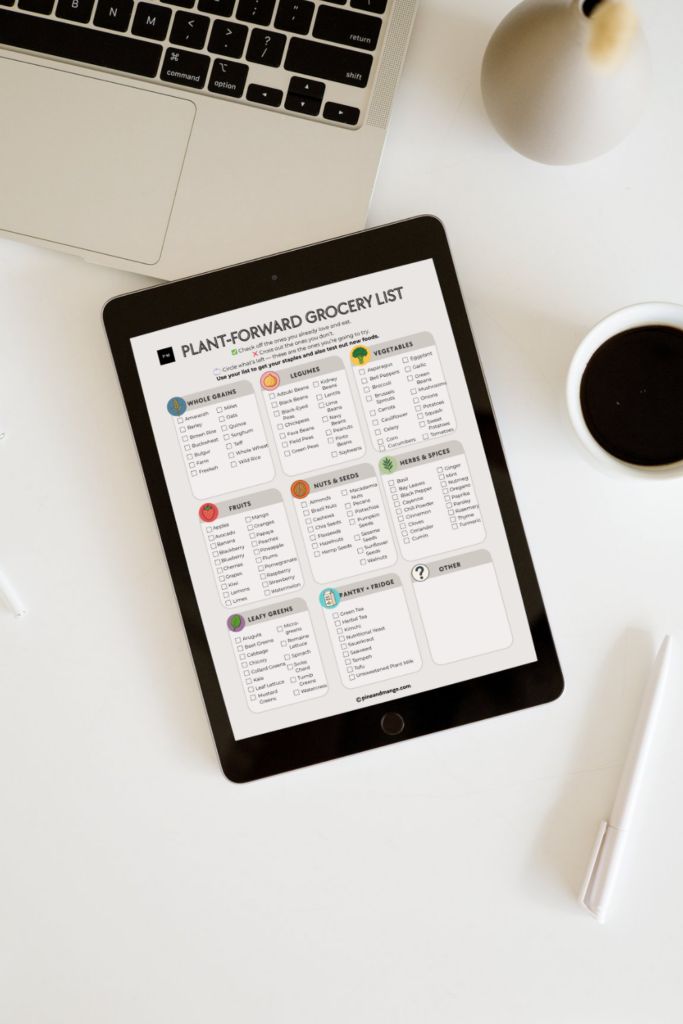
Get Your FREE Plant-Forward Grocery List Today!
How to Actually Use This List

Here’s where a lot of beginners stall out. They have the list, but they don’t know what to do with it. So let’s make this practical.
The Meal Blueprint Method is simple: think in categories, not recipes.
Every satisfying plant-forward meal has a base, a protein, a fat, and something fresh or colorful. Pick one from each.
- Base: brown rice, oats, quinoa, or sweet potato
- Protein: lentils, chickpeas, black beans, edamame, or hemp seeds
- Fat/Flavor: avocado, almonds, chia seeds + seasonings
- Vegetables: spinach, cherry tomatoes, blueberries, carrots, broccoli
That’s a complete, nourishing meal. No recipe needed.
Just mix and match from what you have, and let your body lead from there.
Frequently Asked Questions
Q: Do I need to eat all 20 of these foods to see results?
Not at all. Pick three to five that feel familiar or interesting and start there.
The goal is to add more plants over time, not to check off a list overnight. Gradual, consistent change is what actually lasts.
Q: Are these foods expensive?
Most of the foods on this list are among the most affordable in any grocery store.
Lentils, oats, brown rice, frozen blueberries, canned beans, and carrots are budget staples that stretch far.
Fresh produce like avocados and mangoes can be bought in season or substituted with frozen versions without losing nutritional value.
Q: How do I know if I’m getting enough protein from plant foods?
This is one of the most common concerns, and a fair one. The truth is, most people eating a wide variety of whole plant foods get enough protein without tracking anything.
Legumes, quinoa, edamame, hemp seeds, and nuts all contribute meaningful amounts. Focus on variety and abundance rather than counting grams, and you’ll likely be just fine.
📖 Good Reads: How Not to Die, The China Study and Plant-Based Nutrition
In Essence: Start Where You Are
That’s the whole point. Eating more whole plant foods isn’t about a flawless transformation. It’s about adding, exploring, and discovering what your body actually loves.
Start with two or three foods from this list. Make one small swap this week. Let the Meal Blueprint Method do the heavy lifting so you’re not overthinking every meal.
Your body is going to respond, maybe not immediately, but it will. And once you start feeling that shift in energy and clarity, you’ll wonder why you waited so long.
One plant at a time. You’ve got this.
⭐ Let’s chat: Which of these 20 foods are already in your kitchen, and which one are you most excited to try? Drop it in the comments below. I’d love to hear where you’re starting.