This post may contain affiliate links. If you purchase through these links, I may earn a small commission at no extra cost to you. This helps keep Pine+Mango running. Thank you for your support! Read our full disclosure here.
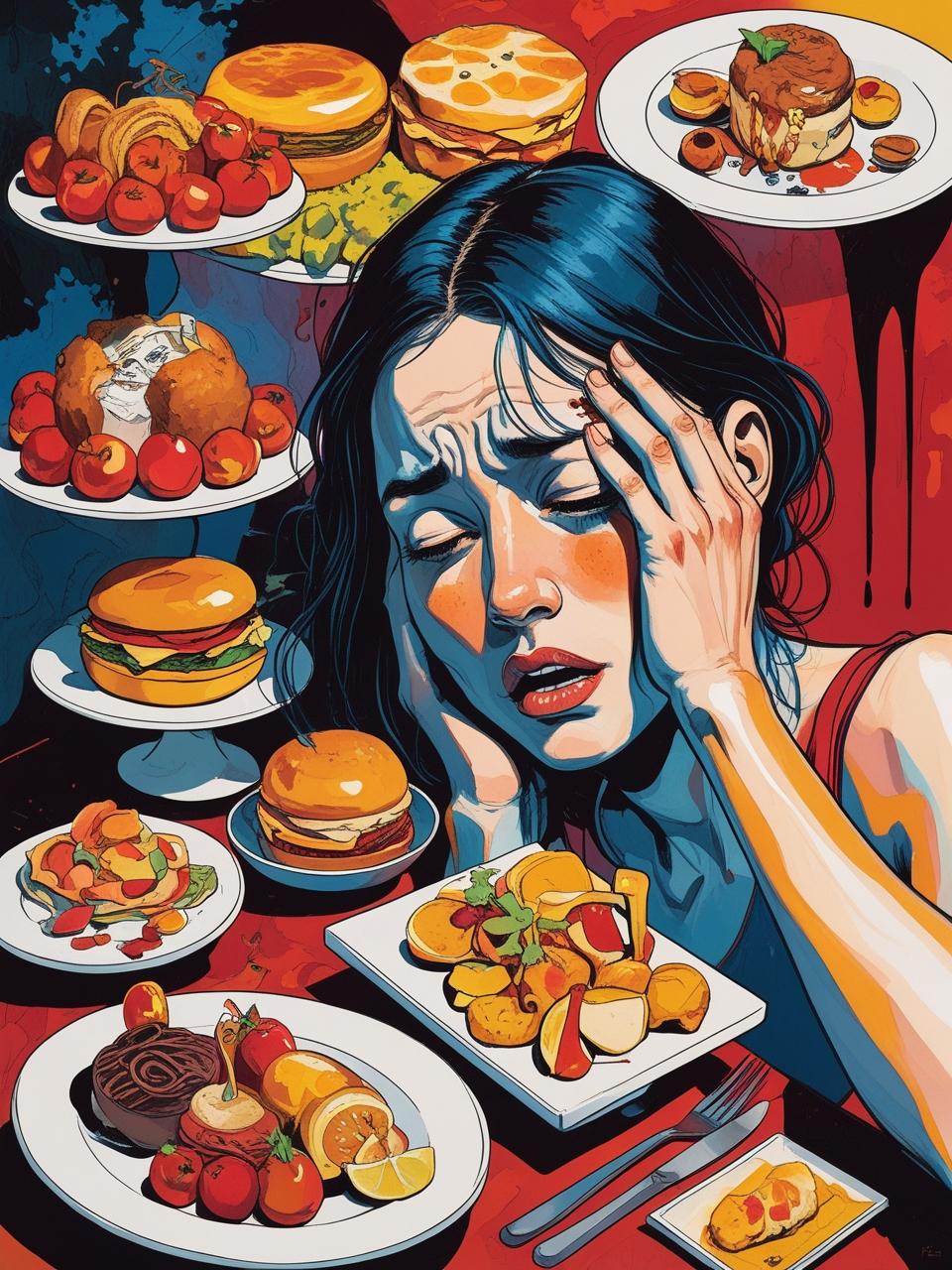
Ever stand in front of the fridge at 9 PM, knowing you’re not hungry but wanting something?
Yeah, me too. That pull toward sweet, salty, or crunchy foods can feel overwhelming, like your body’s hijacked by some force you can’t control.
Here’s what nobody tells you: cravings aren’t a character flaw. They’re not proof that you lack willpower or that something’s wrong with you. Most of the time, cravings are your body’s way of communicating that something’s off balance.
Maybe you’re missing key nutrients, maybe your blood sugar’s on a rollercoaster, or maybe you’re just genuinely stressed and looking for comfort.
Understanding why cravings happen and how to work with your body instead of against it changes everything. Let me show you how.
Subscribe to Our Nourished Newsletter
Get free weekly guidance for your plant-based journey, straight to your inbox.
- Why Food Cravings Happen (And It's Not What You Think)
- The Plant Food Solution: Why It Works to Stop Cravings
- How to Stop Food Cravings: Practical Strategies That Work
- What to Do When Food Cravings Still Show Up
- The Role of Sleep and Stress in Stopping Cravings
- FAQs About Food Cravings
- In Essence: Cravings Are Temporary
- Subscribe to Our Nourished Newsletter
Why Food Cravings Happen (And It’s Not What You Think)
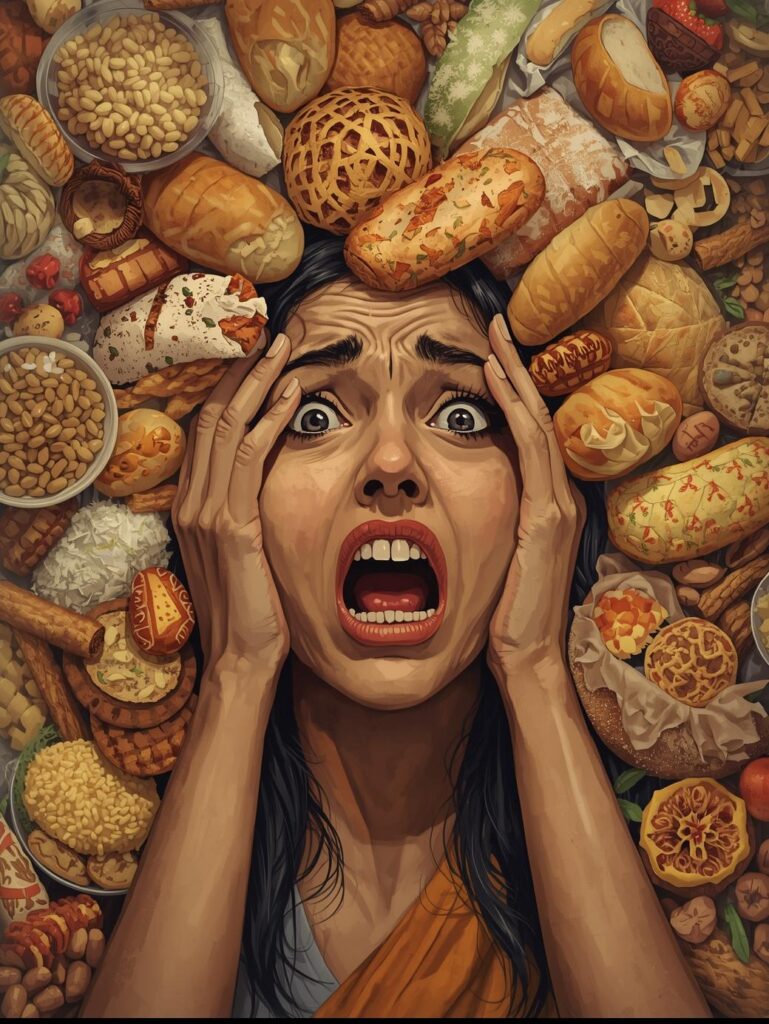
Your body is ridiculously smart. When you crave specific foods, there’s usually a reason behind it.
The problem? We’ve been taught to ignore these signals or push through them instead of getting curious about what’s really going on.
1. Your Blood Sugar Is All Over the Place
When you eat refined carbs or sugary foods, your blood sugar spikes fast and crashes hard. That crash triggers intense cravings because your body desperately wants quick energy.
It’s a cycle that keeps repeating unless you break it.
Plant foods high in fiber slow down sugar absorption. They keep your blood sugar steady, which means fewer crashes and way fewer cravings. Think whole grains, beans, fruits with the skin on, and vegetables.
2. You’re Actually Nutrient Deficient
Sometimes your body craves chocolate because it needs magnesium. Or you want salty chips because you’re low on minerals.
Your body’s not foolish—it’s trying to tell you something, but the message gets lost in translation.
When you fill up on colorful plant foods, you naturally get more vitamins, minerals, and phytonutrients. Your body stops sending out those desperate SOS signals because it’s actually getting what it needs.
3. You’re Running on Empty
Here’s a big one: you’re undereating during the day. You have coffee for breakfast, a sad little salad for lunch, and then wonder why you’re raiding the pantry at night.
Your body’s been waiting all day for real fuel!
Eating enough throughout the day—especially foods with fiber, healthy fats, and protein—keeps you satisfied. You won’t feel like you’re starving by evening.
The Plant Food Solution: Why It Works to Stop Cravings
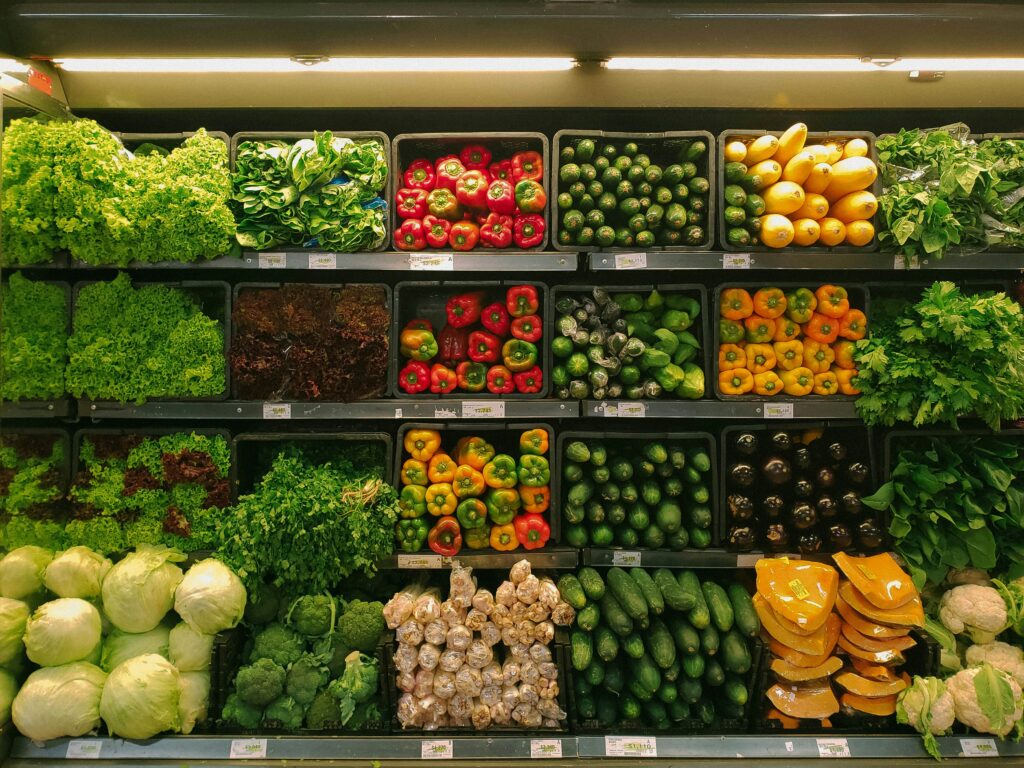
I know this might sound too simple, but stay with me. When I shifted to eating mainly whole plant foods, my cravings changed completely.
Not overnight, but within a few weeks, something clicked.
Fiber Is Your Secret Weapon
Fiber does something magical: it fills you up and keeps you full. It slows digestion, stabilizes blood sugar, and feeds the good bacteria in your gut (which actually influences your cravings, wild right?).
Most people eat maybe 15 grams of fiber daily. Your body thrives on 30-40 grams. When you eat beans, lentils, whole grains, fruits, and veggies throughout the day, you hit that target easily.
And when you do? The constant snack attacks quiet down.
Your Taste Buds Actually Change
This blew my mind when it happened to me.
After a few weeks of eating mainly plant foods, super sweet things started tasting too sweet. A plain apple tasted like candy. Roasted vegetables were suddenly satisfying in a way they never were before.
Your taste buds regenerate every 10-14 days. When you stop overwhelming them with intense flavors, salt, and sugar, they recalibrate.
Natural foods start tasting better, and the processed stuff loses its appeal.
You’re Finally Getting Satisfied
Real satisfaction doesn’t come from eating more—it comes from eating foods that actually nourish you.
When your body gets the nutrients it needs, it stops sending constant hunger signals. You feel content after meals instead of immediately thinking about the next snack.
How to Stop Food Cravings: Practical Strategies That Work
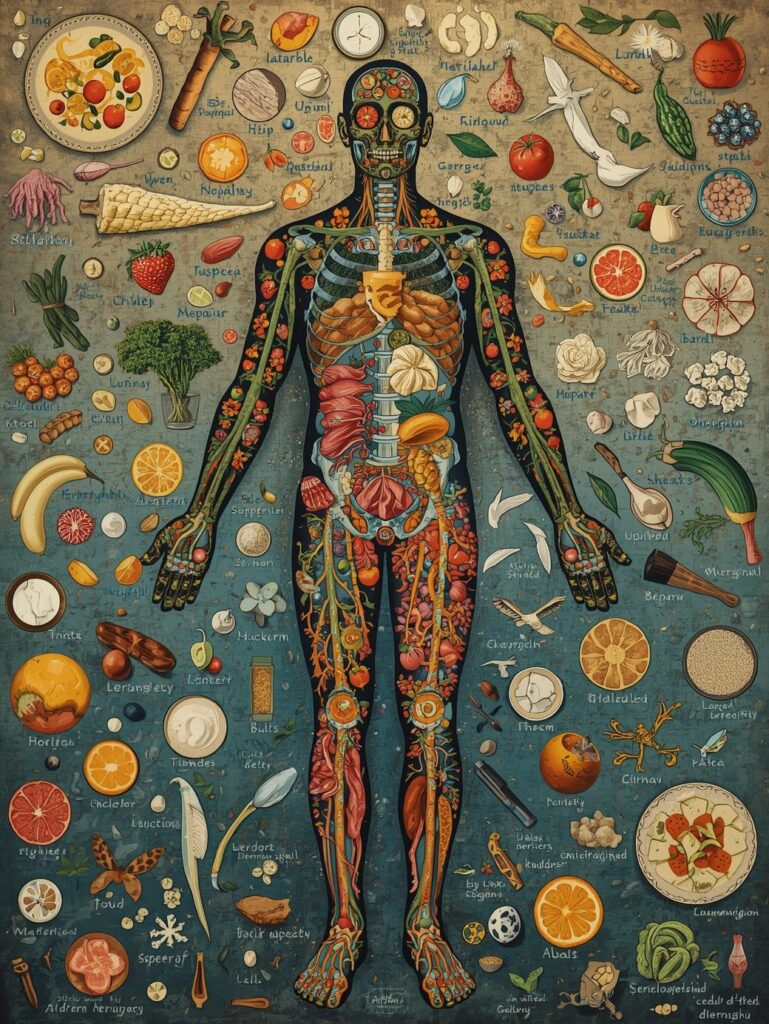
Let’s get into the actionable stuff. These are strategies that worked for me and countless others who’ve made this shift.
#1: Start Your Day With Real Food
Forget the coffee-and-nothing routine. Eat a real breakfast with fiber and some healthy fat.
Oatmeal with berries and nuts, whole grain toast with mashed avocado and tomatoes, or a smoothie with spinach, banana, and ground flax.
When you fuel up properly in the morning, you set your blood sugar on a stable path. No mid-morning crash, no desperate snack attack at 11 AM.
#2: Eat Enough at Every Meal
This sounds obvious, but most people don’t do it.
Each meal should leave you comfortably full—not stuffed, but satisfied. Include fiber-rich foods, some healthy fats (nuts, seeds, avocado), and foods with protein (beans, lentils, tofu, tempeh, edamame).
When you’re actually satisfied, cravings lose their grip.
#3: Keep Problem Foods Out of the House
Here’s what worked for me: I stopped buying the foods that triggered cravings. No access meant I couldn’t eat them in a moment of weakness. Out of sight, out of mind.
I know some people say this is restrictive, but for me? It was freedom. I wasn’t testing my willpower every single day.
I just removed the option temporarily while my body adjusted.
#4: Identify Your Craving Patterns
Start paying attention. Are you craving sweets after every meal? Do salty snacks call your name when you’re stressed? Does boredom send you to the kitchen?
Once you spot the pattern, you can interrupt it. If stress triggers cravings, maybe you need a walk instead of a snack. If you always want something sweet after dinner, try herbal tea or a piece of fruit.
Patterns can be changed once you see them clearly.
Build Your Plant-Based Blueprint for FREE Today!
#5: Hydrate Like Your Life Depends On It
Sometimes thirst masquerades as hunger. Before you reach for food, drink a big glass of water and wait 10 minutes. You might be surprised how often the craving fades.
Aim for at least eight glasses daily. If plain water bores you, add lemon, cucumber, or berries.
#6: Don’t Skip Meals
Skipping meals is basically an invitation for cravings to take over.
Your blood sugar drops, your decision-making gets fuzzy, and suddenly that sleeve of cookies seems like the best idea ever.
Eat regular meals. Keep your body fueled consistently throughout the day.
#7: Add Before You Subtract
Instead of focusing on what you’re removing, focus on adding more plant foods. Add berries to your breakfast, add a side salad to lunch, add roasted vegetables to dinner.
When you’re full of nourishing food, there’s less room for the stuff that doesn’t serve you.
This mindset shift—from scarcity to abundance—changes everything.
#8: Have Healthy Alternatives Ready
When a craving hits, having something satisfying on hand helps.
Keep dates or frozen grapes for sweet cravings. Roasted chickpeas or air-popped popcorn for salty, crunchy needs. A banana with almond butter when you want something rich.
These aren’t perfect swaps, but they bridge the gap while your taste buds adjust.
What to Do When Food Cravings Still Show Up

Even with all these strategies, cravings will occasionally appear. That’s normal. You’re human.
Don’t Panic or Shame Yourself
The worst thing you can do is beat yourself up.
Guilt and shame actually make cravings worse because they trigger stress, which triggers more cravings. It’s a nasty cycle.
Acknowledge the craving without judgment. “Oh, I’m craving chocolate right now. Interesting.” Curiosity beats criticism every time.
Check In With Your Body
Ask yourself: Am I actually hungry? Am I thirsty? Am I tired, stressed, bored, or lonely?
Often cravings have nothing to do with food and everything to do with unmet emotional needs.
If you’re genuinely hungry, eat something nourishing. If it’s emotional, address that need directly. Call a friend, take a bath, journal, or go for a walk.
Practice the 10-Minute Rule
Tell yourself you can have whatever you’re craving—in 10 minutes. Then do something else. Drink water, step outside, put on a song you love.
Many times, the craving passes. If it doesn’t and you still want it after 10 minutes, sometimes having a small portion mindfully is better than obsessing about it for hours.
The Role of Sleep and Stress in Stopping Cravings
This is huge and often overlooked. Poor sleep and chronic stress jack up your hunger hormones and tank the ones that tell you you’re full.
You’ll crave sugary, fatty foods because your body’s looking for quick energy.
Prioritize Sleep
Aim for 7-9 hours nightly. When you’re well-rested, your hunger hormones balance out. Cravings naturally decrease.
Create a bedtime routine, dim the lights an hour before bed, and put your phone away.
Manage Stress
Find stress management techniques that work for you.
Deep breathing, yoga, walking in nature, talking to a friend, or anything that genuinely helps you decompress.
Stress eating is real, and addressing the root cause matters more than fighting the symptom.
FAQs About Food Cravings
Q: How long does it take to stop food cravings?
Most people notice a significant shift within 2-4 weeks of eating mainly whole plant foods. Your taste buds change, your gut bacteria shifts, and your blood sugar stabilizes.
Some people feel the difference in days; for others, it takes a month. Be patient with yourself. Every body adapts at its own pace.
Q: What if I cave and eat what I’m craving?
It’s not the end of the world. Seriously. One meal, one snack, one moment doesn’t undo your progress.
What matters is what you do next. Do you spiral into guilt and give up, or do you brush it off and get right back to nourishing yourself?
Choose the second option every single time.
Q: Can cravings mean something is wrong with my health?
Sometimes, yes. If you have intense, persistent cravings that don’t respond to any of these strategies, it’s worth talking to a healthcare provider.
Hormonal imbalances, blood sugar issues, or nutrient deficiencies might need professional attention. Listen to your body and don’t hesitate to get support.
📖 Good Reads: How Not to Die, The China Study and Plant-Based Nutrition
In Essence: Cravings Are Temporary
Learning how to stop food cravings isn’t about having superhuman willpower or depriving yourself forever. It’s about understanding what your body’s trying to tell you and giving it what it actually needs.
When you fuel yourself with fiber-rich plant foods, stay hydrated, sleep well, and manage stress, cravings lose their power. Your body starts to trust you again.
The desperate pull toward foods that don’t serve you fades, and you find yourself genuinely wanting the things that make you feel good.
This is a journey, not a destination. Some days will be easier than others, and that’s completely okay. What matters is that you keep showing up for yourself with compassion and curiosity.
You’ve got this. Your body is on your side, even when it doesn’t feel like it. Trust the process, be patient, and watch how everything shifts when you start working with your body instead of against it.
⭐What’s been your biggest craving challenge since going plant-based, and what strategy helped you overcome it? Share your experience below – your story might be exactly what someone else needs to hear!