This post may contain affiliate links. If you purchase through these links, I may earn a small commission at no extra cost to you. This helps keep Pine+Mango running. Thank you for your support! Read our full disclosure here.
Ever panic about protein the moment you decide to eat more plants?
“Is this enough protein?” “What about my muscles?” “Will I waste away?” The barrage of questions almost sent me running back to my old eating habits.
Here’s what I wish someone had told me back then: protein from plants is not only possible, it’s powerful.
Your body doesn’t care if the protein comes from a chicken breast or a chickpea. What matters is that you’re getting enough of the right building blocks — and trust me, plants have you covered.
This guide breaks down how to get enough protein on a plant-based diet.
By the end, you’ll feel confident, not confused, and excited about nourishing your body with plants.
Subscribe to Our Nourished Newsletter
Get free weekly guidance for your plant-based journey, straight to your inbox.
- What Plant Protein Actually Is (And Why It Matters)
- How Much Protein Do You REALLY Need?
- The Best Plant Protein Sources for Beginners
- Busting the Biggest Plant Protein Myths
- How to Get Enough Protein On a Plant-Based Diet
- What About Protein Absorption and Digestibility?
- Why Your Body Loves Plant Protein
- Common Mistakes Beginners Make (And How to Avoid Them)
- FAQs About Plant Protein Basics
- In Essence: Plant Protein Is Golden
- Subscribe to Our Nourished Newsletter
What Plant Protein Actually Is (And Why It Matters)
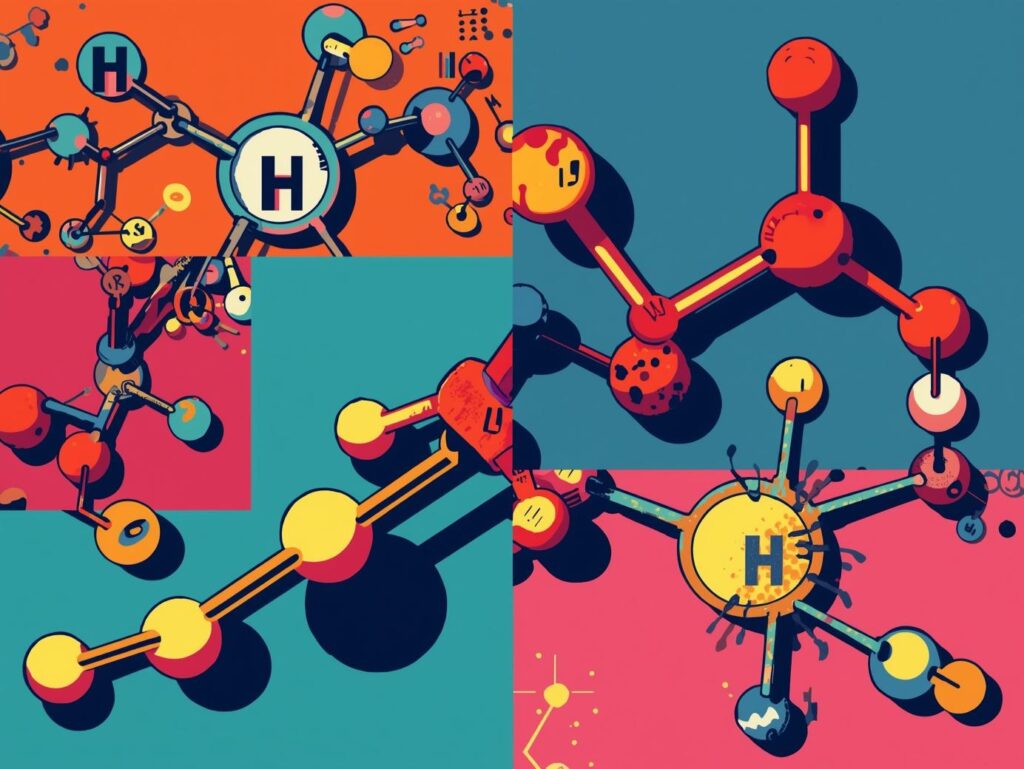
Let’s start simple. Protein is made up of smaller units called amino acids — think of them as tiny building blocks your body uses to repair tissues, make enzymes, build muscle, and keep your immune system strong.
There are 20 amino acids total, and your body can make 11 of them on its own. The other nine? Those are called essential amino acids, and you need to get them from food.
Now here’s where the confusion starts: People worry that plant foods don’t have “complete” proteins — meaning they don’t contain all nine essential amino acids in one food.
And while that’s technically true for many plant foods (except a few superstars we’ll talk about), your body is way smarter than we give it credit for.
Your body pools amino acids throughout the day. As long as you’re eating a variety of plant foods over the course of hours — not even the same meal — your body pulls together everything it needs.
You don’t need to stress about combining rice and beans at every sitting. That old myth has been debunked for decades, but it still haunts people trying to add more plants to their plates.
Plant protein matters because it comes packaged with fiber, antioxidants, vitamins, and minerals. Animal protein? Not so much.
When you choose plants, you’re not just getting protein — you’re getting a whole symphony of nutrients that work together to help you thrive.
How Much Protein Do You REALLY Need?

This is the million-dollar question, right? And the answer might surprise you: probably less than you think.
The general recommendation is about 0.8 grams of protein per kilogram of body weight for most adults. That’s roughly 46 grams for women and 56 grams for men per day.
If you’re more active, pregnant, nursing, or older, you might need a bit more — closer to 1.0 to 1.2 grams per kilogram.
Let me put this in perspective. A cup of cooked lentils has about 18 grams of protein. A cup of cooked quinoa? Around 8 grams. Two tablespoons of peanut butter? About 8 grams.
Add in some oats for breakfast, a big salad with chickpeas for lunch, and a stir-fry with tofu for dinner, and boom — you’ve easily hit your protein needs without breaking a sweat.
The fear of not getting enough protein is way bigger than the actual risk.
Here’s the thing: protein deficiency is extremely rare in developed countries. If you’re eating enough calories from a variety of whole plant foods, you’re almost certainly getting enough protein.
Your body is incredibly efficient at using what you give it.
The Best Plant Protein Sources for Beginners
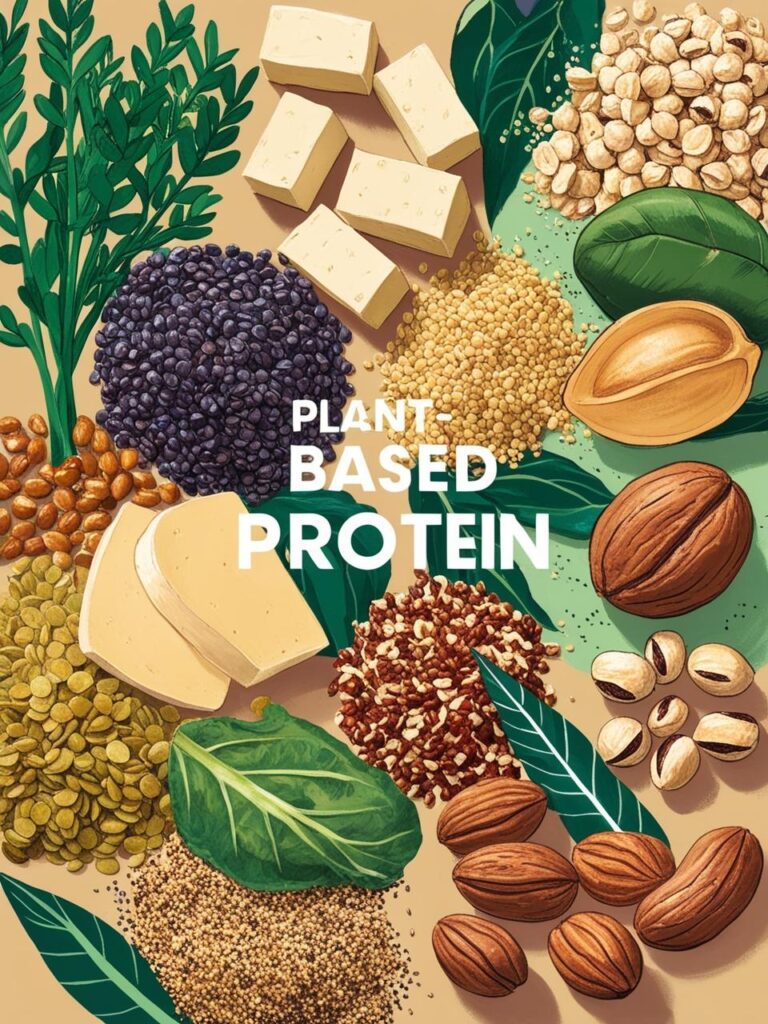
Okay, let’s get practical. Where do you actually find protein in plant foods?
More places than you’d guess:
- Legumes are your best friends. Beans, lentils, chickpeas, and peas are protein powerhouses. Black beans, kidney beans, pinto beans — they all pack around 15 grams of protein per cooked cup. Lentils are speedy to cook and incredibly versatile. I throw them in soups, salads, pasta sauce, even tacos. Chickpeas roast up crispy for snacks or blend into creamy hummus.
- Whole grains bring more than just carbs. Quinoa is the superstar here with all nine essential amino acids, but oats, brown rice, farro, and whole wheat pasta all contribute solid protein. A bowl of oatmeal gives you about 6 grams. Not bad for breakfast.
- Nuts and seeds are compact protein bombs. Almonds, walnuts, cashews, chia seeds, hemp seeds, pumpkin seeds — these little guys add up fast. Hemp seeds are especially great with about 10 grams of protein in just three tablespoons, and they have all the essential amino acids.
- Soy foods deserve respect. Tofu, tempeh, and edamame are complete proteins and incredibly versatile. Tempeh has a nutty flavor and about 31 grams of protein per cup. Tofu takes on whatever flavor you give it. I was scared of tofu at first, but once I learned to press it and season it properly, it became a staple.
- Green vegetables contribute too. Spinach, broccoli, Brussels sprouts, and peas all contain protein. A cup of cooked broccoli has about 4 grams. It’s not a ton, but it adds up when you’re eating plenty of veggies throughout the day.
- Plant-based protein powders can help. Pea protein, brown rice protein, and hemp protein powders are great for smoothies or post-workout shakes if you want an extra boost. Just check the ingredients and avoid ones loaded with artificial junk.
Build Your Plant-Based Blueprint for FREE Today!
Busting the Biggest Plant Protein Myths
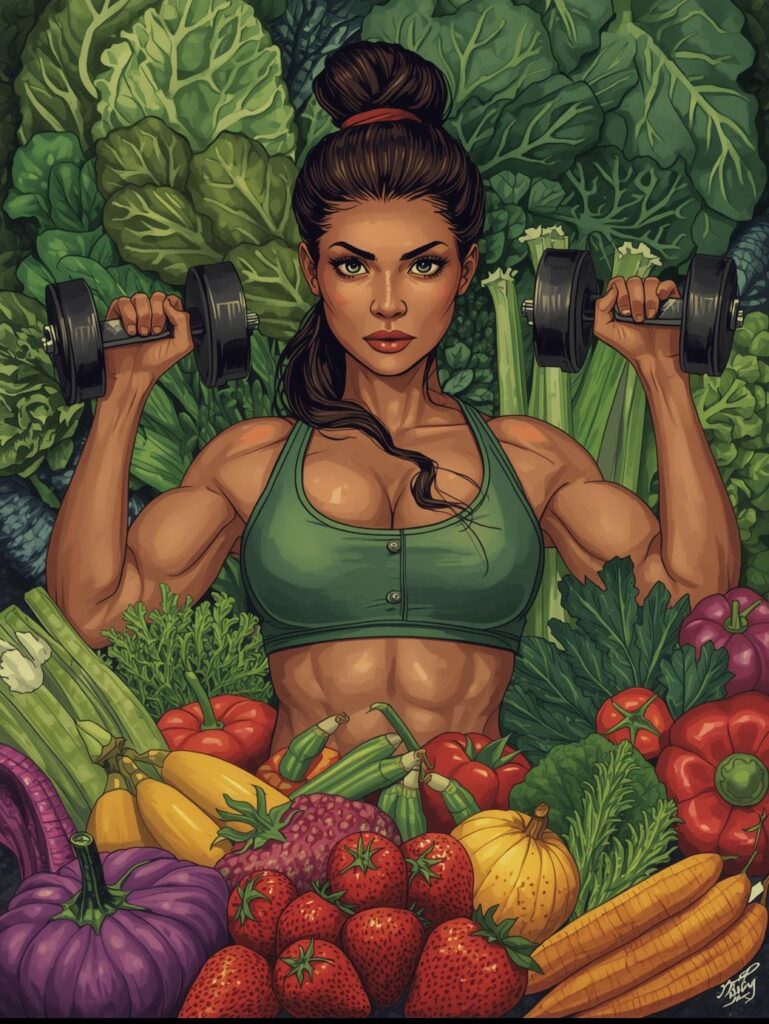
Let’s clear up the nonsense once and for all.
Myth #1: You need to combine proteins at every meal.
Nope.
Your body pools amino acids and combines them as needed. Eat a variety of plant foods throughout the day, and you’re golden.
Myth #2: Plant protein is inferior to animal protein.
Not true.
The quality of protein is measured by how well your body can use it, and while some animal proteins score slightly higher on certain scales, the difference is minimal when you eat enough food.
Plus, plant proteins come with benefits animal proteins don’t — like fiber and phytonutrients.
Myth #3: You can’t build muscle on plants.
Tell that to the plant-based athletes crushing it in every sport imaginable.
Better yet, many of the world’s strongest animals, like elephants and gorillas, are plant eaters.
Your muscles respond to resistance training and adequate protein intake, regardless of the source.
Myth #4: Plant protein causes deficiencies.
As long as you’re eating enough calories from a variety of whole plant foods, you’re getting all the nutrients you need.
The only supplement most people eating plant-based need is B12, and that’s because it comes from bacteria in soil, not the plants themselves.
I worried so much about these myths when I started eating more plants. Turns out, my body didn’t get the memo that plant protein was supposed to be “incomplete” or “inferior.”
I felt stronger, recovered faster, and had more energy than ever.
How to Get Enough Protein On a Plant-Based Diet
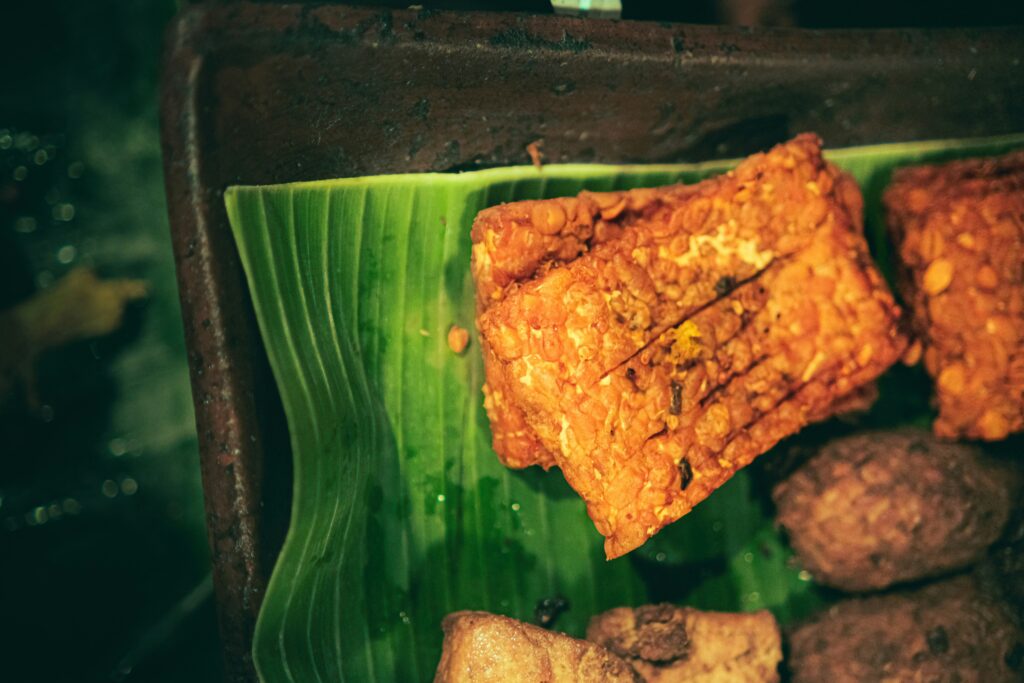
Let’s make this real simple. You don’t need to obsess, track every gram, or stress over numbers. Just follow these easy strategies.
- Start every meal with a protein-rich plant food. Oats or chia pudding for breakfast. Lentil soup or a bean burrito for lunch. Tofu stir-fry or chickpea curry for dinner. When protein is the foundation of your meal, everything else falls into place.
- Snack smart. Keep roasted chickpeas, mixed nuts, hummus with veggies, or energy balls made with nut butter on hand. These snacks add protein without feeling like work.
- Add protein boosters to meals you already love. Toss hemp seeds on your salad. Stir nut butter into your oatmeal. Add white beans to your pasta sauce. These little additions make a big difference.
- Batch cook your proteins. I cook a big pot of lentils or beans at the start of the week and use them in different ways. Saves time and guarantees I always have protein ready to go.
- Don’t fear carbs. Whole grains like quinoa, brown rice, and oats contribute protein along with energy. Carbs aren’t the enemy — refined, processed junk is.
When I stopped overthinking and just focused on adding more whole plant foods to my plate, protein took care of itself.
My body felt satisfied, my cravings mellowed, and I stopped feeling like I needed to control every bite.
What About Protein Absorption and Digestibility?
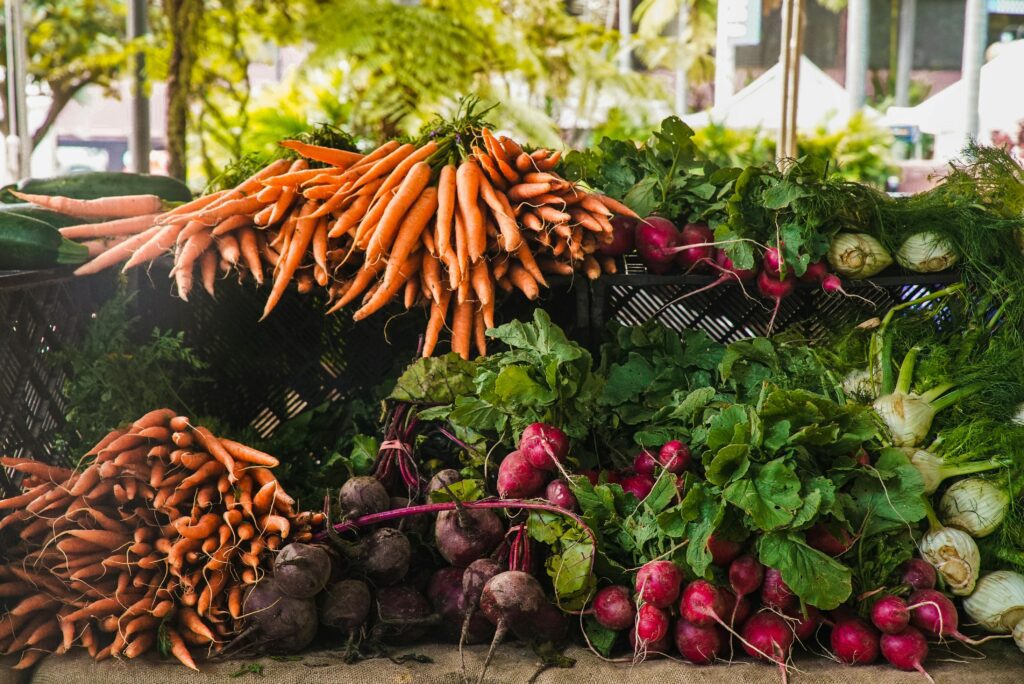
Here’s something people love to bring up: the digestibility of plant protein.
Some plant foods contain compounds like phytates and lectins that can slightly reduce how much protein your body absorbs.
But before you panic, let me give you the full picture.
Cooking, soaking, sprouting, and fermenting plant foods reduces these compounds significantly. When you cook your beans, you’re already breaking down most of these so-called anti-nutrients.
Plus, the fiber and other nutrients in plant foods far outweigh any minor reduction in protein absorption.
Your body adapts. When you eat plant-based, your gut adjusts and becomes more efficient at extracting nutrients from plant foods.
Studies show that people eating plant-based get plenty of protein and don’t suffer from deficiencies when they eat enough food.
The truth? The digestibility difference is so small that it doesn’t matter in real life. If you’re eating a variety of whole plant foods and getting enough calories, you’re more than fine.
Why Your Body Loves Plant Protein
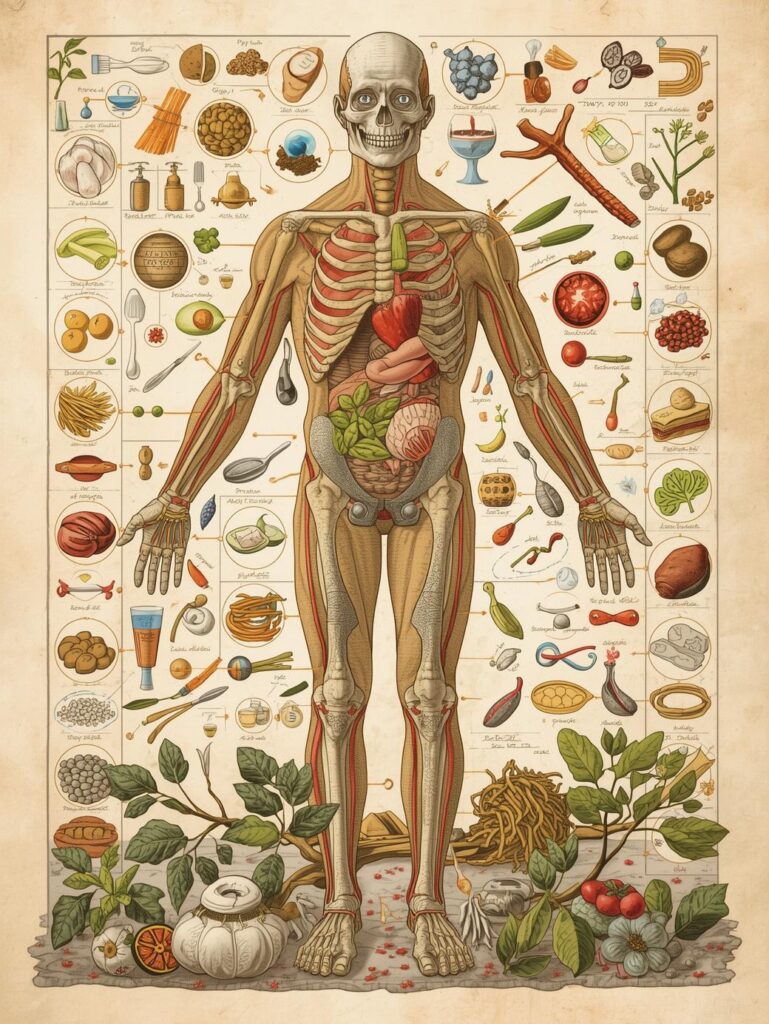
This is where things get exciting. When you choose plant protein over animal protein, your body throws you a thank-you party.
- Plant proteins are easier on your kidneys. High animal protein intake has been linked to kidney stress over time, while plant protein is gentler.
- Plant foods reduce inflammation. Animal products can trigger inflammatory responses, while plant foods are packed with anti-inflammatory compounds that calm your system.
- Plant protein supports a healthy gut. The fiber that comes with plant protein feeds your good gut bacteria, which influences everything from your mood to your immune system.
- Your heart gets happier. Study after study shows that people who eat more plant protein have lower risks of heart disease, high blood pressure, and high cholesterol.
When I started eating more plants, my digestion improved, my skin cleared up, and I stopped feeling sluggish after meals.
The shift wasn’t just about protein — it was about all the good stuff that comes with it.
Common Mistakes Beginners Make (And How to Avoid Them)

Let me save you some trouble by sharing what I messed up early on:
- Mistake: Not eating enough food. When you eat more plants, you need to eat more volume because plant foods are less calorie-dense. If you’re hungry all the time, eat more. Your body isn’t broken — you just need more food.
- Mistake: Relying on processed meat alternatives. Those burgers and nuggets are fine occasionally, but they’re not whole foods. Build your meals around beans, lentils, tofu, and whole grains instead.
- Mistake: Skipping variety. Eating the same three foods every day won’t cut it. Mix it up. Try new beans, grains, and veggies. Your body needs different nutrients from different sources.
- Mistake: Obsessing over numbers. Unless you have a specific medical reason, you don’t need to track every gram of protein. Trust your body. If you’re eating enough and feel good, you’re doing it right.
- Mistake: Listening to the loud voices that say plants aren’t enough. Those voices are usually selling something or haven’t actually tried eating more plants. Your experience is what matters, not their opinions.
FAQs About Plant Protein Basics
Q: Can I get enough protein on a plant-based eating plan?
Absolutely. Beans, lentils, tofu, tempeh, whole grains, nuts, and seeds provide more than enough protein when you eat a variety of them throughout the day.
Most people are surprised to discover they’re easily hitting their protein needs without even trying.
Q: Do I need to eat protein at every meal?
Not necessarily.
Your body pools amino acids throughout the day, so as long as you’re eating a variety of protein-rich plant foods across your meals and snacks, you’re covered.
That said, including protein at each meal helps keep you satisfied and energized.
Q: What’s the easiest way to add more plant protein to my meals?
Start simple.
Add a can of beans to your soup or salad. Toss a handful of nuts on your oatmeal. Stir some hemp seeds into your smoothie. Swap regular pasta for lentil or chickpea pasta.
These small swaps add up quickly without requiring a complete meal overhaul.
📖 Good Reads: How Not to Die, The China Study and Plant-Based Nutrition
In Essence: Plant Protein Is Golden
Plant protein isn’t complicated, scary, or inadequate. It’s abundant, nourishing, and comes wrapped in a package of fiber, vitamins, and minerals that your body craves.
You don’t need to be perfect. No need to track every gram. You just need to eat a variety of whole plant foods, listen to your body, and trust that it knows how to use what you give it.
Start where you are. Add one plant protein source to your next meal. Then another. Before you know it, you’ll realize that getting enough protein was never the problem — the fear was.
Your body is on your side. Feed it well, and it will take care of you.
⭐ What’s your biggest question or worry about plant protein? Or if you’re already eating more plants, what surprised you most about how easy it actually is? Drop a comment below — I’d love to hear your story.