
This post may contain affiliate links. If you purchase through these links, I may earn a small commission at no extra cost to you. This helps keep Pine+Mango running. Thank you for your support! Read our full disclosure here.
Ever feel like you’re stuck in quicksand on your plant-based journey? You were cruising along, feeling fantastic, maybe losing weight, sleeping better, and then BAM – everything just… stops.
Your energy flatlines, the scale won’t budge, and you’re wondering if you’ve hit some invisible wall.
Here’s the thing – plateaus are normal, and they’re actually your body’s way of saying “Hey, I’ve adapted to what you’re doing!”
The good news? Getting unstuck is totally doable, and I’m here to walk you through exactly how to do it without driving yourself nuts.
This plateau phase can feel frustrating, especially when you’ve been so committed to eating more plants and taking better care of yourself.
But trust me, with a few simple tweaks and a fresh perspective, you’ll be back on track faster than you think.

Subscribe to Our Nourished Newsletter
Get free weekly guidance for your plant-based journey, straight to your inbox.
- Understanding Your Plant-Based Plateau
- Why Plateaus Happen on a Plant-Forward Lifestyle
- Strategic Ways to Break Through Your Plateau
- Lifestyle Factors That Impact Progress
- Troubleshooting Common Plateau Scenarios
- Creating Your Plateau-Breaking Action Plan
- Long-Term Strategies for Sustained Progress
- FAQs About Plant-Based Plateau
- In Essence: Make Gentle Adjustments
- Subscribe to Our Nourished Newsletter
Understanding Your Plant-Based Plateau

Let’s get real about what’s happening when progress stalls. Your body is incredibly smart – it adapts to changes to maintain balance.
When you first switched to eating more plants, everything shifted. Your metabolism revved up, inflammation decreased, and your digestive system got a major upgrade.
But after a few months, your body says, “Okay, I’ve got this figured out now.” It becomes efficient at processing your new way of eating, and that initial momentum naturally slows down.
This isn’t failure – it’s biology!
The plateau usually hits around the 3-6 month mark. You might notice your energy isn’t as explosive as it was in those first few weeks, or maybe the positive changes you were seeing have leveled off.
Some folks panic and think they need to go back to restrictive eating patterns, but that’s the last thing you want to do.
Why Plateaus Happen on a Plant-Forward Lifestyle
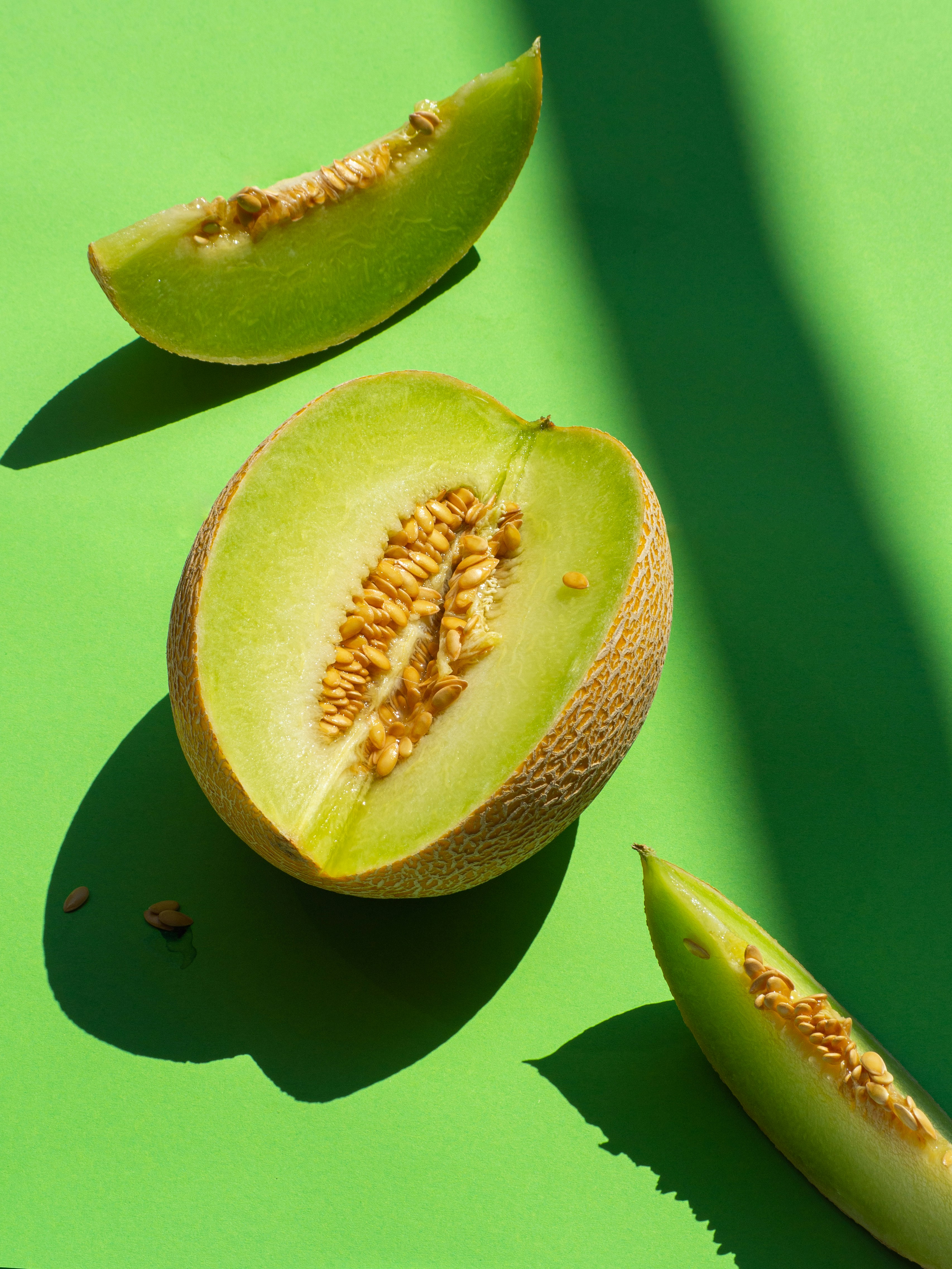
Several factors contribute to hitting that frustrating wall, and understanding them helps you move past it more effectively.
Metabolic Adaptation
Your metabolism adjusts to your current eating patterns and activity levels.
When you consistently eat the same foods in similar amounts, your body becomes super efficient at processing them.
This efficiency is great for survival but not so great when you’re trying to see continued progress.
Routine Overload
Many people fall into eating the same plant foods day after day.
While consistency is helpful when you’re starting out, too much routine can lead to nutritional gaps and metabolic boredom.
Your body craves variety, and when it doesn’t get it, things can stagnate.
Hidden Stress Factors
Stress from work, relationships, or even from being too rigid about your eating can mess with your progress.
Chronic stress releases cortisol, which can interfere with everything from sleep quality to how your body processes nutrients.
Strategic Ways to Break Through Your Plateau

Breaking through requires strategic changes, not drastic overhauls. Small adjustments often create the biggest breakthroughs.
1. Mix Up Your Plant Variety
This is where most people get stuck – they find their “safe” plant foods and stick with them forever. But your body needs different nutrients at different times, and variety is key to keeping your metabolism guessing.
- Try rotating your grains weekly. If you always eat quinoa, switch to buckwheat or wild rice for a few days.
- Experiment with different colored vegetables – purple cabbage instead of green, orange bell peppers instead of red. Each color provides different antioxidants and nutrients.
- Seasonal eating can be a game-changer here. Spring greens, summer berries, fall squashes, and winter root vegetables all offer unique nutritional profiles that support different bodily functions throughout the year.
2. Adjust Your Meal Timing
Your eating schedule might need a refresh. If you’ve been eating the same three meals at the same times every day, your body has adapted to that pattern too.
Some people benefit from eating their largest meal earlier in the day when metabolism is naturally higher. Others do better with smaller, more frequent meals.
There’s no one-size-fits-all approach, but changing up your timing can wake up your metabolism.
Consider having breakfast a little later or dinner a bit earlier. Sometimes a simple 1-2 hour shift in meal timing can restart your progress.

Build Your Plant-Based Blueprint for FREE Today!
3. Increase Plant Protein Variety
Many people get stuck eating the same protein sources over and over. If you’re always reaching for the same beans or nuts, your body might benefit from different amino acid profiles.
Rotate between different legumes throughout the week. Monday might be lentils, Wednesday could be chickpeas, and Friday might feature black beans.
Each provides slightly different nutrients and keeps things interesting for your digestive system.
Hemp seeds, pumpkin seeds, and different nuts all offer unique nutritional benefits. The key is variety, not perfection.
Lifestyle Factors That Impact Progress

Sometimes the plateau isn’t about food at all – it’s about the other stuff that affects how your body processes nutrients and maintains energy.
#1: Sleep Quality Matters More Than You Think
Poor sleep can completely derail your progress, even when your eating is spot-on.
When you’re sleep-deprived, your hormones get wonky, making it harder for your body to process nutrients efficiently.
If you’re not getting 7-8 hours of quality sleep, that might be your plateau culprit right there. Create a wind-down routine, keep your bedroom cool and dark, and try to go to bed at the same time each night.
#2: Movement Patterns Need Variety Too
Just like with food, your body adapts to the same exercise routine. If you’ve been doing the same workout for months, it’s time to shake things up.
You don’t need to become a fitness fanatic, but adding variety helps.
If you usually walk, try some gentle yoga. If you love yoga, add in some resistance training with bodyweight exercises.
Even simple changes like taking the stairs instead of the elevator or parking further away can help break through stagnation.
#3: Stress Management Is Non-Negotiable
Chronic stress can keep you stuck no matter how well you’re eating. High cortisol levels interfere with digestion, sleep, and nutrient absorption.
Find what works for you – maybe it’s deep breathing, spending time in nature, journaling, or just having a good laugh with friends.
The goal is to find healthy ways to process stress rather than letting it build up.
Troubleshooting Common Plateau Scenarios

Different people hit different types of plateaus, and the solution depends on what’s actually going on.
1. The Energy Crash Plateau
If your energy levels have tanked, look at your iron and B12 status first. These are the most common deficiencies that can cause fatigue on a plant-focused eating plan.
Make sure you’re eating vitamin C-rich foods with iron-rich plants to boost absorption.
Citrus fruits, bell peppers, and strawberries help your body absorb iron from leafy greens and legumes.
2. The Weight Loss Stall
If weight loss was one of your goals and it’s stalled, the issue might be portion sizes or hidden calories. Nuts, seeds, and oils are healthy but calorie-dense.
Try measuring portions for a week just to see where you stand. Sometimes we gradually increase serving sizes without realizing it.
By keeping track of what I was eating, I discovered my portion sizes increased and I was eating more nuts and oils than usual. Easy fix!
3. The Digestive Issues Plateau
If you’re dealing with ongoing bloating or digestive discomfort, you might be eating too much fiber too quickly, or you might have developed a sensitivity to certain foods.
Try keeping a simple food journal for a few days to identify patterns.
Sometimes rotating out common trigger foods like beans or cruciferous vegetables for a week can help reset your digestive system.
Creating Your Plateau-Breaking Action Plan
Now let’s put this all together into a practical plan you can actually follow.
Week 1: Assessment
Take an honest look at your current routine. What have you been eating consistently? When do you eat? How’s your sleep and stress levels?
This isn’t about judgment – it’s about gathering information.
Week 2: Gentle Changes
Pick one area to adjust. Maybe it’s trying three new vegetables you’ve never eaten before, or going to bed 30 minutes earlier.
Don’t overhaul everything at once.
Week 3: Add Variety
Introduce more variety in your plant choices. Shop at a different store, try a new meal, or experiment with a cooking method you haven’t used before.
Week 4: Evaluate and Adjust
Notice what’s working and what isn’t. Your body will give you feedback through energy levels, sleep quality, and how you feel overall.
Long-Term Strategies for Sustained Progress

Breaking through this plateau is just the beginning. Here’s how to keep moving forward without getting stuck again:
- Embrace Seasonal Changes: Let the seasons guide your food choices. This naturally provides variety and ensures you’re getting different nutrients throughout the year.
- Listen to Your Body: Your needs change over time. What worked six months ago might not be what you need now, and that’s perfectly normal.
- Stay Curious: Keep learning about new plants, cooking methods, and ways to nourish yourself. Curiosity prevents boredom and keeps you engaged with your health journey.
- Build a Support Network: Connect with others on similar journeys (like us!). Having people to share experiences with makes the whole process more enjoyable and sustainable.
FAQs About Plant-Based Plateau
Q: How long does it typically take to break through a plant-based plateau?
Most people start noticing changes within 2-3 weeks of making adjustments, but it can take up to 6 weeks to see significant progress.
The key is consistency with your new approach rather than constantly changing things up.
Your body needs time to adapt to modifications, so give each change at least two weeks before deciding if it’s working.
Q: Should I go back to eating animal products to break through my plateau?
Absolutely not! Plateaus are a normal part of any health journey and don’t indicate that plant-based eating isn’t working.
Adding back animal products often creates more problems than it solves, including inflammation and digestive issues.
Instead, focus on adding variety to your current plant foods and addressing lifestyle factors like sleep and stress.
Q: Is it normal to feel frustrated during a plateau phase?
Yes, frustration is completely normal and actually shows you care about your progress! The key is channeling that frustration into positive action rather than giving up.
Remember that plateaus are temporary and often signal that your body is ready for the next phase of growth.
Use this time to experiment with new foods and self-care practices.
📖 Good Reads: How Not to Die, The China Study and Plant-Based Nutrition

In Essence: Make Gentle Adjustments
Hitting a plateau on your plant-forward journey isn’t a sign that you’re doing something wrong – it’s actually proof that you’ve successfully made changes that your body has adapted to!
The secret to moving forward lies in gentle adjustments, not dramatic overhauls.
Remember, this is your unique journey, and what works for others might need tweaking to work for you.
Start with small changes, be patient with the process, and trust that your body wants to thrive when given the right support.
Most importantly, don’t let perfectionism derail your progress. Every small step toward adding more plants and caring for yourself better is a victory worth celebrating.
⭐ What’s been the most surprising challenge you’ve faced on your plant-based journey, and how did you work through it? I’d love to hear about your breakthrough moments in the comments below!