This post may contain affiliate links. If you purchase through these links, I may earn a small commission at no extra cost to you. This helps keep Pine+Mango running. Thank you for your support! Read our full disclosure here.
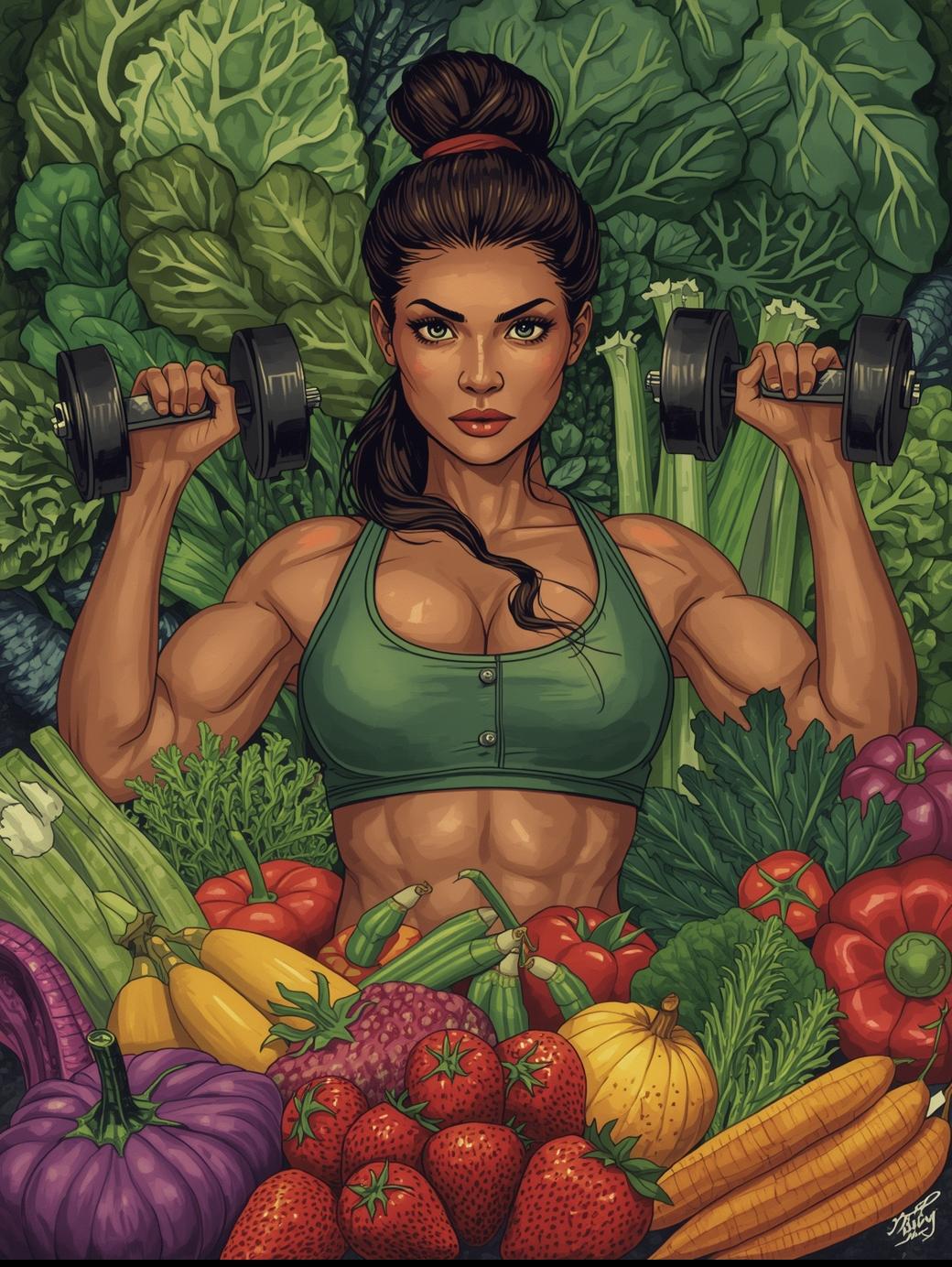
Ever wondered if eating more plants could actually make you stronger, faster, and more resilient?
Here’s the truth: Plant-based performance isn’t just possible; it’s powerful. Athletes across every sport—from ultramarathons to powerlifting—are discovering that plants provide everything their bodies need to perform at their best.
And honestly? Once you understand how to fuel yourself properly with whole plant foods, you’ll wonder why you didn’t make the switch sooner.
This isn’t about restriction or giving things up. It’s about adding in nutrient-dense foods that help you recover faster, reduce inflammation, and show up stronger for every workout.
Let me show you exactly how to do it.
Subscribe to Our Nourished Newsletter
Get free weekly guidance for your plant-based journey, straight to your inbox.
- Why Plants Power Athletic Performance
- Getting Enough Protein Without Animal Products
- Timing Your Meals for Maximum Energy
- Essential Nutrients for Plant-Based Athletes
- Building Your Performance Plate
- Recovery Foods That Actually Work
- Pre-Workout Fuel That Won't Weigh You Down
- Supplements Worth Considering
- Real Talk About Energy Levels
- Common Mistakes That Hold Athletes Back
- Sample Performance Day Meal Plan
- FAQs About Plant-Based Performance
- In Essence: Power Your Training
- Subscribe to Our Nourished Newsletter
Why Plants Power Athletic Performance
Here’s what nobody tells you: your body doesn’t care where nutrients come from. It cares about getting what it needs to build muscle, fuel movement, and recover efficiently.
Plant foods deliver all of this—and then some.
The fiber helps stabilize your blood sugar during long training sessions. The antioxidants fight exercise-induced inflammation. The complex carbohydrates provide sustained energy that doesn’t crash.
When researchers studied athletes eating plant-focused meals, they found something fascinating. These folks recovered faster between workouts, experienced less muscle soreness, and maintained steady energy throughout the day.
The reason? Plants are packed with phytonutrients that support your body’s natural healing processes.
Getting Enough Protein Without Animal Products
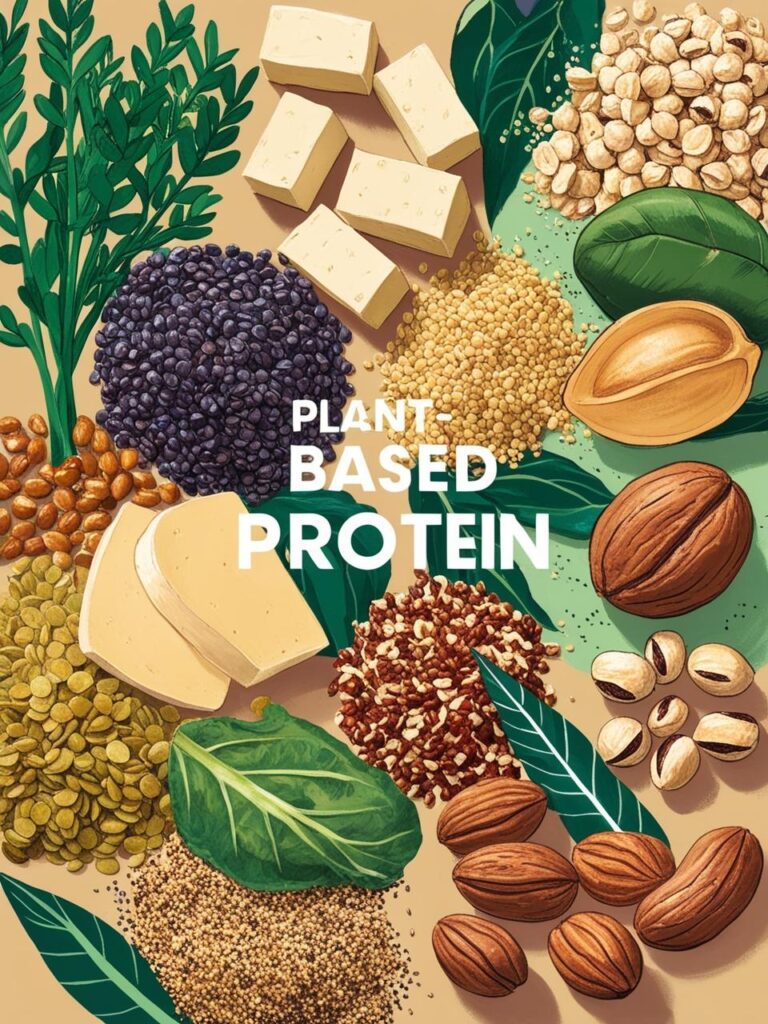
Let’s tackle the elephant in the room: protein. Everyone wants to know if they can build muscle eating plants.
Short answer? Absolutely yes.
Your body needs amino acids to build and repair muscle tissue. Every whole plant food contains all nine essential amino acids—just in varying amounts. When you eat a variety of plants throughout the day, you naturally get everything you need.
That old myth about combining specific foods at each meal? Science debunked that decades ago.
Great plant protein sources include:
- Lentils and beans (cooked, not from a can if you can help it)
- Tofu and tempeh
- Quinoa and other whole grains
- Nuts and seeds
- Edamame
- Nutritional yeast
Timing Your Meals for Maximum Energy

When you eat matters almost as much as what you eat.
Before workouts, focus on easily digestible carbohydrates. A banana with nut butter about 30-60 minutes before exercise works beautifully. The natural sugars provide quick energy while the fat helps sustain you.
After training, your muscles are basically begging for nutrients.
That’s when I reach for a combination of carbs and protein within 30-45 minutes. A smoothie with frozen berries, spinach, hemp seeds, and oat milk hits the spot every time.
For longer endurance activities, you’ll want to fuel during exercise too. Dates, dried fruit, or even a simple banana can keep your energy steady without upsetting your stomach.
Essential Nutrients for Plant-Based Athletes
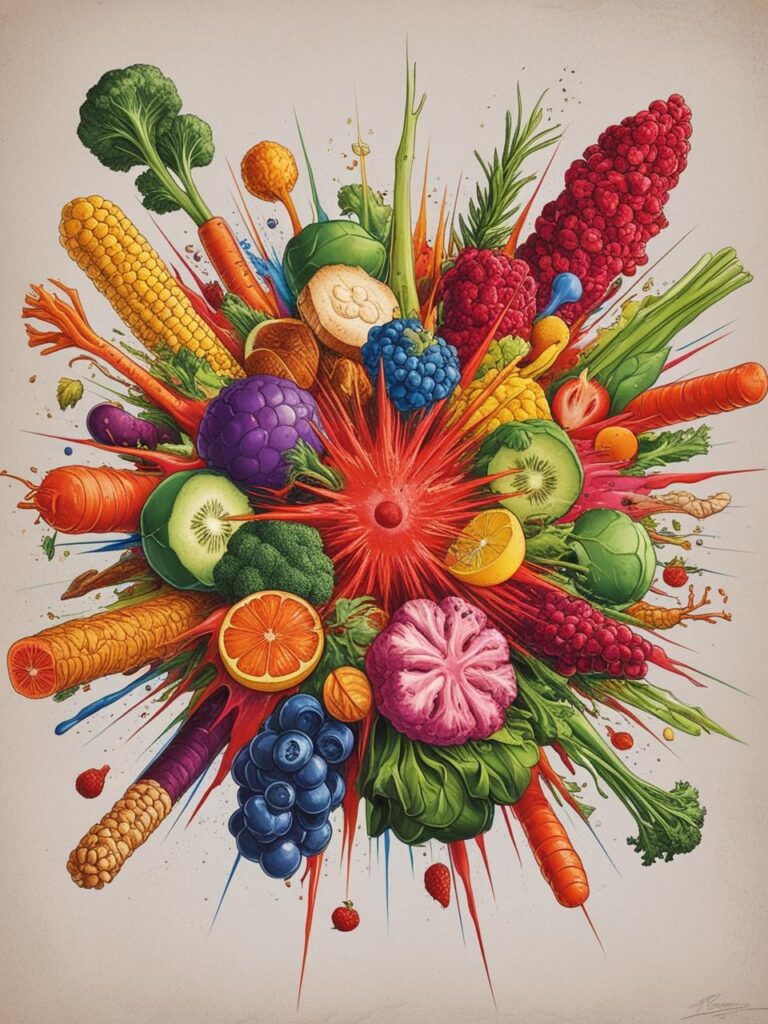
Some nutrients need extra attention when you’re eating mostly plants and pushing your body hard. Not because plants lack them—just because athletic demands are higher.
- Iron helps carry oxygen to your muscles. Pair iron-rich foods like spinach, lentils, and pumpkin seeds with vitamin C sources (bell peppers, citrus, tomatoes) to boost absorption dramatically.
- Vitamin B12 is crucial for energy production and nervous system function. This one doesn’t come from plants, so take a supplement. No shame in that—even people eating animal products often run low on B12.
- Omega-3 fatty acids reduce inflammation and support recovery. Ground flaxseeds, chia seeds, and walnuts provide the plant form (ALA), though some athletes add an algae-based supplement for direct EPA and DHA.
- Calcium keeps bones strong under training stress. You’ll find it in fortified plant milks, tahini, almonds, and dark leafy greens like collard greens and bok choy.
Building Your Performance Plate
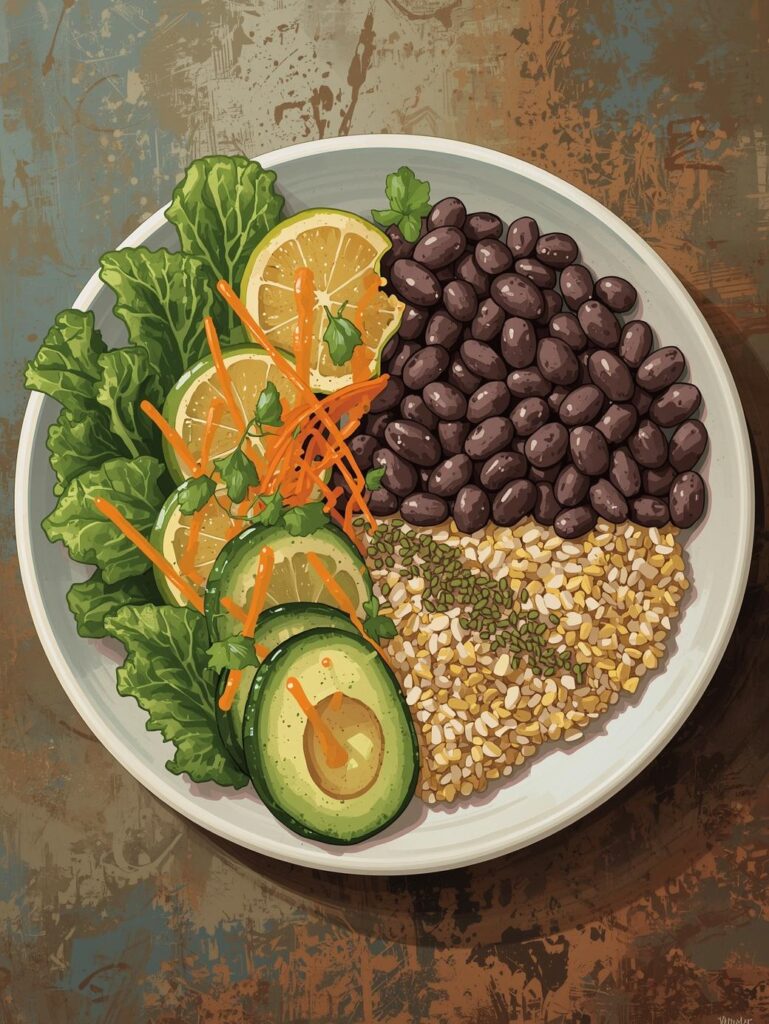
Creating meals that support your training doesn’t have to be complicated. I use a simple template for every main meal:
- Half your plate gets filled with colorful vegetables and fruits. These provide the vitamins, minerals, and antioxidants that help everything else work better.
- One quarter goes to protein-rich plant foods. That might be beans, lentils, tofu, or tempeh.
- The final quarter is for whole grains or starchy vegetables—think quinoa, brown rice, sweet potatoes, or oats. These fuel your muscles with quality carbohydrates.
Add a sprinkle of nuts or seeds for healthy fats, and you’ve got a performance meal that tastes great and delivers results.
Build Your Plant-Based Blueprint for FREE Today!
Recovery Foods That Actually Work
Recovery is where the magic happens. You don’t get stronger during workouts—you get stronger when your body repairs itself afterward.
Tart cherry juice became my secret weapon for reducing muscle soreness. Studies back this up too! The anti-inflammatory compounds help your muscles recover faster between hard sessions.
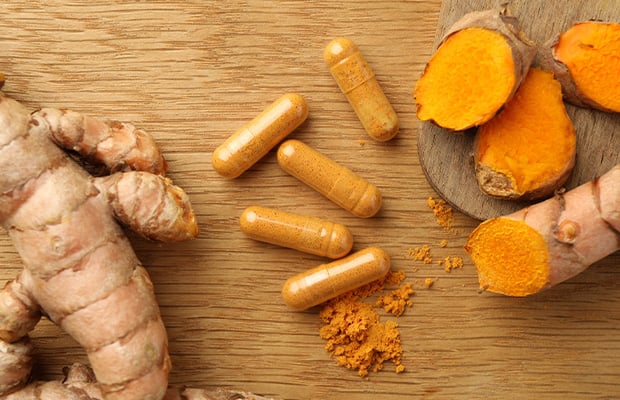
Turmeric (mixed with black pepper for better absorption) works similarly. I add it to smoothies, rice dishes, or even just warm plant milk before bed.
Don’t forget about sleep and hydration, though. You can eat perfectly and still struggle if you’re not giving your body enough rest and water. I shoot for at least half my body weight in ounces of water daily, more on training days.
Pre-Workout Fuel That Won’t Weigh You Down
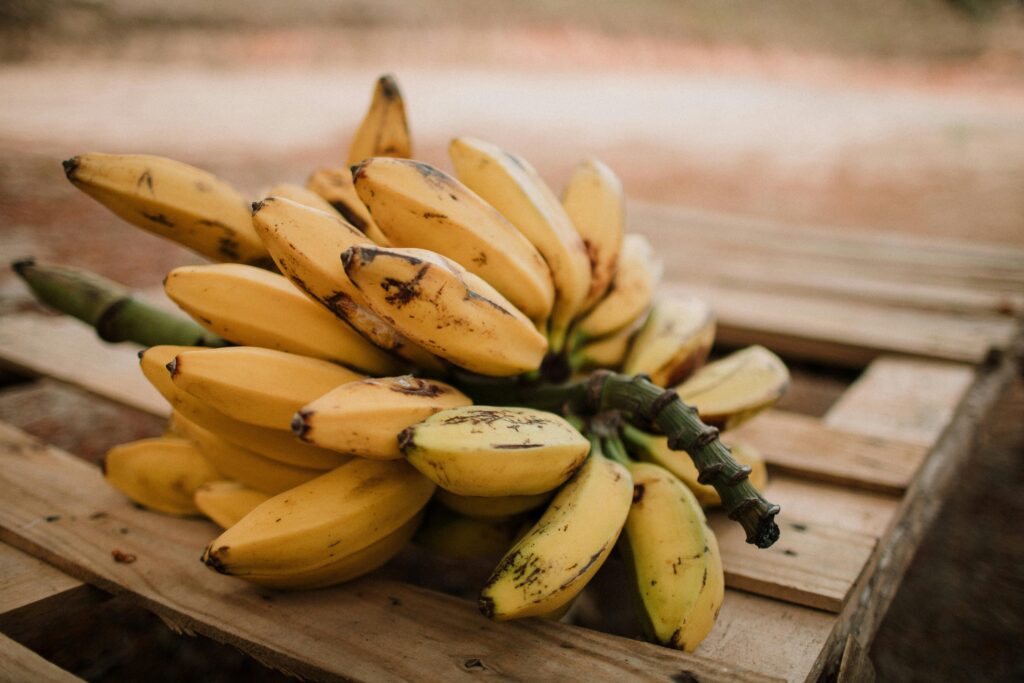
Nothing’s worse than feeling sluggish or stomach-sick during a workout. Finding the right pre-exercise foods took some trial and error.
The key is eating something light enough to digest quickly but substantial enough to provide energy.
Timing matters too—I need at least 30 minutes, sometimes an hour, between eating and intense exercise.
My go-to options:
- Oatmeal with sliced banana and cinnamon
- A small smoothie with just fruit and plant milk
- Applesauce with a handful of walnuts
Avoid high-fat or high-fiber meals right before training. Save those for recovery meals when you have time to digest properly.
Supplements Worth Considering

Most nutrients should come from whole foods, but a few supplements can help fill gaps for active folks eating mostly plants.
- A good B12 supplement is non-negotiable. I take 1000 mcg twice weekly, and my levels stay perfect.
- Vitamin D supports everything from bone health to immune function. Unless you’re outside shirtless in midday sun regularly, supplementation makes sense for most people.
- Creatine monohydrate helps with high-intensity training and muscle building. Your body makes some naturally, but supplementing provides extra performance benefits. It’s one of the most researched supplements out there.
Consider getting blood work done annually to check your iron, B12, and vitamin D levels. That removes all the guesswork.
Real Talk About Energy Levels

I’m not gonna sugarcoat it—the first few weeks of eating more plants while training hard can feel weird. Your digestive system needs time to adjust to more fiber.
Start gradually. Don’t go from zero to 100 overnight. Add more plant foods slowly while reducing other things, and give your gut time to adapt.
Your energy might dip initially as your body recalibrates. That’s temporary! Most people report feeling MORE energetic within 2-4 weeks once everything balances out.
Stay consistent with meal timing too. Skipping meals or eating too sporadically will tank your energy faster than anything else.
Common Mistakes That Hold Athletes Back
The biggest mistake I see? Not eating enough overall calories. Plants are generally less calorie-dense than animal products, so you might need to eat larger volumes to meet your energy needs.
Another pitfall: relying too heavily on processed plant products. Yeah, burgers and nuggets made from plants are fine occasionally, but they shouldn’t be your foundation.
Whole foods provide way more nutrition for performance.
Some athletes also overcomplicate things, obsessing over every little nutrient detail. Keep it simple—eat a variety of colorful whole plant foods, supplement B12 and maybe D, and listen to your body.
Sample Performance Day Meal Plan
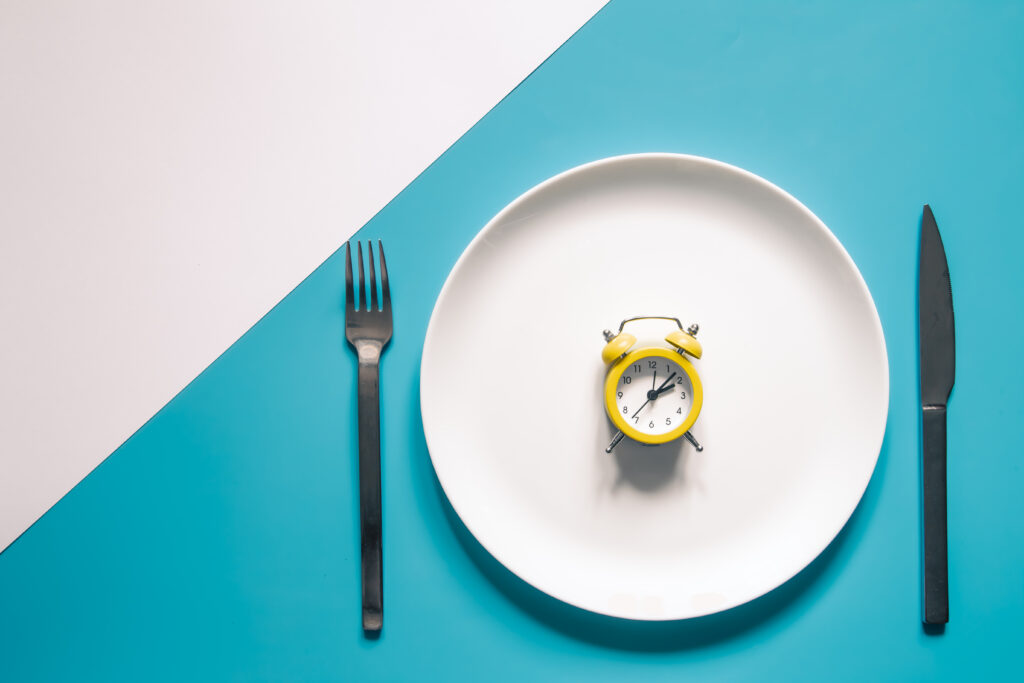
Here’s what a typical heavy training day might look like:
- Morning: Big bowl of oatmeal topped with berries, ground flaxseeds, walnuts, and a splash of plant milk.
- Pre-workout: Banana with tablespoon of almond butter.
- Post-workout: Smoothie with spinach, frozen mango, hemp seeds, dates, and coconut water.
- Lunch: Large salad with mixed greens, chickpeas, quinoa, avocado, cherry tomatoes, cucumber, and tahini dressing. Whole grain bread on the side.
- Afternoon snack: Apple slices with peanut butter.
- Dinner: Stir-fry with tofu, broccoli, bell peppers, snap peas over brown rice. Sesame seeds sprinkled on top.
- Evening: Small bowl of mixed berries with a few squares of dark chocolate.
This provides plenty of calories, protein, and nutrients to support hard training without feeling overly stuffed or restricted.
📖 Good Reads: How Not to Die, The China Study and Plant-Based Nutrition

FAQs About Plant-Based Performance
Q: Can you build muscle eating only plants?
Absolutely. Your muscles need amino acids and sufficient calories to grow—both readily available from plant sources.
Athletes of all kinds, including bodybuilders and powerlifters, successfully build significant muscle eating plant-focused meals.
The key is eating enough protein-rich plant foods throughout the day and maintaining a caloric surplus if muscle gain is your goal.
Q: How much protein do plant-based athletes actually need?
Most athletes thrive on 0.8 to 1 gram of protein per pound of body weight daily, same as anyone else.
Because plant proteins may be slightly less digestible than animal proteins, some experts suggest aiming for the higher end of this range.
That’s still easily achievable through whole plant foods like beans, lentils, tofu, tempeh, and whole grains without needing powders or processed products.
Q: Will eating plants affect my strength or endurance negatively?
No—research consistently shows plant-based athletes perform just as well or better than their counterparts eating animal products.
Multiple studies have found no difference in strength, power, or endurance between these groups.
Many athletes report better recovery, reduced inflammation, and improved cardiovascular health after transitioning to plant-focused eating, which can actually enhance performance over time.
In Essence: Power Your Training
Plant-powered athletic performance isn’t just possible – it’s optimal for many athletes seeking peak results.
The combination of sustained energy, faster recovery, and superior micronutrient density gives plants a clear advantage over traditional athletic nutrition approaches.
Your journey toward plant-powered performance should be gradual and personalized.
Start by incorporating more plant foods into your current routine, pay attention to how your body responds, and adjust based on your unique needs and training demands.
Remember that every athlete’s nutritional needs are different. What works for an ultra-marathoner might not suit a powerlifter, and that’s perfectly okay.
The key is finding the plant-powered approach that fuels your specific athletic goals while supporting your overall health and well-being.
The most important factor in athletic nutrition success is consistency. Choose plant foods you enjoy, create sustainable meal patterns, and stay committed to fueling your body with the high-quality nutrition it deserves.
⭐ What’s been your biggest surprise or challenge when adding more plant foods to your training routine? Drop a comment below—I’d love to hear what’s working (or not working) for you!