
This post may contain affiliate links. If you purchase through these links, I may earn a small commission at no extra cost to you. This helps keep Pine+Mango running. Thank you for your support! Read our full disclosure here.
Ever stand in the grocery store, watching the total climb higher and higher, wondering how you’re supposed to eat healthy when everything costs so much?
I’ve been there. The stress is real, and it feels like you’re being asked to choose between your health and your bank account.
Here’s what nobody talks about: those rising food prices everyone’s dealing with? They’re actually making the case for eating more plants stronger than ever.
While meat and dairy prices keep climbing, beans, rice, oats, and seasonal produce remain some of the most affordable foods in the store.
I used to think eating more plants would break the bank, but the opposite happened. My grocery bills went down, and I stopped wasting money on things that sat in my fridge until they went bad.
This isn’t about being perfect or only shopping at fancy health food stores. It’s about practical solutions that work when money is tight and you still want to feel good in your body.
Subscribe to Our Nourished Newsletter
Get free weekly guidance for your plant-based journey, straight to your inbox.
- Why Plant Foods Are Your Budget's Best Friend Right Now
- The Real Money-Savers: Stock Your Kitchen With These
- Smart Shopping Strategies That Actually Work
- Meal Planning Without the Overwhelm
- Stop Wasting Food (And Money)
- Cooking From Scratch Saves Serious Money
- What About Protein?
- The Foods You Can Skip (At Least For Now)
- Making Peace With Simple Meals
- FAQs About Eating Plant-Based On A Budget
- In Essence: Plants Are Affordable
- Subscribe to Our Nourished Newsletter
Why Plant Foods Are Your Budget’s Best Friend Right Now
Let’s talk numbers for a second. Meat prices have jumped significantly over the past few years, and they’re not coming back down anytime soon. A pound of ground beef can easily cost $6-8 or more, depending on where you live.
Meanwhile, a pound of dried beans costs around $1-2 and gives you way more servings.
The math just makes sense. When you build meals around affordable staples like rice, beans, lentils, oats, and potatoes, your dollar stretches further. These foods are nutrient-dense, filling, and incredibly versatile.
What really keeps your bill low isn’t buying expensive specialty items. It’s buying ingredients you can use in multiple dishes throughout the week to prevent waste.
One bag of brown rice becomes the base for stir-fries, buddha bowls, and even breakfast porridge. A batch of cooked beans works in tacos, soups, salads, and wraps.
The Real Money-Savers: Stock Your Kitchen With These
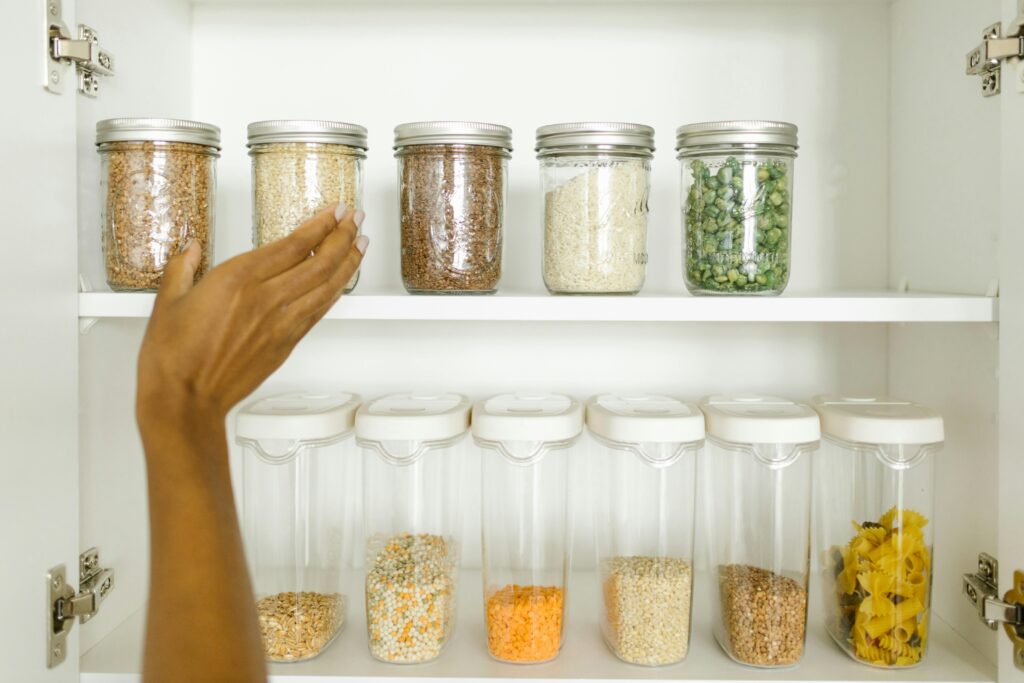
Here’s what actually saves money: focusing on whole plant foods instead of processed alternatives or animal products.
These are the workhorses that’ll carry you through the week without emptying your wallet.
Your Budget-Friendly Staples:
- Dried beans and lentils – Incredibly cheap per serving, packed with protein and fiber, and they last forever in your pantry
- Brown rice, oats, and other whole grains – Buy in bulk when possible; these form the foundation of countless meals
- Potatoes and sweet potatoes – Filling, nutritious, and dirt cheap, especially when bought in bags
- Seasonal produce – Whatever’s in season is always cheaper; frozen veggies work great too and nothing goes to waste
- Bananas – Usually the cheapest fruit year-round and perfect for snacks or smoothies
- Peanut butter – Affordable protein source that keeps well and works in both sweet and savory dishes
- Canned tomatoes – A flavor powerhouse for soups, sauces, and stews at a fraction of the cost of fresh
These aren’t fancy. They’re not Instagram-worthy. But they work, and they’ll nourish your body without the financial stress.
Smart Shopping Strategies That Actually Work
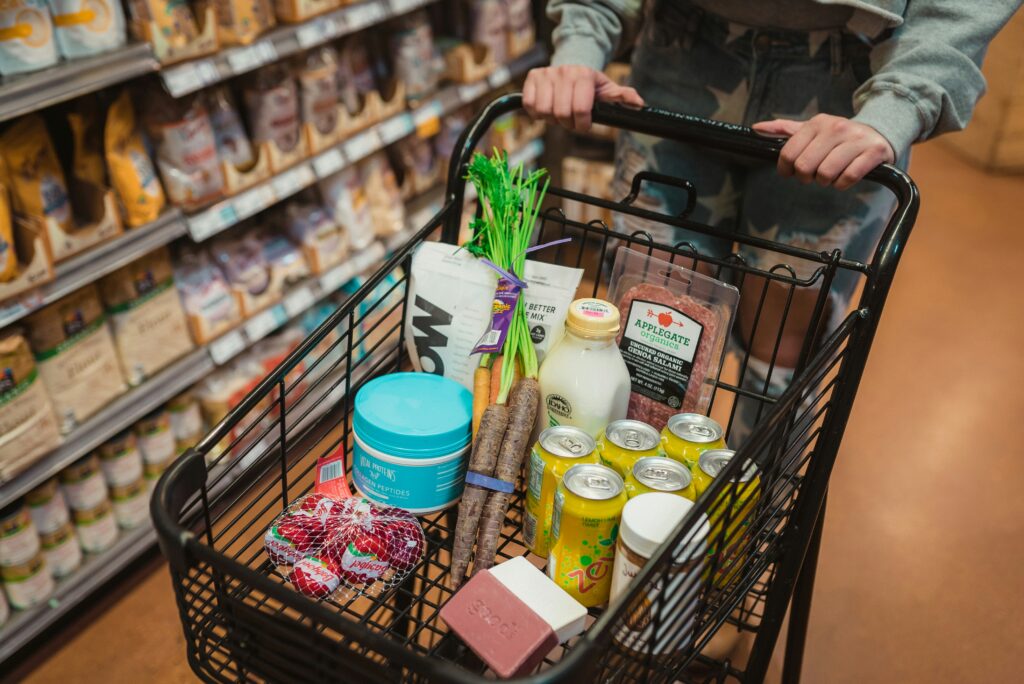
Shopping strategically is where the real savings happen.
I learned this the hard way after too many grocery trips where I bought random things that sounded healthy but never got used.
- Shop with a plan. I know it sounds obvious, but hear me out. When you know what you’re making for the week, you buy only what you need. No more “aspirational” vegetables that wilt in the crisper drawer while you feel guilty about wasting money.
- Buy in bulk when it makes sense. Dried goods like rice, beans, oats, and nuts are significantly cheaper in bulk. Many stores have bulk bins where you can get exactly the amount you need. If you have the storage space and upfront cash, buying larger quantities saves money over time.
- Embrace frozen produce. Frozen vegetables and fruits are flash-frozen at peak ripeness, so they’re just as nutritious as fresh. They’re often cheaper, they last longer, and there’s zero waste. Keep bags of frozen spinach, broccoli, berries, and mixed vegetables on hand for easy additions to any meal.
- Shop sales and stock up. When your staples go on sale, grab extra. Canned goods, dried beans, and grains don’t expire quickly. If pasta’s on sale, get a few extra boxes. If canned chickpeas are discounted, stock up.
- Compare unit prices, not just sticker prices. That bigger bag might look expensive, but check the per-ounce or per-pound price. You’ll often find the larger size costs less per serving.
- Don’t shop hungry. Seriously. You’ll end up with stuff you don’t need, and it’ll blow your budget every time.
Meal Planning Without the Overwhelm

Meal planning sounds like a chore, but it’s actually what gives you freedom. When you have a loose plan, you’re not staring into the fridge at 6 PM wondering what to make with random ingredients.
- Start simple. Pick 3-4 meals you’ll make during the week. Choose recipes that share ingredients so nothing goes to waste. If you buy a bunch of kale, plan to use it in a stir-fry one night and a soup another night.
- Think in building blocks, not rigid recipes. A grain + a protein + vegetables + a simple sauce = infinite meal combinations. Cook a big pot of rice and a batch of beans on Sunday. Roast a sheet pan of whatever vegetables are cheap this week. Now you have components you can mix and match.
- You’re eating different meals, but you only had to cook a few things. Monday might be beans and rice bowls with roasted veggies and salsa. Wednesday could be the same ingredients in a soup. Friday, throw it all in a tortilla with some lettuce.
- Breakfast doesn’t have to be complicated. Oatmeal costs pennies per serving. Top it with a banana and a spoonful of peanut butter. Done. You’ve got a filling, nutritious meal that probably cost less than a dollar.
- Leftovers are your friend. Make extra dinner and eat it for lunch the next day. That’s one less meal you have to think about and cook.
Stop Wasting Food (And Money)
Food waste is basically throwing money in the trash. We’ve all done it, but when money’s tight, you can’t afford to.
#1: Use what you have first.
Before shopping, check what’s already in your kitchen. Build meals around ingredients you already bought.
That half-used can of tomato paste? Use it in your pasta sauce. Those wilting greens? Throw them in a smoothie or soup.
#2: Proper storage matters.
Learn how to store produce so it lasts longer.
Keep potatoes in a cool, dark place. Store herbs in water like flowers. Freeze extra portions before they go bad.
#3: Get creative with scraps.
Vegetable scraps make excellent broth. Overripe bananas are perfect for smoothies or “nice cream.” Stale bread becomes croutons or breadcrumbs.
There’s usually a way to use it.
Build Your Plant-Based Blueprint for FREE Today!
Cooking From Scratch Saves Serious Money
I get it. After a long day, convenience sounds really good. But those pre-made meals, takeout orders, and processed foods are where your money disappears.
Cooking from scratch doesn’t have to mean spending hours in the kitchen. Simple meals are often the best ones. A pot of lentil soup takes maybe 10 minutes of active work, then it just simmers.
You end up with multiple servings for a few dollars.
- Basic cooking skills go a long way. Learn to cook a pot of beans, make a simple vegetable stir-fry, roast vegetables, and cook grains properly. These skills will serve you forever and save you thousands of dollars over time.
- One-pot meals are game-changers. Soups, stews, curries, and chilis are forgiving, require minimal cleanup, and stretch your ingredients. You can load them with whatever vegetables you have and they always turn out delicious.
- Batch cooking is your secret weapon. Cook once, eat multiple times. Make a huge pot of soup or chili on Sunday and eat it throughout the week. It saves time, money, and decision fatigue.
What About Protein?
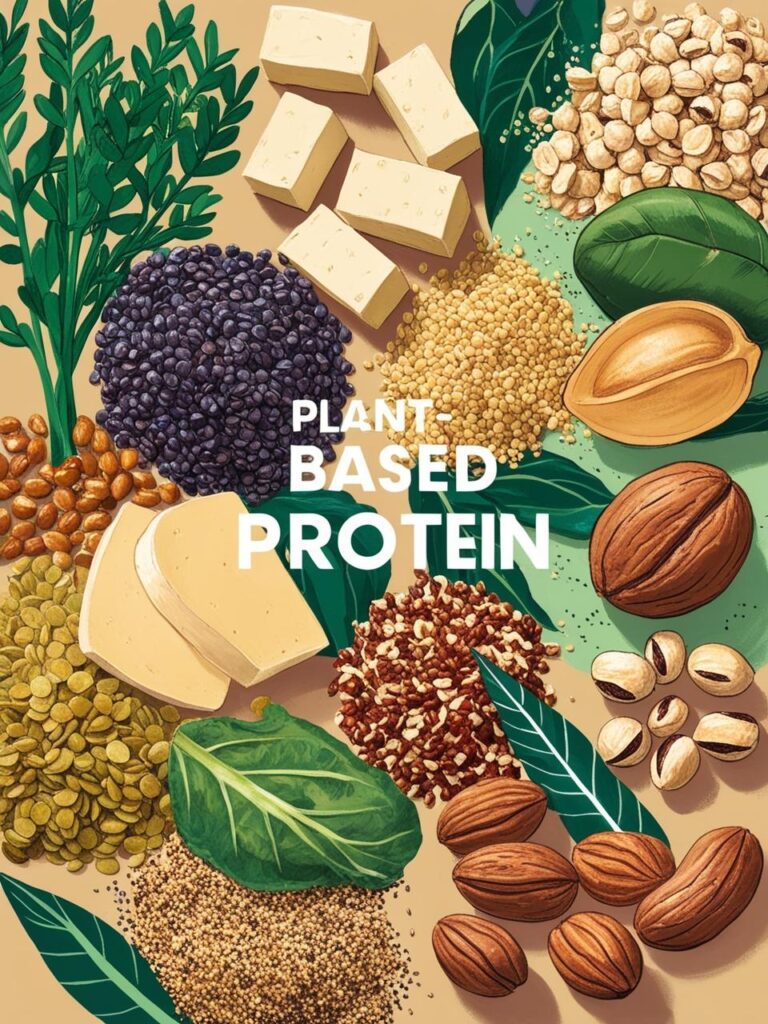
This is where people get worried, but it’s actually one of the easiest parts. Beans, lentils, and chickpeas are protein powerhouses and they’re incredibly cheap.
A can of black beans costs about a dollar and has roughly the same protein as several ounces of meat. Lentils cook fast, don’t need soaking, and work in everything from soups to tacos to pasta sauces.
Other affordable protein sources:
- Split peas
- Peanut butter and other nut butters when on sale
- Edamame (frozen is cheap and convenient)
- Quinoa (goes on sale regularly)
- Tofu (especially if you buy it at Asian markets)
You don’t need expensive protein powders or fancy meat alternatives. Whole plant foods have you covered.
The Foods You Can Skip (At Least For Now)
When money’s tight, there are certain things you just don’t need. Save these for when your budget has more breathing room.
You don’t need:
- Expensive superfood powders
- Specialty meat alternatives (they’re convenient but pricey)
- Out-of-season produce flown in from across the world
- Individual serving packages of anything
- Organic everything (if you can only afford some organic items, prioritize the “dirty dozen” produce)
Focus on the basics that give you the most nutrition and versatility for your dollar. The fancy stuff can wait.
Making Peace With Simple Meals
Somewhere along the way, we got the message that healthy meals have to be elaborate productions with seventeen ingredients.
That’s just not true.
Some of my favorite meals are the simplest ones. Baked sweet potato with black beans and salsa. Oatmeal with banana and peanut butter. Rice and lentils with roasted vegetables.
These aren’t exciting for social media, but they’re delicious, filling, and they cost almost nothing to make.
Give yourself permission to eat simple food. You’re nourishing your body, not auditioning for a cooking show.
FAQs About Eating Plant-Based On A Budget
Q: Isn’t eating healthy supposed to be expensive?
Not when you focus on whole plant foods. The expensive part of “healthy eating” usually comes from specialty products, organic everything, and trendy superfoods.
Rice, beans, oats, potatoes, and seasonal produce are some of the cheapest foods available. These staples have nourished humans for thousands of years, and they’ll nourish you too without breaking the bank.
Q: How do I get enough variety without spending more money?
Variety comes from how you season and combine your staples, not from buying lots of different ingredients. A few basic spices and cooking methods can transform the same ingredients into completely different meals.
Use what you have in different combinations throughout the week. Beans and rice in a bowl Monday, in a soup Wednesday, in a wrap Friday. Same ingredients, different experiences.
Q: What if I don’t have time to cook everything from scratch?
Start small. Cook one big pot of something on the weekend and eat it throughout the week. Use frozen vegetables that are already chopped. Keep canned beans on hand for when you’re tired.
Simple meals like baked potatoes or oatmeal take almost no time. You don’t have to do it all at once. Even replacing a few convenience meals with simple home-cooked options will save money and help you feel better.
📖 Good Reads: How Not to Die, The China Study and Plant-Based Nutrition

In Essence: Plants Are Affordable
Eating plant-based on a budget isn’t just possible—it actually makes the most financial sense right now. While everything else keeps getting more expensive, whole plant foods remain some of the most affordable, nutritious options available.
This isn’t about perfection or buying everything organic from specialty stores. It’s about being smart with your money while nourishing your body with real food.
Focus on the basics: beans, rice, oats, potatoes, and seasonal produce. Plan your meals loosely, cook simple dishes, and stop wasting food.
You don’t need fancy ingredients or complicated recipes. You need staples you can rely on and the knowledge that simple meals can be deeply satisfying.
Start with one or two changes that feel manageable. Maybe it’s swapping one meat-based meal for beans this week, or buying dried beans instead of canned.
Your health and your budget will both thank you. And once you experience how good it feels to eat nourishing food without the financial stress, you’ll wonder why you didn’t start sooner.
⭐ What’s your favorite budget-friendly meal that makes you feel truly nourished? Drop your go-to recipe in the comments—we all need more ideas for eating well without spending a fortune!