This post may contain affiliate links. If you purchase through these links, I may earn a small commission at no extra cost to you. This helps keep Pine+Mango running. Thank you for your support! Read our full disclosure here.
Have you ever wondered why some of the smallest ingredients in your kitchen pack such a powerful nutritional punch?
Herbs and spices aren’t just about making food taste amazing—they’re like nutritional powerhouses hiding right in your pantry!
Here’s the thing: most herbs and spices are loaded with antioxidants, vitamins, and minerals that your body actually needs.
These small ingredients contain higher concentrations of beneficial compounds per gram than many whole foods.
Plus, they make plant-forward eating way more exciting and satisfying.
In this guide, I’m breaking down exactly which herbs and spices give you the most nutritional bang for your buck, plus how to use them in ways that actually stick in your daily routine.
No complicated recipes needed here. Just practical, doable strategies you can start using right now.
Subscribe to Our Nourished Newsletter
Get free weekly guidance for your plant-based journey, straight to your inbox.
- What Makes Herbs and Spices So Nutrient-Dense?
- The Most Nutrient-Dense Herbs and Spices Worth Using
- 1. Cloves: The Ultimate Antioxidant Champion
- 2. Cinnamon: The Blood-Sugar Balancer
- 3. Oregano: The Mediterranean Powerhouse
- 4. Turmeric: The Golden Healer
- 5. Garlic: The Immune-Supporting Classic
- 6. Cumin: The Digestive Aid
- 7. Parsley: The Vitamin K Champion
- 8. Basil: The Fresh and Versatile Healer
- 9. Cilantro: The Polarizing Flavor Ally
- 10. Ginger: The Digestive Dynamo
- 11. Rosemary: The Memory-Boosting Herb
- How to Use Herbs and Spices for Maximum Benefit
- FAQs About Most Nutrient-Dense Herbs & Spices
- In Essence: Small Additions, Big Impact
- Subscribe to Our Nourished Newsletter
What Makes Herbs and Spices So Nutrient-Dense?
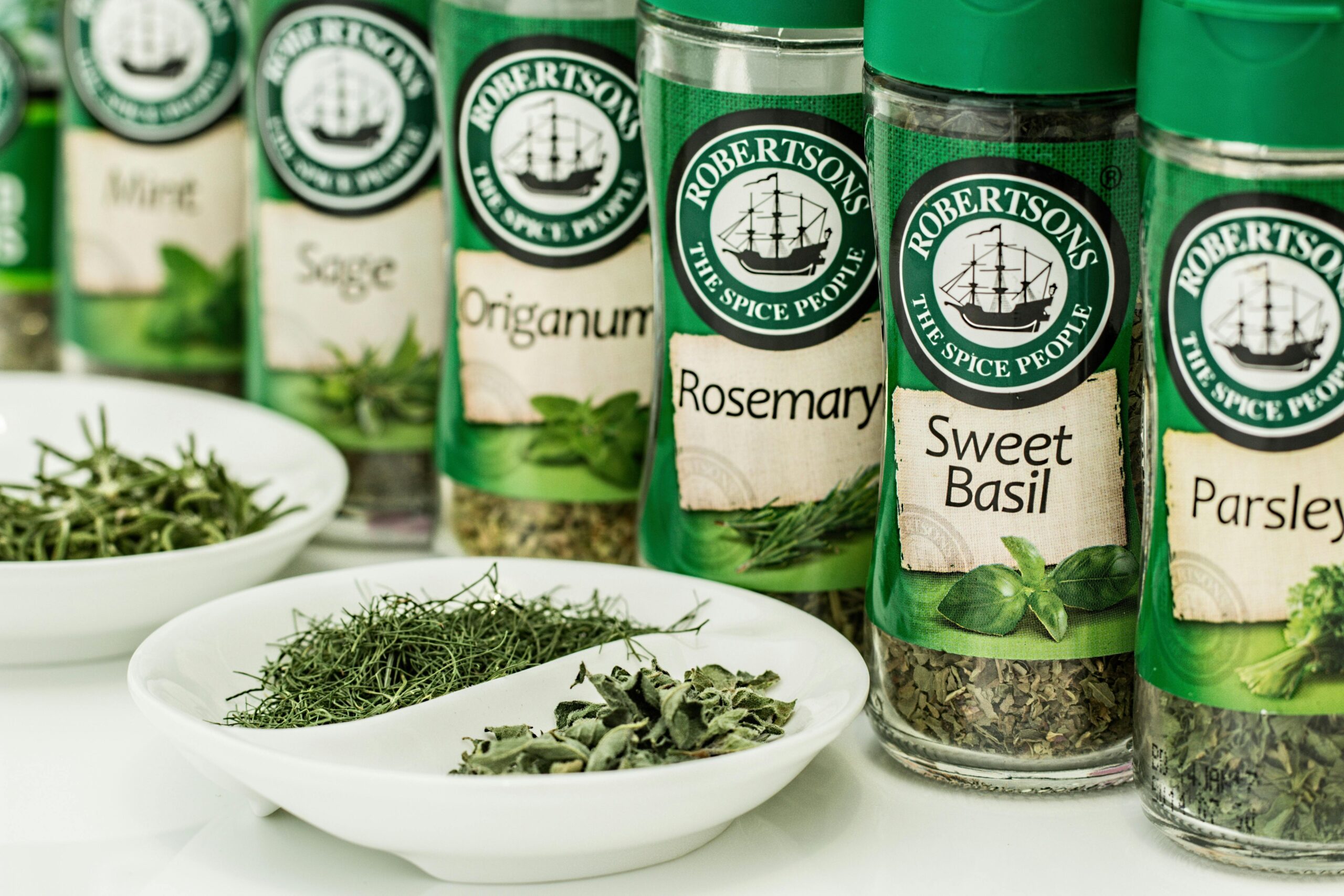
Before we dive into the specific ones that matter most, let’s talk about what actually makes these seasonings so special. Herbs and spices come from plant materials like leaves, seeds, roots, and bark.
Because they’re concentrated plant parts, they pack way more nutrients into a smaller serving size compared to fresh vegetables.
Think of it this way: a fresh basil leaf and dried basil aren’t the same thing nutritionally. When plants are dried, the water content leaves, which means everything else—the minerals, vitamins, and antioxidants—becomes more concentrated.
That’s why a teaspoon of dried oregano delivers more antioxidant power than a cup of most raw vegetables.
The real superstars in herbs and spices are compounds called phytochemicals. These are natural plant chemicals that give them their healing properties.
Research shows that phytochemicals help fight inflammation and protect your cells from damage.
No wonder these seasonings have been used in traditional medicine for thousands of years—people figured out their power long before science caught up!
The Most Nutrient-Dense Herbs and Spices Worth Using
1. Cloves: The Ultimate Antioxidant Champion
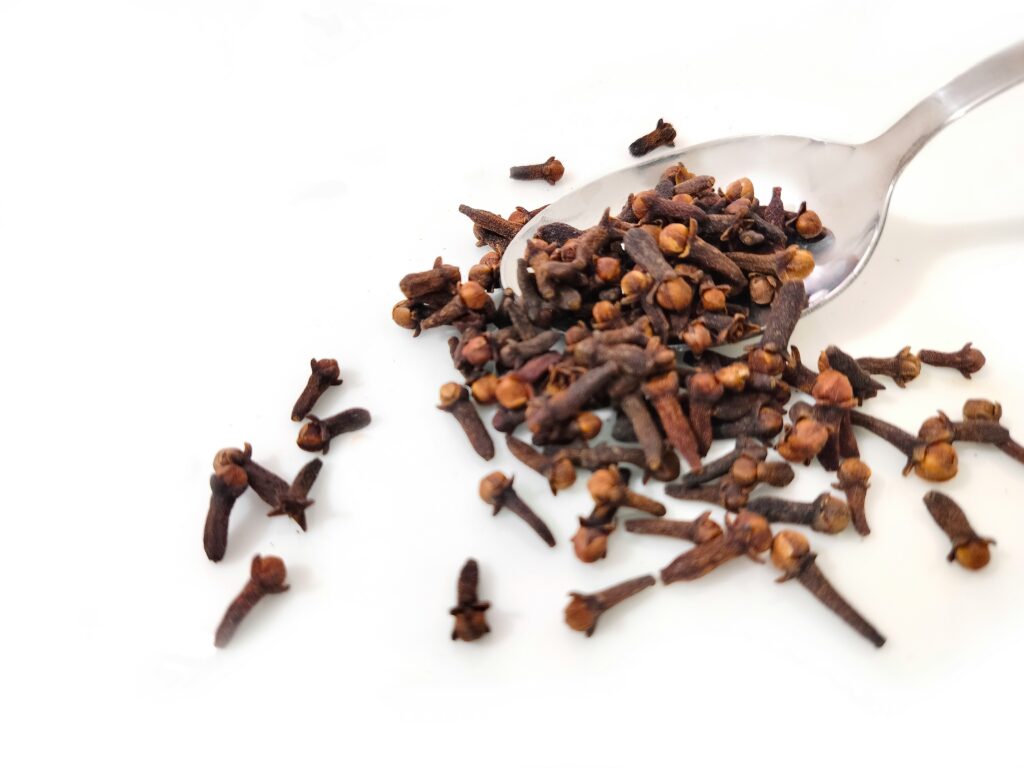
These tiny flower buds are packed with eugenol, a compound that fights inflammation and pain.
I started adding just a pinch of ground cloves to my morning tea, and honestly? The warm, spicy kick is addictive. You can also stud an orange with whole cloves for a natural air freshener that doubles as aromatherapy.
Quick tip: Start small with cloves—they’re potent! A little goes a long way.
2. Cinnamon: The Blood-Sugar Balancer
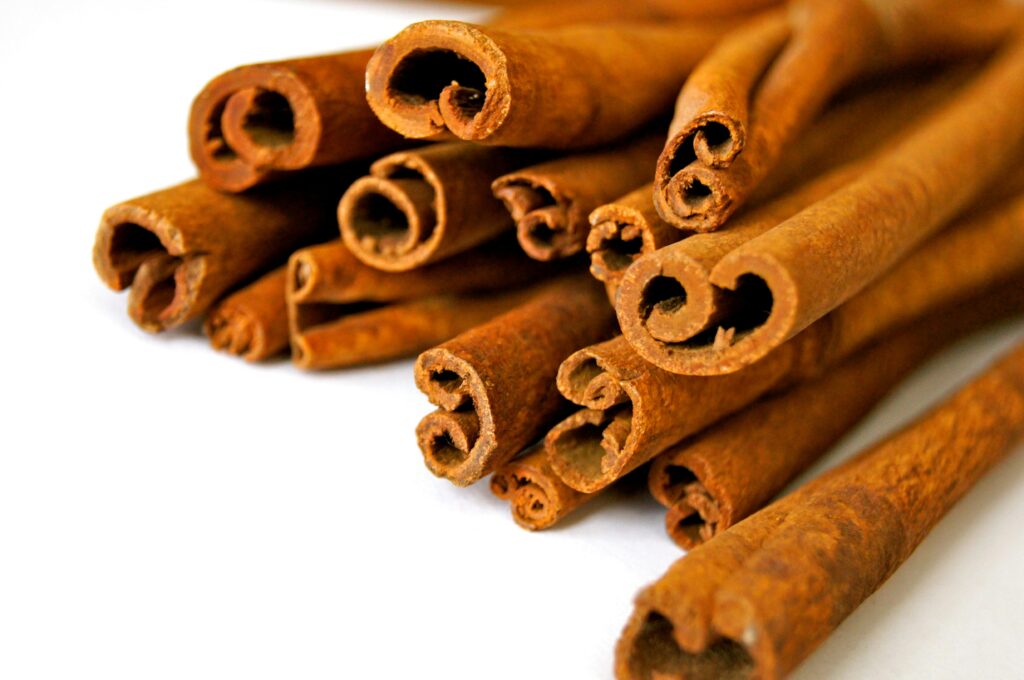
Ceylon cinnamon (also called “true cinnamon”) is known for its anti-inflammatory properties. This is the type you want to seek out, even though it’s pricier than the common Chinese or Saigon varieties you see in most stores.
The difference is worth it for better health benefits.
Many people find that adding cinnamon to their routine helps them feel more balanced and energized throughout the day.
The warm spice brings depth to your meals while delivering those anti-inflammatory benefits.
3. Oregano: The Mediterranean Powerhouse
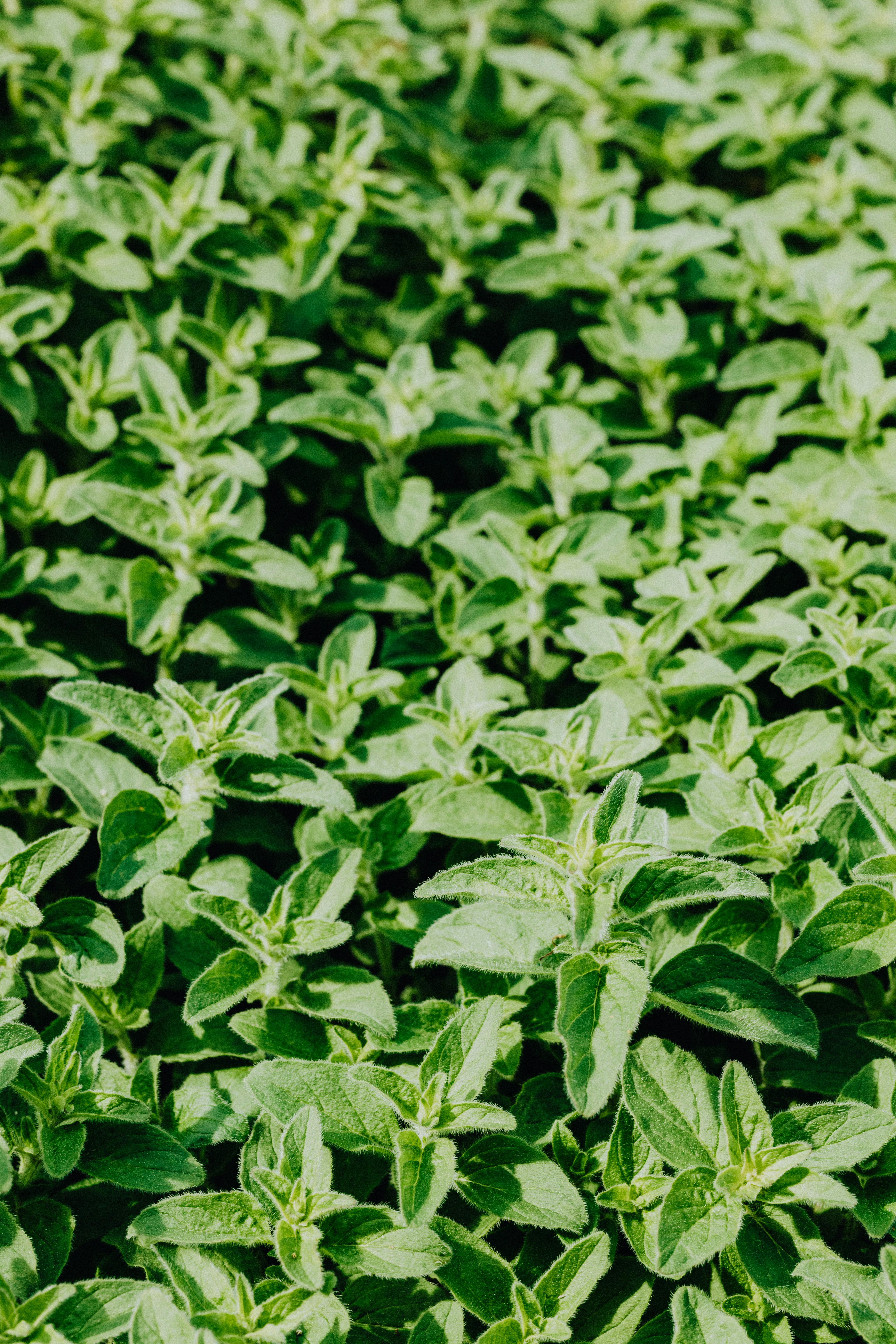
Oregano is packed with phenolic compounds that make it an excellent source of antioxidants. This herb is seriously potent—in fact, oregano has more antioxidant activity per gram than many fruits and vegetables.
One teaspoon of dried oregano delivers significant antioxidant power.
The antimicrobial properties of oregano are also worth mentioning. This means it can help support your immune system while adding incredible flavor to your meals. It’s one of those seasonings where a little goes a long way.
4. Turmeric: The Golden Healer
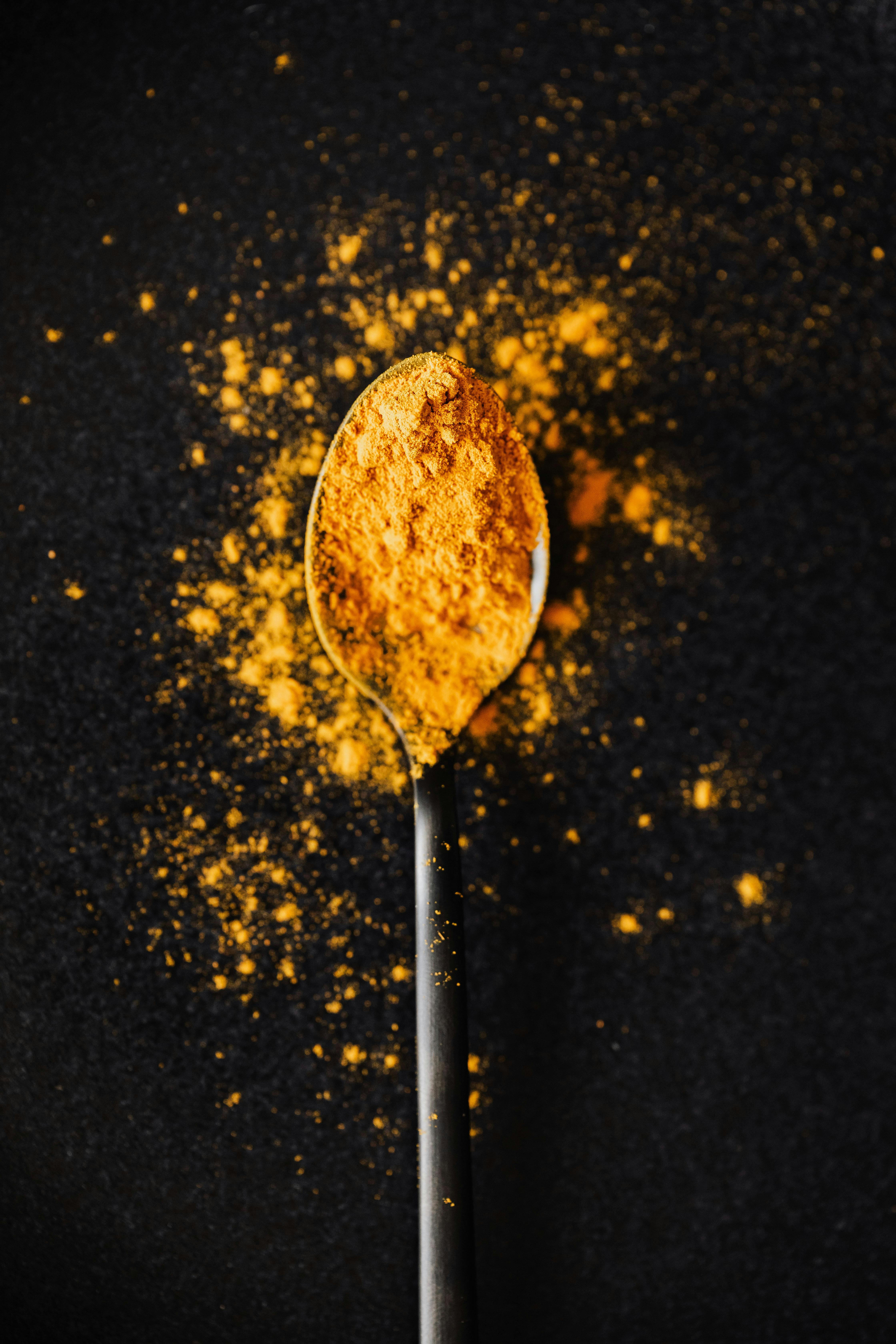
Turmeric deserves its moment in the spotlight. This golden spice contains curcumin, a compound that’s seriously impressive for reducing inflammation in your body.
Studies consistently show that turmeric has antioxidant activity that may help protect against diseases.
Here’s a practical tip: pair turmeric with black pepper. The black pepper contains piperine, which helps your body absorb the curcumin way better. This combo works.
Start with a quarter teaspoon in your cooking and work your way up based on your taste preferences.
Turmeric has an earthy, slightly bitter flavor that takes some getting used to, but once you dial it in, you’ll wonder how you ever cooked without it.
5. Garlic: The Immune-Supporting Classic
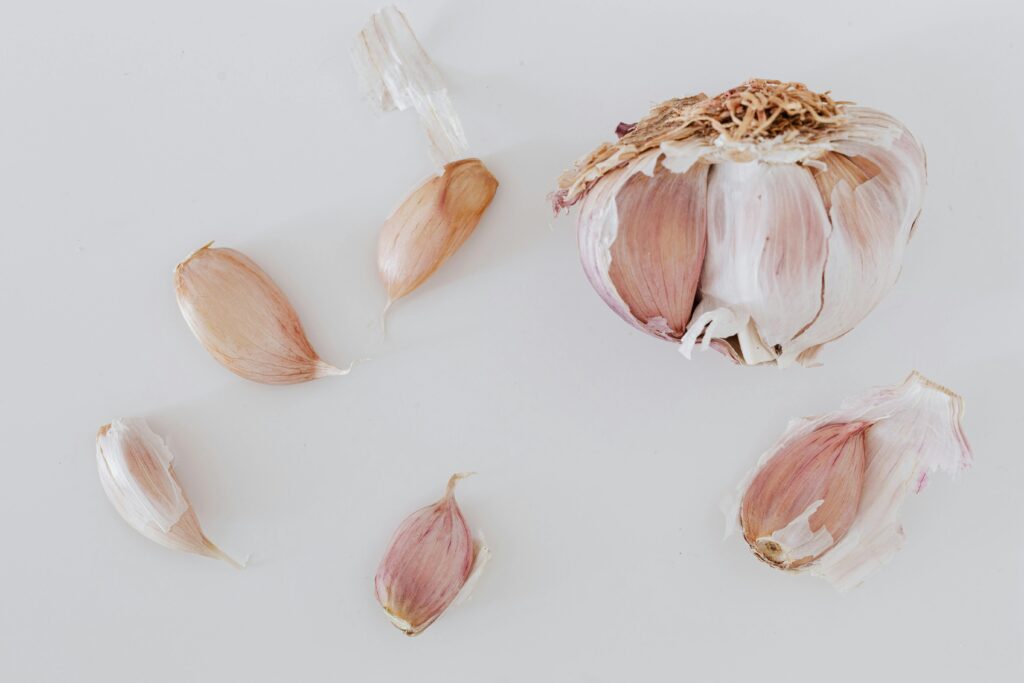
Garlic is technically a bulb, but it functions like a spice in most of our cooking. Raw or cooked, garlic brings serious immune-supporting power to your meals.
It contains compounds that have been studied for their role in supporting cardiovascular and immune health.
Raw garlic is more pungent and brings sharper immune benefits, while cooked garlic is mellower and easier on digestion.
Mix both into your routine depending on what your body needs on any given day.

Build Your Plant-Based Blueprint for FREE Today!
6. Cumin: The Digestive Aid
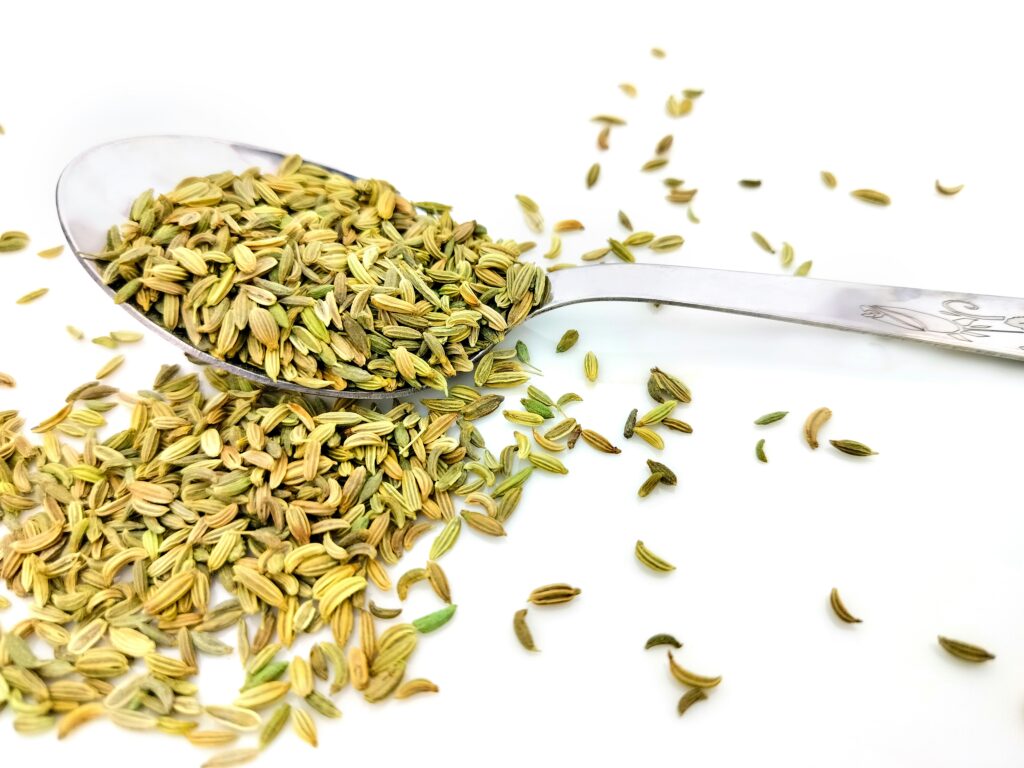
Cumin seeds contain minerals and compounds that support healthy digestion. This warm spice is a staple in many cuisines, from Indian curries to Mexican bean dishes.
Beyond the flavor it brings, cumin actually helps your body process and absorb nutrients from the foods you eat.
One practical tip I’ve learned: keep whole cumin seeds on hand in addition to ground. The whole seeds stay fresher longer and deliver more potent flavor when you toast them yourself.
It takes about two minutes and completely changes the intensity of your dishes.
7. Parsley: The Vitamin K Champion
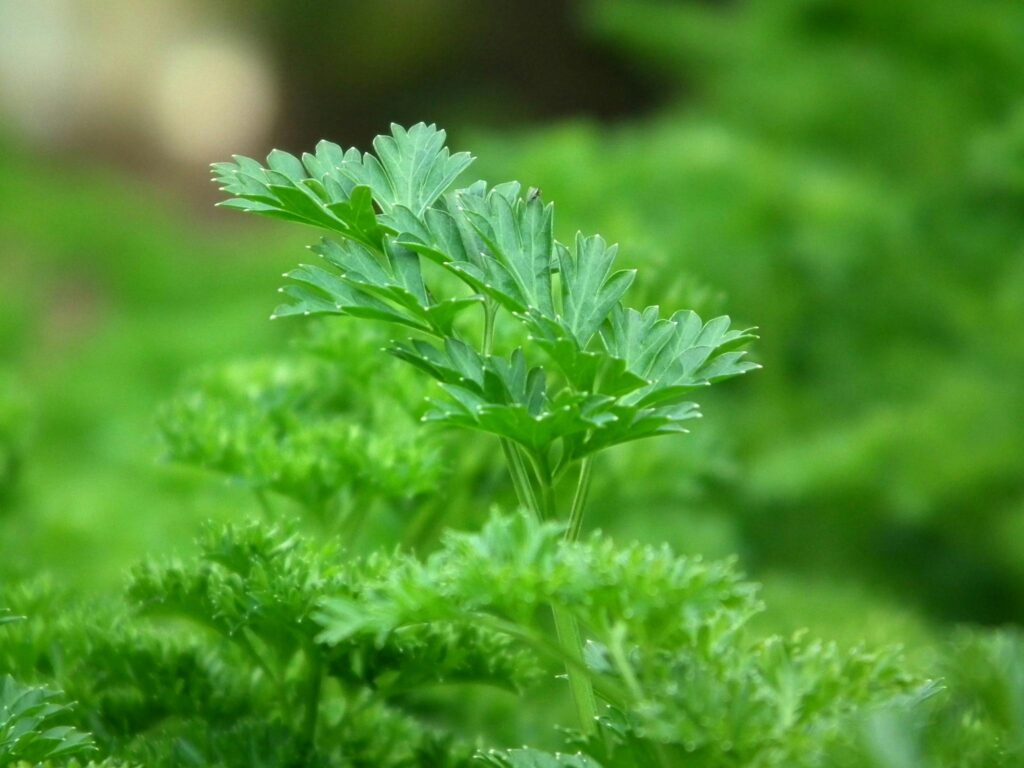
Parsley is full of antioxidants, carotenoids, and vitamins that support a healthy immune system. The standout nutrient here is vitamin K, which is essential for bone health.
This fresh herb brings bright flavor while delivering serious nutrition.
Flat-leaf parsley (Italian parsley) and curly parsley are both nutrient-dense, though flat-leaf has a slightly stronger flavor. Keep fresh parsley in water in your fridge, and it’ll stay fresh for weeks.
This is one herb that’s absolutely worth buying fresh rather than dried.
8. Basil: The Fresh and Versatile Healer
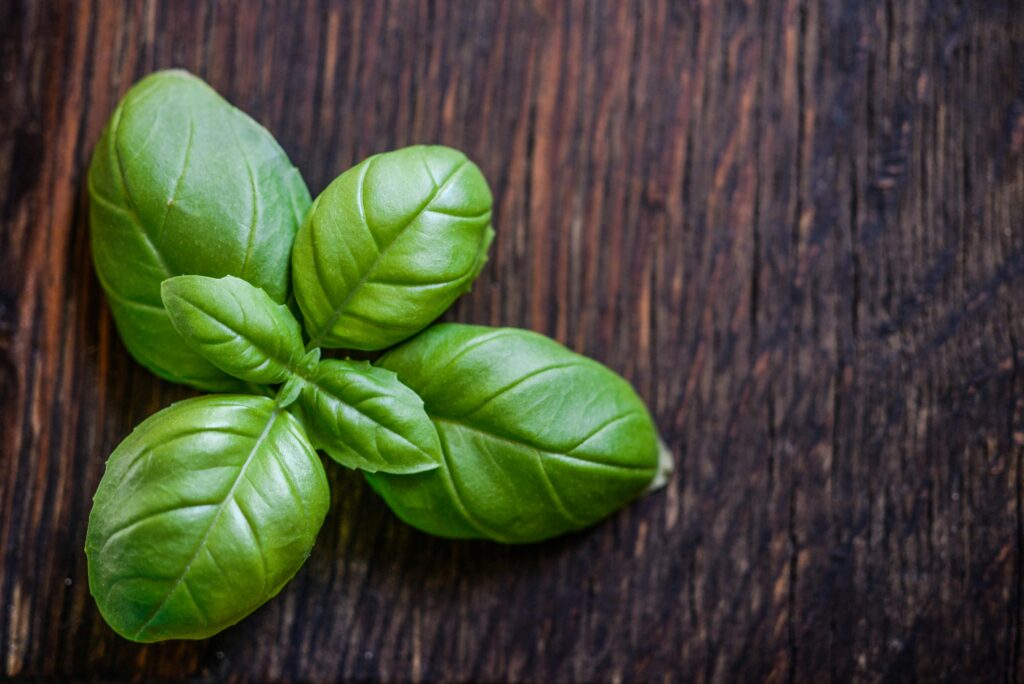
Fresh basil is full of antioxidants and beneficial vitamins that support a healthy immune system.
Basil works best when added fresh or added at the end of cooking. Heat breaks down its delicate oils and flavor. Throw it into salads, blend it into sauces, or tear it over your favorite dishes right before serving.
Pesto made from fresh basil, nuts, and olive oil is an easy way to get more basil into your daily eating.
9. Cilantro: The Polarizing Flavor Ally
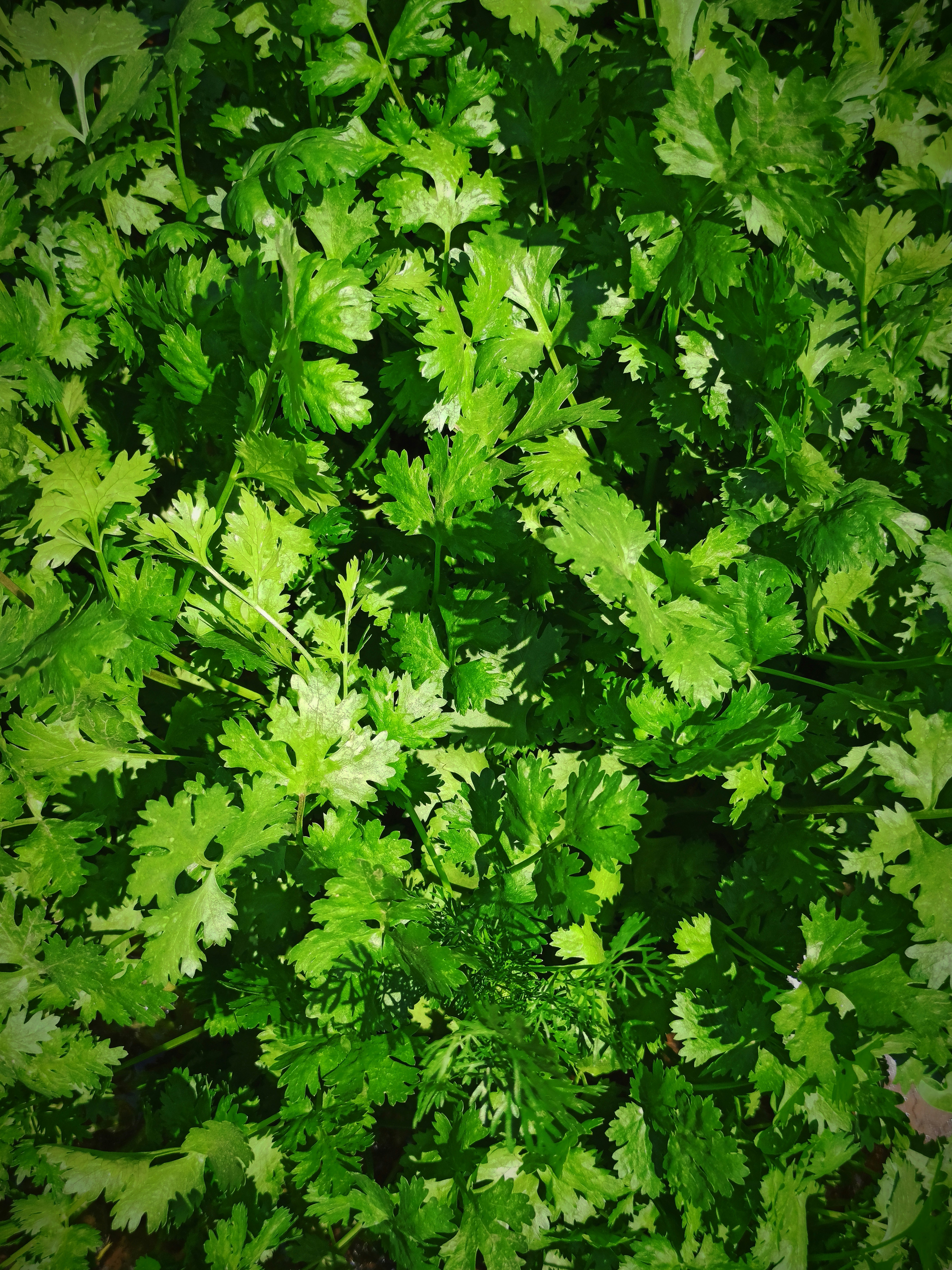
Cilantro gets mixed reviews. Genetics actually influence how cilantro tastes to you—some people find it fresh and citrusy while others experience a soapy flavor.
If you’re in the “love it” camp, cilantro brings antioxidants and minerals to your meals.
If you’re not a cilantro fan, there’s no need to force it. Your taste buds are telling you something. Focus on the other herbs and spices that make your meals feel delicious instead.
Eating more plants should feel good, not like you’re struggling through flavors you don’t enjoy.
10. Ginger: The Digestive Dynamo
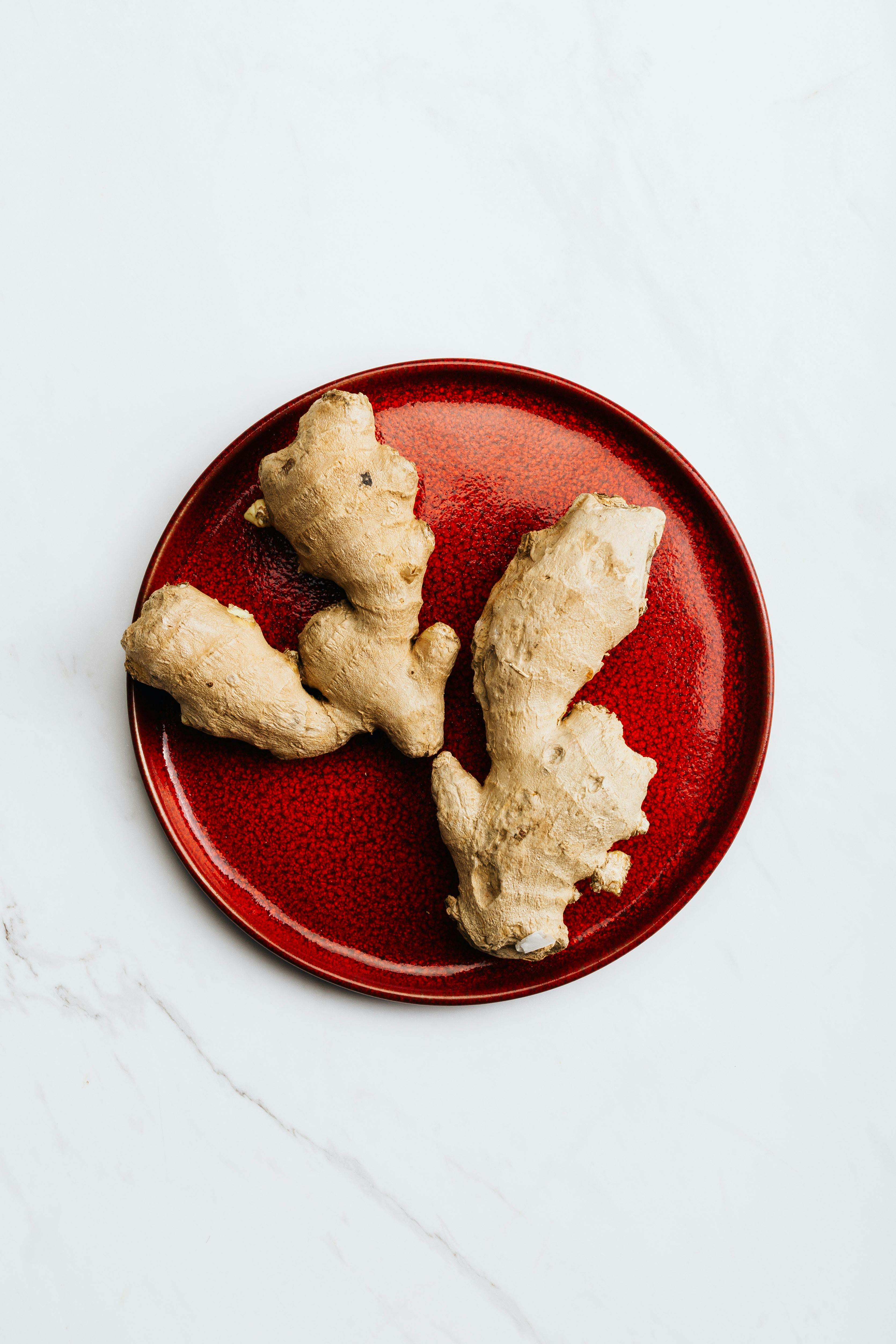
Fresh or dried, ginger is basically the digestive system’s best friend. Around 1 gram of ginger has been shown to be effective for treating various types of nausea.
It also brings serious anti-inflammatory benefits that can help reduce pain caused by inflammation.
The beauty of ginger is its versatility. Grate fresh ginger over salads, add it to smoothie bowls, or simmer it in hot water with lemon and honey.
Dried ginger powder works great in curries and desserts.
Keep both forms in your kitchen. They each have their moment.
11. Rosemary: The Memory-Boosting Herb
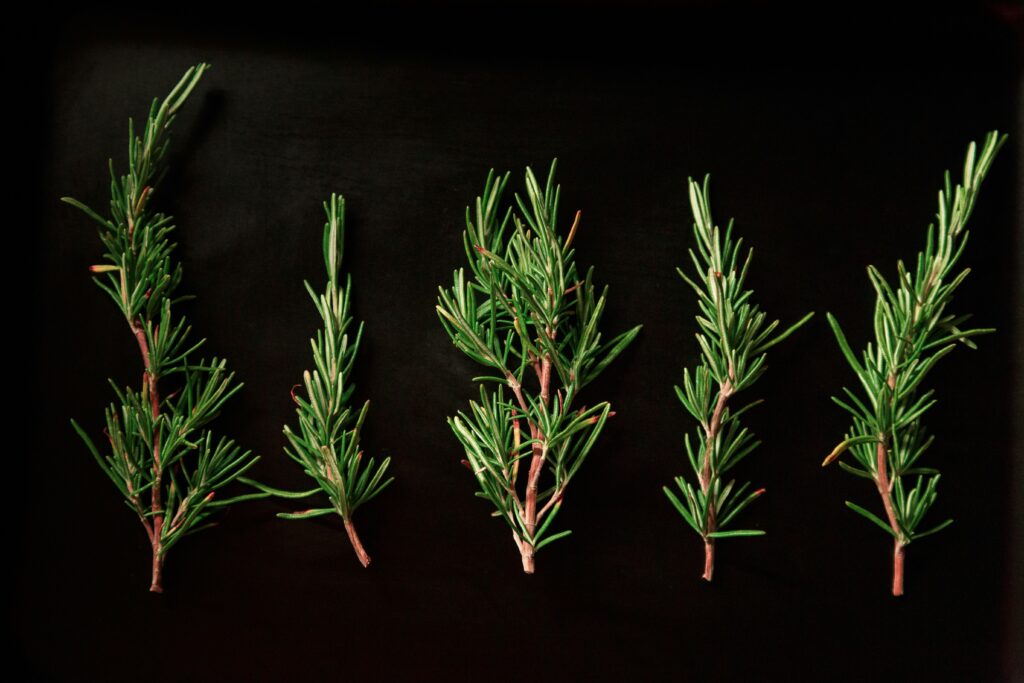
Rosemary contains compounds that have been studied for their potential role in supporting brain function and memory. This woody herb brings intense flavor to dishes, so a little goes a long way.
Fresh rosemary has more antioxidant power than the dried version.
Add fresh rosemary sprigs to roasted vegetables, bean dishes, and soups. Strip the leaves from the woody stem before adding to soups so they don’t get stuck in your teeth.
Dried rosemary works in longer-cooking dishes like stews and bean-based soups.
How to Use Herbs and Spices for Maximum Benefit
1. Start Small and Build Your Tolerance
If you’re new to cooking with herbs and spices, introduce them gradually. Your palate needs time to adjust to new flavors.
Begin with a quarter teaspoon of a new spice and increase from there. This prevents your meals from becoming overwhelming and gives your digestive system time to adapt.
2. Store Them Properly
Fresh herbs stay fresher longer when stored in water like a bouquet of flowers. Keep them in a glass of water covered loosely with a plastic bag in your fridge.
Dried herbs and spices should be stored in airtight containers away from direct sunlight and heat. A cool, dark cabinet is perfect.
Replace dried herbs every 6-12 months when they start losing potency.
3. Combine Them for Better Absorption
Remember turmeric and black pepper? That’s not the only powerful combination.
Pair vitamin-rich herbs with healthy fats like olive oil or nuts to help your body absorb fat-soluble vitamins. Add herbs to salads dressed with oil, soups with coconut cream, or grain bowls drizzled with tahini.
4. Use Them Strategically
Fresh herbs are best added at the end of cooking or used raw. Dried herbs work better in long-cooking dishes where they have time to release their flavors and nutrients.
Ground spices work faster than whole seeds. Whole spices last longer in storage but need to be ground or toasted before use.
5. Make Them Part of Your Routine
The best herbs and spices are the ones you actually use.
Don’t buy something just because it sounds impressive.
Pick three to five that appeal to you and get comfortable using them regularly. Once they become part of your routine, adding more becomes natural.
FAQs About Most Nutrient-Dense Herbs & Spices
Q: Are dried herbs as nutritious as fresh herbs?
Dried herbs are actually more concentrated in nutrients than fresh herbs because the water content has been removed.
However, fresh herbs still deliver nutrition and also contain beneficial enzymes and chlorophyll that can be lost during drying.
The best approach is using both. Fresh herbs bring vibrancy and delicate flavors, while dried herbs provide intensity and convenience.
Store them properly and use both versions strategically throughout your cooking.
Q: How much herb or spice do I need to get the health benefits?
Most research is based on around 1 teaspoon of dried herbs or spices or 1 tablespoon of fresh herbs per day. You don’t need massive amounts—small quantities add up when you’re using them regularly.
The key is consistency. Using a pinch of turmeric, a sprinkle of oregano, and some fresh basil daily is more beneficial than occasionally using larger amounts.
Focus on making these ingredients regular parts of your meals rather than occasional special additions.
Q: Can herbs and spices interact with medications?
Some herbs and spices can interact with certain medications.
If you take medications, especially blood thinners or blood sugar medications, check with your doctor before significantly increasing your herb and spice intake.
Garlic, turmeric, and ginger are the most likely to cause interactions. This isn’t to scare you—it’s just being smart about your health.
Most people can use herbs and spices without issues, but it’s worth confirming with your healthcare provider if you’re on regular medications.

In Essence: Small Additions, Big Impact
Herbs and spices are some of nature’s most underrated gifts for anyone embracing a plant-abundance approach to eating. These powerful seasonings deliver serious nutrition in small packages while making your meals taste absolutely incredible.
The fact that they’re also backed by actual research makes them even more valuable.
Start by picking one herb or spice from this list that speaks to you. Use it regularly in your cooking for a week or two. Notice how it makes you feel, how it affects your digestion, and how it changes your meals. Once you’re comfortable, add another.
Remember that becoming someone who eats more plants isn’t about perfection—it’s about small, consistent choices that add up to real transformation.
⭐Let’s chat: What’s your favorite herb or spice to cook with, and how has it changed the way you approach your meals? Share your experiences in the comments below—your story might be exactly what someone else needs to hear right now.