This post may contain affiliate links. If you purchase through these links, I may earn a small commission at no extra cost to you. This helps keep Pine+Mango running. Thank you for your support! Read our full disclosure here.
Have you ever taken a bite of plain steamed broccoli and thought, “Yeah, I’m definitely never eating healthy again”?
I’ve been there. That bland, sad plate staring back at me, making me want to reach for anything else.
But here’s what I learned — plants aren’t boring. We’re just seasoning them all wrong.
The difference between meals that make you excited to eat and ones you dread? Flavor. Real, bold, mouthwatering flavor. And the beautiful thing is, it’s not complicated.
You don’t need culinary school or a cabinet full of weird ingredients. You just need to understand how herbs, spices, and a few simple tricks can transform your food from “meh” to “more, please.”
Let’s talk about how to make plant foods taste so good you’ll actually crave them.
Subscribe to Our Nourished Newsletter
Get free weekly guidance for your plant-based journey, straight to your inbox.
- Why Seasoning Changes Everything
- Building Blocks of Flavor
- Starting Your Spice Collection
- How to Layer Flavors Like a Pro
- Flavor Combinations from Around the World
- Practical Tips for Everyday Seasoning
- Common Seasoning Mistakes to Avoid
- Quick Flavor Fixes for Boring Meals
- Making Your Own Spice Blends
- FAQs About How to Season Vegetables
- In Essence: Your Kitchen, Your Rules
- Subscribe to Our Nourished Newsletter
Why Seasoning Changes Everything
When I first started adding more plant foods to my meals, I made a huge mistake. I thought eating healthier meant suffering through tasteless food.
Steamed vegetables with nothing on them. Plain brown rice. You know the drill.
My body rebelled. My taste buds revolted. And I found myself standing in front of the fridge at 9 PM, frustrated and searching for something — anything — with actual flavor.
That’s when it clicked: herbs and spices aren’t just nice additions. They’re essential tools that make food satisfying enough to stick with.
When your meals taste good, you don’t feel deprived. You feel nourished and happy.
Plus, many seasonings come with their own health benefits. Turmeric fights inflammation. Cinnamon helps balance blood sugar. Garlic supports your immune system.
You’re not just adding flavor — you’re adding wellness.
Building Blocks of Flavor
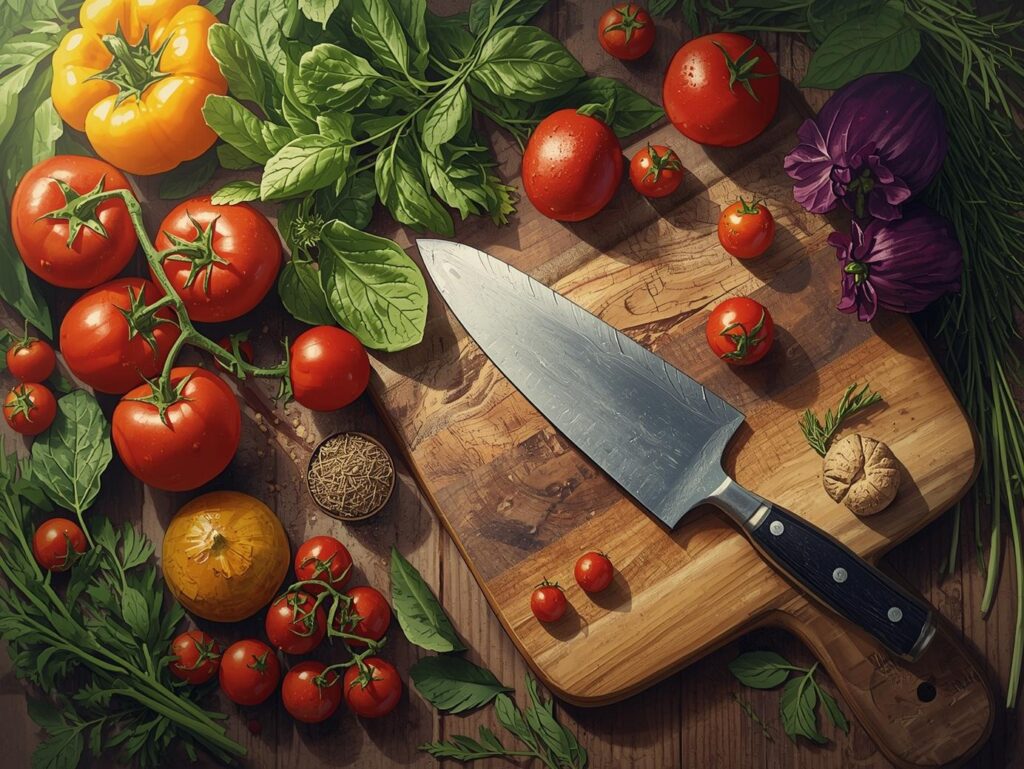
Think of seasoning like music. You need different notes working together to create something beautiful. Here are the main players:
- Herbs: Fresh or dried leaves like basil, cilantro, parsley, oregano, thyme, and rosemary. These bring brightness and freshness to your food.
- Spices: Ground or whole seeds, roots, and bark like cumin, paprika, cinnamon, turmeric, and black pepper. These add warmth, depth, and complexity.
- Alliums: Onions, garlic, shallots, and scallions create a savory foundation that makes everything taste richer.
- Acids: Lemon juice, lime juice, and vinegars brighten flavors and balance richness.
- Salt: Enhances all other flavors and makes food taste more like itself. Don’t skip it.
- Heat: Chili flakes, cayenne, or fresh peppers add excitement and wake up your taste buds.
The magic happens when you combine these elements. One spice alone might be nice, but a blend? That’s where meals get memorable.
Starting Your Spice Collection
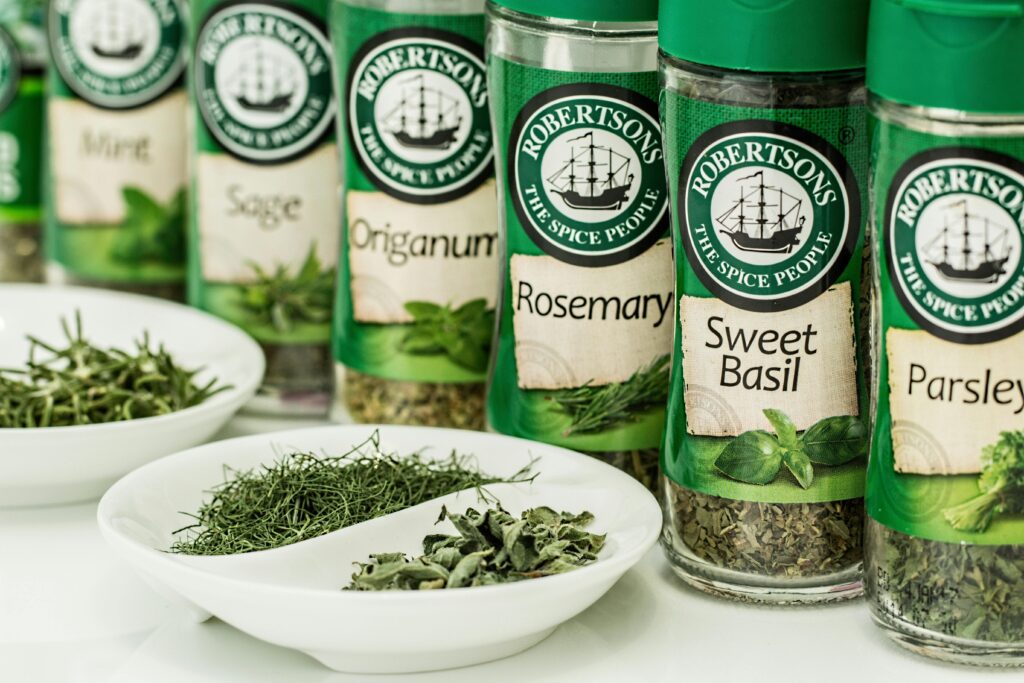
You don’t need fifty jars cluttering your cabinet. Start with these basics and build from there:
- Garlic powder (not garlic salt)
- Onion powder
- Paprika (smoked is even better)
- Cumin
- Oregano
- Basil
- Black pepper
- Turmeric
- Cinnamon
- Chili powder or cayenne
Buy small amounts at first. Spices lose potency over time, so you want them fresh. I learned this the hard way after using year-old cumin that tasted like dust.
Store them away from heat and light. That cute spice rack above your stove? Terrible spot. The heat destroys their flavor. Keep them in a cool, dark cabinet instead.
How to Layer Flavors Like a Pro

Here’s what changed my cooking: understanding when to add seasonings. It’s not just what you use — it’s when you use it.
- Early stages: Add garlic, onions, and hardy dried spices like cumin or oregano when you’re cooking the base. This allows their flavors to bloom and mellow.
- Middle cooking: Toss in things like paprika or turmeric. If you add them too early, they can burn and turn bitter.
- End of cooking: Fresh herbs, acid (lemon or lime juice), and a final sprinkle of salt. These brighten everything and shouldn’t be cooked for long.
- After plating: A squeeze of fresh lemon, or a handful of fresh herbs makes your dish look and taste restaurant-quality.
One trick that saved my meals? Taste as you go. Add a little, taste, adjust. You can always add more, but you can’t take it back.
Flavor Combinations from Around the World
This is where it gets fun. Different cuisines have signature flavor profiles that instantly transport your taste buds.
Once you learn these combinations, you can make any vegetable taste exciting.
1. Italian Flavors
Key seasonings: Basil, oregano, garlic, parsley, rosemary, thyme, red pepper flakes
Classic combinations:
- Tomatoes + basil + garlic
- Olive oil + lemon + oregano + black pepper
- Rosemary + garlic + balsamic vinegar
Try this: Roast cherry tomatoes with garlic, fresh basil, olive oil, and a pinch of salt. Toss with pasta or serve over crusty bread.
2. Mexican & Latin American Flavors
Key seasonings: Cumin, chili powder, cilantro, lime, oregano, paprika, garlic
Classic combinations:
- Cumin + chili powder + garlic + lime
- Cilantro + lime + jalapeño
- Paprika + oregano + cumin + cayenne
Try this: Season black beans with cumin, garlic powder, a squeeze of lime, and fresh cilantro. Game changer.
3. Asian-Inspired Flavors
Key seasonings: Ginger, garlic, sesame oil, rice vinegar, soy sauce, five-spice powder, cilantro, scallions
Classic combinations:
- Ginger + garlic + sesame oil + soy sauce
- Rice vinegar + sesame seeds + scallions
- Ginger + lime + cilantro + chili
Try this: Stir-fry vegetables with fresh ginger, minced garlic, a splash of soy sauce, and finish with sesame oil and scallions.
4. Middle Eastern Flavors
Key seasonings: Cumin, coriander, cinnamon, paprika, turmeric, mint, parsley, lemon, sumac
Classic combinations:
- Cumin + coriander + cinnamon + cayenne
- Lemon + garlic + mint + parsley
- Paprika + cumin + turmeric
Try this: Roast chickpeas with olive oil, cumin, paprika, and a touch of cinnamon. Addictive.
Build Your Plant-Based Blueprint for FREE Today!
5. Indian Flavors
Key seasonings: Turmeric, cumin, coriander, garam masala, curry powder, ginger, garlic, cilantro, cayenne
Classic combinations:
- Turmeric + cumin + coriander + ginger + garlic
- Garam masala + tomato + cilantro
- Curry powder + coconut milk + lime
Try this: Simmer lentils with turmeric, cumin, ginger, and a bit of coconut milk. Top with fresh cilantro.
6. Mediterranean Flavors
Key seasonings: Oregano, thyme, mint, dill, lemon, garlic, parsley
Classic combinations:
- Lemon + oregano + garlic + olive oil
- Dill + lemon + garlic
- Mint + parsley + lemon
Try this: Toss roasted potatoes with olive oil, lemon juice, fresh dill, and garlic. So simple, so good.
7. Caribbean Flavors
Key seasonings: Allspice, thyme, scotch bonnet peppers, ginger, garlic, cilantro, lime, cinnamon, nutmeg
Classic combinations:
- Allspice + thyme + scotch bonnet + garlic
- Lime + cilantro + ginger + scallions
- Cinnamon + nutmeg + allspice + ginger
Try this: Marinate cauliflower steaks with olive oil, fresh thyme, allspice, minced garlic, and a squeeze of lime. Roast until golden. The warmth of allspice combined with bright lime creates that signature island flavor.
8. African Flavors
Key seasonings: Berbere spice, harissa, cumin, coriander, ginger, garlic, cayenne, cardamom, fenugreek, cinnamon
Classic combinations:
- Berbere (chili + ginger + cardamom + fenugreek + coriander)
- Cumin + coriander + cinnamon + cayenne
- Harissa + lemon + garlic + olive oil
Try this: Toss roasted sweet potatoes with harissa paste, olive oil, and a squeeze of lemon. Or simmer red lentils with berbere spice, garlic, and ginger for a warming Ethiopian-inspired stew. These bold, layered spices bring incredible depth to simple vegetables.
Practical Tips for Everyday Seasoning
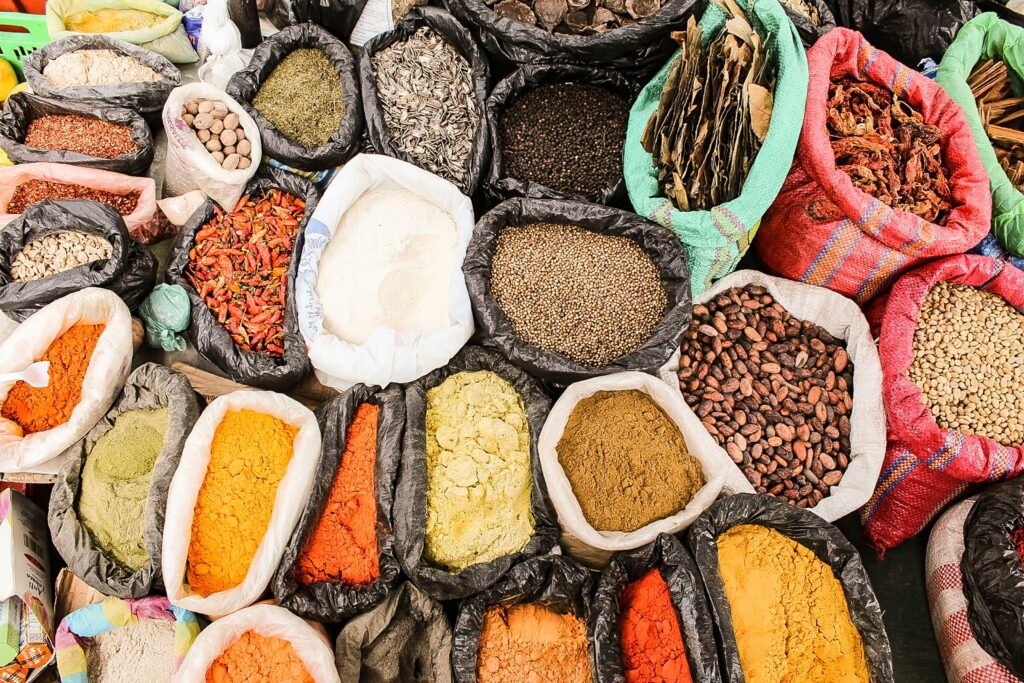
- Start with one cuisine at a time. Don’t try to master everything at once. Pick Italian for a week. Get comfortable with those flavors. Then explore another.
- Toast your whole spices before grinding them. This releases their essential oils and intensifies flavor. Just a minute in a dry pan makes a huge difference.
- Fresh herbs? Add them at the end. Dried herbs? Add them early. Fresh herbs lose their magic when cooked too long, while dried ones need time to hydrate and release flavor.
- Don’t be afraid to mix cuisines. Some of my favorite meals are happy accidents — a little Italian basil with Asian ginger. Rules are meant to be broken once you understand them.
- Keep a flavor notebook. When you make something delicious, write it down. I can’t tell you how many times I’ve recreated a meal and thought, “Wait, what did I add last time?”
Common Seasoning Mistakes to Avoid
Adding salt only at the end: Salt helps draw out flavors during cooking. Season in layers, not just at the finish line.
Using too much of one thing: Balance is everything. That recipe calling for four cloves of garlic? Start with two and adjust.
Forgetting acid: So many people skip this step. A squeeze of lemon or splash of vinegar at the end brightens every dish.
Not tasting as you cook: Your mouth is your best tool. Use it.
Throwing away herb stems: Cilantro, parsley, and basil stems have tons of flavor. Chop them up and add them to soups or sauces.
Quick Flavor Fixes for Boring Meals
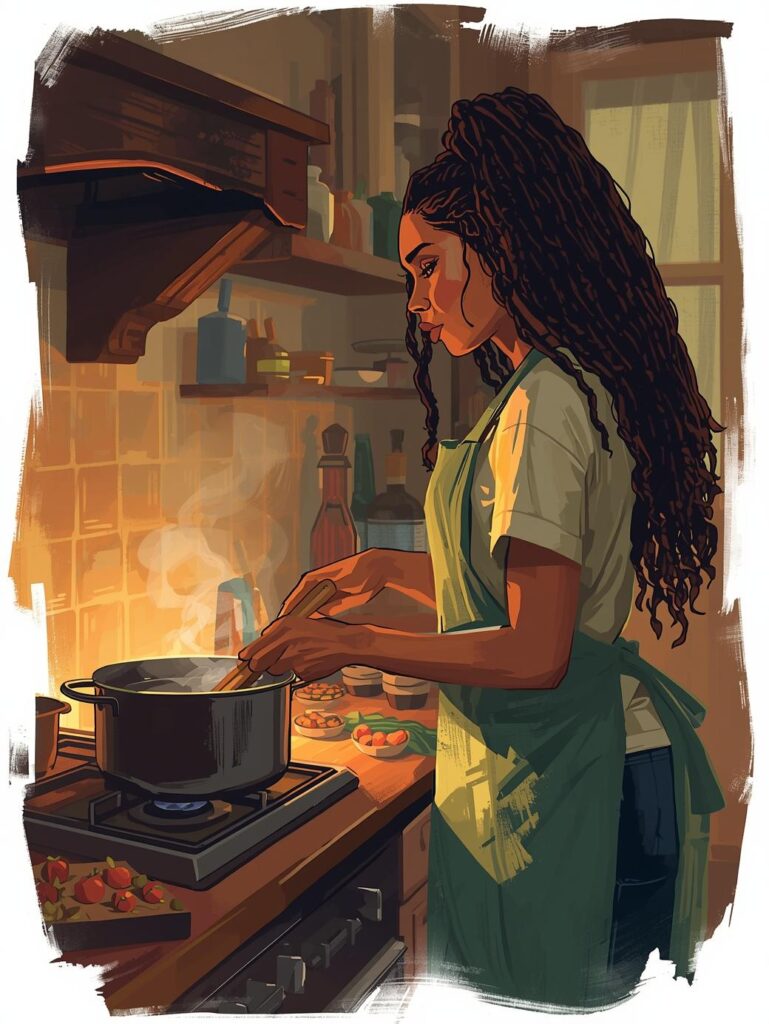
Already made something bland? Don’t panic. Here’s how to save it:
- Too bland overall: Add salt, then acid (lemon or vinegar), then taste again
- Needs depth: Stir in tomato paste, miso, or nutritional yeast
- Needs brightness: Squeeze fresh citrus or add fresh herbs
- Needs warmth: Sprinkle in cumin, paprika, or curry powder
- Needs excitement: Add minced garlic, fresh ginger, or chili flakes
I’ve rescued many disappointing meals with these simple additions. Keep these ingredients on hand and you’ll always have an escape route.
Making Your Own Spice Blends
Once you’re comfortable with individual spices, creating your own blends saves time and money.
Mix up a batch and store it in a small jar. Label them with the date. Use within six months for best flavor.
All-Purpose Vegetable Seasoning:
2 tablespoons garlic powder, 2 tablespoons onion powder, 1 tablespoon paprika, 1 tablespoon dried oregano, 1 teaspoon black pepper, 1 teaspoon salt
Taco Seasoning:
2 tablespoons chili powder, 1 tablespoon cumin, 1 tablespoon paprika, 1 teaspoon garlic powder, 1 teaspoon onion powder, 1 teaspoon oregano, ½ teaspoon cayenne
Curry Powder:
2 tablespoons coriander, 1 tablespoon cumin, 1 tablespoon turmeric, 1 teaspoon ginger, 1 teaspoon cinnamon, ½ teaspoon cayenne, ½ teaspoon black pepper
FAQs About How to Season Vegetables
Q: How do I know how much seasoning to use?
Start with small amounts and build up. For dried herbs and ground spices, begin with ½ teaspoon per serving. For salt, start with a pinch.
Taste and adjust. Your palate will guide you better than any recipe. Over time, you’ll develop instincts for what works.
Q: Can I use dried herbs instead of fresh?
Absolutely. Dried herbs are more concentrated, so use about one-third the amount.
If a recipe calls for 1 tablespoon fresh basil, use 1 teaspoon dried. Add dried herbs earlier in cooking and fresh herbs at the end.
Both have their place — I keep dried herbs for everyday cooking and buy fresh for special meals or garnishes.
Q: Do spices really go bad?
They don’t spoil in a dangerous way, but they lose potency.
Ground spices stay flavorful for about six months to a year. Whole spices last longer, up to two years. If your spice smells weak or like dust, it’s time to replace it.
Store them in a cool, dark place and buy smaller quantities more often.
📖 Good Reads: How Not to Die, The China Study and Plant-Based Nutrition

In Essence: Your Kitchen, Your Rules
Listen, you’re going to make some meals that don’t turn out perfect. You’ll oversalt something or add too much cayenne and need to gulp water. That’s part of learning.
But every single time you season your food, you’re getting better. You’re training your palate. You’re building confidence. And most importantly, you’re creating meals that nourish you and actually taste good.
This isn’t about becoming a master chef. It’s about making plant foods delicious enough that you want to eat them again and again.
Because when food tastes good, everything else falls into place naturally.
Start small. Pick one new spice blend this week. Try one new combination. Before you know it, you’ll be the person who makes vegetables taste so good that people ask for the recipe.
And you’ll smile, knowing it’s just a few simple seasonings that changed everything.
⭐ What’s your go-to spice or herb that makes everything taste better? Drop a comment and share your favorite flavor combination — I’d love to hear what’s working in your kitchen!