This post may contain affiliate links. If you purchase through these links, I may earn a small commission at no extra cost to you. This helps keep Pine+Mango running. Thank you for your support! Read our full disclosure here.
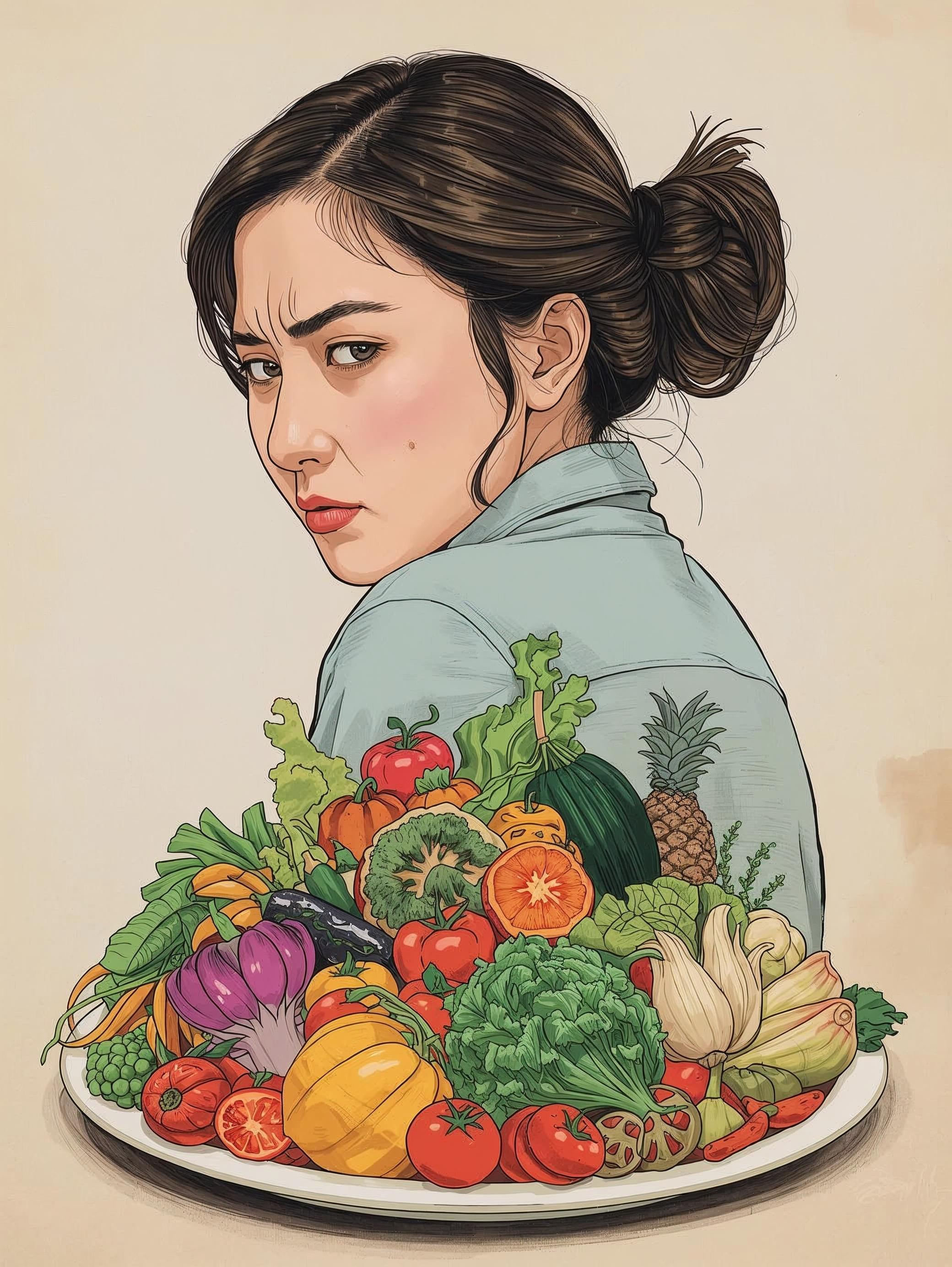
I hear you. The thought of a plate full of vegetables makes you want to run in the other direction.
Maybe you gag at the texture of cooked spinach, or the smell of Brussels sprouts sends you straight back to childhood dinner table battles.
You want to eat healthier and embrace more plant foods, but how can you when vegetables taste like punishment?
Here’s what you should know: hating vegetables doesn’t make you a lost cause. It makes you human.
And yes, you absolutely can eat plant-based even if vegetables aren’t your thing — but we’re going to gently expand your comfort zone together.
Because once you learn how to prepare them in ways that actually taste good, everything changes.
This isn’t about choking down foods you hate. It’s about discovering that the vegetables you think you despise might just be waiting for the right preparation.
Subscribe to Our Nourished Newsletter
Get free weekly guidance for your plant-based journey, straight to your inbox.
- The Real Reason You Hate Vegetables
- Yes, You Can Eat Plant-Based While Hating Vegetables
- The Gateway Vegetables That Change Everything
- How to Make Vegetables Taste Like Food You'd Actually Choose
- The Art of Hiding Vegetables (No Shame)
- Start Small and Build Confidence
- Expand Your Definition of Plant-Based Eating
- FAQs About Hating Vegetables
- In Essence: You're Already on the Path
- Subscribe to Our Nourished Newsletter
The Real Reason You Hate Vegetables
Let’s get honest about why vegetables got such a bad reputation in your life.
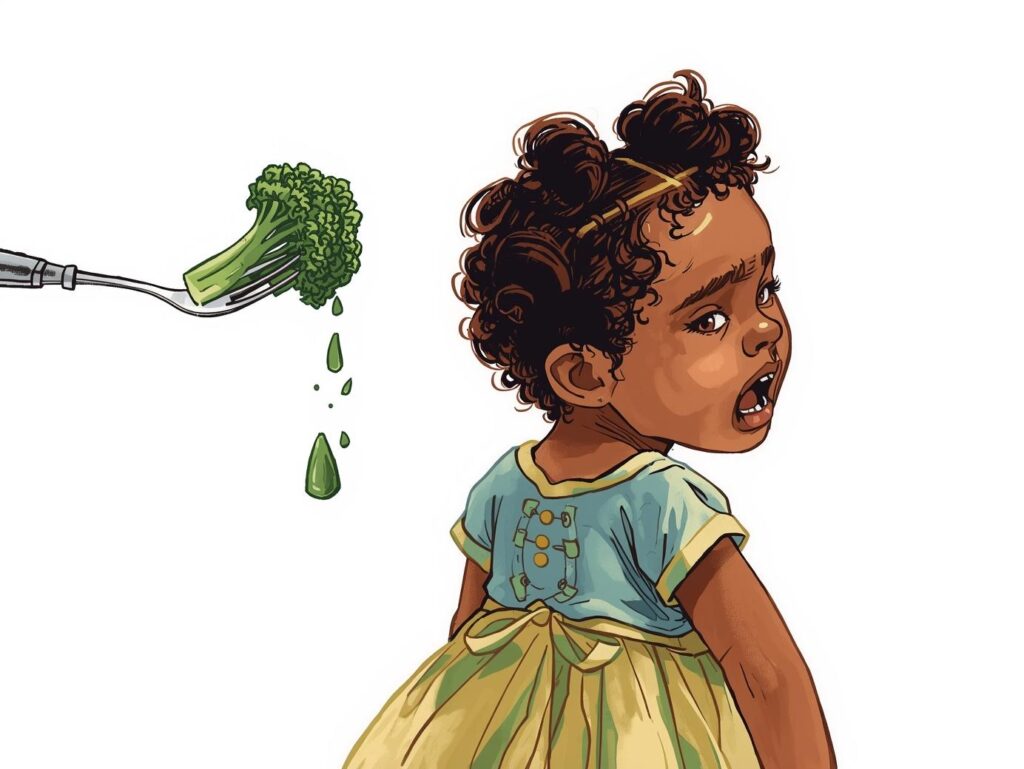
For most of us, it started in childhood with overcooked, mushy, flavorless vegetables that tasted like sadness on a plate.
Your mom meant well. She was doing her best with what she knew. But boiling broccoli until it turned gray and smelled like sulfur?
That’s not how vegetables are supposed to taste. That’s vegetable abuse.
★ Here’s what happened: Your taste buds formed an association between “healthy food” and “horrible experience.” Your brain filed vegetables under “threat” instead of “nourishment.”
And now, decades later, you’re carrying around this food trauma that makes you think you fundamentally dislike an entire category of food.
But here’s the truth that changed everything for me: you don’t hate vegetables. You hate bad vegetables. And there’s a massive difference.
Your Taste Buds Aren’t the Problem
Society loves to shame people who don’t like vegetables, as if you’re being childish or difficult.
Ignore that noise. Your taste preferences are valid, and they’re actually trying to protect you.
Bitter vegetables contain compounds that can signal toxicity in nature, so your body’s resistance makes evolutionary sense. Some people are also “supertasters” with more taste buds than average, making bitter flavors incredibly intense.
You’re not being picky — you’re being biochemically honest.
The goal isn’t to force yourself to love kale salads if they make you miserable. The goal is to find the plant foods that work for your body, not against it.
Yes, You Can Eat Plant-Based While Hating Vegetables
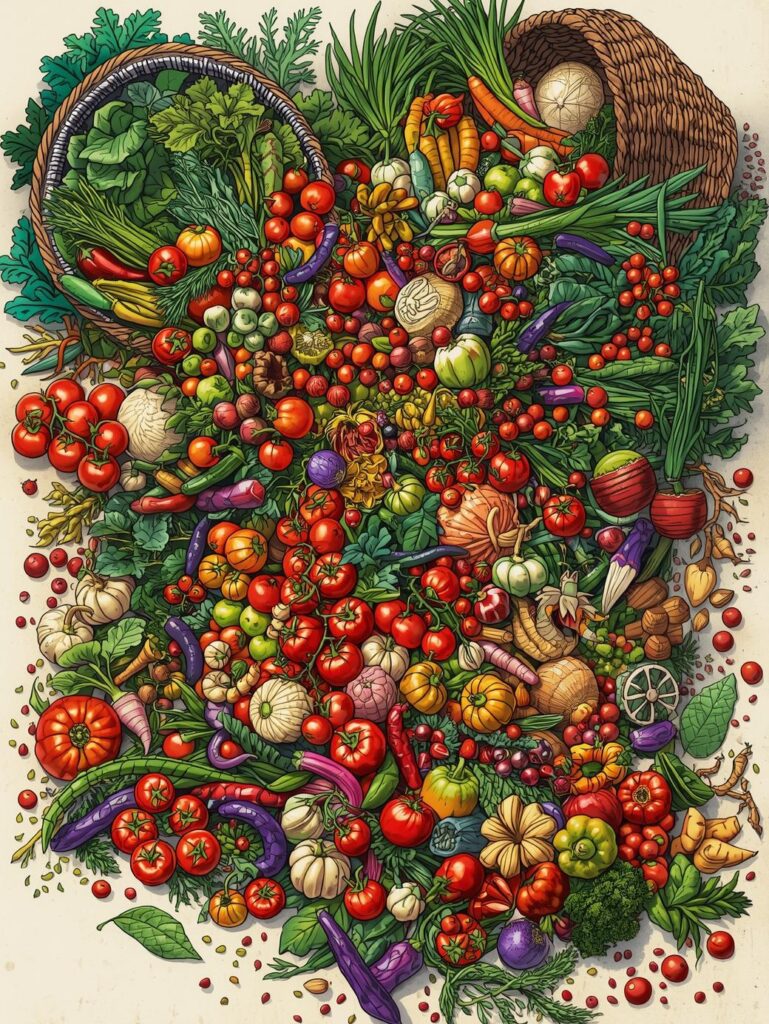
Before we dive into strategies, let me give you permission for something important: plant-based eating isn’t just vegetables.
There are fruits, whole grains, beans, lentils, nuts, seeds, and so many other delicious plant foods that count.
You can build incredibly nourishing meals around sweet potatoes, oatmeal, rice bowls, bean chili, fruit smoothies, and hearty soups without a single “traditional” vegetable in sight.
No force. No shame. Just curiosity and experimentation.
Start where you are. Love bananas and sweet potatoes? Eat those! Enjoy corn and peas? Those count! Plant-based eating is about abundance, not restriction.
The Gateway Vegetables That Change Everything
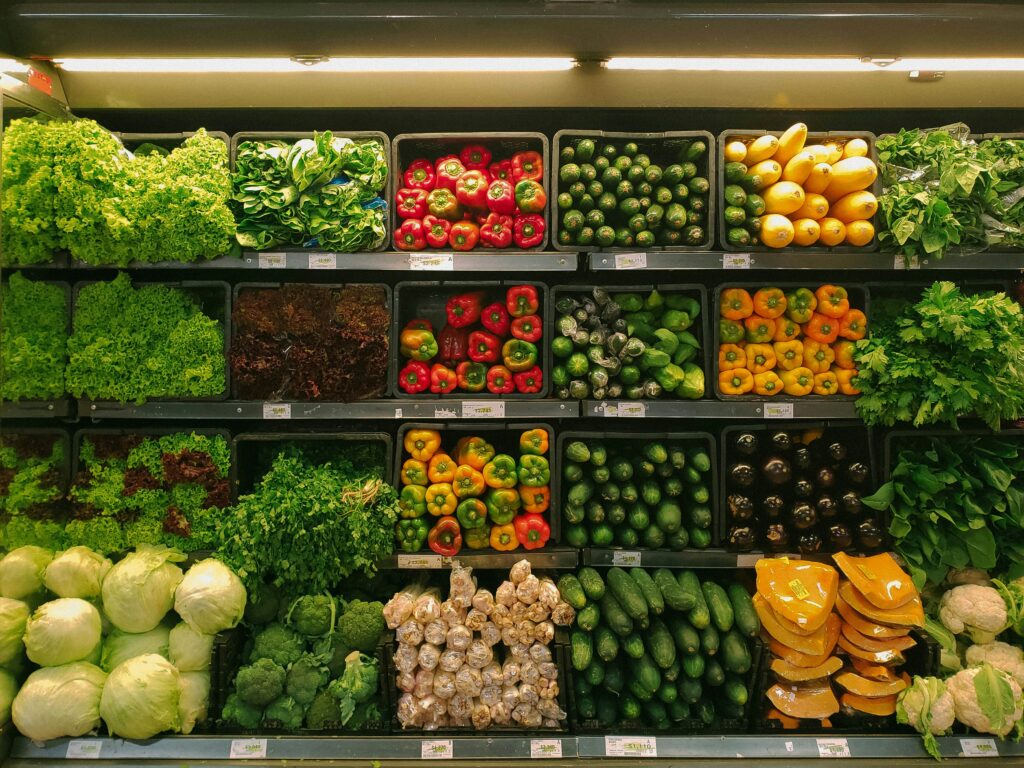
Some vegetables are friendlier than others. These are the ones that converted me from a vegetable-avoider to someone who actually craves plants.
They’re naturally sweet, mild in flavor, and incredibly forgiving when you’re learning to cook.
- Sweet Potatoes: These are magic. Roast them until caramelized, and they taste like dessert. High in fiber, rich in vitamins, and so satisfying you’ll forget you’re eating something healthy.
- Corn: Fresh, frozen, or roasted, corn is naturally sweet and comforting. Toss it in tacos, soups, or eat it straight off the cob. Nobody hates corn.
- Peas: Frozen peas are a miracle food. They’re already cooked, naturally sweet, and add a pop of color and nutrition to any meal without any weird texture.
- Carrots: Roasted until slightly crispy on the edges, carrots develop this incredible sweetness. Throw them on a sheet pan with olive oil and salt, and watch what happens.
- Butternut Squash: This one’s a game-changer when roasted. It’s creamy, slightly sweet, and tastes nothing like the vegetables you hated as a kid.
Start with one. Just one. Get comfortable with it. Learn to prepare it in ways that make you excited to eat it. Then, when you’re ready, add another.
How to Make Vegetables Taste Like Food You’d Actually Choose
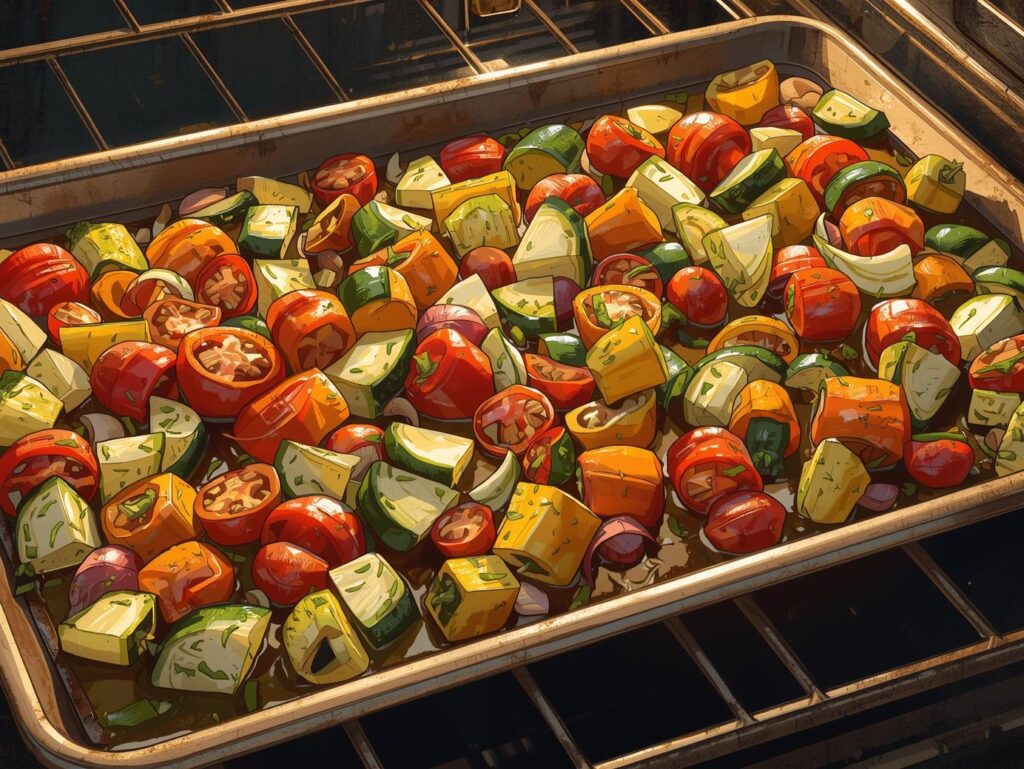
Preparation is everything. Seriously.
The difference between vegetables you hate and vegetables you love usually comes down to technique.
#1: Roasting Is Your Best Friend
Forget boiling. Forget steaming (unless it’s a quick steam for broccoli).
Roasting transforms vegetables into something completely different. High heat caramelizes the natural sugars, creates crispy edges, and develops deep, complex flavors.
★ Here’s the basic formula: Chop your vegetables, toss them with olive oil and salt, spread them on a baking sheet (don’t crowd them), and roast at 425°F until they’re golden and slightly crispy. This works for almost everything.
#2: Fat and Salt Are Not the Enemy
Vegetables need fat to taste good and for your body to absorb their nutrients properly. Drizzle them with olive oil. Add a pat of butter or a sprinkle of nuts.
Don’t eat naked, sad vegetables and wonder why you hate them.
Salt brings out flavor. It’s not cheating — it’s cooking. Season your vegetables properly, and suddenly they taste like something worth eating.
#3: Season Like You Mean It
Beyond salt, experiment with garlic powder, onion powder, smoked paprika, cumin, or Italian herbs.
Toss roasted vegetables with balsamic vinegar or lemon juice right before serving. Add a drizzle of tahini or a sprinkle of nutritional yeast for umami depth.
Vegetables don’t have to taste “healthy.” They can taste amazing.
Build Your Plant-Based Blueprint for FREE Today!
The Art of Hiding Vegetables (No Shame)
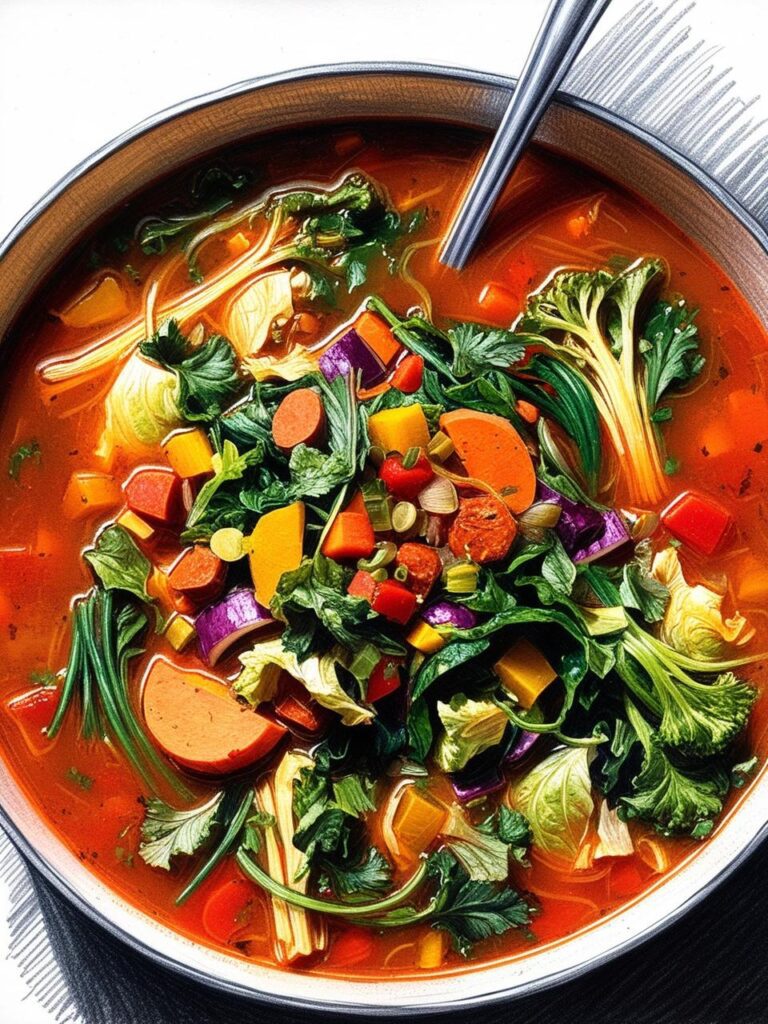
Sometimes you need to sneak vegetables into your life until your taste buds catch up with your intentions. This isn’t childish — it’s strategic.
Smoothies Are Sneaky Magic
Throw a handful of spinach into a fruit smoothie with banana, berries, and plant milk. I promise you won’t taste it. The fruit completely masks the flavor, but you’re still getting all those nutrients.
Start small and increase gradually.
Frozen cauliflower also blends invisibly into smoothies, adding creaminess without any vegetable flavor. Mind blown, right?
Soups Are Vegetable Camouflage
Blend cooked vegetables into soups, and they disappear. Make a creamy tomato soup with hidden carrots and celery. Create a butternut squash soup that tastes like velvet.
The texture and flavor are there, but your brain doesn’t register “vegetable” the same way.
Sauces Work Wonders
Blend roasted red peppers, tomatoes, or zucchini into pasta sauces. Grate carrots or zucchini into chili, where they’ll cook down and become invisible.
Mix finely chopped mushrooms into grain bowls for umami flavor without an obvious mushroom presence.
You’re not lying to yourself. You’re meeting yourself where you are and making progress possible.
Start Small and Build Confidence
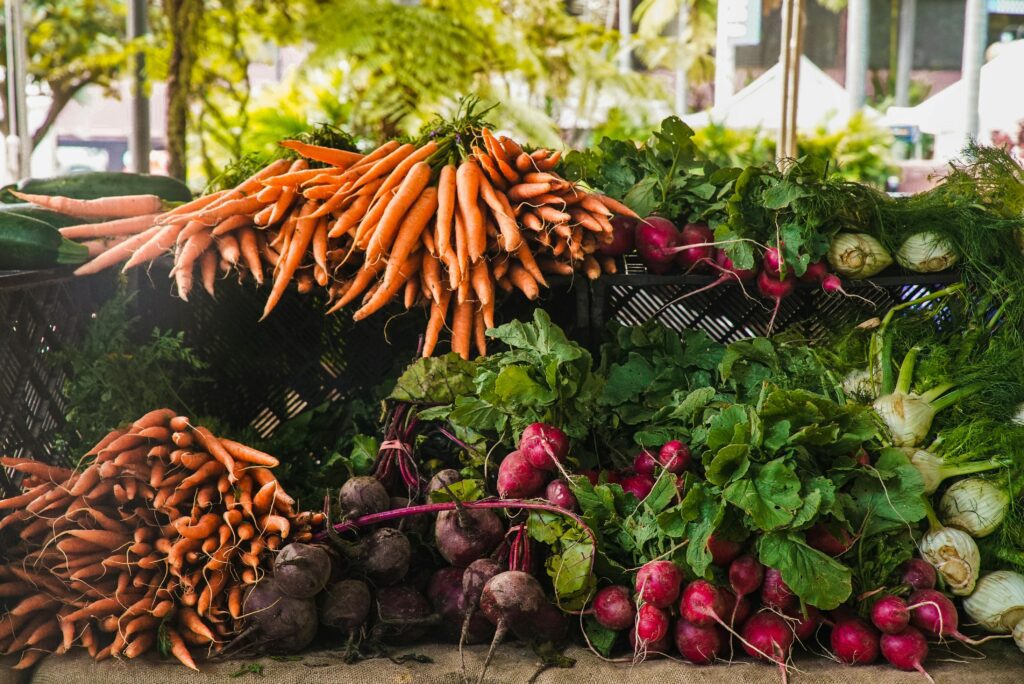
The biggest mistake people make is trying to overhaul everything at once. They go from zero vegetables to kale salads for lunch, and then they burn out and quit.
Don’t do that. Progress beats perfection every single time.
👉🏿 This week: Pick one vegetable you’re willing to try. Just one. Prepare it using a method that sounds good to you. Eat it alongside foods you already love.
👉🏿 Next week: Try that same vegetable prepared a different way, or add one more vegetable to your rotation.
👉🏿 Keep going: Build slowly. Celebrate every small win. Notice how your body feels when you’re eating more plant foods. Pay attention to the vegetables that surprise you.
Before you know it, you’ll have a list of vegetables you genuinely enjoy. Not because you forced yourself, but because you gave yourself permission to learn at your own pace.
Expand Your Definition of Plant-Based Eating
Remember, eating plant-based is about adding more whole plant foods to your life — not forcing yourself to eat things you hate.
Focus on what you can add, not what you’re taking away.
Love fruit? Eat more of it. Enjoy beans and rice? Make that your foundation. Crave something crunchy? Try roasted chickpeas or nuts.
The vegetables will come. Your tastes will change as you consistently expose yourself to new flavors and preparations.
I’ve watched it happen in my own life and in others who thought they’d never be “vegetable people.”
You don’t need to eat a giant salad every day to be healthy. You just need to keep showing up, stay curious, and trust that your body knows what it needs when you give it real, nourishing options.
FAQs About Hating Vegetables
Q: Can I be healthy eating plant-based if I hate most vegetables?
Yes, absolutely. While vegetables are nutrient-dense and beneficial, you can get incredible nutrition from fruits, whole grains, legumes, nuts, and seeds.
Focus on eating a variety of colorful plant foods, and you’ll be nourishing your body well. As your palate expands, you can gradually add more vegetables in forms you enjoy.
Q: Why do I gag when I try to eat certain vegetables?
This could be a texture issue, a flavor sensitivity, or a psychological response from past negative experiences. You might also be a supertaster with heightened taste receptors.
Start with mild, naturally sweet vegetables and focus on preparation methods that create appealing textures — roasting instead of boiling, for example.
Your nervous system needs positive experiences to override old patterns.
Q: How long does it take to stop hating vegetables?
Research shows it can take 10-15 exposures to a new food before your brain accepts it as safe and potentially enjoyable. Keep trying vegetables prepared different ways, without pressure or judgment.
Most women report that after 2-3 months of consistent, gentle exposure to well-prepared vegetables, their preferences genuinely shift. Be patient with yourself.
📖 Good Reads: How Not to Die, The China Study and Plant-Based Nutrition
In Essence: You’re Already on the Path
Wanting to eat more plant foods, even when vegetables aren’t your favorite thing, shows courage and commitment to your wellbeing. That matters more than you know.
You don’t have to love every vegetable. You don’t have to force yourself to eat things that make you miserable.
But you do get to explore, experiment, and discover that plant-based eating can feel good — even for someone who started out thinking vegetables were the enemy.
Start with one gateway vegetable this week. Prepare it with love, fat, and proper seasoning. See what happens. Trust that your tastes will evolve as you consistently show up for yourself.
You’ve got this. And I’m cheering for you every step of the way.
⭐ Let’s talk: What’s the one vegetable you’ve been avoiding that you’re willing to give another chance? What stopped you from liking it in the first place? – Share your experience in the comments below!