This post may contain affiliate links. If you purchase through these links, I may earn a small commission at no extra cost to you. This helps keep Pine+Mango running. Thank you for your support! Read our full disclosure here.
Ever feel like your stomach is staging a full-on rebellion after every meal?
Bloating that makes your jeans feel two sizes too small, energy crashes that hit harder than your afternoon coffee can fix, or cravings that have you raiding the pantry at 10 PM?
Here’s what nobody tells you: most of this chaos starts in your gut.
And the beautiful part? You can turn things around by simply changing what you put on your plate.
I spent years ignoring my digestive issues, popping antacids like candy and thinking it was just “normal.” It wasn’t until I started adding gut-healing foods — especially fermented ones — that everything shifted.
My bloating disappeared. My skin cleared up. And my brain fog? Gone.
Let me walk you through exactly what worked for me and what the science actually says about healing your gut from the inside out.
Subscribe to Our Nourished Newsletter
Get free weekly guidance for your plant-based journey, straight to your inbox.
- What Makes a Food "Gut-Healing"?
- Why Your Gut Needs Fermented Foods
- Plant Foods That Support Gut Health
- How to Start Adding Gut-Healing Foods Without Overwhelm
- What About Probiotic Supplements?
- Common Mistakes That Slow Gut Healing
- Signs Your Gut is Healing
- Making Fermented Foods at Home
- FAQs About Gut-Healing Foods
- In Essence: Heal Your Gut Today
- Subscribe to Our Nourished Newsletter
What Makes a Food “Gut-Healing”?
Not all foods are created equal when it comes to your digestive system.
Gut-healing foods do three main things: they feed the good bacteria in your gut, reduce inflammation, and help repair the lining of your intestines.
Think of your gut like a garden. If you only plant seeds and never water them or pull the weeds, nothing thrives.
Gut-healing foods are the water, sunshine, and nutrient-rich soil your inner ecosystem needs.
The star players here are fiber-rich plant foods and fermented options that deliver live beneficial bacteria straight to your digestive tract.
When you eat these regularly, you’re basically giving your gut microbiome a complete makeover.
Why Your Gut Needs Fermented Foods
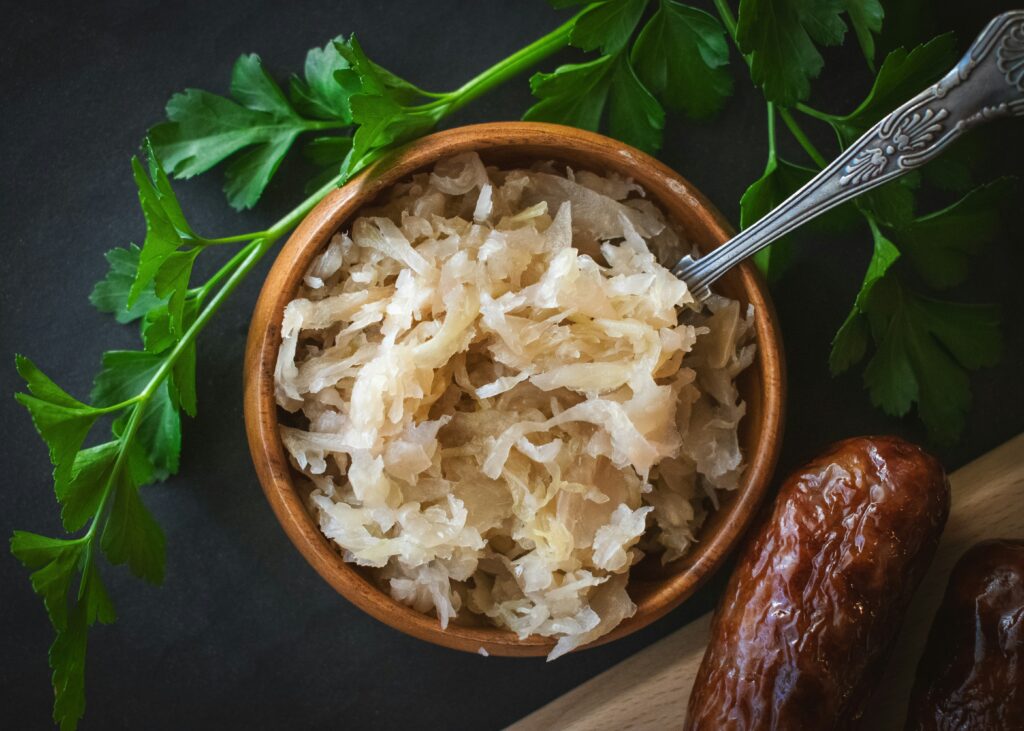
Fermented foods are like little probiotic powerhouses.
During fermentation, beneficial bacteria break down sugars and starches, creating compounds that support digestion and strengthen your immune system.
Here’s the cool part: about 70% of your immune cells live in your gut. When you feed it well, everything else starts working better too — your mood, your energy, even your skin.
I’ll be honest, I was skeptical about fermented foods at first. The smell, the taste, the whole “bacteria-filled” concept seemed weird. Then I tried kimchi on a whim, and something clicked.
Within a week of adding it to my meals, my digestion felt smoother than it had in years.
Plant Foods That Support Gut Health
1. Fermented Vegetables
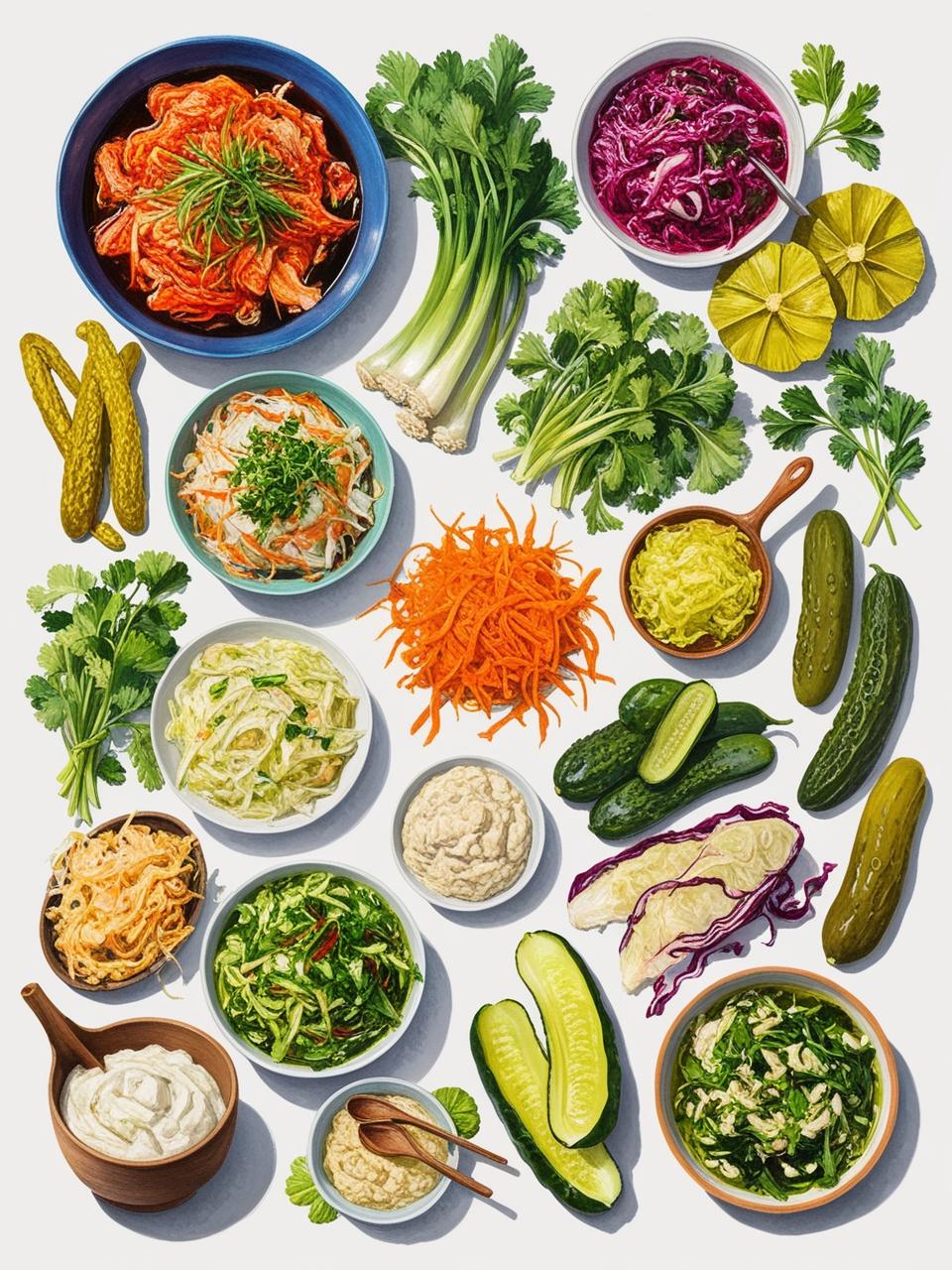
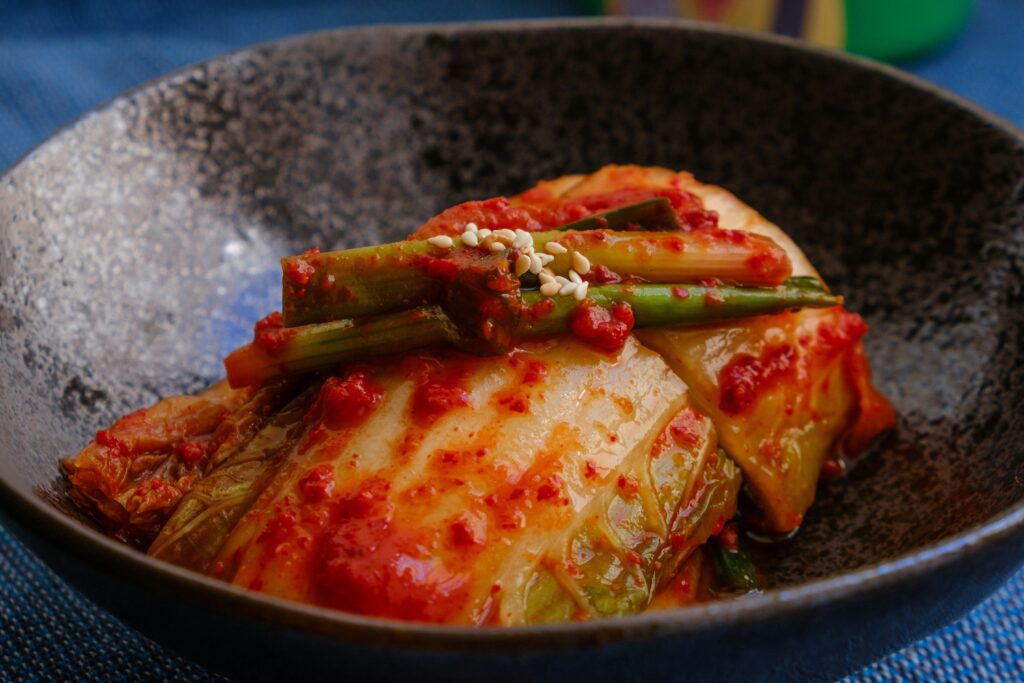
Sauerkraut, kimchi, and fermented pickles pack a serious probiotic punch. These aren’t your regular pickles from the grocery store shelf — you need the refrigerated kind with live cultures.
Start small if you’re new to this. A forkful or two with lunch is enough. Your gut needs time to adjust, especially if it’s been living on processed foods for a while.
I keep a jar of spicy kimchi in my fridge at all times now. It goes on everything — rice bowls, scrambled tofu, even mixed into soups. My gut literally thanks me after every meal.
2. Fiber-Rich Plant Foods
Your beneficial gut bacteria feed on fiber. Without it, they starve. Simple as that.
Focus on these fiber champions:
- Oats and whole grains
- Beans and lentils
- Berries and apples
- Leafy greens
- Sweet potatoes
The key is variety. Different fibers feed different bacteria, so mix it up throughout your week.
3. Tempeh and Miso
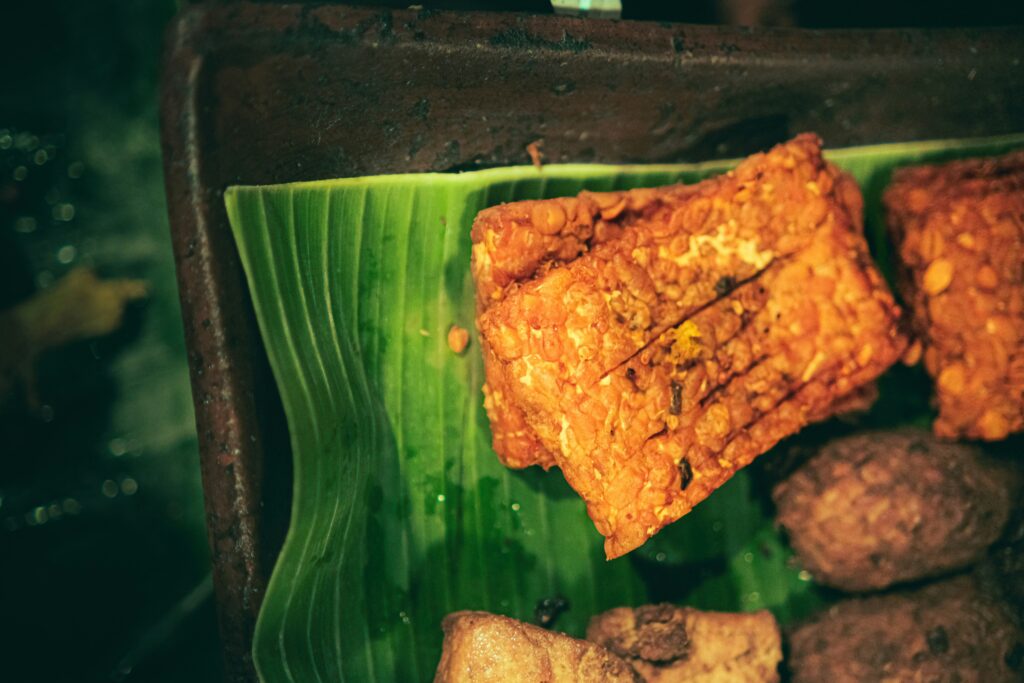
These fermented soy foods are gut-healing gold.
Tempeh works great as a protein source in stir-fries or grain bowls. Miso makes an incredible soup base or salad dressing ingredient.
Both are gentler on digestion than many other protein sources because the fermentation process breaks down compounds that can cause gas and bloating.
Build Your Plant-Based Blueprint for FREE Today!
4. Prebiotic Powerhouses
Prebiotics are the food that feeds your probiotics. Think of them as fertilizer for your gut garden.
Top prebiotic sources include:
- Garlic and onions
- Asparagus
- Bananas (slightly green ones are best)
- Oats
- Flaxseeds
I add ground flaxseeds to my morning oatmeal every single day. It’s become such a habit that my gut actually feels off when I skip it.
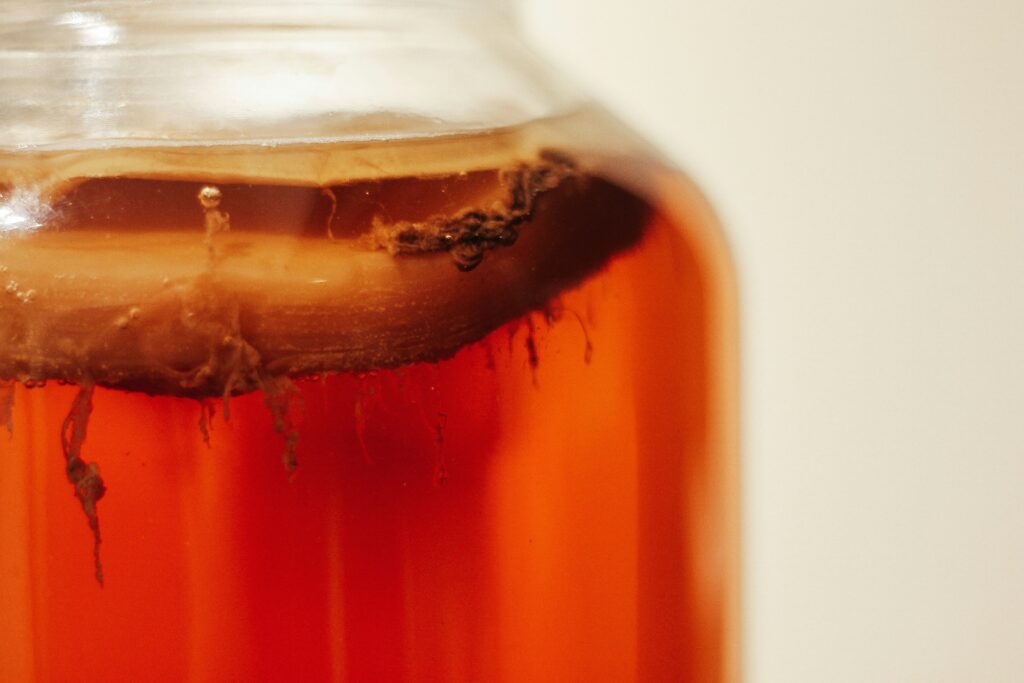
5. Kombucha and Other Fermented Drinks
Kombucha, water kefir, and even fermented beet juice deliver beneficial bacteria in drinkable form. Just watch the sugar content — some brands go overboard.
I drink kombucha when I want something fizzy instead of soda. It satisfies that carbonation craving while actually doing something good for my body.
How to Start Adding Gut-Healing Foods Without Overwhelm
Look, I get it. The idea of overhauling your entire eating pattern sounds exhausting. Don’t do that.
Start with one change. Maybe it’s adding sauerkraut to your lunch three times a week. Or swapping your afternoon snack for an apple with almond butter.
- Week 1-2: Add one fermented food to your routine. A spoonful of sauerkraut or kimchi with one meal daily works wonders.
- Week 3-4: Increase your fiber intake gradually. Sudden jumps in fiber can cause uncomfortable gas and bloating. Trust me on this one — I learned the hard way.
- Week 5+: Start experimenting with different fermented options. Try tempeh in a stir-fry, add miso to a soup, or sip some kombucha.
Your gut adapts as you go. Give it time to adjust, and don’t beat yourself up if you have setbacks. Healing isn’t linear.
What About Probiotic Supplements?
Here’s my honest take: whole foods beat supplements every time.
Fermented foods come with fiber, vitamins, minerals, and thousands of beneficial compounds that work together in ways we’re still discovering.
That said, if you’ve been on antibiotics or have severe digestive issues, a quality probiotic supplement might help jumpstart your healing.
Just don’t rely on pills when you could be eating real food.
I tried expensive probiotics for months before discovering fermented foods. The food worked better, cost less, and actually tasted good once I got used to it.
Common Mistakes That Slow Gut Healing

- Mistake #1: Going too hard, too fast. Your gut needs time to adjust to new foods, especially if it’s been damaged. Slow and steady wins this race.
- Mistake #2: Buying pasteurized fermented foods. The heat from pasteurization kills the beneficial bacteria. Always check labels for “live cultures” or “unpasteurized.”
- Mistake #3: Ignoring stress. Your gut and brain are connected through what scientists call the gut-brain axis. Chronic stress wrecks your digestion no matter how perfectly you eat.
- Mistake #4: Not drinking enough water. All that fiber needs water to do its job. Without adequate hydration, you’ll end up constipated and miserable.
Signs Your Gut is Healing

You’ll know things are improving when:
- Bloating decreases or disappears
- Bowel movements become regular and comfortable
- Energy levels stabilize throughout the day
- Skin clears up (gut health shows on your face)
- Food cravings shift toward nourishing options
- Brain fog lifts
For me, the biggest change was mental clarity. I didn’t realize how foggy my thinking had been until it cleared up. It was like someone turned the lights on in my brain.
Making Fermented Foods at Home
You don’t need fancy equipment to ferment vegetables. A jar, salt, water, and time are basically all you need for simple sauerkraut.
I started making my own fermented vegetables last year, and honestly, it’s become a fun weekend ritual. There’s something satisfying about creating food that’s actively improving your health.
Plus, homemade versions are way cheaper than store-bought options. A head of cabbage costs a couple bucks and turns into multiple jars of sauerkraut.
FAQs About Gut-Healing Foods
Q: How long does it take to heal your gut with food?
Most people notice improvements within 2-4 weeks of consistently eating gut-healing foods.
However, complete healing can take several months, especially if you’ve dealt with digestive issues for years.
Your gut lining replaces itself every few days, but rebuilding a diverse, healthy microbiome takes time. Be patient and stay consistent.
Q: Can you eat too much fermented food?
Yes, especially when you’re just starting out. Too much too soon can cause gas, bloating, and digestive discomfort. Start with a tablespoon or two daily and gradually increase.
Your gut will tell you when you’ve hit the right amount — you’ll feel good without any uncomfortable side effects.
Q: Do cooked fermented foods still have benefits?
Heating fermented foods kills the live bacteria, so you lose the probiotic benefits. However, you still get other nutritional benefits and compounds created during fermentation.
For maximum gut-healing power, eat fermented foods raw or add them to dishes after cooking, like topping a warm bowl with fresh kimchi.
📖 Good Reads: How Not to Die, The China Study and Plant-Based Nutrition

In Essence: Heal Your Gut Today
Healing your gut doesn’t require expensive supplements, complicated protocols, or perfect eating. It starts with adding more plant foods and fermented options to your plate, one meal at a time.
Your gut is incredibly resilient. When you give it the right tools — fiber, beneficial bacteria, and whole plant foods — it knows exactly what to do.
The bloating fades, the energy returns, and suddenly food becomes fuel instead of a source of stress.
Start small. Maybe grab a jar of sauerkraut this week and add it to your lunch. Or throw some oats and berries together for breakfast. These simple shifts add up faster than you think.
Remember, this isn’t about being perfect. It’s about progress. Your gut will thank you for every positive choice you make, even if it’s just one fermented forkful at a time.
You’ve got this. Your body wants to heal — you just need to give it what it needs.
⭐ What’s one gut-healing food you’re excited to try this week? Or if you’re already eating fermented foods, which one has become your favorite? Drop a comment below — I’d love to hear what’s working for you!