This post may contain affiliate links. If you purchase through these links, I may earn a small commission at no extra cost to you. This helps keep Pine+Mango running. Thank you for your support! Read our full disclosure here.
You’re tired again. That afternoon slump hits like clockwork, and you reach for another coffee or something sweet to keep going.
But what if I told you the real culprit isn’t your energy levels or your willpower—it’s something so simple you’ve probably been overlooking it your entire life?
Most of us are walking around chronically dehydrated and don’t even know it. We mistake thirst for hunger, fatigue for needing more caffeine, and headaches for stress.
I get it because I was there too! I used to power through my days, wondering why I felt foggy and exhausted, never connecting the dots to the fact that I barely drank any water.
Once I made hydration a non-negotiable habit, everything shifted. My energy stabilized, my skin cleared up, and those weird mid-afternoon cravings? They practically disappeared.
Let’s talk about why your body is probably begging for water right now—and how fixing this one thing can transform how you feel every single day.
Subscribe to Our Nourished Newsletter
Get free weekly guidance for your plant-based journey, straight to your inbox.
- The Shocking Truth About How Dehydrated You Actually Are
- How Dehydration Is Sabotaging Your Day (And You Don't Even Know It)
- Why Your Body Desperately Needs Water (Especially on a Plant-Based Path)
- How Much Water Do You Actually Need?
- Simple Ways to Drink More Water (That Actually Work)
- What About Other Drinks? Do They Count?
- The Energy-Cravings-Hydration Connection Nobody Talks About
- FAQs About How to Drink More Water
- In Essence: Small Changes, Big Results
- Subscribe to Our Nourished Newsletter
The Shocking Truth About How Dehydrated You Actually Are
Here’s what blew my mind: by the time you feel thirsty, you’re already dehydrated. Your body has been sending signals for a while, but we’ve gotten so disconnected from those cues that we miss them completely.
Your body is roughly 60% water. Your brain? About 75% water.
When you’re even slightly dehydrated—we’re talking just 1-2% of body water loss—your cognitive function drops, your physical performance suffers, and your body starts conserving resources like it’s preparing for a drought.
Think about it: every single cell in your body needs water to function. Blood needs it to carry nutrients and oxygen. Your kidneys need it to flush out waste. Your digestive system needs it to break down food and absorb nutrients.
Without adequate hydration, your body is literally working overtime just to survive.
How Dehydration Is Sabotaging Your Day (And You Don’t Even Know It)
Let me paint a picture of what chronic dehydration actually looks like in your daily life. These symptoms are so common that most people think they’re just “normal”:
- Energy crashes and constant fatigue. When you’re dehydrated, your blood volume decreases, which means your heart has to work harder to pump oxygen and nutrients to your cells. No wonder you feel exhausted!
- Persistent headaches. Dehydration causes your brain tissue to temporarily contract from fluid loss. It literally pulls away from your skull, triggering pain receptors. That dull ache that shows up every afternoon? Probably thirst.
- Digestive issues and constipation. Your colon needs water to move waste through efficiently. Without it, things slow down and get uncomfortable. I used to think I needed more fiber, but really? I just needed more water.
- Intense cravings for sugar and carbs. Here’s where it gets interesting: dehydration can trick your body into thinking it needs quick energy. Your liver needs water to release stored glucose, so when you’re low on fluids, your body screams for fast-acting sugars instead.
- Brain fog and poor concentration. That mental haziness that makes you read the same sentence three times? Dehydration reduces blood flow to the brain and affects neurotransmitter production.
- Dry skin and premature aging. Your skin is your largest organ, and it shows dehydration first. Fine lines, dullness, flakiness—all signs your body is pulling water from less critical areas to support vital functions.
- Dark yellow urine. This is your body’s clearest signal. Pale yellow or clear urine means you’re well-hydrated. Anything darker means your kidneys are concentrating waste because there’s not enough water to dilute it.
Why Your Body Desperately Needs Water (Especially on a Plant-Based Path)

When you’re adding more whole plant foods to your life, hydration becomes even more critical.
Here’s why: plants are packed with fiber, which is incredible for your gut health, blood sugar stability, and keeping you satisfied. But fiber needs water to do its job properly.
Think of fiber like a sponge moving through your digestive tract. It absorbs water and swells, which helps create bulk and move everything along smoothly. Without enough water, that fiber can actually cause constipation instead of relieving it.
I learned this the hard way when I first started eating more beans and whole grains!
Water also helps your body absorb all those amazing nutrients from fruits, vegetables, legumes, and whole grains. Vitamins, minerals, antioxidants—they all need a fluid medium to transport through your bloodstream and reach your cells.
Plus, when you’re well-hydrated, your body is better at regulating blood sugar and managing cravings. You’re less likely to confuse thirst with hunger, which means you can actually trust your body’s signals again.
That’s the freedom we’re after!
How Much Water Do You Actually Need?
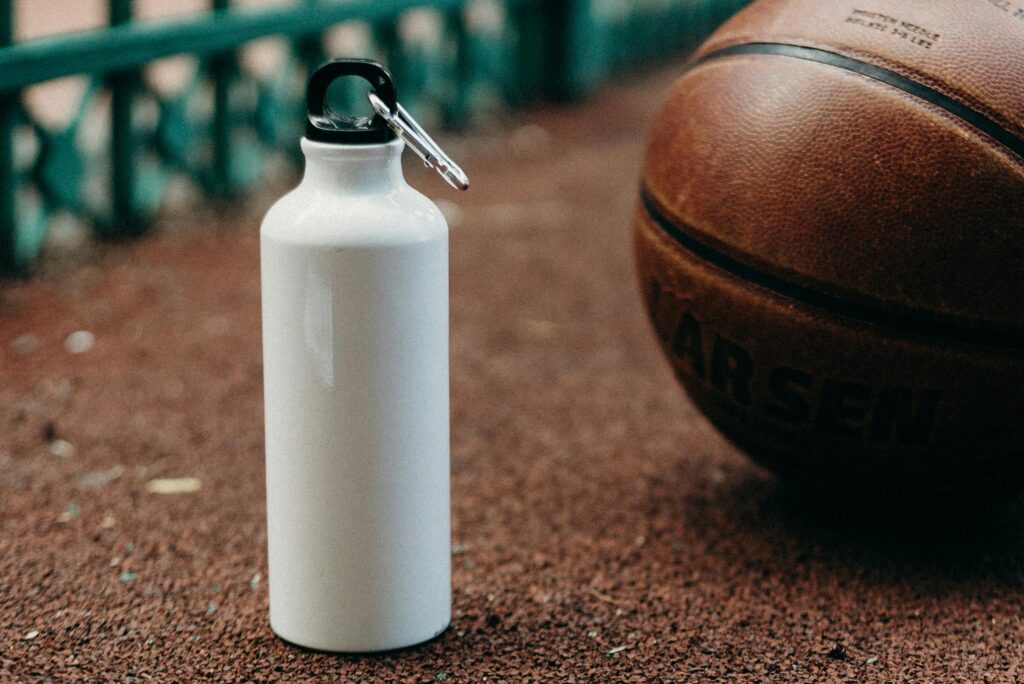
Forget the generic “eight glasses a day” rule. Your hydration needs depend on your size, activity level, climate, and what you’re eating.
A better guideline: aim for half your body weight in ounces. So if you weigh 150 pounds, that’s roughly 75 ounces of water per day. That’s about nine cups, give or take.
But here’s the nuance: if you’re eating lots of water-rich plant foods—cucumbers, watermelon, oranges, lettuce, zucchini, berries—you’re getting hydration from your food too.
A person eating mostly whole plant foods might need slightly less water than someone eating processed foods, which tend to be dehydrating.
Also consider these factors:
- Exercise: Add an extra 12-16 ounces for every 30 minutes of physical activity
- Hot weather: Increase your intake when you’re sweating more
- Pregnancy or breastfeeding: Your needs increase significantly
- Illness: Fever, vomiting, or diarrhea require extra fluids
- Caffeine and alcohol: Both are diuretics, meaning they make you pee more and lose fluids
The best indicator? Your urine. Aim for pale yellow, like lemonade. If it’s darker, drink more. If it’s completely clear all the time, you might actually be overdoing it (yes, that’s possible, though rare).
Build Your Plant-Based Blueprint for FREE Today!
Simple Ways to Drink More Water (That Actually Work)
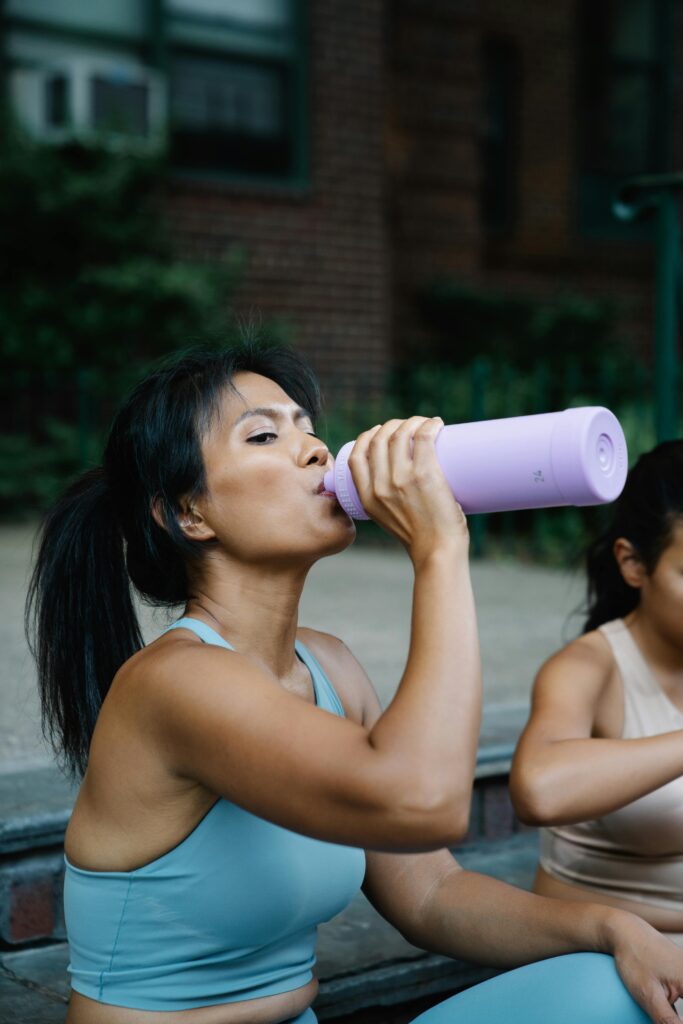
Here’s what worked for me, and I’m betting at least a few of these will resonate with you:
- Get a water bottle you actually like and keep it with you. This was game-changing for me. I invested in an water bottle that keeps water cold all day. It goes everywhere with me—my desk, the car, the couch. When it’s empty, I refill it immediately. That’s it. That’s the habit.
- Start your morning with water before anything else. Before coffee, before breakfast, drink 16 ounces of water. Your body has been fasting all night and needs hydration. This one practice sets the tone for the whole day.
- Set reminders on your phone. Sounds silly, but it works! Set hourly reminders to take a few sips until drinking water becomes automatic.
- Eat more water-rich foods. Watermelon, cucumbers, celery, oranges, strawberries, lettuce, zucchini, tomatoes—these foods are over 90% water and contribute significantly to your hydration.
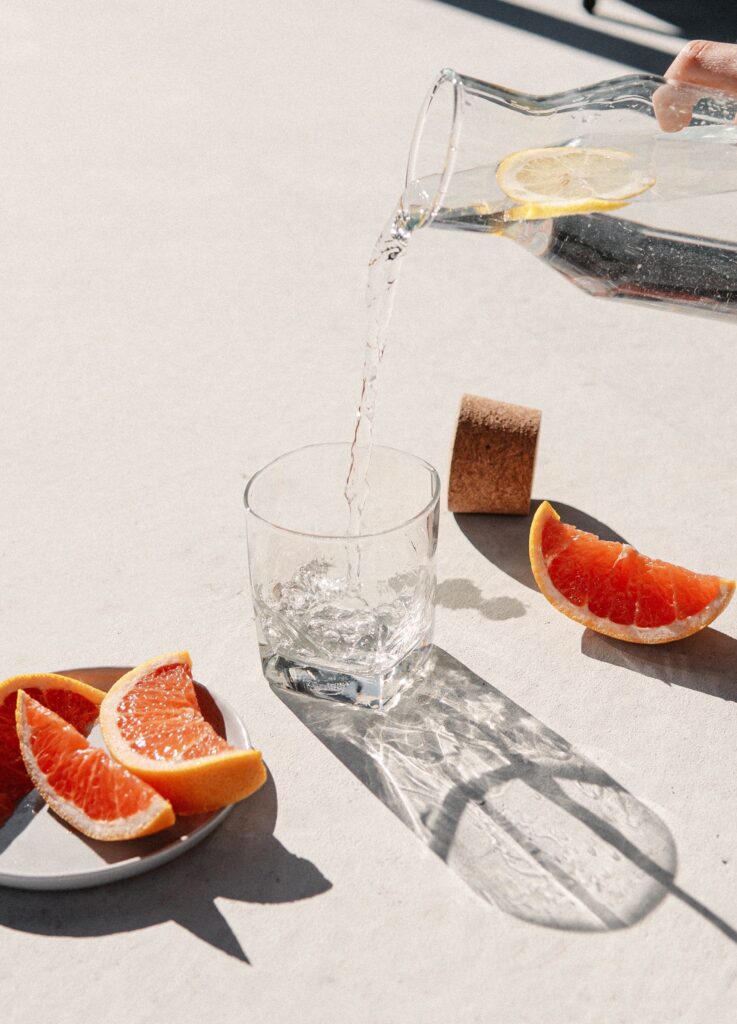
- Add natural flavor if plain water feels boring. Slice up some lemon, lime, cucumber, or berries. Throw in fresh mint or basil. Make it appealing! There’s no rule that says water has to be plain and room temperature.
- Track it for a week. Just to build awareness, mark down every glass you drink. You’ll probably be surprised at how little you’re actually consuming. Awareness creates change.
- Drink a glass before each meal. This helps with hydration and digestion, plus it helps you tune into your actual hunger signals.
- Replace one caffeinated drink with water. If you’re a multiple-coffee-per-day person, swap one for water. You’ll notice a difference.
What About Other Drinks? Do They Count?

Short answer: some yes, some no, and some actually make things worse.
- Herbal teas count. They’re basically flavored water with bonus antioxidants. Great choice!
- Coffee and caffeinated tea partially count. Yes, they contain water, but caffeine is a mild diuretic. You’ll still get some hydration, but not as much as you’d think. Don’t rely on these as your primary fluid source.
- Fresh fruit juice in moderation is fine. But watch the quantity—juice lacks fiber and concentrates natural sugars. Eating whole fruit gives you hydration plus fiber.
- Soda, energy drinks, and sweetened beverages? Nope. These are loaded with sugar or artificial sweeteners, which can actually dehydrate you and spike your blood sugar. They’re working against you, not for you.
- Alcohol is actively dehydrating. For every alcoholic drink, try to match it with a glass of water. Your future self will thank you.
The gold standard is always plain water. Everything else is supplementary.
The Energy-Cravings-Hydration Connection Nobody Talks About
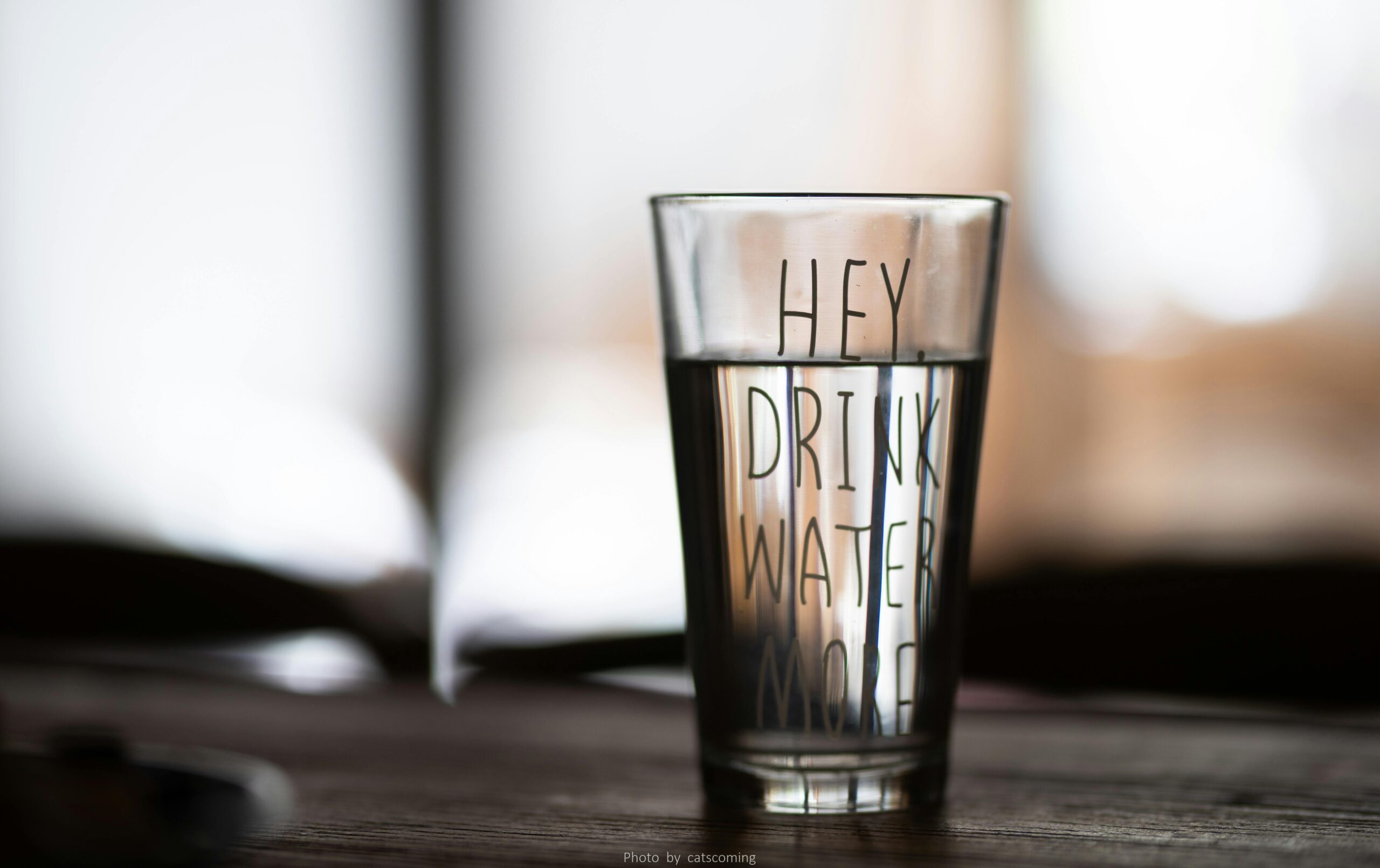
This is where things get really interesting. When I finally made the connection between my water intake and my energy levels, it was like someone turned the lights on.
Dehydration slows down your metabolism. Your body literally conserves energy when it senses a water shortage. You feel sluggish, you move less, you burn fewer calories. It’s a survival mechanism.
But here’s the kicker: dehydration also messes with your hunger hormones. When you’re low on fluids, your body can misinterpret the signals. The hypothalamus in your brain controls both hunger and thirst, and sometimes the wires get crossed.
You think you’re hungry when you’re actually just thirsty.
I can’t tell you how many times I used to stand in front of the fridge at 3 PM, searching for something to satisfy a craving, when all I really needed was a big glass of water.
Now when cravings hit, water is my first response. If I’m still hungry after 15 minutes, then I eat something nourishing. But half the time? The craving disappears.
Proper hydration also stabilizes your blood sugar by helping your kidneys flush out excess glucose through urine. This means fewer energy spikes and crashes throughout the day.
You feel more even-keeled, more balanced, more like yourself.
FAQs About How to Drink More Water
Q: Can you drink too much water?
Yes, but it’s rare. Water intoxication (hyponatremia) happens when you drink so much water that it dilutes the sodium in your blood to dangerous levels.
This typically only occurs in extreme situations—endurance athletes drinking excessive amounts without replacing electrolytes, or people with certain medical conditions.
For the average person eating a normal amount of food, drinking too much water isn’t a realistic concern. Listen to your body and drink when thirsty.
Q: Does the temperature of water matter?
Not really, though cold water may be absorbed slightly faster and can temporarily boost metabolism as your body works to warm it up. The most important thing is that you actually drink it!
If you prefer room temperature or warm water, that’s perfectly fine. Some people find cold water uncomfortable for their digestion. Do what works for you.
Q: What if I don’t like the taste of water?
First, check your water source—sometimes tap water has mineral or chemical tastes that are off-putting.
Try filtered water or add natural flavoring like lemon, cucumber, or berries. Herbal tea (hot or iced) is also great.
The goal is hydration, so find a form of water you’ll actually consume. Over time, as your body becomes properly hydrated, you might find you start craving plain water naturally!
📖 Good Reads: How Not to Die, The China Study and Plant-Based Nutrition
In Essence: Small Changes, Big Results
Listen, I know it sounds almost too simple to be true. Drink more water and feel better?
But I’m telling you, this one habit has been foundational to everything else that’s changed for me.
When your body is properly hydrated, it can finally do all the things it’s been trying to do—digest your food efficiently, absorb nutrients, regulate your temperature, flush out toxins, carry oxygen to your cells, and send you clear signals about what it actually needs.
You’re not fighting against your body anymore. You’re supporting it.
Start small. Get that water bottle. Keep it full. Drink it throughout the day. Notice how you feel after a week of consistent hydration. Notice your energy, your skin, your digestion, your cravings.
The proof is in how your body responds.
This isn’t about perfection or following rigid rules. Some days you’ll drink more, some days less. The goal is consistency and awareness.
Your body is resilient and forgiving, and it’s ready to thrive when you give it what it needs.
So here’s your assignment: drink a glass of water right now. Then keep that bottle within arm’s reach tomorrow. That’s it. That’s where transformation begins—one simple, compassionate action at a time.
⭐ Lets talk: What’s your biggest struggle with staying hydrated? Do you forget, dislike the taste, or just not feel thirsty? Let’s figure this out together in the comments.