This post may contain affiliate links. If you purchase through these links, I may earn a small commission at no extra cost to you. This helps keep Pine+Mango running. Thank you for your support! Read our full disclosure here.
Ever stood in the produce aisle, staring at two bundles of kale — one organic, one conventional — feeling like you’re making some kind of life-or-death decision?
Yeah, me too. And if you’re trying to eat more plants but getting hung up on whether they need to be organic, you’re definitely not alone.
The organic vs. conventional debate can feel overwhelming, especially when you’re already working hard to add more fruits and vegetables to your plate.
Here’s what I’ve learned: you don’t need to buy organic produce for everything.
There’s a smart, practical way to navigate this without breaking the bank or losing your mind. Let me walk you through it.
Subscribe to Our Nourished Newsletter
Get free weekly guidance for your plant-based journey, straight to your inbox.
- What Does Organic Really Mean?
- The Dirty Dozen: Your Shopping Shortcut
- When You Don't Need to Buy Organic Produce
- Why Pesticide Exposure Matters (But Don't Panic)
- Practical Tips for Buying Organic Produce on a Budget
- When Budget Beats Organic Every Time
- Beyond Pesticides: Other Reasons to Buy Organic Produce
- FAQs About Organic Produce
- In Essence: Keep It Simple
- Subscribe to Our Nourished Newsletter
What Does Organic Really Mean?
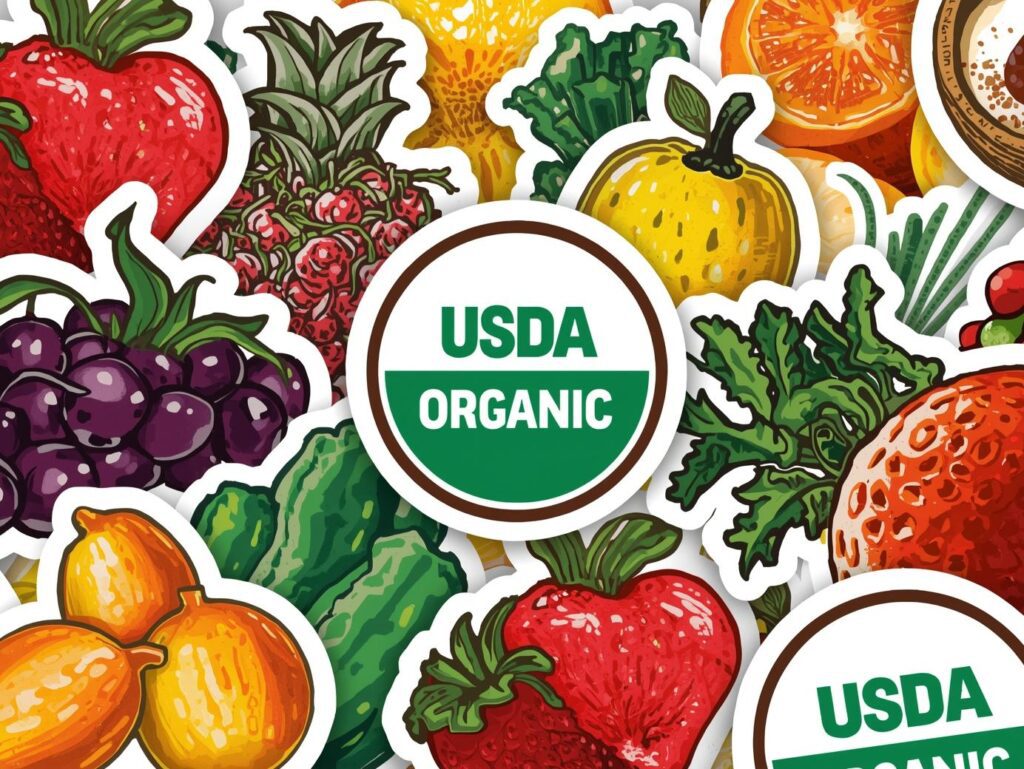
Before we dive into which foods to buy organic produce for, let’s clear up what that little green USDA Organic sticker actually means.
Organic produce is grown without synthetic pesticides, synthetic fertilizers, or genetically modified organisms (GMOs). Farmers use natural methods like crop rotation, compost, and biological pest control instead.
Sounds pretty good, right?
But here’s the thing: conventional produce isn’t necessarily dangerous. All fruits and vegetables — organic or not — must meet strict safety standards set by the EPA and FDA.
Conventional farmers can use synthetic pesticides, but only approved ones, and in regulated amounts.
The real question isn’t “Is conventional produce safe?” It’s more like “When does it make sense to buy organic produce?”
The Dirty Dozen: Your Shopping Shortcut
This is where things get super practical. Every year, the Environmental Working Group (EWG) releases two lists that make deciding when to buy organic produce way easier: the Dirty Dozen and the Clean Fifteen.
The Dirty Dozen lists the twelve fruits and vegetables with the highest pesticide residues when grown conventionally. These are the ones worth prioritizing when you buy organic produce if your budget allows it.
The Clean Fifteen highlights produce with the lowest pesticide residues. You can feel totally fine buying these conventional.
When You Should Buy Organic Produce
Here are the fruits and vegetables that tend to have the most pesticide residues:
- Strawberries
- Spinach
- Kale, collard greens, and mustard greens
- Peaches
- Pears
- Nectarines
- Apples
- Grapes
- Potatoes
- Bell peppers and hot peppers
- Cherries
- Blueberries
- Blackberries
- Green beans
Notice a pattern? Most of these have thin skins or no peel at all. You’re eating the outer surface where pesticides sit, so choosing organic versions can significantly reduce your exposure.
I used to buy organic produce for everything because I thought I had to. Then I learned about this list and realized I could be strategic instead of stressed.
Now I prioritize buying organic strawberries and spinach (because I eat them constantly), but I don’t worry as much about other items.
When You Don’t Need to Buy Organic Produce

These foods consistently show low pesticide residues, even when grown conventionally:
- Avocados
- Sweet corn
- Pineapple
- Onions
- Papaya
- Sweet peas (frozen)
- Asparagus
- Cauliflower
- Kiwi
- Cabbage
- Watermelon
- Mushrooms
- Mangoes
- Bananas
- Carrots
Most of these have thick skins or peels that you remove before eating. That protective layer acts as a natural barrier against pesticides. Your money is better spent elsewhere when it comes to these foods.
Build Your Plant-Based Blueprint for FREE Today!
Why Pesticide Exposure Matters (But Don’t Panic)
Let me be straight with you: eating conventional produce is still way better than not eating produce at all.
Studies consistently show that people who eat more fruits and vegetables have lower risks of heart disease, certain cancers, and chronic illness — regardless of whether those plants are organic or conventional.
The benefits of eating plants far outweigh the potential risks from pesticide residues.That said, reducing pesticide exposure when you can is a reasonable goal, especially for kids, pregnant folks, or anyone eating large amounts of certain produce.
Some research suggests that chronic exposure to multiple pesticides might affect hormone function, brain development, and overall health.
The key word is “chronic.” We’re talking about long-term, repeated exposure. Eating conventional strawberries once isn’t going to hurt you. But if you’re blending them into smoothies every single morning, choosing to buy organic produce might be worth considering.
Practical Tips for Buying Organic Produce on a Budget
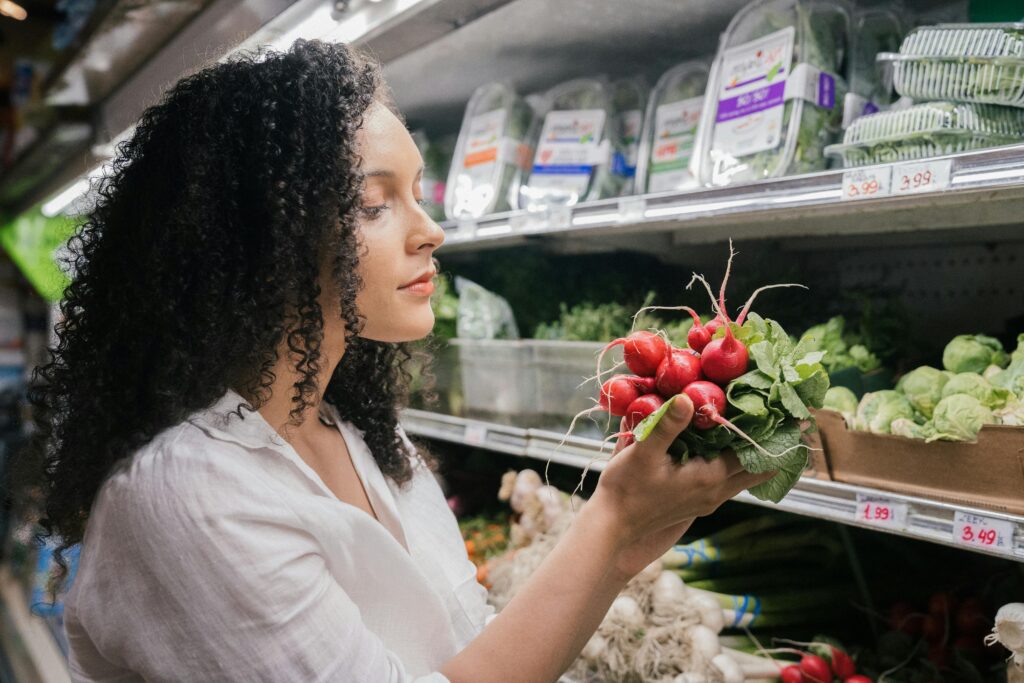
Here’s how I actually handle this in my everyday shopping:
- Prioritize what you eat most often. I buy organic produce like strawberries, spinach, and apples because I eat them almost daily. But I don’t stress about organic bananas or avocados because I eat them less frequently and they’re on the Clean Fifteen anyway.
- Buy what fits your budget. Some weeks I can swing organic; other weeks I can’t. When money’s tight, I still load up on conventional produce without guilt. Remember: eating plants is the goal, organic or not.
- Wash everything thoroughly. Running produce under water and scrubbing when appropriate removes dirt, bacteria, and some pesticide residues. It won’t eliminate everything, but it helps.
- Consider frozen organic options. Frozen organic berries and greens are often cheaper than fresh organic versions and just as nutritious. I keep bags of frozen organic spinach and blueberries in my freezer for smoothies.
- Shop seasonally and locally. Farmers markets sometimes offer organic or low-spray produce at better prices than grocery stores. Plus, you can ask farmers directly about their growing practices.
Smart Shopping Strategy
Create your own personalized list based on what you actually eat. Mine looks like this:
- Always buy organic produce: strawberries, spinach, apples (I eat these almost daily)
- Sometimes buy organic produce: grapes, bell peppers (I eat these weekly)
- Never worry about organic: avocados, bananas, onions, sweet potatoes (Clean Fifteen items I eat regularly)
This approach saves me money while still reducing my pesticide exposure where it matters most.
When Budget Beats Organic Every Time
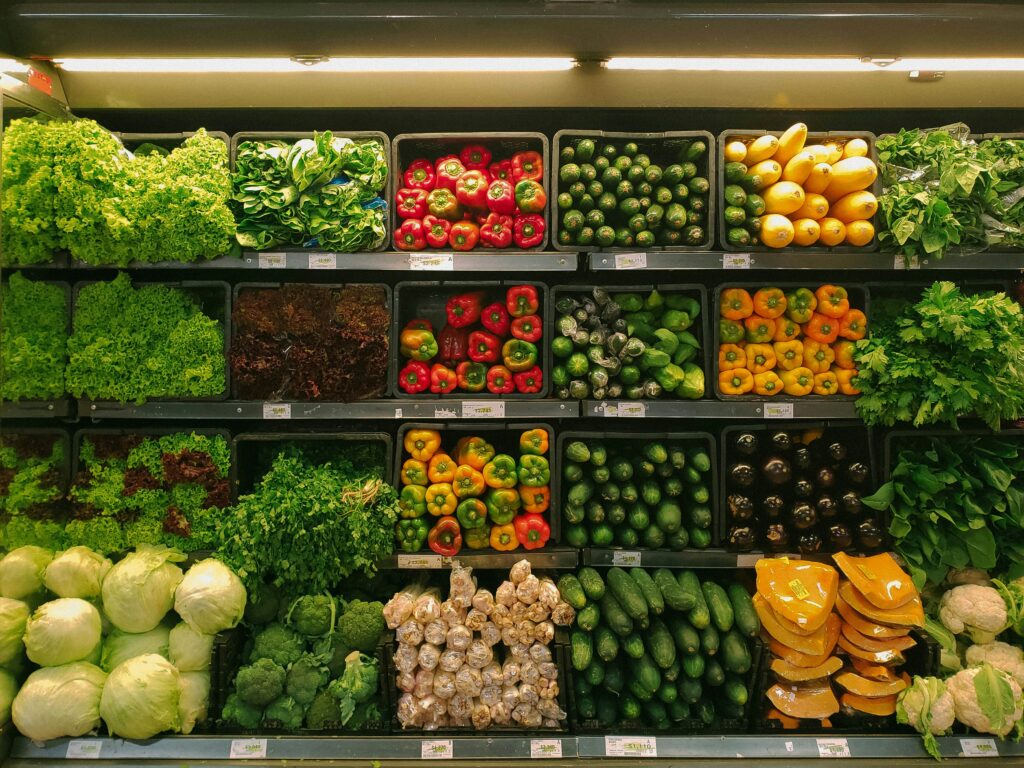
Let’s get real: if you can’t afford to buy organic produce, that doesn’t mean you should eat less fruits and vegetables. Hands down, buy conventional.
The health benefits of eating a variety of colorful plants — even conventional ones — will always outweigh the small risks from pesticide residues. Your body needs those vitamins, minerals, fiber, and antioxidants more than it needs a perfect organic label.
I’ve talked to so many people who got stuck in analysis paralysis about organic versus conventional and ended up eating fewer plants because of it. That’s the opposite of what we want!
The goal is abundance, remember? More plants, more variety, more nourishment.
If your budget allows you to buy organic produce for some items, use the Dirty Dozen as your guide. If it doesn’t, wash your produce well and feel good about nourishing your body with plants.
Beyond Pesticides: Other Reasons to Buy Organic Produce
While pesticide residues get most of the attention, some people choose to buy organic produce for other reasons too.
Environmental impact: Organic farming practices typically use less synthetic chemicals, which can be better for soil health, water quality, and biodiversity. If environmental sustainability matters to you, organic might align with your values.
Supporting farming practices: Some folks want to support farmers who use natural methods and prioritize soil regeneration. That’s a totally valid reason to buy organic produce when you can.
Taste: This one’s subjective, but some people swear organic produce tastes better. I honestly can’t tell much difference most of the time, but taste is personal.
FAQs About Organic Produce
Q: Is organic produce more nutritious than conventional?
The nutritional difference between organic and conventional produce is actually pretty small. Some studies show slightly higher levels of certain antioxidants in organic produce, but the difference isn’t dramatic enough to stress about.
Both organic and conventional fruits and vegetables provide the vitamins, minerals, fiber, and plant compounds your body needs. Focus on eating a variety of colorful plants rather than worrying whether they’re organic.
Q: Do I need to buy organic produce if I’m peeling it?
Generally, no. Foods with thick, inedible peels or skins that you remove — like bananas, avocados, oranges, and pineapples — naturally have lower pesticide residues in the part you eat. That’s why most of them appear on the Clean Fifteen list.
You can feel confident buying these conventional and saving your money for organic versions of thin-skinned produce like berries and leafy greens.
Q: Does washing produce remove all pesticides?
Washing removes some pesticide residues along with dirt and bacteria, but not all of them. Some pesticides are absorbed into the plant tissue during growth.
Running produce under water and scrubbing when appropriate definitely helps reduce surface residues, though. Use a produce brush for firm items like apples and potatoes, and rinse delicate items like berries gently.
Skip the fancy produce washes — plain water works just fine.
📖 Good Reads: How Not to Die, The China Study and Plant-Based Nutrition

In Essence: Keep It Simple
The question of whether to buy organic produce doesn’t have to be another source of stress on your plant-based journey. Armed with the Dirty Dozen and Clean Fifteen lists, you can make informed decisions that work for your budget and your body.
Remember: the most important thing is eating plants consistently. Whether they’re organic or conventional matters far less than whether they’re on your plate at all.
Use these guidelines as a helpful tool, not another rigid rule to follow perfectly.
Start where you are. Maybe that means buying organic strawberries but conventional bananas. Maybe it means buying everything conventional right now and that’s okay.
Trust yourself to make the best choices for your situation, and celebrate every single plant you add to your meals.
Your body will thank you for the nourishment, regardless of which sticker is on the produce.
⭐ Do you buy organic produce for certain items, or does your budget keep you buying conventional for everything? What’s been your biggest question about making these choices? Drop a comment and let’s help each other navigate this together!