This post may contain affiliate links. If you purchase through these links, I may earn a small commission at no extra cost to you. This helps keep Pine+Mango running. Thank you for your support! Read our full disclosure here.
Ever stand in the tea aisle feeling completely overwhelmed by the hundreds of boxes staring back at you?
I get it. When I first wanted to move beyond regular coffee and explore herbal teas, I had no clue where to start.
Chamomile? Peppermint? Something called rooibos?
Here’s what I wish someone had told me back then: herbal tea is one of the simplest, most gentle ways to start taking better care of your body.
No fancy equipment needed. No complicated recipes. Just hot water and plants that have been healing people for thousands of years.
And honestly? That morning routine I have now — sitting on my porch with a warm mug of herbal tea — has become one of my favorite parts of the day.
It’s my quiet moment before the world gets loud.
Let’s walk through everything you need to know to start your own tea journey, minus the confusion and overwhelm.
Subscribe to Our Nourished Newsletter
Get free weekly guidance for your plant-based journey, straight to your inbox.
- What Actually Is Herbal Tea?
- Why Easy Herbal Teas Deserve a Spot in Your Life
- The Easiest Herbal Teas to Start With
- What About Green Tea?
- How to Actually Make Herbal Tea (It's Easier Than You Think)
- Tips for Making Your Tea Journey Easier
- Common Mistakes to Avoid
- FAQs About Easy Herbal Teas
- In Essence: Sip Your Way to Wellness
- Subscribe to Our Nourished Newsletter
What Actually Is Herbal Tea?
Here’s something that surprised me: most herbal teas aren’t technically “tea” at all.
Real tea comes from the Camellia sinensis plant — that’s your black tea, green tea, white tea, and oolong.
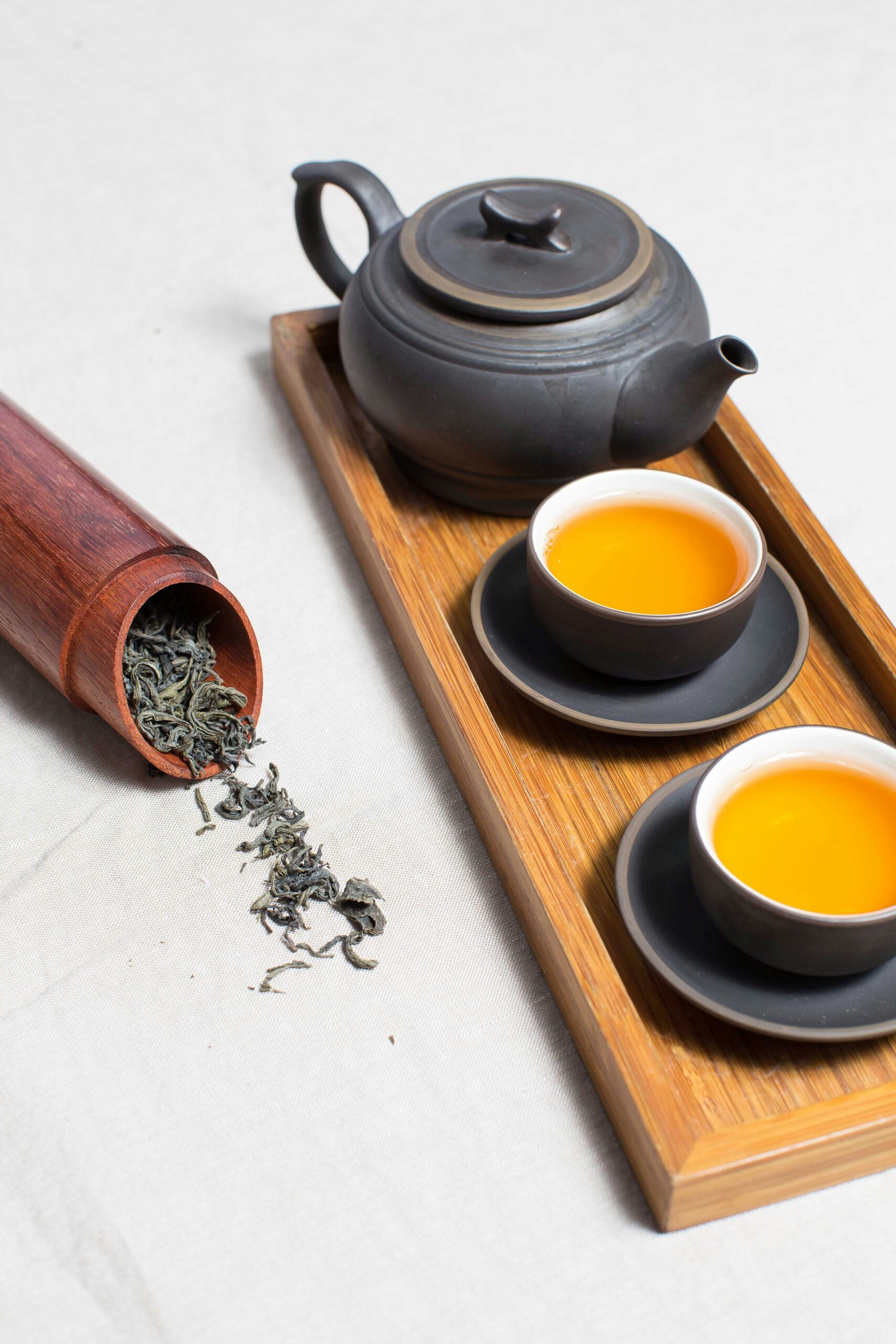
Herbal teas are actually called tisanes, and they’re made from dried flowers, leaves, roots, seeds, or bark from various plants.
But let’s be real — everyone calls them herbal teas, so that’s what we’ll stick with here.
The beautiful thing about herbal teas is their variety. Each plant brings different benefits, flavors, and healing properties.
Some calm you down. Others wake you up. Some support digestion, while others help with sleep. There’s truly something for everyone.
Why Easy Herbal Teas Deserve a Spot in Your Life
When I started drinking herbal tea regularly, I noticed changes I wasn’t expecting.
My afternoon energy crashes mellowed out. My digestion improved.
And I finally had a healthy evening ritual that didn’t involve mindlessly snacking.
The Real Benefits That Actually Matter
- Hydration without the fuss. Most of us walk around slightly dehydrated all day. Herbal tea makes drinking water feel like a treat instead of a chore. You’re getting hydration plus beneficial plant compounds in every sip.
- Natural support for your body’s systems. Different herbs support different things. Ginger helps with nausea and inflammation. Chamomile calms your nervous system. Hibiscus may help maintain healthy blood pressure. Peppermint soothes digestive discomfort.
- A break from stimulants. If you’re trying to cut back on caffeine but still want something warm and comforting, herbal tea is your friend. Most herbal teas are naturally caffeine-free, so you can enjoy them any time without worrying about staying up all night.
- Antioxidants galore. Plants are packed with antioxidants that help protect your cells from damage. When you drink herbal tea, you’re giving your body these protective compounds in an easy, absorbable form.
- A ritual that grounds you. This might sound soft, but it matters. Taking five minutes to make and sip tea creates a pause in your day. It’s a moment to breathe, to check in with yourself, to slow down. We need more of that.
The Easiest Herbal Teas to Start With
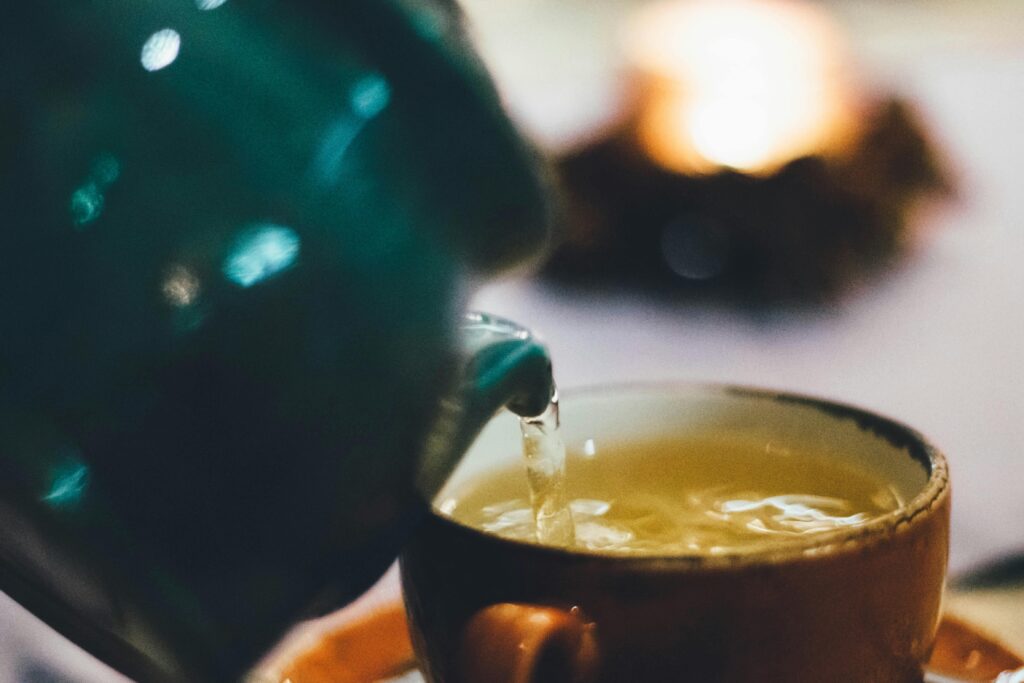
Let me save you some trial and error.
These are the easy herbal teas I recommend starting with because they’re simple to find, gentle on your system, and actually taste good.
1. Chamomile
This is probably the most well-known herbal tea, and for good reason.
Chamomile has a mild, slightly sweet, apple-like flavor that most people enjoy right away.
Best time to drink: Evening, especially if you struggle with sleep or evening anxiety.
★ What it does: Chamomile is famous for promoting relaxation and better sleep. It contains apigenin, a compound that binds to certain receptors in your brain that help decrease anxiety and initiate sleep. I drink chamomile about an hour before bed, and it genuinely helps me unwind.
2. Peppermint
If you want something refreshing and invigorating, peppermint is your go-to.
The flavor is clean, cool, and familiar — like drinking a breath mint, but in the best way possible.
Best time to drink: After meals to support digestion, or anytime you need a little pick-me-up.
★ What it does: Peppermint is excellent for digestive issues. It can help relieve bloating, gas, and indigestion. The menthol in peppermint also helps open up your airways, which is why it feels so refreshing.
3. Ginger
Ginger tea has a spicy, warming kick that I absolutely love on cold mornings or when my stomach feels off.
Best time to drink: Morning or after meals, especially if you’re feeling queasy.
★ What it does: Ginger is a powerful anti-inflammatory and can help with nausea, motion sickness, and digestive discomfort. Studies show ginger can be as effective as some medications for reducing nausea during pregnancy or after surgery.
4. Rooibos (Red Tea)
Rooibos comes from South Africa and has a naturally sweet, nutty flavor. It’s become one of my favorites because it’s so smooth and comforting.
Best time to drink: Anytime! It’s caffeine-free and gentle enough for all day.
★ What it does: Rooibos is loaded with antioxidants and has anti-inflammatory properties. It’s also been shown to support heart health and may help improve bone health due to its mineral content.
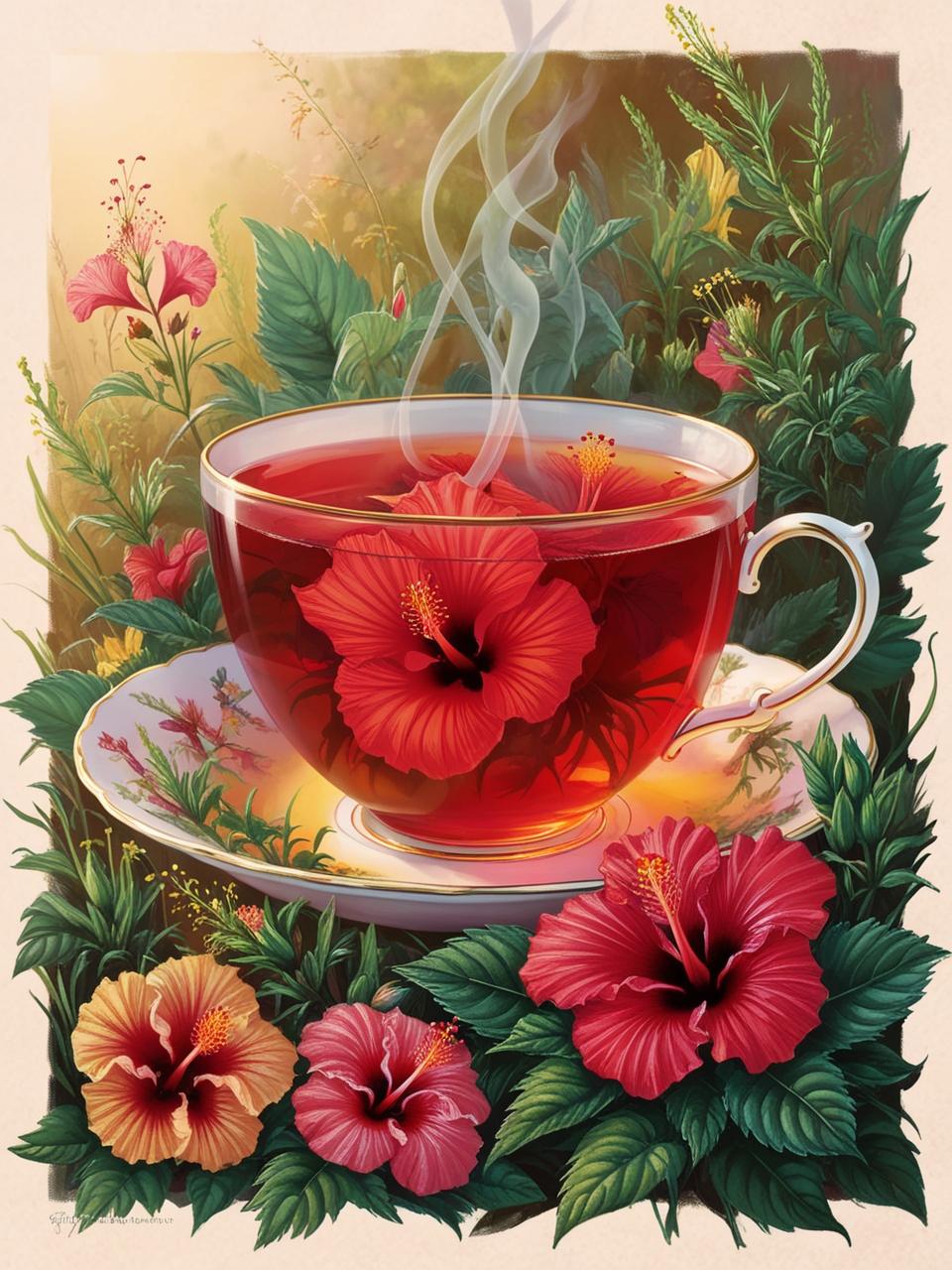
5. Hibiscus
Hibiscus tea is tart and fruity, like cranberry juice but less intense. It makes a beautiful ruby-red color that’s almost too pretty to drink.
Best time to drink: Afternoon or iced in summer. It’s refreshing and energizing without caffeine.
★ What it does: Hibiscus is rich in vitamin C and antioxidants. Research suggests it may help lower blood pressure and support liver health. The tartness comes from natural organic acids that give it that characteristic tangy flavor.
What About Green Tea?
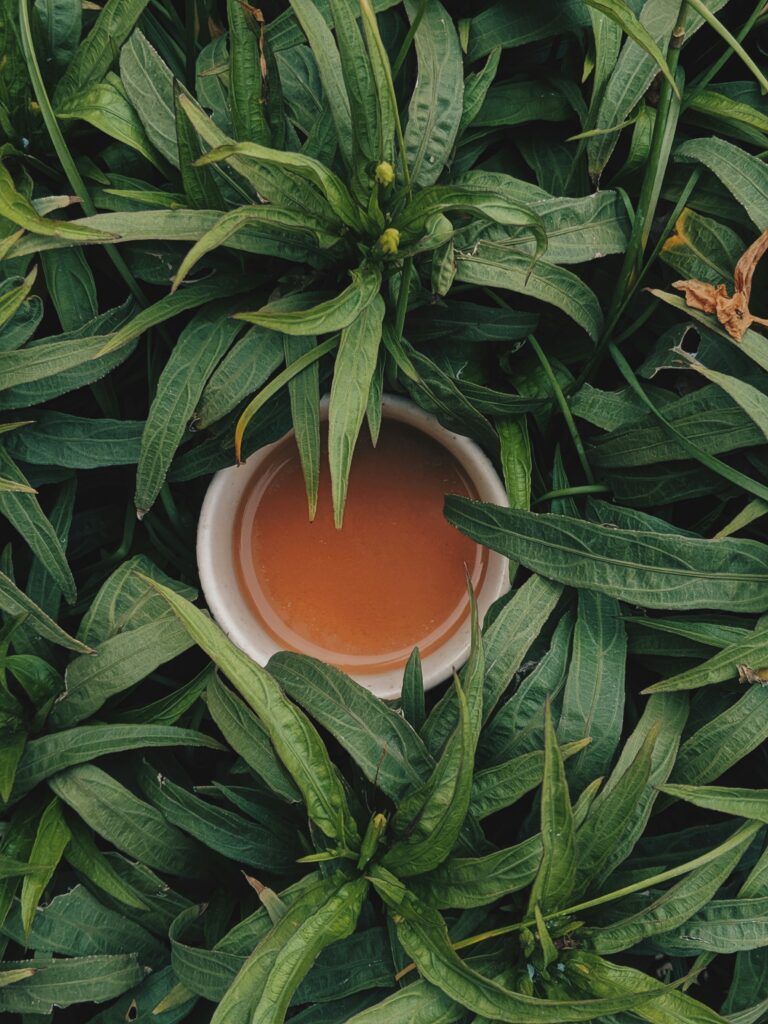
Now, green tea technically isn’t an herbal tea because it comes from the Camellia sinensis plant. But it’s so popular and beneficial that we need to talk about it.
Green tea does contain caffeine — about 25-50 mg per cup, compared to coffee’s 95 mg. So it gives you a gentle energy boost without the jitters or crash that coffee sometimes brings.
Why Green Tea Is Worth Your Attention
- Packed with antioxidants. Green tea contains powerful antioxidants called catechins, particularly EGCG (epigallocatechin gallate), which has been studied extensively for its health benefits.
- May support metabolism. Some research suggests green tea can slightly boost your metabolic rate and support fat burning, though the effect is modest. Don’t expect miracles, but it’s a nice bonus.
- Brain benefits. The combination of caffeine and L-theanine (an amino acid in green tea) can improve brain function, increase focus, and promote a calm alertness. It’s like coffee’s gentler, wiser cousin.
- Heart health support. Regular green tea consumption has been linked to lower risk of heart disease and stroke in multiple studies.
How to Make Green Tea Taste Good
Here’s where beginners often mess up: they use boiling water and steep it too long, which makes green tea taste bitter and unpleasant.
The trick is using water that’s around 160-180°F (not boiling) and steeping for only 2-3 minutes.
This gives you all the benefits with a smooth, slightly grassy flavor that’s actually enjoyable.
If you still find it too bitter, try adding a bit of honey or lemon. No shame in that game.
Build Your Plant-Based Blueprint for FREE Today!
How to Actually Make Herbal Tea (It’s Easier Than You Think)
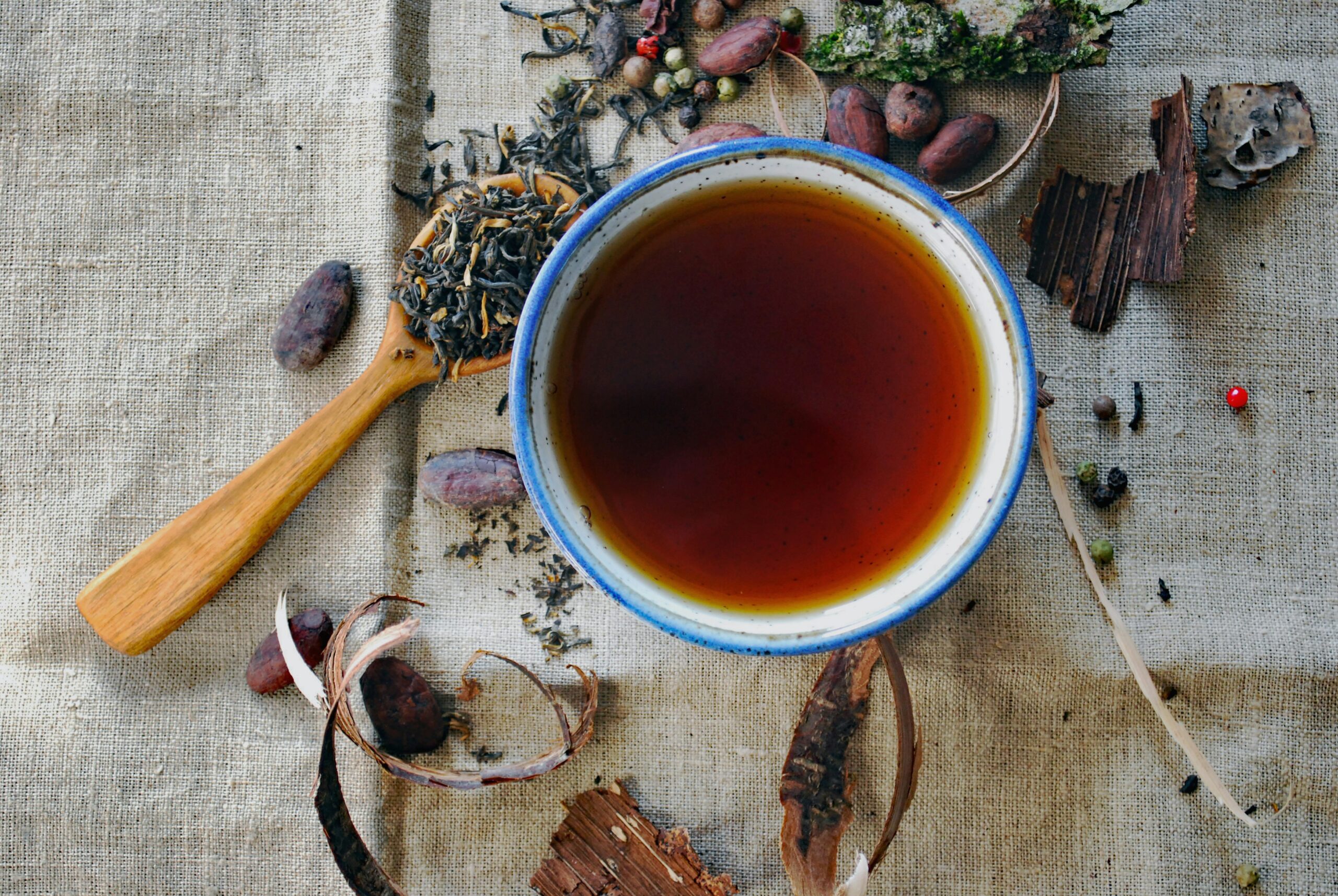
I’m going to be honest with you — I still mostly use preblended tea bags from the store. They’re convenient, consistent, and there’s zero shame in that.
This isn’t about being fancy or perfect. It’s about getting plants into your body in a way that fits your life.
The Simple Method (Tea Bags)
- Boil water (for most herbal teas, fully boiling is fine; for green tea, let it cool slightly)
- Pour over your tea bag in a mug
- Steep for 5-7 minutes for herbal teas, 2-3 minutes for green tea
- Remove the bag, add honey or lemon if you want, and enjoy
That’s it. Seriously.
The Slightly Fancier Method (Loose Leaf)
If you want to explore loose leaf teas, you’ll need a tea infuser or strainer. The process is basically the same:
- Use about 1 teaspoon of loose tea per cup
- Add hot water
- Steep for the recommended time
- Strain and enjoy
Loose leaf teas often have more complex flavors and you can see the actual plant material, which some people find satisfying. But again, tea bags work perfectly fine.
Tips for Making Your Tea Journey Easier
- Start with one tea at a time. Don’t buy seven different boxes right away. Pick one that sounds appealing, try it for a week, and see how your body responds.
- Pay attention to timing. Some teas energize you (like green tea or ginger), while others relax you (like chamomile). Match your tea to what your body needs at that moment.
- Don’t force it. If you try a tea and hate it, move on. There are so many options that you’ll definitely find ones you love.
- Make it a ritual. I take my tea to the porch every morning. You might prefer your favorite chair or a sunny spot in your kitchen. Create a little moment for yourself.
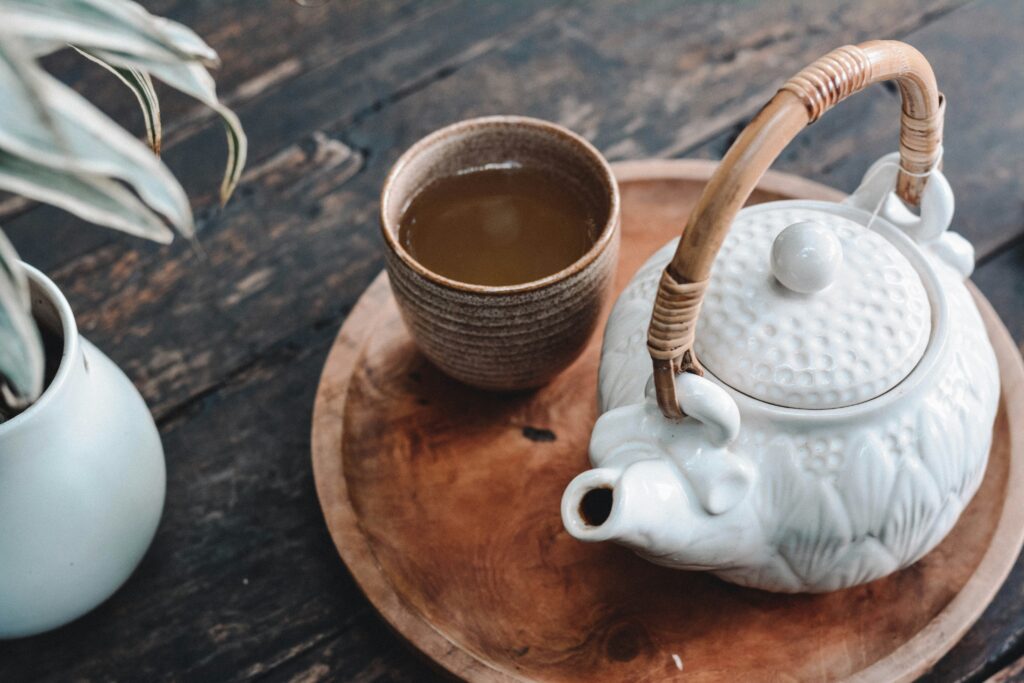
- Keep it simple. You don’t need special teapots or expensive equipment. A mug and hot water are enough.
Common Mistakes to Avoid
#1: Drinking the wrong tea at the wrong time.
This was my biggest rookie mistake! I’d drink ginger tea right before bed and wonder why I couldn’t sleep. Or chamomile in the morning and feel sleepy by 10 AM.
Match your tea to the moment — energizing teas (ginger, peppermint) earlier in the day, calming teas (chamomile, rooibos) in the evening.
#2: Expecting every tea to taste amazing immediately.
Some herbal teas are an acquired taste. I hated hibiscus the first time I tried it — too tart! But when I added a touch of honey and tried it iced, I fell in love.
Give teas a second chance with small adjustments before writing them off completely.
#3: Not giving the tea enough time to steep.
Herbal teas need their full 5-7 minutes to release all those beneficial compounds and develop their full flavor.
Set a timer and let the plants do their thing.
#4: Storing tea in the wrong place.
Heat, light, and moisture are tea’s enemies. Keep your teas in a cool, dark, dry spot in airtight containers.
They’ll stay fresh and flavorful much longer.
#5: Buying tons of tea at once.
Enthusiasm is great, but tea does lose its potency and flavor over time. Start with one or two boxes, finish them, then explore new options.
This also keeps you from having a cabinet full of half-empty boxes of teas you forgot about.
FAQs About Easy Herbal Teas
Q: Can I drink herbal tea every day?
Yes! Most herbal teas are gentle enough for daily consumption. I drink 2-3 cups throughout the day with no issues.
However, if you’re pregnant, nursing, or taking medications, check with your healthcare provider first. Some herbs can interact with medications or aren’t recommended during pregnancy.
Q: How much tea should I drink to see benefits?
There’s no magic number, but 1-3 cups daily is a good starting point. The key is consistency over time rather than chugging massive amounts.
Your body benefits from regular, moderate intake more than sporadic heavy consumption.
Q: Is herbal tea safe for everyone?
Generally, yes, but there are some exceptions. If you have allergies to certain plants, avoid teas made from those plants.
People with specific health conditions or those on medications should consult their doctor, especially with teas like hibiscus (which can lower blood pressure) or green tea (which contains caffeine).
When in doubt, ask a healthcare professional.
📖 Good Reads: How Not to Die, The China Study and Plant-Based Nutrition

In Essence: Sip Your Way to Wellness
Starting your easy herbal tea journey doesn’t have to be complicated or expensive. You don’t need fancy equipment or expert knowledge.
You just need curiosity, hot water, and a willingness to try something new.
The beautiful thing about herbal tea is that it meets you where you are.
Want better sleep? There’s a tea for that. Need digestive support? There’s a tea for that too. Just want something warm and comforting that’s actually good for you? Every herbal tea does that.
Start simple. Pick one tea that sounds good. Make it tomorrow morning or before bed tonight. Notice how it tastes, how it makes you feel, how that small ritual creates space in your day.
Your body has been waiting for this kind of gentle nourishment. And you deserve this easy, accessible way to take care of yourself.
⭐What’s your go-to comfort beverage when you need a moment of calm? Have you tried any herbal teas that surprised you with how much you loved them? Share your tea story in the comments below—I’d love to hear which varieties have made the biggest difference in your life!