This post may contain affiliate links. If you purchase through these links, I may earn a small commission at no extra cost to you. This helps keep Pine+Mango running. Thank you for your support! Read our full disclosure here.
Ever stand in the produce aisle staring at all those different greens, wondering which ones are actually worth your money?
I’ve been there. For years, I thought all leafy greens were pretty much the same — just throw some spinach in a smoothie and call it a day, right? Wrong.
Turns out, not all greens are created equal. Some are absolute nutritional powerhouses that can genuinely transform how you feel, while others are… well, fine but nothing special.
Today, I’m breaking down the top 11 most nutrient-dense leafy greens according to actual science. These aren’t just good for you — they’re exceptional.
And I’m going to show you exactly how to use each one so you can start reaping the benefits today.

Subscribe to Our Nourished Newsletter
Get free weekly guidance for your plant-based journey, straight to your inbox.
- What Makes a Leafy Green "Nutrient-Dense"?
- 11 Most Nutrient Dense Leafy Greens
- Watercress: The Nutritional Champion
- Chinese Cabbage: The Mild Powerhouse
- Swiss Chard: The Rainbow Warrior
- Beet Greens: The Hidden Treasure
- Spinach: The Iron Hero
- Chicory: The Bitter Healer
- Leaf Lettuce: The Gentle Giant
- Turnip Greens: The Calcium King
- Romaine Lettuce: The Crispy Classic
- Collard Greens: The Southern Belle
- Kale: The Green Superstar
- How to Start Eating More Nutrient-Dense Greens
- FAQs About Most Nutrient-Dense Greens
- In Essence: Start With One
- Subscribe to Our Nourished Newsletter
What Makes a Leafy Green “Nutrient-Dense”?
Before we dive in, let’s get clear on what we’re talking about.
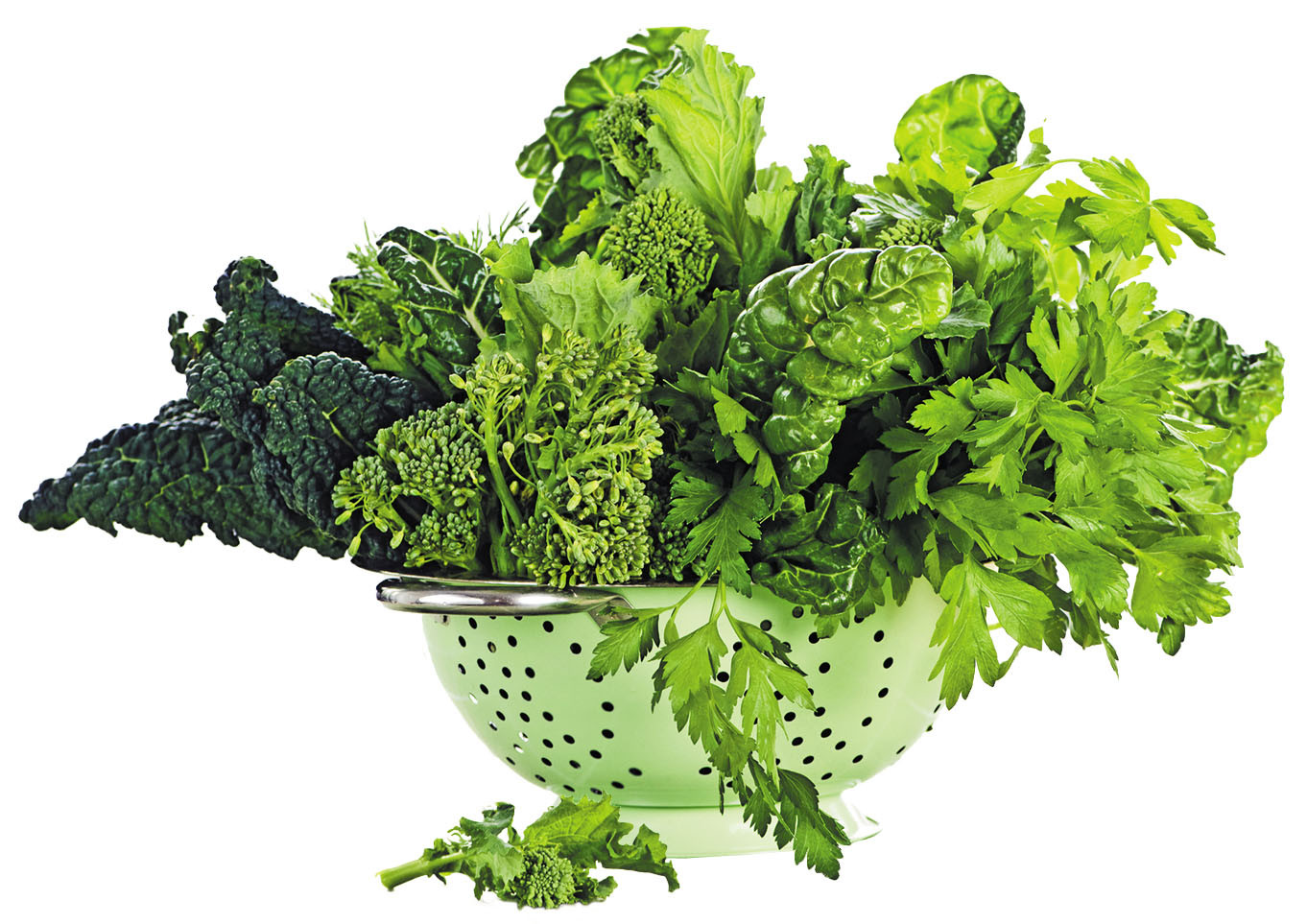
Nutrient density means you’re getting a ton of vitamins, minerals, and beneficial compounds for very few calories. It’s about quality, not quantity.
The greens on this list were ranked using the Aggregate Nutrient Density Index (ANDI), which scores foods based on how many nutrients they deliver per calorie. The higher the score, the more nutritional firepower you’re getting.
These greens are loaded with vitamins A, C, and K, folate, calcium, iron, fiber, and protective plant compounds that fight inflammation and support every system in your body.
11 Most Nutrient Dense Leafy Greens
Watercress: The Nutritional Champion
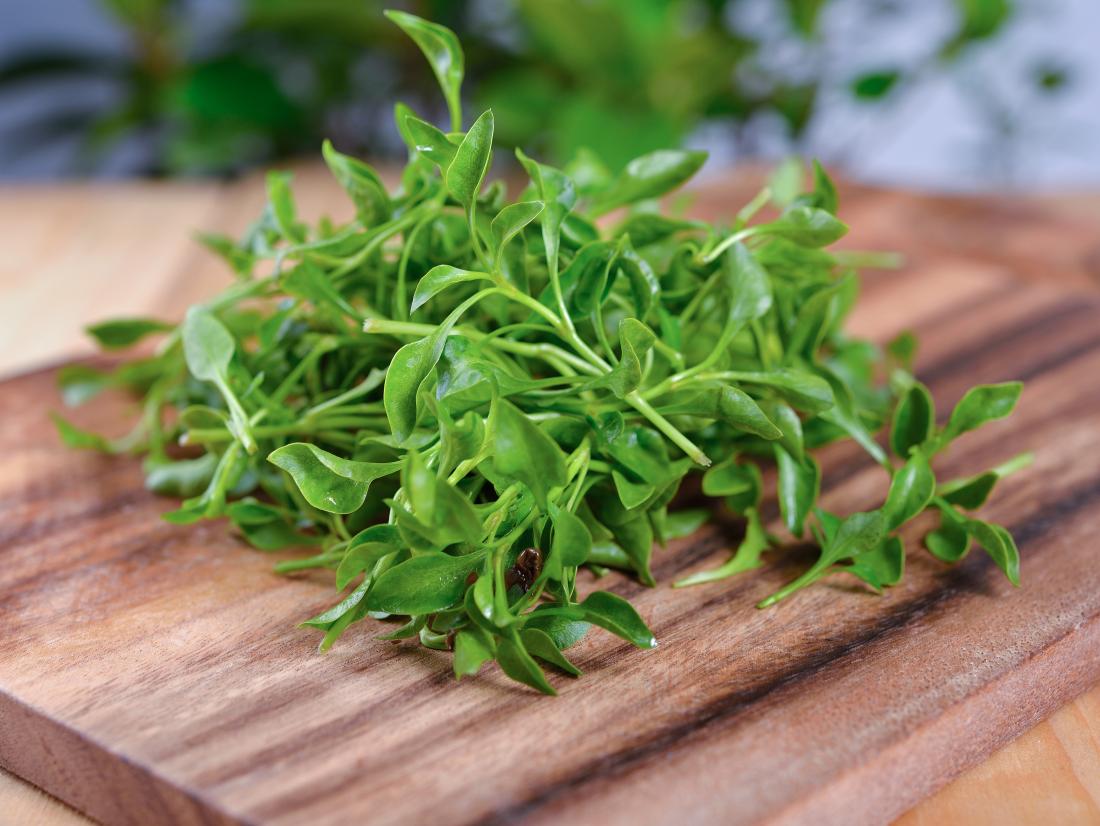
Watercress consistently ranks as the number one most nutrient-dense food on the planet. Yes, the entire planet.
This peppery little green delivers an astounding amount of vitamin K — over 100% of your daily needs in just one cup. Vitamin K is crucial for blood clotting and bone health, and most people don’t get enough.
It’s also incredibly high in vitamin C, providing more than oranges per serving, which supports your immune system and helps your body absorb iron from plant foods.
Additional benefits:
- Contains compounds called isothiocyanates that may help protect against certain cancers
- High in calcium for bone strength
- Provides vitamin A for eye health and immune function
- High in water content for hydration
How to use it: Toss it into salads for a peppery kick, blend it into green smoothies, layer it on sandwiches instead of regular lettuce, or sauté it lightly with garlic as a side dish.
Chinese Cabbage: The Mild Powerhouse
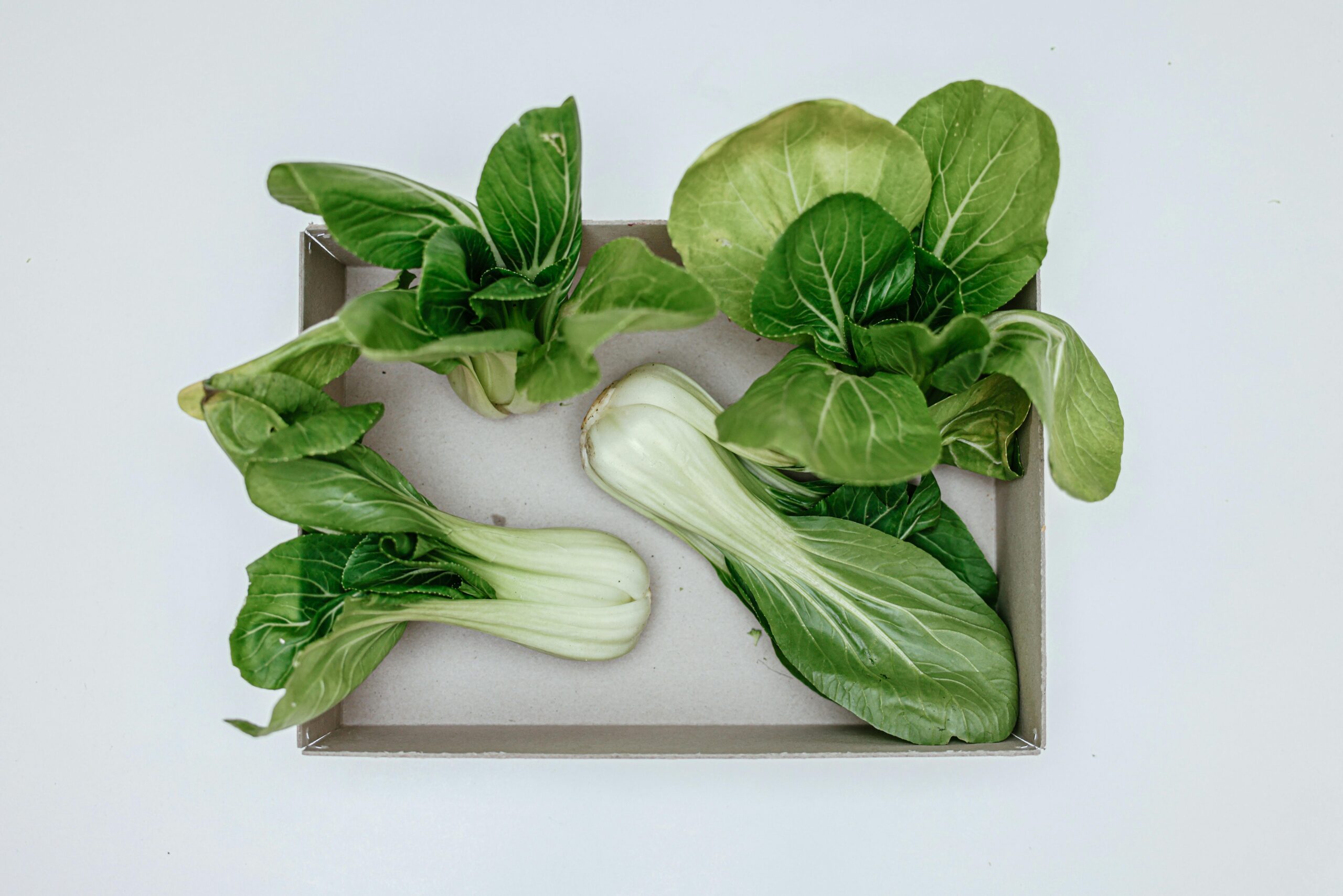
Chinese cabbage might not look fancy, but it’s a nutritional heavyweight that deserves way more credit.
It’s packed with vitamin C and vitamin K, and it’s one of the best sources of folate among leafy greens. Folate is essential for cell growth and DNA formation, and it’s especially important if you’re thinking about having kids someday.
Additional benefits:
- Rich in glucosinolates, plant compounds with anti-inflammatory properties
- Contains fiber that supports gut health and regularity
- Provides calcium and potassium for heart and bone health
- Low in calories but fills you up
How to use it: Chop it for stir-fries, use the leaves as wraps, add it raw to slaws, ferment it into kimchi, or throw it into soups during the last few minutes of cooking.
Swiss Chard: The Rainbow Warrior
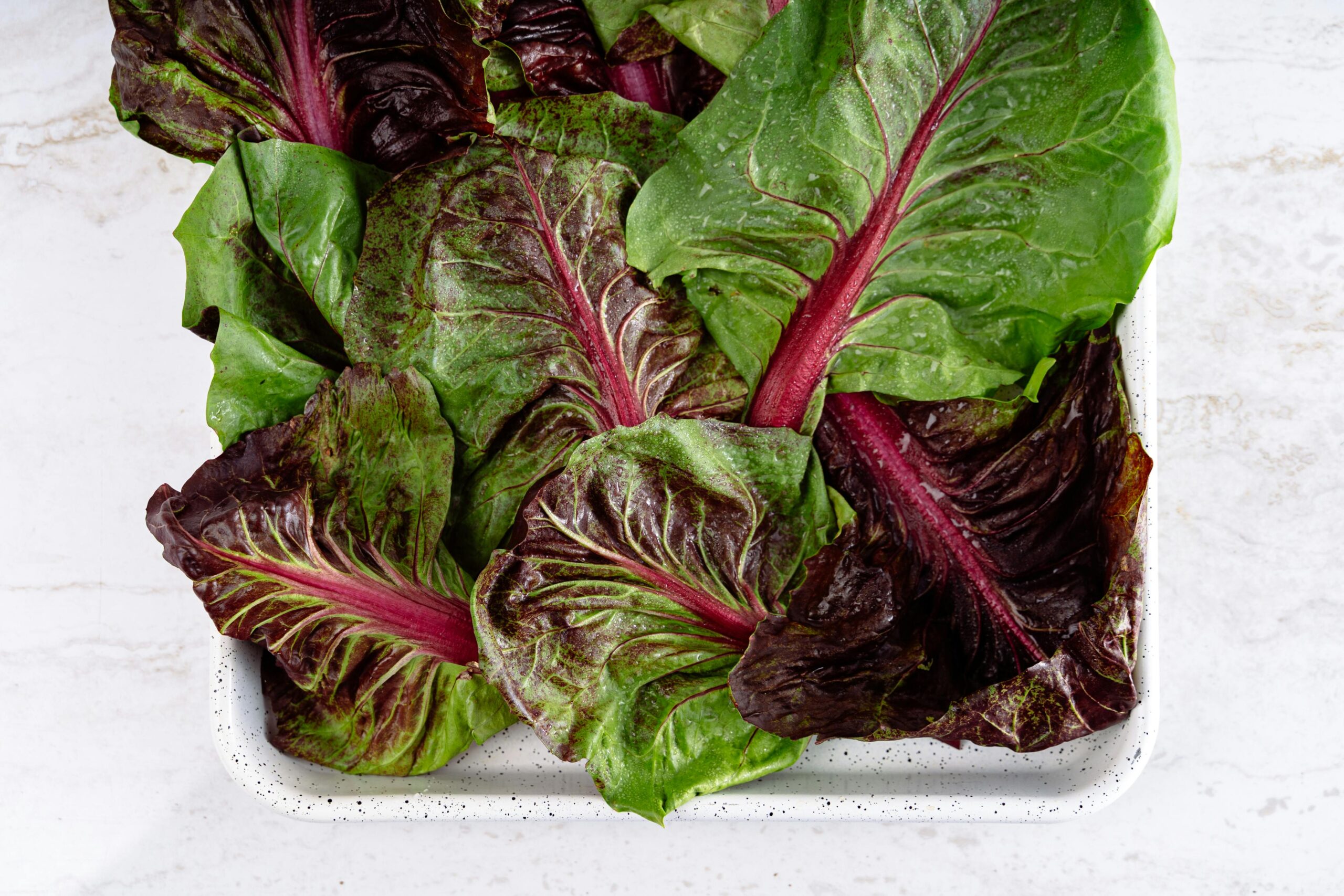
Chard is stunning — those bright red, yellow, and rainbow stems aren’t just pretty, they’re packed with nutrients.
This green is exceptionally high in vitamins K, A, and C. Just one cup of cooked chard gives you several times your daily vitamin K needs, supporting both bone health and proper blood clotting.
Additional benefits:
- Contains antioxidants like beta-carotene and flavonoids
- High in iron, which helps transport oxygen throughout your body
- Loaded with magnesium
- Contains syringic acid, a compound that may help regulate blood sugar
How to use it: Sauté it with olive oil and garlic, add it to pasta dishes, blend the leaves into smoothies (the stems are great too — just chop them finely), or use large leaves as wraps.
Beet Greens: The Hidden Treasure
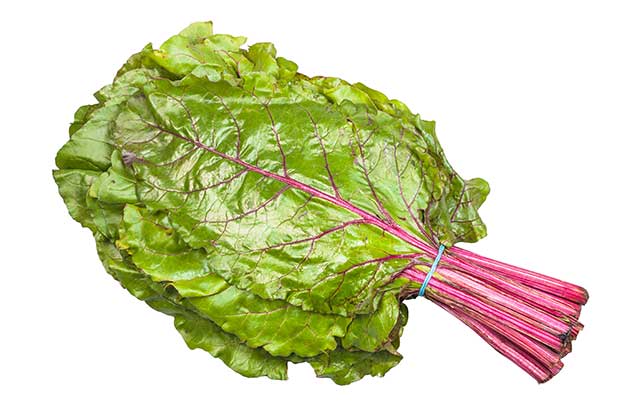
Here’s something most people don’t know: those leafy tops you usually throw away when you buy beets? They’re more nutritious than the beets themselves.
Beet greens are incredibly rich in vitamin K, vitamin A, and calcium. They also contain iron and copper, which work together to support healthy red blood cell production.
Additional benefits:
- High in fiber for digestive support
- Contains magnesium and potassium for heart health
- Rich in antioxidants that protect cells from damage
- Provides B vitamins including riboflavin and folate
How to use them: Sauté them just like you would spinach, add them to soups and stews, juice them with other vegetables, or chop them into grain bowls.
Spinach: The Iron Hero
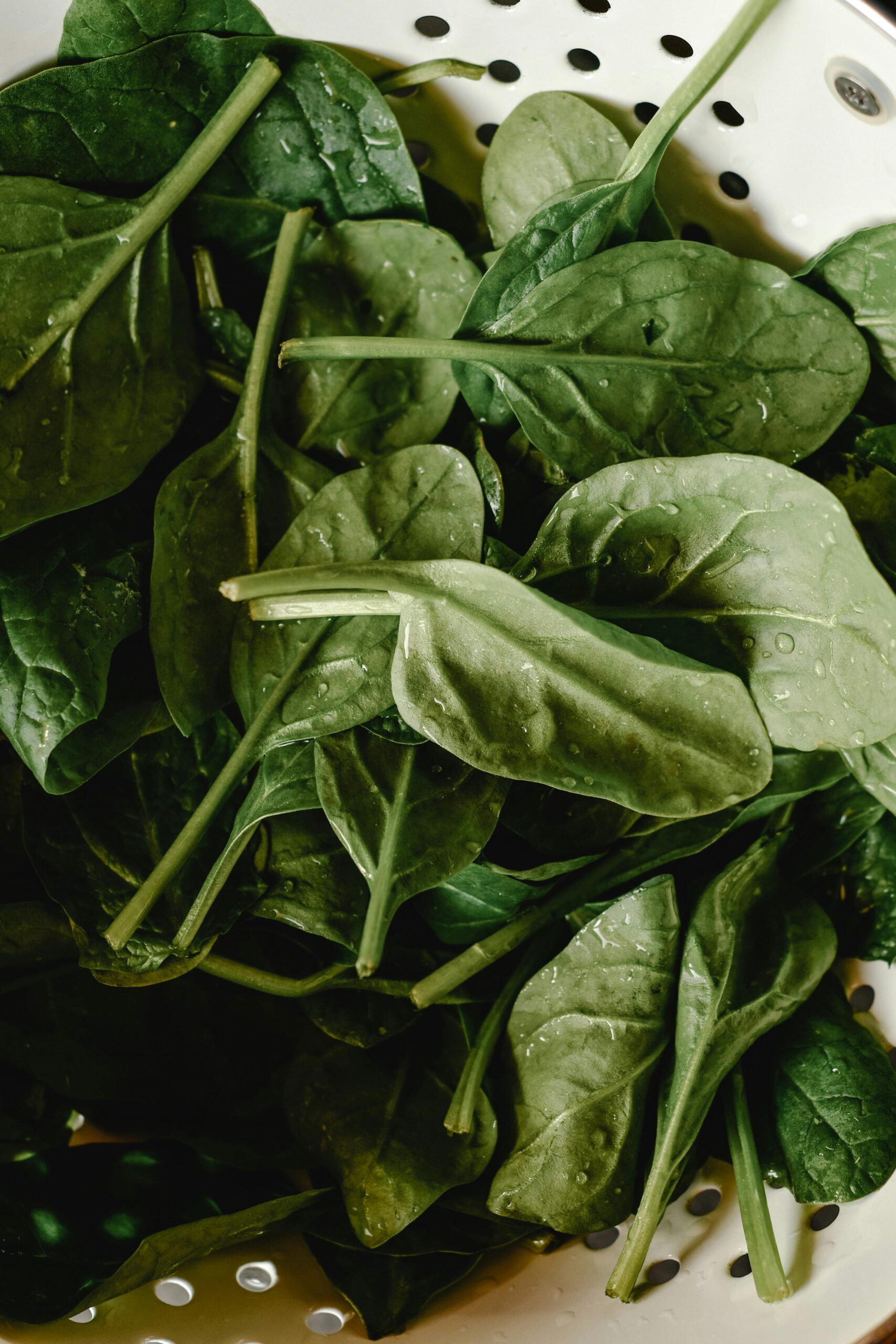
This famous leaf is extraordinarily high in vitamin K, vitamin A, and folate. One cup of cooked spinach provides more than your entire day’s worth of vitamin K and vitamin A.
Spinach is also one of the best plant sources of iron, though you’ll want to pair it with vitamin C-rich foods (like tomatoes or lemon juice) to help your body absorb it better.
Additional benefits:
- Contains lutein and zeaxanthin, antioxidants that protect eye health
- Rich in magnesium for muscle and nerve function
- Provides calcium for bone strength
- High in fiber that supports gut health
How to use it: Add handfuls to smoothies (you won’t taste it, I promise), sauté it with garlic as a side, mix it into pasta sauces, layer it in lasagna, or eat it raw in salads.

Get Your FREE Plant-Forward Grocery List Today!
Chicory: The Bitter Healer

Chicory is bitter — I’m not going to lie — but that bitterness comes from compounds that actually support liver health and digestion. It’s exceptionally high in vitamin K and vitamin A.
It also contains inulin, a type of fiber that acts as a prebiotic, feeding the beneficial bacteria in your gut.
Additional benefits:
- Supports healthy digestion and regularity
- May help reduce inflammation
- Contains manganese for bone health and metabolism
- Provides folate for cell function
How to use it: Mix it with milder greens in salads to balance the bitterness, grill it to mellow the flavor, add it to soups, or sauté it with sweet vegetables like roasted red peppers.
Leaf Lettuce: The Gentle Giant

Leaf lettuce (red leaf or green leaf) is rich in vitamins A and K, and it contains folate and iron. The darker the leaves, the more nutrients they contain — red leaf lettuce tends to have more antioxidants than green.
It has a mild, slightly sweet flavor that makes it perfect for people who are just starting to eat more greens.
Additional benefits:
- Contains antioxidants including beta-carotene
- Provides small amounts of calcium and potassium
- Low in calories but adds volume to meals
- High water content helps with hydration
How to use it: Use it as a base for salads, make lettuce wraps, add it to sandwiches, or use whole leaves as “boats” for grain or bean mixtures.
Turnip Greens: The Calcium King
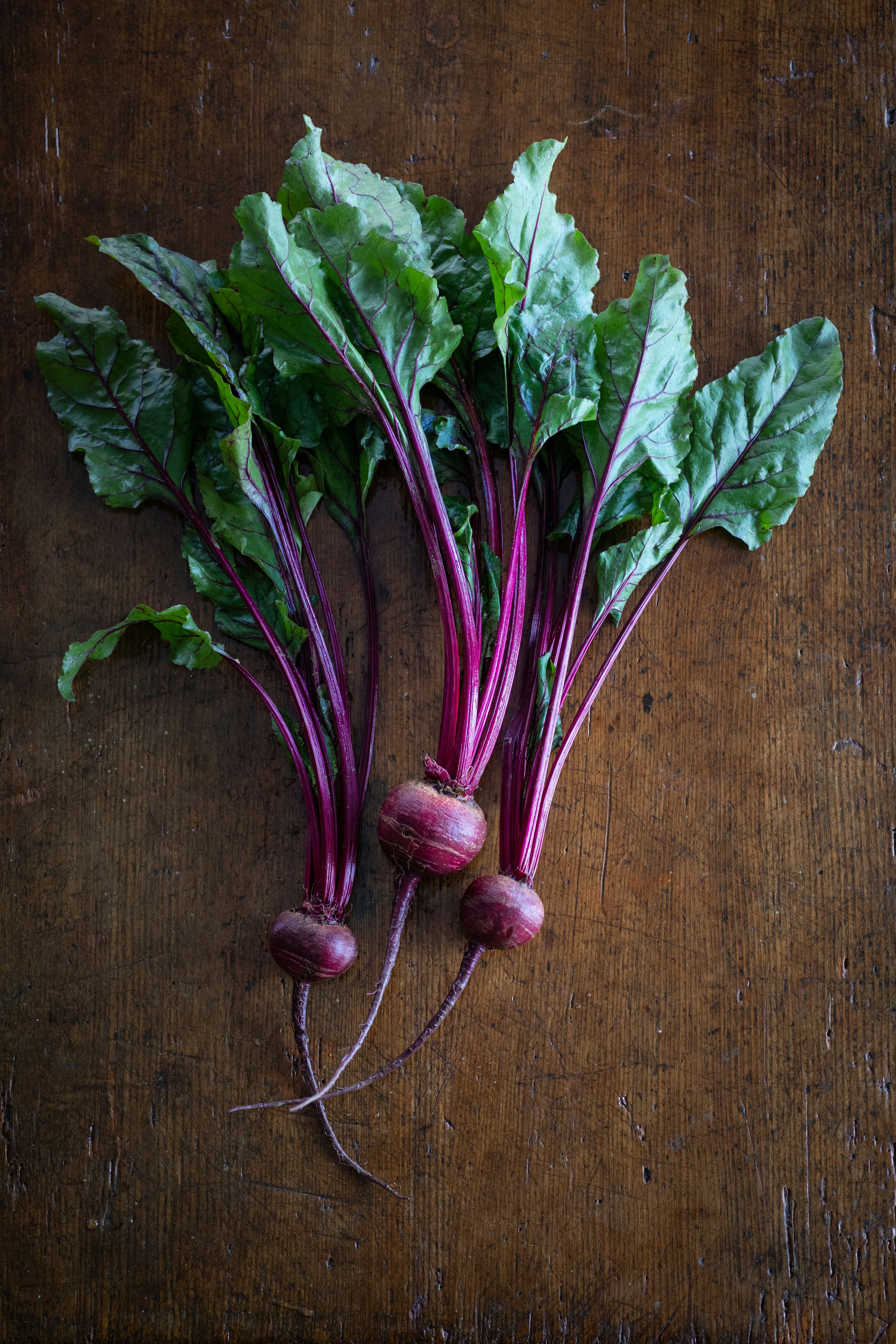
Turnip greens are loaded with vitamins K, A, and C, and they’re one of the better plant sources of calcium. This is especially important if you’re eating more plants and fewer animal products.
These greens also contain glucosinolates, the same beneficial compounds found in broccoli and Brussels sprouts.
Additional benefits:
- High in fiber for digestive health
- Contains folate for cell growth
- Provides iron and copper for blood health
- Rich in antioxidants that fight free radicals
How to use them: Sauté them with onions and garlic, add them to bean soups, steam them and drizzle with lemon juice, or chop them into stir-fries.
Romaine Lettuce: The Crispy Classic
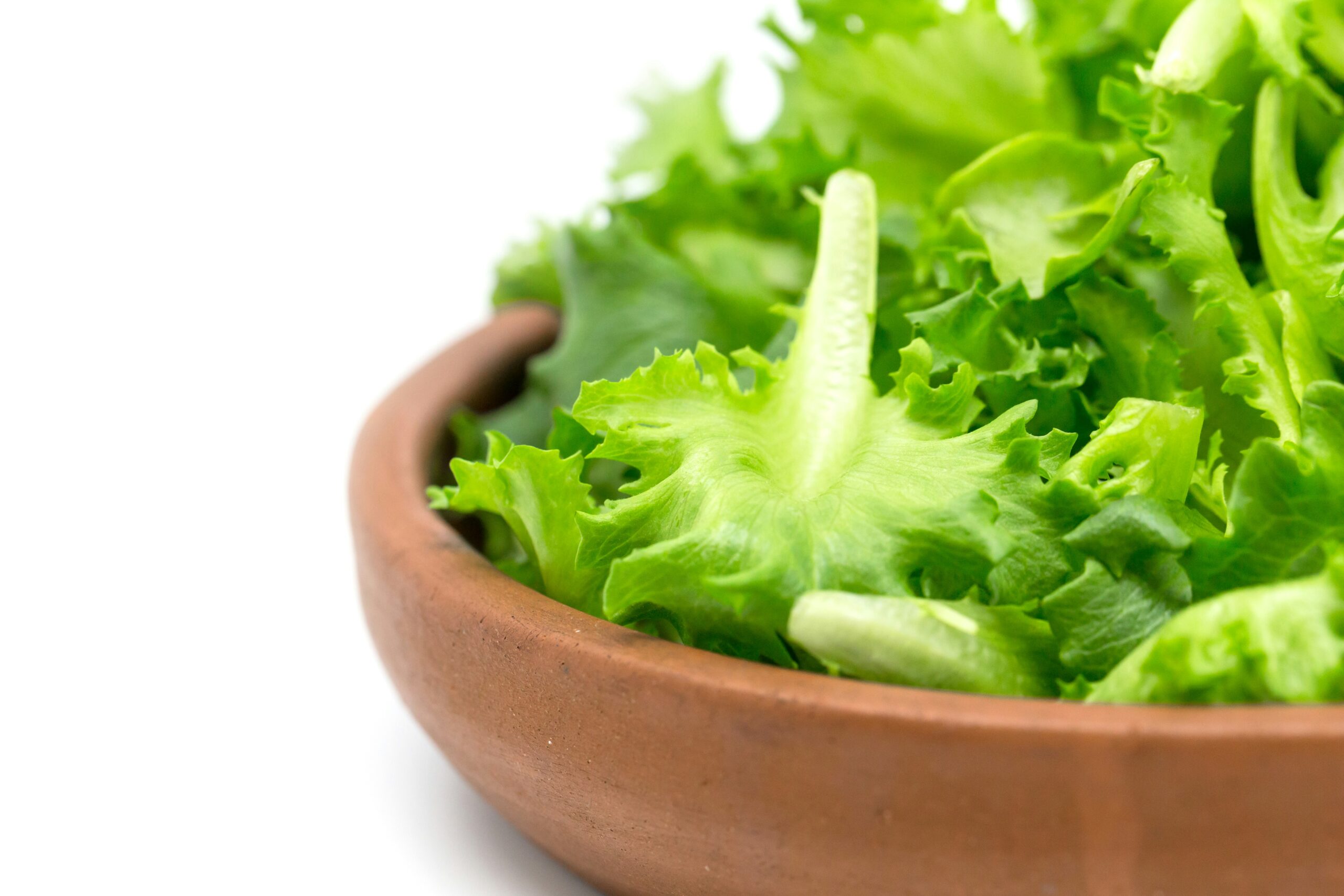
Romaine is the lettuce that actually brings something to the table nutritionally.
It’s high in vitamins A and K, and it contains folate and potassium. Romaine also provides small amounts of omega-3 fatty acids, which is pretty cool for a leafy green.
Additional benefits:
- Contains antioxidants including vitamin C
- Provides fiber for gut health
- Low in calories but filling
- High water content supports hydration
How to use it: Make classic Caesar salads, grill it for a smoky flavor, use it in wraps, chop it for tacos, or juice it with other vegetables.
Collard Greens: The Southern Belle
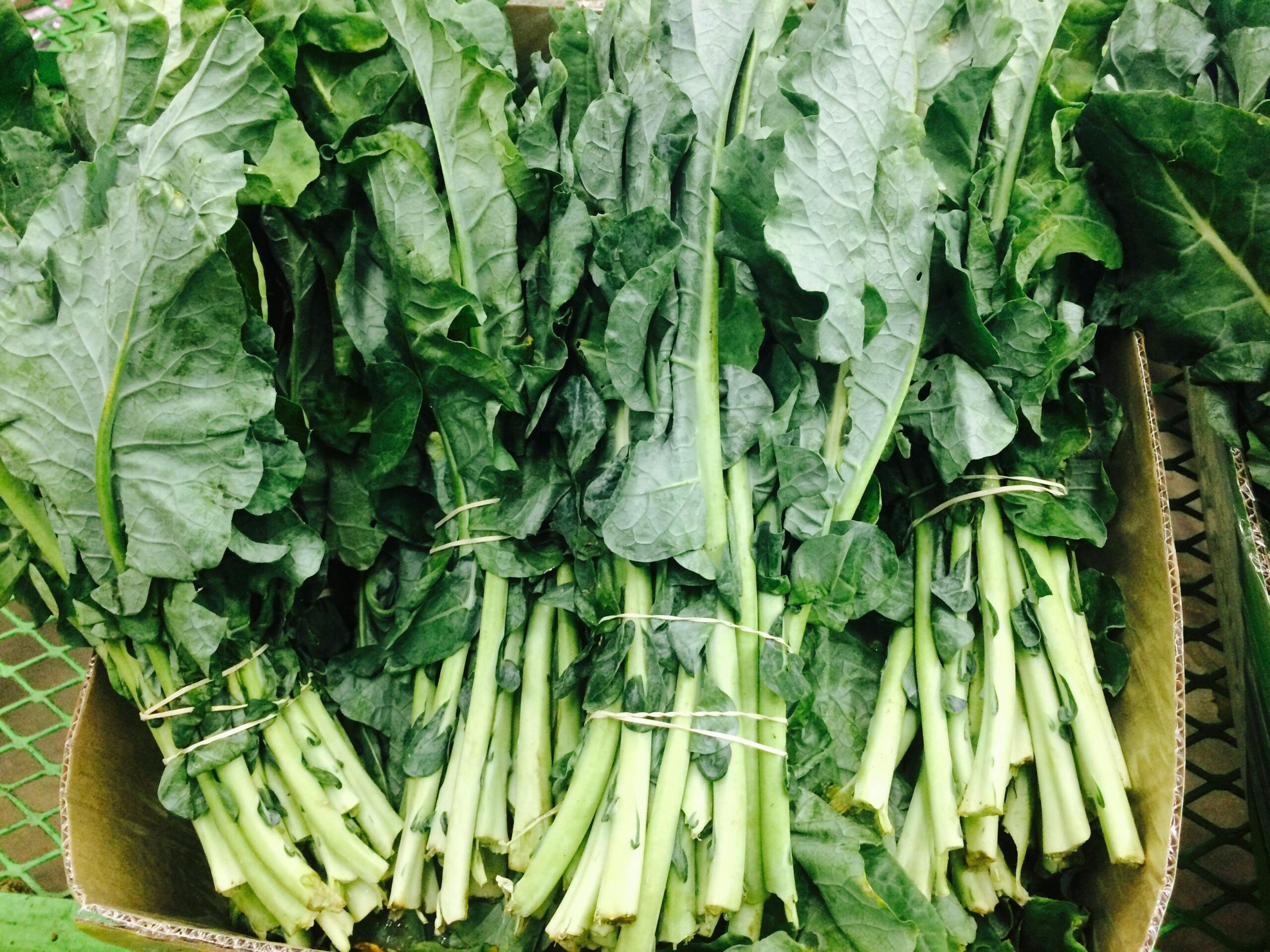
Collard greens are exceptionally high in vitamin K and vitamin A, and they’re one of the best plant sources of calcium. One cup of cooked collards provides about 25% of your daily calcium needs.
Collards also contain compounds that support detoxification processes in your liver.
Additional benefits:
- High in fiber for digestive support
- Rich in folate for cell function
- Contains manganese for bone health
- Provides vitamin C for immune support
How to use them: Braise them with vegetable broth and garlic, use large leaves as wraps, add them to soups and stews, or sauté them with onions and smoked paprika.
Kale: The Green Superstar
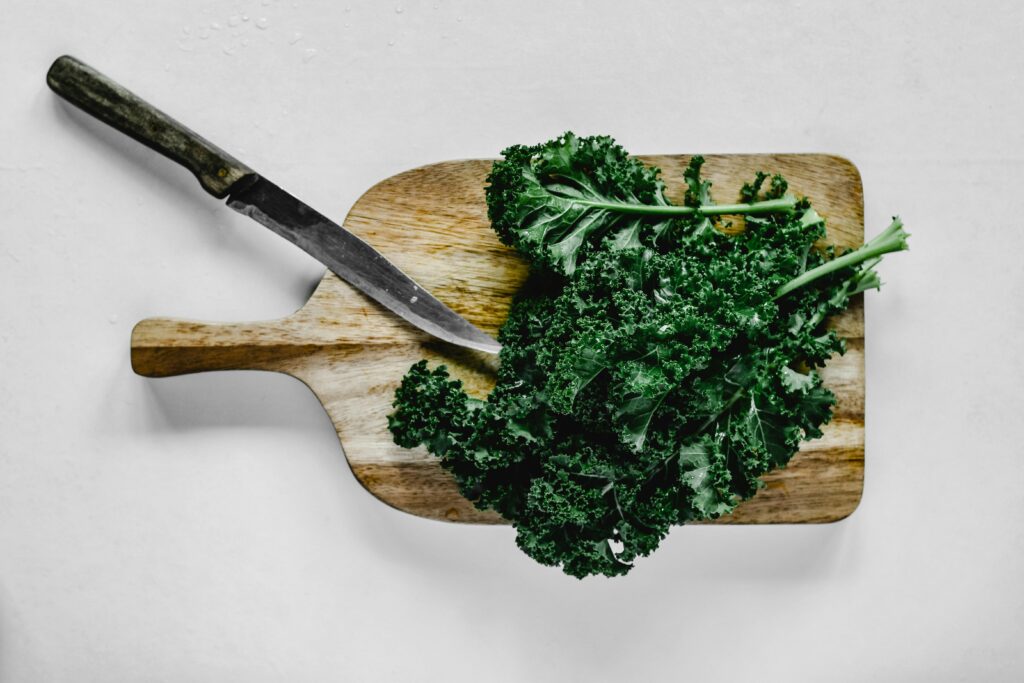
Kale is incredibly high in vitamins K, A, and C. One cup of raw kale provides more than your entire day’s worth of vitamins K and A, and nearly your full requirement for vitamin C.
It also contains compounds called kaempferol and quercetin, which have powerful anti-inflammatory and antioxidant effects.
Additional benefits:
- Excellent source of calcium for bone health
- Contains iron and copper for blood health
- Rich in fiber for digestive support
- Provides lutein and zeaxanthin for eye health
How to use it: Massage raw kale with lemon juice and olive oil for salads, bake it into crispy chips, add it to smoothies, sauté it with garlic, or blend it into pesto.
How to Start Eating More Nutrient-Dense Greens
Look, I get it. The idea of eating more greens can feel overwhelming, especially if you’re not used to them.
Start small. Pick two or three greens from this list that sound appealing and rotate them throughout your week. You don’t need to eat all eleven at once.
The key is consistency, not perfection. Even adding one cup of greens to your daily routine will make a noticeable difference over time.
Mix them into foods you already love. Throw spinach into your morning smoothie. Add chard to your pasta. Toss watercress on your sandwich.
When you stop thinking of greens as a separate “health food” category and start seeing them as flavor and texture additions to meals you already enjoy, everything shifts.
FAQs About Most Nutrient-Dense Greens
Q: Should I buy organic leafy greens?
The Environmental Working Group consistently ranks leafy greens on their “Dirty Dozen” list due to pesticide residues.
If budget allows, prioritize organic for spinach, kale, and other greens you eat frequently.
For occasional use greens, conventional is fine – the nutritional benefits outweigh the risks.
Q: Can you eat too many leafy greens?
For most people, eating large amounts of leafy greens is perfectly safe and beneficial.
However, if you’re taking blood-thinning medications, you should maintain consistent vitamin K intake since it affects blood clotting.
Also, people with kidney issues should talk to their doctor about oxalate-rich greens like spinach and chard.
Q: Do cooked greens have fewer nutrients than raw greens?
It depends on the nutrient. Cooking can reduce some water-soluble vitamins like vitamin C, but it actually increases the availability of others like vitamin A and iron.
Cooking also breaks down cell walls, making certain nutrients easier for your body to absorb.
The best approach is to eat a mix of both raw and cooked greens.
📖 Good Reads: How Not to Die, The China Study and Plant-Based Nutrition

In Essence: Start With One
Here’s what I want you to take away from this: eating more nutrient-dense greens isn’t about restriction or rules.
It’s about giving your body what it’s been craving all along — real nourishment that actually works with your biology instead of against it.
Start with one green from this list. Just one. Add it to something you’re already making this week.
Notice how you feel. Pay attention to your energy, your digestion, your cravings.
When you start fueling your body with foods this nutritionally powerful, something shifts. Your body starts trusting you again. And that’s when real, lasting change happens.
You don’t need to be perfect. Just keep showing up for yourself, one nourishing choice at a time.
Welcome to a way of eating that feels like freedom.
⭐ What’s your go-to leafy green, and how do you like to prepare it? Or if you’ve been avoiding greens, what’s been holding you back? Let’s talk about it in the comments — I’d love to hear your experience.