This post may contain affiliate links. If you purchase through these links, I may earn a small commission at no extra cost to you. This helps keep Pine+Mango running. Thank you for your support! Read our full disclosure here.
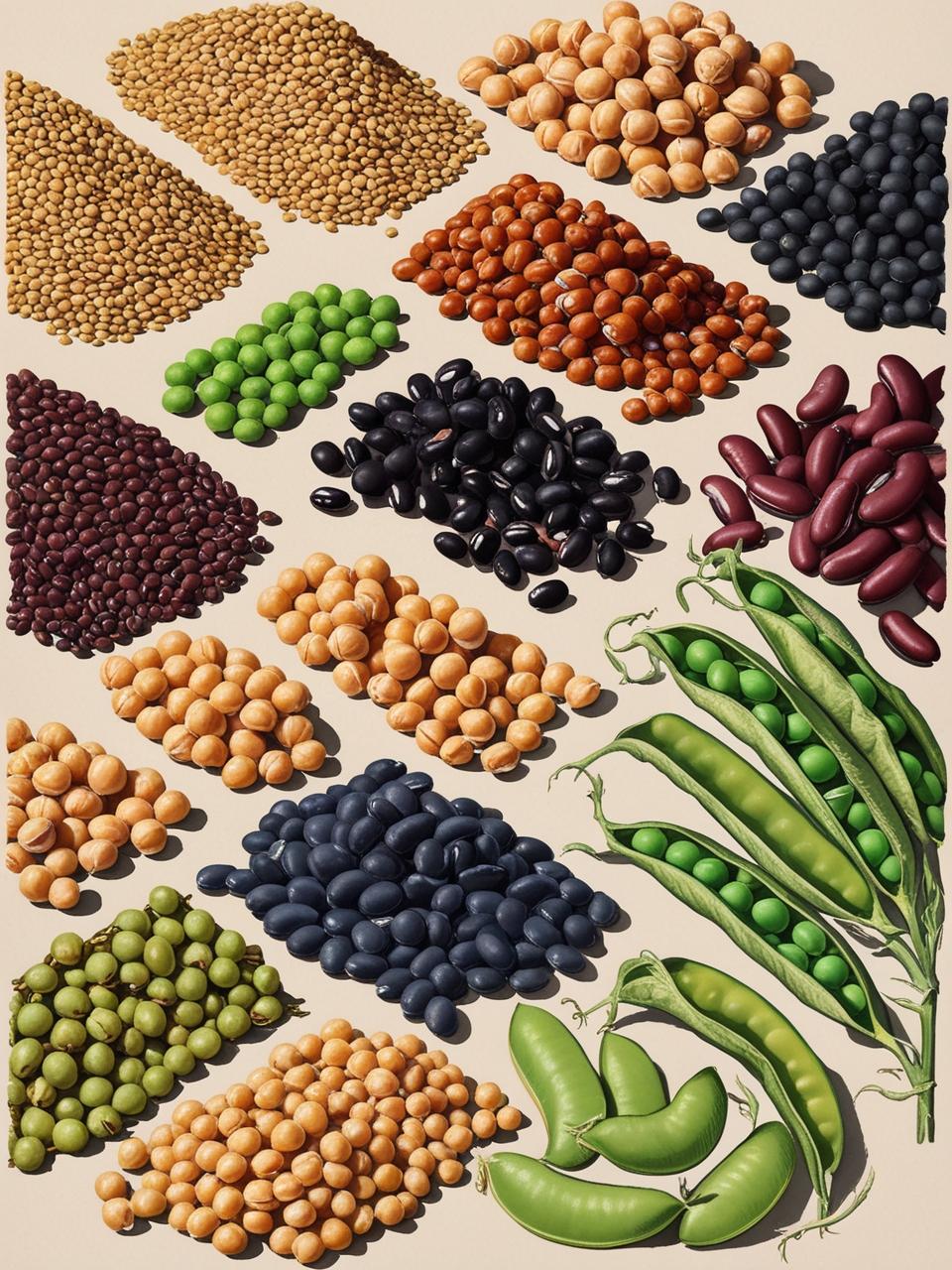
Ever wonder why cultures around the world have been eating beans and legumes for thousands of years?
It’s because these humble little powerhouses deliver serious nutrition without any fuss or fancy price tags. I’m talking about real, whole-food nourishment that your body actually recognizes and uses.
Legumes are among the most nutrient-packed foods on the planet. They’re loaded with plant protein, fiber that keeps your gut happy, and minerals your body desperately needs.
Plus, they’re ridiculously affordable and last forever in your pantry.
If you’re making the shift toward eating more plants, legumes are about to become your best friends. Let me walk you through the nine most nutrient-dense options and show you exactly how to use them.
Subscribe to Our Nourished Newsletter
Get free weekly guidance for your plant-based journey, straight to your inbox.
- Why Legumes Deserve a Spot on Your Plate
- The Most Nutrient-Dense Legumes
- Lentils: The Quick-Cooking Champion
- Soybeans: The Protein Powerhouse
- Chickpeas: The Versatile Crowd-Pleaser
- Black Beans: The Antioxidant All-Star
- Kidney Beans: The Heart-Healthy Helper
- Pinto Beans: The Budget-Friendly Favorite
- Navy Beans: The Fiber Superstar
- Green Peas: The Fresh & Frozen Gem
- Peanuts: The Sneaky Legume
- How to Reduce Digestive Discomfort from Legumes
- Making Legumes Work in Your Real Life
- FAQs About Nutrient-Dense Legumes
- In Essence: Your Body Knows What It Needs
- Subscribe to Our Nourished Newsletter
Why Legumes Deserve a Spot on Your Plate
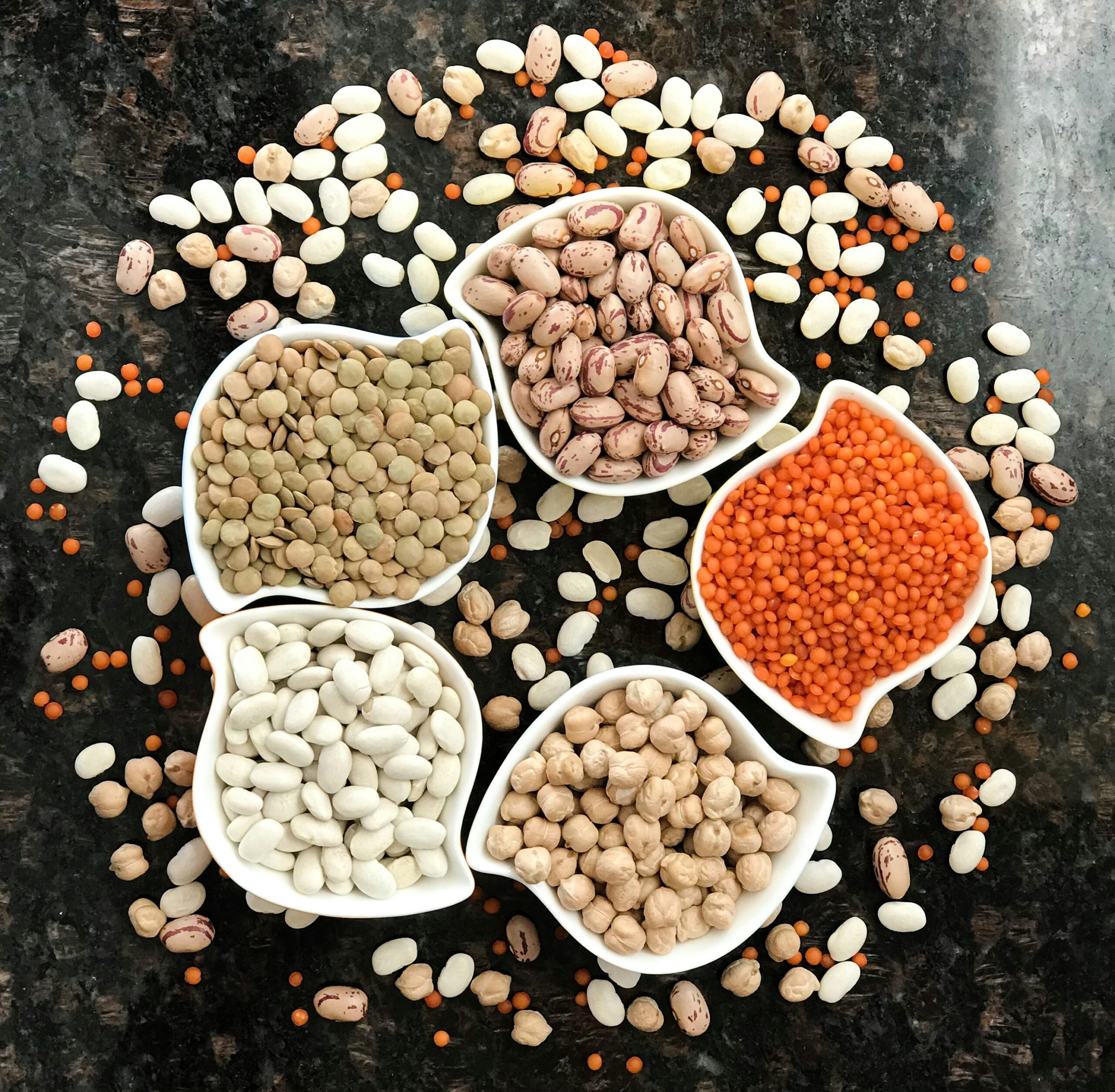
Before we dive into the specific legumes, let’s talk about why these foods matter.
Legumes provide sustained energy without the crash. They stabilize your blood sugar, keep you full for hours, and feed the beneficial bacteria in your gut.
Your body doesn’t have to work overtime to process them like it does with heavily processed foods.
And here’s something I wish I’d known earlier: when I first started eating more legumes, yeah, I dealt with some digestive adjustments.
But that’s totally normal! Your gut just needs time to adapt. Start small, rinse them well, and your body will thank you later.
The Most Nutrient-Dense Legumes
Lentils: The Quick-Cooking Champion
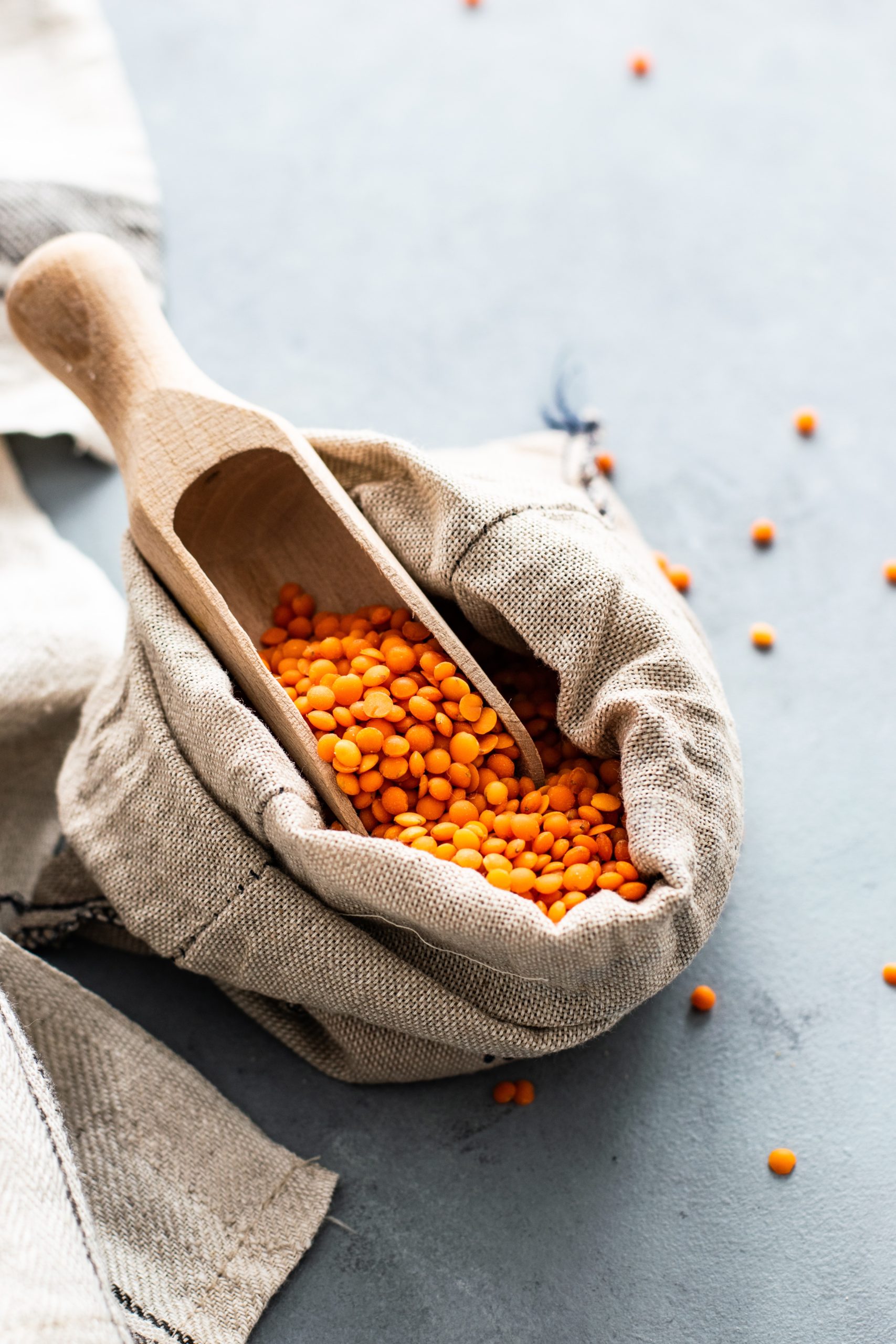
Lentils are sitting in kitchens worldwide for one simple reason — they’re incredibly easy and insanely nutritious.
They’re exceptionally high in folate, a B vitamin that’s crucial for cell growth and DNA formation.
One cup of cooked lentils provides about 90% of your daily folate needs, which is huge for everyone but especially important if you’re thinking about pregnancy.
They’re also packed with iron, the mineral that carries oxygen through your blood and keeps your energy levels steady.
Additional benefits:
- Excellent source of plant protein with about 18 grams per cooked cup
- Rich in fiber that supports healthy digestion and regular bowel movements
- Contains manganese for bone health and wound healing
- May help reduce cholesterol levels and support heart health
- Provides resistant starch that feeds beneficial gut bacteria
How to use them: Toss red lentils into soups where they’ll break down into creamy goodness, add cooked green lentils to salads for a hearty boost, blend them into veggie burgers, or simmer them with curry spices and coconut milk.
Soybeans: The Protein Powerhouse
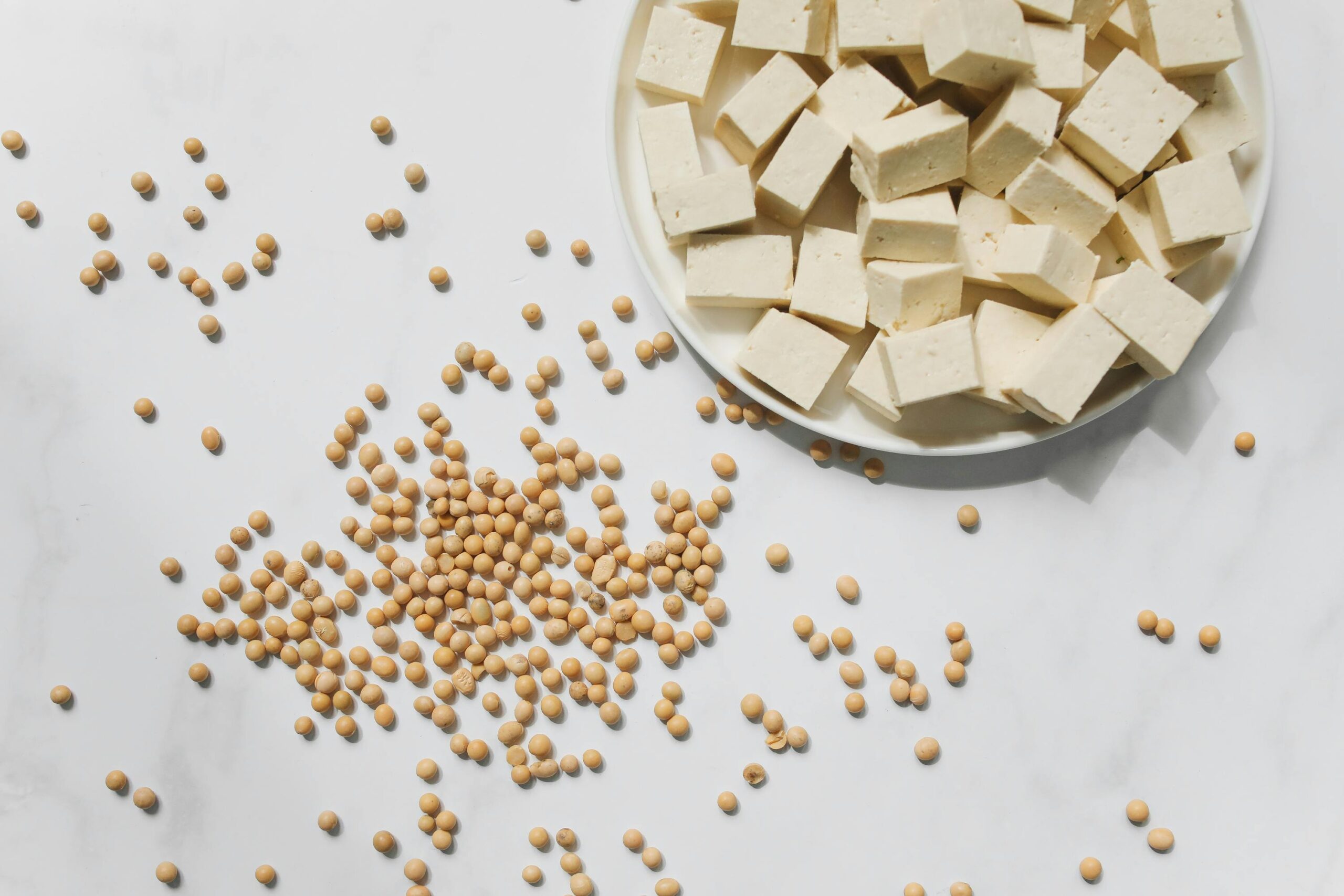
Soybeans might be the most misunderstood legume out there, but they’re nutritional gold.
They’re one of the few plant foods that contain all nine essential amino acids your body needs. One cup of cooked soybeans delivers a whopping 29 grams of protein — more than most other legumes.
They’re also incredibly rich in omega-3 fatty acids, specifically alpha-linolenic acid, which supports brain function and reduces inflammation.
Additional benefits:
- Excellent source of calcium that rivals dairy products
- Contains isoflavones that may support bone density
- Rich in vitamin K for blood clotting and bone metabolism
- Provides magnesium for nerve and muscle function
- May help balance hormones naturally
How to use them: Enjoy edamame straight from the pod as a snack, add cooked soybeans to stir-fries, blend silken tofu into smoothies for extra creaminess, crumble firm tofu into scrambles, or ferment them into tempeh for a nutty, protein-rich addition to bowls.
Chickpeas: The Versatile Crowd-Pleaser
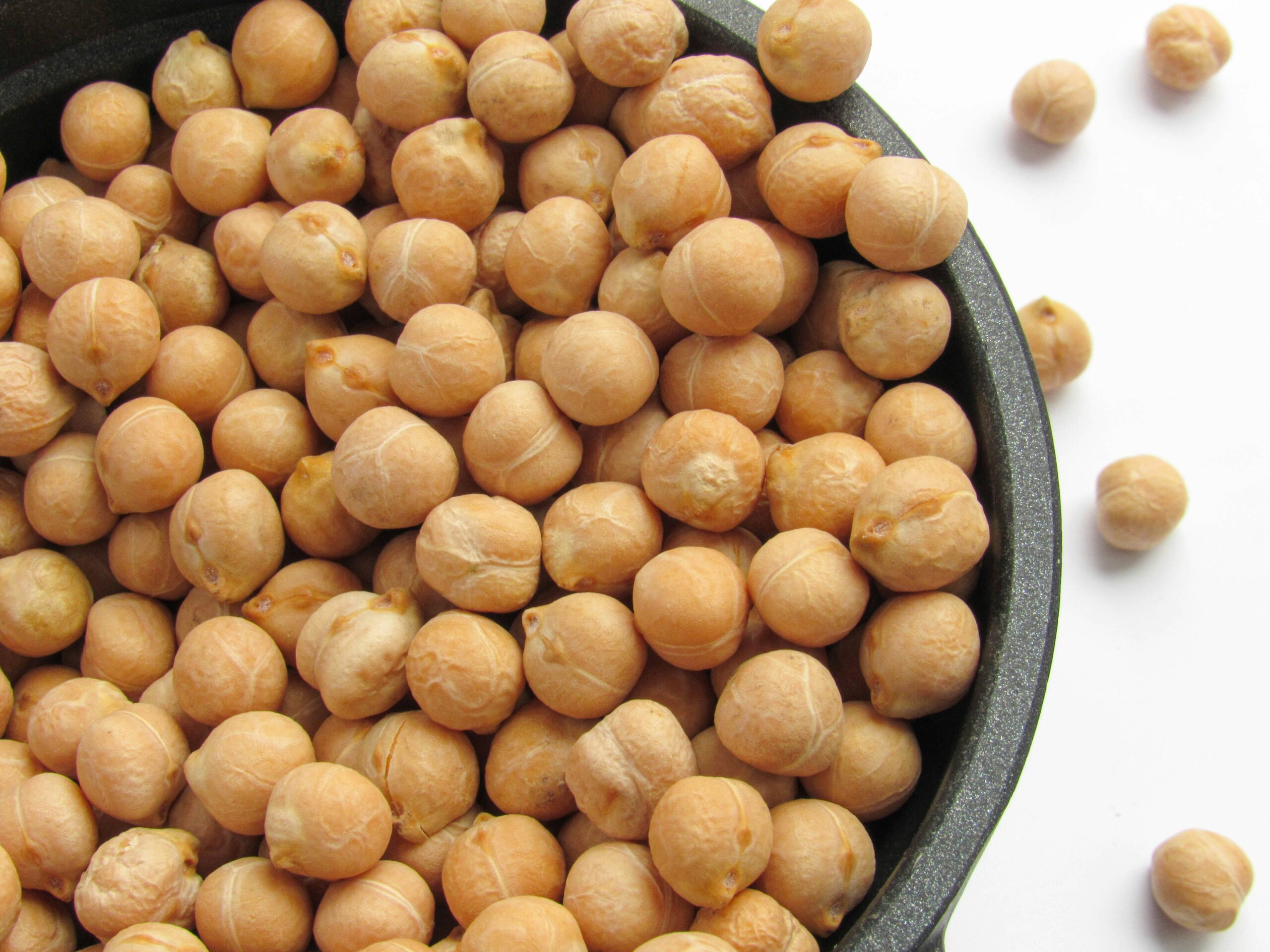
Chickpeas are probably already in your pantry, and they should be.
They’re exceptionally high in manganese, a mineral that helps your body process cholesterol and carbohydrates while supporting bone health. Just one cup of cooked chickpeas provides about 85% of your daily manganese needs.
They’re also loaded with folate and provide a solid dose of plant-based iron.
Additional benefits:
- Excellent source of fiber that keeps you satisfied for hours
- Contains choline for brain development and liver function
- Rich in B vitamins that help convert food into energy
- May help regulate blood sugar levels
- Provides zinc for immune system support
How to use them: Roast them with spices until crispy for an addictive snack, mash them into creamy hummus, toss them into salads while still warm, blend them into soups for thickness, or bake them into flour for gluten-free baking.
Black Beans: The Antioxidant All-Star
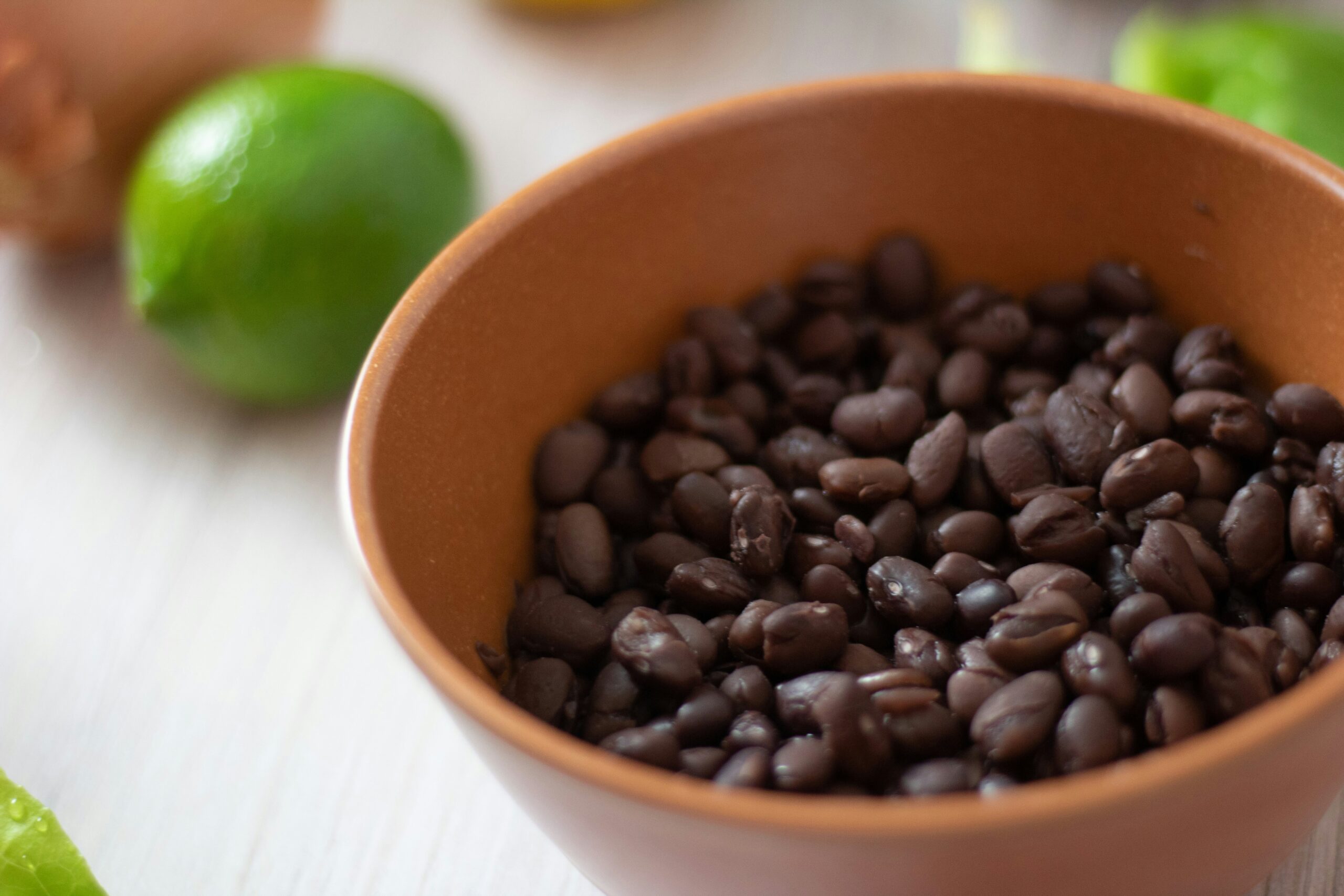
Black beans pack serious nutritional punch in that dark, shiny package.
They’re incredibly rich in anthocyanins, the same powerful antioxidants found in blueberries that protect your cells from damage. That dark color isn’t just pretty — it’s a sign of serious health benefits.
They’re also an excellent source of molybdenum, a trace mineral that helps your body process toxins and break down certain amino acids.
Additional benefits:
- Excellent source of fiber with about 15 grams per cooked cup
- Contains thiamine that supports nervous system function
- Rich in magnesium for muscle relaxation and stress management
- May help improve gut health by feeding beneficial bacteria
- Provides phosphorus for strong bones and teeth
How to use them: Simmer them into thick, comforting soups, mash them into burger patties, add them to grain bowls for extra substance, blend them into brownie batter for moisture and protein, or season them simply with cumin and lime.

Get Your FREE Plant-Forward Grocery List Today!
Kidney Beans: The Heart-Healthy Helper
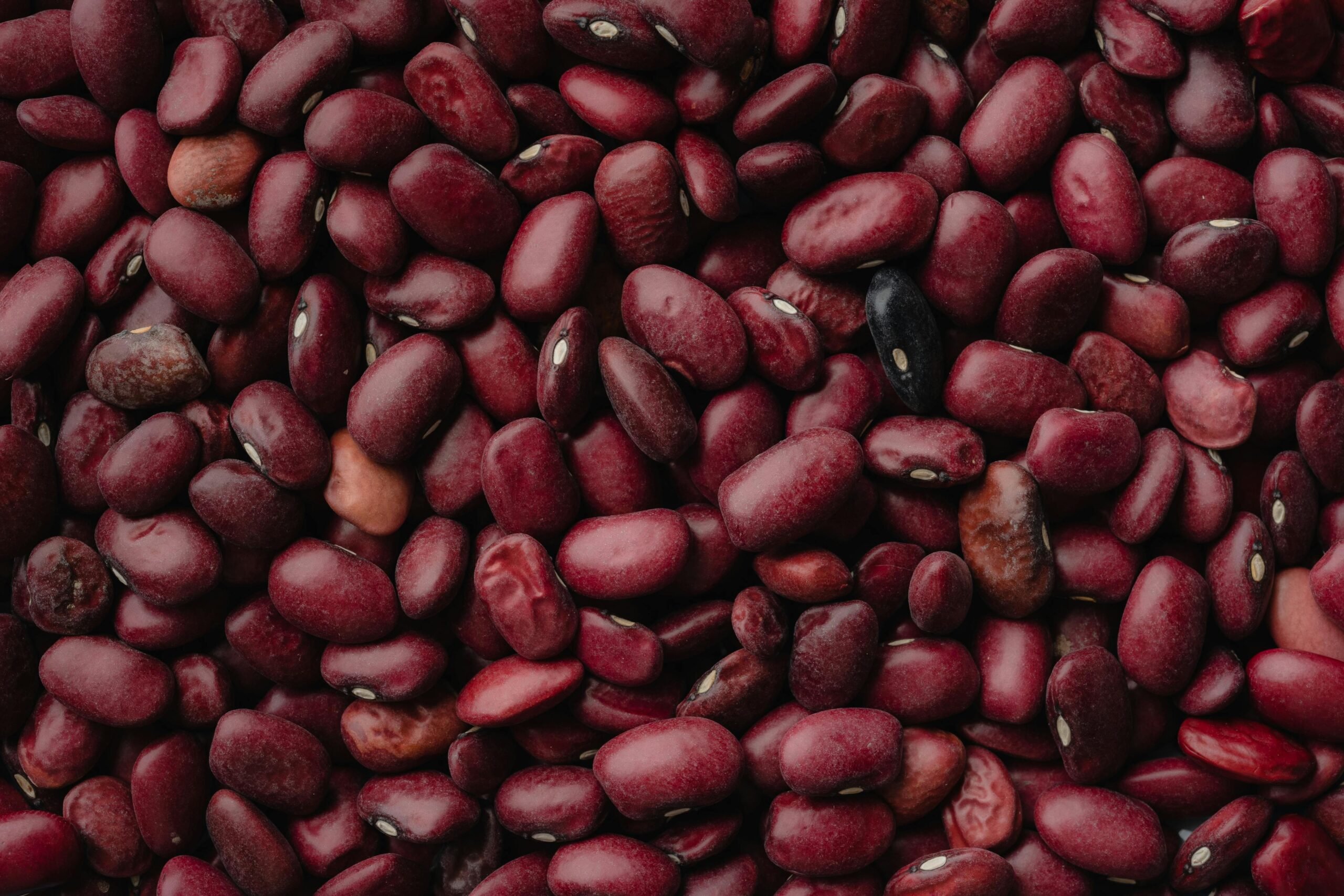
Kidney beans are sitting pretty in those chili recipes for good reason — they’re nutrition champions.
They’re exceptionally high in both soluble and insoluble fiber, which work together to support digestive health and help lower cholesterol levels. One cup provides about 45% of your daily fiber needs.
They’re also rich in potassium, an essential mineral that most people don’t get enough of and that helps regulate blood pressure.
Additional benefits:
- Excellent source of plant protein with about 15 grams per cooked cup
- Contains copper for iron absorption and red blood cell formation
- Rich in folate for healthy cell division
- May help stabilize blood sugar levels after meals
- Provides iron that supports energy production
How to use them: Add them to hearty chilis and stews, toss them into pasta salads, mash them with spices for bean dip, mix them into rice for a classic combination, or roast them until slightly crispy for texture.
Pinto Beans: The Budget-Friendly Favorite
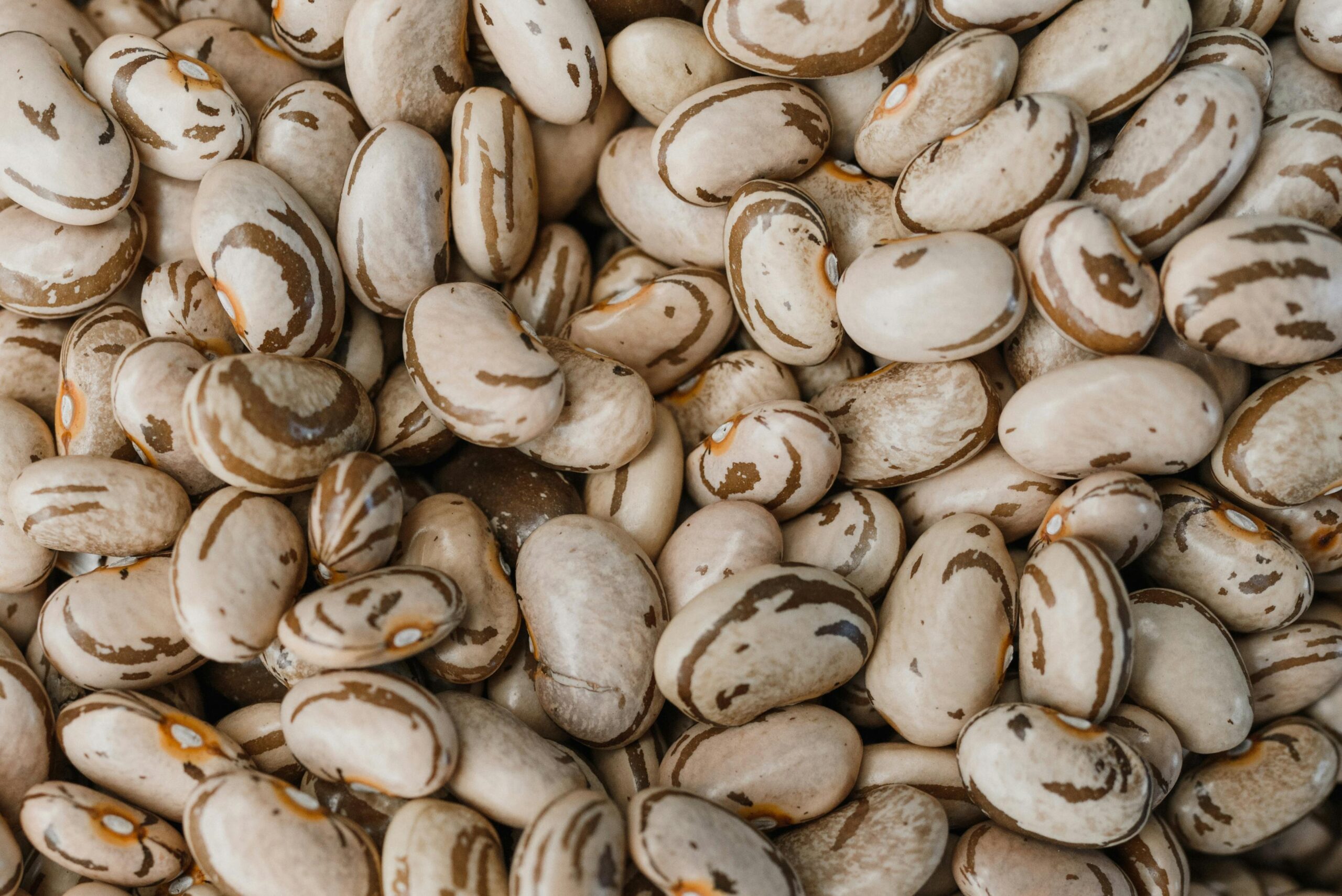
Pinto beans are total workhorses in the kitchen and absolute nutrition heroes.
They’re loaded with kaempferol, a flavonoid antioxidant that research suggests may help reduce inflammation and protect against certain chronic conditions.
Your body absorbs these beneficial compounds best when you eat the beans with vitamin C-rich foods.
They’re also an excellent source of phosphorus, which works with calcium to build strong bones and teeth.
Additional benefits:
- Excellent source of fiber that promotes digestive regularity
- Contains thiamine for energy metabolism
- Rich in folate for DNA synthesis and repair
- May help reduce cholesterol levels naturally
- Provides magnesium for hundreds of enzymatic reactions
How to use them: Mash them into creamy refried beans, add them to burritos and tacos, simmer them low and slow with aromatics, blend them into dips with roasted peppers, or toss them into soups for added heartiness.
Navy Beans: The Fiber Superstar
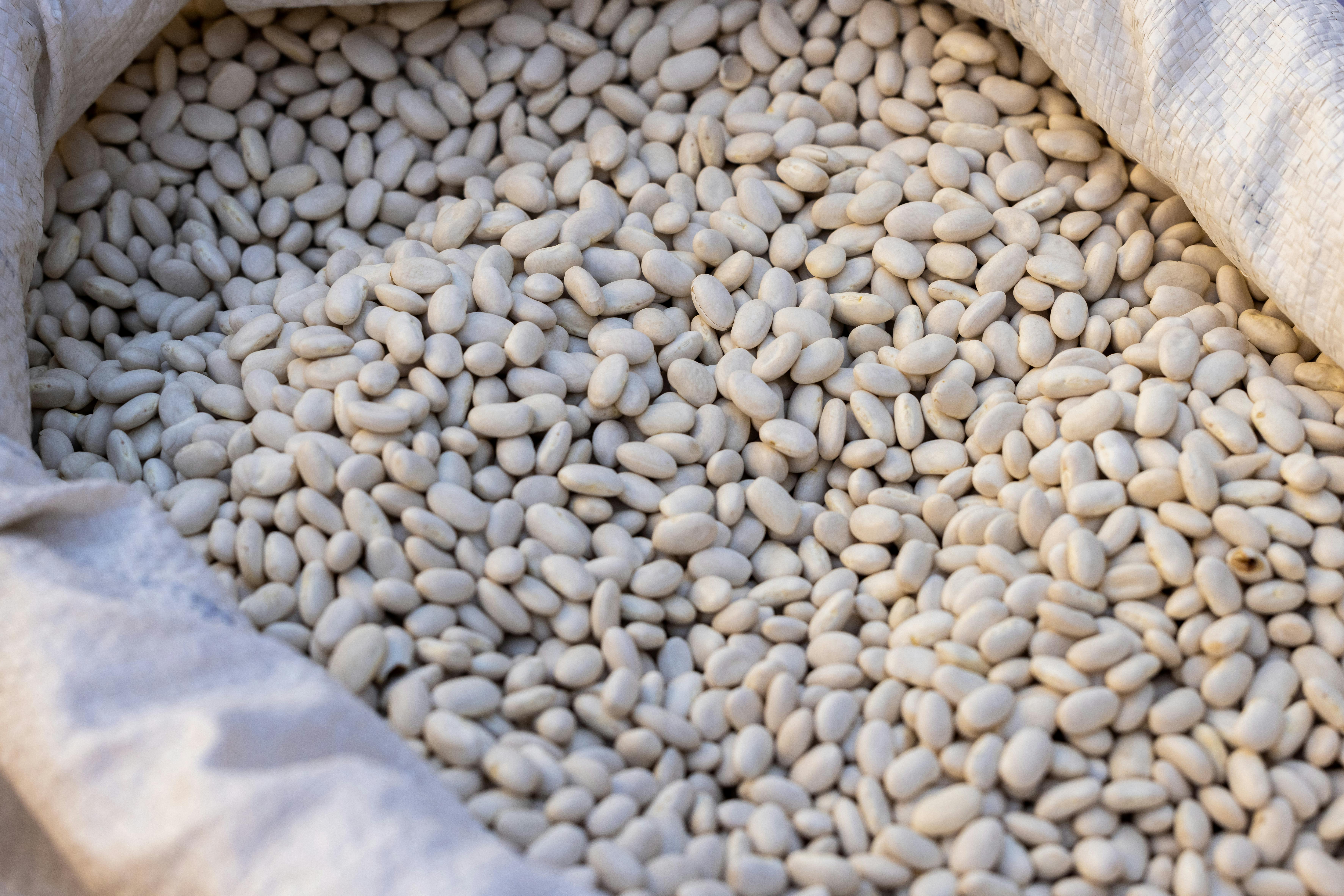
Navy beans might be small, but they’re mighty when it comes to nutrition.
They’re exceptionally high in fiber — one cup of cooked navy beans provides about 19 grams, which is more than most other legumes. This fiber helps feed your beneficial gut bacteria and keeps everything moving smoothly through your digestive system.
They’re also rich in thiamine, a B vitamin that helps your body convert carbohydrates into usable energy.
Additional benefits:
- Excellent source of folate for cell health and function
- Contains copper for maintaining healthy connective tissue
- Rich in manganese for bone development
- May help reduce the risk of heart disease
- Provides iron that combats fatigue
How to use them: Simmer them into classic baked beans, add them to vegetable soups where they’ll soak up flavors, mash them into spreads, toss them with pasta and greens, or puree them into creamy white bean hummus.
Green Peas: The Fresh & Frozen Gem
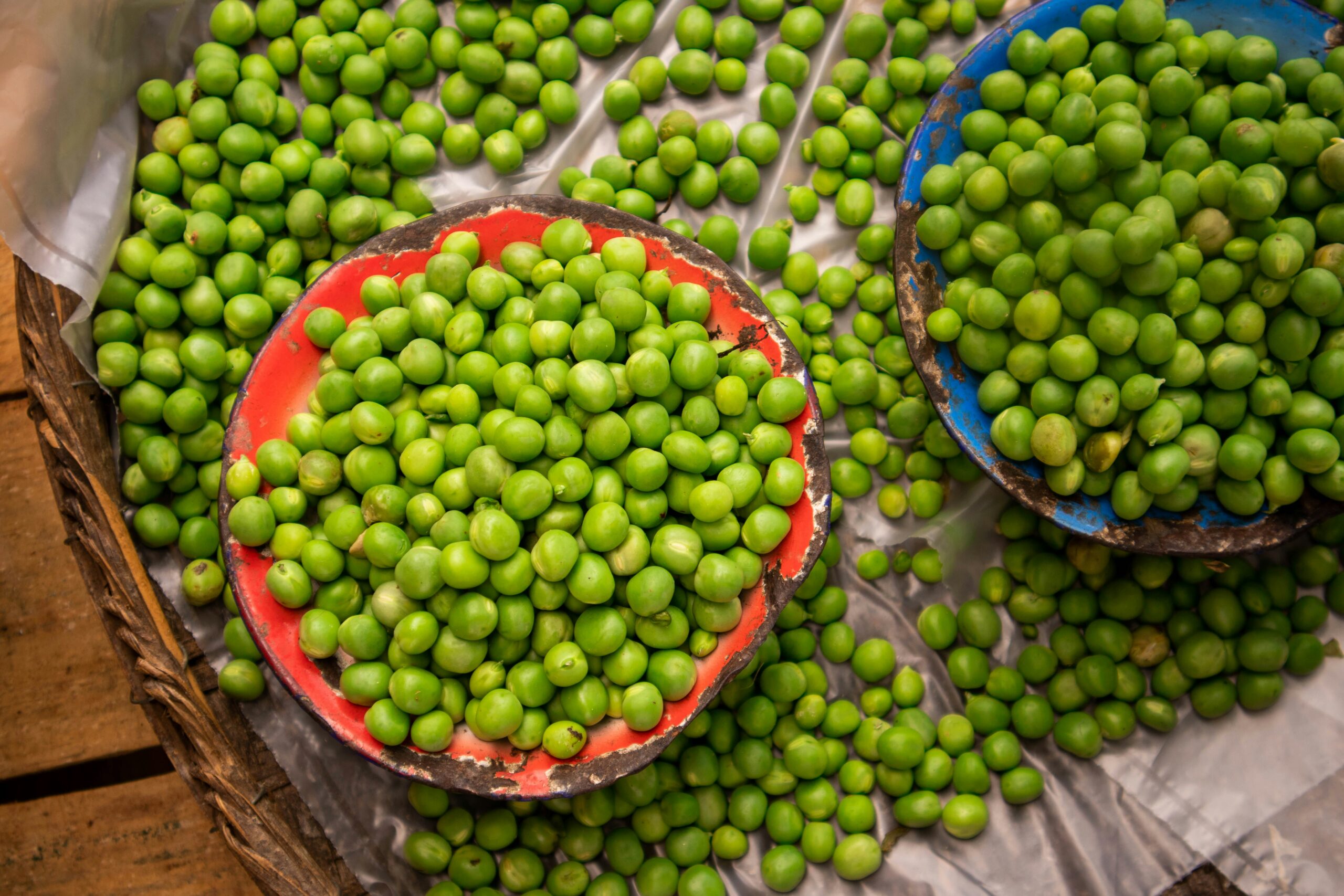
Green peas are often overlooked, but they shouldn’t be.
They’re incredibly rich in vitamin K, which is essential for blood clotting and bone metabolism. One cup of cooked green peas provides over 40% of your daily vitamin K needs.
They’re also packed with vitamin C, which helps your body absorb the iron from plant foods and supports your immune system.
Additional benefits:
- Excellent source of plant protein with about 9 grams per cooked cup
- Contains vitamin A for eye health and immune function
- Rich in B vitamins that support energy production
- May help reduce inflammation in the body
- Provides lutein and zeaxanthin for vision protection
How to use them: Stir frozen peas into pasta dishes during the last minute of cooking, mash them into spreads with mint and lemon, add them to fried rice, blend them into creamy soups, or toss fresh peas into spring salads.
Peanuts: The Sneaky Legume
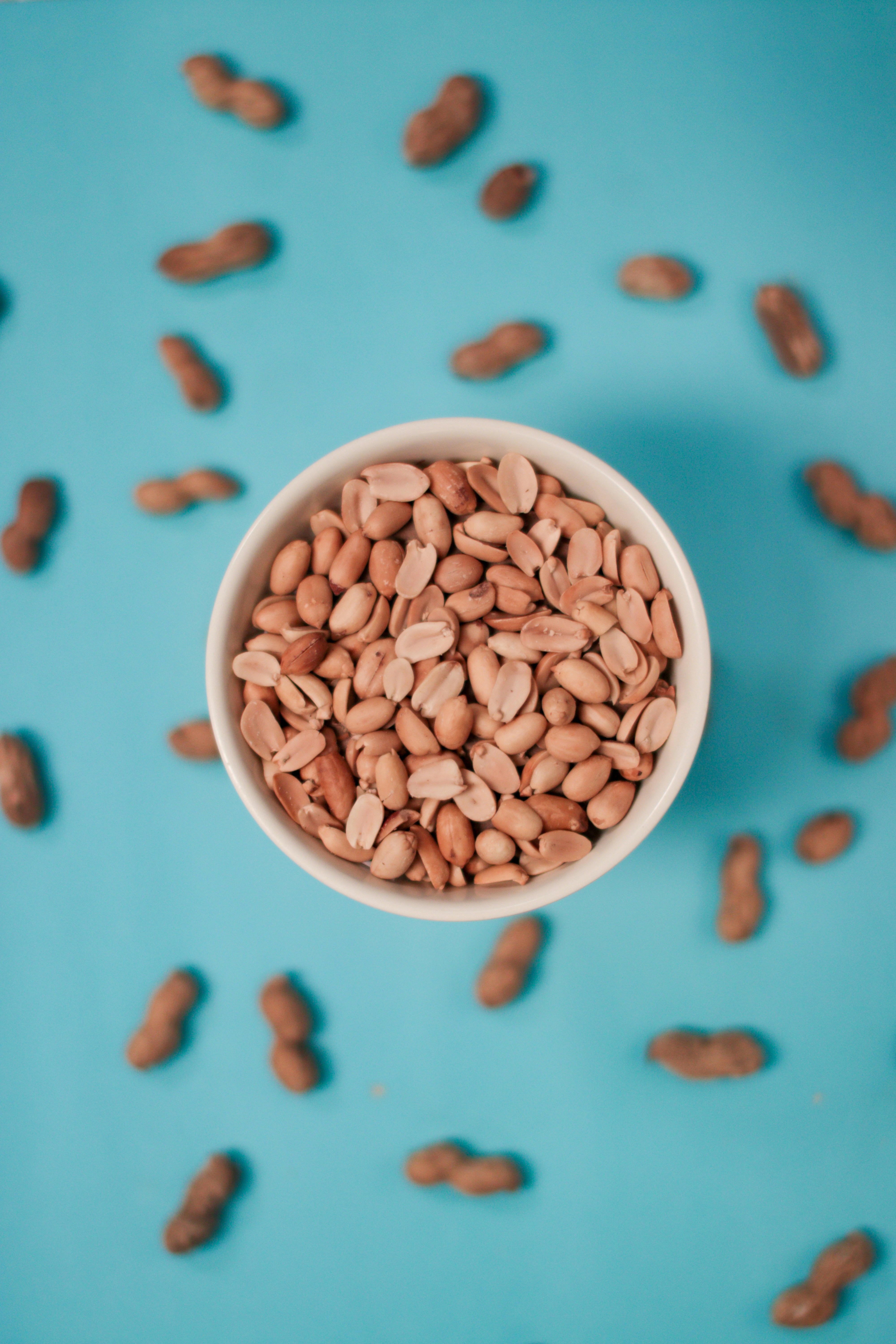
Wait, peanuts are legumes? Yep! Most people think they’re nuts, but they actually grow underground like other legumes.
They’re exceptionally high in niacin, a B vitamin that supports brain function and helps your body convert food into energy. Two tablespoons of peanut butter provide about 25% of your daily niacin needs.
They’re also rich in resveratrol, the same antioxidant found in red wine that’s been studied for its potential anti-aging properties.
Additional benefits:
- Excellent source of biotin for healthy hair, skin, and nails
- Contains vitamin E that protects cells from oxidative damage
- Rich in magnesium for nerve and muscle function
- May help reduce the risk of heart disease
- Provides healthy monounsaturated fats
How to use them: Spread natural peanut butter on apple slices or whole grain toast, add peanuts to stir-fries for crunch, blend them into Thai-inspired sauces, sprinkle them over oatmeal, or enjoy them roasted as a satisfying snack.
How to Reduce Digestive Discomfort from Legumes
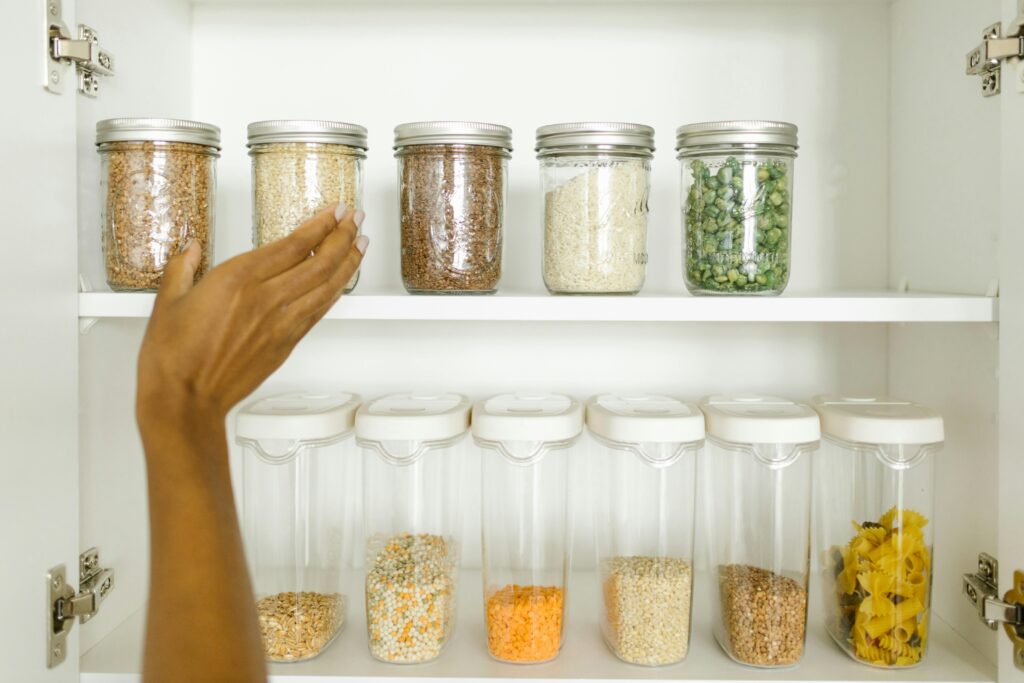
Let’s address the elephant in the room — yes, beans can cause gas.
When I first started eating more legumes, I wasn’t prepared for the digestive changes. But here’s what I’ve learned: your gut bacteria need time to adjust to the increased fiber.
Be patient with yourself!
- Start small: Begin with just a quarter cup of cooked legumes per meal and gradually increase over several weeks. This gives your digestive system time to adapt.
- Rinse thoroughly: If you’re using canned legumes, drain and rinse them well. This removes some of the oligosaccharides that cause gas.
- Soak dried legumes: Soak dried beans overnight in water with a tablespoon of lemon juice or vinegar, then drain and rinse before cooking. This breaks down some of the complex sugars.
- Cook them completely: Undercooked legumes are harder to digest. Make sure they’re tender all the way through.
- Add digestive spices: Cook your legumes with cumin, ginger, fennel, or kombu seaweed. These traditional additions help with digestion.
- Stay hydrated: When you increase fiber intake, you need more water to help everything move through smoothly.
Making Legumes Work in Your Real Life
The beauty of legumes is their flexibility. You don’t need to become a gourmet chef to enjoy them.
Keep a variety of canned legumes in your pantry for quick meals. Yes, dried beans are cheaper, but canned beans are ready in minutes.
Sometimes convenience wins, and that’s totally okay!
Batch cook legumes on the weekend. Cook a big pot, divide them into portions, and freeze what you won’t use within a few days. Future you will be so grateful.
Don’t overthink it. Legumes are forgiving. Toss them into whatever you’re already making — soups, salads, grain bowls, pasta dishes. They just work.
FAQs About Nutrient-Dense Legumes
Q: Do I need to eat legumes with grains to get complete protein?
Nope, that’s outdated information! Your body pools amino acids throughout the day, so you don’t need to combine specific foods at each meal.
As long as you’re eating a variety of plant foods throughout the day, you’re getting all the amino acids you need.
Just eat your legumes and enjoy them!
Q: How much legumes should I eat per day?
There’s no magic number, but aiming for about one to two cups of cooked legumes per day is a great target.
Listen to your body, though. Some people thrive on more, others feel best with less. Start where you are and adjust based on how you feel.
Q: Are canned legumes as nutritious as dried?
Yes! Canned legumes are just as nutritious as dried legumes you cook yourself.
The main difference is sodium content in some canned varieties, so look for no-salt-added options or simply rinse them well.
Don’t let food snobbery stop you from using convenient options.
📖 Good Reads: How Not to Die, The China Study and Plant-Based Nutrition

In Essence: Your Body Knows What It Needs
Legumes are simple, affordable, and incredibly nourishing foods that have sustained humans for millennia.
They’re not trendy superfoods with inflated price tags. They’re just real, whole foods that give your body what it actually needs to function well.
When you start adding more legumes to your meals, something shifts — you feel fuller, more energized, more satisfied.
Start with whichever legume appeals to you most. Maybe it’s creamy chickpeas or earthy lentils. Pick one, get comfortable with it, then branch out from there. There’s no rush and no pressure to do this perfectly.
Your body is smarter than any external rules or restrictions. Feed it well, and it will absolutely show you what real nourishment feels like.
⭐What’s your favorite way to eat legumes? Drop a comment and share your go-to legume recipe or tell us which legume you’re excited to try first!