No products in the cart.

This post may contain affiliate links. If you purchase through these links, I may earn a small commission at no extra cost to you. This helps keep Pine+Mango running. Thank you for your support! Read our full disclosure here.
Ever stand in the produce section, totally overwhelmed by all the colorful fruits staring back at you, wondering which ones actually pack the biggest nutritional punch?
I understand. When I first started eating more plants, I thought all fruits were basically the same—sweet, healthy, end of story.
But here’s what changed everything for me: some fruits are absolute powerhouses that deliver way more vitamins, minerals, antioxidants, and fiber than others.
Once I figured out which ones gave me the most bang for my buck, everything clicked.
And the best part? The most nutrient-dense fruits are probably already ones you love (or maybe haven’t tried yet but should!).

Subscribe to Our Nourished Newsletter
Get free weekly guidance for your plant-based journey, straight to your inbox.
Table Of Contents
- Why Nutrient Density Actually Matters
- Berries: Tiny But Mighty Antioxidant Champions
- Beyond Berries: Other Nutrient-Dense Fruit Heroes
- Citrus Fruits: Zesty Vitamin C Champions
- How to Add More Nutrient-Dense Fruits to Your Life
- FAQs About Nutrient Dense Fruits
- In Essence: Eat More Fruits
- Subscribe to Our Nourished Newsletter
Why Nutrient Density Actually Matters
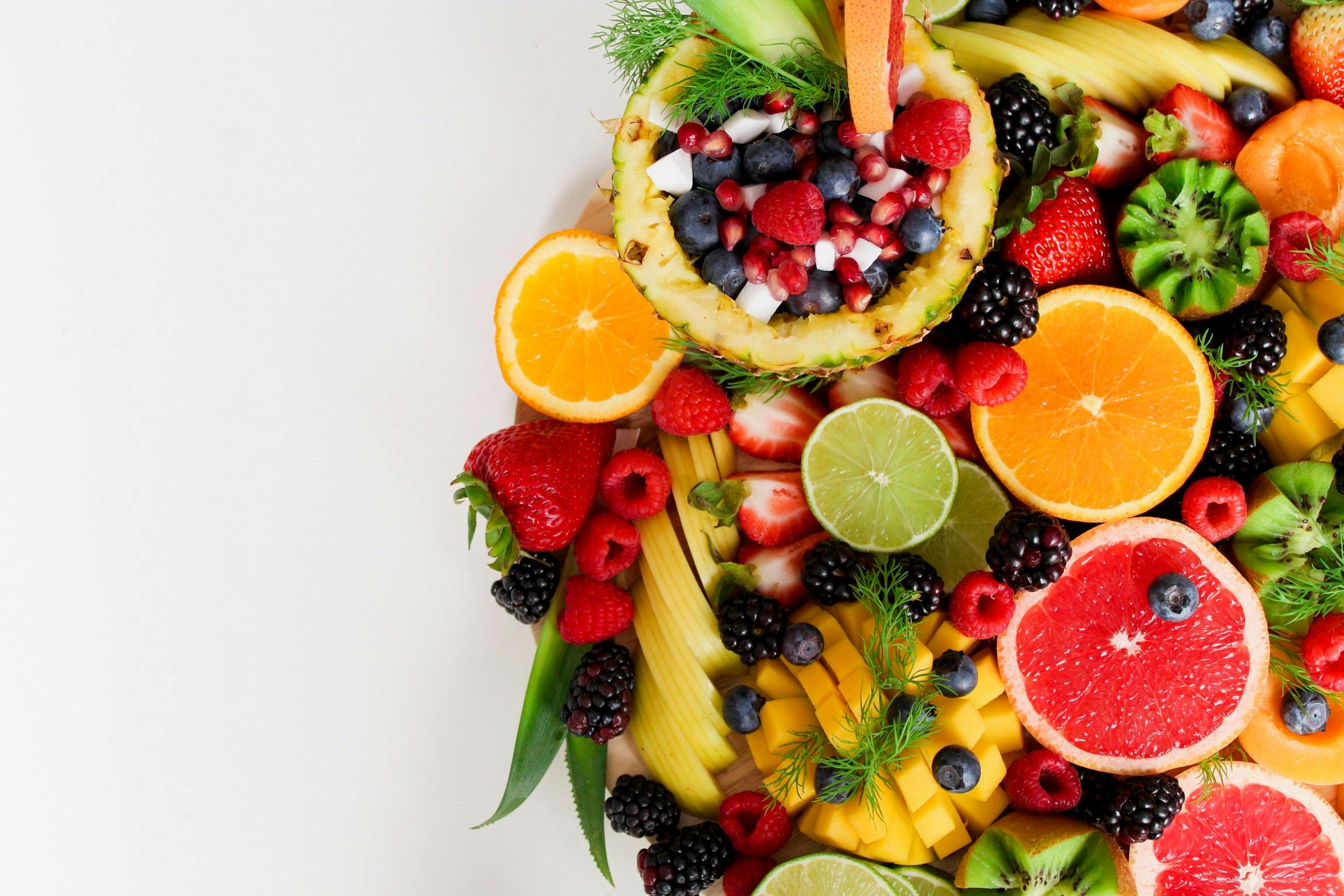
Let’s keep this simple. Nutrient density means you’re getting tons of vitamins, minerals, antioxidants, and fiber without loading up on empty calories.
Think of it as getting the most nourishment possible from every bite.
These fruits fight inflammation, support your immune system, protect your cells from damage, and keep your digestive system happy.
The shift from thinking about what you can’t eat to celebrating what you can add?
That’s where the magic happens.
Berries: Tiny But Mighty Antioxidant Champions
Raspberry: Fiber Superstars
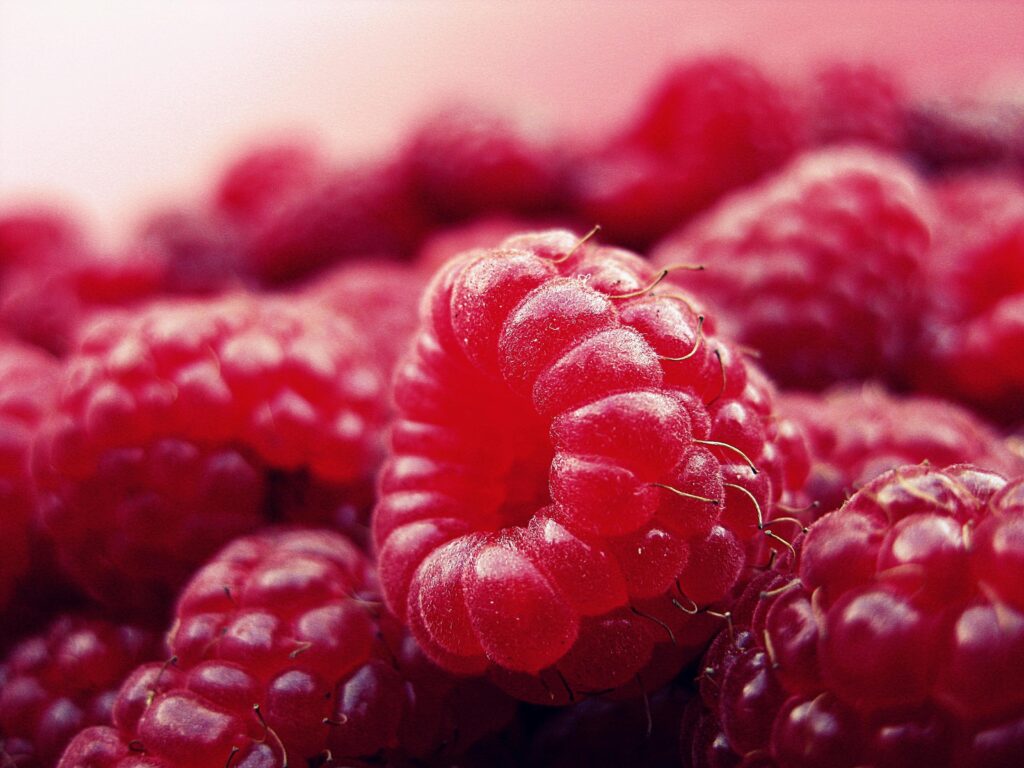
Raspberries are tiny, but they pack serious nutritional power.
One cup delivers a whopping 8 grams of fiber—that’s about a third of what most people need daily.
Here’s what makes raspberries a standout:
- Excellent source of vitamin C and manganese
- Rich in ellagitannins, antioxidants linked to cancer protection
- Anti-inflammatory compounds that support joint health
How to use them: Keep frozen raspberries in your freezer year-round. Toss them into smoothies, blend them into chia pudding, or eat them straight from the bag when you need something sweet.
Blackberry: Brain-Boosting Beauties
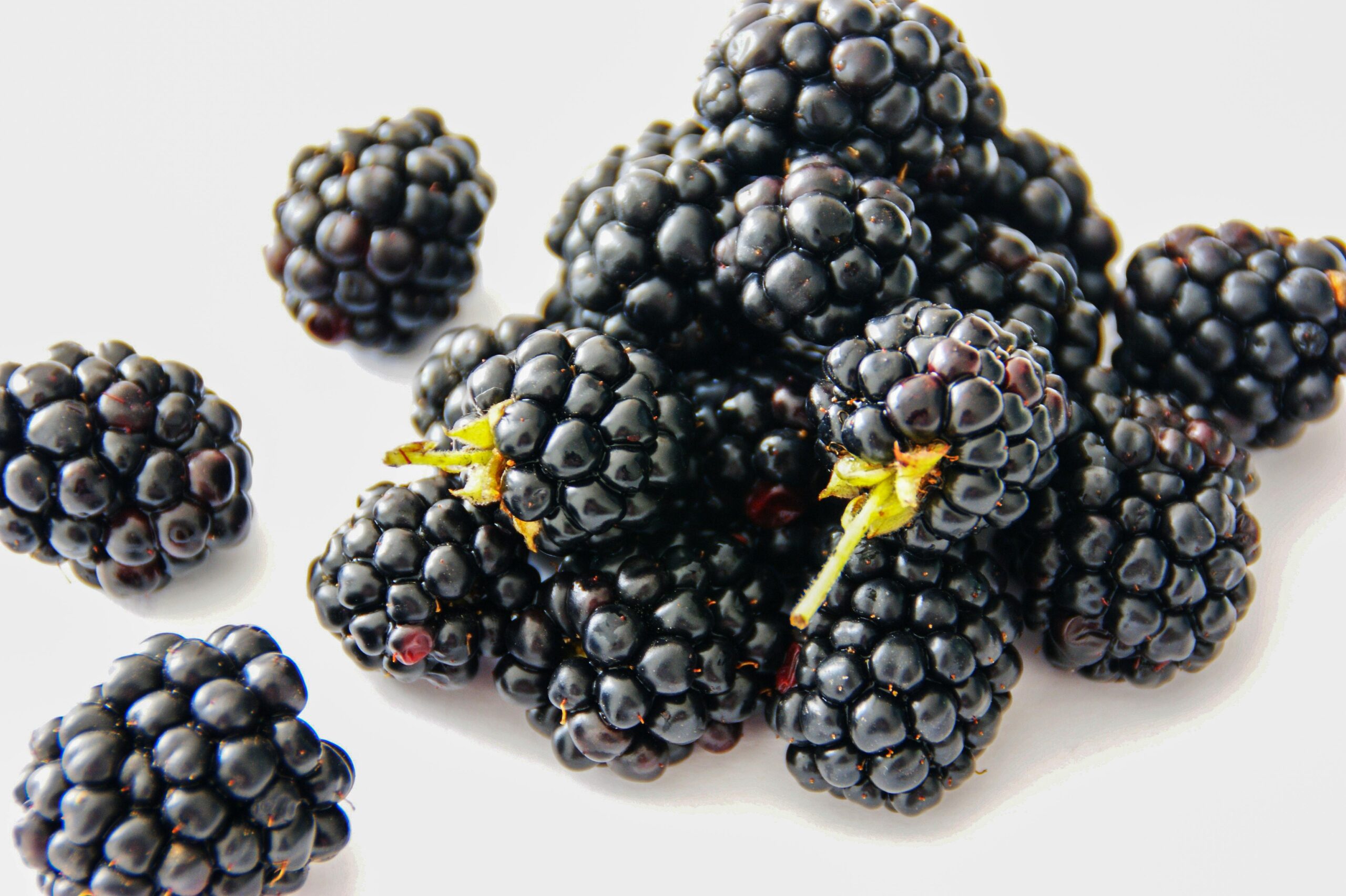
Blackberries are like raspberries’ slightly more intense cousin.
They pack even more fiber and have those gorgeous deep purple compounds that do incredible things for your brain.
What blackberries bring to the table:
- Nearly 8g of fiber per cup
- Loaded with vitamin K for bone health and blood clotting
- High in anthocyanins linked to improved memory and brain function
- Excellent source of vitamin C and manganese
- May help reduce oxidative stress and inflammation
How to use them: Add them to overnight oats, blend them into smoothies with banana, or mix them into salads for a sweet-tart punch.
Blueberry: The Memory Protectors
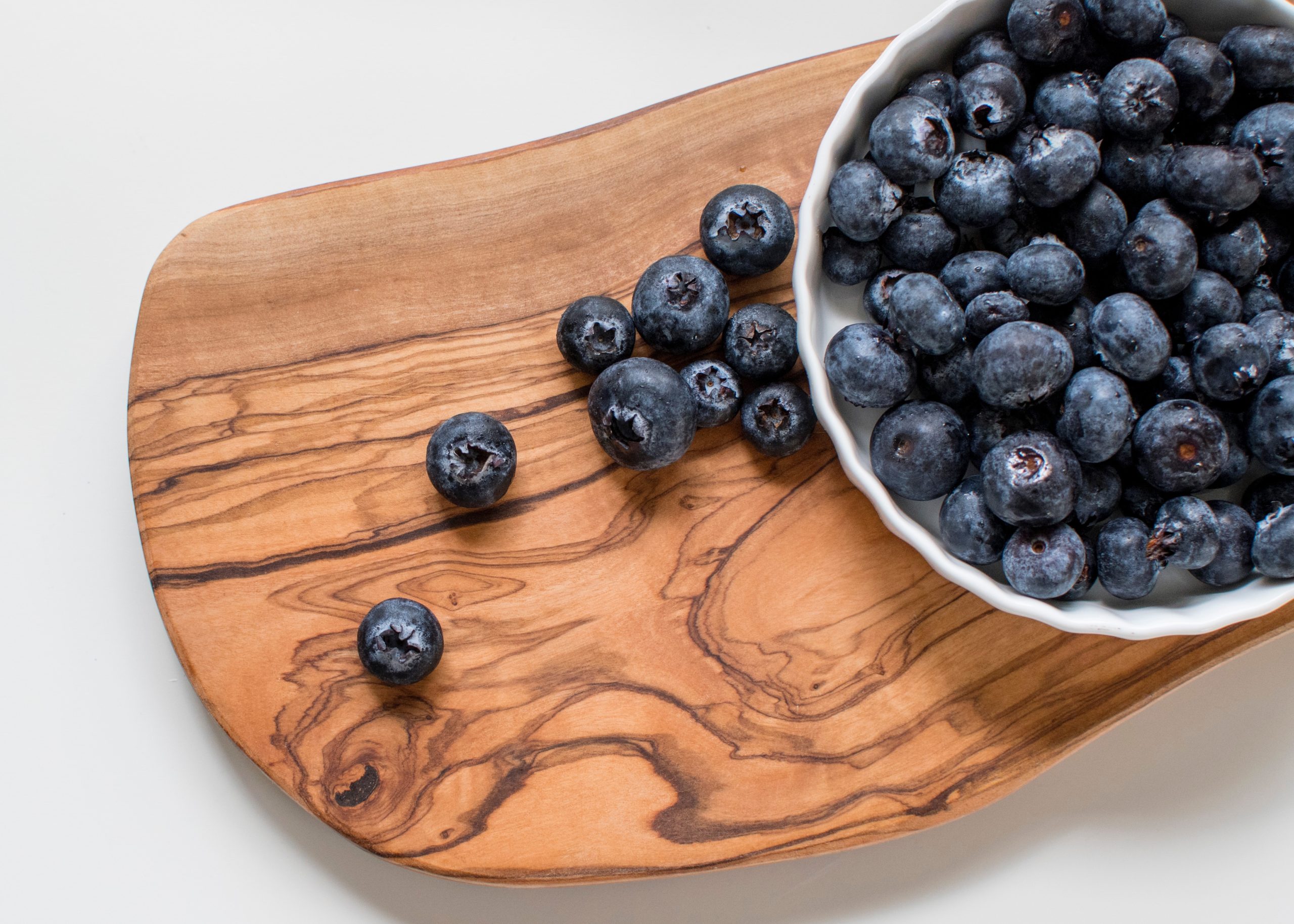
If there’s one fruit that gets all the research attention, it’s blueberries.
And honestly? They’ve earned it. The science behind blueberries and brain health is pretty remarkable.
Why blueberries stand out:
- Packed with antioxidants that protect against cellular damage
- Studies show they may slow brain aging and improve memory
- Good source of vitamin C, vitamin K, and manganese
- Anti-inflammatory properties support heart health
- May help improve insulin sensitivity
How to use them: Buy them frozen and keep them stocked. Blend them into smoothies (they make everything purple and creamy), stir them into oatmeal, or mix them with other berries for a power-packed snack.
Strawberry: The Vitamin C King
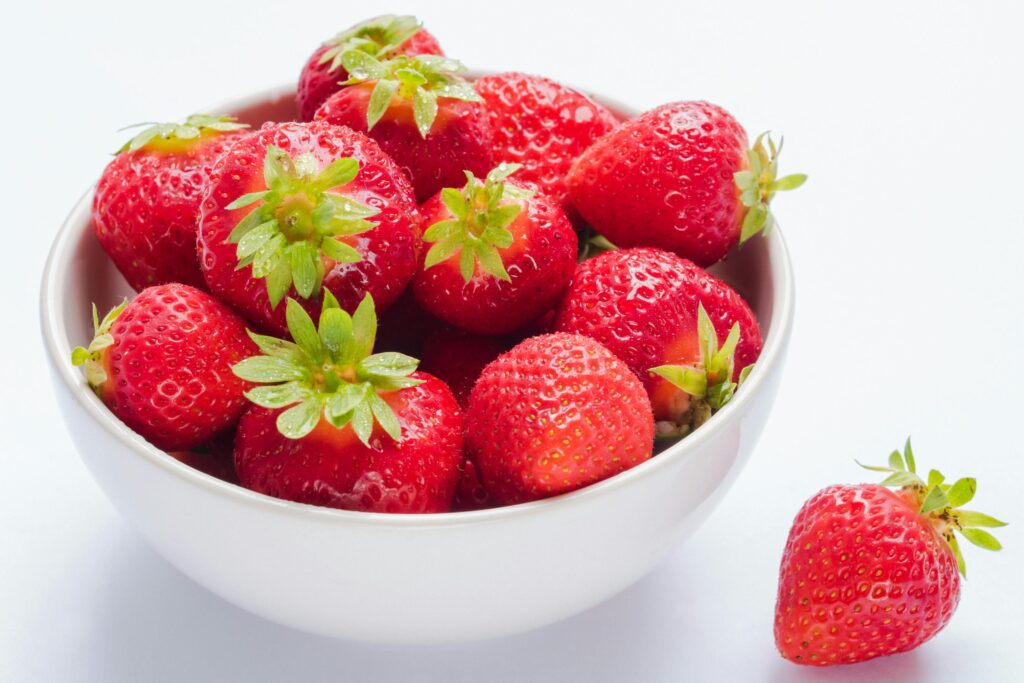
Strawberries are more than just pretty and delicious.
Eight medium strawberries give you more vitamin C than an orange, which blew my mind when I first learned it.
What strawberries offer nutritionally:
- Rich in folate, important for cell growth and DNA formation
- Good source of potassium for heart health
- Antioxidants that reduce inflammation and oxidative stress
- May support healthy blood sugar regulation
How to use them: Slice them on oatmeal or toast, blend them into smoothies, freeze them for a sweet treat, or just eat them fresh as a snack.
Beyond Berries: Other Nutrient-Dense Fruit Heroes
Avocado: The Creamy Nutrient Bomb
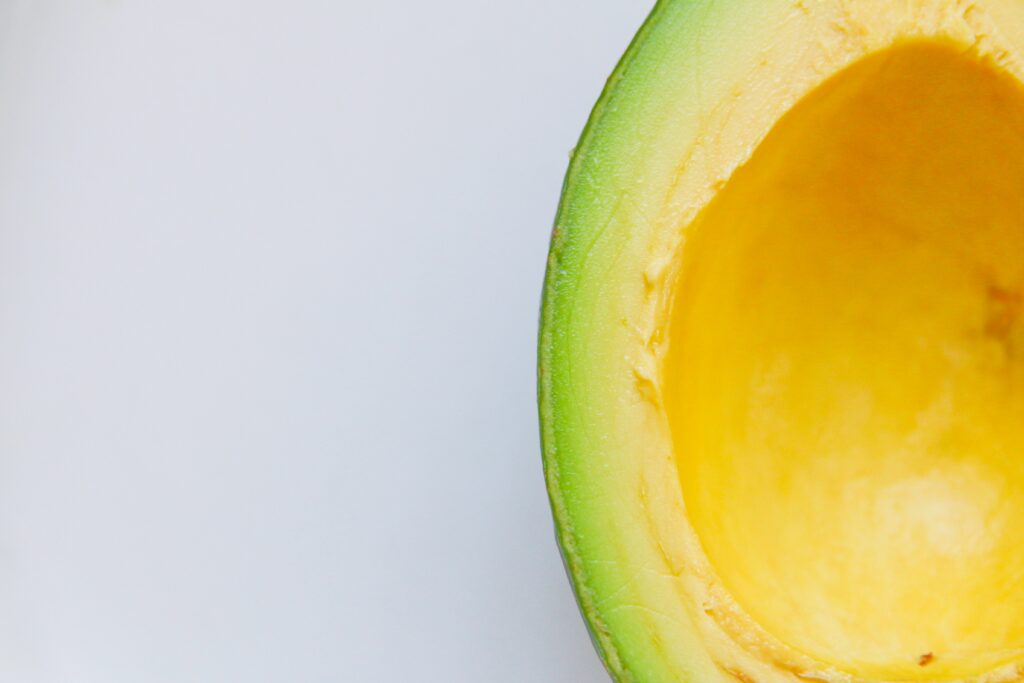
Yeah, avocado is technically a fruit, and it’s in a completely different category than everything else on this list.
Unlike most fruits, avocados are packed with healthy fats that actually help your body absorb nutrients better.
Why avocado deserves your plate:
- Nearly 10g of fiber per avocado
- Excellent source of potassium (more than bananas)
- Loaded with folate, vitamin E, and vitamin K
- Increases absorption of fat-soluble vitamins by up to 15 times
How to use it: Mash it on toast, add it to smoothies for creaminess, slice it onto salads, or just eat it with a spoon and a sprinkle of salt.
Kiwi: The Digestive Helper
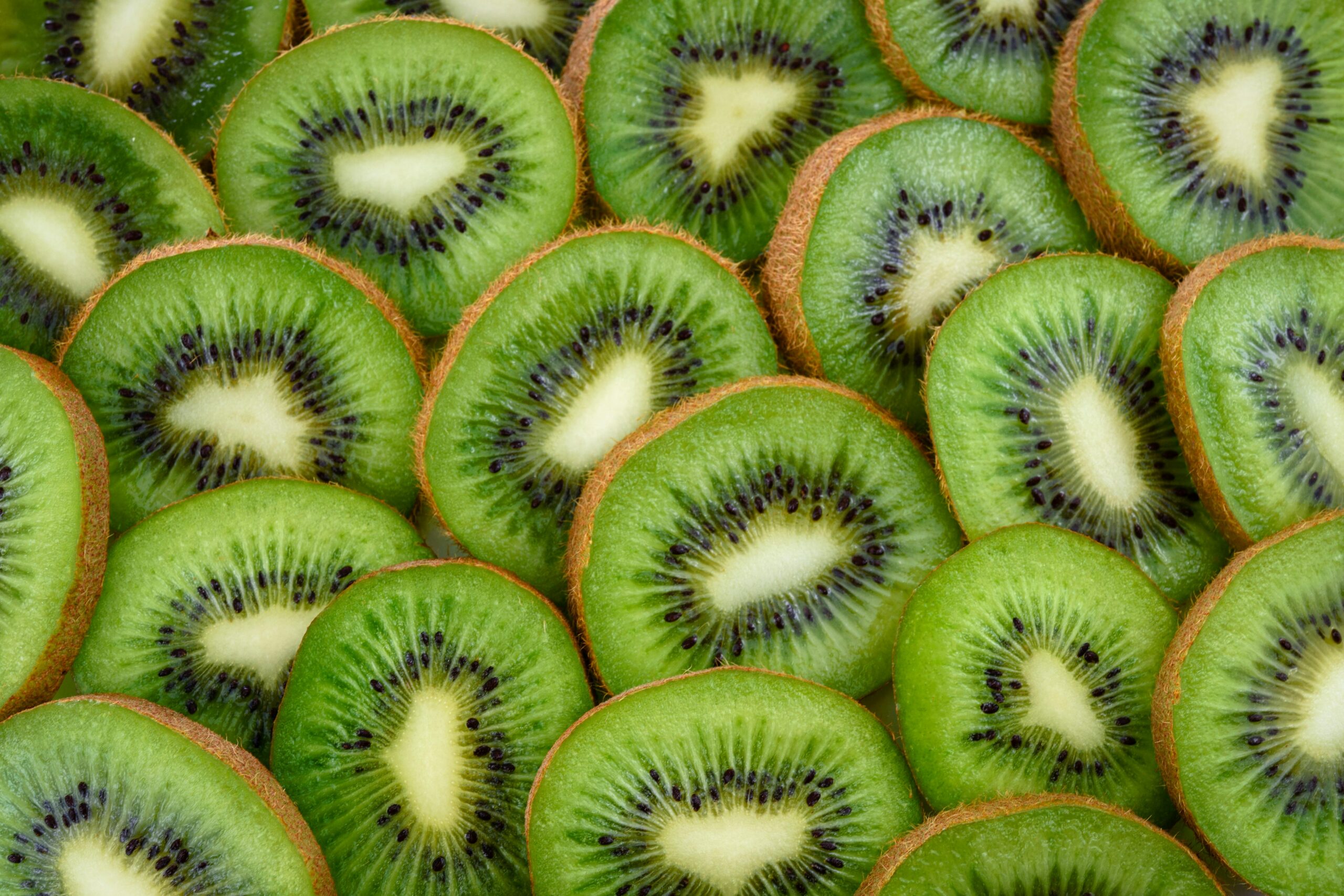
Don’t sleep on kiwis. Seriously.
One small kiwi contains more vitamin C than an orange, plus it has this amazing enzyme that helps your digestion work better.
Why kiwi deserves your attention:
- Contains actinidin, an enzyme that breaks down protein
- Excellent source of vitamin K, vitamin E, and folate
- Contains serotonin, a brain chemical linked to improved sleep quality
- Studies show it improves bowel movements and reduces constipation
How to use it: Eat it with a spoon straight from the skin (yes, the skin is edible and adds fiber), slice it into fruit salads, blend it into smoothies, or add it to overnight oats.

Get Your FREE Plant-Forward Grocery List Today!
Papaya: The Tropical Enzyme Star
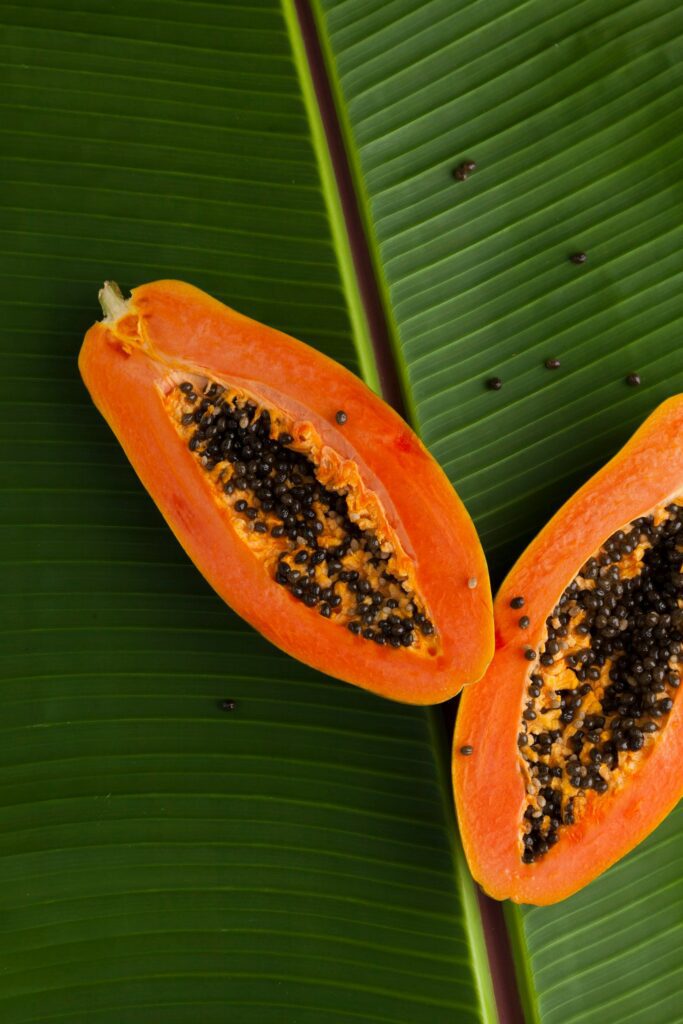
Papaya is like sunshine in fruit form.
It contains papain, a digestive enzyme that helps break down proteins and eases that uncomfortable bloated feeling.
Why papaya stands out:
- Incredibly high in vitamin C (over 200% daily value per medium papaya)
- Excellent source of vitamin A from beta-carotene
- Folate for cell health
- Lycopene and other antioxidants support heart health
How to use it: Eat it fresh with a squeeze of lime, blend it into tropical smoothies, add it to fruit salads, or puree it for a natural sauce. The seeds are edible too and have a peppery kick.
Pomegranate: The Heart Health Guardian
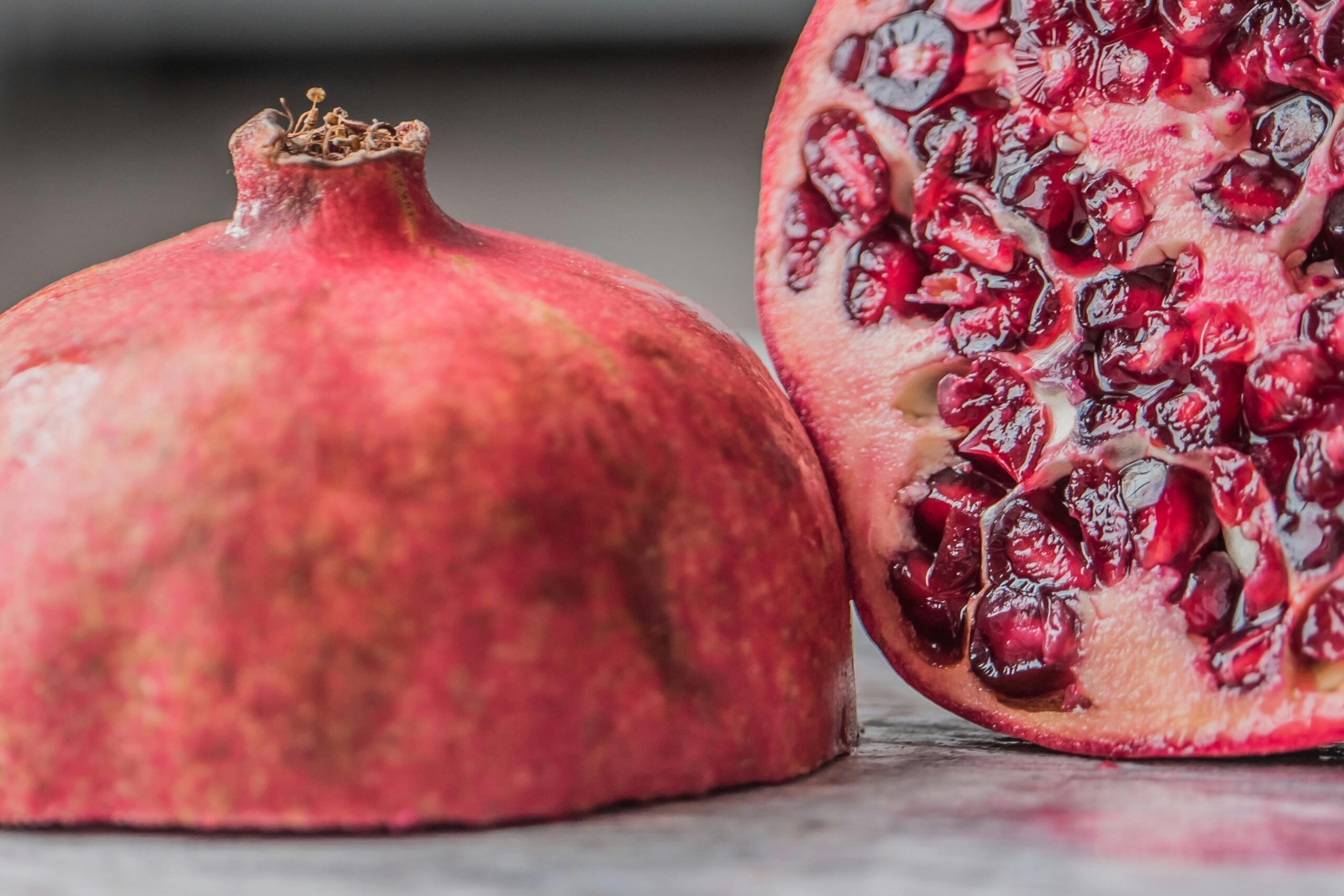
Pomegranate seeds (arils) are like little jewels packed with serious health benefits.
They’re loaded with polyphenols—powerful antioxidants that do amazing things for your heart and blood vessels.
What pomegranates offer:
- Studies show it may lower blood pressure
- Good source of vitamin C, vitamin K, and fiber
- May reduce inflammation throughout the body
- Supports heart health and healthy blood flow
How to use them: Sprinkle arils over salads, blend them into smoothies, stir them into oatmeal, or just eat them by the handful. Open them in a bowl of water to make cleanup easier.
Citrus Fruits: Zesty Vitamin C Champions
Grapefruit: The Immunity Booster
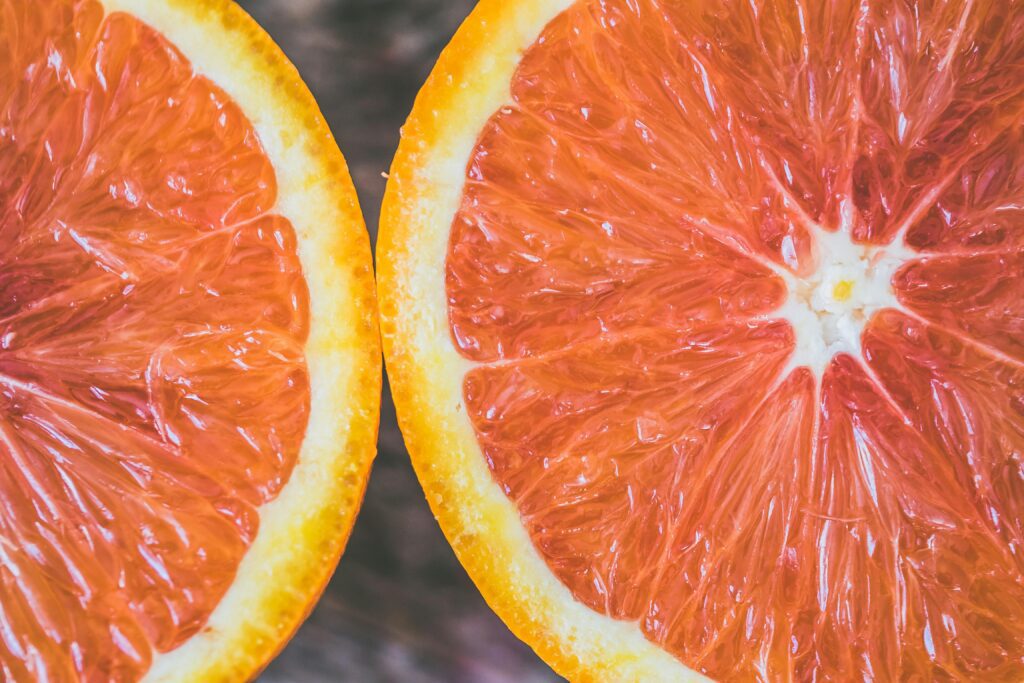
Grapefruit doesn’t get enough credit.
Half a grapefruit gives you about 64% of your daily vitamin C needs, plus it’s loaded with other compounds that support your immune system.
What makes grapefruit special:
- Rich in vitamin A and potassium
- Contains lycopene, an antioxidant linked to reduced disease risk
- May help reduce insulin resistance
- Supports healthy skin and wound healing
How to use it: Cut it in half and eat it with a spoon (sprinkle with cinnamon if it’s too tart), add segments to salads, blend it into smoothies, or juice it fresh. Just note: grapefruit can interact with certain medications, so check with your doctor if you take prescriptions.
Lemon and Lime: Small But Powerful
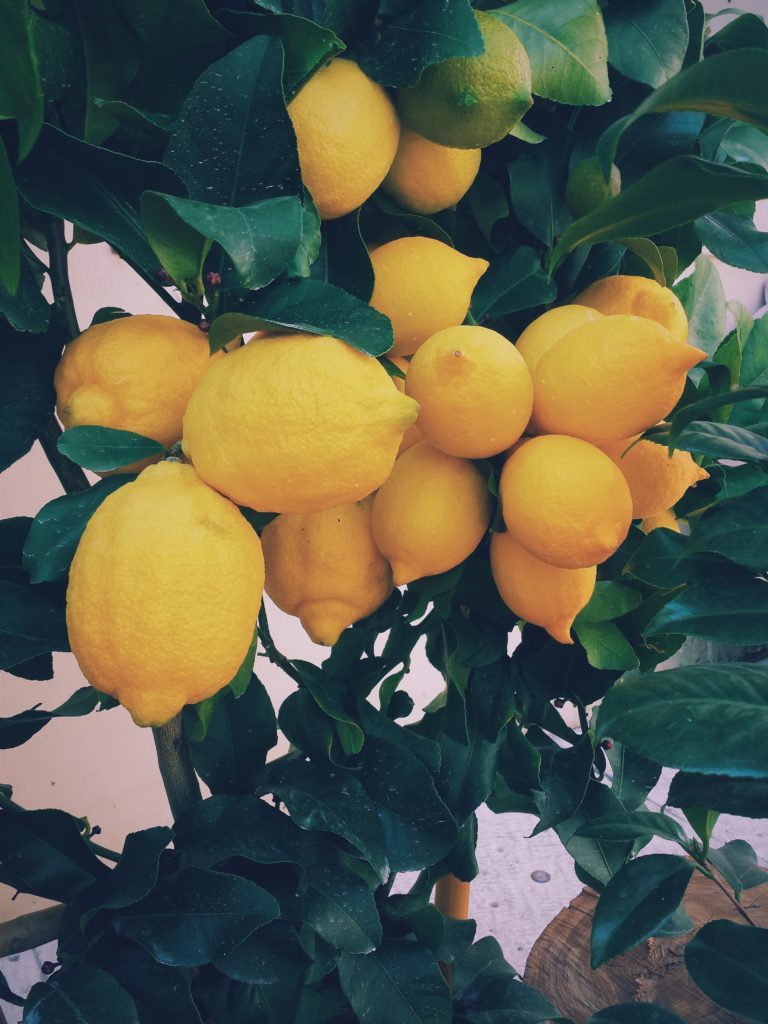
These citrus gems might be small, but they punch way above their weight class.
Lemons and limes are nutritional powerhouses that most people overlook because we use them as flavor additions instead of actual food.
Why lemons and limes deserve your attention:
- Loaded with vitamin C for immune and skin health
- Contain flavonoids with antioxidant and anti-inflammatory properties
- Support healthy digestion and hydration
- May help increase iron absorption from plant foods
- Compounds in citrus peels have additional health benefits
How to use them: Start your morning with warm lemon water, squeeze them over salads, add them to smoothies, use the zest in cooking, or just squeeze them into plain water throughout the day.
How to Add More Nutrient-Dense Fruits to Your Life
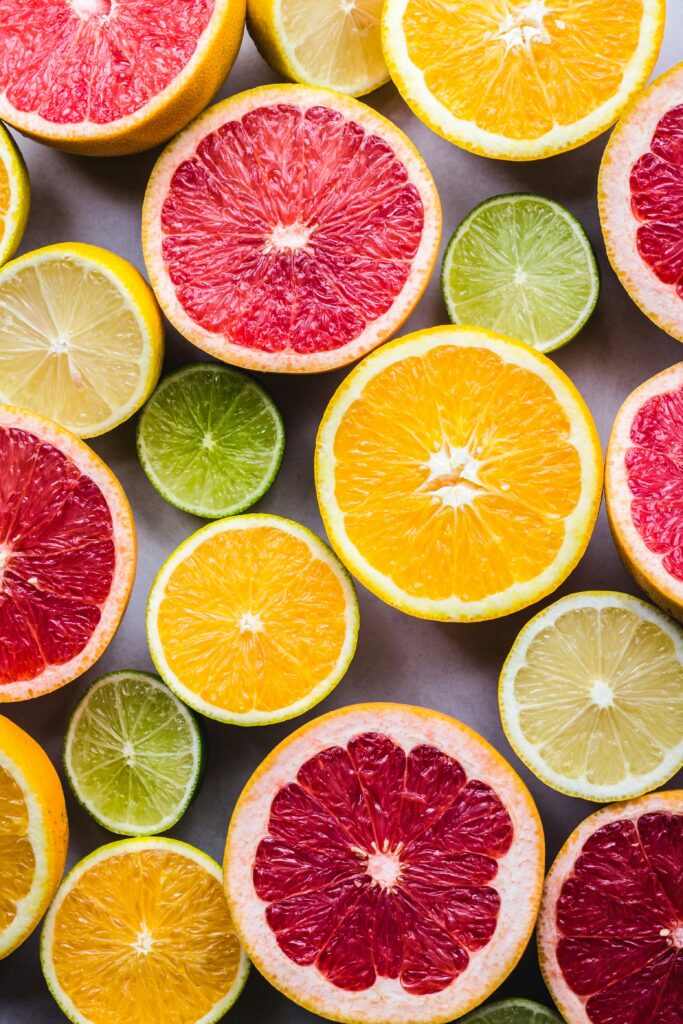
You don’t need to overthink this. Here are some real, practical ways I’ve worked more of these fruits into my routine:
- Keep frozen berries on hand. This is my number one tip. Frozen berries are just as nutritious as fresh (sometimes more so because they’re frozen at peak ripeness), and they’re ready whenever you need them. Toss them into smoothies, oatmeal, or yogurt alternatives.
- Prep fruit at the beginning of the week. Wash berries, cut up kiwis and grapefruit, and store them in containers so they’re grab-and-go ready.
- Add fruit to savory meals. Avocado on toast, pomegranate seeds on salads, grapefruit segments with greens—mixing sweet and savory keeps things interesting.
- Make fruit visible. Keep a bowl of kiwis, lemons, and limes on your counter. When you see them, you’re more likely to eat them.
- Experiment with combinations. Blend blackberries with banana, add papaya to mango smoothies, or mix different berries together. Finding flavor combos you love makes eating more plants feel effortless.
FAQs About Nutrient Dense Fruits
Q: Can I get the same nutrients from frozen fruits?
Absolutely! Frozen fruits are picked at peak ripeness and frozen immediately, which locks in their nutrients.
In some cases, frozen fruits retain more vitamins than fresh fruits that have been sitting on shelves or in your fridge for days.
They’re also way more convenient and often more affordable.
I honestly prefer frozen berries for smoothies because they’re already prepped and make everything creamy and cold (no need for ice).
Q: How much fruit should I eat each day?
Most health organizations recommend about 2 cups of fruit daily, but this really depends on your individual needs and activity level.
Focus on variety and listen to your body.
If you’re eating mostly whole fruits (rather than drinking only juice), you’re getting the fiber that helps regulate blood sugar and keeps you full.
There’s no need to stress about exact amounts—just aim to include fruit regularly as part of meals and snacks.
Q: Do I need to worry about fruit sugar?
Not if you’re eating whole fruits! The natural sugars in fruit come packaged with fiber, water, vitamins, minerals, and antioxidants.
This combination slows down sugar absorption and prevents blood sugar spikes.
Research consistently shows that eating whole fruits is associated with better health outcomes, including reduced risk of chronic diseases.
The sugar you want to limit is added sugar in processed foods—not the natural sugars in nutrient-dense fruits like berries, citrus, and papaya.
📖 Good Reads: Plant-Based Nutrition and How Not to Die

In Essence: Eat More Fruits
These nutrient-dense fruits are some of the most powerful foods you can add to your plate.
They’re packed with vitamins, antioxidants, fiber, and compounds that support everything from your immune system to your brain to your heart.
But you don’t need to eat all of them every single day. Pick one or two fruits that sound good to you and find simple ways to add them into your routine.
The shift from scarcity thinking to plant abundance isn’t about rules or restriction—it’s about discovering how good you can feel when you nourish your body with real, whole foods.
These fruits are tools that support you on that journey, one delicious bite at a time.
⭐ Let’s chat: Do you have a go-to fruit that makes you feel amazing, or are you curious to try something new from this list? Share in the comments below!