This post may contain affiliate links. If you purchase through these links, I may earn a small commission at no extra cost to you. This helps keep Pine+Mango running. Thank you for your support! Read our full disclosure here.
You’ve eaten more plants this week than you have in months, and now you’re lying awake at 2 AM wondering if your stomach will ever forgive you.
I get it. That first month of shifting toward plant foods feels like your body’s staging a full-blown rebellion.
One day you’re energized and glowing, the next you’re bloated and questioning every life choice that led you here. You’re probably googling “is this normal?” more than you’d like to admit.
Here’s what you need to know: your body isn’t broken. It’s actually doing exactly what it’s supposed to do.
Those weird symptoms, the energy dips, the bathroom drama, even the emotional rollercoaster — they’re all signs that something profound is happening under the surface.
Your digestive system is waking up, cells are detoxifying, and your gut bacteria are literally changing their entire population. And your brain chemistry? It’s recalibrating too.
Understanding what happens when you start eating more plants helps you support the process instead of second-guessing it.
Let me walk you through what’s really going on over the first 90 days — physically, mentally, and emotionally — so you know exactly what to expect.

Subscribe to Our Nourished Newsletter
Get free weekly guidance for your plant-based journey, straight to your inbox.
- What Actually Happens When You Start Eating More Plants
- The First 90 Days: Your Complete Timeline
- The Biology Behind What You're Experiencing
- The Emotional Journey Nobody Talks About
- Common Concerns and Solutions
- Practical Tips for Success
- FAQs
- In Essence: The Journey Is Worth It
- Subscribe to Our Nourished Newsletter
What Actually Happens When You Start Eating More Plants
Your body runs on patterns. For years, maybe decades, it’s been processing the same types of foods in the same ways.
Now you’re introducing more fiber, different proteins, new phytonutrients, and a whole ecosystem of compounds it hasn’t seen in this quantity before.
Think of it like renovating a house while you’re still living in it. Things get messy before they get better.
Your digestive system has to adapt.
The enzymes that break down plant fiber need time to increase in number.
Your gut bacteria population shifts dramatically — the beneficial strains that thrive on fiber start multiplying while other strains die off.
This transition period causes gas, bloating, and changes in bathroom habits that feel alarming but are actually positive.
Your cells start detoxifying.
Animal products and processed foods can leave behind stored toxins in your fat cells. As you eat more plants, your body starts releasing these into your bloodstream to eliminate them.
This can cause headaches, fatigue, skin breakouts, and that general “blah” feeling people call detox symptoms.
Your blood chemistry changes.
Within days, your blood sugar stabilizes differently. Your cholesterol starts shifting. Inflammation markers begin dropping.
These are good changes, but your body notices them and needs time to recalibrate.
Your brain chemistry shifts.
The gut-brain connection is real. As your gut bacteria change, they produce different neurotransmitters.
Your mood, mental clarity, and emotional regulation all respond to what you’re eating. The transition period can bring mood swings, but it’s temporary.
The key thing to remember? Your body is designed for this. You’re returning to what your system handles best.
The First 90 Days: Your Complete Timeline

Week 1-2: The Adjustment Phase
What’s Happening Inside
Your digestive system is meeting fiber levels it probably hasn’t seen in years. Gut bacteria are starting to shift, with fiber-loving beneficial bacteria beginning to multiply.
Your body is also starting to release stored toxins. Neurotransmitter production begins changing.
Physical changes:
- Increased gas and bloating (often worst around days 3-5)
- More frequent bathroom trips or occasional constipation as your system adjusts
- Possible headaches or fatigue
- Inconsistent energy — great one hour, crashed the next
- Skin might start purging (breakouts are common)
Mental and emotional shifts:
- Intense cravings for old comfort foods hit
- Mood swings, irritability, emotional sensitivity
- Brain fog or difficulty concentrating
- Feeling overwhelmed or questioning if it’s worth it
- Sleep disruptions
- Anxiety without usual comfort foods
★ How to support yourself:
Drink half your body weight in ouncesof water daily. Add fermented foods like sauerkraut or kimchi.
Steam or roast vegetables instead of eating them raw. Be gentle with yourself emotionally — your brain chemistry is literally changing.
Journal, take walks, and give yourself grace. Order the veggie burger with fries if that keeps you going.
Week 3-4: The Turbulent Middle
What’s Happening Inside
Gut bacteria shift more dramatically. The die-off of less beneficial bacteria (called the Herxheimer reaction) can make you feel worse temporarily.
Your body actively detoxifies while digestive enzymes catch up. Your brain starts registering the nutrient density.
Physical changes:
- Digestive issues might peak week 3, then calm week 4
- Deeper sleep quality
- Energy starts stabilizing with fewer crashes
- Afternoon slump often disappears
- Skin clears after initial breakouts
Mental and emotional shifts:
- Cravings shift — cheese doesn’t call as intensely
- Mood begins evening out
- Mental clarity improves, especially mornings
- Less reactive to stress
- Food relationships changing
- Moments of genuine excitement about plant foods
★ How to support yourself:
Don’t push hard at the gym — gentle walking helps lymphatic drainage.
Add ginger tea for digestion. Consider digestive enzymes if bloating persists.
Batch cook simple meals. Remind yourself this turbulence is temporary. Week 4 brings the first real glimpses of why people love this.
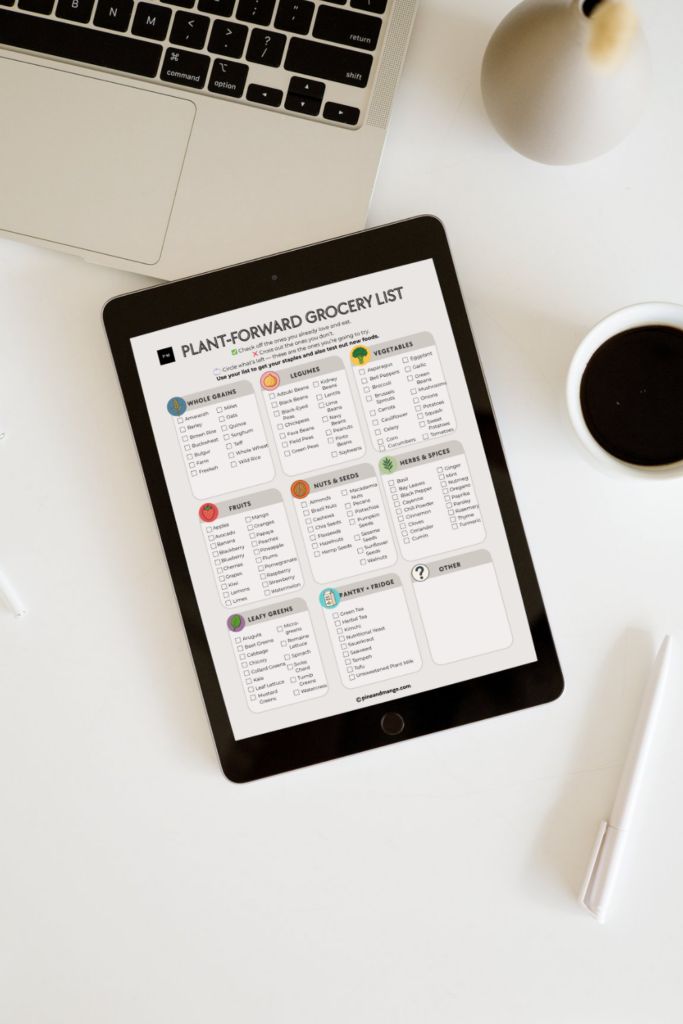
Get Your FREE Plant-Forward Grocery List Today!
Month 2: The Turning Point
What’s Happening Inside
Gut bacteria stabilize into their new normal. Digestive enzymes increase to handle fiber. Cells release fewer toxins because you’ve cleared the first wave.
Blood sugar regulation significantly improves. Serotonin production optimizes. Inflammation markers drop noticeably.
Physical changes:
- Steady, consistent energy all day
- Bloating becomes rare
- Digestion feels normal or better than before
- Waking up genuinely refreshed
- Skin often glows
- Weight shifts naturally as inflammation decreases
- Faster workout recovery
- Chronic issues (joint pain, headaches, acid reflux) often improve
Mental and emotional shifts:
- Sharp mental clarity — 3 PM brain fog disappears
- Stable, positive mood
- Not obsessing about food anymore
- Minimal cravings for processed foods
- Increased motivation and focus
- Better stress management
- Improved sleep quality
- Plants actually taste better now
- Pride instead of deprivation
★ How to support yourself:
Experiment more. Try raw salads. Test out different plant proteins.
Notice which foods give sustained energy versus sleepiness. Add variety — new vegetables, different grains, unfamiliar legumes.
Your body gives clearer feedback now.
Month 3: The New Normal
What’s Happening Inside
Gut microbiome fully establishes its plant-friendly population. Your body efficiently processes fiber. Inflammation has dropped significantly.
Cells run on cleaner fuel. Neurotransmitter production is optimized. Your taste buds have literally changed.
Physical changes:
- Reliable sustained energy as baseline
- Digestive system runs smoothly
- Visible changes in appearance — skin, eyes, overall glow
- Clothes fit differently as body composition shifts
- Increased physical stamina
- Might need less sleep to feel rested
- Chronic inflammation continues improving
- Body craves movement instead of dreading it
Mental and emotional shifts:
- Mental sharpness feels like a superpower
- Generally optimistic, stable mood
- New habits feel effortless
- Food freedom — not fighting food anymore
- Increased patience and emotional regulation
- Improved creativity and problem-solving
- Connected to body’s signals
- Confident in food choices
- More present, less anxious overall
- Peaceful relationship with food
★ How to support yourself:
Reflect on how far you’ve come. Compare now to day one. Notice the differences — physical, mental, emotional.
Fine-tune your approach based on what you’ve learned. Maybe you need more protein at breakfast, or raw cruciferous vegetables still don’t work for you.
Honor your discoveries and celebrate yourself.
The Biology Behind What You’re Experiencing
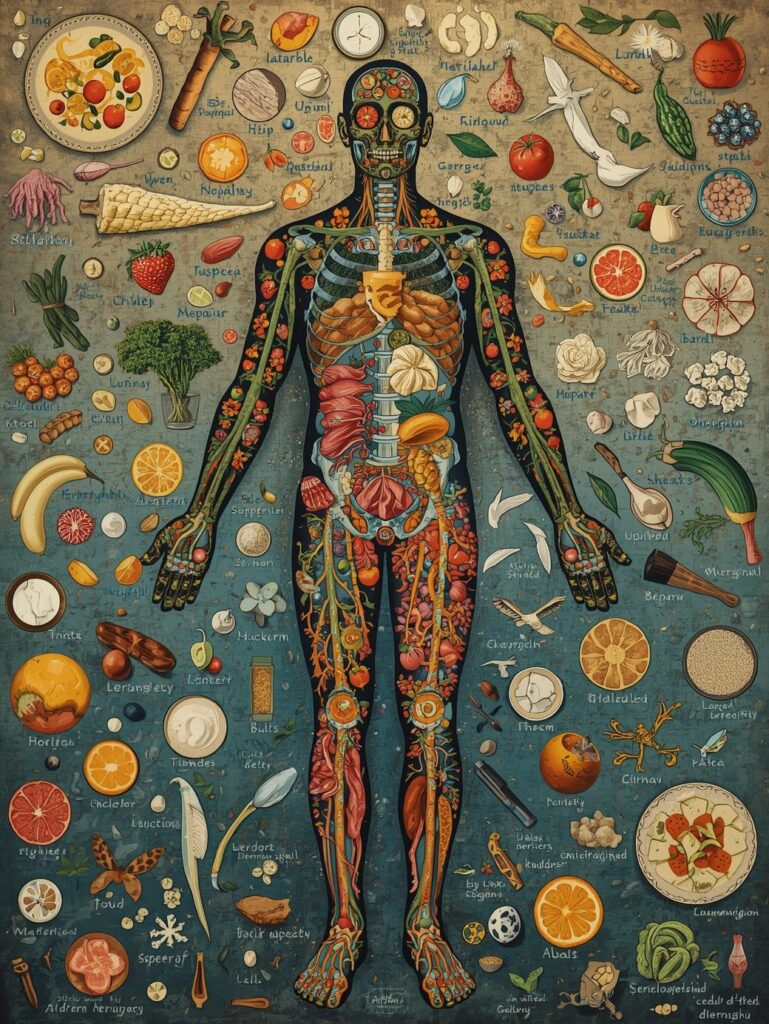
Gut bacteria transformation
Your intestinal tract contains trillions of bacteria that eat what you eat.
Studies show that gut bacteria populations can shift within 24 hours of dietary changes, stabilization takes 3-4 weeks and full establishment takes 2-3 months.
The beneficial bacteria like Bifidobacterium and Lactobacillus thrive on plant fiber, while bacteria associated with inflammation and disease (like Bilophila and certain Clostridium strains) decrease.
Detoxification
Your liver processes toxins in two phases. When you stop consuming inflammatory foods, fat cells release stored toxins into your bloodstream for elimination.
This is real biochemistry.
Supporting your liver with water, cruciferous vegetables, and adequate sleep helps this process move smoothly. Most heavy detox happens in the first 4-6 weeks.
Blood sugar regulation
Processed foods cause blood sugar spikes and crashes. Plant fiber slows glucose absorption.
Insulin sensitivity improves within days.
By month two, many people notice stable all-day energy. By month three, your body efficiently maintains steady blood glucose.
Fiber adaptation
Your colon produces enzymes specifically to break down plant fiber. When you haven’t eaten much fiber, you simply don’t produce enough of these enzymes.
It takes about two weeks for your body to upregulate production.
This is why bloating often peaks around week two and then improves dramatically.
Neurotransmitter production
Your gut produces about 90% of your body’s serotonin. When gut bacteria change, neurotransmitter production changes too.
This explains mood shifts in early weeks and improvements by month two. Your gut also produces GABA, dopamine, and other brain chemicals affecting emotions.
The Emotional Journey Nobody Talks About

Let’s be real: changing how you eat messes with your emotions in unexpected ways.
- Grief is normal. You might mourn old foods. Food is tied to memories, comfort, identity, and connection. Letting go can feel like losing something, even when it’s positive. Give yourself permission to feel that.
- Identity shifts are real. You’re changing how you see yourself. “I’m not a burger person anymore” feels weird. You might not fit old social patterns. This is normal and settles over time.
- The judgment thing. People might have opinions about your choices. Family might feel threatened. Friends might make annoying comments. This is emotionally draining. Remember: their discomfort is about them, not you. You don’t owe explanations.
- Food freedom feels unfamiliar. If you’re coming from restrictive eating, the freedom of plant-forward eating can feel uncomfortable at first. You might not trust yourself. Over time, you learn that nourishment without punishment is real and sustainable.
- Pride sneaks up on you. Around month two or three, you realize you’re doing something hard and succeeding. You’re taking care of yourself. That pride is powerful and deserved.
Common Concerns and Solutions
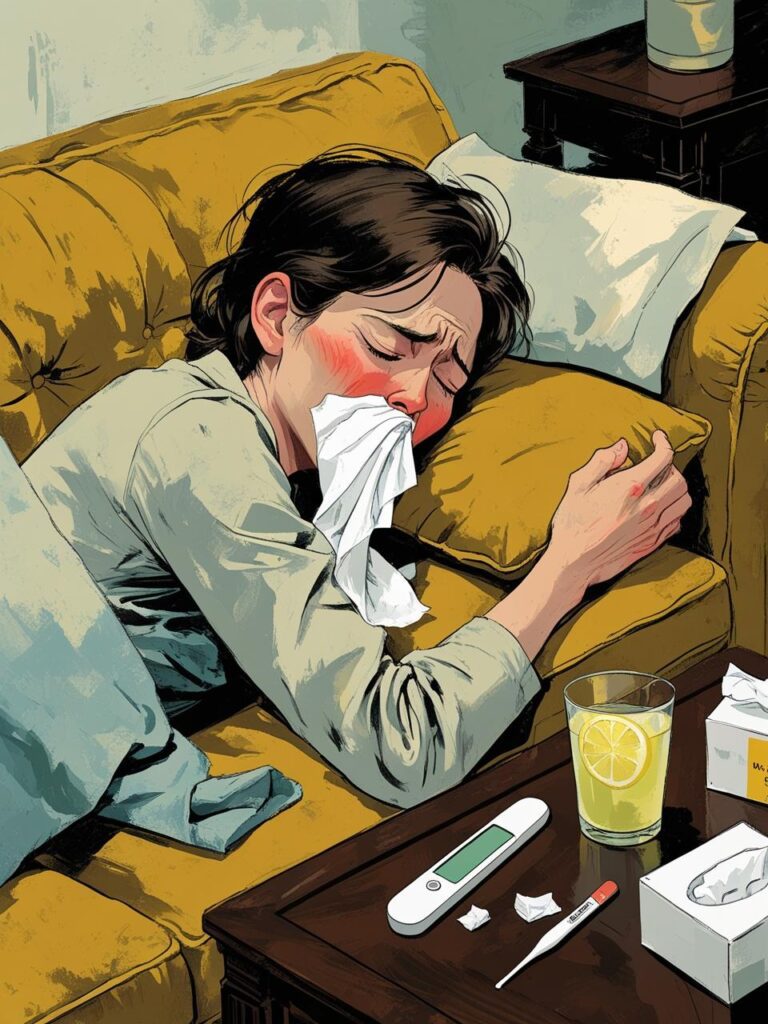
“I’m so bloated I look pregnant.”
Fiber shock. Your gut bacteria are adjusting. This improves by week three and resolves by week six.
Cook vegetables, chew thoroughly, try digestive enzymes, and add fennel or peppermint tea.
If bloating persists past month two, investigate SIBO with a healthcare provider.
“I’m hungry all the time.”
You’re probably not eating enough. Plants are less calorie-dense, so eat more volume.
Add starches like potatoes, rice, oats, and beans. Include nuts, seeds, and avocados. Protein at every meal helps. Honor your hunger.
“My skin is breaking out worse than it has in years.”
Your body eliminates toxins through skin. It’s temporary. Drink more water, sweat regularly, and dry brush before showers.
Check if you’ve increased soy — some react initially. This should clear by week four and dramatically improve by month two.
“I feel weaker at the gym.”
Your body’s adapting to new fuel. Give yourself 4-6 weeks before judging. Ensure adequate calories and carbs.
Eat a banana or dates 30 minutes before workouts. By month two, endurance often improves.
“I’m crying over everything.”
Neurotransmitters shift as gut bacteria change. Emotional sensitivity in the first month is normal. It stabilizes by weeks 3-4.
If severe or persistent past two months, check for nutrient deficiencies (B12, iron, omega-3s) with a healthcare provider.
Practical Tips for Success
Start gradually. Increase fiber slowly to avoid shocking your system.
Cook vegetables initially. Raw is harder to digest at first.
Don’t skip fat. It helps nutrient absorption and satisfaction.
Keep easy backup meals ready. Frozen veggie burgers, canned beans, hummus.
Track how you feel. Note energy, mood, digestion, cravings to find patterns.
Plan for social situations. Eat beforehand, bring a dish, focus on connection.
Supplement strategically. B12 is essential. Consider vitamin D, omega-3s, iron.
Give yourself checkpoints. Reflect at weeks 2, 4, and months 2 and 3.
FAQs
Q: What if my energy hasn’t improved by month two?
Check total calorie intake first. Then verify B12 and iron levels. Ensure adequate protein and complex carbs. Consider sleep quality and stress.
If still dragging, get comprehensive lab work. Sometimes thyroid issues surface when you clean up eating.
Q: Can I get results if I’m only adding more plants, not going fully plant-based?
Yes! You don’t need 100% plants to experience benefits.
Adding more plant foods while reducing processed foods triggers positive changes in gut bacteria, inflammation, and nutrient intake. Progress over perfection.
Q: Is it normal to feel worse before feeling better?
Absolutely. Feeling rough for the first two to three weeks is common as your body detoxifies and adapts.
If symptoms worsen after a month or feel severe, consult a healthcare provider. Underlying issues like SIBO might need addressing.
📖 Good Reads: How Not to Die, The China Study and Plant-Based Nutrition

In Essence: The Journey Is Worth It
The first 90 days of eating more plants are messy, uncomfortable, and occasionally discouraging. Your body is renovating itself from the inside out, and that process isn’t neat or linear.
But those weird symptoms aren’t signs you’re doing something wrong. They’re proof that something profound is happening.
Your gut bacteria are transforming and cells are detoxifying. Your brain chemistry is recalibrating and your entire system is learning to run on the fuel it was designed for.
By month three, when your energy is steady and your mind is clear and you realize you haven’t thought about your old foods in weeks, you’ll understand why people say this changes everything.
You’re not just changing what you eat. You’re changing how your body functions, how your brain operates, and how you experience life.
Give yourself these 90 days. Support your body through the transition. Be gentle with emotional shifts. Pay attention to what your body tells you. Adjust as needed.
What feels impossible in week one becomes effortless by month three.
Your body knows how to do this. You just need to give yourself time, patience, and a little support along the way.
⭐ What surprised you most during your first 90 days of eating more plants — physical changes, emotional shifts, or something else entirely? Drop a comment and let’s compare notes!