
This post may contain affiliate links. If you purchase through these links, I may earn a small commission at no extra cost to you. This helps keep Pine+Mango running. Thank you for your support! Read our full disclosure here.
Ever feel completely lost when it comes to knowing when you’re actually hungry versus when you just think you should eat?
I’m with you in this struggle.
After years of following external rules about when, what, and how much to eat, most of us have completely disconnected from our body’s natural wisdom.
But here’s the thing – your body has been sending you perfect signals all along. You just need to learn how to listen again.
Understanding your hunger and fullness cues while eating plant foods isn’t just about avoiding overeating. It’s about rebuilding trust with your body and creating a peaceful relationship with food that actually lasts!
Subscribe to Our Nourished Newsletter
Get free weekly guidance for your plant-based journey, straight to your inbox.
- What Are Hunger Cues and Why Do They Matter?
- The Foundation: Learning Your Unique Hunger Language
- Rebuilding Trust: The Mind-Body Connection
- The Plant-Based Advantage: Working With Natural Satiety
- Practical Strategies for Hunger Awareness
- Common Challenges and How to Navigate Them
- Moving Beyond Food Rules
- The Emotional Side of Hunger
- Building Long-Term Hunger Awareness
- FAQs About Plant-Based Hunger Cues
- In Essence: Trust Your Body's Wisdom
- Subscribe to Our Nourished Newsletter
What Are Hunger Cues and Why Do They Matter?

Your hunger cues are your body’s internal communication system. Think of them as text messages from your stomach, energy levels, and brain working together to keep you properly fueled.
These signals include physical sensations like stomach growling, low energy, difficulty concentrating, or that familiar empty feeling.
But they’re way more subtle than most people realize.
When you eat plant foods specifically, your hunger cues might feel different than what you experienced before. Plant foods are often less calorie-dense and more nutrient-rich, which means your body’s signals adapt accordingly.
Why Plant-Based Eating Changes Your Hunger Signals
Switching to plant-forward eating completely shifts how hunger shows up in your body.
Plants are packed with fiber, water, and nutrients that affect satiety differently than processed foods or animal products.
You might notice you get hungry more frequently at first. This is totally normal! Your body is adjusting to foods that digest more quickly and don’t weigh you down.
The amazing part? Once you tune in, you’ll discover that plant foods actually make it easier to recognize true hunger because they don’t create the blood sugar roller coaster that keeps you guessing.
The Foundation: Learning Your Unique Hunger Language

Every person’s hunger cues are as unique as their fingerprint. What feels like intense hunger to your friend might barely register for you.
Start by paying attention to these physical hunger signals:
- Gentle stomach growling or emptiness
- Slight decrease in energy or concentration
- Thinking about food more frequently
- Mild irritability or restlessness
Your body also sends fullness signals that are equally important:
- Feeling satisfied rather than stuffed
- Food starts tasting less appealing
- Natural pause in eating rhythm
- Comfortable, content feeling in your stomach
The tricky part is that these signals can be really quiet at first, especially if you’ve spent years ignoring them.
Rebuilding Trust: The Mind-Body Connection
Here’s something I learned the hard way – you can’t think your way into hunger awareness. You have to feel your way there.
This has been the most challenging part of my plant-based journey because I essentially ignored my hunger cues for most of my life.
As someone who used to overeat regularly, I’m still learning my body’s signals, but I’m getting better every single day.
Start by eating without distractions. Put down your phone, turn off Netflix, and actually taste your food. I know it sounds basic, but this simple change is revolutionary.
Before each meal, take a moment to check in. Ask yourself: “How hungry am I right now on a scale of 1 to 10?” Then do the same thing halfway through eating.
The Plant-Based Advantage: Working With Natural Satiety

Plant foods are incredible teachers when it comes to hunger and fullness. They’re designed to satisfy you naturally without the addictive qualities of processed foods.
When you eat an apple, your body gets clear signals about sweetness, fiber, and water content. Compare that to eating something highly processed – your hunger cues get completely scrambled.
The fiber in plants helps you feel satisfied gradually and sustainably. You won’t get that sudden “I’m stuffed” feeling that comes from heavier foods.
This is why many people worry about getting enough calories when they first transition. Your body is learning to trust that these lighter, more nutrient-dense foods will actually keep you satisfied.
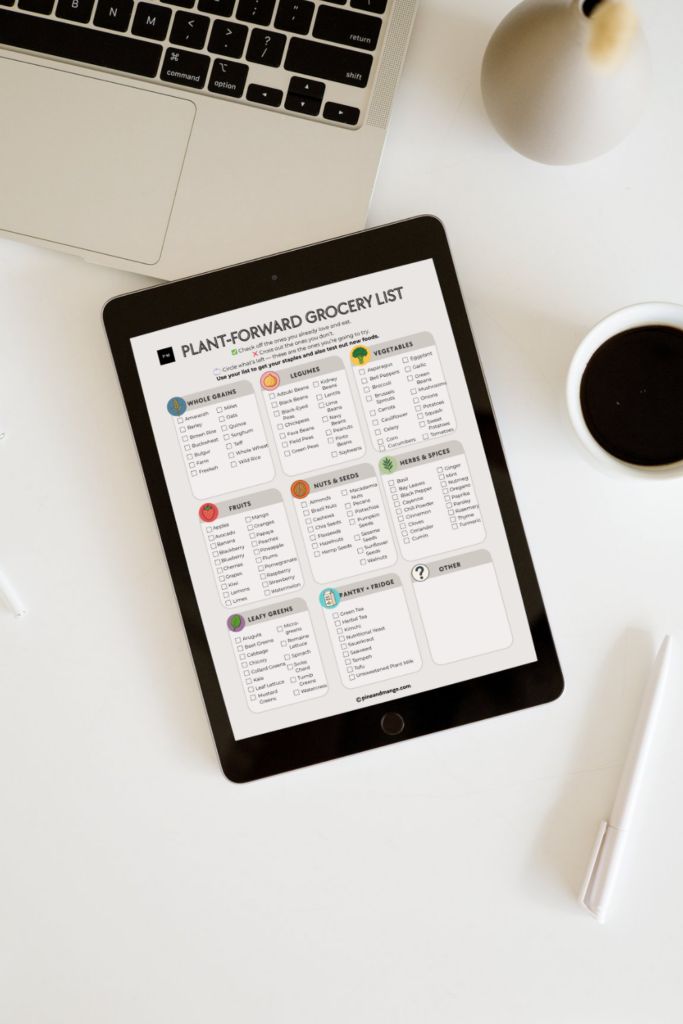
Get Your FREE Plant-Forward Grocery List Today!
Practical Strategies for Hunger Awareness

The Pause Method
Before reaching for food, pause and breathe. This isn’t about restriction – it’s about connection. Ask your body what it actually needs right now.
Sometimes you think you’re hungry when you’re actually thirsty, tired, or emotionally triggered. The pause helps you figure out what’s really going on.
The Plate Check
Halfway through your meal, put your fork down and assess. How does your body feel? Are you eating because the food tastes good or because you’re still genuinely hungry?
Honoring my fullness and being okay with not eating to capacity has been my biggest struggle. But learning to stop when satisfied rather than full has been life-changing.
The Energy Assessment
True hunger often comes with a gentle decrease in energy or focus. Emotional eating usually happens when you’re already energetically satisfied but seeking comfort or distraction.
Common Challenges and How to Navigate Them
1. “I’m Always Hungry on Plants”
This usually happens in the transition phase. Your body is adjusting to foods that digest faster and provide steady energy rather than quick spikes.
Make sure you’re eating enough healthy fats like avocados, nuts, and seeds. These help with satiety and provide sustained energy between meals.
2. “I Can’t Tell When I’m Full”
Start by noticing when food stops tasting as good. This usually happens before you feel physically full and is one of your body’s earliest satisfaction signals.
Practice eating slowly and putting your utensil down between bites. This gives your brain time to register what your stomach is telling it.
3. “I’m Scared I Won’t Get Enough Nutrition”
This fear often drives people to eat past fullness “just in case.” Trust that if you’re eating a variety of plant foods and listening to hunger cues, your body will guide you toward what it needs.
Your body is incredibly smart. It will crave iron-rich foods when iron is low, or send you toward citrus when you need vitamin C.
Moving Beyond Food Rules
The biggest shift happens when you stop following external eating rules and start trusting your internal wisdom.
This doesn’t mean throwing all structure out the window – it means using your body’s signals as your primary guide.
Maybe you’ve always been told to eat three meals a day, but your body feels better with five smaller meals. Maybe you’ve heard you shouldn’t eat after 7 PM, but your body gets genuinely hungry at 8.
Your body’s needs change daily based on activity, stress, sleep, and countless other factors. Rigid rules can’t account for this natural variation, but your hunger cues can.
The Emotional Side of Hunger
Sometimes we eat when we’re not physically hungry because we’re seeking comfort, celebration, or distraction.
This is completely human and normal.
The goal isn’t to never eat for emotional reasons – it’s to be conscious about it.
When you’re aware that you’re eating for comfort rather than hunger, you can make that choice intentionally instead of feeling guilty about it later.
Plant foods are actually perfect for emotional eating because they’re nourishing and don’t leave you feeling heavy or sluggish afterward.
Building Long-Term Hunger Awareness
This process takes time, and that’s okay. You’re essentially relearning a skill that should be natural but got disrupted by years of external messaging about food.
Some days you’ll nail it – you’ll eat when hungry, stop when satisfied, and feel energized and clear. Other days you might overeat or forget to check in with your body entirely.
Both experiences are part of the learning process. The key is approaching this with curiosity rather than judgment.
Keep a simple hunger journal for a week. Before and after eating, rate your hunger and fullness levels. Look for patterns without trying to change anything immediately.
FAQs About Plant-Based Hunger Cues
Q: How long does it take to reconnect with hunger cues on a plant-based eating plan?
Most people start noticing clearer signals within 2-4 weeks, but full reconnection can take several months. Your body needs time to adjust to the different satiety signals from plant foods.
Be patient with yourself – this is a skill you’re rebuilding, not learning from scratch.
Q: What if I’m still hungry after eating a plant-based meal?
First, make sure you’re eating enough healthy fats and protein-rich plants like legumes, nuts, and seeds.
If you’re still hungry 20 minutes after eating, honor that signal and have more food. Your body might need more fuel, especially if you’re new to eating this way or are very active.
Q: Is it normal to feel hungry more often when eating plant foods?
Yes, this is completely normal! Plant foods are often less calorie-dense and digest more quickly than processed foods or animal products.
You might find yourself eating more frequently, but this usually stabilizes as your body adjusts. Focus on including satisfying combinations of fiber, healthy fats, and plant proteins.
📖 Good Reads: How Not to Die, The China Study and Plant-Based Nutrition

In Essence: Trust Your Body’s Wisdom
Learning to read your hunger cues while eating plant foods is one of the most liberating skills you can develop. It frees you from the exhausting cycle of external rules and reconnects you with your body’s natural intelligence.
Your body has been trying to communicate with you all along. It knows exactly how much fuel it needs, when it needs it, and what combination of nutrients will help you thrive.
The journey back to this natural relationship with food isn’t always smooth, but it’s so worth it. Every time you pause to check in with your hunger, every time you stop eating when satisfied rather than stuffed, you’re building trust with your body.
Remember, this is about progress, not perfection. Some days will be easier than others, and that’s completely okay. What matters is that you keep showing up and keep listening.
⭐ What has been your biggest challenge in reconnecting with your body’s hunger signals, and what small step could you take today to tune in more deeply with what your body is telling you? Share in the comments!