
This post may contain affiliate links. If you purchase through these links, I may earn a small commission at no extra cost to you. This helps keep Pine+Mango running. Thank you for your support! Read our full disclosure here.
Ever notice how some people sail through cold season without a sniffle while others catch everything going around?
Here’s what I learned after years of getting knocked down by every bug in town: your immune system isn’t some mysterious force you can’t control. It’s actually responding to what you feed it every single day.
And honestly? Once I started flooding my plate with colorful plant foods, everything changed.
I went from being the person who always got sick to someone who can’t remember the last time I needed a sick day.
Your body wants to protect you. It’s designed for it! But it needs the right tools to do its job.
Let me show you exactly how plants give your immune system what it’s been asking for all along.
Subscribe to Our Nourished Newsletter
Get free weekly guidance for your plant-based journey, straight to your inbox.
- Why Your Immune System Runs on Plants
- The Immune-Boosting Power Players
- Phytonutrients: Your Secret Weapon
- Gut Health = Immune Health
- Simple Ways to Eat More Immune-Supporting Plants
- What About Supplements?
- The Lifestyle Piece You Can't Ignore
- FAQs About Plant Immune Support
- In Essence: Eat More Plants
- Subscribe to Our Nourished Newsletter
Why Your Immune System Runs on Plants
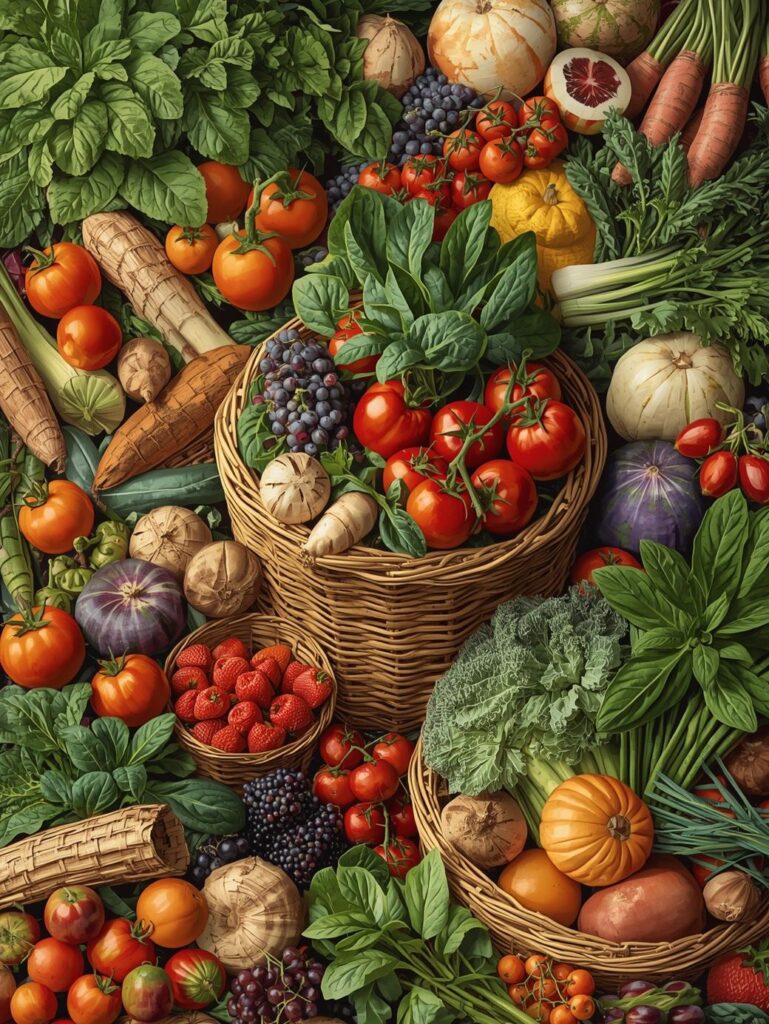
Think of your immune system like a security team working 24/7 to keep you safe. But here’s the thing — that team needs fuel, communication tools, and reinforcements to function properly.
Plant foods deliver all three. They contain vitamins, minerals, and thousands of plant compounds (phytonutrients) that literally tell your immune cells what to do.
When you eat an orange, you’re not just getting vitamin C. You’re getting a whole package of compounds that work together to strengthen your defenses in ways scientists are still discovering.
I used to think taking a multivitamin would cover my bases. Nope! Your body recognizes and uses nutrients from whole foods way more effectively than isolated supplements.
It’s like the difference between a orchestra playing together versus random notes on a keyboard.
The Immune-Boosting Power Players
Vitamin C Champions
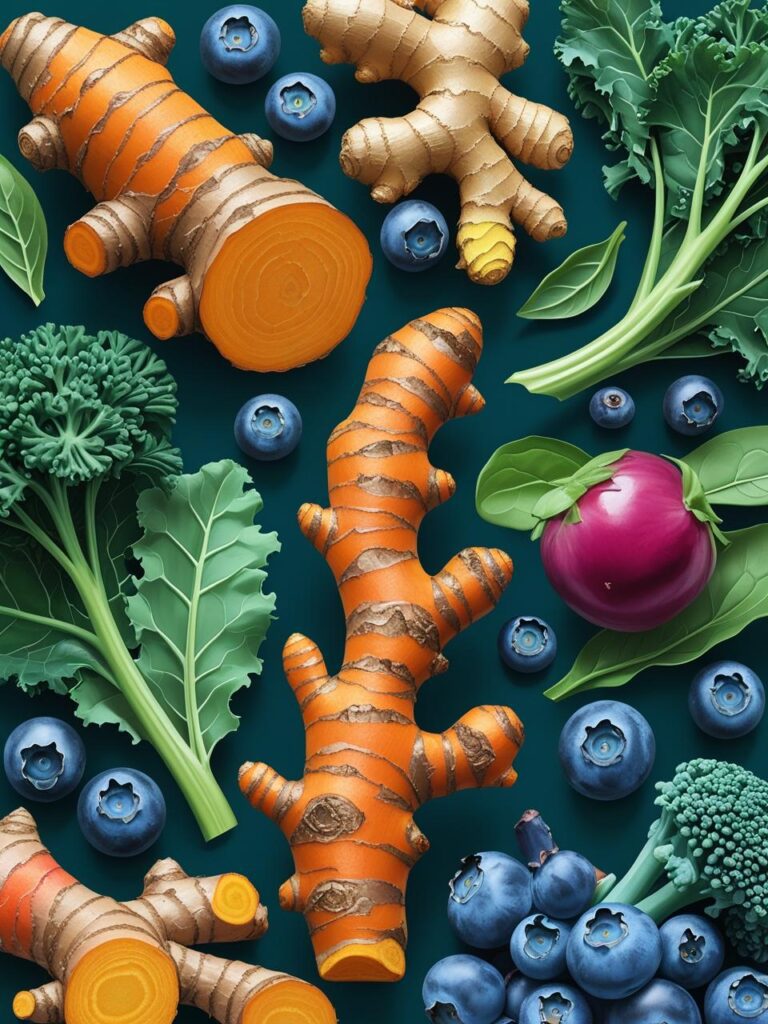
Okay, everyone knows oranges have vitamin C. But did you know bell peppers actually have more? And that you need to eat vitamin C-rich foods daily because your body can’t store it?
Here’s what actually works:
- Top sources: Bell peppers (especially red ones), strawberries, kiwi, broccoli, Brussels sprouts, oranges, grapefruit, and tomatoes.
- How much you need: Your body uses vitamin C constantly to produce white blood cells and antibodies. Aim for several servings throughout the day rather than one big dose.
★ Real talk: I keep a bag of frozen bell pepper strips in my freezer. I toss them into everything — scrambles, soups, stir-fries. Game changer for getting consistent vitamin C without thinking too hard about it.
Vitamin A and Beta-Carotene
This is where those orange and dark green veggies shine. Vitamin A keeps your skin and mucous membranes (your body’s first line of defense) strong and healthy.
It’s like maintaining the walls of a fortress.
- Best sources: Sweet potatoes, carrots, winter squash, spinach, kale, cantaloupe, and apricots.
- The cool part: Your body converts beta-carotene into vitamin A as needed. You can’t overdose on it from food (though your palms might turn slightly orange if you eat a ton of carrots — been there, it fades!).
★ Quick tip: Eating these foods with a little bit of fat helps your body absorb the nutrients better. Drizzle some tahini on roasted sweet potato or add avocado to your kale salad.
Zinc from Plants
Zinc doesn’t get enough credit! It helps your immune cells develop and communicate. Without enough zinc, your immune response slows way down.
- Plant sources: Pumpkin seeds, hemp seeds, chickpeas, lentils, cashews, oats, and quinoa.
- Here’s the deal: Plant zinc isn’t absorbed quite as easily as zinc from animal foods, but you can boost absorption by soaking beans and seeds before eating them, or choosing fermented foods like tempeh.
★ What I do: I sprinkle pumpkin seeds on literally everything. Salads, oatmeal, roasted veggies. They’re crunchy, delicious, and pack a serious zinc punch.
Phytonutrients: Your Secret Weapon
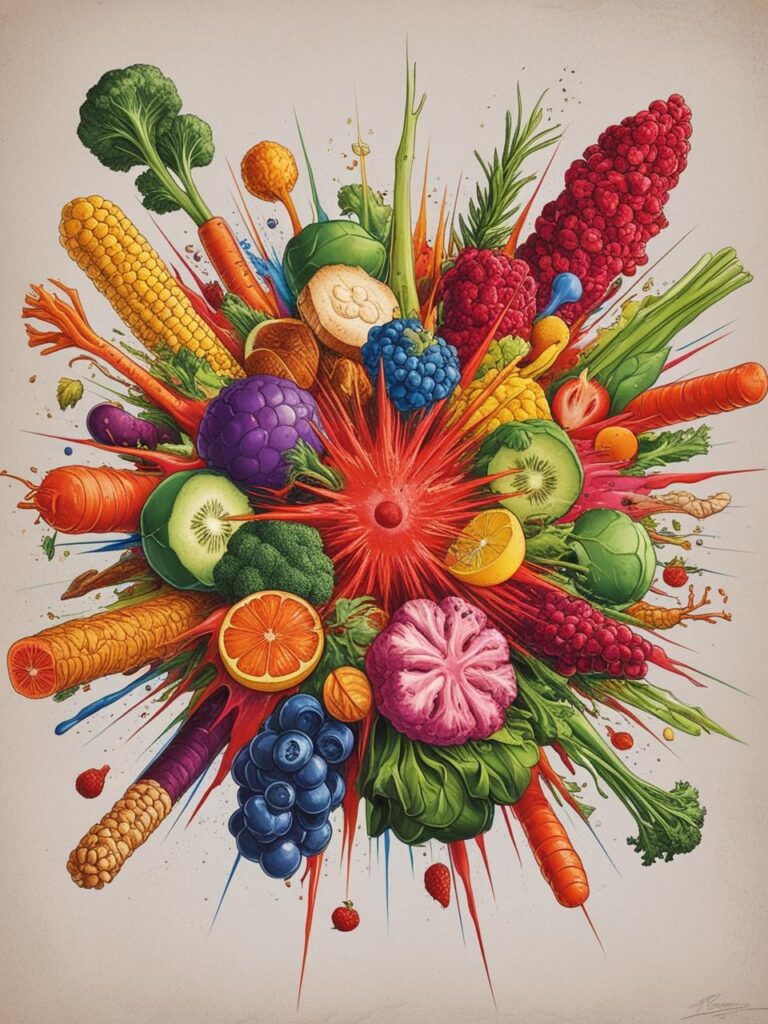
This is where things get really exciting.
Plants contain thousands of protective compounds that have nothing to do with traditional vitamins and minerals — and they’re absolute powerhouses for immune function.
Antioxidants
Every time your immune system fights off threats, it creates oxidative stress (think of it like smoke from a fire).
Antioxidants from plants help clean up that damage so your immune cells can keep functioning at their best.
Antioxidant all-stars: Berries (especially blueberries and strawberries), dark leafy greens, pecans, artichokes, and dark chocolate (yes, really!).
Polyphenols
These compounds reduce inflammation and help regulate immune responses.
When your immune system is constantly inflamed (like from processed foods and stress), it can’t respond properly to actual threats.
Where to find them: Green tea, berries, grapes, apples, onions, and herbs like oregano and thyme.
★ Personal win: I started drinking green tea every morning instead of coffee. Not only did my energy feel more stable, but I noticed I was recovering faster from workouts and just felt… less puffy? Hard to explain, but my body felt calmer.
Allicin and Sulfur Compounds
Garlic, onions, and their cousins contain compounds that directly support immune cell function and have natural antimicrobial properties.
The family: Garlic, onions, leeks, shallots, and chives.
★ Pro tip: Crushing or chopping garlic and letting it sit for 10 minutes before cooking activates more of the beneficial compounds. I prep my garlic first, then chop everything else.
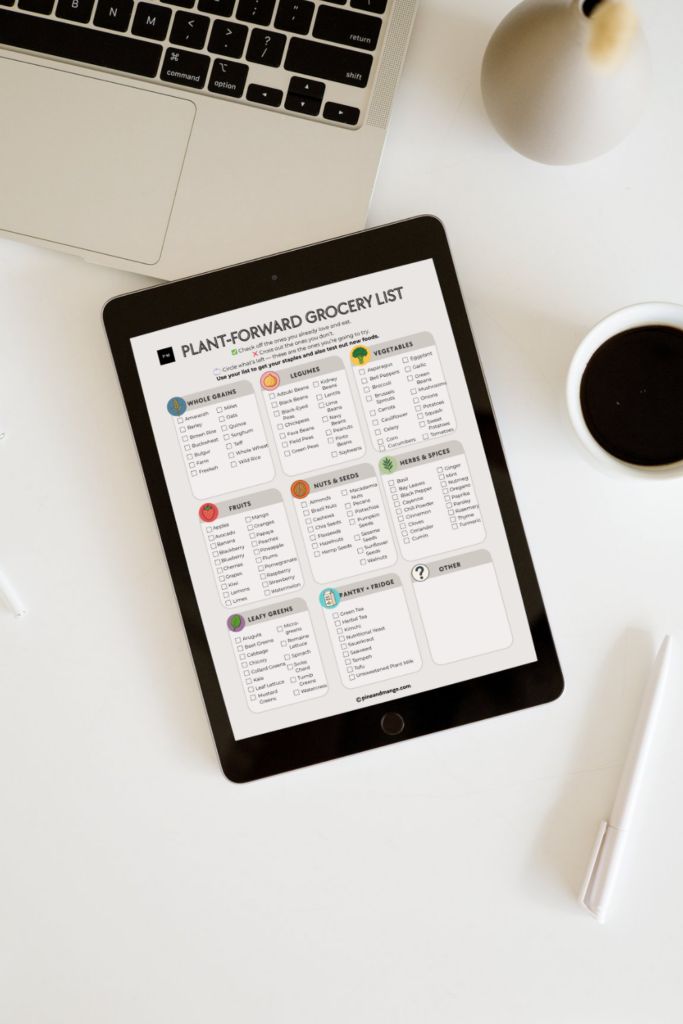
Get Your FREE Plant-Forward Grocery List Today!
Gut Health = Immune Health

Here’s something that blew my mind when I learned it: about 70% of your immune system lives in your gut. Your gut bacteria actually train your immune cells and help them distinguish between real threats and harmless stuff.
When you feed the good bacteria in your gut with fiber from plants, they produce compounds that strengthen your immune system.
When you starve them (hello, low-fiber processed foods), your immune function suffers.
Fiber superstars for immunity:
- Beans and lentils
- Whole grains like oats and quinoa
- Fruits with the skin on
- Vegetables (especially the ones you might skip, like Brussels sprouts and artichokes)
- Nuts and seeds
Fermented plant foods take this even further by directly adding beneficial bacteria: sauerkraut, kimchi, miso, tempeh, and kombucha.
I’ll be honest — I thought fermented foods were weird at first. But once I started adding a forkful of kimchi to my lunch bowl or using miso paste in soups, I noticed my digestion improved and I just felt more resilient overall.
Simple Ways to Eat More Immune-Supporting Plants
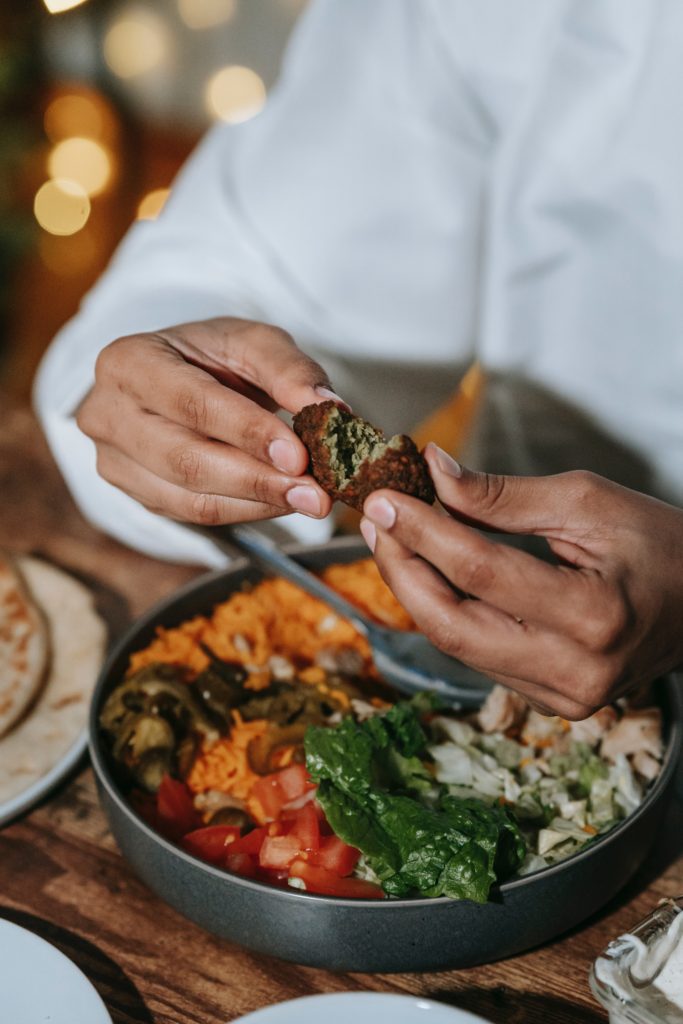
You don’t need to overhaul your entire life. Small shifts add up faster than you think!
- Start your day right: Add berries to your oatmeal or blend spinach into a smoothie with banana and mango. You literally won’t taste the spinach.
- Snack smarter: Keep cut veggies and hummus ready to go. Toss some pumpkin seeds into a small container for an afternoon snack.
- Boost every meal: Add extra veggies wherever you can. Throw spinach into pasta sauce, add shredded carrots to rice, pile extra vegetables onto sandwiches.
- Make it easy: Frozen fruits and veggies are just as nutritious as fresh (sometimes more, since they’re frozen at peak ripeness). Stock your freezer so you always have options.
- Flavor matters: Use lots of garlic, onions, ginger, and herbs. They’re not just tasty — they’re immune boosters! I go through so much garlic now compared to before.
- Drink your plants: Herbal teas, green tea, and even lemon water count. Hydration itself supports immune function by keeping mucous membranes moist and helping flush out waste.
What About Supplements?
Real talk: I wasted so much money on immune supplements before understanding that whole foods work better.
Your body recognizes and uses nutrients from actual food way more effectively than isolated vitamins.
That said, some people benefit from vitamin D (especially if you live somewhere with long winters or have darker complexion) and B12 (if you’re eating mostly plants).
But for most immune nutrients? Food first, always.
If you do take supplements, they should support your plant-rich eating, not replace it. Think of them as backup singers, not the main act.
The Lifestyle Piece You Can’t Ignore

Plants are crucial, but they work best when combined with other immune-supporting habits:
- Sleep: This is when your immune system does most of its repair work. Skimp on sleep and even the best nutrition can’t compensate.
- Movement: Regular physical activity (even just walking) improves immune cell circulation. But don’t overdo it — excessive exercise without proper recovery actually suppresses immunity.
- Stress management: Chronic stress floods your body with cortisol, which dampens immune function. Find what works for you — deep breathing, time in nature, whatever helps you reset.
- Time outdoors: Sunlight helps your body make vitamin D, and exposure to diverse bacteria in nature actually trains your immune system. Plus it just feels good!
I found that when I combined eating more plants with better sleep and daily walks, everything clicked. It wasn’t just one thing — it was the whole picture coming together.
FAQs About Plant Immune Support
Q: Can you really boost your immune system with food?
Yes! While you can’t “supercharge” your immune system beyond its natural capacity (and you wouldn’t want to — an overactive immune system causes autoimmune issues), you absolutely can support it to function optimally.
Plant foods provide the vitamins, minerals, and phytonutrients your immune cells need to work properly. When you’re deficient in key nutrients, your immune response suffers.
When you’re well-nourished, your body can mount appropriate defenses against threats.
Q: How long does it take to notice a difference?
Some changes happen quickly — within days to weeks, you might notice better energy and digestion. But immune resilience builds over time.
For me, it took about three months of consistent plant-rich eating before I realized I hadn’t gotten my usual seasonal cold. Give your body at least a few months to rebuild and strengthen.
The key is consistency, not perfection.
Q: What if I don’t like vegetables?
Start where you are! Find even one or two plant foods you enjoy and build from there. Berries, sweet potato, hummus — whatever works.
You can hide vegetables in smoothies, sauces, and soups. Roasting vegetables with garlic and a little olive oil makes them taste completely different than steamed.
Your tastes will actually change as you eat more whole foods. I used to hate Brussels sprouts and now I crave them! Be patient with yourself and keep experimenting.
📖 Good Reads: How Not to Die, The China Study and Plant-Based Nutrition

In Essence: Eat More Plants
Your immune system is literally begging you to eat more plants. It’s not complicated or restrictive — it’s just giving your body what it needs to protect you.
The beauty of this approach? You’re not taking something away. You’re adding in foods that make you feel stronger, more energetic, and more resilient.
You’re nourishing yourself from the inside out.
Start with one small change this week. Add berries to breakfast. Snack on bell pepper strips. Throw extra greens into your dinner. Notice how you feel. Then keep building from there.
Your immune system has your back. Now you know how to have its back too.
⭐What’s one immune-supporting plant food you’re going to add to your meals this week, and how are you planning to enjoy it? Let us know in the comments below!