No products in the cart.
This post may contain affiliate links. If you purchase through these links, I may earn a small commission at no extra cost to you. This helps keep Pine+Mango running. Thank you for your support! Read our full disclosure here.
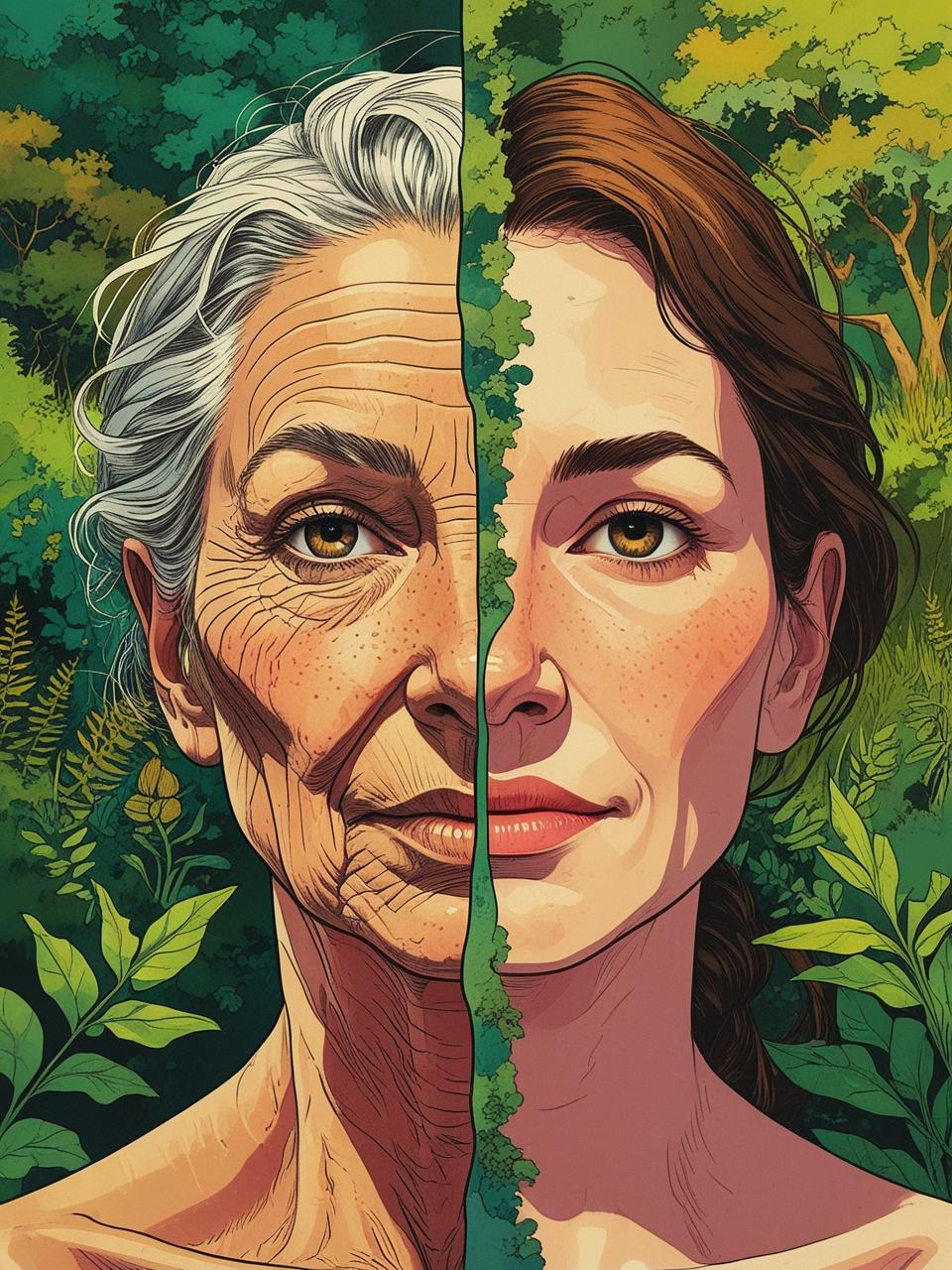
How many of us have looked in the mirror and wondered if there’s a real way to turn back the clock?
We’re told to buy expensive creams, take supplements that cost a fortune, and chase the latest wellness trend.
But here’s what changed my whole approach: the most powerful anti-aging tool is already in your kitchen.
I’m talking about real food. Actual plants that your body recognizes and knows how to use. The kind of stuff that’s been keeping people healthy for thousands of years.
And the best part? You don’t have to suffer through bland meals or complicated recipes to make it work.
Let me show you exactly which foods to eat and why they matter so much. This is the information I wish someone had given me years ago.
Subscribe to Our Nourished Newsletter
Get free weekly guidance for your plant-based journey, straight to your inbox.
What Makes Foods “Anti-Aging” Anyway?
Before we jump into the good stuff, let’s talk about what we’re actually looking at here.
Foods that fight aging aren’t special or mysterious. They’re just foods that contain compounds your body uses to repair damage and stay young.
Think of it like this: your cells are constantly getting damaged by stress, sunlight, pollution, and just normal living. This damage is called oxidative stress.
When it builds up, you age faster.
Wrinkles, tired skin, stiff joints, low energy—that’s all oxidative stress talking. Anti-aging foods are packed with antioxidants, healthy fats, and nutrients that stop this damage from piling up.
They also contain compounds that help your body make collagen (the stuff that keeps skin firm), reduce inflammation (the hidden reason you feel old), and protect your cells.
The foods that work best are the ones closest to nature. Plants win every single time.
The Power Players: Best Anti-Aging Foods
Berries: Nature’s Tiny Beauty Bombs
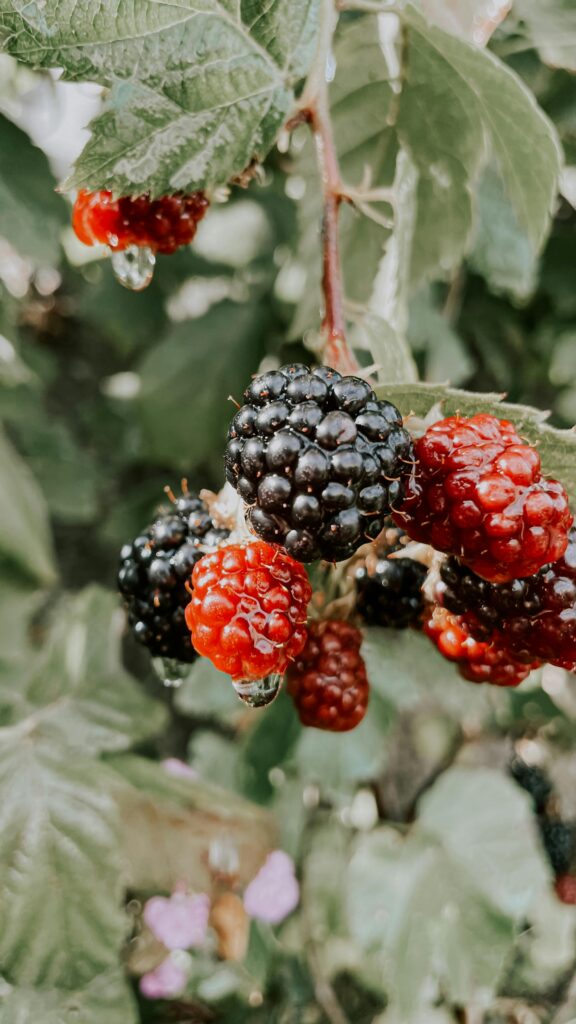
Here’s something I tell everyone: if you eat nothing else, eat berries. They’re that good.
Blueberries, raspberries, strawberries, blackberries—they’re all loaded with anthocyanins. That’s just a fancy word for the pigments that make them dark and colorful.
These pigments are also powerful antioxidants that fight the free radicals destroying your cells.
What makes berries so special is their ability to cross the blood-brain barrier and protect your brain cells specifically.
This means they help with mental clarity, memory, and keeping that brain fog at bay as you age.
The best part? You can eat them frozen, fresh, or blended. They’re cheap, they last forever in your freezer, and they taste like a treat.
Quick tip: Buy frozen berries in bulk during off-season. They have the same nutrients as fresh, cost way less, and there’s zero waste.
Leafy Greens: The Quiet Powerhouses
Spinach, kale, collards, and arugula don’t get the hype they deserve. These greens are basically multivitamins in plant form.
They’re loaded with lutein and zeaxanthin, two compounds that protect your eyes from aging. Your eyes are one of the first places aging shows up, so this matters.
They also contain chlorophyll, which has been shown in research to reduce inflammation throughout your entire body.
Dark leafy greens are also rich in folate, a nutrient that keeps your skin glowing and supports healthy cell division. When your cells are dividing properly, you look younger. It’s that simple.
I started adding a handful of spinach to my morning smoothie years ago, and honestly, the difference in my skin was noticeable within two weeks. I’m not even exaggerating.
Quick tip: Raw or cooked, both work. Pick what you’ll actually eat. A salad you don’t want to eat helps nobody.
Nuts and Seeds: Tiny Packages of Youth
Walnuts, almonds, flax seeds, chia seeds, and hemp seeds are little powerhouses you should be eating every single day.
These foods contain omega-3 fatty acids, which your skin needs to stay hydrated and supple. They also have vitamin E, an antioxidant that protects your skin from sun damage and keeps it looking firm.
When you’re getting enough healthy fats, your whole body works better. Your hormones stabilize, your skin glows, and your brain functions at a higher level.
The reason so many people feel sluggish and look tired isn’t because they’re getting too much fat—it’s because they’re not getting the right kind. Seeds and nuts fix that.
Quick tip: Add a tablespoon of ground flax seeds to your oatmeal or smoothie. Your body absorbs them better when they’re ground.
Whole Grains: The Energy Secret
Brown rice, quinoa, oats, and whole grain bread might seem boring, but they’re absolutely essential for staying young.
Whole grains contain B vitamins, which support energy production and keep your nervous system calm. They also have fiber, which feeds the good bacteria in your gut.
Here’s the thing nobody talks about: a healthy gut makes healthy skin. The connection is real and backed by tons of research.
These grains also have a lower glycemic index, which means they don’t spike your blood sugar. When your blood sugar stays stable, you have stable energy, clear skin, and you age slower.
High blood sugar literally accelerates aging. It causes inflammation, breaks down collagen, and ages your skin from the inside out.
I used to hit 3 PM energy crashes every single day until I switched to whole grains. Game changer.
Quick tip: Mix up your grains. Boredom is the biggest reason people quit eating healthy.
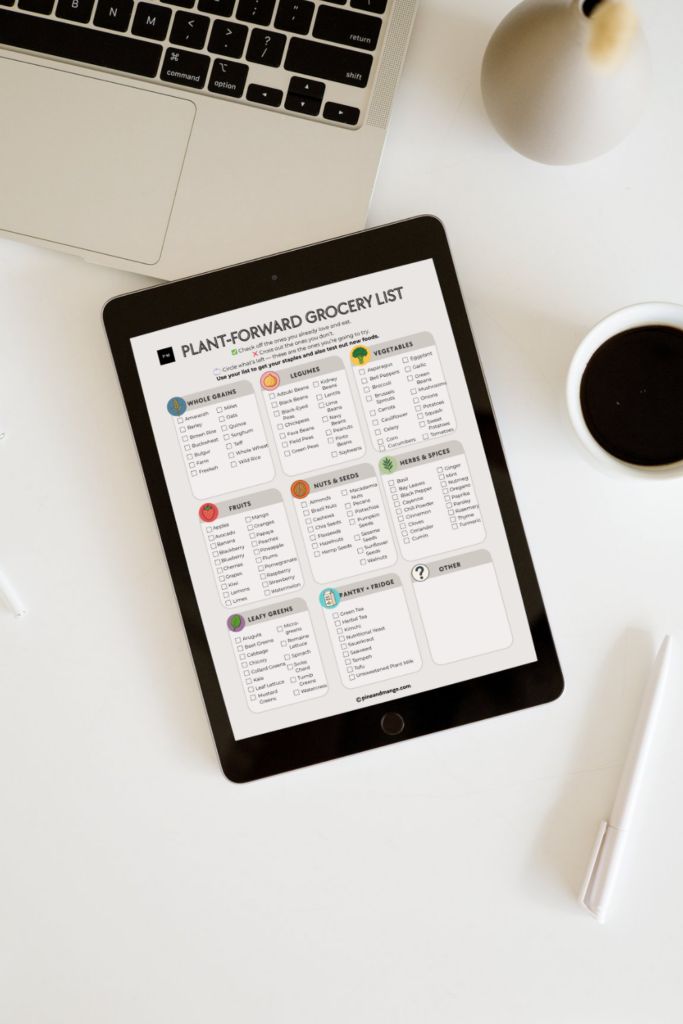
Get Your FREE Plant-Forward Grocery List Today!
Colorful Vegetables: Eat the Rainbow
Carrots, sweet potatoes, tomatoes, bell peppers, and beets aren’t just pretty—they’re packed with carotenoids and polyphenols.
These compounds give vegetables their color and their power. The more colorful your plate, the more antioxidants you’re eating.
Carotenoids specifically get converted to vitamin A in your body, which keeps your skin cells turning over at a healthy rate.
This means fresher, younger-looking skin all the time.
Sweet potatoes are my secret weapon. They taste like dessert, but they’re loaded with beta-carotene, potassium, and fiber. I roast them with a drizzle of olive oil and sea salt, and they’re so delicious!
Quick tip: Don’t be scared of starchy veggies. They’re fuel for your body and your brain. Without them, you’ll be tired and cranky.
Healthy Oils: Liquid Youth
Extra virgin olive oil, coconut oil, and avocado oil deserve their own category because they’re that important.
Olive oil contains oleocanthal, a compound that works like a natural anti-inflammatory. It also has polyphenols, which protect your cells.
When you drizzle real olive oil on your food, you’re not just adding flavor—you’re adding medicine.
The key is using high-quality, cold-pressed oils and not cooking with them at high temperatures (they break down and lose their benefits). Use them (sparingly!) for drizzling, dipping, or low-heat cooking.
Quick tip: Buy small bottles and store them away from heat and light. They go rancid faster than you’d think.
Legumes: The Underrated MVPs
Lentils, chickpeas, black beans, and split peas are absolutely packed with protein, fiber, and polyphenols.
These foods keep you full, stabilize your blood sugar, and feed your good gut bacteria. They also contain compounds like kaempferol and quercetin, which are seriously powerful antioxidants.
Legumes are one of the most anti-aging food groups out there, but they don’t get nearly enough attention.
The cool thing about legumes is that they’re cheap, they last forever in your pantry, and they’re incredibly versatile. A bowl of lentil soup is basically an anti-aging meal in a bowl.
The Science Behind Anti-Aging Foods
Here’s what actually happens when you eat these foods: they provide antioxidants that neutralize free radicals, reduce inflammation throughout your body, support collagen production, regulate blood sugar, and feed your healthy gut bacteria.
When your gut bacteria are happy, they produce compounds that reduce inflammation everywhere in your body. This is huge. Inflammation is the root cause of most aging symptoms.
When you tackle inflammation, everything gets better.
Your skin, your energy, your mental clarity, your joint health, your immune system—it all improves because you’re finally addressing the root problem instead of chasing surface-level fixes.
This isn’t theory. This is backed by decades of research.
Studies show that people who eat plant-rich foods have longer telomeres (the caps on your DNA that determine how fast you age), lower inflammation markers, and better skin health than people eating processed foods.
How to Actually Eat These Foods (The Real-Life Way)
Knowing what to eat and actually eating it are two totally different things. Here’s how to make this work in real life without losing your mind:
- Start small. Add one anti-aging food this week. Maybe it’s berries in your breakfast. Next week, add leafy greens to one meal. You’re building habits, not overhauling your life overnight.
- Make it taste good. Your meals need to be delicious, or you won’t stick with them. Season generously. Use olive oil. Make things that actually make you excited to eat.
- Prep when you have energy. Wash and chop vegetables on Sunday. Cook a big batch of grains and legumes. When healthy food is ready to go, you’ll eat it.
- Don’t aim for perfection. If you eat anti-aging foods 80% of the time, that’s amazing. You don’t need to be perfect to see results.
- Keep it simple. A sweet potato with beans and greens is a complete meal. You don’t need fancy recipes.
FAQs About Anti-Aging Foods
Q: Do I have to eat all these foods every day?
No way! Pick your favorites and rotate them. Variety is important, but so is actually enjoying what you eat.
If you hate kale, don’t force yourself to eat it. There are plenty of other greens that work just as well.
The goal is consistency over time, not perfection. Eating blueberries and spinach most days will transform your health way more than eating a “perfect” meal once and then giving up.
Q: How long before I see results?
Your skin takes about 28 days to completely regenerate, so expect to see changes around the month mark. Energy improvements often happen faster—sometimes within a week or two.
That said, real aging is slowed down over years and decades.
You’re not going to look 20 again, but you’ll absolutely look and feel younger than you would have if you kept eating processed foods.
Q: What if I don’t like certain foods?
Then don’t eat them. Seriously. There are enough anti-aging foods out there that you can build an entire eating plan around foods you actually enjoy.
If you hate nuts, eat seeds instead. If berries aren’t your thing, focus on vegetables and grains.
The point is that you’re getting antioxidants, healthy fats, and whole foods into your body—the specific foods don’t matter as much as the overall pattern.
In Essence: Your Path to Longevity
Anti-aging isn’t complicated. It’s not about expensive supplements or strict rules or suffering through foods you hate. It’s about going back to basics: eating real plants.
When you eat this way, your body gets the resources it needs to repair itself, reduce inflammation, and genuinely age slower.
You’ll feel the difference. Your skin will look different. Your energy will shift. You won’t feel like you’re fighting against your own body anymore.
The best anti-aging strategy is the one you’ll actually stick with, so make it work for your life.
⭐ Let’s chat: What’s your favorite longevity plant food, and how do you like to prepare it? Drop a comment below and let’s share our favorites.