
This post may contain affiliate links. If you purchase through these links, I may earn a small commission at no extra cost to you. This helps keep Pine+Mango running. Thank you for your support! Read our full disclosure here.
Ever feel like your body’s running on a faulty thermostat? One day you’re exhausted, the next you can’t sleep. Cravings come out of nowhere. Your mood swings like a pendulum.
And no matter what you try, nothing seems to stick.
Here’s what nobody tells you: your hormones might be screaming for help, and the answer isn’t in another supplement bottle. It’s on your plate.
The right foods balance hormones in ways that actually work with your body instead of against it.
And the best part? You don’t need to overhaul your entire life overnight. Small, thoughtful changes with whole plant foods can help your body find its rhythm again.
Let me walk you through exactly how this works, what foods actually help, and how to make this practical for real life.
Subscribe to Our Nourished Newsletter
Get free weekly guidance for your plant-based journey, straight to your inbox.
- How Foods Balance Hormones in Your Body
- The Fiber Connection: Your Body's Natural Detox System
- Phytoestrogen-Rich Foods: Nature's Hormone Balancers
- Blood Sugar Balancing Foods: The Insulin-Cortisol Connection
- Cruciferous Vegetables: Estrogen Metabolism Superstars
- Healthy Fats: Building Blocks for Hormone Production
- Antioxidant-Rich Foods: Fighting Inflammation That Disrupts Hormones
- Best Foods to Balance Specific Hormones
- Practical Tips to Start Using Foods to Balance Your Hormones Today
- Foods to Reduce for Better Hormone Balance
- Creating Hormone-Balancing Meals
- How Long Before You Notice Changes?
- FAQs About Foods That Balance Hormones
- In Essence: Give The Body What It Needs
- Subscribe to Our Nourished Newsletter
How Foods Balance Hormones in Your Body
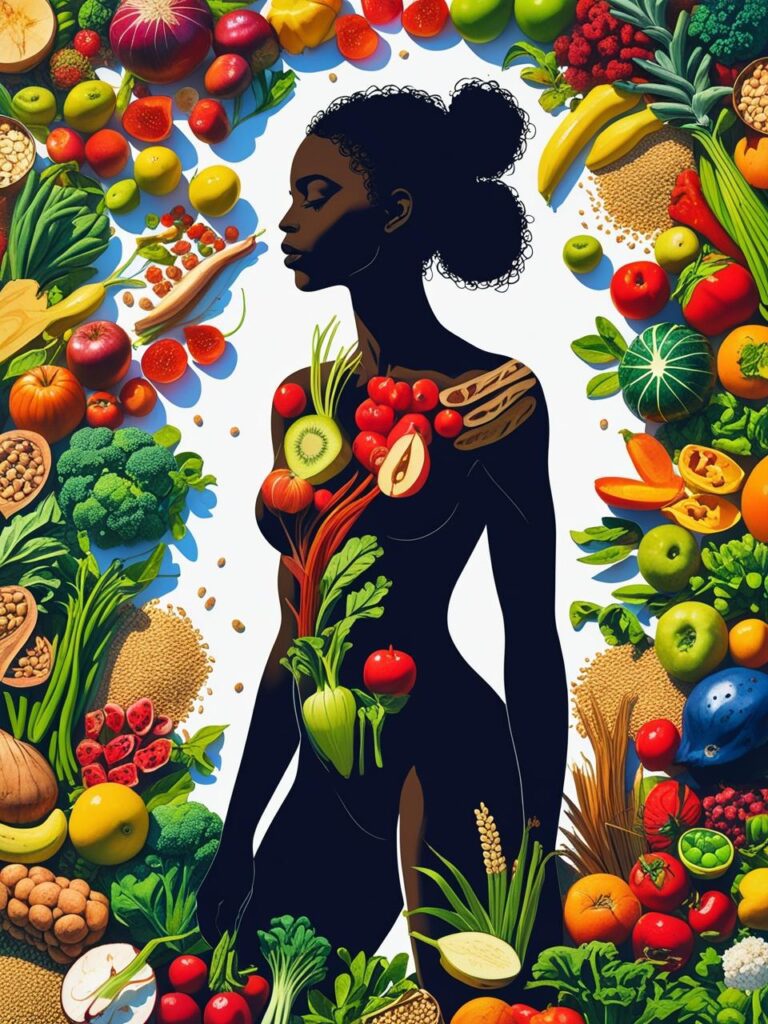
Your hormones are like tiny messengers running around your body, telling everything what to do. When they’re balanced, you feel amazing. When they’re not? Well, you know that feeling.
Certain foods balance hormones by supporting your body’s natural processes. They’re packed with fiber, which helps your body eliminate excess hormones (especially estrogen) instead of recirculating them.
They contain phytonutrients that act as gentle hormone regulators. And they provide the building blocks your body needs to actually produce hormones in the first place.
Here’s the thing I wish someone had told me earlier: your body is brilliant at balancing itself when you give it the right tools. You don’t need to micromanage every bite.
You just need to shift toward more whole plant foods and let your body do what it does best.
The Fiber Connection: Your Body’s Natural Detox System
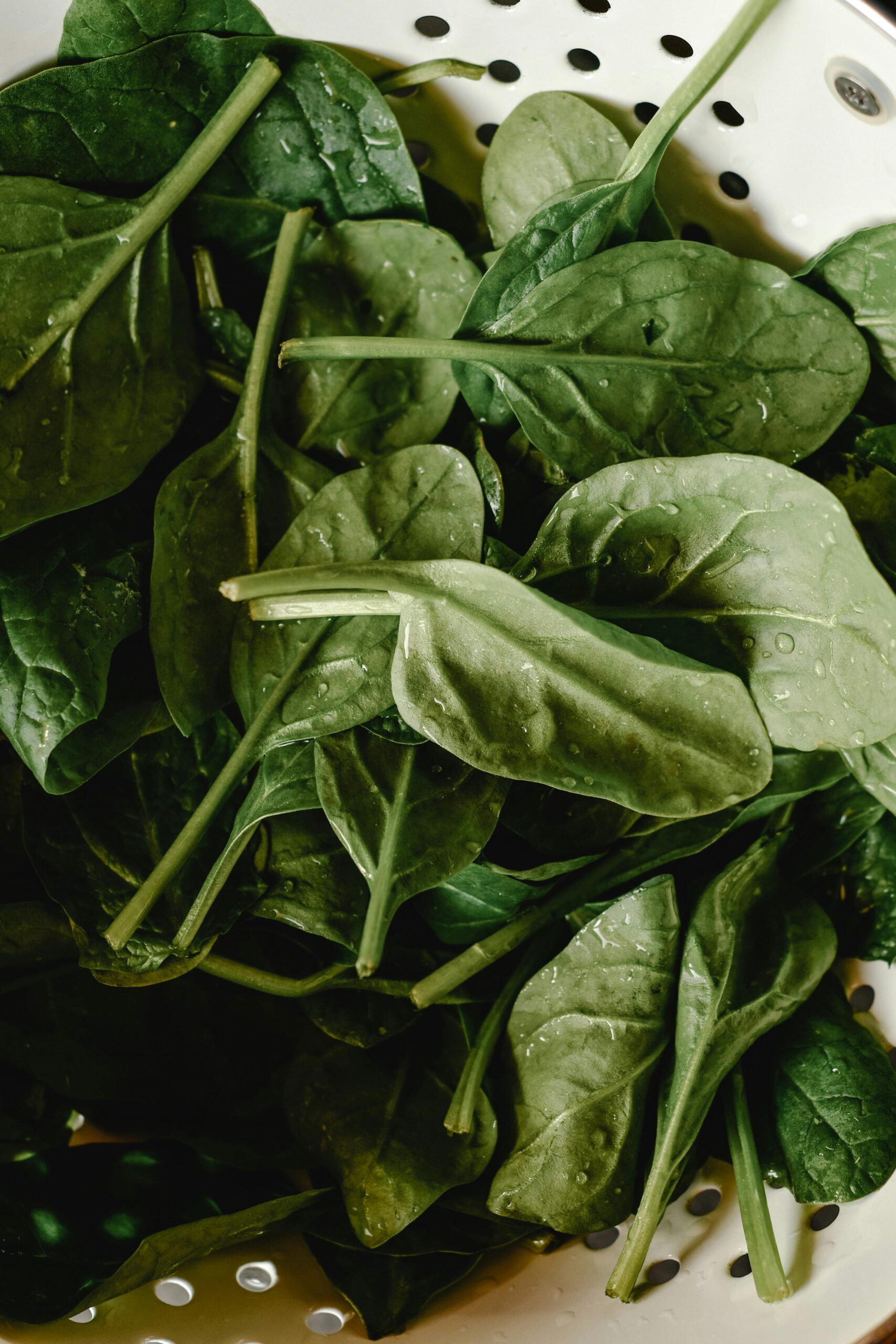
Fiber is the unsung hero when it comes to foods that balance hormones, especially estrogen. Your liver processes excess estrogen and sends it to your digestive tract for elimination.
But here’s the catch: without enough fiber, that estrogen gets reabsorbed back into your bloodstream. It’s like trying to bail water out of a boat with a hole in the bottom.
When you eat fiber-rich foods, you’re helping your body take out the hormonal trash. Beans, lentils, whole grains, vegetables, and fruits all contain soluble and insoluble fiber that binds to excess hormones and escorts them out.
Best high-fiber foods for hormone support:
- Beans and lentils (aim for 1-2 servings daily)
- Oats and barley
- Berries and apples with skin
- Leafy greens and cruciferous vegetables
- Ground flaxseeds and chia seeds
Start small if you’re not used to fiber. Add one serving at a time and drink plenty of water. Your gut needs time to adjust, and that’s completely normal.
Phytoestrogen-Rich Foods: Nature’s Hormone Balancers
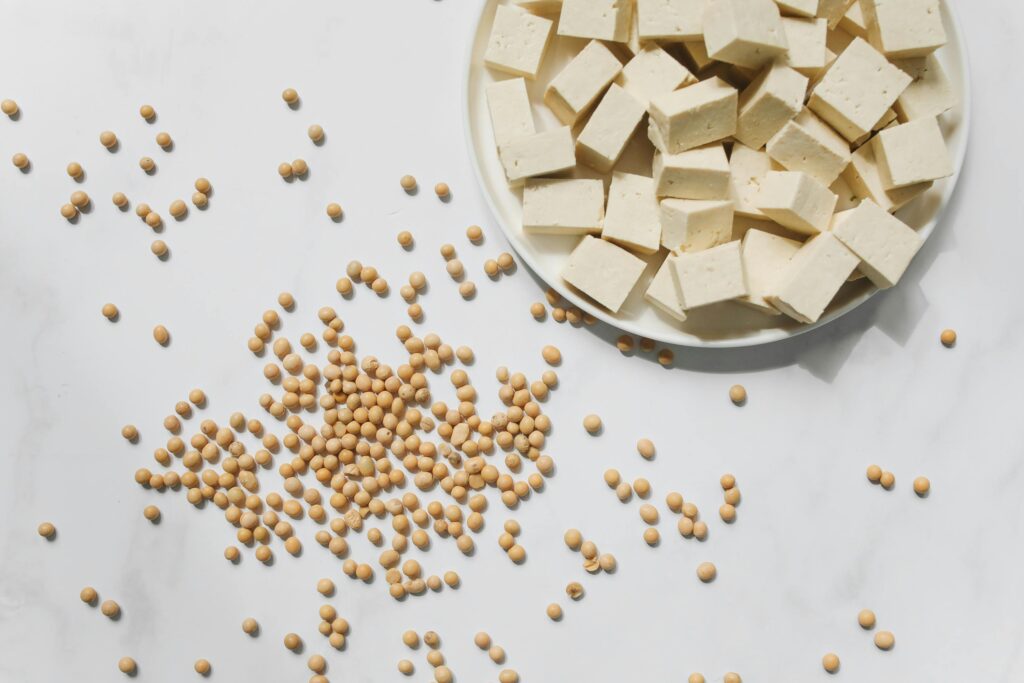
Now, phytoestrogens get a bad rap because people hear “estrogen” and panic. But these plant compounds are actually some of the best foods that balance hormones naturally.
Phytoestrogens are much weaker than your body’s own estrogen. They work by sitting on estrogen receptors, which can help balance things out whether your estrogen is too high or too low.
When estrogen is high, phytoestrogens block the stronger estrogen from binding. When estrogen is low, they provide gentle support.
Top phytoestrogen-rich foods:
- Soybeans and soy products (tofu, tempeh, edamame)
- Flaxseeds (ground, not whole)
- Sesame seeds
- Chickpeas and other legumes
- Berries
I know soy gets controversial, but the research is clear: whole soy foods are safe and beneficial for most people.
The confusion comes from studies using isolated soy isoflavones in supplement form, which isn’t the same as eating actual food.
Blood Sugar Balancing Foods: The Insulin-Cortisol Connection
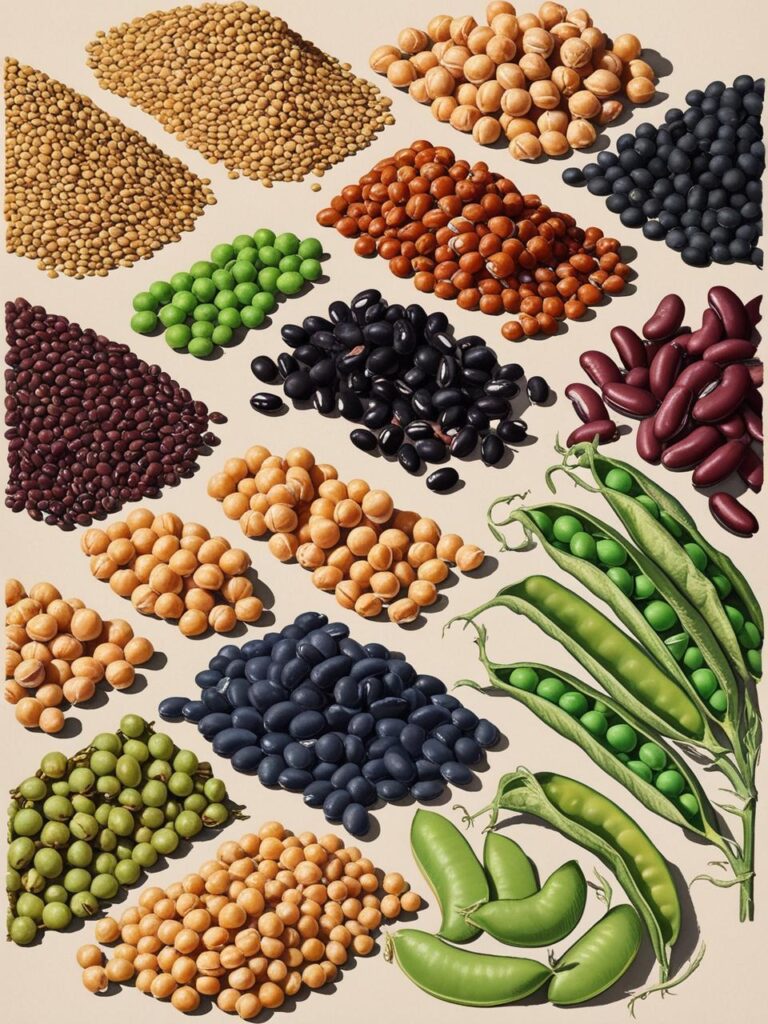
Here’s something that took me way too long to understand: blood sugar chaos creates hormone chaos. When your blood sugar spikes and crashes throughout the day, your cortisol (stress hormone) gets involved trying to manage it.
This throws off everything else, including your thyroid, sex hormones, and hunger signals.
Foods that balance hormones naturally — especially whole plant foods — have a lower glycemic impact than refined foods. The fiber, protein, and healthy fats slow down sugar absorption, giving you steady energy instead of the rollercoaster.
Foods that stabilize blood sugar and balance hormones:
- Legumes (beans, lentils, chickpeas)
- Nuts and seeds
- Non-starchy vegetables
- Whole grains (quinoa, brown rice, oats)
- Avocados
- Berries and citrus fruits
Eating balanced meals every 3-4 hours makes a huge difference. Skipping meals or going too long between eating just triggers cortisol spikes and sets off the whole blood sugar rollercoaster again.
Cruciferous Vegetables: Estrogen Metabolism Superstars
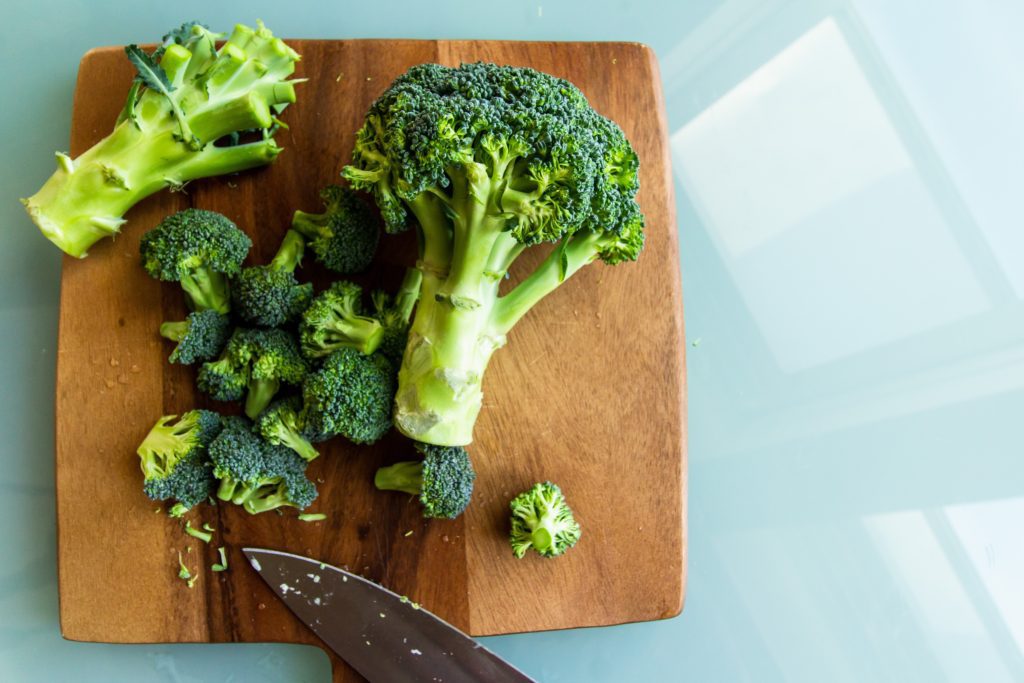
Broccoli, cauliflower, Brussels sprouts, kale, cabbage — these vegetables are powerful foods that balance hormones by supporting healthy estrogen metabolism.
They contain compounds called indole-3-carbinol and sulforaphane that help your liver break down estrogen into less potent forms and clear it from your body.
If you deal with heavy periods, breast tenderness, or estrogen dominance symptoms, cruciferous vegetables are your friends.
Easy ways to eat more cruciferous vegetables:
- Roast a big batch on Sunday and add them to meals all week
- Blend spinach or kale into smoothies (you won’t taste it, I promise)
- Swap rice for cauliflower rice a few times a week
- Add shredded cabbage to tacos or wraps
You don’t need to go overboard. Even a half-cup serving makes a difference when you’re consistent.
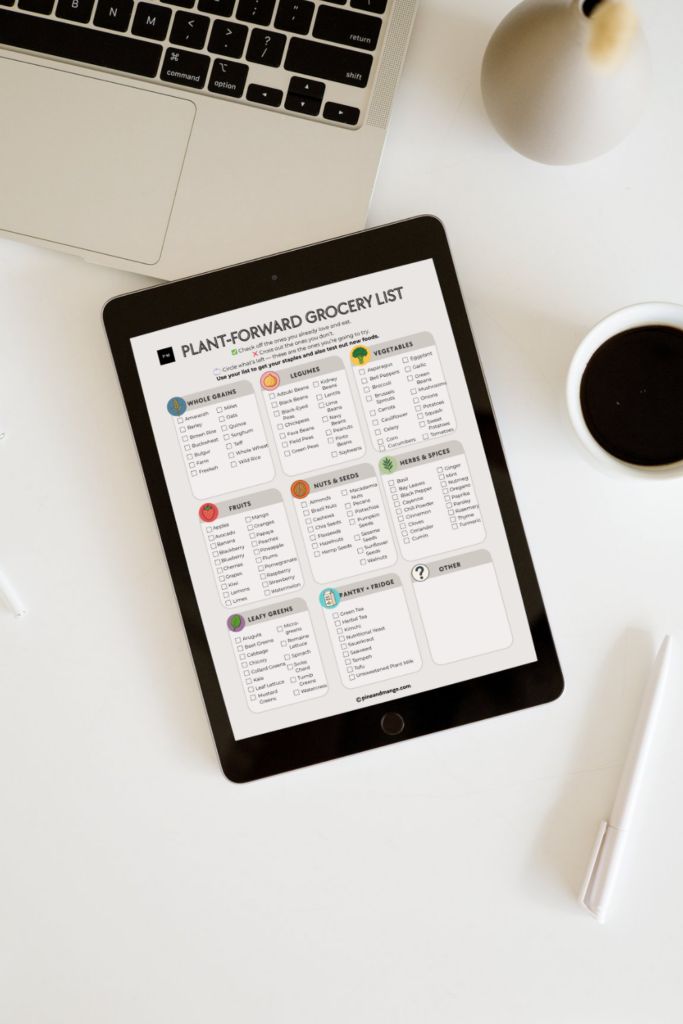
Get Your FREE Plant-Forward Grocery List Today!
Healthy Fats: Building Blocks for Hormone Production
Your body makes hormones from fat. Not just any fat — healthy fats from whole food sources. Without enough healthy fat, hormone production suffers.
These essential foods balance hormones by providing omega-3 and omega-6 fatty acids that reduce inflammation and support hormone signaling throughout your body. Plant-based healthy fats come from nuts, seeds, avocados, olives, and coconuts.
Omega-3 fatty acids are especially important for reducing inflammation, which is often at the root of hormone imbalances.
Chronic inflammation interferes with hormone receptors and can lead to insulin resistance, thyroid issues, and reproductive hormone problems.
Best plant sources of healthy fats:
- Ground flaxseeds and chia seeds (omega-3s)
- Walnuts (omega-3s)
- Hemp seeds
- Avocados
- Almonds and almond butter
- Tahini (sesame seed butter)
I aim for a serving of healthy fat with each meal. A tablespoon of ground flaxseeds in my oatmeal, half an avocado with lunch, a handful of walnuts as a snack. It keeps me satisfied and supports my hormones at the same time.
Antioxidant-Rich Foods: Fighting Inflammation That Disrupts Hormones
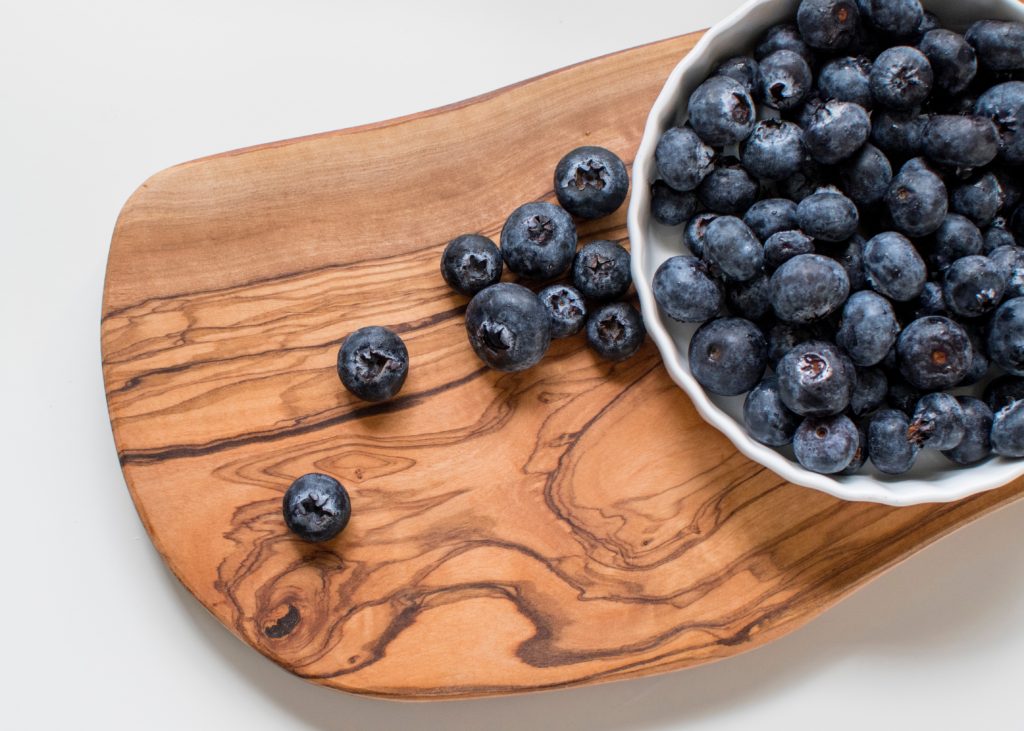
Chronic inflammation messes with your hormones in sneaky ways. It interferes with insulin signaling, disrupts thyroid function, and can throw off your reproductive hormones.
Antioxidant-rich foods balance hormones by fighting inflammation and protecting your cells from oxidative stress.
Colorful fruits and vegetables contain polyphenols, carotenoids, and other compounds that reduce inflammation and support overall hormone health.
The more colorful your plate, the better. Berries, leafy greens, orange and red vegetables, purple cabbage, beets — they all bring different antioxidants to the table.
Anti-inflammatory foods that balance hormones:
- Berries (especially blueberries and raspberries)
- Leafy greens (spinach, kale, Swiss chard)
- Turmeric and ginger
- Green tea
- Dark chocolate (70% cacao or higher)
- Tomatoes and bell peppers
One simple trick: eat the rainbow. If your meals consistently include different colors from plants, you’re naturally getting a wide variety of anti-inflammatory compounds.
Best Foods to Balance Specific Hormones
Let’s get practical about which foods help with specific hormone issues:
For Estrogen Balance
- Cruciferous vegetables (broccoli, cauliflower, cabbage)
- Ground flaxseeds
- Fiber-rich foods (beans, lentils, whole grains)
- Fermented foods (sauerkraut, kimchi)
Cortisol (Stress Hormone) Balance
- Adaptogenic foods (ashwagandha tea, holy basil)
- Vitamin C-rich foods (citrus, bell peppers, strawberries)
- Magnesium-rich foods (pumpkin seeds, spinach, black beans)
- Complex carbohydrates (sweet potatoes, quinoa, oats)
For Insulin Balance
- High-fiber foods (all beans and lentils)
- Cinnamon
- Apple cider vinegar
- Leafy greens and non-starchy vegetables
Thyroid Support
- Selenium-rich foods (Brazil nuts, sunflower seeds)
- Zinc-rich foods (pumpkin seeds, chickpeas)
- Iodine-rich foods (seaweed, iodized salt)
- Iron-rich foods (lentils, spinach, quinoa)
You don’t need to eat everything on this list. Pick a few that appeal to you and start incorporating them regularly.
Practical Tips to Start Using Foods to Balance Your Hormones Today
You don’t need a complete overhaul. Start with these simple shifts:
- Morning: Add ground flaxseeds to your breakfast. Just one tablespoon provides omega-3s, fiber, and phytoestrogens — all foods that balance hormones naturally.
- Lunch: Include a big serving of vegetables. Raw, cooked, doesn’t matter — just get them on your plate.
- Snacks: Pair carbs with fat or protein. Apple with almond butter, carrots with hummus, berries with a handful of nuts.
- Dinner: Make half your plate non-starchy vegetables. Add a serving of beans or lentils for fiber and protein.
- Throughout the day: Drink plenty of water. Hydration supports every system in your body, including hormone balance.
What helped me most: meal prepping a few basics on Sunday. I’d cook a big pot of beans, roast vegetables, and make a simple tahini dressing. Then during the week, I could throw together balanced meals in minutes without thinking too hard.
Foods to Reduce for Better Hormone Balance
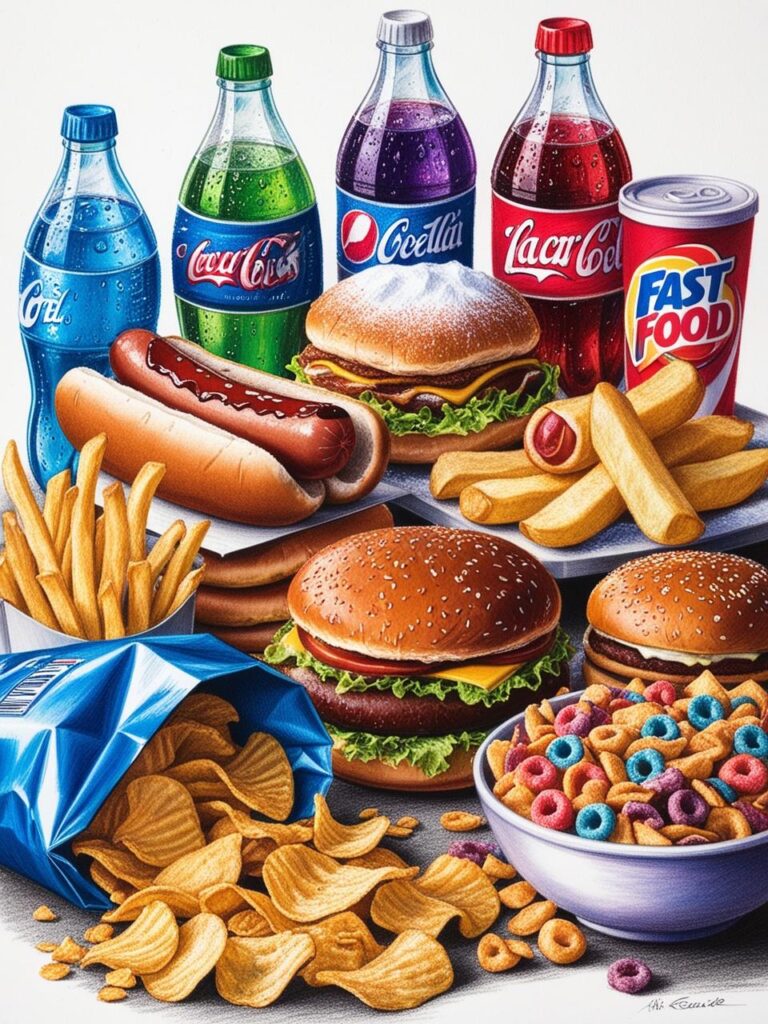
While we’re focused on adding hormone-balancing foods, it helps to know what might be working against you.
- Processed foods and refined sugars spike insulin and promote inflammation. They’re also usually low in fiber, which means they’re not helping your body eliminate excess hormones.
- Excess caffeine can spike cortisol, especially on an empty stomach. I’m not saying give up coffee, but having it with food and limiting it to one or two cups makes a difference.
- Alcohol disrupts estrogen metabolism and puts extra strain on your liver. Occasional drinks are fine for most people, but daily drinking can interfere with hormone balance.
- Highly processed oils can promote inflammation. Focus on whole food fat sources instead — nuts, seeds, avocados, olives.
You don’t have to be perfect. Small, consistent changes matter more than dramatic overhauls that you can’t maintain.
Creating Hormone-Balancing Meals
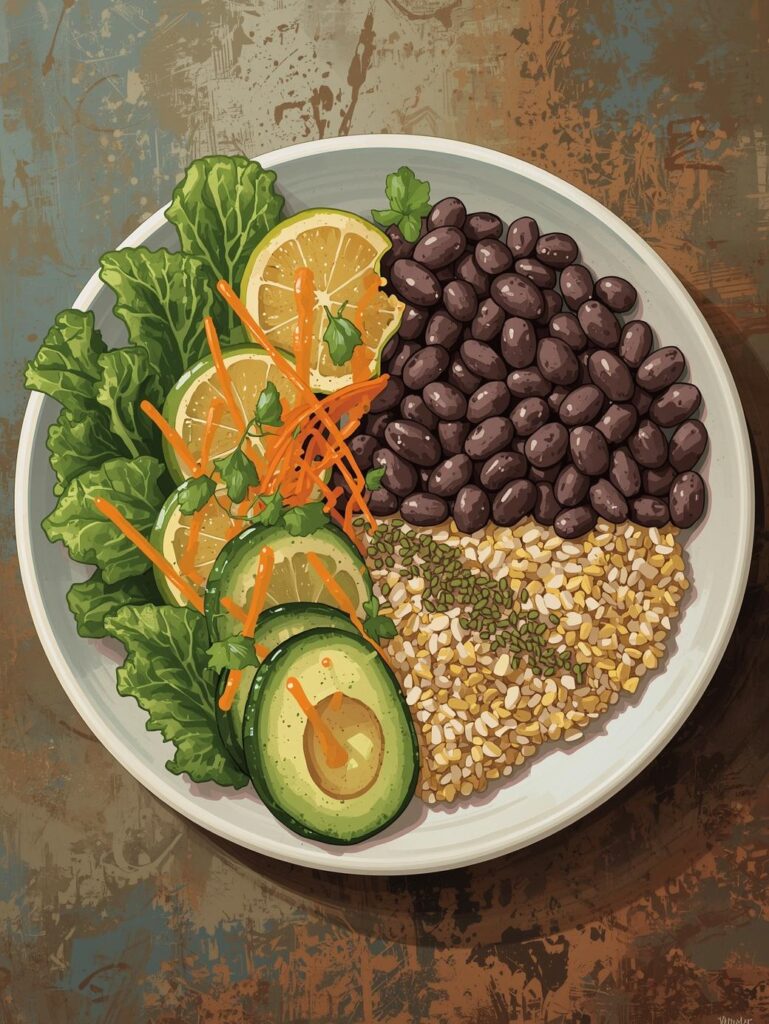
Here’s the simple formula I use for meals that support hormone balance:
- Start with vegetables (half your plate) — aim for variety and color
- Add a protein source (beans, lentils, tofu, tempeh)
- Include a healthy fat (avocado, nuts, seeds, tahini)
- Add a complex carb if needed (quinoa, sweet potato, whole grains)
This isn’t complicated. A Buddha bowl with roasted vegetables, chickpeas, quinoa, and tahini dressing checks all the boxes. So does a simple stir-fry with tofu, broccoli, and brown rice topped with sesame seeds.
The goal is to include foods that balance hormones at every meal, not just occasionally. Consistency is what creates change.
How Long Before You Notice Changes?
This is always the question, right? Everyone wants to know when they’ll feel different.
Here’s the honest truth: some things you might notice within a week or two. Better digestion, more stable energy, fewer cravings.
Other changes — like improved menstrual cycles or better skin — might take a few months as your body adjusts.
Hormones work on longer cycles. Your menstrual cycle is about a month. Your thyroid adjusts over weeks to months. Cortisol patterns can shift relatively quickly, but chronic stress takes time to unwind.
Be patient with yourself. This isn’t about quick fixes. It’s about giving your body consistent support so it can heal and rebalance naturally.
FAQs About Foods That Balance Hormones
Q: Can foods really balance all my hormones, or do I need supplements too?
Foods that balance hormones provide the foundation by supporting your body’s natural processes. For most people, eating a variety of whole plant foods makes a significant difference without supplements.
However, some people may benefit from targeted support, especially if there’s a diagnosed deficiency (like vitamin D or B12).
Start with food first, and work with a healthcare provider if you need additional support.
Q: How much soy should I eat for hormone balance?
Whole soy foods like tofu, tempeh, and edamame are safe and beneficial for most people when eaten as part of a varied approach. Research shows that 1-2 servings daily supports hormone health without negative effects.
The key is eating whole soy foods, not isolated soy supplements.
If you have specific thyroid conditions, check with your healthcare provider, but for most people, soy is a hormone-balancing food.
Q: Will eating hormone-balancing foods help with PMS and menstrual cramps?
Yes, many people experience improvement in PMS symptoms and menstrual cramps when they increase their intake of foods that balance hormones.
The fiber helps eliminate excess estrogen, anti-inflammatory compounds reduce pain and inflammation, and stable blood sugar improves mood and energy.
Give it at least 2-3 cycles to notice changes, and focus on cruciferous vegetables, berries, leafy greens, and omega-3 rich foods like ground flaxseeds.
📖 Good Reads: How Not to Die, The China Study and Plant-Based Nutrition
In Essence: Give The Body What It Needs
Your hormones aren’t the enemy. They’re messengers trying to tell you what your body needs.
And more often than not, what your body needs is simple: real, whole foods that balance hormones naturally by providing fiber, healthy fats, antioxidants, and gentle support.
This isn’t about perfection or following another set of rules. It’s about adding more of the good stuff and letting your body do what it already knows how to do — balance and heal itself.
Start small. Add ground flaxseeds to breakfast. Eat more colorful vegetables. Include beans a few times a week. These simple shifts, done consistently, create real change.
You don’t have to figure this out alone. Your body is resilient and wants to feel good. Give it the tools it needs, and watch what happens.
⭐ What food made the biggest difference in how you feel? Drop a comment below — I’d love to hear what’s working for you!