This post may contain affiliate links. If you purchase through these links, I may earn a small commission at no extra cost to you. This helps keep Pine+Mango running. Thank you for your support! Read our full disclosure here.
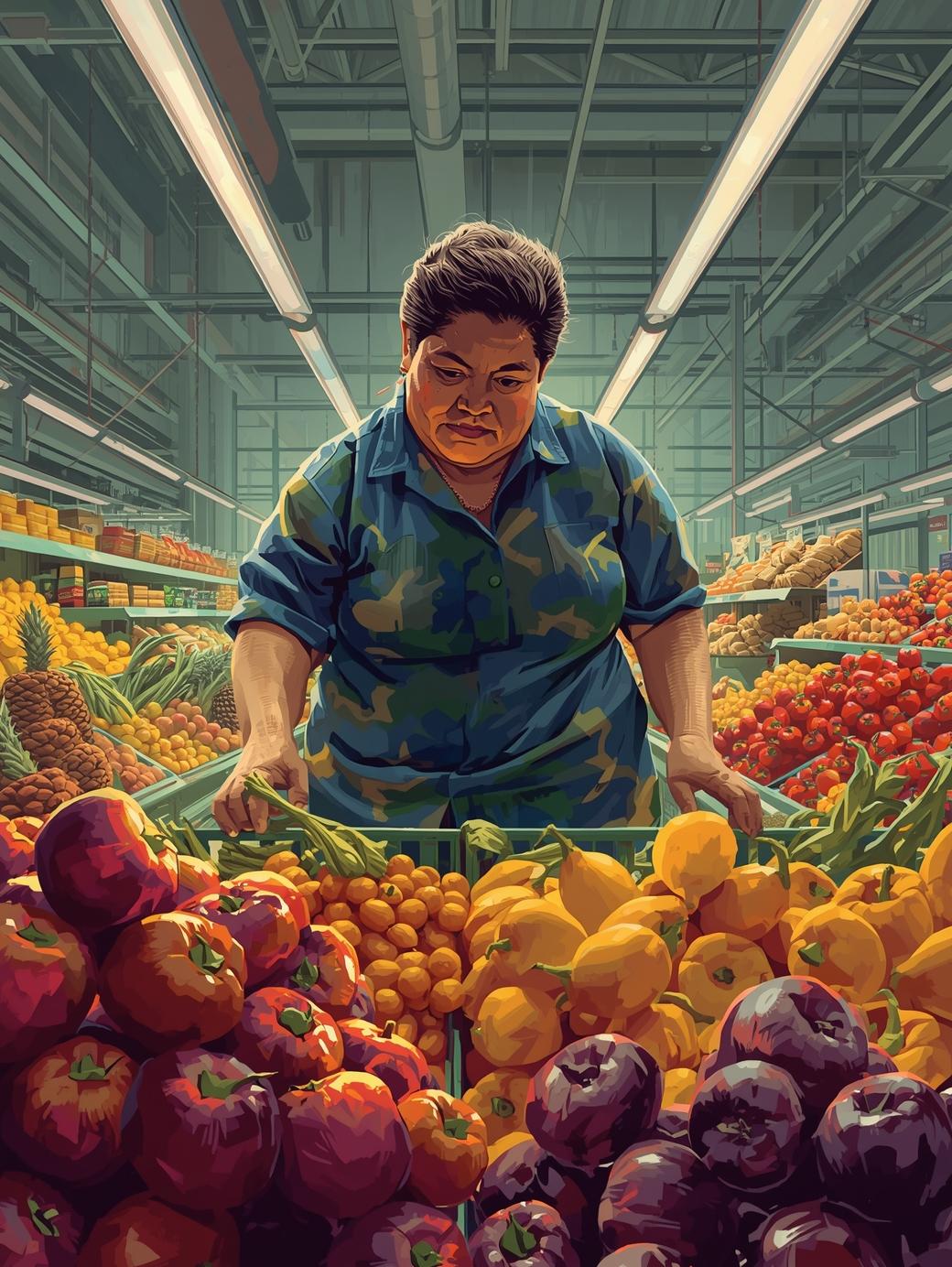
Ever stood in the produce aisle feeling totally lost, wondering if you’re the only person who has no idea what to put in their cart?
I’ve been there. Wandering the aisles, picking up random vegetables I’d never cooked before, putting them back, grabbing processed stuff labeled “healthy,” and leaving feeling defeated before I even started.
The confusion was real, and honestly, it almost made me give up before I began.
Here’s what changed everything for me: I stopped trying to overhaul my entire pantry overnight and started building a simple plant-based grocery list I could actually use.
No fancy superfoods. No expensive specialty items. Just real, nourishing foods that actually make eating plants feel easy and sustainable.
When you have a reliable grocery list in hand, shopping becomes less overwhelming and more empowering.
This guide is everything I wish someone had handed me on day one. We’re going to walk through exactly what to buy, what to skip, how to avoid common beginner mistakes, and how to turn these ingredients into actual meals you’ll want to eat.
You’re not alone in this, and you’re about to discover that shopping for plant-based foods can actually be simpler than what you’re doing now.
Subscribe to Our Nourished Newsletter
Get free weekly guidance for your plant-based journey, straight to your inbox.
- Why Your Plant-Based Grocery List Matters More Than You Think
- Common Beginner Mistakes to Avoid Before You Shop
- The Foundation: Whole Grains Every Beginner Needs
- Protein-Packed Legumes: The Non-Negotiables
- Fresh and Frozen Vegetables: Your Nutrient Powerhouses
- Fruits That Make Your Grocery List Complete
- Nuts, Seeds, and Healthy Fats
- Pantry Staples That Make Everything Taste Good
- Plant-Based Extras That Make Life Easier
- Easy Ingredient Swaps for Plant-Based Beginners
- Introducing the Meal Blueprint Method: How to Use Your Grocery List
- My Simple Shopping Strategy That Actually Works
- Budget-Friendly Tips for Your Beginner Grocery List
- How to Read Labels When Shopping
- Organizing Your Kitchen After Shopping
- Sample Shopping Trip Walkthrough for Total Beginners
- What About Organic, Local, and Specialty Items?
- FAQs About Plant-Based Grocery List for Beginners
- In Essence: Choose More Plants
- Subscribe to Our Nourished Newsletter
Why Your Plant-Based Grocery List Matters More Than You Think
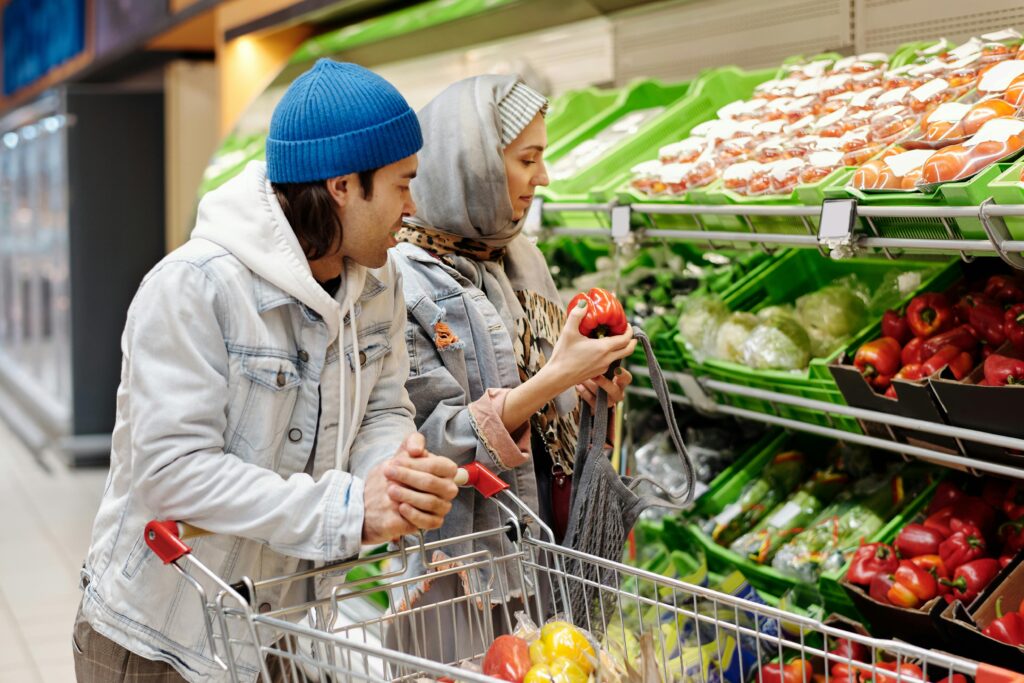
Your kitchen is where the magic happens. Not willpower. Not motivation. Just having the right foods available when hunger hits.
When your pantry and fridge are stocked with plant-based essentials, you’re not struggling your way through cravings or ordering takeout at 9 PM because there’s “nothing to eat.”
You’re setting yourself up to actually enjoy this way of eating. And that’s when everything shifts.
I learned this the hard way after too many nights staring into an empty fridge, thinking I’d failed again. But I hadn’t failed. I just hadn’t set myself up for success.
The truth is, most beginners quit not because plant-based eating is hard, but because they never figured out what to actually buy and keep on hand.
Your grocery list is your foundation. Get this right, and everything else becomes easier.
Common Beginner Mistakes to Avoid Before You Shop
Let me save you from the mistakes I made (and the money I wasted) when I started.
Mistake #1: Buying too many new things at once.
I’d get excited, buy 15 ingredients I’d never used, and then feel overwhelmed trying to figure out what to do with them. Half would go bad before I learned how to cook them.
Start small. Add one or two new things per week.
Mistake #2: Skipping the basics for “superfoods.”
Goji berries and spirulina are great, but you know what’s better? Having rice, beans, and vegetables you’ll actually eat.
Build your foundation first. Get fancy later if you want.
Mistake #3: Assuming expensive means better.
Some of the most nutritious plant foods cost pennies. Lentils, oats, sweet potatoes, bananas.
Don’t let food marketing convince you that healthy eating requires a huge budget.
Mistake #4: Not buying enough food.
Beginners often underestimate how much they’ll eat. Plants are less calorie-dense than animal products, so you need more volume.
Don’t be scared to fill your cart.
Mistake #5: Forgetting about flavor.
You can buy all the vegetables in the world, but if you don’t have spices, oils, and flavor-builders, you won’t enjoy eating them.
Flavor matters just as much as nutrition.
The Foundation: Whole Grains Every Beginner Needs
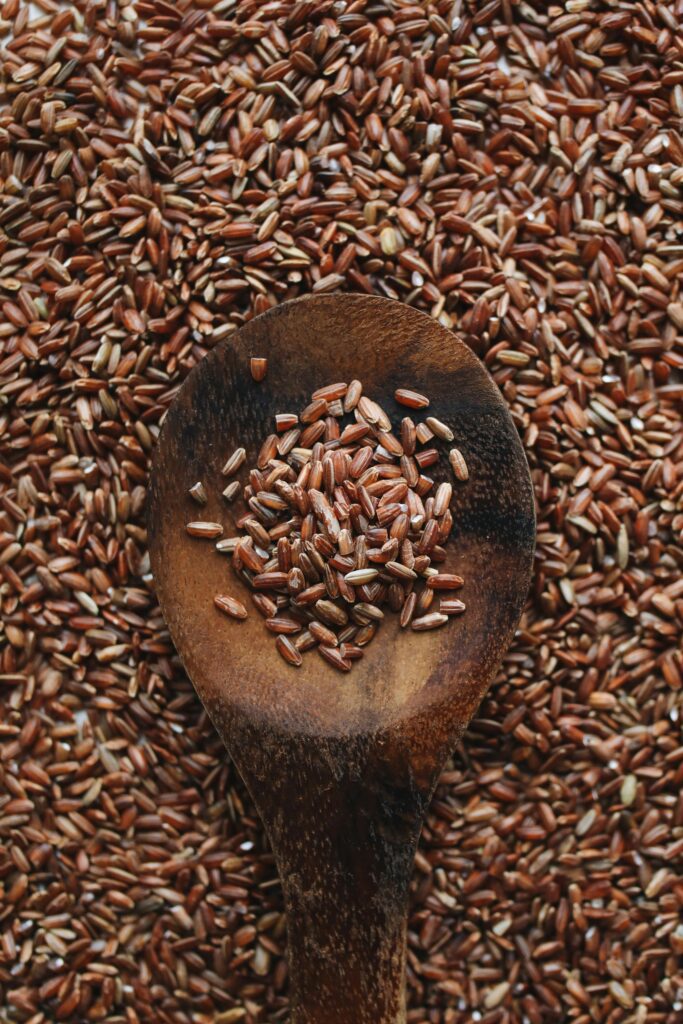
Let’s start with the foods that’ll keep you full and energized. Whole grains are your best friends here, and they’re way more versatile than you might think.
Add these grains to your list:
- Brown rice (the reliable go-to that goes with everything)
- Quinoa (cooks fast and has a complete amino acid profile)
- Oats (not just for breakfast!)
- Whole grain pasta (because sometimes you just need comfort food)
- Barley or farro (when you want something a little different)
I used to think grains were boring until I realized they’re actually the canvas for whatever flavors you’re craving. They absorb sauces, pair with any vegetable, and keep you satisfied for hours.
Plus, they’re ridiculously affordable.
Protein-Packed Legumes: The Non-Negotiables
Here’s where people get tripped up.
They think eating plants means being hungry all the time or spending a fortune on protein powder. Not true.
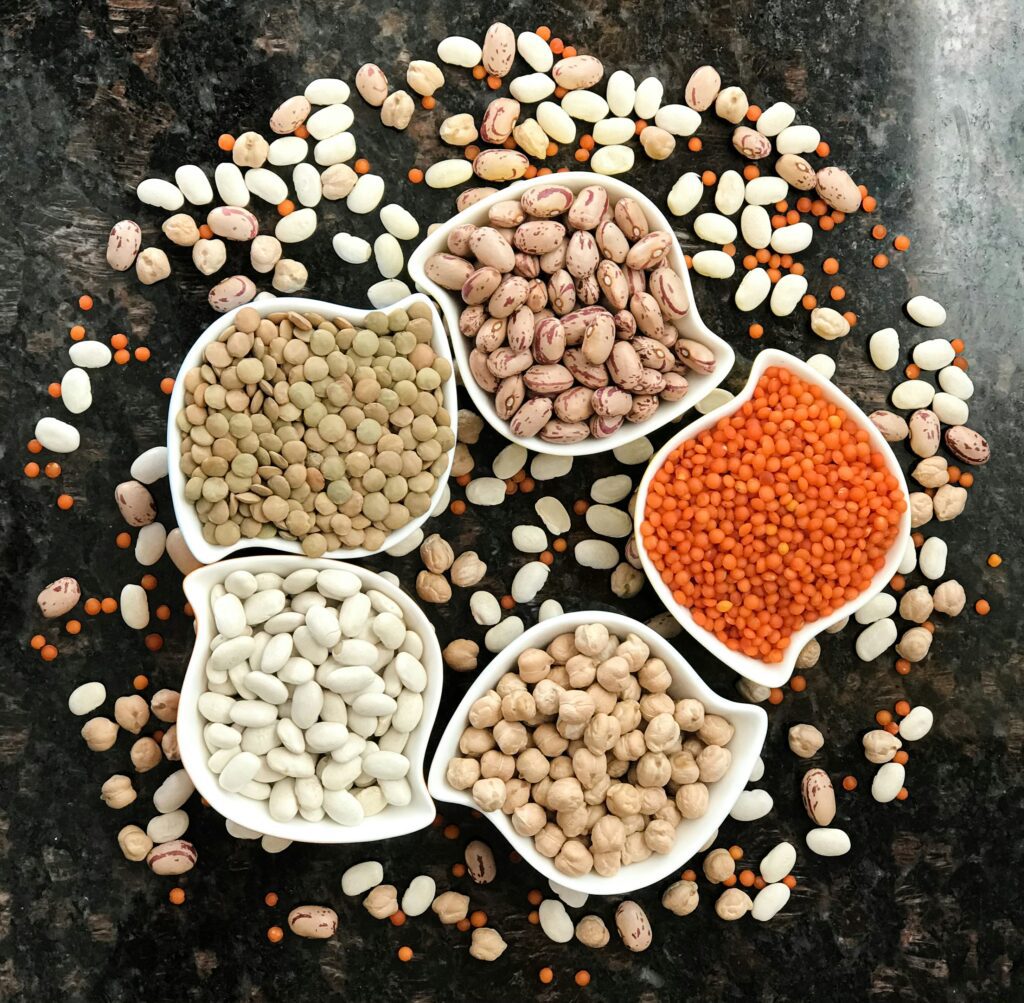
Legumes are nutritional goldmines. They’re packed with protein, fiber, iron, folate, and they cost next to nothing.
Keep these on your plant-based grocery list:
- Canned black beans (rinse them to reduce sodium or get the “no salt added” option)
- Dried or canned lentils (red ones cook in 15 minutes!)
- Chickpeas for roasting, hummus, or tossing in salads
- Pinto beans for burritos and bowl meals
- Split peas for quick soups
- Cannellini beans (white beans) for Italian dishes
I buy both canned and dried. Canned for most nights when I need dinner in 20 minutes. Dried for meal prep Sundays when I have more time.
Having both means I’m never caught without options.
Fresh and Frozen Vegetables: Your Nutrient Powerhouses
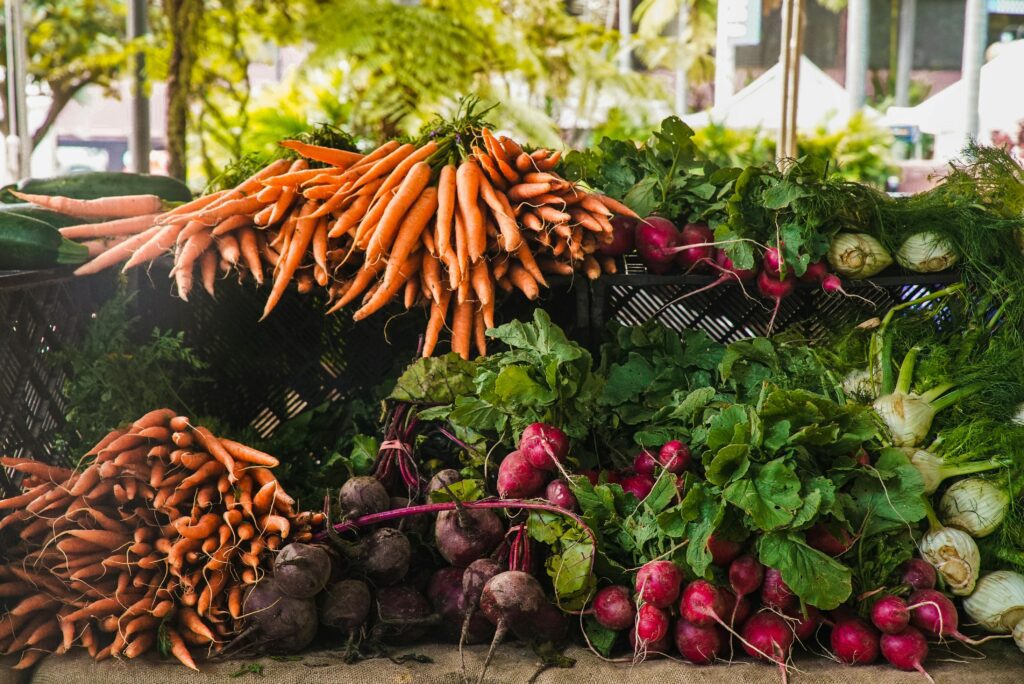
Let me tell you something that took me way too long to figure out: frozen vegetables are not inferior.
They’re picked at peak ripeness and frozen immediately, which means they’re often more nutritious than fresh ones that have been sitting around for days.
The Fresh Picks
Buy what’s in season and on sale. Seriously, that’s the strategy.
Versatile vegetables for your list:
- Leafy greens like spinach, kale, or whatever looks good
- Bell peppers in multiple colors
- Onions and garlic (the flavor base for almost everything)
- Sweet potatoes (so filling and naturally sweet)
- Broccoli or cauliflower
- Carrots and celery (great for snacking and cooking)
- Zucchini or squash (absorbs flavors beautifully)
- Mushrooms (add meaty texture and umami flavor)
The Frozen Favorites
Stock your freezer with these and you’ll always have vegetables ready to go.
Frozen vegetable essentials:
- Mixed vegetables for stir-fries
- Spinach for smoothies and pasta dishes
- Broccoli florets
- Cauliflower rice if you’re into that
- Corn and peas
- Green beans
Fruits That Make Your Grocery List Complete
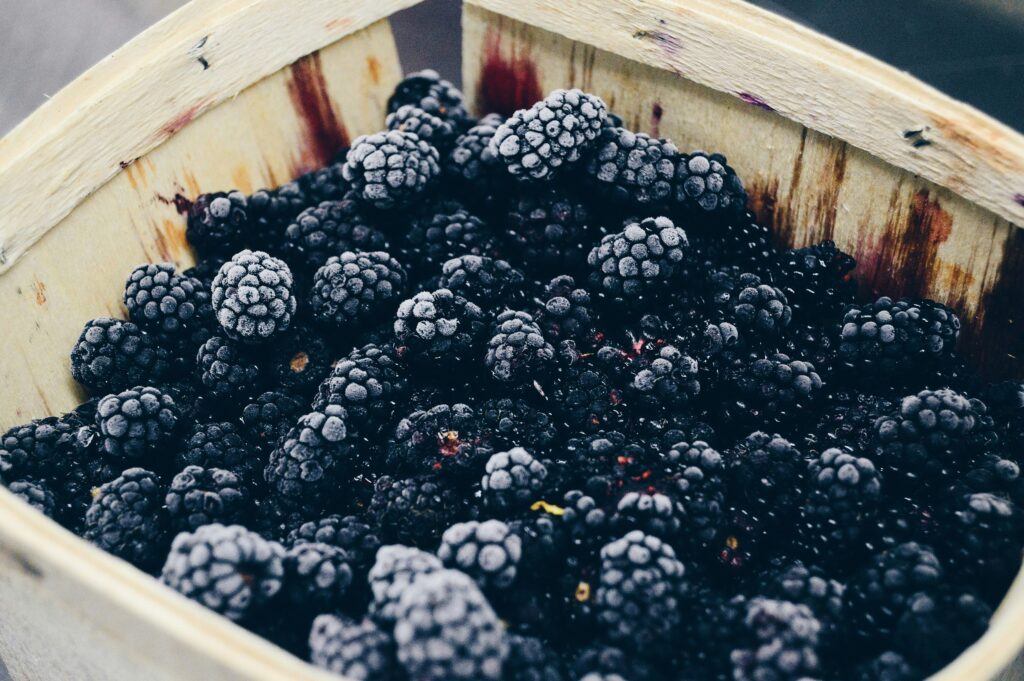
Fruit is nature’s candy, and it deserves a prime spot in your shopping cart.
Don’t be scared of the natural sugars. Your body knows exactly what to do with whole fruit, and it comes packaged with fiber, vitamins, antioxidants, and water.
Fresh fruits to prioritize:
- Bananas (affordable, portable, perfect for smoothies)
- Apples (they last forever in the fridge)
- Berries when they’re on sale or in season
- Citrus fruits for vitamin C and brightness
- Grapes for snacking
- Melons in summer
- Whatever looks good and is affordable
Frozen fruits are clutch:
- Mixed berries for smoothies
- Mango chunks for a tropical vibe
- Cherries for when you want something special
- Pineapple for adding to dishes
I used to spend way too much on out-of-season berries. Now I buy frozen and save the fresh stuff for when it’s actually abundant and affordable.
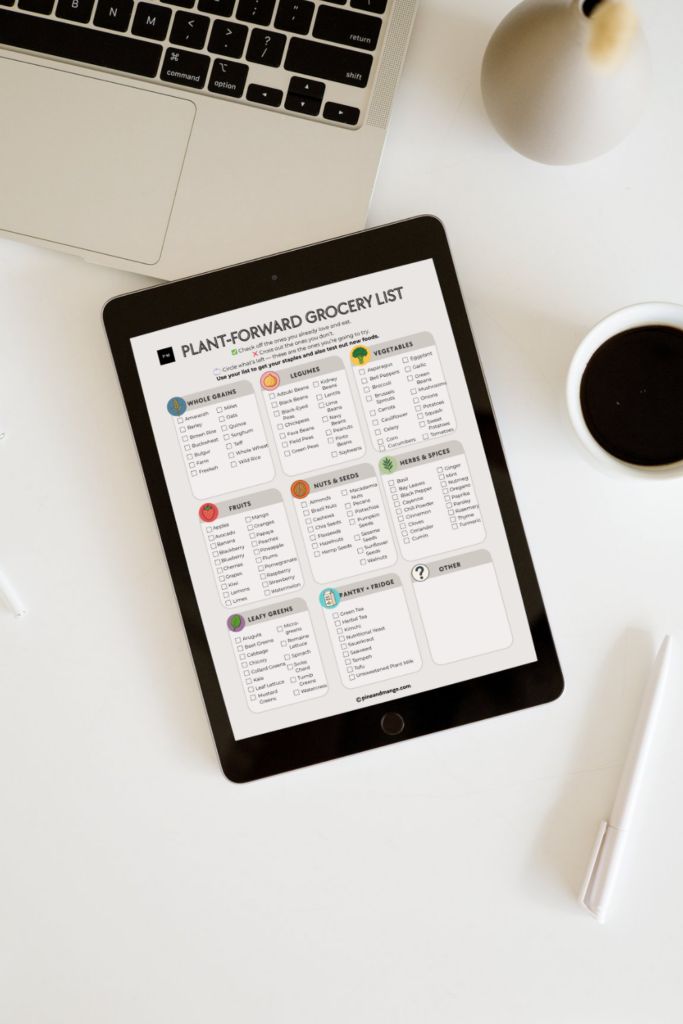
Get Your FREE Plant-Forward Grocery List Today!
Nuts, Seeds, and Healthy Fats
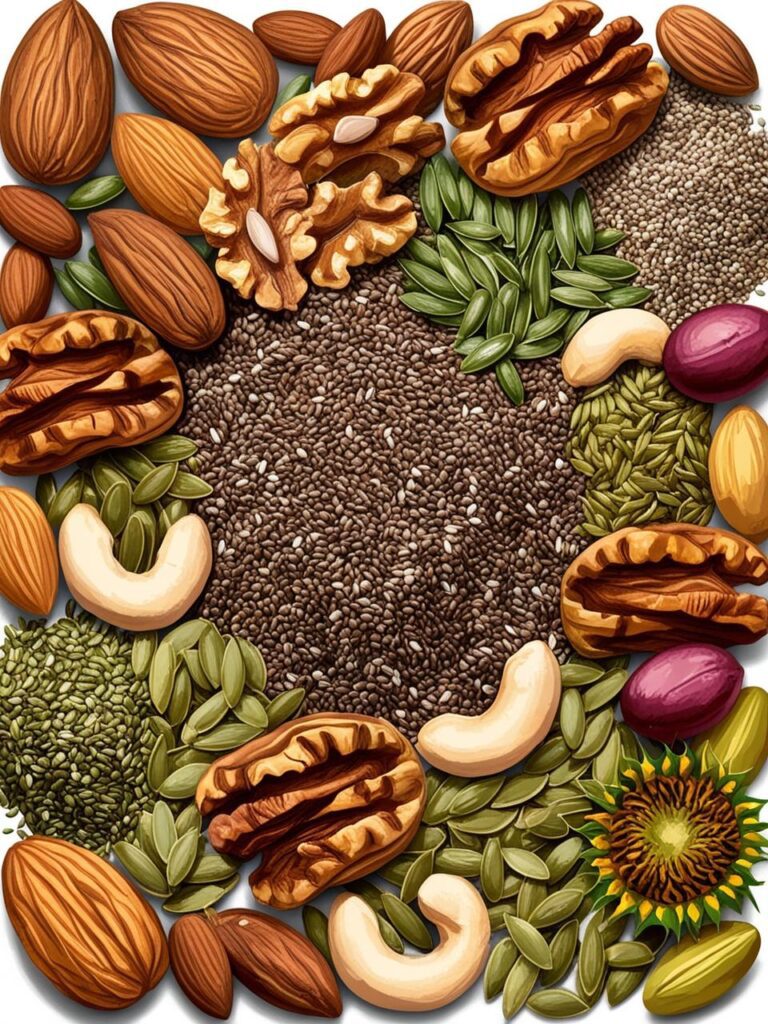
These add richness, satisfaction, and important nutrients to your meals. You don’t need much, which is good because they can be pricey.
Add these to your plant-based grocery list:
- Raw almonds or walnuts for snacking
- Ground flaxseed or chia seeds (omega-3s and fiber)
- Hemp seeds (complete protein!)
- Pumpkin seeds for topping salads and soups
- Sunflower seeds (budget-friendly option)
- Natural peanut or nut butter
- Tahini for dressings and hummus
A little goes a long way. A tablespoon of seeds on your oatmeal or a handful of nuts in your afternoon snack makes a real difference in how satisfied you feel.
Pantry Staples That Make Everything Taste Good
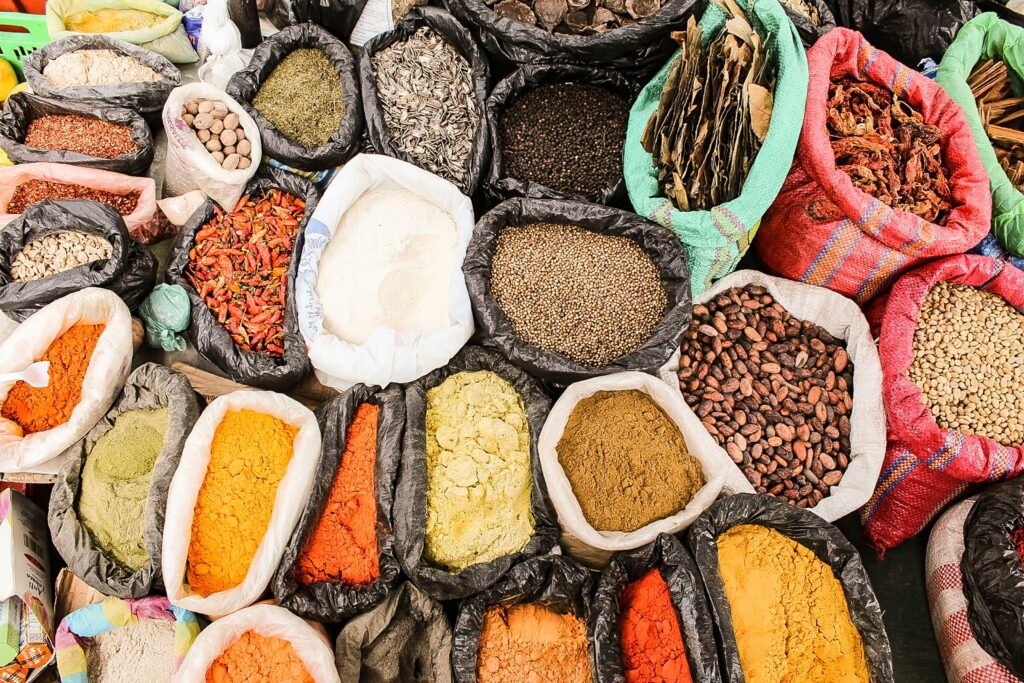
This is where flavor lives. You can have all the vegetables in the world, but if they don’t taste good, you won’t keep eating them. This section is crucial for beginners.
Oils and Acids for Your List
- Extra virgin olive oil for most cooking
- A neutral oil like avocado or grapeseed for high-heat cooking
- Toasted sesame oil for Asian-inspired dishes
- Apple cider vinegar or balsamic vinegar
- Rice vinegar for lighter, sweeter acidity
- Fresh lemon or lime juice
Flavor Builders
- Nutritional yeast (adds a cheesy, savory flavor and B vitamins)
- Low-sodium soy sauce or tamari
- Hot sauce or sriracha
- Vegetable broth or bouillon cubes
- Tomato paste and canned diced tomatoes
- Coconut milk (canned, full-fat for creamy dishes)
- Maple syrup or date syrup for natural sweetness
- Miso paste (umami bomb that lasts forever)
Spices and Seasonings: Your Flavor Arsenal
Don’t sleep on spices, they’re non-negotiable. They transform boring into delicious.
Basic spice rack needs:
- Garlic powder and onion powder
- Cumin and chili powder
- Smoked paprika
- Italian seasoning
- Cinnamon
- Curry powder
- Red pepper flakes
- Turmeric (for color and anti-inflammatory benefits)
- Black pepper and sea salt
Plant-Based Extras That Make Life Easier
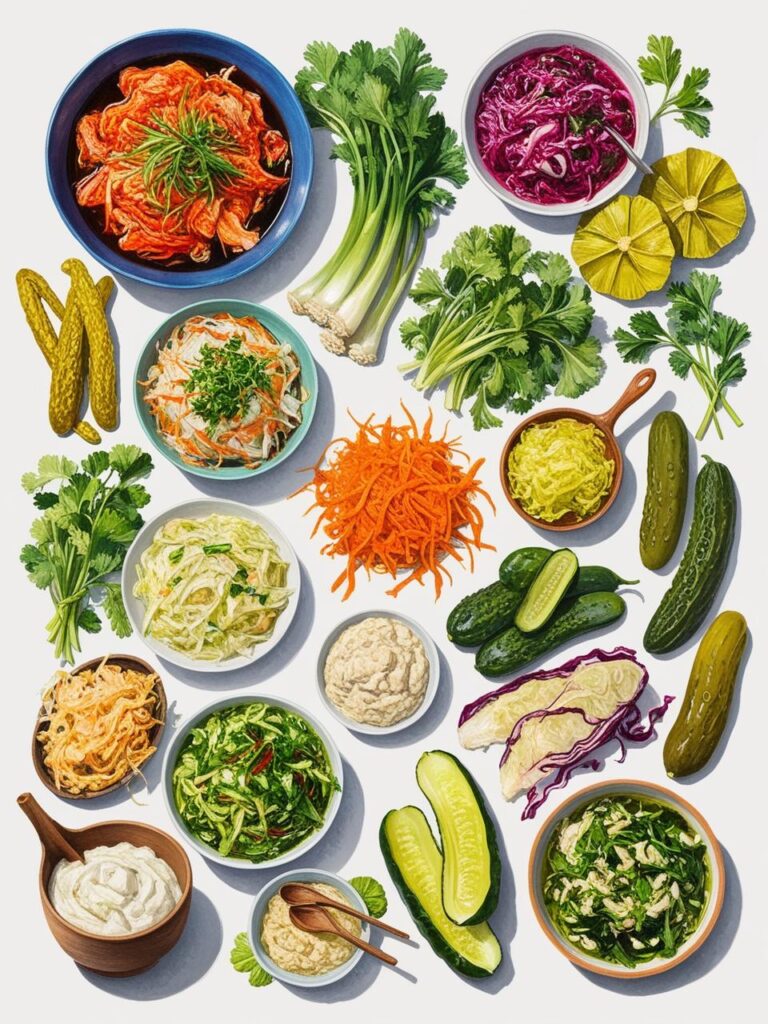
These aren’t essential, but they make the transition smoother and more enjoyable for beginners.
Consider adding to your grocery list:
- Unsweetened plant milk (oat, almond, soy… try a few and see what you like)
- Hummus for quick snacks
- Salsa or pico de gallo
- Green tea or herbal tea
- Dark chocolate for when you need something sweet
- Nori or another seaweed
- Fermented food, like kimchi or sauerkraut
I always have plant milk and hummus in my fridge. They’re my backup plan when I’m too tired to cook but still want to eat something nourishing.
Easy Ingredient Swaps for Plant-Based Beginners
One of the biggest mental hurdles when starting is figuring out what replaces what. Here are the swaps that made my transition seamless.
Dairy Swaps
- Instead of cow’s milk: Use oat milk (creamiest), soy milk (highest protein), almond milk (lowest calorie), or cashew milk (richest for cooking).
- Instead of butter: Use olive oil for cooking, mashed avocado on toast, or store-bought plant butter for baking.
- Instead of cheese: Nutritional yeast for cheesy flavor, cashew cream for richness, or store-bought plant-based cheese.
- Instead of yogurt: Coconut yogurt, almond yogurt, or soy yogurt (highest protein).
- Instead of sour cream: Cashew cream, coconut cream, or plant-based sour cream.
Protein Swaps
- Instead of ground meat: Crumbled tempeh, cooked lentils, or mashed beans. Seriously, lentils in spaghetti sauce taste amazing.
- Instead of chicken: Chickpeas, white beans, tofu, or tempeh depending on the dish.
- Instead of eggs (in cooking): Flax eggs (1 tablespoon ground flax + 3 tablespoons water), mashed banana for baking, or aquafaba (chickpea liquid) for binding.
- Instead of tuna: Mashed chickpeas with a little nori for that ocean-y flavor.
Flavor Swaps
- Instead of parmesan: Nutritional yeast mixed with ground cashews and a pinch of salt.
- Instead of Worcestershire sauce: Soy sauce with a splash of balsamic vinegar.
- Instead of fish sauce: Soy sauce with a piece of nori steeped in it.
The Swap Strategy
You don’t have to swap everything at once. Pick one or two swaps per week and get comfortable with them.
Some weeks I focused on finding a plant milk I loved. Other weeks I experimented with replacing eggs in my weekend pancakes.
Gradual swaps feel sustainable. Overnight overhauls feel overwhelming.
Introducing the Meal Blueprint Method: How to Use Your Grocery List
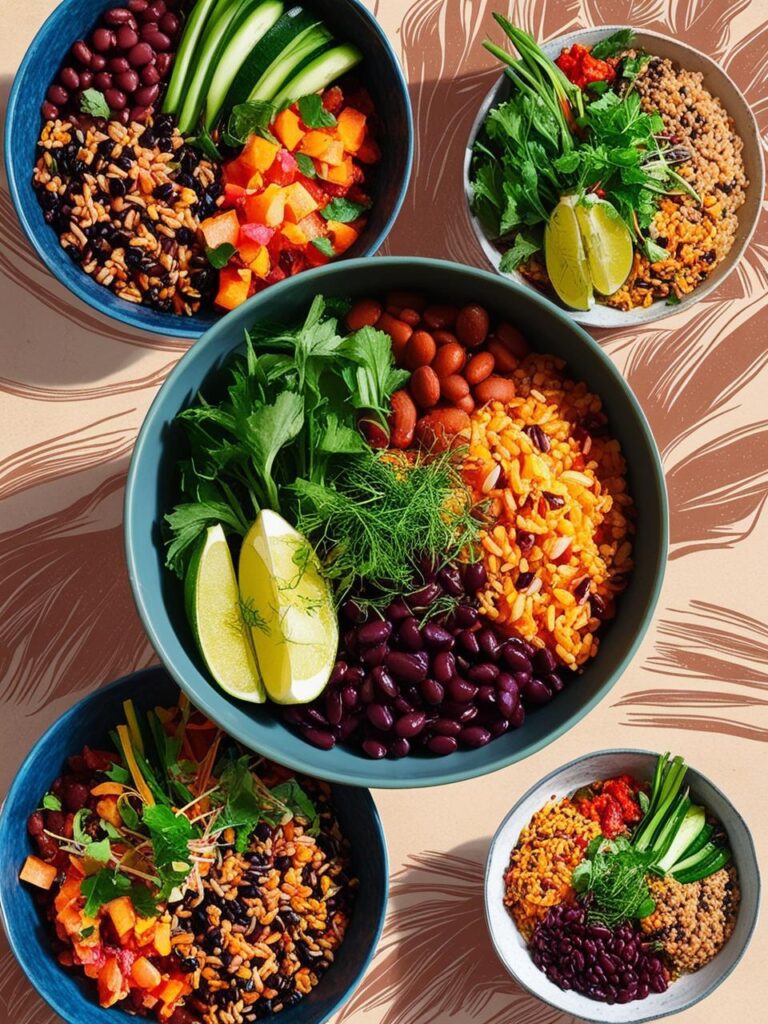
Now that you know what to buy, let me show you the simplest way to turn these ingredients into actual meals. This is the framework that changed everything for me.
The Meal Blueprint Formula
Every satisfying plant-based meal follows this simple formula:
Base + Protein + Vegetables + Flavor + Healthy Fat = Complete Meal
Real-Life Blueprint Examples
Mexican Bowl:
- Base: Brown rice
- Protein: Black beans
- Vegetables: Bell peppers, corn, lettuce, tomatoes
- Flavor: Cumin, chili powder, lime juice, salsa
- Fat: Avocado slices
Italian Pasta:
- Base: Whole grain pasta
- Protein: Chickpeas or white beans
- Vegetables: Spinach, cherry tomatoes, zucchini
- Flavor: Garlic, Italian seasoning, nutritional yeast
- Fat: Olive oil, pine nuts
Asian Stir-Fry:
- Base: Quinoa or rice
- Protein: Tofu or edamame
- Vegetables: Broccoli, bell peppers, snap peas
- Flavor: Soy sauce, ginger, garlic, sesame oil
- Fat: Sesame seeds, cashews
See how you can use the same grocery list ingredients and create completely different meals just by changing the flavor profile? That’s the beauty of the blueprint method.
👉🏿 For the complete guide, check out How to Build Plant-Based Meals Without Recipes: The Meal Blueprint Method.
My Simple Shopping Strategy That Actually Works
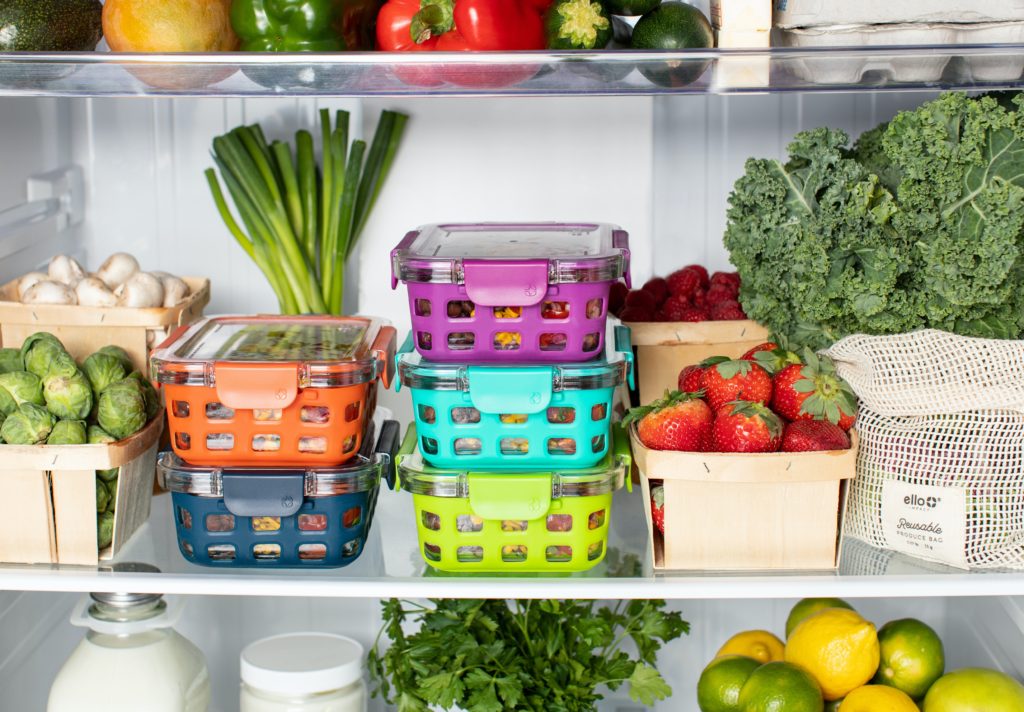
Here’s what I do now, and it’s made shopping so much less stressful.
I make sure to get at least one thing from each category, replenish whatever I ran out of, and try one new food per week. That’s it.
This ensures I’m eating a variety of plant foods throughout the week without overthinking it. Some weeks I try a new grain. Other weeks it’s a vegetable I’ve never cooked.
This keeps things interesting and gradually expands what I’m comfortable preparing.
Your Weekly Plant-Based Grocery List for Beginners Framework
Grains & Starches:
- Pick 2-3 whole grains (at least one quick-cooking option like quinoa or pasta)
- Get 1 starchy vegetable (sweet potatoes or regular potatoes)
Proteins:
- Grab 3-4 types of legumes (mix of canned and dried)
- Consider tofu or tempeh if you’re ready
Fresh Vegetables:
- Choose 5-7 different fresh vegetables
- Include at least one leafy green
- Pick something for snacking (carrots, bell peppers, cherry tomatoes)
Frozen Vegetables:
- Stock 2-3 frozen vegetable options
Fruits:
- Get 3-4 types of fruit (mix of fresh and frozen)
- Prioritize berries (frozen is perfect)
- Always grab bananas
Nuts & Seeds:
- Add 1-2 nuts or seeds
- Restock nut butter if needed
Pantry & Flavor:
- Replenish oils, vinegars, and condiments as needed
- Check spice levels and restock
- Grab plant milk and any extras you use regularly
Try Something New:
- Pick one new ingredient to experiment with this week
Budget-Friendly Tips for Your Beginner Grocery List

Eating more plants doesn’t have to cost more. Actually, it can save you money if you do it right. Here’s how I keep costs down.
Shop Smart Strategies
- Buy in bulk. Shop the bulk bins for grains, beans, nuts, and seeds. You buy exactly what you need and skip the packaging markup. This alone saved me hundreds of dollars my first year.
- Choose store brands. The ingredients are usually identical to name brands. Your body can’t tell the difference between Whole Foods 365 chickpeas and premium brand chickpeas.
- Focus on seasonal produce. That’s when it’s cheapest and tastes best. Strawberries in January cost three times what they do in June. Wait for the good stuff.
- Embrace frozen and canned. Frozen vegetables and fruits are just as nutritious and often cheaper. Canned beans and tomatoes are pantry staples that last forever. Don’t feel guilty about convenience.
- Skip the specialty products. You don’t need plant-based cheese, meat substitutes, or protein bars to eat plants successfully. These are fine occasionally, but they’re expensive and not necessary. Real whole foods are cheaper and more nutritious.
- Plan around sales. When beans or grains go on sale, stock up. These foods last for months or years.
- Buy imperfect produce. Many stores now offer “ugly” produce at a discount. It tastes exactly the same.
Cost Comparison Reality Check
When I tracked my spending, I discovered that eating more plants actually reduced my grocery bill by about 30%.
Beans cost pennies per serving compared to meat. Rice is ridiculously cheap. Seasonal vegetables are affordable.
The expensive part of plant-based eating is all the optional specialty products that food companies want you to think you need.
👉🏿 For more tips, check out How to Eat Plant-Based on a Tight Budget.
How to Read Labels When Shopping
Not all plant-based products are created equal. Here’s what I look for (and avoid) when buying packaged foods.
What to Look For
✅ Short ingredient lists. If you can’t pronounce half the ingredients, put it back. Whole food ingredients should be recognizable.
✅ Whole grains listed first. If it says “whole grain” on the package, make sure whole grain flour or whole grain oats is the first ingredient, not enriched flour.
✅ Low added sugar. Check the difference between total sugars and added sugars. Natural sugars from fruit are fine. Added sugars… not so much.
✅ Minimal sodium. Aim for products with less than 400mg sodium per serving for most items. Canned beans and vegetables can be rinsed to reduce sodium.
What to Avoid
❌ Hydrogenated oils. These are trans fats in disguise. Bad news for your heart.
❌ Long lists of additives. Preservatives, artificial colors, and artificial flavors aren’t doing your body any favors.
❌ “Health” buzzwords without substance. “Natural,” “organic,” and “plant-based” don’t automatically mean healthy. Read the actual ingredients.
❌ High sodium in plant-based meat alternatives. Some contain 20% of your daily sodium in one serving. Yikes.
Label Reading for Beginners: The Quick Check
Flip to the ingredient list. Can you picture these ingredients in their whole form?
If yes, probably good. If it reads like a chemistry experiment, probably pass.
👉🏿 To learn more, read How to Read Food Labels: A Simple Guide for Healthier Choices.
Organizing Your Kitchen After Shopping
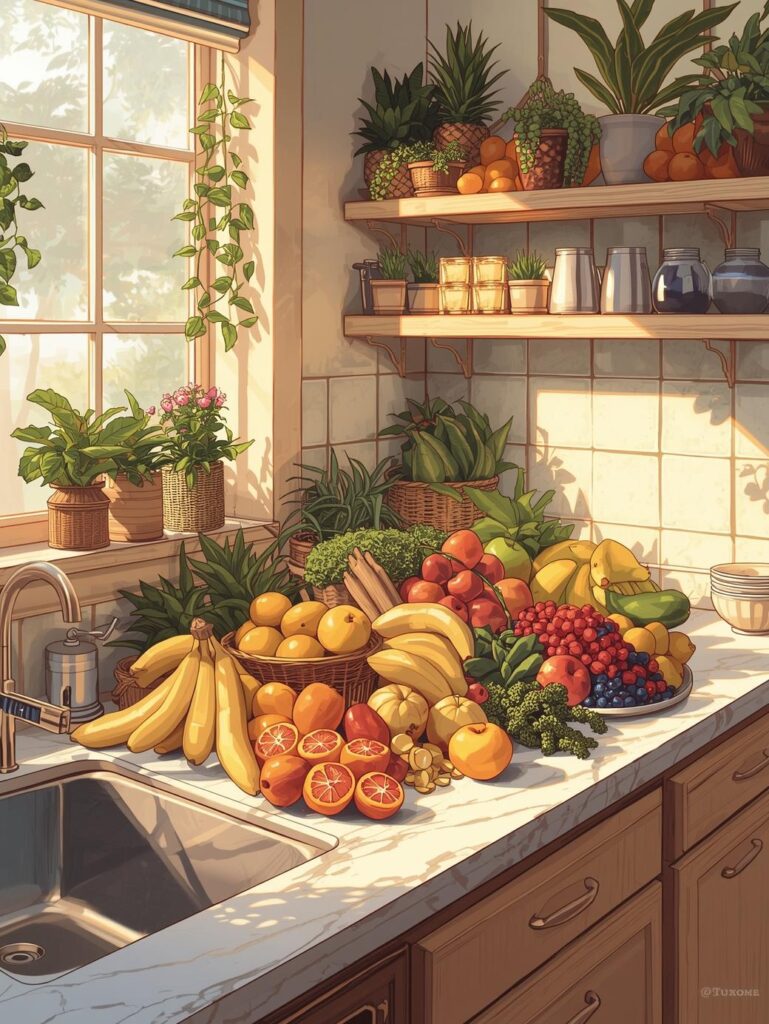
Getting the groceries home is only half the battle. How you store and organize them determines whether you’ll actually use them.
The Post-Shopping Routine That Changed My Life
- Wash and prep vegetables immediately. I know you’re tired, but spending 15 minutes washing lettuce, chopping peppers, and storing vegetables properly means they last longer and you’re more likely to use them.
- Pre-portion snacks. Put nuts, fruit, and veggie sticks into grab-and-go containers. When hunger hits, you want the healthy option to be the easiest option.
- Cook a big batch of grains. While you’re putting groceries away, throw some rice or quinoa in the rice cooker. Having cooked grains ready to go in the fridge makes meal assembly so much faster all week.
- Check expiration dates. Move older items to the front so you use them first. This reduces food waste dramatically.
- Keep a running grocery list. As soon as you run out of something or notice you’re low, add it to next week’s list. I keep mine on my phone.
Organizing for Success
- Grain station: Keep all your grains together in clear containers. Label them if you’re fancy.
- Spice drawer: Alphabetize your spices or group by cuisine type. You’ll actually use them more when you can find them.
- Snack shelf: Designate one fridge shelf and one pantry shelf for grab-and-go snacks. This is especially important if you have kids or live with non-plant-eaters.
- Freezer zones: Separate frozen fruits (for smoothies) from frozen vegetables (for cooking). Future you will thank present you.
Sample Shopping Trip Walkthrough for Total Beginners

Let me walk you through exactly what a first shopping trip might look like. This is what I’d buy if I were starting from scratch on a $75 budget.
First Trip Essentials ($75 Budget)
Grains ($12):
- Brown rice (2 lb bag) – $3
- Oats (large container) – $4
- Whole grain pasta (2 boxes) – $5
Proteins ($10):
- Canned black beans (4 cans) – $4
- Red lentils (1 lb dried) – $2
- Chickpeas (2 cans) – $2
- Peanut butter (1 jar) – $2
Fresh Vegetables ($16):
- Spinach (1 box) – $3
- Bell peppers (3) – $4
- Onions (3 lb bag) – $2
- Sweet potatoes (3) – $3
- Carrots (2 lb bag) – $2
- Garlic (1 bulb) – $2
Frozen Vegetables ($6):
- Mixed stir-fry vegetables (2 bags) – $6
Fruits ($10):
- Bananas (1 bunch) – $2
- Apples (3 lb bag) – $4
- Frozen mixed berries (1 bag) – $4
Pantry Basics ($14):
- Olive oil (if you don’t have any) – $6
- Soy sauce – $2
- Canned tomatoes (diced and crushed) – $4
- Vegetable broth (2 cartons) – $2
Spices ($5 for 2-3 basics):
- Garlic powder – $2
- Cumin – $2
- Italian seasoning – $1
Total: $75
With this haul, you could make stir-fries, burrito bowls, pasta dishes, oatmeal, smoothies, and more. This is a solid foundation for one person for about a week.
Week Two: Build on It
The following week, you’d replenish what you ran out of (probably bananas, spinach, and a few vegetables) and add a few new things. Maybe quinoa, another type of bean, and a new spice.
Your pantry grows gradually without the sticker shock of buying everything at once.
What About Organic, Local, and Specialty Items?
Let’s get real about this because it stresses beginners out unnecessarily.
The Organic Question
If budget allows, prioritize organic for the “Dirty Dozen”—the produce with the highest pesticide residues. This includes strawberries, spinach, kale, apples, grapes, peaches, cherries, pears, tomatoes, celery, and potatoes.
For everything else? Buy conventional and wash it well. The most important thing is eating more plants, period. Don’t let the organic debate stop you from buying vegetables.
Local and Farmers Markets
I love farmers markets, but they’re not essential for beginners. Focus on getting comfortable with plant-based eating first.
Once you’ve got your routine down, exploring farmers markets becomes fun instead of overwhelming.
Specialty Stores
You don’t need to shop at Whole Foods or specialty health stores to eat plants successfully. Regular grocery stores carry everything on this list.
Save your money for the food itself, not the shopping experience.
FAQs About Plant-Based Grocery List for Beginners
Q: How much should I expect to spend as a beginner on plant-based groceries?
Most beginners find that plant-based eating actually costs less than their previous way of eating, once they get past the initial pantry stocking phase.
Expect to spend $50-100 on your first big trip to build your pantry basics (grains, dried beans, spices, oils). After that, weekly shopping for fresh produce and replenishing items typically runs $40-70 for one person, depending on your location.
Q: Can I still eat plant-based on a tight budget?
Absolutely! Plant-based eating can be one of the most affordable ways to eat.
Focus on bulk bin items (grains, beans, nuts), buy frozen and canned produce, choose store brands, shop sales, and skip expensive specialty products like plant-based cheeses and meat alternatives.
The cheapest foods in the store—rice, beans, lentils, oats, potatoes, seasonal vegetables—are all plant-based. I actually reduced my grocery bill by about 30% when I started eating more plants.
Q: How long do plant-based grocery items typically last?
Dried grains and legumes last for months or even years in a cool, dry place in sealed containers. Canned goods last even longer—check the dates, but most are good for 2-3 years.
Fresh produce varies widely: leafy greens last about 3-5 days, while carrots, apples, and potatoes can last weeks. Frozen foods keep for 6-12 months.
This is actually easier than shopping for animal products, which spoil much faster. You have more flexibility with your meal planning.
📖 Good Reads: How Not to Die, The China Study and Plant-Based Nutrition
In Essence: Choose More Plants
Building your plant-based grocery list doesn’t have to be complicated, expensive, or overwhelming.
Start with the basics: whole grains that keep you full, legumes that provide protein and satisfaction, a variety of colorful vegetables and fruits, some nuts and seeds for healthy fats, and pantry staples that make everything taste good.
You don’t need to buy everything at once or transform your entire kitchen overnight. Build your pantry gradually, try new foods one at a time, and pay attention to what makes you feel good.
This isn’t about perfection or following someone else’s rigid rules. It’s about creating a way of eating that nourishes your body and actually feels sustainable.
When you stock your kitchen with these essentials, you’re not just buying groceries. You’re investing in feeling better, having more energy, and finally stepping off that exhausting cycle of restriction and guilt.
Your future self will thank you for starting today.
The beautiful truth? Every single item on this grocery list is something your body recognizes, something that nourishes you, something that brings you closer to the vibrant health you deserve.
You’ve got this. And you’re not doing it alone.
⭐Let’s chat: What’s one plant-based food you’ve been curious about trying but haven’t worked up the courage to buy yet? Drop it in the comments—I’d love to help you figure out how to prepare it!