
This post may contain affiliate links. If you purchase through these links, I may earn a small commission at no extra cost to you. This helps keep Pine+Mango running. Thank you for your support! Read our full disclosure here.
Ever felt that knot in your stomach when friends suggest going out to eat and you’re trying to eat more plants?
I get it. That moment of panic when you wonder if you’ll end up nibbling on a sad side salad while everyone else enjoys their meal can make you want to skip the whole thing.
But here’s what I’ve learned after years of fumbling through menus and awkward server conversations: eating out while prioritizing plant foods doesn’t have to be stressful or complicated.
You deserve to enjoy meals with people you love without anxiety or feeling like the “difficult” one at the table.
The good news? Once you learn a few simple plant-based restaurant tips, dining out becomes just as easy and fun as it was before — maybe even more so, because you’re actually nourishing your body instead of just filling it.
Let me show you exactly how I navigate restaurants now, so you can feel confident and satisfied every single time.

Subscribe to Our Nourished Newsletter
Get free weekly guidance for your plant-based journey, straight to your inbox.
- Why Eating Out Feels Scary When You're Eating More Plants
- Before You Go: The Menu Preview Strategy
- The Art of Menu Scanning: What to Look For
- How to Modify Menu Items Without Feeling Difficult
- The Starter and Side Combo That Never Fails
- Fast Food and Chain Restaurants: Yes, You Can
- When You're with Friends or Family: The Social Side
- Special Occasions and Fancy Restaurants
- Travel and Unfamiliar Areas
- What to Do When There's Really Nothing
- FAQs About Plant-Based Restaurant Tips
- In Essence: Eat Out In Confidence
- Subscribe to Our Nourished Newsletter
Why Eating Out Feels Scary When You’re Eating More Plants
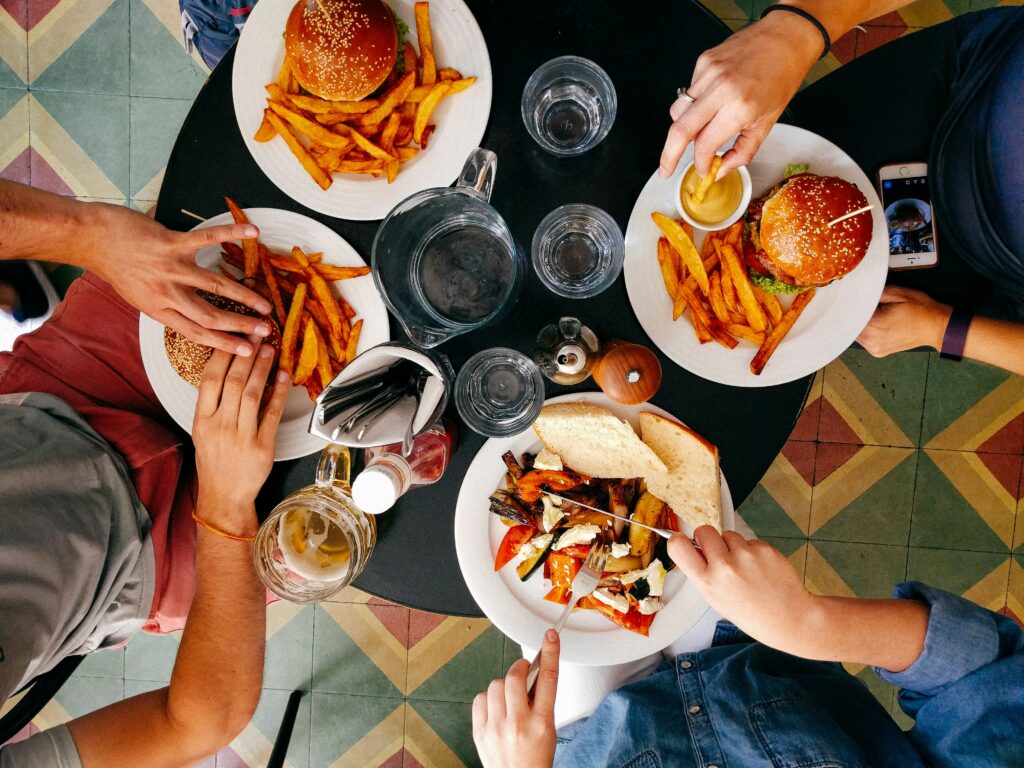
Here’s the thing nobody talks about: the fear isn’t really about the food. It’s about feeling different, being a burden, or ending up hungry while everyone else is happy.
Those feelings are real and valid.
Most traditional restaurants were designed around meat-centered meals, so it makes sense that you’d feel uncertain. But restaurants are changing faster than you might think.
Even steakhouses now offer plant-forward options because they’ve realized people want them.
The shift happens when you stop seeing yourself as the exception and start recognizing that you’re simply making choices that work for your body. You’re not asking for anything weird — you’re asking for vegetables, grains, beans, and fruits. That’s it!
Before You Go: The Menu Preview Strategy
This is my secret weapon, and it’s changed everything for me. I always look at the menu online before I go anywhere.
Why does this work so well? Because you can browse without pressure, spot your options calmly, and even call ahead if you have questions.
No awkward moments with the server while your friends wait. No panic ordering something you don’t really want.
When I check menus ahead of time, I notice which dishes are already plant-based or could easily be modified. I look for words like “roasted vegetables,” “grain bowls,” “pasta marinara,” or “bean-based.”
These are your friends. Most restaurants have at least two or three dishes that either work as-is or need just a simple tweak.
The Art of Menu Scanning: What to Look For
Walking into a restaurant with confidence starts with knowing what to spot on any menu. Let me break down the treasure hunt for you.
Appetizer and Side Dish Goldmine
This section is where magic happens! Seriously, some of my best restaurant meals have been combinations of sides and starters.
Hummus platters, roasted vegetable plates, seasoned rice, black beans, sautéed greens, crispy potatoes — these aren’t afterthoughts. They’re legitimate, delicious options.
Don’t let anyone make you feel weird about ordering three sides as your meal. I’ve done it countless times, and guess what? My plate always looks abundant and satisfying.
Ethnic Cuisines Are Your Best Friends
Italian, Mexican, Thai, Indian, Middle Eastern, Ethiopian, and Japanese restaurants naturally feature tons of plant foods.
These cuisines have centuries-old traditions of creating filling, flavorful meals centered around vegetables, grains, and legumes.
At an Italian place? Think pasta with marinara, minestrone soup, bruschetta, or veggie pizza without cheese.
Mexican? Bean burritos, veggie fajitas, rice and bean bowls, guacamole with chips.
Thai restaurants offer vegetable curries, pad thai with tofu, spring rolls, and papaya salad. See how easy this gets?
The Build-Your-Own Opportunity
Many restaurants now offer customizable bowls, salads, or plates. These can be amazing or disappointing, depending on how you approach them.
Here’s my strategy: load up on the base (greens, grains, or both), add multiple vegetable options, include a protein like beans or tofu, and don’t be shy about asking for extra portions of certain items.
The key is making your bowl substantial. A handful of lettuce with two chickpeas isn’t a meal — that’s a snack pretending to be dinner.
How to Modify Menu Items Without Feeling Difficult
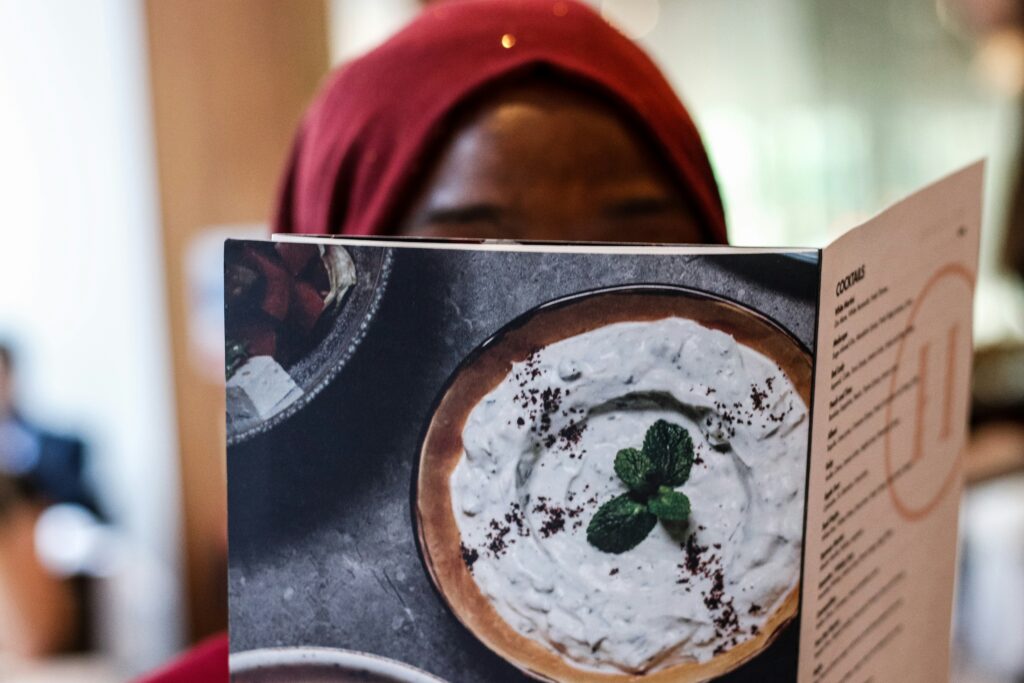
Let’s tackle the elephant in the room: asking for modifications. You’re not being difficult. You’re being clear about what you need.
Servers want you to enjoy your meal — that’s how they get good tips and happy customers. A simple, friendly request works wonders. Here’s how I do it:
“Could I get the vegetable stir-fry without the chicken and add extra tofu instead?” or “Would it be possible to have the pasta with just olive oil, garlic, and vegetables instead of the cream sauce?”
Notice how these requests are straightforward and suggest solutions? You’re making their job easier by being specific. Most kitchens are happy to accommodate because they’re literally just removing ingredients or swapping them.
What Usually Works:
- Asking to hold meat, dairy, or eggs from dishes
- Requesting extra vegetables, beans, or tofu
- Substituting sides (swap the coleslaw for steamed broccoli)
- Getting sauces and dressings on the side
- Adding avocado, nuts, or other plant-based toppings for substance
What Might Be Trickier:
- Completely off-menu creations during rush hours
- Major substitutions in prix fixe or tasting menus
- Modifications to pre-prepared or frozen items
If a server says something can’t be done, just ask what can be done. There’s always a solution.
Building Your Ordering Confidence
Here’s something I wish someone had told me earlier: your confidence matters more than the actual restaurant options.
When you approach ordering with calm clarity, servers respond differently. When you’re apologetic or uncertain, it creates awkwardness.
But when you’re friendly, clear, and confident about what you want? Everything flows smoothly.
This doesn’t mean being demanding or difficult. It means knowing that your needs are valid and communicating them clearly. That energy shift changes everything.
The Starter and Side Combo That Never Fails
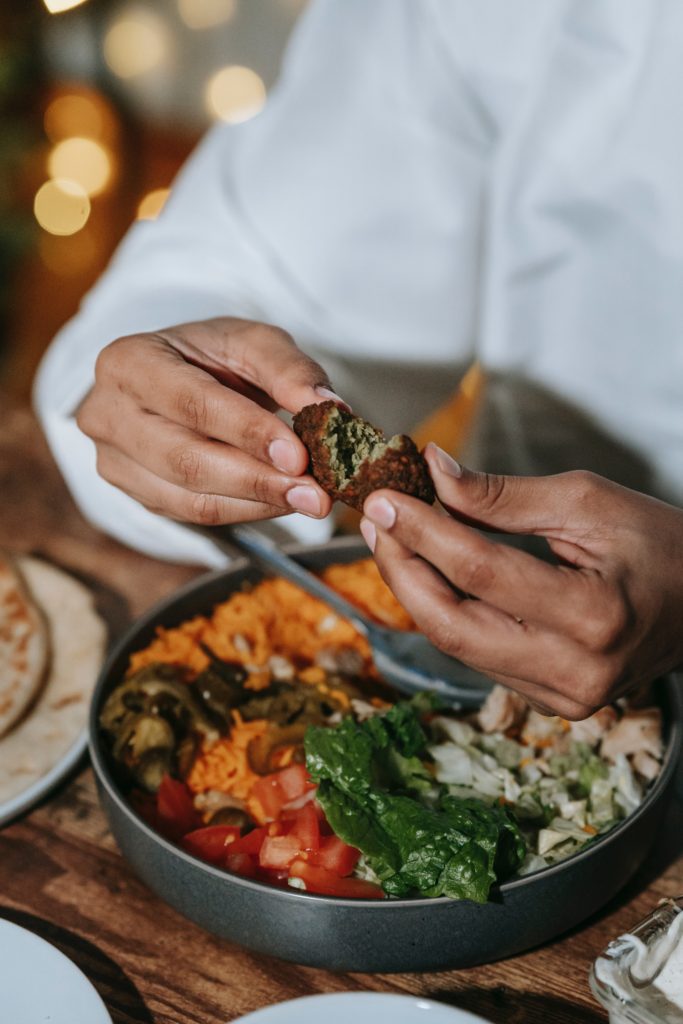
Want to know my go-to strategy when nothing on the menu really works? I order a substantial appetizer and two or three hearty sides.
This approach has saved me more times than I can count.
At a steakhouse recently, I got the house salad (no cheese, extra vegetables), roasted Brussels sprouts, baked sweet potato, and sautéed mushrooms.
Everyone at the table was jealous of how good my plate looked! And I left completely satisfied.
The secret is choosing sides with different textures and flavors. Something crispy, something creamy or starchy, something fresh. This creates a balanced, interesting meal that doesn’t feel like you’re “missing out” on anything.
Fast Food and Chain Restaurants: Yes, You Can
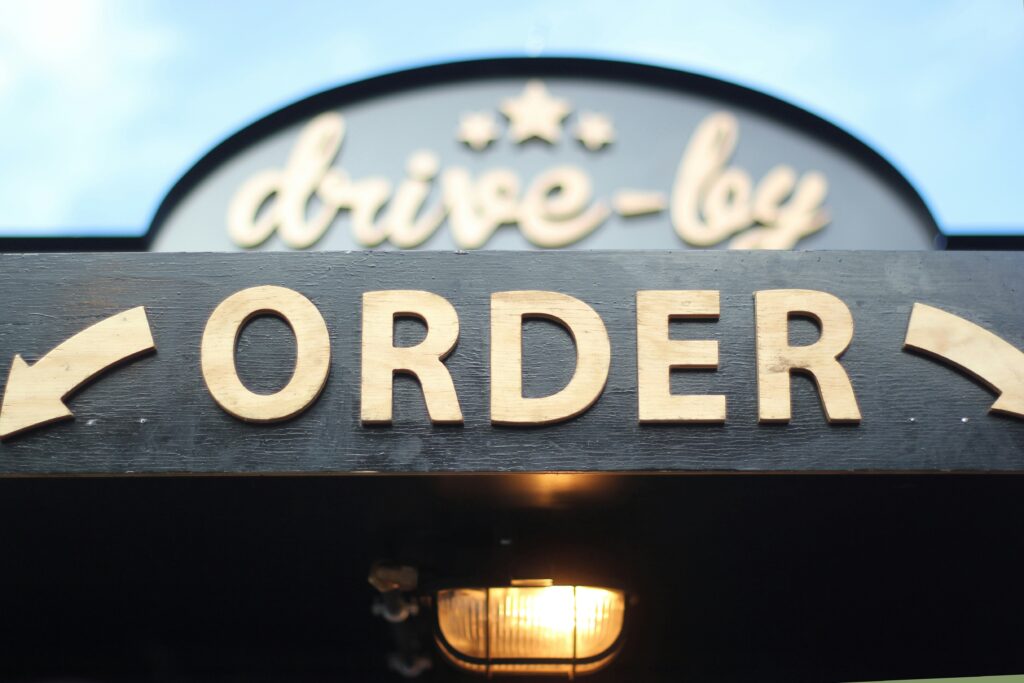
I know what you’re thinking — fast food seems impossible. But you’d be surprised how many chains now offer plant-forward options or easy modifications.
Chipotle and similar build-your-own chains are obvious wins. But even traditional fast food places have options: bean burritos, veggie subs, salads (check the dressing), french fries (usually cooked in vegetable oil), apple slices, oatmeal for breakfast.
The key with chains is checking their allergen or ingredient menus online. These tell you exactly what contains animal products and what doesn’t.
Some surprising items are accidentally plant-based, while others you’d assume are fine actually aren’t.
When You’re with Friends or Family: The Social Side

This is where eating out can feel most vulnerable. You don’t want to make waves, but you also don’t want to compromise what matters to you.
Here’s what’s worked for me: being upfront and casual about it. When someone suggests a restaurant, I’ll say something like, “That sounds great! I checked their menu and they have awesome options.”
No drama, no lectures, just acknowledgment that you’ve looked into it.
If you’re letting others choose the spot, you can say, “I’m good with anywhere — I’ve gotten pretty good at finding plant-based options everywhere.” This reassures people that you won’t be a problem while also honoring your choices.
Most importantly, don’t apologize for your needs. You wouldn’t expect someone with a food allergy to apologize, right?
Your choices deserve the same respect.
Special Occasions and Fancy Restaurants

Upscale restaurants are often the easiest places to eat plant-based meals. Seriously!
Chefs at nice restaurants take pride in their vegetable preparations and often love the creative challenge.
When making reservations, mention that you eat plant-based and ask if the chef can prepare something special.
Many higher-end places will create a custom meal for you that’s just as elaborate and beautiful as everything else on the menu.
I’ve had some of my most memorable restaurant experiences this way — dishes the chef designed specifically with seasonal vegetables, creative grain preparations, and stunning presentations.
Travel and Unfamiliar Areas

Eating out while traveling requires a bit more strategy, but it’s totally doable. I use apps like HappyCow to find plant-friendly restaurants wherever I’m going.
Google Maps reviews are also helpful — just search for the area and add terms like “vegetable” or “plant-based” to see what people recommend.
When you’re somewhere completely unfamiliar, grocery stores and food markets become your best friends. Many have hot bars, salad bars, or prepared food sections where you can build a satisfying meal.
Gas stations even work in a pinch: nuts, fruit, hummus cups, and veggie sticks are increasingly common. It’s not glamorous, but it keeps you nourished when options are limited.
What to Do When There’s Really Nothing
Okay, sometimes you end up somewhere with legitimately limited options. It happens. Here’s your backup plan:
Eat something small before you go. This takes the pressure off finding a full meal and lets you enjoy whatever is available without feeling desperate.
A banana with almond butter, a handful of trail mix, or a quick smoothie can be your safety net.
At the restaurant, order what you can — maybe it’s just a plain salad and bread, or steamed vegetables and rice. Then enjoy the company and conversation, knowing you’ll have a proper meal when you get home.
I’ve learned that not every meal has to be perfect or complete. Sometimes the point of going out is the experience and the people, not the food itself. And that’s okay!
FAQs About Plant-Based Restaurant Tips
Q: How do I ask about ingredients without annoying the server?
Keep it simple and friendly. Say something like, “Does the vegetable pasta have butter or cream in it?” or “Is the black bean soup made with chicken broth?”
Servers deal with allergy and preference questions all day — yours isn’t unusual or annoying. If they don’t know, they’ll check with the kitchen.
Being specific about what you’re avoiding (rather than explaining your whole eating philosophy) makes their job easier.
Q: What if my modifications make the dish more expensive?
This can be frustrating, I know. If you’re removing chicken but adding extra vegetables or beans, it shouldn’t cost more — but sometimes it does.
You can politely ask before ordering: “If I substitute tofu for the chicken, does that change the price?” Sometimes they’ll waive the charge, sometimes they won’t.
Ultimately, you have to decide what’s worth it to you. I’ve found that most places are reasonable, especially if you’re a regular customer.
Q: Should I tip more when I make modifications?
I typically tip the same percentage I normally would unless the server went really above and beyond to accommodate me. Modifications are part of their regular job, and standard tipping covers that service.
However, if someone truly made extra effort — called over the chef to discuss options, checked multiple ingredients, or helped create something special — then yes, I’ll bump up the tip to show appreciation for that extra care.
📖 Good Reads: How Not to Die, The China Study and Plant-Based Nutrition

In Essence: Eat Out In Confidence
Learning to navigate restaurants while eating more plants isn’t about restriction or stress. It’s about discovering that you have way more options than you realized — and the confidence to ask for what you need.
The more you practice these plant-based restaurant tips, the easier and more natural it becomes. Soon you’ll be the person your friends turn to for restaurant suggestions because you’ve figured out the plant-based options everywhere!
Remember, this is your journey. Some days you’ll nail it with a perfect meal, other days you’ll make do with what’s available. Both are fine.
What matters is that you’re nourishing your body, enjoying experiences with people you care about, and building a sustainable way of eating that actually fits into your real life.
Start with one strategy from this guide — maybe it’s checking menus ahead of time, or trying the side dish approach. See how it feels. Build your confidence meal by meal, restaurant by restaurant.
⭐ What’s your biggest challenge when eating out? Have you discovered any restaurant ordering tricks that work amazingly well? Share your experiences in the comments — your insight might be exactly what someone else needs to hear!