
This post may contain affiliate links. If you purchase through these links, I may earn a small commission at no extra cost to you. This helps keep Pine+Mango running. Thank you for your support! Read our full disclosure here.
You’re standing in your kitchen, overwhelmed by conflicting advice about what you should and shouldn’t eat.
Everyone’s shouting about transformations and overhauls, but all you want is to feel better without turning your entire life upside down.
Truth is, you don’t have to go fully plant-based to feel amazing. You don’t need fancy ingredients, a complete pantry makeover, or a new identity.
You just need to start eating more plants—right where you are, with what you have, at whatever pace feels right.
I know because I was you. I chased every quick fix, spent money I didn’t have on products I didn’t need, and made myself miserable trying to follow someone else’s rules.
The shift happened when I stopped trying to be perfect and started simply adding more plants to my regular meals.
No drama. No announcements. Just quiet, consistent additions that changed everything.
This is your complete beginner’s guide to eating more plants—the gentle, judgment-free approach that actually works.
Let’s do this together.
Subscribe to Our Nourished Newsletter
Get free weekly guidance for your plant-based journey, straight to your inbox.
- Why Eating More Plants Actually Matters (Beyond the Hype)
- Understanding What "Eating More Plants" Really Means
- How to Start Eating More Plants Gradually (The Only Method That Works)
- How to Eat More Plants Without Restriction (The Freedom Framework)
- Your 30-Day Plant-Based Transition Timeline (What to Actually Expect)
- Your 90-Day Plant-Based Transition Timeline (The Transformation Zone)
- Building Your Affordable Plant-Based Meals (Real Budget, Real Food)
- Practical Meal Planning and Prep (Making It Actually Doable)
- Mindful Eating and the Mind-Body Connection
- Navigating Challenges and Social Situations
- FAQs About Eating More Plants
- Q: Do I have to give up all animal products to be healthy?
- Q: Will I get enough protein eating mostly plants?
- Q: Is eating more plants expensive?
- Q: How do I handle digestive issues when adding more fiber?
- Q: What if my family won't support this?
- Q: Can I build muscle eating mostly plants?
- Q: What about vitamin B12 and other nutrients?
- In Essence: Your Journey Starts Now
- Subscribe to Our Nourished Newsletter
Why Eating More Plants Actually Matters (Beyond the Hype)
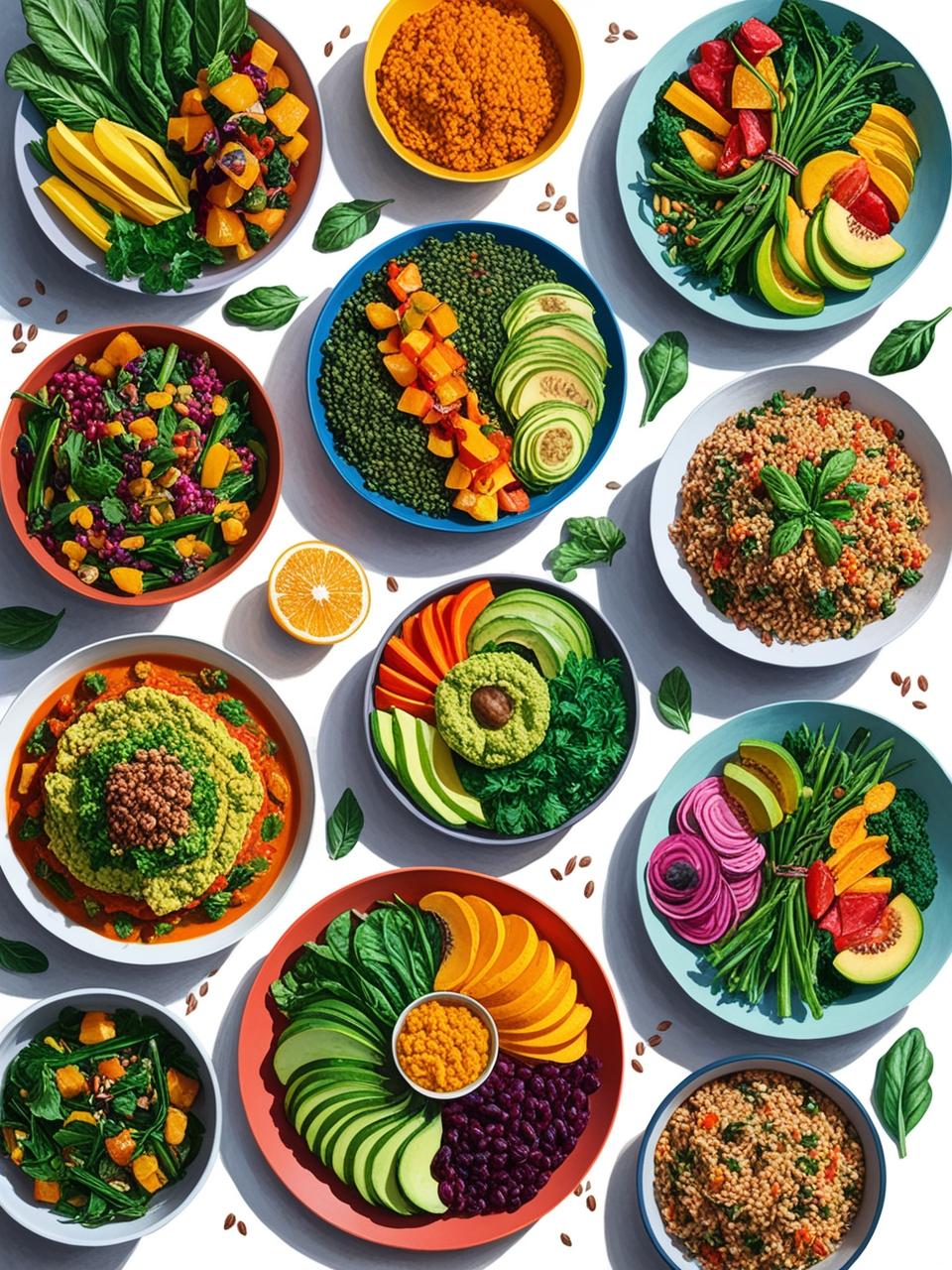
Let me cut through the noise and give you the real reasons why adding more plants to your meals makes a difference you can actually feel.
The Science That Matters to Your Daily Life
Research found that people who eat predominantly plant-based foods have a 16% lower risk of cardiovascular disease and a 25% lower risk of dying from any cause.
But let’s talk about what that means for you right now, today.
Here’s what eating more plants does:
- Stabilizes your blood sugar so you’re not riding the energy roller coaster
- Increases fiber, which keeps you full longer and supports digestive health
- Floods your body with antioxidants that reduce inflammation
- Provides nutrients your body actually recognizes and knows how to use
According to one study, people who increase their plant food intake show improvements in gut health and inflammation markers within just two weeks.
Two weeks. Your body responds fast when you feed it well.
What You’ll Actually Notice
Forget the before-and-after photos and dramatic weight loss claims. Here’s what real people notice when they start eating more plants:
- Energy that lasts through the afternoon instead of crashing at 2 PM
- Waking up feeling rested instead of groggy
- Clearer thinking and better focus
- Less bloating and digestive discomfort
- Cravings that shift from junk to actual food
- Skin that looks brighter and clearer
I’ll never forget the first time I made it through an entire afternoon without needing coffee or sugar to function.
That’s when I realized this wasn’t about discipline. It was about nourishment.
The Mental Shift That Changes Everything
Beyond the physical benefits, there’s something profound that happens when you stop fighting your body and start feeding it well.
You begin to trust yourself again.
You stop obsessing over every bite. Food becomes fuel and pleasure, not punishment or reward.
And that freedom? That’s worth more than any number on a scale.
Understanding What “Eating More Plants” Really Means
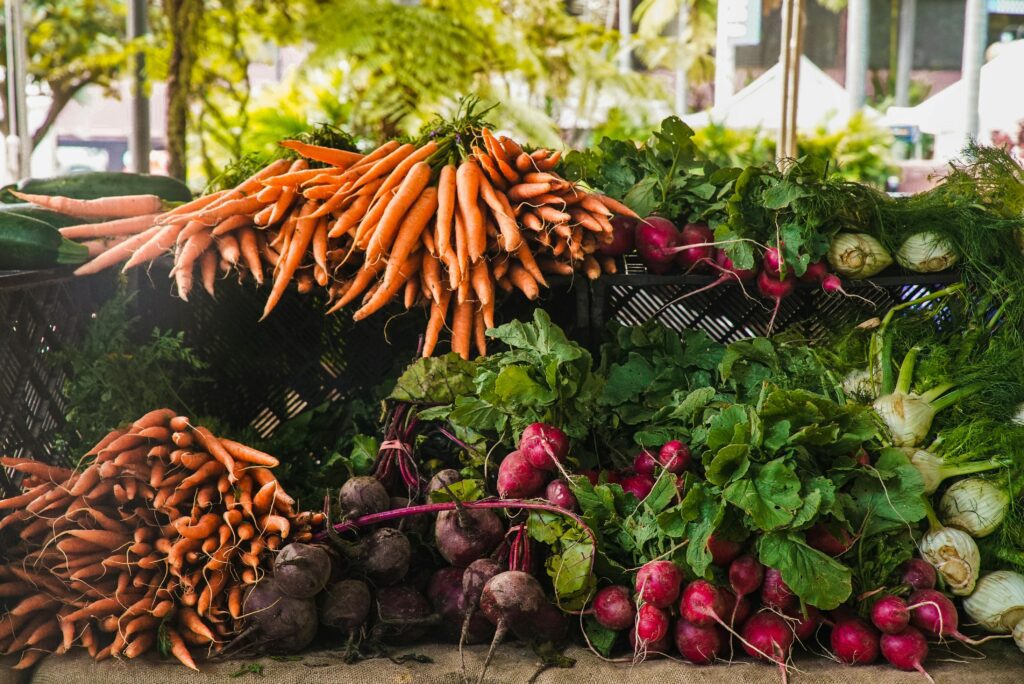
Let’s clear up the confusion right now. Eating more plants doesn’t mean becoming someone you’re not.
The Spectrum of Plant-Forward Eating
- Plant-based: Building meals around plants while still including animal products if you choose
- Plant-forward: Prioritizing plants but keeping flexibility
- Plant-centered: Making plants the star of your plate
- Fully plant-exclusive: Eliminating all animal products (this is NOT required)
This guide focuses on the first three. You’re adding abundance, not eliminating options.
What Counts as “Plants”
This is simpler than you think:
- Vegetables: All of them—fresh, frozen, canned (low sodium)
- Fruits: Whole fruits, not just juice
- Whole grains: Brown rice, quinoa, oats, whole wheat pasta, barley
- Legumes: Beans, lentils, chickpeas, peas
- Nuts and seeds: Almonds, walnuts, chia seeds, flaxseeds, pumpkin seeds
- Herbs and spices: These count too and pack powerful nutrients
Notice what’s NOT on this list: expensive superfoods, fancy ingredients, or specialty products. Real plant foods are the ones humans have eaten for thousands of years.
How to Start Eating More Plants Gradually (The Only Method That Works)
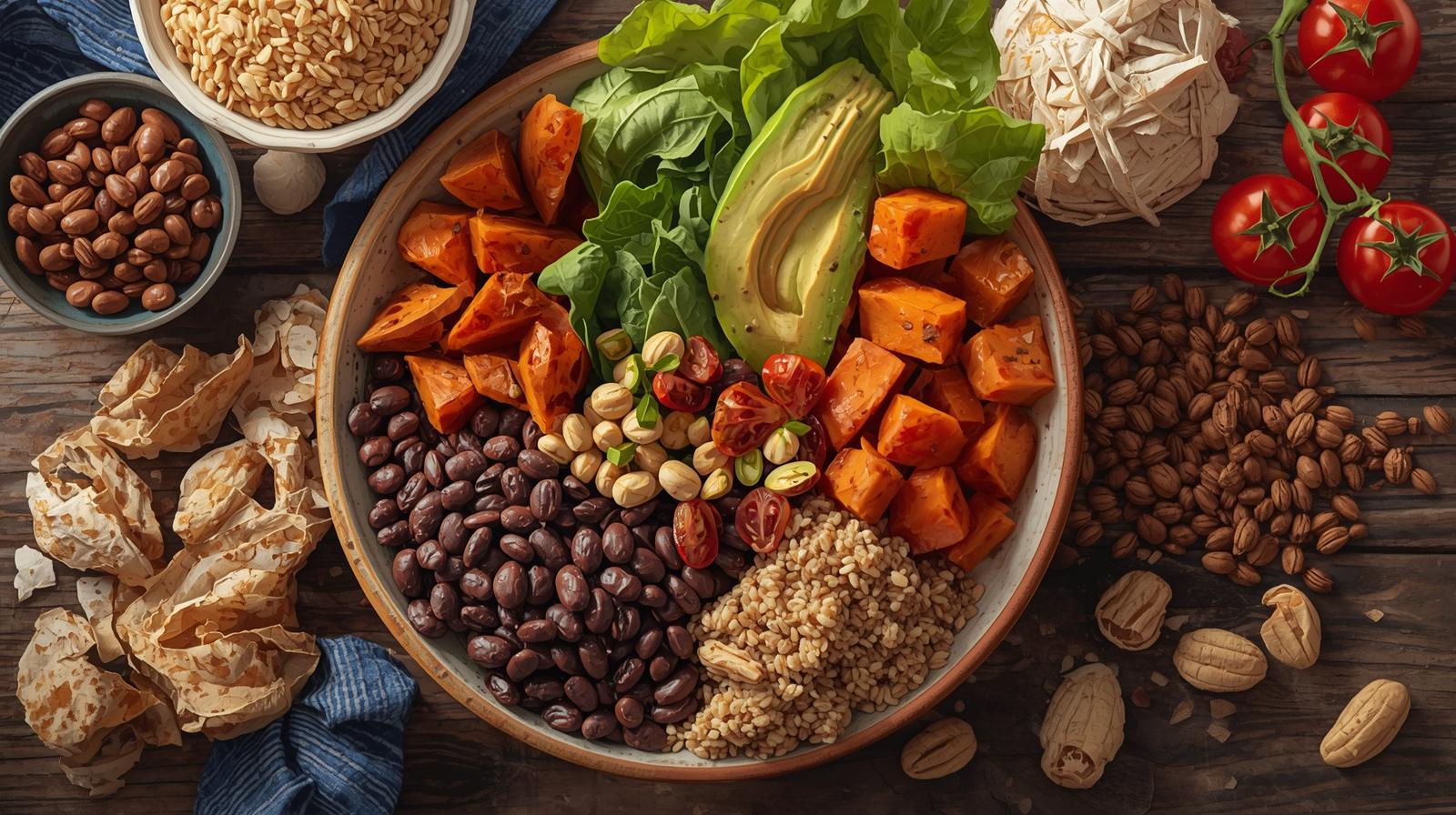
Here’s where most people mess up: they try to change everything overnight. Your body, your taste buds, and your routine need time to adjust.
Why the Gradual Approach Works
One study found that gradual dietary changes are significantly more sustainable than dramatic overhauls.
Your taste preferences adapt within 10-14 days of consistently trying new foods, but forcing change too fast triggers rebellion.
What happens when you go slow:
- Your digestive system adjusts to increased fiber without discomfort
- Your gut bacteria have time to diversify and strengthen
- You don’t trigger the restriction-rebellion cycle
- You build confidence with each small win
- Your family and social life adjust naturally
I started by adding berries to my breakfast. That’s it. One small addition. Then spinach in my pasta sauce. Then beans in my soup.
Nobody noticed except my body, which started rewarding me with better energy and fewer cravings.
The Add-First Philosophy
This is the game-changer: focus on what you’re adding, not what you’re removing.
Instead of thinking “I can’t have this,” ask “What can I add to make this more nourishing?”
Examples:
- Making spaghetti? Add sautéed mushrooms, peppers, and zucchini to your sauce
- Having a sandwich? Load it with lettuce, tomato, cucumbers, sprouts, and avocado
- Eating oatmeal? Top with berries, banana, walnuts, and cinnamon
- Making a stir-fry? Double the vegetables, add cashews
Research in behavioral psychology shows that addition-based goals are more motivating and achievable than restriction-based goals.
When you crowd your plate with good things, there’s simply less room for the stuff that doesn’t serve you.
Your Week One Game Plan
Don’t overthink this. Pick one meal to start with (most people find breakfast easiest).
Breakfast additions:
- Add fruit to your cereal or oatmeal
- Blend spinach into a smoothie (you won’t taste it)
- Make avocado toast instead of just butter
- Add berries and nuts to yogurt
Lunch additions:
- Include a side salad with whatever you’re eating
- Add vegetables to your sandwich
- Keep baby carrots or cherry tomatoes for easy sides
- Throw beans into your soup
Dinner additions:
- Start every dinner with a salad or raw veggies
- Add extra vegetables to whatever you’re making
- Include a whole grain side
- Try one fully plant-centered meal per week
The goal for week one: Add plants to meals you already eat. Don’t change everything. Just enhance what’s already working.
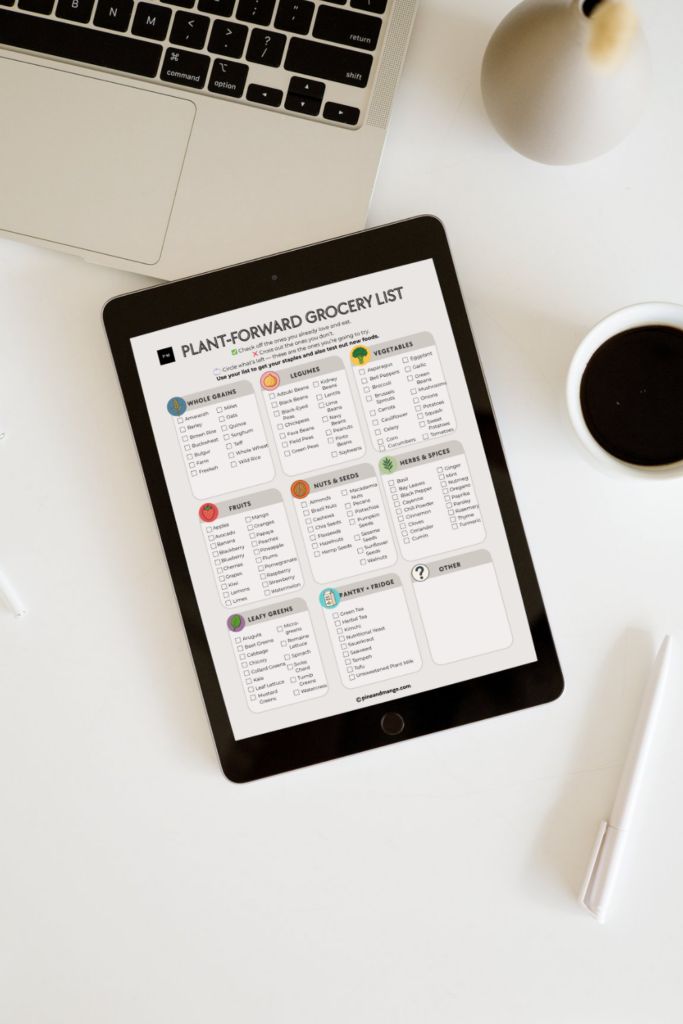
Get Your FREE Plant-Forward Grocery List Today!
How to Eat More Plants Without Restriction (The Freedom Framework)
This is where we dismantle the rules and rebuild your relationship with food.
Why Restriction Always Backfires
Here’s what the wellness industry doesn’t want you to know: restriction creates obsession. Tell yourself you “can’t” have something, and it’s all you’ll think about.
Research on restrained eating shows that dietary restriction increases food preoccupation, cravings, and eventual overeating.
It’s not a willpower problem, it’s biology fighting psychology.
The restriction cycle looks like this:
- You create rigid rules about “good” and “bad” foods
- You follow the rules perfectly for a while
- You inevitably “break” a rule
- You feel like a failure and eat more of the “bad” food
- You restart with even stricter rules
- Repeat
I lived this cycle for years. The more I restricted, the more I binged. The more I binged, the more shame I felt. It was exhausting.
Permission and Presence: The Two Keys
🔑 Permission: All foods fit. Some foods you’ll eat daily because they make you feel amazing. Some foods you’ll eat occasionally for pure enjoyment. Both are allowed. Both are normal.
🔑 Presence: Pay attention when you eat. Notice flavors, textures, how foods make you feel during and after. Your body is brilliant—it will guide you when you actually listen.
When I finally gave myself unconditional permission to eat anything while committing to eating mindfully, something magical happened.
The foods I thought I “couldn’t live without” lost their power. I’d eat them, notice they didn’t actually make me feel good, and naturally choose them less often.
Not because of rules. Because of awareness.
Practical Guidelines (Not Rules)
Think of these as helpful frameworks, not commandments:
- The 80/20 approach: Aim for about 80% of your meals to be plant-centered. The other 20%? Whatever brings you joy or fits your social life.
- The plate method: Make half your plate vegetables, a quarter whole grains, a quarter protein-rich plants (beans, lentils, tofu, tempeh). Add healthy fats. Eat until satisfied.
- The “and” principle: Instead of choosing between options, use “and.” Want pasta? Great—and add roasted vegetables. Want a burger? Perfect—and pile on the veggies and add a side salad.
- The flexibility clause: Some days you’ll eat a rainbow of plants. Other days you’ll eat whatever gets you through. Both are completely fine and normal.
Handling the “But What About…” Questions
🔍 “What about protein?” Beans, lentils, tofu, tempeh, nuts, seeds, and whole grains all contain protein. You don’t need to combine foods at each meal—your body pools amino acids throughout the day. A cup of cooked lentils has 18 grams of protein. You’re fine.
🔍 “What about treats and desserts?” Eat them. Enjoy them. Don’t make them forbidden. When you allow yourself treats without guilt, you’ll naturally eat less of them because they’re not exciting forbidden fruit anymore.
🔍 “What about social situations?” Eat what works for you. Bring a plant-heavy dish to share. Don’t make announcements. Most people are too focused on their own plates to monitor yours.
Your 30-Day Plant-Based Transition Timeline (What to Actually Expect)
Let’s walk through what really happens in your first month, day by day, so you know what’s normal and what’s your body adjusting.
Week 1: The Awareness Phase
What you’re doing:
- Adding one plant food to each meal
- Paying attention to how foods make you feel
- Not changing everything, just enhancing
What you might notice:
- Increased awareness of what you’re actually eating
- Slight increase in fullness from added fiber
- More trips to the grocery store produce section
- Excitement about trying new things
Common challenges:
- Forgetting to add plants (set reminders!)
- Overthinking it (keep it simple)
- Wanting to do more faster (resist this urge)
★ Your body: Still adjusting. You might not feel dramatically different yet, and that’s completely normal.
★ Reality check: This week feels easy because it’s new and exciting. Don’t use this energy to do too much too fast. Slow and steady wins.
Week 2: The Adjustment Phase
What you’re doing:
- Continuing to add plants to familiar meals
- Trying one new plant food or meal this week
- Starting to notice patterns in what you enjoy
What you might notice:
- Energy starting to stabilize
- Possibly some digestive changes (gas, bloating) as your gut adjusts
- Cravings beginning to shift
- You’re getting faster at meal prep
Common challenges:
- Digestive discomfort from increased fiber
- Impatience with the process
- Social situations where you feel different
★ Your body: Gut bacteria are diversifying. This can cause temporary gas or bloating. Drink more water. Be patient. This passes.
Digestive support tips:
- Drink at least 8 glasses of water daily
- Start with smaller portions of beans and gradually increase
- Cook legumes thoroughly
- Try digestive enzymes if needed
- Don’t add too much fiber too fast
I remember week two feeling a bit uncomfortable physically. I was bloated, gassy, and I almost quit. But I reminded myself this was my body adapting, not rejecting.
By week three, my digestion was better than it had been in years.
Week 3: The Momentum Phase
What you’re doing:
- Plants are becoming automatic additions
- Experimenting with new combinations
- Maybe trying a fully plant-centered day
What you might notice:
- Sustained energy without afternoon crashes
- Digestive system settling down
- Actually craving vegetables
- Clothes fitting more comfortably
- Better sleep quality
Common challenges:
- Complacency (the newness wore off)
- Comparison to others doing it “better”
- Family members commenting on your changes
★ Your body: Inflammation is decreasing. Energy is stabilizing. Gut health is improving. According to research, this is when measurable changes in gut bacteria and inflammation markers appear.
★ Mental game: This is when the excitement fades and discipline needs to carry you. Remember why you started. Look back at week one and see how far you’ve come.
Week 4: The Integration Phase
What you’re doing:
- Adding plants feels normal now
- Creating your own plant-heavy meals
- Finding your rhythm with meal prep and planning
What you might notice:
- Mental clarity improving
- Cravings for processed foods diminishing
- Skin looking clearer
- Confidence in your food choices
- Pride in your consistency
Common challenges:
- Boredom with the same foods
- Wanting dramatic results faster
- Dealing with doubters
★ Your body: Habit pathways are forming in your brain. Research shows it takes about 66 days for a new behavior to become automatic, so you’re almost halfway there.
Week 4 reflection questions:
- Which plant foods have become staples?
- What surprised you this month?
- What’s working really well?
- Do you need to make any adjustments?
- How do you feel compared to 30 days ago?
The 30-Day Reality Check
After 30 days, you might not have lost dramatic weight or transformed into someone unrecognizable. And that’s perfect.
What you should have:
- More energy and stable blood sugar
- Better digestion (after the adjustment period)
- Increased confidence in adding plants
- A handful of go-to plant-heavy meals
- Proof that you can stick with something
This is your foundation. Everything builds from here.
Your 90-Day Plant-Based Transition Timeline (The Transformation Zone)

If 30 days builds the foundation, 90 days builds the house. This is where change becomes lifestyle.
Month 2 (Days 31-60): Deepening the Practice
What you’re doing:
- Experimenting with new plant proteins (tofu, tempeh, different beans)
- Meal prepping one day a week
- Teaching yourself simple plant-based meals
- Increasing the percentage of plant-centered meals
Physical changes you’ll notice:
- Steady, sustainable energy all day
- Improved digestion and regularity
- Possible weight changes (not the goal, but common)
- Stronger immune system (fewer colds, faster recovery)
- Better sleep quality
Mental and emotional shifts:
- Food feels less emotional and more practical
- You trust your body’s signals more
- Less obsession with food rules
- Growing confidence in your choices
Common challenges in month 2:
- The novelty has completely worn off
- You might hit a plateau (this is normal)
- Social pressure increases as people notice changes
- You’re tired of the same meals
How to stay motivated:
- Join a community (online or local) for support
- Try one new meal blueprint each week
- Remember: consistency beats perfection
- Focus on how you feel, not how you look
- Celebrate non-scale victories
Practical skills you’re building:
- Reading ingredient labels efficiently
- Meal planning for the week
- Batch cooking grains and beans
- Making plant-based versions of favorite meals
- Navigating restaurants confidently
By day 60, eating more plants isn’t something you’re “doing”—it’s becoming who you are. That’s the shift.
Month 3 (Days 61-90): Living the Lifestyle
What you’re doing:
- Plants are the default, not the exception
- Creating your signature plant-based meals
- Teaching others (when asked) what you’ve learned
- Troubleshooting your unique challenges
Physical changes you’ll notice:
- Body composition changes (if relevant)
- Stable weight that feels natural
- Reduced inflammation (less joint pain, fewer headaches)
- Clearer skin and brighter eyes
- Enhanced athletic recovery if you exercise
One study showed that people following plant-predominant eating patterns for 12 weeks showed significant improvements in cardiovascular markers, blood pressure, and inflammatory markers.
Mental and emotional transformation:
- Food freedom (eating what nourishes without obsession)
- Trusting your body completely
- No longer identifying with food labels
- Confidence in any food situation
- Peace with your choices
The identity shift: You’re not someone “trying to eat better.” You’re someone who eats plants because that’s what feels good.
Common challenges in month 3:
- Overconfidence leading to slipping back
- Others asking you to be their “expert” (you’re not)
- Perfectionism creeping in
- Forgetting how far you’ve come
Reflection at 90 days:
Take stock of your journey. Look back at day one and compare:
- Energy levels
- Digestion
- Mood and mental clarity
- Relationship with food
- Confidence in the kitchen
- Physical changes
- What you crave
- How you feel in your body
The 90-day truth: You’ve built a sustainable practice. This isn’t temporary. You’ve rewired your taste buds, strengthened your gut microbiome, reduced inflammation, and most importantly—you’ve proven to yourself that you can make lasting change.
Beyond 90 Days: Making It Last Forever
After 90 days, you’re not “done.” You’re just getting started. This is now your normal.
Keys to lifelong success:
- Stay flexible (rigidity breaks)
- Keep learning and experimenting
- Find your community
- Remember why you started
- Be compassionate with yourself always
The goal was never perfection. It was freedom. And now you have it.
Building Your Affordable Plant-Based Meals (Real Budget, Real Food)
Let’s talk money because this is where fear stops people before they start.
The Truth About Cost
Plant-based eating is one of the most affordable ways to eat—when you focus on whole foods instead of specialty products.
❌ The expensive trap: Processed meat substitutes, fancy superfood powders, specialty cheeses, trendy health products
✔️ The affordable reality: Beans, rice, oats, potatoes, seasonal vegetables, frozen produce
My grocery bill actually decreased when I stopped buying expensive meat and processed foods and started buying plants.
I’m not special, this is just math.
Your Affordable Staples (Stock These)
Proteins (pennies per serving):
- Dried beans (black, pinto, kidney, white)
- Dried lentils (red, green, brown)
- Chickpeas (dried or canned)
- Peanut butter
- Sunflower seeds
Grains (bulk is your friend):
- Brown rice
- Oats (rolled or steel-cut)
- Whole wheat pasta
- Quinoa when on sale
- Barley
Produce (frozen is your secret weapon):
- Frozen broccoli, spinach, mixed vegetables
- Bananas (the cheapest fresh fruit)
- Seasonal fresh vegetables on sale
- Potatoes and sweet potatoes
- Onions, garlic, carrots (cheap flavor builders)
Fats and flavor:
- Olive oil or vegetable oil
- Avocados when on sale
- Nuts bought in bulk
- Tahini (makes everything delicious)
- Vinegars and spices
👉🏿 For the full list, read The Ultimate Plant-Based Grocery List for Beginners.
Budget-Friendly Meal Ideas Under $2 Per Serving
Breakfast:
- Oatmeal with banana and peanut butter ($0.75)
- Smoothie with frozen fruit, spinach, oats ($1.50)
- Toast with avocado and tomato ($1.80)
Lunch:
- Bean and rice bowl with salsa ($1.20)
- Lentil soup with vegetables ($1.50)
- Hummus and veggie sandwich ($2.00)
Dinner:
- Black bean tacos with all the toppings ($1.50)
- Pasta with marinara and roasted vegetables ($1.80)
- Chickpea curry over rice ($2.00)
- Vegetable stir-fry with tofu ($2.50)
Money-Saving Strategies That Actually Work
- Buy in bulk: Grains, beans, nuts, and seeds are cheaper in bulk bins
- Choose frozen: Frozen vegetables are as nutritious as fresh and last longer
- Shop sales: Build meals around what’s discounted
- Store brands: Identical nutrition, lower price
- Grow herbs: Windowsill herb gardens save money and add flavor
- Cook in batches: Make large portions, freeze extras
- Use the whole vegetable: Broccoli stems, beet greens, carrot tops are all edible
- Skip fancy products: You don’t need specialty items to thrive
🔑 The key: Whole foods from the bulk bins, frozen and produce section, not processed products from the health food aisle.
👉🏿 For more budget-friendly tips, read How to Eat Plant-Based on a Budget (Without Sacrificing Nutrition).
Practical Meal Planning and Prep (Making It Actually Doable)
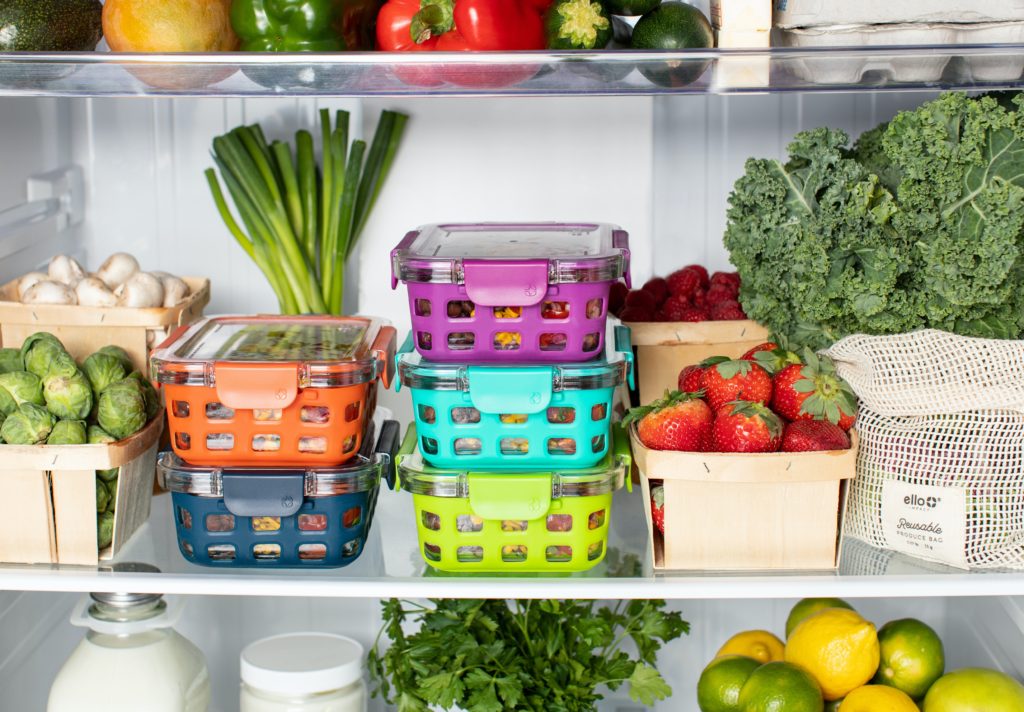
Theory is useless without execution. Here’s how to make this work in real life.
The Simple Meal Planning Framework
Sunday (or your day off): 30 minutes of planning
- Check what you have
- Plan 3-4 dinner ideas for the week
- Make a shopping list
- Breakfasts and lunches can be simple repeats
Monday through Friday: 20-30 minute dinners
- Use your prepped ingredients
- Follow simple formulas (more on this below)
- Make extra for tomorrow’s lunch
👉🏿 Read more tips at Simple Plant-Based Meal Prep That Actually Works.
The Formula That Makes Every Meal Easy
Base + Protein + Vegetables + Flavor + Fat = Complete Meal
Examples:
- Brown rice + black beans + roasted peppers and onions + salsa + avocado = Burrito bowl
- Quinoa + lentils + steamed broccoli + lemon-tahini sauce + walnuts = Buddha bowl
- Whole wheat pasta + chickpeas + marinara with zucchini + nutritional yeast + olive oil = Pasta dinner
- Sweet potato + white beans + sautéed kale + garlic and herbs + cashew cream = Comfort bowl
Once you understand the formula, you can create infinite combinations with whatever you have.
👉🏿 For a deep dive in customizing meals, check out How to Build Plant-Based Meals Without Recipes: The Meal Blueprint Method.
Batch Cooking Your Foundation Foods
Spend 1 hour on Sunday making:
- 4-6 cups cooked grains (rice, quinoa, farro)
- 4-6 cups cooked beans (from dried or rinse canned)
- Chopped vegetables ready to roast or sauté
- Simple sauce or dressing
Store in glass containers. Now you have mix-and-match components for the entire week.
My Sunday routine:
- Cook a big pot of brown rice
- Cook a big pot of soup or chili (for quick heat-and-eat meals)
- Chop vegetables: onions, peppers, broccoli, carrots
- Make tahini dressing and pico de gallo
- Wash and prep salad greens
During the week, I just combine these in different ways. Total weeknight cooking time: 15 minutes.
The Emergency Meal List (When You Have Zero Time)
Keep these ingredients on hand for the nights when you can’t function:
- Peanut butter and banana on whole wheat toast
- Canned soup (Amy’s, Pacific Foods) with crackers
- Hummus and vegetables with pita
- Avocado toast with tomatoes
- Oatmeal with frozen berries and nuts
- Frozen veggie burgers with salad
- Pasta with jarred marinara and frozen vegetables
No shame in simple. Fed is best.
Mindful Eating and the Mind-Body Connection

This is the piece most articles skip, but it’s the difference between temporary change and lasting transformation.
Why Mindfulness Matters More Than Meal Plans
You can eat the “perfect” foods and still have a terrible relationship with eating. Or you can eat imperfectly while connected to your body and thrive.
Mindful eating means:
- Sitting down for meals (not standing, driving, or walking)
- Removing distractions (phone away, TV off)
- Noticing colors, smells, textures, flavors
- Chewing thoroughly
- Pausing between bites
- Checking in with hunger and fullness
Research shows that mindful eating practices lead to decreased food intake, reduced overeating, and improved relationship with food—independent of what’s being eaten.
The Practice: How to Actually Do This
Before eating:
- Take three deep breaths
- Ask: “Am I physically hungry, or am I eating for another reason?”
- Set an intention to pay attention
During eating:
- Put your fork down between bites
- Notice the first bite most carefully (it’s the most satisfying)
- Eat slowly enough to taste
- Check in halfway through: “How hungry am I now?”
After eating:
- Pause before clearing your plate
- Notice how you feel: energized, heavy, satisfied, still hungry?
- Express gratitude (to yourself, the food, the earth)
I know this sounds woo-woo. I rolled my eyes at this advice for years. But when I finally tried it, everything changed.
I realized I’d been eating on autopilot for decades, barely tasting anything.
The foods I thought I loved? I didn’t even really taste them. And the foods I thought were “boring” (like vegetables)? They were actually delicious when I paid attention.
Healing Your Relationship With Food
If you have a history of restriction, here’s what you need to know:
- Food is not moral: No food makes you good or bad. Food is food.
- Your body is trustworthy: Years of ignoring your body’s signals doesn’t mean they’re broken. It means you need to rebuild trust.
- Healing takes time: Be patient. Be compassionate. This is deep work.
- Get support if needed: If you have disordered eating patterns, work with a qualified therapist or counselor. This article is a starting point, not treatment.
The goal isn’t perfect eating. It’s peaceful eating. Food freedom. The ability to nourish yourself without obsession, guilt, or fear.
Navigating Challenges and Social Situations
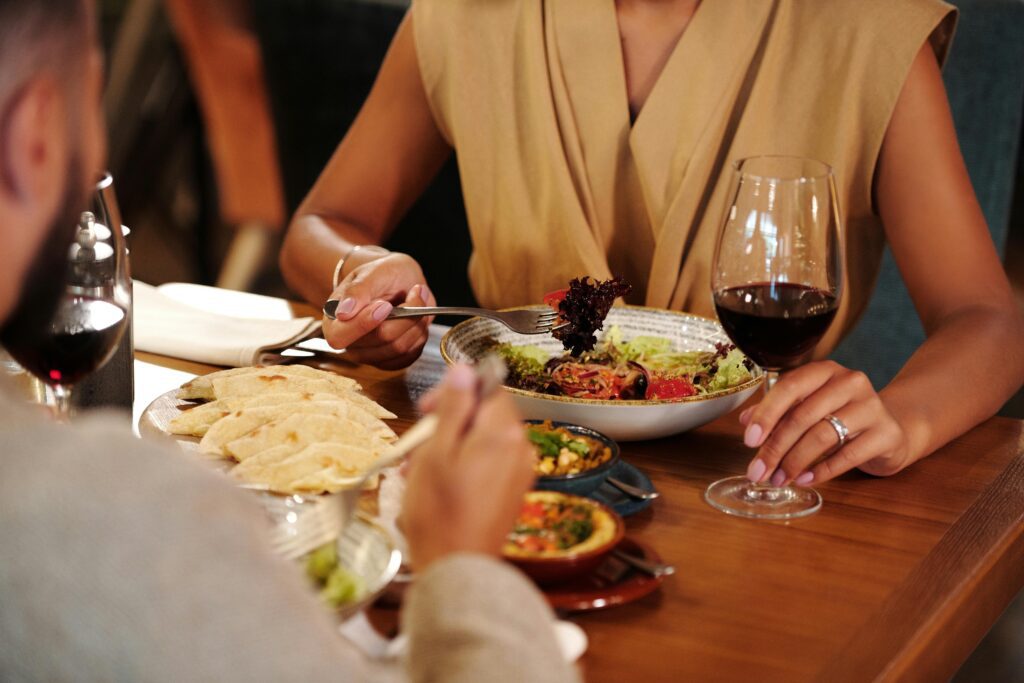
Real life happens. Here’s how to handle it without stress.
Family Dinners and Gatherings
The strategy:
- Bring a substantial plant-based dish to share
- Fill your plate with what works for you
- Don’t make announcements or explain unless asked
- If questioned, keep it simple: “I’m adding more plants to feel better”
What not to do:
- Preach about your choices
- Judge others’ plates
- Make it a big deal
- Apologize for your food
Most people won’t even notice what you’re eating. And if they do comment? That’s about their discomfort, not your choices.
Restaurants and Social Meals
Almost every restaurant has plant-friendly options:
- Italian: Pasta with marinara, vegetable dishes
- Mexican: Bean tacos/burritos, rice and beans, guacamole
- Asian: Vegetable stir-fries, tofu dishes, rice and noodle bowls
- American: Veggie burgers, salads, baked potatoes, sides
How to navigate:
- Check the menu online beforehand
- Call ahead if needed to ask about options
- Don’t be afraid to make substitutions
- Order appetizers or sides if needed
I used to stress about every restaurant. Now I realize most places are happy to accommodate. Just ask kindly.
Travel and Vacations
Preparation is everything:
- Pack snacks (nuts, fruit, bars)
- Research restaurants at your destination
- Book accommodations with kitchen access when possible
- Bring shelf-stable staples if going somewhere remote
The vacation balance:
- Prioritize feeling good over being perfect
- Try local plant-based specialties
- Stay hydrated and rested
- Remember: one week won’t undo months of consistency
Travel used to derail me completely. Now I see it as an adventure in finding new plant-based foods. Different mindset, different experience.
When You “Slip Up” or Have an “Off” Day
Here’s the truth: there are no slip-ups. There are just days when you eat differently.
❌ The old mindset: “I messed up. I’m a failure. I might as well keep eating poorly since I already ruined it.”
✔️ The new mindset: “I ate differently today. That’s fine. Tomorrow I’ll add more plants again. No big deal.”
One meal, one day, one week doesn’t erase your progress. You’re not starting over. You’re continuing with new information.
The compassionate response:
- Notice what happened without judgment
- Ask what you needed in that moment
- Provide it if possible (rest, connection, stress relief)
- Move forward without drama
This is a lifelong practice, not a temporary project. Some days will look different than others. All of it is part of the journey.
FAQs About Eating More Plants
Q: Do I have to give up all animal products to be healthy?
No. The research is clear that eating more plants improves health, but that doesn’t mean you must eliminate all animal products.
Many people thrive eating predominantly plants while occasionally including animal foods (I do!). This isn’t all-or-nothing.
Find what works for your body, your values, and your life. The goal is progress, not perfection.
Q: Will I get enough protein eating mostly plants?
Yes. This is the most common concern and largely unfounded. Beans, lentils, tofu, tempeh, nuts, seeds, and whole grains all contain protein.
You don’t need to combine specific foods at each meal—your body pools amino acids throughout the day. A cup of cooked lentils has 18 grams of protein. A cup of chickpeas has 15 grams.
You’re getting plenty when you eat enough calories overall.
Q: Is eating more plants expensive?
It can be if you buy specialty products, but whole plant foods are among the most affordable foods available.
Dried beans, rice, oats, potatoes, seasonal vegetables, and frozen produce are incredibly cheap.
My grocery bill decreased significantly when I stopped buying expensive meat and cheese and focused on whole plants.
Skip the health food aisle specialty items and stick to bulk bins and produce.
Q: How do I handle digestive issues when adding more fiber?
Start slowly and give your body time to adjust. Increase water intake significantly.
Begin with smaller portions of beans and legumes and gradually increase. Cook beans thoroughly and rinse canned beans well. Consider digestive enzymes during the transition.
The discomfort is temporary—your gut bacteria are diversifying and strengthening. Most people’s digestion improves dramatically after the 2-3 week adjustment period.
Q: What if my family won’t support this?
You don’t need anyone’s permission to take care of yourself.
Make meals that work for everyone (like taco night where people customize their plates), or add extra plants to family favorites.
Lead by example, not by preaching.
When your family sees you feeling better and enjoying your food, they’ll become naturally curious. And if they don’t? You’re still allowed to nourish yourself.
Q: Can I build muscle eating mostly plants?
Absolutely. Plant-based athletes exist at the highest levels of competition.
Focus on protein-rich plants (beans, lentils, tofu, tempeh, seitan), eat enough calories, and train consistently. Consider a plant-based protein powder if needed for convenience.
Your body builds muscle from amino acids, which are abundant in plant foods.
Q: What about vitamin B12 and other nutrients?
B12 is the one nutrient not reliably found in plant foods. It comes from bacteria, and animal products contain it because animals are supplemented or consume it from soil.
Take a B12 supplement regardless of how you eat (many omnivores are deficient too).
Other nutrients like iron, calcium, and omega-3s are easily obtained from plants: leafy greens, beans, fortified plant milks, chia seeds, flaxseeds, walnuts.
Consider getting blood work annually to monitor your levels.
📖 Good Reads: How Not to Die, The China Study and Plant-Based Nutrition
In Essence: Your Journey Starts Now
Learning how to eat more plants isn’t about becoming someone new.
It’s about returning to what your body has always needed: real, whole, nourishing foods that come from the earth.
No need to go fully plant-exclusive to feel amazing. You don’t need perfection. You just need to start where you are and add what you can.
Remember:
- Every plant you add is an act of self-care
- Each mindful meal is a step toward freedom
- Every day you choose compassion over judgment builds lasting change
- Progress beats perfection, always
Start with one meal. Add berries to breakfast. Throw vegetables into dinner. Try one new plant-based meal this week. That’s enough.
In 30 days, you’ll have built a foundation. In 90 days, you’ll have transformed your relationship with food.
A year from now, you won’t even recognize the person who felt overwhelmed in their kitchen wondering where to start.
Your body is waiting to feel nourished, not punished. And that journey starts with one gentle, compassionate choice at a time.
⭐ Let’s chat: What’s one plant food you’re excited to add to your meals this week? Drop a comment below and let’s cheer each other on. We’re all figuring this out together.