
This post may contain affiliate links. If you purchase through these links, I may earn a small commission at no extra cost to you. This helps keep Pine+Mango running. Thank you for your support! Read our full disclosure here.
Ever stared into your fridge wondering how to make your go-to comfort meals healthier without sacrificing flavor?
I’ve been there too, standing in my kitchen feeling overwhelmed by the thought of completely overhauling everything I love to eat.
Here’s what I discovered after years of trial and error: making plant-based swaps in your favorite meals is the easiest way to eat more plant foods. You don’t need to throw out your entire recipe collection or learn complicated cooking techniques.
Small, strategic swaps can transform your comfort foods into nourishing powerhouses while keeping all the satisfaction you crave.
The magic happens when you focus on what you’re adding to your plate rather than what you’re taking away. This approach has revolutionized how I think about food, and it’s going to change your kitchen game too!

Subscribe to Our Nourished Newsletter
Get free weekly guidance for your plant-based journey, straight to your inbox.
- Understanding the Addition Approach to Plant-Based Eating
- Breakfast Comfort Food Makeovers
- Lunch and Dinner Transformations
- Sweet Treats and Desserts
- Snack Time Solutions
- Building Your Plant-Based Pantry
- Making the Transition Sustainable
- FAQs About Plant-Based Swaps
- In Essence:
- Subscribe to Our Nourished Newsletter
Understanding the Addition Approach to Plant-Based Eating

Forget everything you’ve heard about restriction and deprivation. The addition approach flips the script entirely.
Instead of eliminating foods, you’re enriching your meals with plant-powered ingredients that boost flavor, nutrition, and satisfaction.
This mindset shift changes everything because your brain doesn’t feel like it’s missing out.
When I first started making these swaps, I was shocked at how much more satisfying my meals became.
Adding fiber-rich plants, healthy fats from nuts and seeds, and complex carbohydrates from whole grains creates a trifecta of satisfaction that keeps you full for hours.
Your taste buds get excited, your body gets nourished, and your mind stays happy.
Breakfast Comfort Food Makeovers

Pancakes and French Toast
Transform your weekend breakfast ritual without losing that fluffy, indulgent feeling.
Replace regular milk with oat milk for a creamy texture that actually enhances the batter. I’ve found that oat milk creates fluffier pancakes than dairy ever did.
Add ground flaxseed to your pancake mix for omega-3s and a subtle nutty flavor. One tablespoon per serving does the trick.
Top with fresh berries, a drizzle of pure maple syrup, and chopped walnuts for a breakfast that feels like dessert but fuels your morning properly.
For French toast, use thick slices of whole grain bread and create a custard base with cashew cream, vanilla, and a pinch of nutritional yeast.
The result? Rich, custardy French toast that’s actually more satisfying than the original.
Eggs and Breakfast Meats
Scrambled tofu becomes your new breakfast hero when seasoned properly. Press firm tofu, crumble it, and sauté with turmeric for that golden color, nutritional yeast for umami depth, and your favorite herbs and spices.
Here’s my secret: add a splash of unsweetened plant milk while cooking for the creamiest texture.
Throw in sautéed vegetables like spinach, mushrooms, and bell peppers to create a breakfast that’s more colorful and nutritious than traditional scrambled eggs.
Replace breakfast sausage with seasoned tempeh or mushroom “bacon” made from king oyster mushroom stems. Slice the stems thin, marinate in tamari and maple syrup, then pan-fry until crispy.
The umami flavor will blow your mind.
Lunch and Dinner Transformations

Pasta Dishes
Pasta comfort food gets an upgrade when you think beyond traditional sauce and protein combinations. Start with your favorite pasta shape, but consider trying chickpea or lentil pasta for extra protein and fiber.
Create rich, creamy sauces using cashew cream as your base. Blend soaked cashews with nutritional yeast, garlic, and herbs for an alfredo-style sauce that’s more flavorful than the original.
Add roasted vegetables like broccoli, sun-dried tomatoes, and artichoke hearts for texture and nutrition.
For meat sauce alternatives, use a combination of finely chopped mushrooms, lentils, and walnuts. The mixture creates a hearty, satisfying texture that absorbs all your favorite Italian seasonings.
I’ve served this to skeptical family members who couldn’t believe it wasn’t traditional meat sauce.
Pizza Night
Pizza night becomes even more exciting with creative plant-based toppings. Start with a whole grain crust or cauliflower base for extra nutrients and fiber.
Skip the traditional cheese and create a white sauce using blended cashews, nutritional yeast, and roasted garlic. This base is more flavorful and doesn’t leave you feeling heavy or sluggish after eating.
Load up on colorful vegetables like roasted red peppers, caramelized onions, fresh arugula, and cherry tomatoes. Add protein with white beans, hemp seeds, or marinated tempeh.
The combination creates a pizza that’s more satisfying and energizing than anything you’ll get delivered.

Build Your Plant-Based Blueprint for FREE Today!
Comfort Soups and Stews
Transform your favorite soup recipes by building deep flavor through plant-based ingredients. Start with a base of sautéed onions, carrots, and celery in a good quality olive oil.
Create umami depth using ingredients like miso paste, tamari, nutritional yeast, and mushroom powder. These ingredients add the savory complexity that makes comfort soups so satisfying.
Replace cream with blended cashews or coconut milk for richness without heaviness. Add beans, lentils, or quinoa for protein and fiber that keeps you full longer than traditional cream-based soups ever could.
Sweet Treats and Desserts

Baked Goods
Baking with plant-based ingredients opens up a world of flavor and nutrition possibilities. Replace butter with mashed banana, applesauce, or nut butters depending on the texture you want.
Ground flaxseed mixed with water creates an excellent binding agent that replaces eggs while adding omega-3s and fiber. One tablespoon of ground flaxseed mixed with three tablespoons of water equals one egg.
Experiment with natural sweeteners like dates, maple syrup, and coconut sugar. These add complexity and richness that refined sugar simply can’t match.
Your taste buds will appreciate the depth, and your body will thank you for the added minerals and nutrients.
Ice Cream and Frozen Treats
Frozen banana “nice cream” has revolutionized my dessert game.
Freeze ripe bananas, then blend with a splash of plant milk and your favorite add-ins. The result is creamy, satisfying ice cream that doesn’t leave you feeling sluggish.
Add cocoa powder and almond butter for chocolate-peanut butter bliss. Throw in berries for antioxidants and natural sweetness. The possibilities are endless, and the satisfaction level rivals any premium ice cream.
Create popsicles using coconut milk blended with fresh fruit. These treats are refreshing, naturally sweet, and provide healthy fats that keep you satisfied between meals.
Snack Time Solutions
Chips and Dips
Transform snack time with nutrient-dense alternatives that still satisfy your cravings. Make kale chips by massaging torn kale leaves with olive oil and sea salt, then baking until crispy.
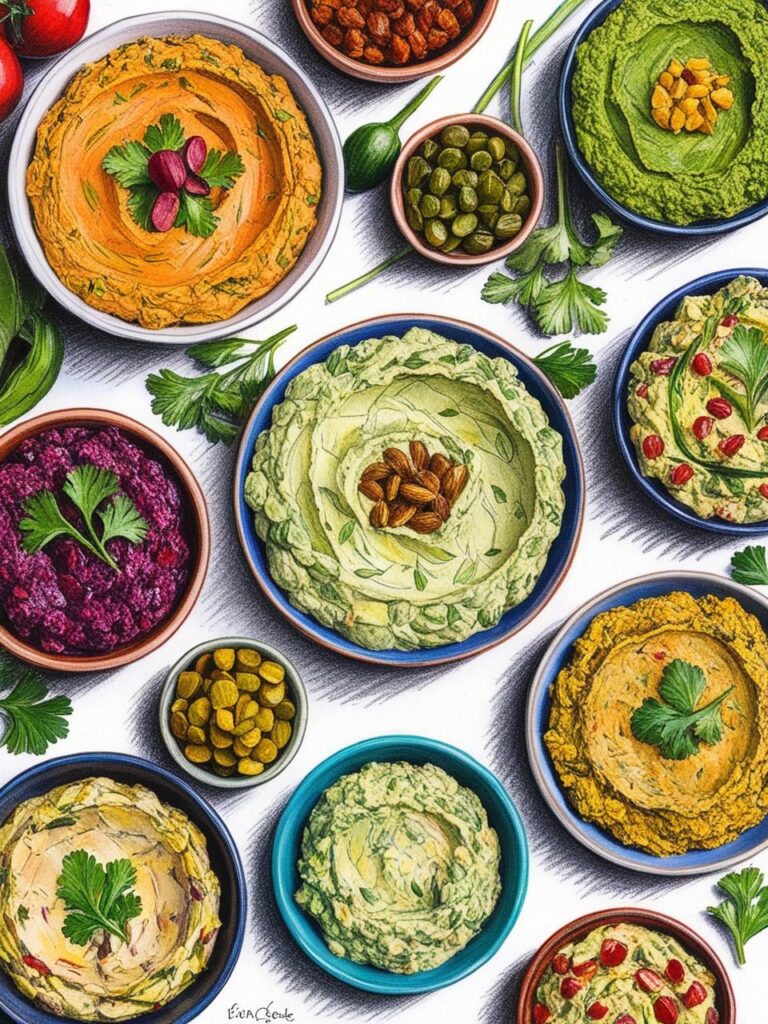
Create satisfying dips using beans, nuts, or seeds as your base. Hummus variations using different beans like white beans or black beans keep things interesting. Add roasted red peppers, herbs, or spices to create unique flavor profiles.
Cashew-based “cheese” dips satisfy that creamy, indulgent craving while providing protein and healthy fats. Blend soaked cashews with nutritional yeast, lemon juice, and spices for a dip that pairs perfectly with fresh vegetables or whole grain crackers.
Sweet Snacks
Replace candy with naturally sweet alternatives that provide sustained energy. Dates stuffed with nut butter and topped with sea salt satisfy sweet and salty cravings simultaneously.
Create energy balls using dates, nuts, seeds, and cocoa powder. These bite-sized treats provide lasting energy without the sugar crash of traditional sweets.
Fresh fruit with nut butter becomes a satisfying snack that combines natural sweetness with protein and healthy fats. The combination keeps blood sugar stable and provides sustained energy.
Building Your Plant-Based Pantry

Essential Staples
Stock your pantry with versatile ingredients that make swaps easy and spontaneous. Keep canned beans, lentils, and chickpeas on hand for quick protein additions to any meal.
Nutritional yeast becomes your secret weapon for adding cheesy, umami flavor to everything from popcorn to pasta sauce. A little goes a long way in transforming simple dishes into satisfying comfort foods.
Quality plant-based milks, nut butters, and tahini provide creaminess and richness to both sweet and savory dishes. These ingredients bridge the gap between familiar comfort foods and exciting new flavors.
Spices and Seasonings
Build a spice collection that brings excitement to simple plant-based ingredients.
Smoked paprika adds depth to vegetables and grains. Cumin and coriander transform basic beans into flavorful meal components.
Fresh herbs like basil, cilantro, and parsley brighten any dish and add nutrition without extra calories. Keep these on hand to finish dishes with fresh, vibrant flavors.
Tamari, miso paste, and coconut aminos provide umami depth that makes plant-based meals incredibly satisfying. These fermented ingredients add complexity that keeps you coming back for more.
Making the Transition Sustainable

1. Start Small
Begin with one or two swaps per week rather than overhauling your entire way of eating overnight. This approach prevents overwhelm and allows your taste buds to adjust gradually.
Focus on meals you already enjoy and love. If you’re obsessed with pasta, start there. If breakfast is your favorite meal, begin your morning routine transformation first.
Remember that this process is about addition, not perfection. Some weeks you’ll make more swaps than others, and that’s completely normal and expected.
2. Listen to Your Body
Pay attention to how different plant-based swaps make you feel. You might notice increased energy, better digestion, or improved mood when you add more plants to your favorite meals.
Notice which swaps satisfy you most and which ones need tweaking.
Not every substitution will become a permanent fixture in your routine, and that’s okay.
Trust your instincts about flavors and textures. If something doesn’t taste good to you, modify it until it does or try a different approach entirely.
FAQs About Plant-Based Swaps
Q: Will plant-based swaps provide enough protein?
Plant-based swaps can absolutely provide adequate protein when you include diverse sources throughout your meals. Beans, lentils, quinoa, nuts, seeds, and whole grains all contribute protein to your daily intake.
The key is variety and not relying on a single source.
Combining different plant proteins throughout the day naturally provides all essential amino acids your body needs.
You don’t need to worry about combining specific foods at each meal – your body is incredibly efficient at utilizing proteins from various sources over time.
Q: Do plant-based swaps cost more than traditional ingredients?
Many plant-based swaps actually cost less than their traditional counterparts. Beans, lentils, oats, and seasonal vegetables are typically more budget-friendly than meat and dairy products.
While some specialty ingredients like nutritional yeast or plant-based milks might seem expensive initially, they last longer and provide more servings than you might expect. Plus, buying staples like beans and grains in bulk significantly reduces costs.
The health benefits of eating more plants often lead to reduced healthcare costs over time, making this approach an investment in your long-term financial and physical wellbeing.
Q: How do I handle social situations and family meals?
Focus on what you’re adding to shared meals rather than what you’re avoiding. Bring plant-based dishes that complement the existing menu and showcase how delicious these foods can be.
Most traditional comfort food recipes can be modified to include more plants without changing the overall character of the meal. Add beans to chili, extra vegetables to casseroles, or plant-based sides that everyone can enjoy.
Remember that this journey is personal, and you don’t need to explain or justify your choices to others. Lead by example through the delicious food you bring and share.
📖 Good Reads: How Not to Die, The China Study and Plant-Based Nutrition

In Essence:
Making plant-based swaps in your favorite comfort foods isn’t about restriction or deprivation.
It’s about discovering how much more satisfying and energizing your meals can become when you add nutrient-dense plant foods.
Start with the meals you already love and gradually incorporate swaps that excite your taste buds and nourish your body.
Remember that this process is uniquely yours – customize these suggestions based on your preferences, dietary needs, and lifestyle.
The beauty of this approach lies in its flexibility and sustainability.
You’re not following rigid rules or eliminating entire food groups. You’re simply enriching your meals with ingredients that make you feel amazing while keeping all the comfort and satisfaction you crave.
⭐ What’s your favorite comfort food that you’d love to see transformed with plant-based ingredients? Share the dish that holds the most nostalgia for you, and let’s brainstorm creative ways to make it even more delicious and nourishing!