
This post may contain affiliate links. If you purchase through these links, I may earn a small commission at no extra cost to you. This helps keep Pine+Mango running. Thank you for your support! Read our full disclosure here.
You know that moment when you find a soup recipe that looks amazing, then realize you’re missing half the ingredients?
Or worse—you follow it exactly and it still doesn’t taste quite right for you?
Here’s the thing: soup isn’t a recipe. It’s a formula.
Once you understand the four simple components that make every soup work, you can create exactly what you want with whatever you have.
No more hunting for recipes. No more “I don’t have celery, now what?” panic.
You’re about to learn how to build any soup—from a light broth to a thick, hearty stew—using the same basic structure every time.
Let’s build your soup.

Subscribe to Our Nourished Newsletter
Get free weekly guidance for your plant-based journey, straight to your inbox.
Why This Formula Works
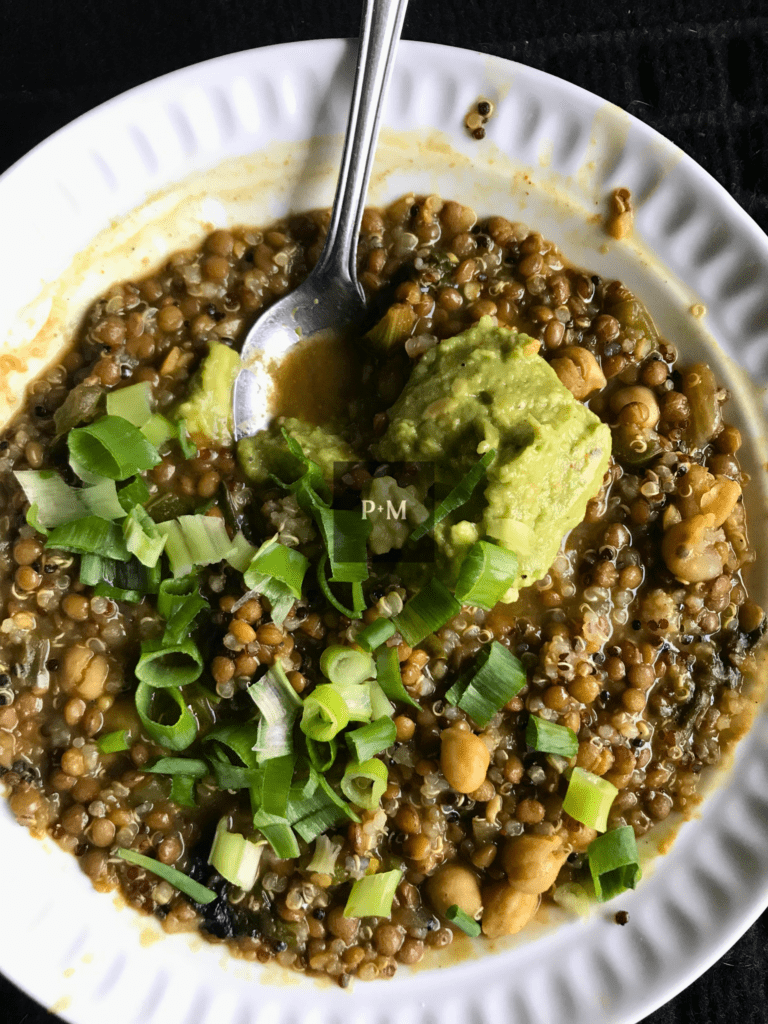
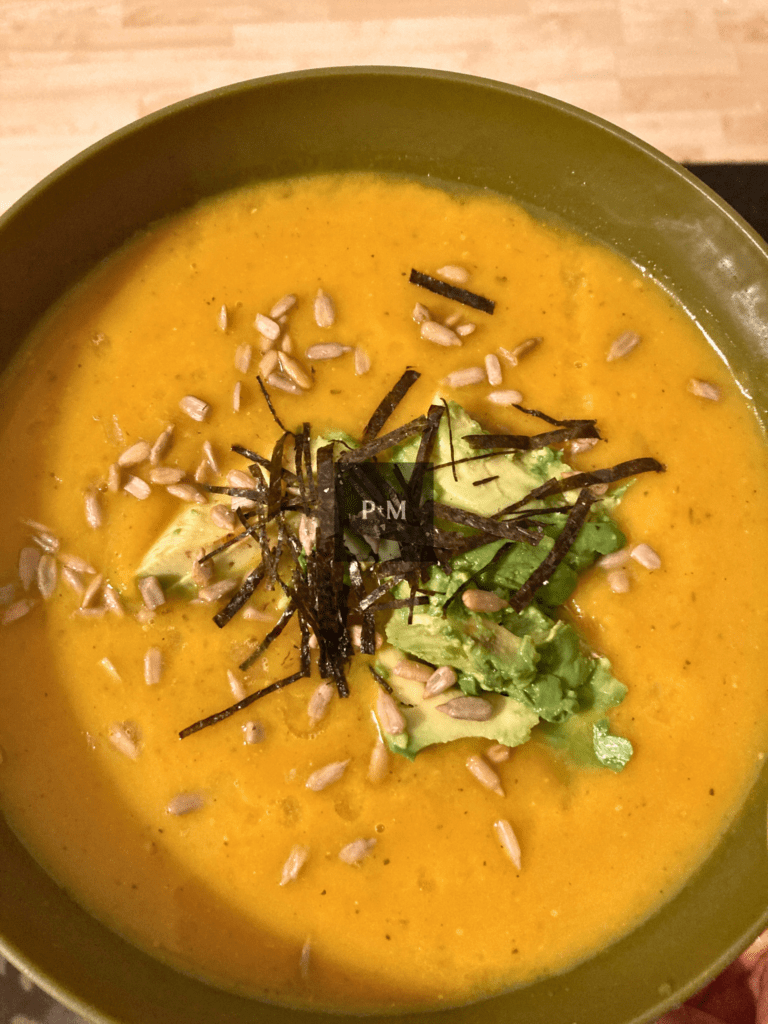
Traditional recipes lock you into specific ingredients and measurements. They make you feel like you’re doing it wrong if you change anything.
This formula gives you freedom.
You don’t need that exact herb or that specific vegetable. You just need to understand what each component does, then choose what works for you.
No more “I can’t make this because I don’t have turmeric” anxiety. No more measuring cups if you don’t want them.
Just 4 components + Your choices = Food that works for YOUR life.
🌿 A Quick Note:
This blueprint is about adding more plant foods to your life, not restricting what you already enjoy.
Love chicken in your soup? Keep it.
Pack it with vegetables, beans, and whole grains alongside it.
It’s about abundance: more nutrition, more flavor, more of what makes you feel good.
Why Soup Works For Your Body
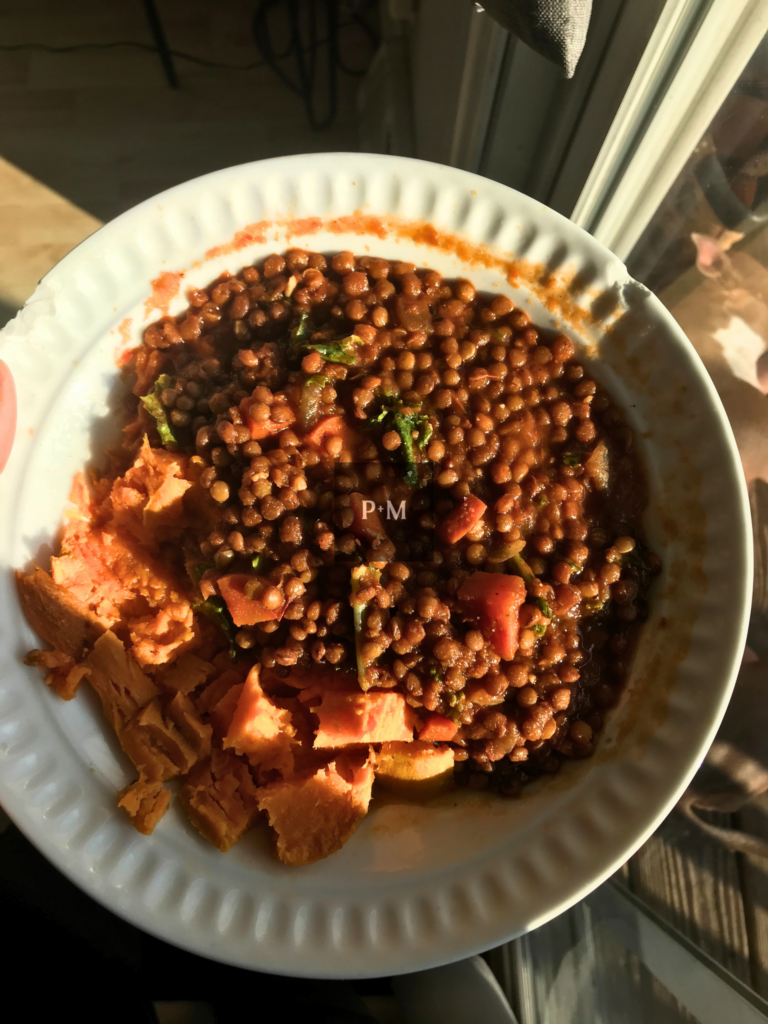
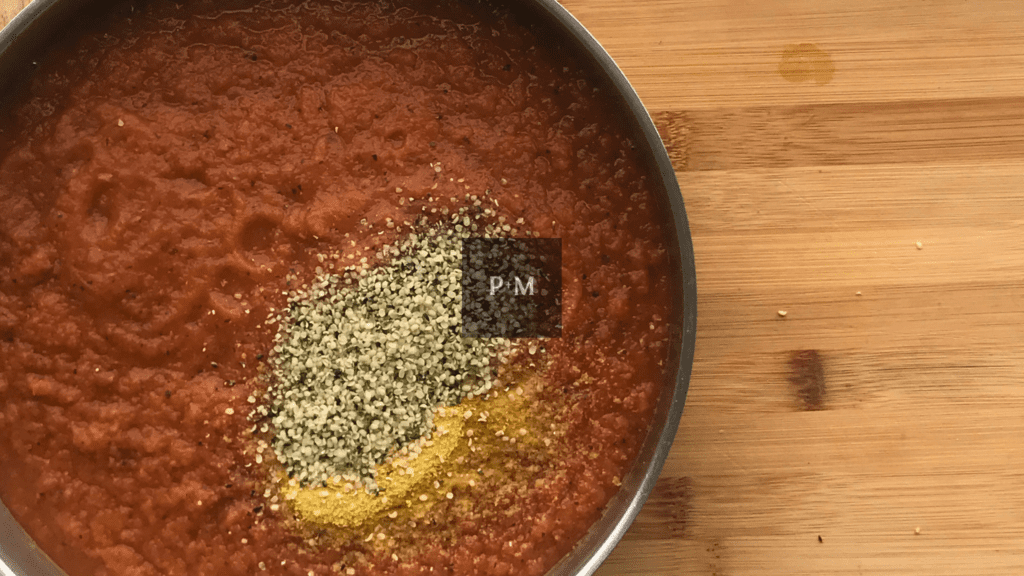
Soup is one of the most nourishing things you can eat—and your body knows it.
Here’s what a good soup gives you:
- Hydration (from the broth itself) to help every system in your body function better
- Fiber (from vegetables and beans) to support digestion and keep you satisfied for hours
- Complex carbohydrates (from potatoes, grains, or beans) to give you steady energy without the crash
- Phytonutrients (from colorful vegetables) to reduce inflammation and support immune health
This isn’t just comfort food. It’s medicine in a bowl—gentle, warming, and exactly what your body needs when it needs it.
The Plant-Based Soup Formula
LIQUID BASE + VEGETABLES + PROTEIN + FLAVOR BUILDERS
That’s it. Four components. Infinite combinations.
Let’s Break It Down
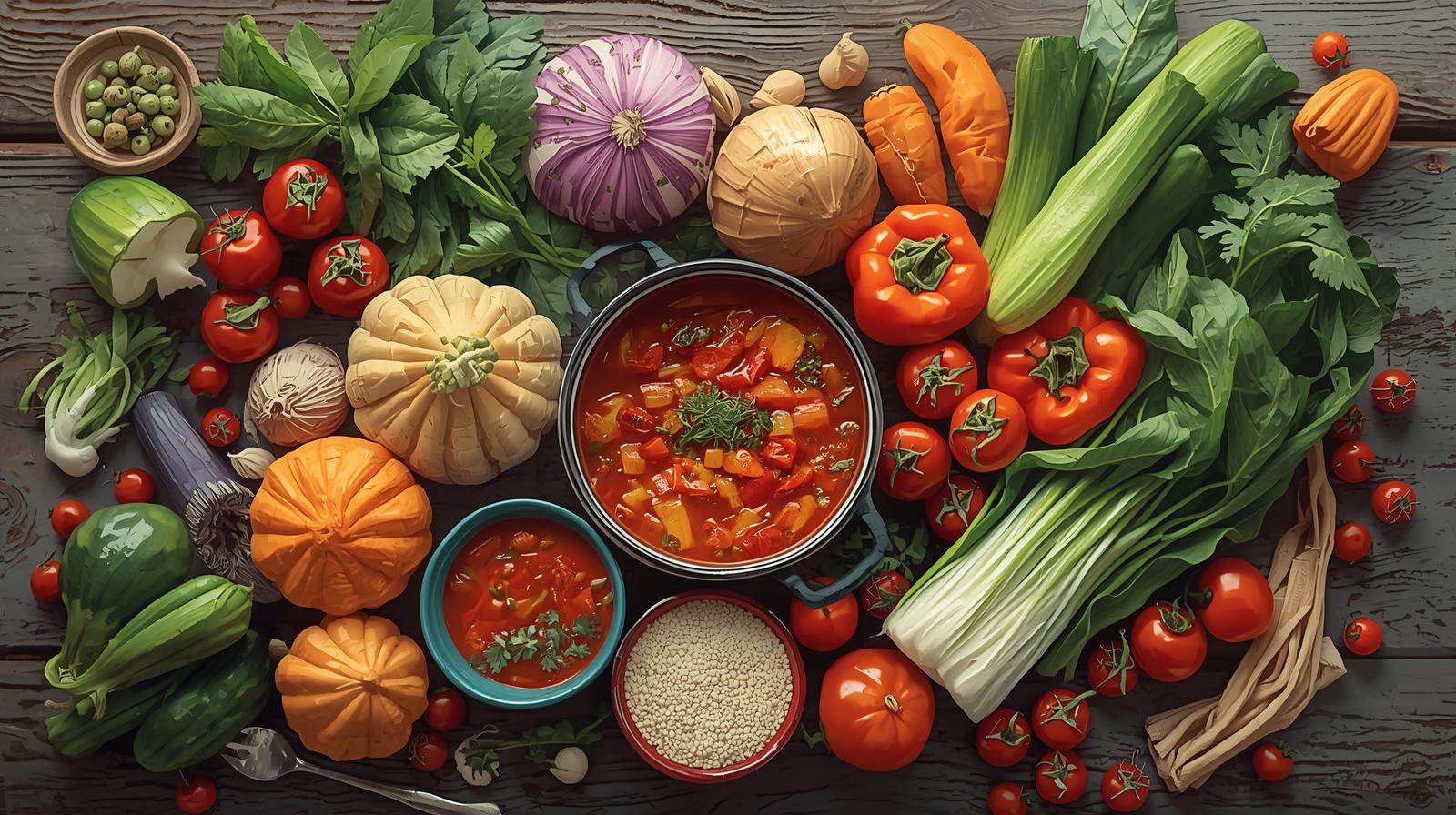
Component 1: Liquid Base
This is your foundation—what everything else simmers in.
- Water — Clean, simple, lets other flavors shine
- Vegetable broth — Adds depth and savory richness without extra work
- Coconut milk — Creates creaminess and slight sweetness, perfect for Thai-inspired or curry soups
- Tomato-based — Brings acidity and bold flavor, great for Italian or Mexican styles
💡 Pro Tip: Start with less liquid than you think you need. You can always add more, but you can’t take it back once your soup is too thin.
Component 2: Vegetables
This is your nutrition powerhouse—color, texture, and vitamins.
- Leafy greens (spinach, kale, chard) — Packed with iron and calcium, wilt down quickly
- Root vegetables (carrots, sweet potatoes, turnips) — Add natural sweetness and heartiness, hold their shape
- Aromatics (onions, garlic, celery, peppers) — Build the flavor foundation, make everything taste intentional
- Cruciferous (broccoli, cauliflower, cabbage) — Bring texture and serious immune support
💡 Pro Tip: Chop harder vegetables smaller so they cook in the same time as softer ones. Nobody wants crunchy carrots with mushy zucchini.

Build Your Plant-Based Blueprint for FREE Today!
Component 3: Protein
This is your staying power—what keeps you full and satisfied.
- Beans or lentils — Fiber-rich, budget-friendly, and they make soup feel complete
- Tofu or tempeh — Absorbs flavors beautifully, adds substance without heaviness
- Chickpeas — Creamy when blended, hearty when whole, works in almost any style
- Split peas — Break down naturally to thicken soup, high in protein and iron
💡 Pro Tip: Canned beans work perfectly. Just drain, rinse, and add them in the last 10 minutes so they warm through without getting mushy.
Component 4: Flavor Builders
This is your personality—what makes this soup yours instead of just “vegetable water.”
- Herbs and spices — Transform the whole pot (cumin for warmth, thyme for earthiness, ginger for brightness)
- Acid (lemon juice, lime, vinegar) — Wakes everything up right before serving
- Healthy fats (olive oil, tahini, avocado) — Carries flavor and makes nutrients more available to your body
- Salt — Brings out every other flavor; add it gradually and taste as you go
💡 Pro Tip: Add fresh herbs at the end and dried herbs at the beginning. This way you get both the deep cooked flavor and the bright fresh pop.
Putting It All Together


A few quick tips to make your soup amazing:
- Start with aromatics — Sauté onions and garlic first to build a flavor base
- Add harder vegetables first — Root vegetables need more time than leafy greens
- Let it simmer — Twenty minutes minimum lets flavors blend and develop
- Taste before serving — Add acid (lemon or vinegar) and salt at the end to brighten everything up
- Make extra — Soup tastes even better the next day once flavors have married
Need Ideas? Try These Combos
The Classic Comfort
Vegetable broth + carrots, celery, onions, spinach + white beans + thyme, garlic, lemon juice
Warm, familiar, the kind of soup that feels like a hug from the inside
The Cozy Thai-Inspired
Coconut milk + sweet potato, bell peppers, bok choy + chickpeas + ginger, lime, cilantro
Creamy, slightly sweet, with a bright finish that makes you want another spoonful
FAQs
Q: “What if I don’t have fresh vegetables? Can I use frozen?”
Absolutely. Frozen vegetables are picked at peak ripeness and flash-frozen, so they’re just as nutritious as fresh.
Toss them straight into the pot—they’ll thaw and cook as your soup simmers.
Q: “Do I really need to use all four components every time?”
Nope. Some of the best soups are simple—just a good broth, one vegetable, and beans. Use what you have and what sounds good.
The formula is a guide, not a rule.
Q: “I’m short on time. Can I speed this up?”
Yes. Use pre-chopped vegetables, canned beans, and store-bought broth.
You can have hot soup on the table in 20 minutes. There’s zero shame in shortcuts that get nourishing food into your body.

Your Turn
That’s your soup blueprint.
No measurements or rigid rules. No single “right way” to do this.
Pick your four components. Build what sounds good to you right now. Make it ten different ways this month if you want—each one will teach you something new.
Play with it. Trust yourself. Notice what you love.
That’s the whole point—this is YOURS now.
Now go build your soup. 💜
⭐ Let’s chat: What’s your favorite “throw everything in the pot” soup combination that surprised you with its deliciousness? Share in the comments below.