This post may contain affiliate links. If you purchase through these links, I may earn a small commission at no extra cost to you. This helps keep Pine+Mango running. Thank you for your support! Read our full disclosure here.
Ever stand in the produce section wondering which vegetables actually give you the biggest nutritional bang for your buck?
I used to grab whatever looked good (and cheap) without really understanding what I was putting in my cart. Then I started learning about nutrient density—how much nutrition you get per calorie—and everything changed.
These vegetables aren’t just healthy; they’re absolute nutrition powerhouses that transformed how I eat and feel.
Let me walk you through what makes each one special and how to actually use them in ways that taste good.

Subscribe to Our Nourished Newsletter
Get free weekly guidance for your plant-based journey, straight to your inbox.
- What Makes a Vegetable Nutrient-Dense?
- The Cruciferous Champions
- The Colorful Root Vegetables
- The Nightshade Nutrition Powerhouses
- The Allium Pungent Protectors
- The Unique Contributors
- How to Build Your Plate Around These Vegetables
- Shopping and Storage Tips That Actually Matter
- FAQs on Nutrient-Dense Vegetables
- In Essence: It Starts Here
- Subscribe to Our Nourished Newsletter
What Makes a Vegetable Nutrient-Dense?
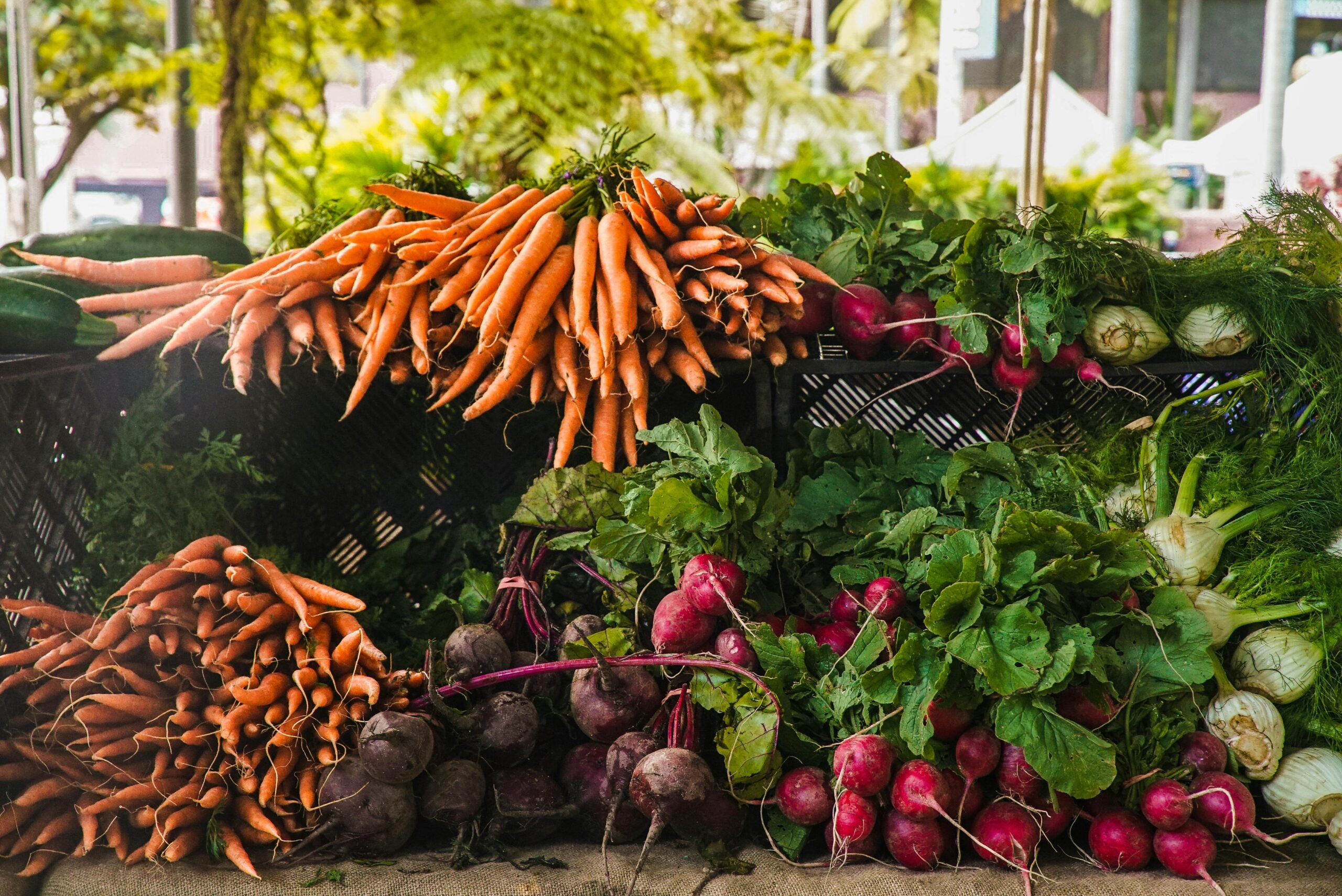
Nutrient density is simple: it’s about getting the most vitamins, minerals, fiber, and beneficial plant compounds for the fewest calories.
Think of it as getting more value from every bite.
These vegetables pack in vitamins A, C, K, folate, potassium, fiber, and protective compounds that support everything from your immune system to your heart health.
The best part? You don’t need to eat weird combinations or follow complicated rules. Just add these vegetables to your meals regularly, and your body gets what it needs.
★ You might be wondering where leafy greens like spinach, kale, and collards are on this list.
They’re not missing—they’re just so incredibly nutrient-dense that they deserve their own separate guide. Read it here.
The Cruciferous Champions
Broccoli: The Green Nutritional Giant
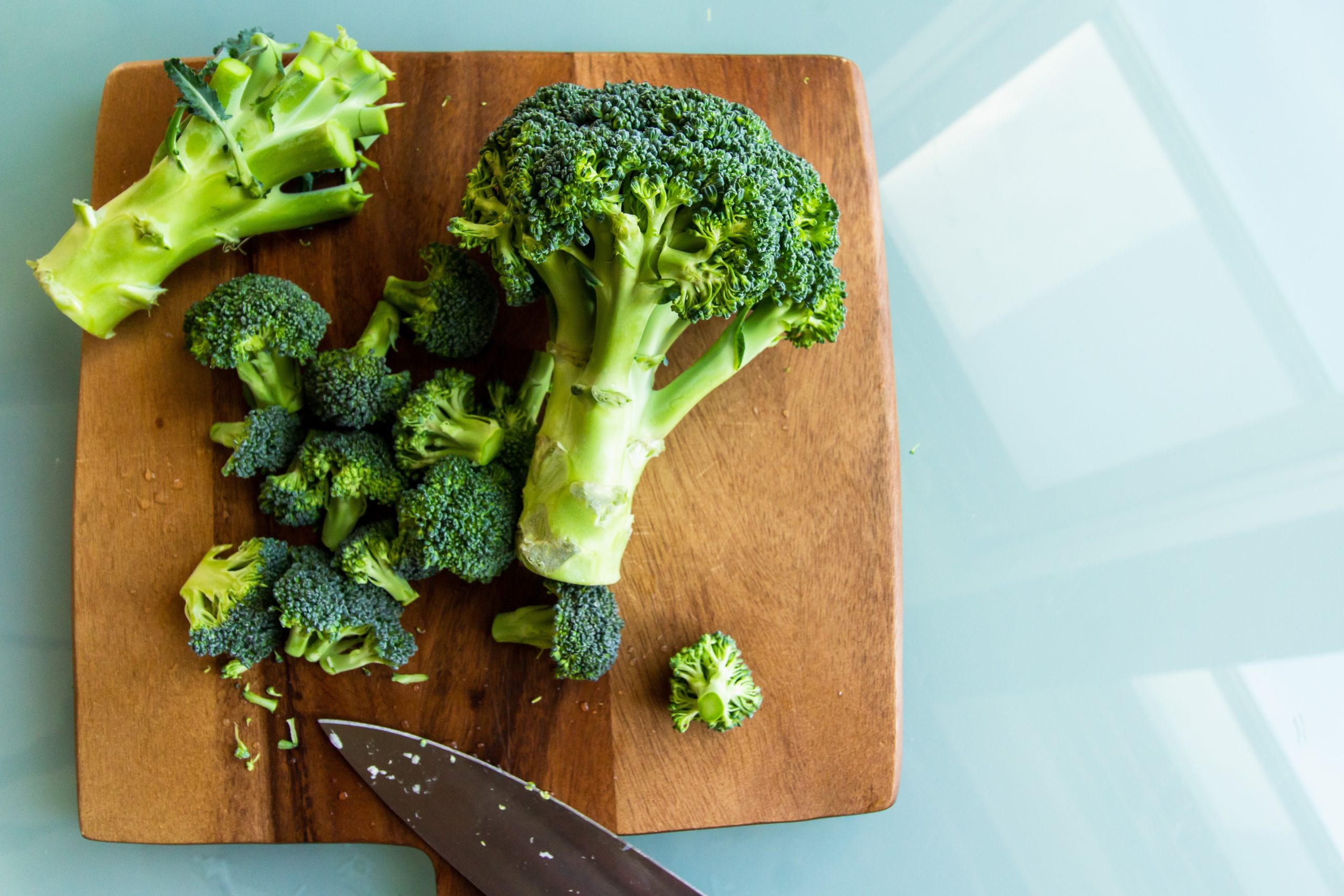
Broccoli is one of those vegetables I used to push around my plate as a kid, but now I genuinely crave it.
It contains sulforaphane, a compound that supports your body’s natural detoxification processes and may help protect cells from damage. Plus, it’s loaded with vitamin C—one cup gives you more than your entire daily needs.
Additional benefits:
- Excellent source of vitamin K for bone health
- Rich in folate, which supports cell growth
- Contains fiber that feeds your beneficial gut bacteria
How to use it: Roast florets with garlic and a squeeze of lemon, toss raw into salads for crunch, or steam and mash with potatoes for a nutrient boost.
Cauliflower: The Versatile Vitamin Powerhouse
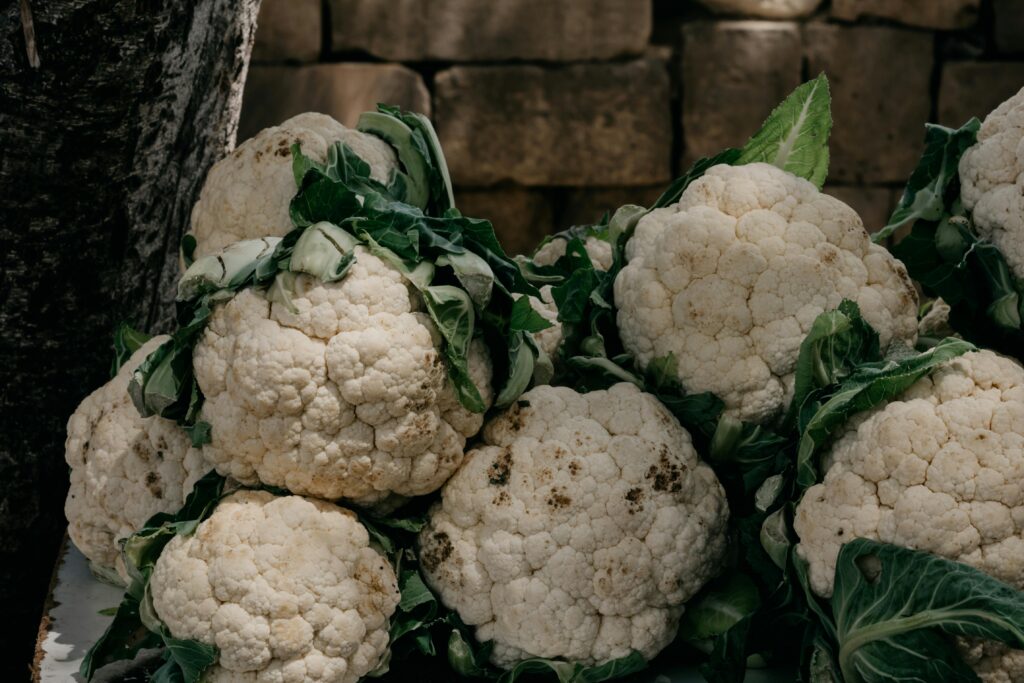
Cauliflower became my best friend when I wanted to eat more vegetables without feeling like I was eating the same thing over and over.
It’s mild enough to take on any flavor you throw at it, but don’t let that fool you—it’s packed with vitamins C, K, and several B vitamins that support energy production.
Additional benefits:
- High in vitamin C for immune support
- Good source of choline, important for brain health
- Contains antioxidants that may reduce inflammation
- Provides fiber for digestive health
How to use it: Blend steamed cauliflower into mashed potatoes, roast with curry spices, rice it for a grain alternative, or roast whole as an impressive main dish.
Brussels Sprouts: The Detoxification Helpers
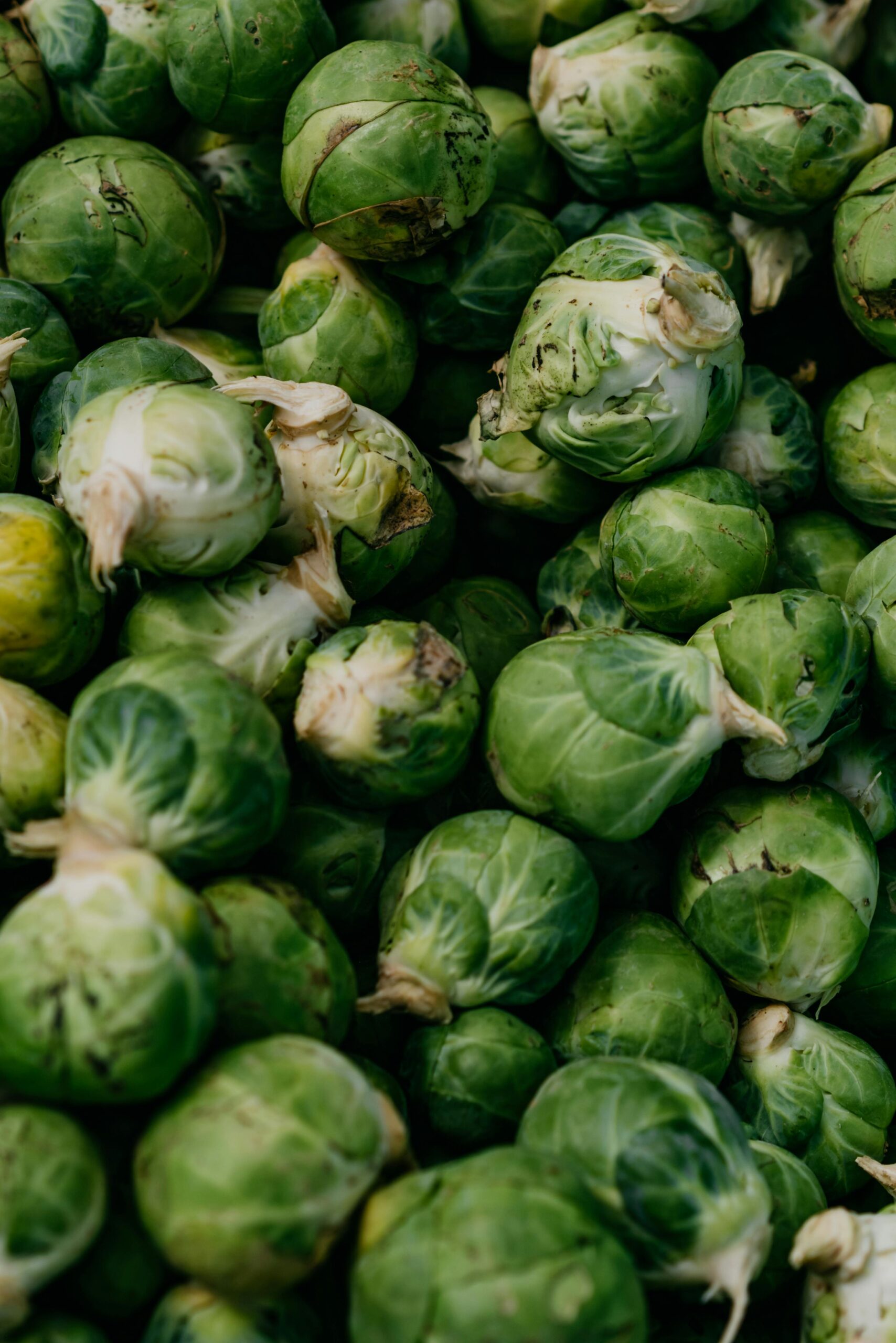
Brussels sprouts got a bad reputation from being overcooked into mush, but when you treat them right, they’re incredible.
These little green gems contain compounds called glucosinolates that break down into substances your body uses for protection and health maintenance.
Additional benefits:
- Packed with vitamin K—over 200% of daily needs per cup
- Excellent source of vitamin C
- High in folate and manganese
- Contains fiber and plant compounds that support wellness
- May help with inflammatory responses in the body
How to use them: Halve and roast at high heat until crispy on the outside, shred raw into slaws, or pan-fry with balsamic vinegar. The key is high heat and not overcrowding the pan—that’s how you get that caramelized exterior that makes them irresistible.
The Colorful Root Vegetables
Sweet Potatoes: The Orange Energy Bomb
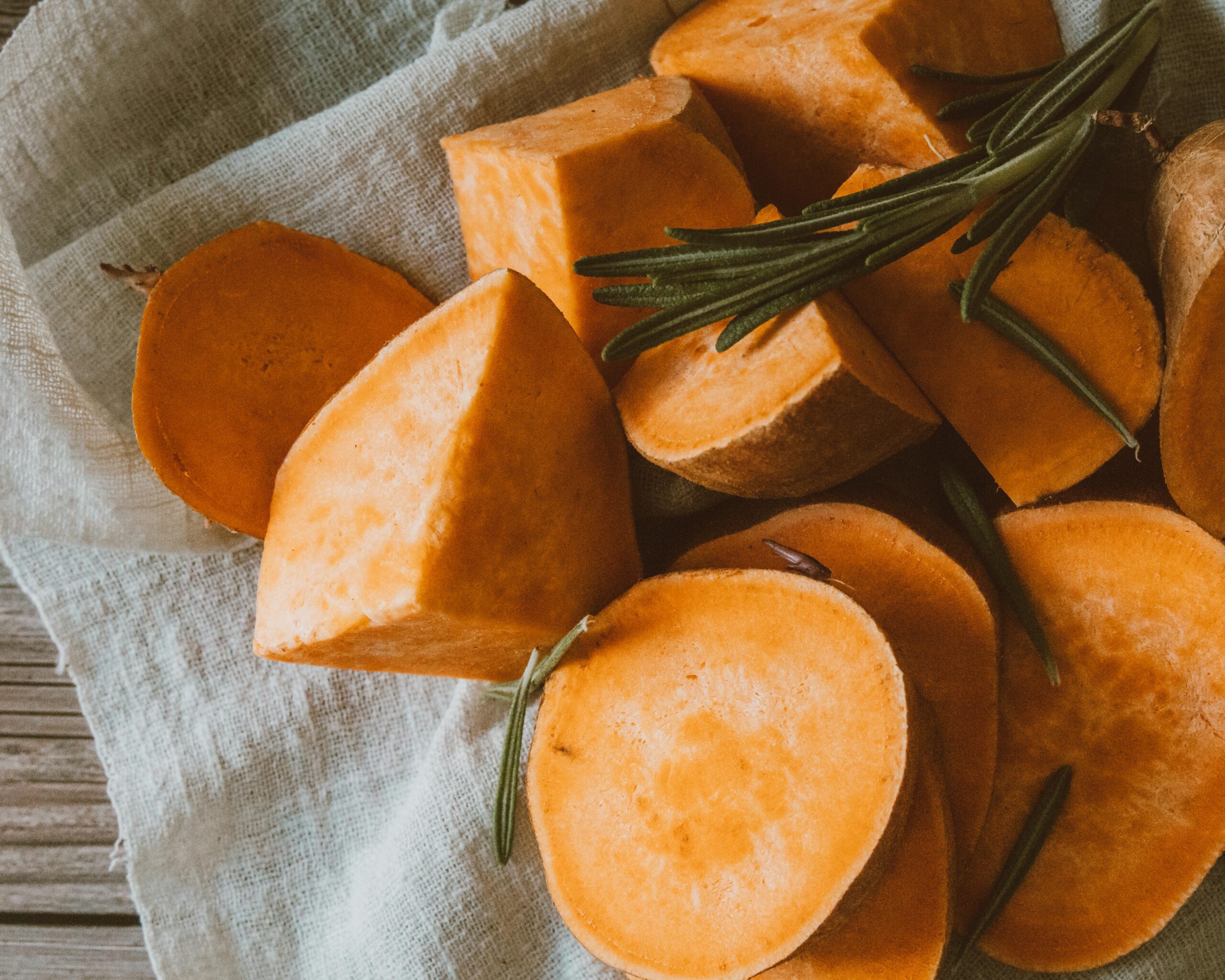
Sweet potatoes are proof that nutritious food can taste like dessert.
That gorgeous orange color comes from beta-carotene, which your body converts to vitamin A—crucial for vision, immune function, and skin health.
One medium sweet potato gives you over 400% of your daily vitamin A needs.
Additional benefits:
- Good source of vitamin C, potassium, and manganese
- Rich in fiber, especially when you eat the skin
- Contains antioxidants that may support eye health
- Provides steady energy without blood sugar spikes
How to use them: Bake whole and top with cinnamon, cube and roast with herbs, mash for a side dish, or slice into rounds for sweet potato toast.
Beets: The Blood Flow Boosters
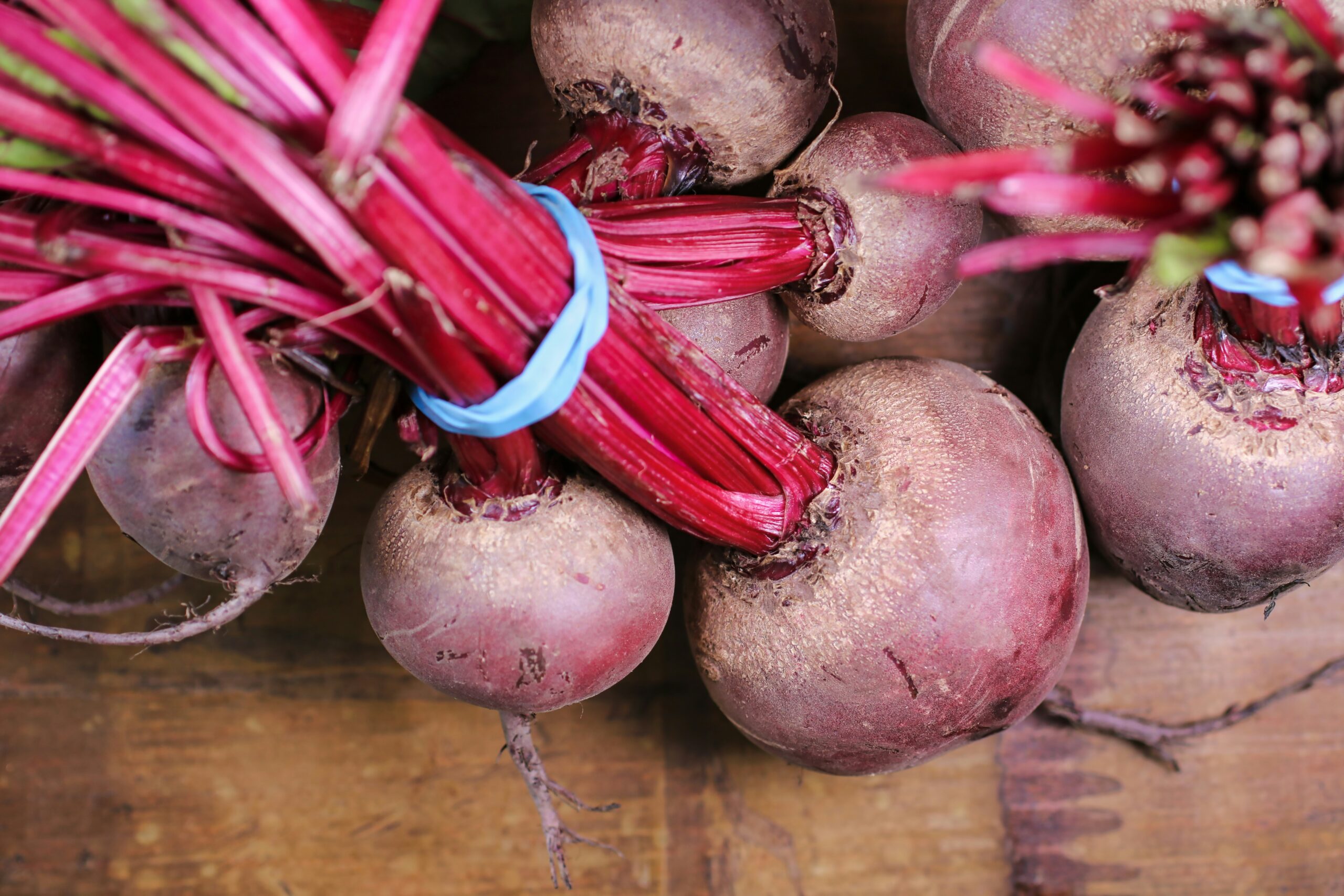
Beets are kind of earthy-tasting, I’ll admit, but they do something special for your body.
They’re loaded with nitrates that your body converts to nitric oxide, which helps blood vessels relax and may support healthy blood pressure.
That deep red color? Those are betalains, powerful antioxidants unique to beets.
Additional benefits:
- High in folate for cell health and function
- Excellent source of manganese
- Provides fiber and potassium
How to use them: Roast until tender and toss in salads, grate raw for slaws, blend into smoothies (you won’t taste them much), or pickle for a tangy snack. Pro tip: wear gloves when handling raw beets unless you want pink-stained hands for a day.
Carrots: The Vision Protectors
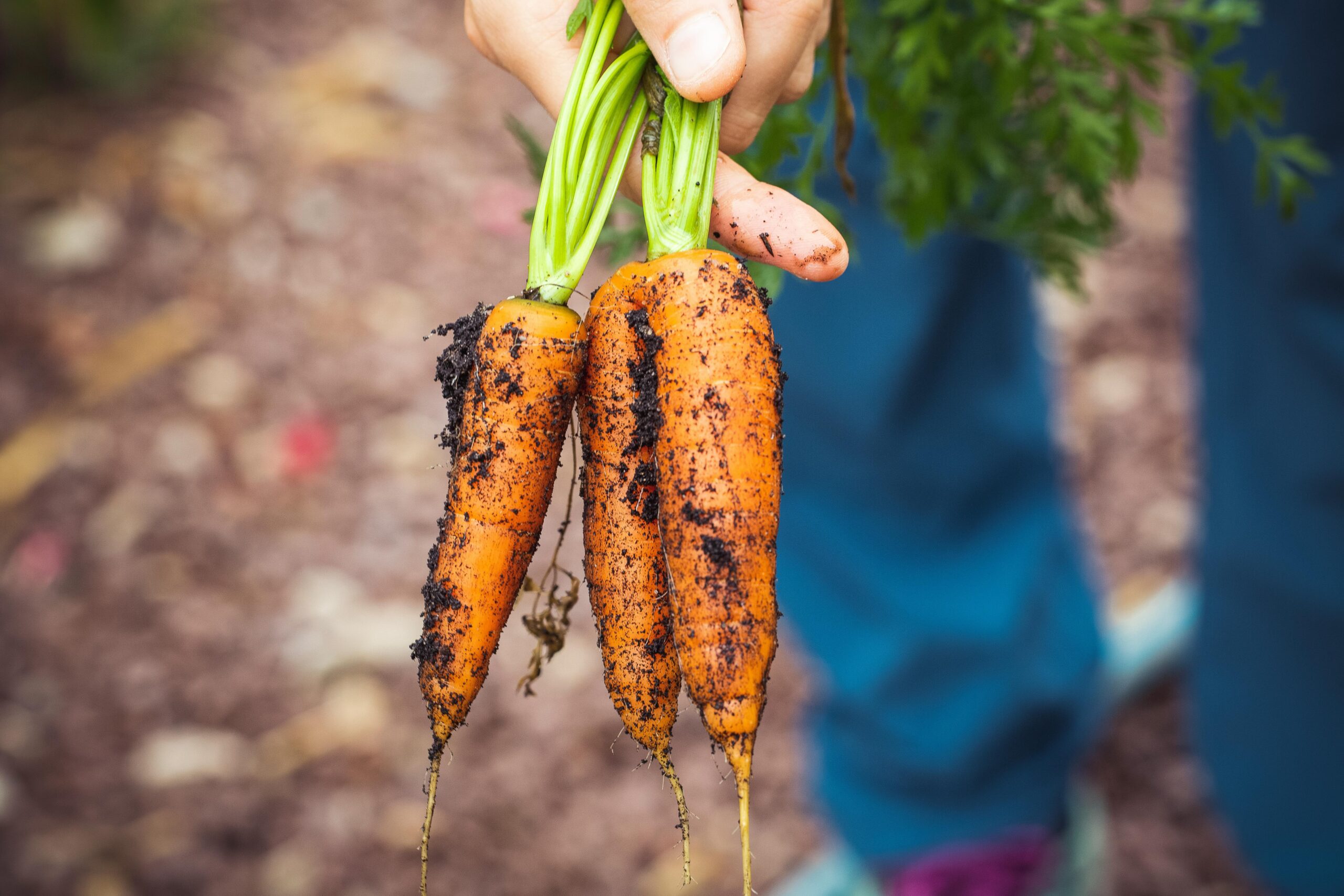
Carrots are probably the first vegetable we all learned about as kids, and for good reason.
Like sweet potatoes, they’re packed with beta-carotene. Your eyes need vitamin A to function properly, and carrots deliver it in spades along with other beneficial compounds.
Additional benefits:
- Good source of vitamin K and potassium
- Contains biotin for metabolism support
- Provides fiber for digestive health
- Antioxidants that may support eye health as we age
How to use them: Snack on them raw with hummus, roast whole with thyme, spiralize for noodles, or grate into baked goods for moisture and sweetness.

Build Your Plant-Based Blueprint for FREE Today!
The Nightshade Nutrition Powerhouses
Bell Peppers: The Vitamin C Superstars
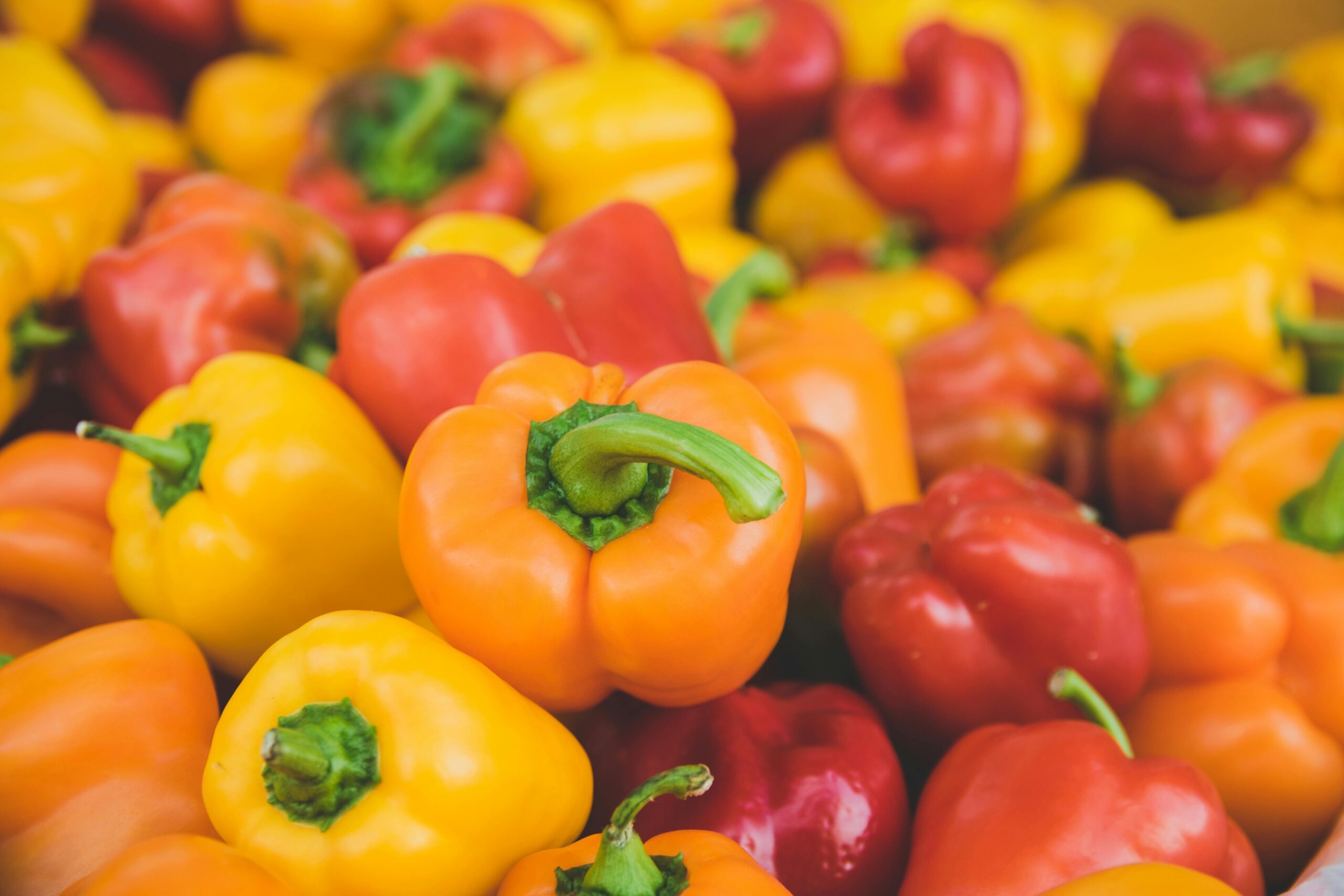
Here’s something that surprised me: bell peppers have more vitamin C than oranges!
Red bell peppers especially—they’re fully ripened, which means they’ve developed even more nutrients than their green counterparts.
They also contain several types of antioxidants that work together to protect your cells.
Additional benefits:
- Excellent source of vitamin A (red and orange varieties)
- Contains multiple antioxidants including carotenoids
- Good source of vitamin B6
How to use them: Slice for dipping, roast until charred for incredible flavor, stuff and bake, or add raw to salads for crunch and color.
Tomatoes: The Lycopene Legends
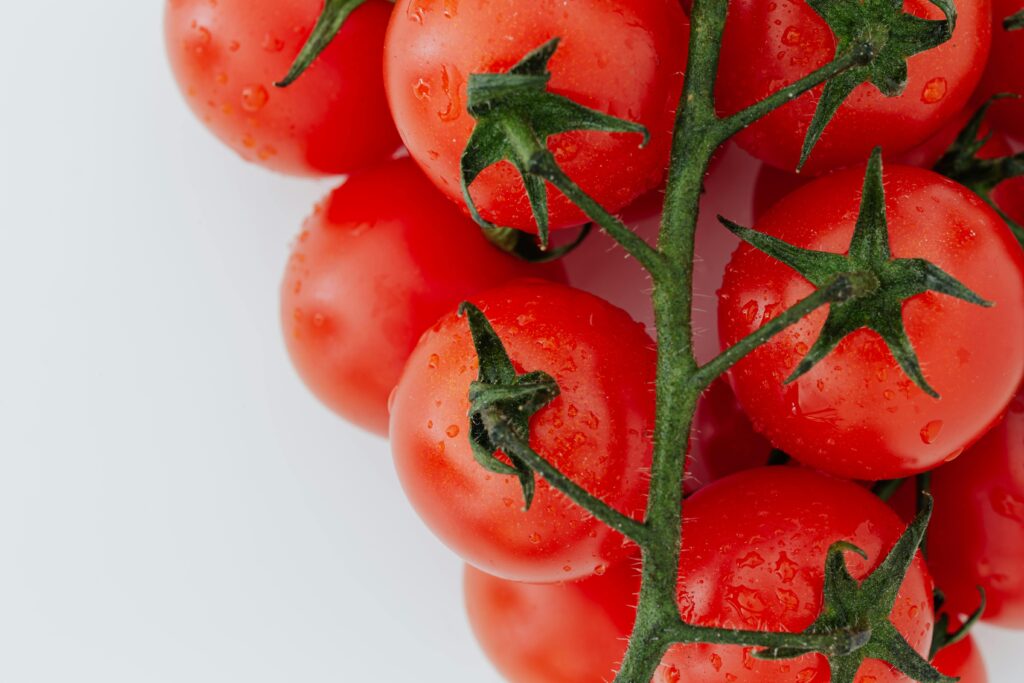
Yes, tomatoes are technically a fruit, but we eat them like vegetables, so they’re making the list.
Tomatoes contain lycopene, a powerful antioxidant that becomes even more available to your body when tomatoes are cooked. This is one case where cooking actually increases the nutritional benefit.
Additional benefits:
- Excellent source of vitamin C
- Good source of potassium and folate
- Contains multiple antioxidants working together
- Very hydrating with high water content
How to use them: Eat cherry tomatoes like candy, make a simple sauce by simmering with garlic, roast until caramelized, or slice for sandwiches and salads.
The Allium Pungent Protectors
Garlic: The Tiny but Mighty Immune Supporter
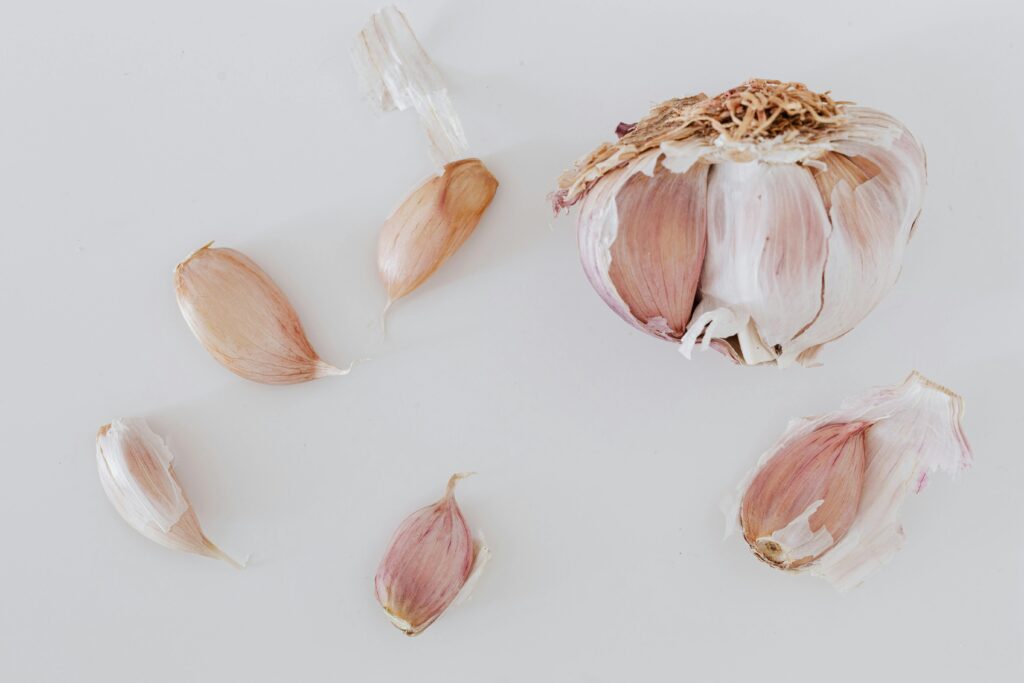
Garlic is small, but don’t underestimate what these little cloves can do.
When you crush or chop garlic, it creates allicin, a compound with impressive properties for supporting your immune system and heart health.
Letting chopped garlic sit for 10 minutes before cooking helps preserve these beneficial compounds.
Additional benefits:
- May support healthy blood pressure and cholesterol
- Provides manganese, vitamin B6, and vitamin C
- Anti-inflammatory and antimicrobial properties
How to use it: Mince into almost everything savory, roast whole bulbs until spreadable, add to stir-fries, or make garlic-infused oil.
Onions: The Flavor Foundation with Benefits
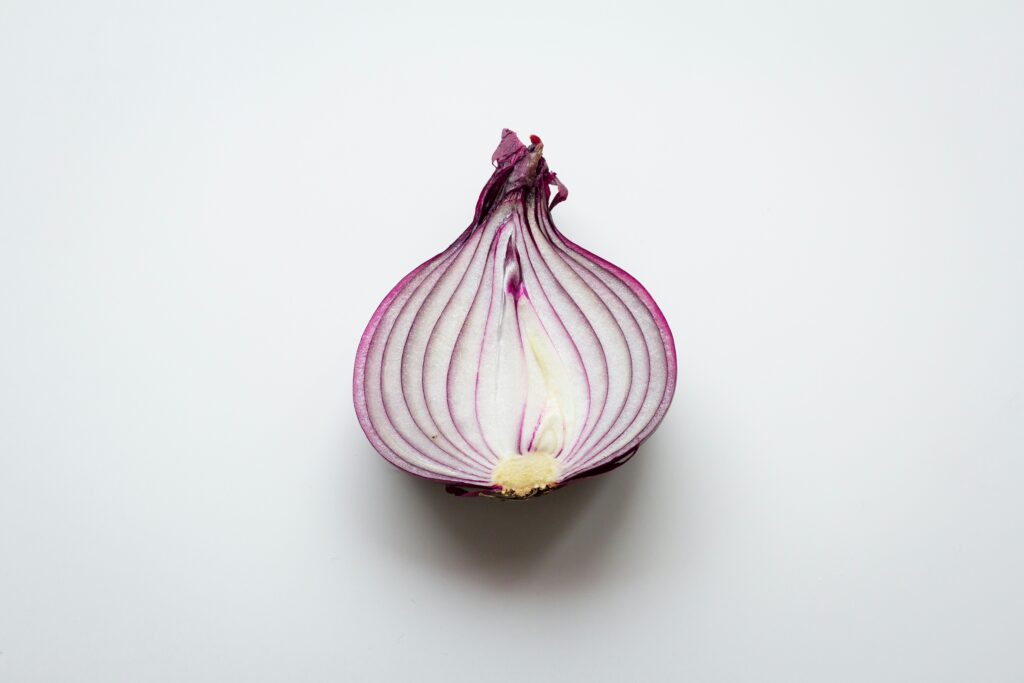
Every good meal starts with onions, and they’re doing more than just adding flavor.
Onions contain quercetin, an antioxidant that may support heart health and help manage inflammatory responses. They also feed the beneficial bacteria in your gut, which is crucial for overall health.
Additional benefits:
- High in vitamin C and B vitamins
- Good source of prebiotic fiber
- May support bone density
How to use them: Caramelize for deep, sweet flavor, add raw to salads and salsas, roast until tender, or use as a base for soups and sauces. Caramelized onions take patience—about 40 minutes of cooking—but they’re worth every minute.
The Unique Contributors
Mushrooms: The Savory Vitamin D Source
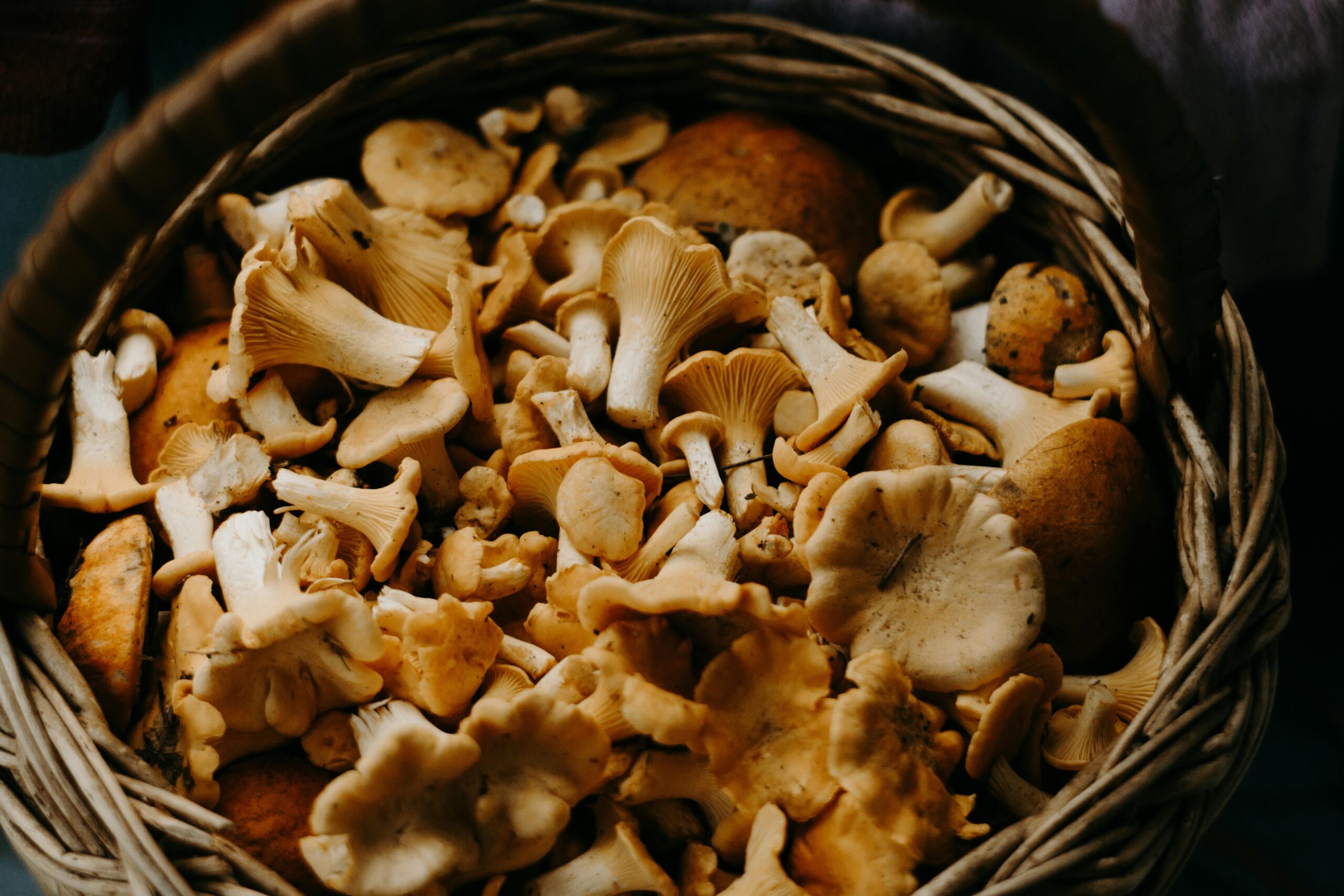
Mushrooms are fascinating because they’re the only produce that can provide vitamin D when exposed to UV light.
They have this umami quality that makes meals satisfying and adds depth to plant-based eating. Plus, they contain compounds that support immune function and provide antioxidant benefits.
Additional benefits:
- Good source of B vitamins, especially B2 and B3
- Contain selenium and copper
- Beta-glucans that support immune function
How to use them: Sauté until browned and crispy, add to pasta and grain bowls, grill large portobellos as a main, or blend into soups for body and depth. The trick is high heat and not moving them around too much—let them brown properly.
Asparagus: The Spring Detox Supporter
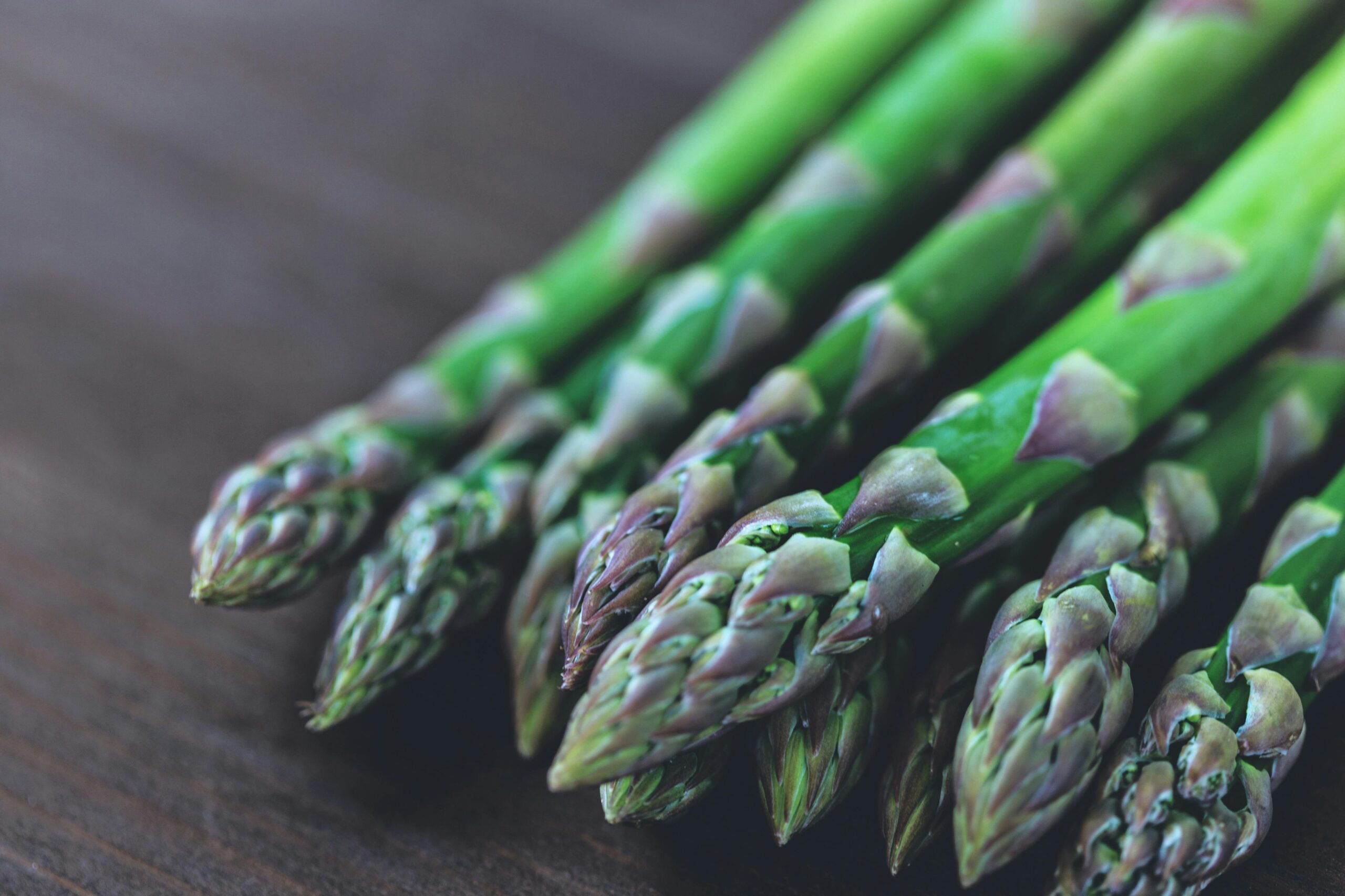
Asparagus is one of those vegetables that signals spring has arrived.
It’s particularly high in glutathione, often called the body’s master antioxidant, and contains inulin, a prebiotic fiber that feeds your good gut bacteria.
It’s also a natural diuretic, which is why it makes you pee (let’s be real about this).
Additional benefits:
- Excellent source of folate and vitamin K
- Good source of vitamins A, C, and E
- May support liver function and detoxification
How to use it: Roast with lemon and garlic, grill until charred, shave raw into salads, or steam and toss with herbs. Snap off the woody ends—the asparagus naturally breaks where the tender part begins, so let it guide you.
How to Build Your Plate Around These Vegetables
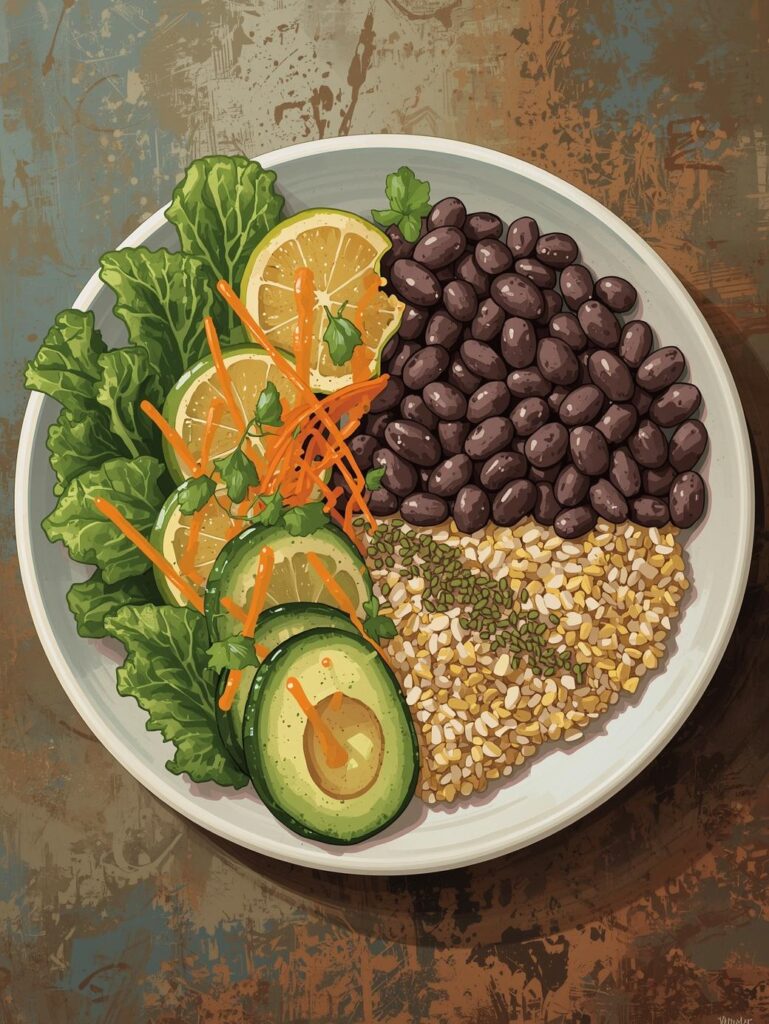
Here’s the thing that changed everything for me: I stopped thinking about vegetables as side dishes and started building meals around them.
Try filling half your plate with these nutrient-dense vegetables at each meal. Mix colors—each color represents different beneficial compounds your body needs.
The purple in beets, orange in sweet potatoes, red in tomatoes, and green in broccoli all offer unique benefits.
You don’t need to eat all twelve every day. Pick three or four, rotate through them during the week, and you’ll naturally get a wide range of nutrients without overthinking it.
Shopping and Storage Tips That Actually Matter
Buy what’s in season when possible—it’s fresher, cheaper, and tastes better.
Frozen vegetables are absolutely fine and sometimes more nutritious than fresh that’s been sitting around for weeks.
I always keep frozen broccoli, cauliflower, and Brussels sprouts on hand for quick meals.
Store leafy greens and asparagus standing up in water like flowers. Keep tomatoes and garlic at room temperature. Root vegetables like sweet potatoes, beets, and carrots last forever in a cool, dark place.
FAQs on Nutrient-Dense Vegetables
Q: Do I need to eat these vegetables raw to get the most nutrition?
Not at all! Some nutrients, like lycopene in tomatoes and beta-carotene in carrots, actually become more available to your body when cooked.
Other nutrients, like vitamin C, decrease slightly with cooking but you still get plenty.
The best approach? Eat them both raw and cooked throughout the week. The most nutritious vegetable is the one you’ll actually eat.
Q: How much of these vegetables should I eat each day?
Aim for at least 2-3 cups of vegetables daily, but more is better.
I try to include vegetables at every meal—adding mushrooms to breakfast, snacking on bell peppers and carrots, and building lunch and dinner around these nutrient-dense options.
Start where you are and gradually increase. Your body will thank you.
Q: Can I get the same benefits from vegetable supplements or powders?
Whole vegetables contain fiber, water, and hundreds of compounds that work together in ways we’re still discovering. Supplements can help fill specific gaps, but they can’t replicate the complete package that whole vegetables provide.
Plus, vegetables are satisfying in a way that pills and powders just aren’t. Your gut bacteria need that fiber, and your body recognizes and uses nutrients from whole foods more effectively.
📖 Good Reads: How Not to Die, The China Study and Plant-Based Nutrition

In Essence: It Starts Here
These vegetables aren’t just healthy—they’re genuinely delicious when you learn how to prepare them in ways that work for you.
I promise, eating more plants isn’t about restriction or forcing yourself to choke down food you hate.
It’s about discovering how nourishing your body with these nutrient-dense vegetables makes you feel stronger, more energized, and more connected to what you eat.
Start with one or two vegetables from this list. Learn how you like them prepared. Build from there. There’s no rush, no perfect way to do this. Just you, learning what makes your body thrive.
Your health is worth this investment, and you deserve to feel good in your body.
⭐Which vegetable from this list are you most excited to add to your meals this week, and what’s one way you’ve never tried preparing it before? Share in the comments—I love learning new ways to enjoy these nutritional powerhouses!