
This post may contain affiliate links. If you purchase through these links, I may earn a small commission at no extra cost to you. This helps keep Pine+Mango running. Thank you for your support! Read our full disclosure here.
Ever notice how some days you feel like you’re walking through fog, and other days you’re actually… happy? Like, genuinely good for no obvious reason?
Here’s what nobody tells you: the food on your plate isn’t just fuel. It’s information. It’s mood medicine.
And when I finally understood this connection between what I ate and how I felt, everything shifted. I’m talking about fewer tears over nothing, less snapping at people I love, and way more moments where I actually feel like myself again.
The plants you eat directly affect your brain chemistry, your energy levels, and yes — your ability to handle whatever life throws at you.
And the best part? You don’t need a prescription or a complicated protocol.
You just need to know which plants pack the biggest mood-boosting punch and how to get them on your plate consistently.
Let’s dive into the plants that can literally change how you feel, starting today.
Subscribe to Our Nourished Newsletter
Get free weekly guidance for your plant-based journey, straight to your inbox.
- Why Plant Foods Are Your Brain's Best Friend
- The Top Mood-Boosting Plants You Need to Know
- How to Actually Eat These Plants Consistently
- The Gut-Brain Connection You Can't Ignore
- What About Supplements?
- Listen to Your Body's Signals
- FAQs About Mood Boosting Plants
- In Essence: You Deserve to Feel Good
- Subscribe to Our Nourished Newsletter
Why Plant Foods Are Your Brain’s Best Friend
Your brain is hungry. Not for willpower or positive thinking, but for actual nutrients that help it make the feel-good chemicals you’re desperately craving.
Here’s the thing: every time you feel anxious, flat, or irritable, there’s chemistry happening in your brain. Neurotransmitters like serotonin, dopamine, and GABA are either flowing smoothly or they’re… not.
And guess what controls that flow? The nutrients from your food.
Plant foods are packed with the exact compounds your brain needs to manufacture these mood-regulating chemicals.
We’re talking B vitamins, omega-3 fatty acids, magnesium, zinc, folate, and dozens of phytonutrients that work together like a well-oiled machine.
When you’re missing these nutrients, your brain struggles. When you’re flooding your system with them, you start feeling noticeably better.
The Top Mood-Boosting Plants You Need to Know
Not all plants are created equal when it comes to mental health. Some are absolute powerhouses that deserve a spot on your plate every single day.
Leafy Greens: Nature’s Antidepressant
Spinach, kale, collard greens, Swiss chard — these aren’t just “healthy.” They’re loaded with folate, a B vitamin that’s essential for producing serotonin and dopamine.
Low folate levels are linked to depression, and honestly, most of us aren’t getting nearly enough.
One cup of cooked spinach gives you almost all the folate you need for the day. Plus, you’re getting magnesium, which calms your nervous system and helps you actually relax.
Berries: Brain Protectors That Taste Like Candy
Blueberries, strawberries, blackberries, raspberries — they’re all rich in antioxidants called anthocyanins that protect your brain from inflammation and oxidative stress.
Chronic inflammation in the brain is strongly linked to depression and anxiety.
Studies show that people who eat berries regularly have lower rates of depression and better cognitive function. And unlike processed sweets that spike your blood sugar and crash your mood, berries give you steady energy and satisfaction.
I keep frozen berries stocked at all times. They’re cheaper, last longer, and blend into everything from oatmeal to smoothies to yogurt bowls.
Nuts and Seeds: Tiny Mood Stabilizers
Walnuts, almonds, chia seeds, flaxseeds, pumpkin seeds — these little guys are packed with omega-3 fatty acids, magnesium, zinc, and vitamin E.
Your brain is made of fat, and it needs good fats to function properly.
Walnuts specifically contain alpha-linolenic acid (ALA), a plant-based omega-3 that supports brain health and reduces symptoms of depression.
Pumpkin seeds are loaded with zinc, which plays a huge role in regulating mood and reducing anxiety.
Build Your Plant-Based Blueprint for FREE Today!
Beans and Lentils: Slow-Burning Mood Support
Black beans, chickpeas, lentils, kidney beans — these are your secret weapon against energy crashes and mood swings.
They’re high in complex carbohydrates that provide steady glucose to your brain, plus they’re loaded with B vitamins, iron, and magnesium.
Your brain runs on glucose. When your blood sugar crashes, so does your mood. Beans give you that slow, steady release that keeps you stable throughout the day.
I used to think carbs were the enemy. Now I know that the right carbs are actually essential for feeling good.
Bananas: The Natural Mood Lifter
Bananas get a bad rap sometimes, but they’re actually fantastic for your mood. They contain vitamin B6, which helps your body produce serotonin and dopamine.
They also have natural sugars paired with fiber, so you get a gentle energy boost without the crash.
Plus, bananas have tryptophan, an amino acid that your body converts into serotonin. Feeling grumpy? Grab a banana. I’m not kidding — it works.
Oats: Comfort Food That Actually Comforts
Oats are rich in complex carbs that boost serotonin production. They also contain beta-glucan, a type of fiber that stabilizes blood sugar and keeps your mood steady.
There’s a reason why a warm bowl of oatmeal feels so soothing. It’s not just psychological — it’s biochemical.
Your brain is getting exactly what it needs to feel calm and content.
Dark Chocolate: Yes, Really
Okay, this one feels like cheating, but dark chocolate (70% cacao or higher) is legitimately good for your mood.
It contains flavonoids that increase blood flow to the brain, plus it triggers the release of endorphins and serotonin.
Just keep it to a small square or two. You’re looking for the mood boost, not a sugar overload that’ll backfire later.
How to Actually Eat These Plants Consistently
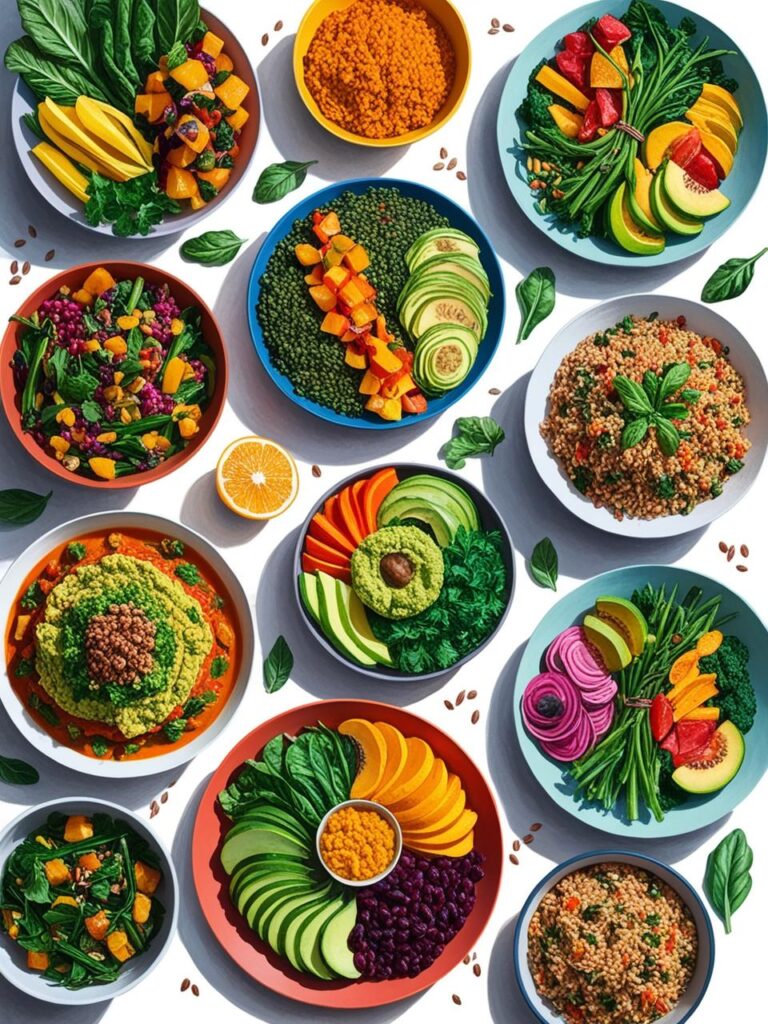
Knowing which plants help is one thing. Actually eating them every day? That’s where most people struggle.
Here’s what works for me: I don’t try to be perfect. I just try to hit a few mood-boosting plants each day. Some days I nail it. Other days I’m eating peanut butter straight from the jar.
Progress, not perfection, remember?
- Make it easy. Keep pre-washed greens in your fridge. Stock frozen berries. Buy canned beans. Remove every barrier between you and these foods.
- Stack them together. Smoothies are your best friend here. Spinach, frozen berries, banana, ground flaxseed, oats, plant milk. Boom — you just consumed five mood-boosting plants in one cup.
- Add, don’t subtract. Don’t focus on what you’re “not allowed” to eat. Just focus on adding more of these plants to what you’re already eating. Top your pizza with spinach. Add beans to your pasta. Throw nuts on your salad.
The goal isn’t to overhaul your entire life overnight. It’s to slowly shift the balance so that more of what you’re eating actually supports how you want to feel.
The Gut-Brain Connection You Can’t Ignore
Here’s something wild: about 90% of your serotonin is made in your gut, not your brain. Your gut and your brain are in constant communication, and when your gut is unhappy, your brain feels it.
Plant foods are packed with fiber that feeds the good bacteria in your gut. These bacteria produce compounds that directly influence your mood, anxiety levels, and even how you handle stress.
When I started eating more plants and focusing on fiber-rich foods, my digestion improved, sure.
But the unexpected bonus? My anxiety dropped significantly. I felt more resilient, less reactive.
Fermented plant foods like sauerkraut, kimchi, and miso are especially helpful here. They contain probiotics that support a healthy gut microbiome, which in turn supports a healthy, happy brain.
What About Supplements?
Look, I’m not anti-supplement. Sometimes they’re necessary, especially if you’re dealing with a deficiency.
But here’s my take: food first, always.
Whole plant foods come with a package deal of nutrients that work together synergistically. When you isolate one vitamin or mineral in a pill, you’re missing out on all the other compounds that help your body actually use that nutrient.
If you suspect you’re deficient in something like B12 (which you should supplement if you’re eating mostly plants), vitamin D, or omega-3s, talk to a healthcare provider and get tested.
But don’t use supplements as an excuse to skip the actual food. The plants are where the magic happens.
Listen to Your Body’s Signals
As you start adding more mood-boosting plants to your plate, pay attention to how you feel. Not just mentally, but physically too.
Do you have more energy in the afternoon? Are you sleeping better? Do you feel less irritable or anxious? Are your cravings changing?
For me, the first thing I noticed was that I stopped crashing every afternoon. Then I realized I wasn’t reaching for sugar every time I felt stressed.
And eventually, I just felt… lighter. Not in weight, but in spirit.
Your body will tell you what’s working. You just have to slow down enough to listen.
FAQs About Mood Boosting Plants
Q: How long does it take for mood-boosting plants to work?
Some people notice improvements within a few days, especially with energy levels and cravings. But for deeper mood changes, give it at least two to three weeks of consistent eating.
Your brain needs time to rebuild its nutrient stores and rebalance its chemistry.
The key is consistency — these aren’t magic pills, they’re nourishment that compounds over time.
Q: Can I still eat these plants if I’m on antidepressants or anti-anxiety medication?
Absolutely. Eating mood-boosting plants supports your overall mental health and works alongside medication, not against it.
However, if you’re on MAO inhibitors, check with your doctor about foods high in tyramine. Never stop taking prescribed medication without talking to your healthcare provider first.
Think of these plants as foundational support, not replacement therapy.
Q: What if I don’t like the taste of leafy greens or beans?
Start small and hide them where you can’t taste them.
Spinach disappears in smoothies. Beans can be blended into pasta sauce or mashed into burger patties. Greens can be sautéed with garlic until they’re crispy.
Your taste buds actually change as you eat more plants — foods you don’t like now might become favorites in a few months. Give yourself permission to experiment without pressure.
📖 Good Reads: How Not to Die, The China Study and Plant-Based Nutrition
In Essence: You Deserve to Feel Good
Here’s what I wish someone had told me years ago: feeling constantly tired, anxious, or flat isn’t normal. It’s not just “how life is.”
And you don’t have to accept it as your reality.
The plants on your plate have the power to change your brain chemistry, stabilize your mood, and give you the energy to actually enjoy your life. Not someday when everything is perfect, but right now, today.
Start where you are. Pick one or two mood-boosting plants from this list and commit to eating them this week. Notice how you feel. Add another one next week.
Build slowly, with compassion for yourself and trust in the process.
Your brain has been waiting for this nourishment. Your body knows what to do with it. And you’re going to feel the difference — I promise you that.
⭐What’s one mood-boosting plant you’re going to add to your plate this week, and how do you plan to eat it? Drop a comment below — I’d love to hear what you’re trying and cheer you on!