This post may contain affiliate links. If you purchase through these links, I may earn a small commission at no extra cost to you. This helps keep Pine+Mango running. Thank you for your support! Read our full disclosure here.
Ever feel like you’re doing everything “right” but still dragging through your days?
Here’s something that blew my mind when I first learned it: those tiny nutrients you can’t even see—vitamins and minerals—are running the entire show inside your body right now.
And I mean everything.
For years, I focused on the big stuff: calories, protein, carbs. But understanding micronutrients? That changed everything for me.
Once I learned why my body needed these little powerhouses and how they actually work, eating more plants became the most obvious choice in the world.
When you understand the why, the choice becomes easy.
Let’s break down what these microscopic nutrients are doing for you and how you can make sure you’re getting enough to feel your absolute best.

Subscribe to Our Nourished Newsletter
Get free weekly guidance for your plant-based journey, straight to your inbox.
- What Are Micronutrients Anyway?
- How Vitamins Support Your Body
- How Minerals Keep Everything Running
- Why Whole Plant Foods Win the Micronutrient Game
- Practical Tips for Getting Your Micronutrients
- Signs You Might Be Low on Micronutrients
- FAQs About Micronutrients
- In Essence: The Choice Is Easy
- Subscribe to Our Nourished Newsletter
What Are Micronutrients Anyway?

Micronutrients are vitamins and minerals your body needs in small amounts to function properly.
Think of them as the oil in your car engine—you don’t need gallons of the stuff, but without it, everything grinds to a halt.
Your body can’t make most micronutrients on its own, which means you’ve got to get them from food. There are about 30 vitamins and minerals that scientists consider essential for human health.
Each one has specific jobs to do, and when you’re missing even one, you’ll feel it.
- Vitamins are organic compounds that come in two types: fat-soluble (A, D, E, K) and water-soluble (C and the B vitamins).
- Minerals are inorganic elements like iron, calcium, magnesium, and zinc that come from soil and water.
How Vitamins Support Your Body

Vitamins are like backstage crew members at a concert—you don’t see them doing their thing, but without them, the whole show falls apart.
1. B Vitamins: Your Energy Team
The B vitamin family includes eight different vitamins, and they’re your body’s energy production crew. They help convert the food you eat into fuel your cells can actually use.
Without enough B vitamins, you’d feel exhausted no matter how much you slept.
- B12 is the one that gets the most attention (and for good reason—it’s crucial for nerve function and red blood cell formation).
- B6 helps your brain make the chemicals that regulate mood.
- Folate (B9) is essential for making new cells, which is why it’s so important during pregnancy.
Here’s what I love about B vitamins: you can find them in whole grains, leafy greens, legumes, nuts, and seeds. Load up your plate with these foods, and you’re covering your bases.
2. Vitamin C: The Repair Specialist
Vitamin C does way more than prevent scurvy (though that’s important too!).
This water-soluble vitamin helps your body make collagen, which is basically the glue holding your skin, bones, and blood vessels together.
It’s also a powerful antioxidant that protects your cells from damage.
Your body can’t store vitamin C, so you need to eat it regularly. The good news? It’s everywhere in the plant kingdom—citrus fruits, berries, bell peppers, broccoli, and leafy greens are all loaded with it.
3. Fat-Soluble Vitamins: The Long-Term Players
Vitamins A, D, E, and K stick around in your body’s fat tissues, which means you don’t need them every single day (but you still need them consistently).
- Vitamin A keeps your eyes working properly and supports your immune system. You’ll find it in orange and yellow plants like sweet potatoes, carrots, and squash.
- Vitamin D is technically a hormone, and it helps your body absorb calcium for strong bones. Most people get vitamin D from sunlight, but fortified plant milks and mushrooms exposed to UV light can help too.
- Vitamin E protects your cells from oxidative stress. Nuts, seeds, and leafy greens are your best sources.
- Vitamin K helps your blood clot properly and keeps your bones strong. Dark leafy greens are absolutely packed with it.
Build Your Plant-Based Blueprint for FREE Today!
How Minerals Keep Everything Running

If vitamins are the backstage crew, minerals are the actual building materials and tools your body uses to construct and maintain itself.
4. Calcium: Beyond Bone Health
Yes, calcium builds strong bones and teeth. But it also helps your muscles contract, your nerves send messages, and your blood clot when you get a cut.
You don’t need dairy to get calcium (despite what the commercials told us growing up).
Leafy greens, fortified plant milks, tofu made with calcium sulfate, sesame seeds, and almonds all provide solid amounts.
5. Iron: Your Oxygen Delivery Service
Iron is part of hemoglobin, the protein in red blood cells that carries oxygen throughout your body. Without enough iron, you feel tired, weak, and foggy-headed because your cells aren’t getting the oxygen they need.
Plant sources of iron (called non-heme iron) are absorbed differently than iron from animal sources, but your body adapts over time.
Pairing iron-rich foods like lentils, spinach, quinoa, and pumpkin seeds with vitamin C-rich foods helps your body absorb more of it.
6. Magnesium: The Relaxation Mineral
Magnesium is involved in over 300 enzymatic reactions in your body. It helps regulate your blood sugar, supports muscle and nerve function, and promotes restful sleep.
Low magnesium can cause muscle cramps, anxiety, and sleep problems.
I started paying attention to magnesium when I kept waking up with leg cramps at night. Adding more nuts, seeds, whole grains, and dark chocolate (yes, chocolate!) made a noticeable difference within a couple weeks.
7. Zinc: Your Immune System’s Best Friend
Zinc supports immune function, wound healing, and even your sense of taste and smell. It’s found in legumes, nuts, seeds, and whole grains.
Your body doesn’t store zinc, so consistent intake matters.
8. Potassium: The Blood Pressure Regulator
Potassium works with sodium to maintain fluid balance and keep your blood pressure in check.
Most people get way too much sodium and not enough potassium, which can contribute to high blood pressure.
Potassium is abundant in plant foods—bananas, sweet potatoes, white potatoes, beans, and leafy greens are all excellent sources.
Why Whole Plant Foods Win the Micronutrient Game

Here’s something that took me way too long to figure out: whole plant foods come pre-packaged with multiple micronutrients and the compounds that help your body absorb and use them.
A sweet potato isn’t just vitamin A—it’s also got vitamin C, potassium, magnesium, and fiber, all working together. Spinach gives you iron, calcium, magnesium, folate, and vitamin K in one leaf.
Nature basically created the perfect multivitamin in food form.
When you focus on eating a variety of colorful plant foods, you naturally cover your micronutrient bases without stressing over individual nutrients.
It’s honestly the easiest approach I’ve found.
Practical Tips for Getting Your Micronutrients
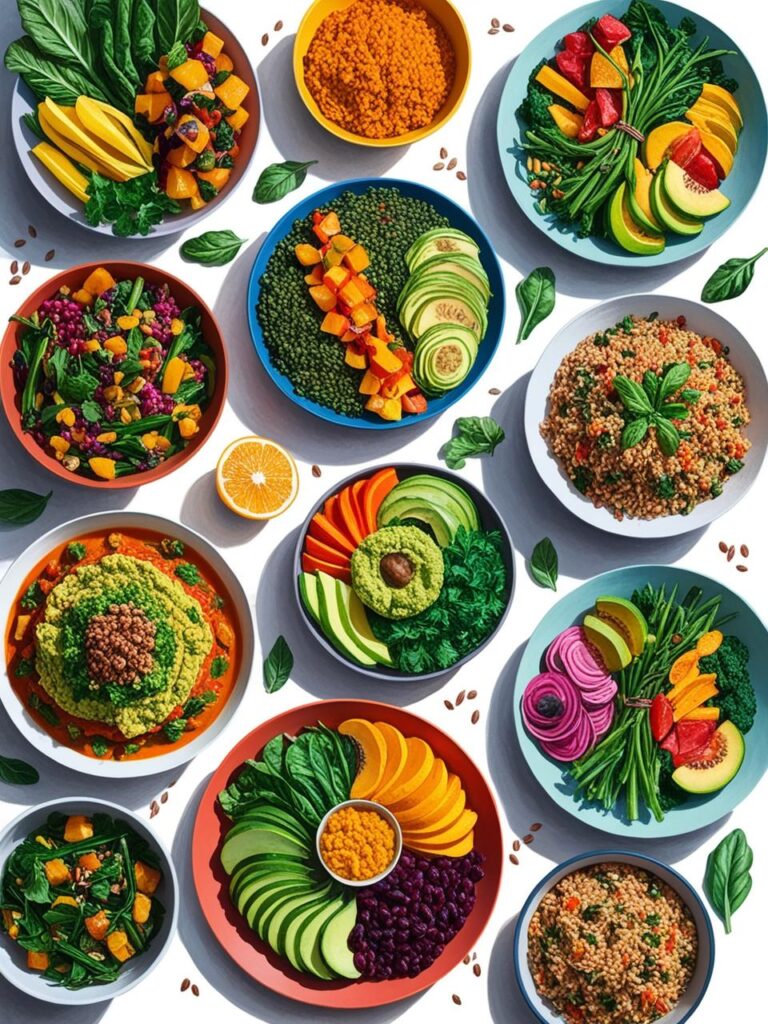
- Eat the rainbow: Different colors mean different nutrients. Orange foods have beta-carotene, dark greens have iron and calcium, red foods have lycopene. Variety is your friend.
- Don’t skip the fat: Those fat-soluble vitamins (A, D, E, K) need some dietary fat to be absorbed. Add nuts, seeds, or avocado to your meals.
- Cook smart: Some nutrients increase with cooking (like lycopene in tomatoes), while others decrease (like vitamin C). Eat a mix of raw and cooked foods.
- Pair strategically: Vitamin C helps iron absorption, so squeeze lemon on your beans or eat berries with your oatmeal.
- Consider fortified foods: Fortified plant milks, nutritional yeast, and cereals can help fill gaps, especially for B12 and vitamin D.
- Get some sun: Spend 10-30 minutes in midday sun a few times per week for vitamin D (without burning).
Signs You Might Be Low on Micronutrients
Your body gives you signals when something’s off:
Constant fatigue could mean low iron or B12.
Frequent infections might suggest low zinc or vitamin C.
Muscle cramps can indicate low magnesium or potassium.
Brittle nails might mean you need more iron or calcium.
I’m not saying to diagnose yourself—please talk to a healthcare provider if something feels wrong.
But paying attention to these signals can help you advocate for yourself and get the right tests done.
FAQs About Micronutrients
Q: Do I need to take supplements if I eat a plant-based whole foods approach?
Most people can get almost all their micronutrients from whole plant foods.
The exceptions are vitamin B12 (which everyone should supplement or get from fortified foods) and potentially vitamin D depending on where you live and how much sun exposure you get.
Iron, zinc, and omega-3s might need attention for some people, but many do fine with food sources alone. Getting bloodwork done helps you know where you actually stand rather than guessing.
Q: Can you get too much of certain vitamins and minerals?
Yes, but it’s rare from food alone.
Fat-soluble vitamins (A, D, E, K) can accumulate in your body and reach toxic levels if you take high-dose supplements. Some minerals like iron can be harmful in excess too.
This is why the “more is better” approach with supplements can backfire. Food sources come with built-in balance—your body knows what to do with nutrients in their natural form.
Q: How long does it take to correct a micronutrient deficiency?
It depends on the nutrient and how deficient you are.
Iron levels can take several months to rebuild. B12 might take weeks to months. Some things like vitamin C correct pretty quickly since your body uses it immediately.
Consistent intake matters more than quick fixes. I’ve learned that patience and steady habits beat trying to overdose on kale for a week.
📖 Good Reads: How Not to Die, The China Study and Plant-Based Nutrition

In Essence: The Choice Is Easy
Understanding micronutrients transformed how I think about food. Instead of obsessing over what to avoid or restrict, I focus on what I can add—more colors, more variety, more plants.
It’s such a relief to approach eating from a place of abundance rather than fear.
You don’t need to memorize every vitamin and mineral or stress about hitting exact numbers every day. Just focus on eating a wide variety of whole plant foods in their natural forms.
Your body is incredibly smart—give it good raw materials and it knows what to do.
The choice to eat more plants becomes obvious when you see how perfectly they’re designed to nourish us. These tiny nutrients are doing massive work inside you right now, keeping you alive and thriving.
Take care of them, and they’ll take care of you.
⭐ What’s one plant food you started eating more of once you learned about its nutritional benefits? I’d love to hear how understanding the “why” behind nutrition has changed your choices!