This post may contain affiliate links. If you purchase through these links, I may earn a small commission at no extra cost to you. This helps keep Pine+Mango running. Thank you for your support! Read our full disclosure here.
Here’s something most people don’t realize: it’s not just about what you eat. It’s about whether your body can actually use what you eat.
You could be loading up on leafy greens, colorful veggies, and whole grains, but if your body can’t absorb those nutrients properly, you’re missing out on all that goodness.
Let’s talk about how to make every bite count.
Subscribe to Our Nourished Newsletter
Get free weekly guidance for your plant-based journey, straight to your inbox.
- Understanding How Your Body Absorbs Nutrients
- Start With Your First Bite: Chew Your Food
- The Magic of Food Pairing
- Timing Matters More Than You Think
- Gut Health is Everything
- Food Preparation Techniques That Boost Absorption
- What Blocks Absorption (And How to Work Around It)
- Listen to Your Body's Signals
- Stress and Sleep Impact Absorption Too
- Supplements: When and How to Use Them
- FAQs About Nutrient Absorption
- In Essence: Optimize Your Nutrients
- Subscribe to Our Nourished Newsletter
Understanding How Your Body Absorbs Nutrients
Your digestive system is pretty incredible when you think about it.
From the moment food hits your mouth, your body starts breaking it down into tiny pieces that can slip through your intestinal walls and into your bloodstream.
But here’s the thing: not all nutrients are created equal when it comes to absorption. Some glide right through, while others need a little help from their friends.
Think of it like a VIP club — some nutrients have an all-access pass, while others need the right connections to get in.
The nutrients from plant foods are packaged in ways that sometimes make them harder to access. That doesn’t mean they’re not worth eating (they absolutely are!).
It just means we need to be a bit strategic about how we prepare and combine them.
Start With Your First Bite: Chew Your Food

This sounds almost too simple to matter, but chewing is where digestion actually begins. And most of us rush right through it.
When you chew thoroughly, you’re doing way more than just breaking food into smaller pieces.
Your saliva contains enzymes that start breaking down carbohydrates right in your mouth. You’re also signaling to your stomach that food is coming, so it starts producing digestive juices.
Here’s what I noticed when I started actually paying attention to chewing: I felt fuller on less food, my digestion improved (way less bloating), and I actually tasted my meals for the first time in forever.
Aim for 20-30 chews per bite. Yeah, I know that sounds like a lot. But try it with your next meal. You’ll be shocked at how quickly you usually swallow.
The more you break down food in your mouth, the easier it is for your stomach and intestines to do their jobs.
Plus, eating slower gives your body time to register fullness, which means you naturally stop eating when you’ve had enough.
I used to inhale my meals standing at the counter. Now I sit down, put my phone away, and actually chew. It’s honestly been one of the biggest game-changers for how I feel after eating.
The Magic of Food Pairing
This is where things get fun. Certain foods are like best friends — they just work better together.
Fat and Fat-Soluble Vitamins
Vitamins A, D, E, and K need fat to hitch a ride into your body. Without it, they basically slide right through without stopping.
That’s why adding avocado to your salad isn’t just about taste. It’s literally helping your body grab onto those nutrients.
I used to eat plain steamed broccoli thinking I was being “good.” Turns out, adding a little tahini or a handful of nuts would’ve helped me actually absorb all that vitamin K.
Who knew?
Vitamin C Boosts Iron Absorption
Here’s a game-changer: vitamin C can increase iron absorption from plant foods by up to four times. That’s huge, especially if you’re relying on plants for your iron needs.
Try these combos:
- Squeeze lemon juice over your spinach sauté
- Toss strawberries into your oatmeal (which has iron)
- Pair black beans with bell peppers or tomatoes
It’s that simple. And honestly? These combinations taste amazing anyway.
The Fermentation Factor
Fermented foods like sauerkraut, kimchi, and miso do something pretty cool.
They break down compounds that can block nutrient absorption and they deliver beneficial bacteria that help your gut do its job better.
Plus, they add this tangy punch to meals that makes everything more interesting. I started adding kimchi to my grain bowls, and not only do they taste better, but I feel better too.
Timing Matters More Than You Think
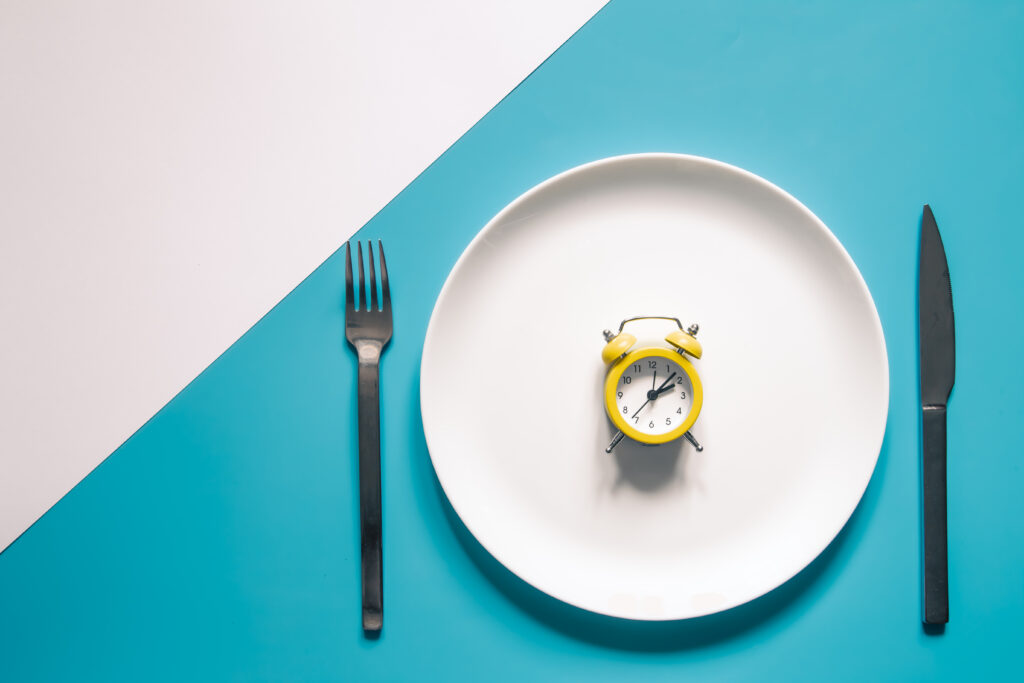
Your body has rhythms. It’s not a machine that processes food the same way 24/7.
1. Spacing Out Certain Nutrients
Calcium and iron compete for absorption. If you’re drinking a calcium-fortified plant milk with your iron-rich breakfast, you might want to rethink that timing.
Have your calcium-rich foods a couple hours before or after iron-rich meals.
Same goes for coffee and tea. I love my morning tea, but I learned to wait at least an hour after eating iron-rich foods because the tannins can interfere with absorption.
It was a small shift that made a noticeable difference.
2. Eating at Regular Intervals
Your digestive system works best with consistency. When you eat at roughly the same times each day, your body starts preparing digestive enzymes before food even arrives.
It’s like your gut sets an internal alarm clock.
I’m not saying you need to be rigid about it. Just that finding a loose rhythm helps your body get into a groove.
3. Give Yourself Time to Actually Eat
When you’re rushing through meals, your body stays in stress mode. Digestion gets pushed to the back burner.
Set aside at least 20 minutes for meals when possible.
Your body needs time to shift into “rest and digest” mode where absorption actually happens efficiently.
Build Your Plant-Based Blueprint for FREE Today!
Gut Health is Everything
Real talk: if your gut isn’t healthy, nothing else matters much. Your gut is where absorption happens, so keeping it in good shape is priority number one.
Fiber Feeds Your Gut Bacteria
Those beneficial bacteria in your gut? They need food too, and fiber is their favorite meal.
When your gut bacteria are happy and thriving, they help break down food and produce compounds that improve nutrient absorption.
Aim for a variety of plant foods. Different fibers feed different bacteria, and diversity is key. Beans, whole grains, fruits, vegetables — mix it up.
Probiotics and Prebiotics Work Together
Probiotics are the good bacteria themselves (found in fermented foods). Prebiotics are the food that feeds them (found in things like onions, garlic, bananas, and asparagus).
You need both. Think of it as adopting pets (probiotics) and then actually feeding them (prebiotics).
Both steps matter.
Stay Hydrated
Water helps move everything through your digestive system and helps nutrients dissolve so they can be absorbed.
When you’re dehydrated, your body struggles to break down food properly.
I keep a water bottle with me all day. Not because I’m super disciplined, but because I genuinely feel the difference when I don’t drink enough.
Food Preparation Techniques That Boost Absorption

How you prepare your food changes what your body can get from it.
Cooking Breaks Down Cell Walls
Lightly cooking vegetables makes certain nutrients more available.
Tomatoes are a perfect example — cooking them increases the availability of lycopene, a powerful antioxidant.
Carrots, spinach, and mushrooms also become more nutritious when cooked. Not everything needs to be raw to be healthy.
Soaking and Sprouting Grains and Legumes
This step reduces compounds called phytates that can bind to minerals and prevent absorption.
Soak your beans and grains for at least a few hours (or overnight). Sprouting takes it even further.
Yes, it requires a bit of planning. But once it becomes habit, it’s just part of the routine. I soak beans while I’m making dinner for the next day.
Chopping and Crushing
When you chop garlic or crush flaxseeds, you break open cells and release nutrients.
Whole flaxseeds pass right through your system without giving up their omega-3s. Ground flaxseeds? Your body can actually use them.
Same with garlic — chopping it and letting it sit for about 10 minutes before cooking activates beneficial compounds.
What Blocks Absorption (And How to Work Around It)

Some foods and habits can actually interfere with nutrient absorption. Knowing about them helps you make smarter choices.
Phytates and Oxalates
These compounds are found in many plant foods and can bind to minerals like iron, zinc, and calcium.
But here’s the thing: you don’t need to avoid these foods. They’re still incredibly nutritious.
Just use the preparation methods I mentioned — soaking, sprouting, fermenting, cooking. These reduce phytates and oxalates significantly.
Tannins in Tea and Coffee
I mentioned this earlier, but it’s worth repeating.
Drink your tea or coffee between meals rather than with them, especially if you’re working on getting enough iron.
Too Much Fiber Too Fast
Fiber is amazing, but if you suddenly go from eating very little to eating tons, your digestive system might struggle.
It can actually interfere with absorption temporarily while your gut adjusts.
Add fiber gradually. Give your body time to adapt.
Eating Too Fast
I’m guilty of this one. When you wolf down your food, you’re swallowing large chunks that your stomach has to work overtime to break down.
This not only creates digestive discomfort, but it means your body can’t access all the nutrients locked inside those big pieces.
Slow down. Put your fork down between bites. Talk to someone. Just give your body a fighting chance.
Listen to Your Body’s Signals

Your body is constantly giving you feedback. Bloating, gas, fatigue after meals, skin issues — these can all be clues that something isn’t working right with digestion and absorption.
I used to ignore these signals, thinking they were just normal. They’re not.
When you start paying attention and making adjustments, you learn what works for your unique body.
Maybe raw cruciferous vegetables don’t sit well with you, but cooked ones are fine. Maybe you need more time between meals. Or maybe certain food combinations leave you feeling energized while others make you sluggish.
There’s no one-size-fits-all here. You get to be the expert on your own body.
Stress and Sleep Impact Absorption Too

This part surprised me when I first learned it.
But when you’re stressed, your body goes into fight-or-flight mode. Digestion basically takes a back seat.
Your body figures that if you’re running from a tiger (even a metaphorical one), absorbing nutrients from your lunch isn’t the priority. Blood flow gets redirected away from your digestive system.
Same with poor sleep. Your body needs rest to repair and maintain your digestive system. When you’re sleep-deprived, everything works less efficiently.
Take a few deep breaths before eating. Sit down for meals when you can. Create little moments of calm.
It sounds simple, but it genuinely helps.
Supplements: When and How to Use Them
Sometimes you need a boost beyond food. That’s okay. But how you take supplements matters just as much as which ones you take.
Take B12 separately from other supplements for best absorption. Take iron with vitamin C and away from calcium. Fat-soluble vitamins need fat.
And here’s something important: more isn’t always better. Your body can only absorb so much at once. Megadoses often just create expensive pee.
Work with a healthcare provider to figure out what you actually need.
Get tested. Don’t just guess.
FAQs About Nutrient Absorption
Q: How long does it take to see improvements in nutrient absorption?
Most people notice changes within a few weeks of implementing these strategies.
Your energy might pick up first, then you’ll notice other shifts like clearer skin or better digestion. Your body needs time to adjust and heal, so give it at least a month before expecting major changes.
Some improvements happen quickly, while others unfold over several months.
Q: Can I absorb all the nutrients I need from plants alone?
Absolutely, with two exceptions: vitamin B12 and possibly vitamin D depending on sun exposure. B12 must be supplemented or consumed through fortified foods because it’s not reliably available in plant foods.
Everything else? Totally doable with smart food choices and proper preparation.
Focus on variety, use the pairing strategies mentioned, and your body will get what it needs.
Q: Does chewing more really make that much difference?
Yes, and the research backs this up. Chewing breaks down food into smaller particles, which increases the surface area available for digestive enzymes to work on.
Studies show that people who chew more thoroughly absorb more nutrients and feel satisfied with smaller portions. Your saliva also contains enzymes that begin breaking down carbohydrates immediately.
It’s one of the easiest changes to make with some of the biggest payoffs.
📖 Good Reads: How Not to Die, The China Study and Plant-Based Nutrition

In Essence: Optimize Your Nutrients
Making your body better at absorbing nutrients isn’t about perfection or following complicated rules. It’s about small, consistent practices that add up over time.
Chew your food thoroughly. Pair foods strategically. Time certain nutrients apart. Take care of your gut. Prepare foods in ways that make nutrients more available.
Pay attention to what your body tells you.
You don’t have to implement everything at once. Pick one or two strategies that feel doable right now. Maybe start slowing down and chewing more mindfully, or maybe you’ll begin pairing vitamin C with iron-rich foods.
Whatever feels right for where you are.
Your body wants to absorb nutrients. It’s designed to do this. You’re just giving it a little help to do its job better. And when you do? You’ll feel the difference in your energy, your mood, your skin, your sleep — in everything.
This is how you make every bite count.
⭐ What’s one food pairing or preparation tip you’re excited to try first? Drop a comment and let’s learn from each other!