This post may contain affiliate links. If you purchase through these links, I may earn a small commission at no extra cost to you. This helps keep Pine+Mango running. Thank you for your support! Read our full disclosure here.
Ever wonder why you feel kind of “meh” after meals, even when you’re eating what you think are healthy foods? Or why your digestion feels like it’s working against you instead of with you?
Here’s something most people don’t realize: your gut is basically the control center for your whole body.
And fiber? It’s the missing piece that makes everything work better. I’m talking better digestion, more energy, clearer skin, and even a happier mood.
When I first learned how fiber actually works in my body, everything changed. No more bloating after lunch, no more afternoon crashes, and honestly, I just felt good in a way I hadn’t in years.
The beautiful thing about fiber is that it’s so simple. You don’t need expensive supplements or complicated meal plans. You just need to understand what fiber does and which foods to eat more of.
Let me walk you through this in a way that actually makes sense.
Subscribe to Our Nourished Newsletter
Get free weekly guidance for your plant-based journey, straight to your inbox.
- What Fiber Actually Does in Your Body
- Your Gut Microbiome Runs on Fiber
- Why Most People Don't Get Enough Fiber
- How Fiber Changes Everything
- The Best Fiber-Rich Foods to Add Now
- Making the Transition Without the Bloat
- What Happens When You Prioritize Fiber for Gut Health
- Simple Ways to Add More Fiber Today
- FAQs About Fiber for Gut Health
- In Essence: Support Your Gut With Plants
- Subscribe to Our Nourished Newsletter
What Fiber Actually Does in Your Body

Okay, so fiber is this amazing thing that only comes from plants. Your body can’t break it down like other foods, and that’s actually the whole point.
Think of fiber as a broom that sweeps through your digestive system.
It keeps things moving, feeds the good bacteria living in your gut, and helps remove waste that would otherwise just sit there making you feel gross.
There are two types of fiber, and they both matter:
- Soluble fiber dissolves in water and turns into a gel-like substance. This is the stuff that helps lower cholesterol, steadies your blood sugar, and keeps you feeling full. You’ll find it in oats, beans, apples, and citrus fruits.
- Insoluble fiber doesn’t dissolve. It adds bulk to your stool and helps everything move through your digestive tract smoothly. This one prevents constipation and keeps you regular. It’s in whole grains, nuts, seeds, and vegetables like carrots and celery.
Most plant foods contain both types, which is why eating a variety matters so much.
Your Gut Microbiome Runs on Fiber
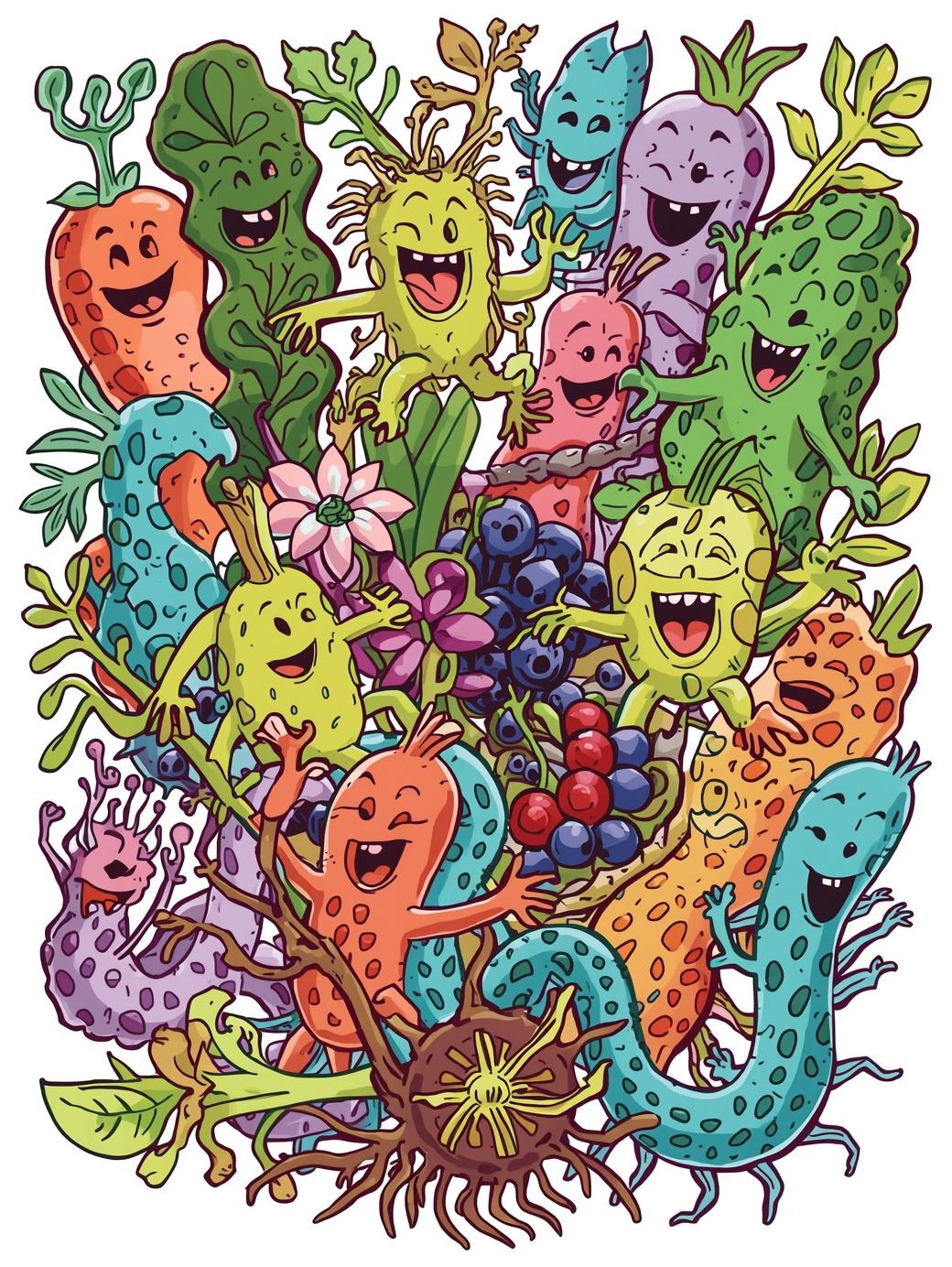
Here’s where things get really interesting. Your gut contains trillions of bacteria, and before you say “ew,” these bacteria are actually your best friends.
They help digest food, create vitamins, fight off harmful bacteria, and even influence your mood and immune system.
But here’s the catch: these good bacteria need food to survive. And their favorite food? Fiber.
When you eat fiber-rich plants, you’re literally feeding the beneficial bacteria in your gut. Scientists call this “prebiotic” fiber.
These bacteria break down the fiber and create short-chain fatty acids like butyrate, which heal your gut lining, reduce inflammation, and protect against disease.
Research shows that people who eat more fiber have more diverse gut bacteria, and that diversity is directly linked to better health outcomes. One study found that increasing fiber intake rapidly changes the gut microbiome composition within just a few days.
Without enough fiber, the good bacteria starve. And when they starve, harmful bacteria take over. That’s when you start dealing with inflammation, digestive issues, and a weakened immune system.
Why Most People Don’t Get Enough Fiber
The average person eats about 15 grams of fiber per day. But experts recommend 25-35 grams daily for adults. That’s a pretty big gap!
Why? Because somewhere along the way, we started eating more processed foods and fewer whole plants.
White bread replaced whole grain. Chips replaced vegetables. Processed snacks replaced fruit.
And our guts have been suffering ever since.
When I look back at how I used to eat, I can totally see why I felt so off. Breakfast was cereal (refined), lunch was a sandwich on white bread with maybe a sad piece of lettuce, and dinner was usually meat with a tiny side of vegetables.
My fiber intake was probably around 10 grams a day, if that.
The shift to eating more plants wasn’t about restriction. It was about adding more of the good stuff that my body was literally begging for.
How Fiber Changes Everything
Fiber doesn’t just feed your gut bacteria—it actively heals your digestive tract. Let me break down what’s happening:
1. It reduces inflammation.
Chronic inflammation in the gut leads to all sorts of problems, from irritable bowel syndrome to leaky gut. The fiber and phytonutrients in plants calm that inflammation down.
Studies show that people eating plant-abundant meals have significantly lower levels of inflammatory markers.
2. It strengthens your gut barrier.
Your intestinal lining is supposed to be selectively permeable—letting nutrients in while keeping toxins out.
But when it gets damaged (from processed foods, stress, medications), bad stuff leaks through.
Fiber helps repair and maintain that barrier.
3. It speeds up transit time.
Food should move through your digestive system in about 24-72 hours.
Fiber keeps everything moving at the right pace.
4. It balances your pH levels.
When gut bacteria ferment fiber, they create those short-chain fatty acids I mentioned earlier.
These acids help maintain the slightly acidic environment your colon needs to stay healthy.
The Best Fiber-Rich Foods to Add Now

You don’t need to overhaul everything overnight. Start by adding more of these foods to what you’re already eating:
Beans and legumes
These are fiber powerhouses. One cup of black beans has 15 grams of fiber—that’s half your daily goal right there! Lentils, chickpeas, and split peas are all fantastic options.
If they make you gassy at first, start small and increase gradually. Your gut will adjust.
Whole grains
Oats, quinoa, brown rice, and whole wheat provide both types of fiber.
I switched from instant oatmeal to steel-cut oats, and the difference in how I felt was huge. More sustained energy, no mid-morning crash.
Vegetables
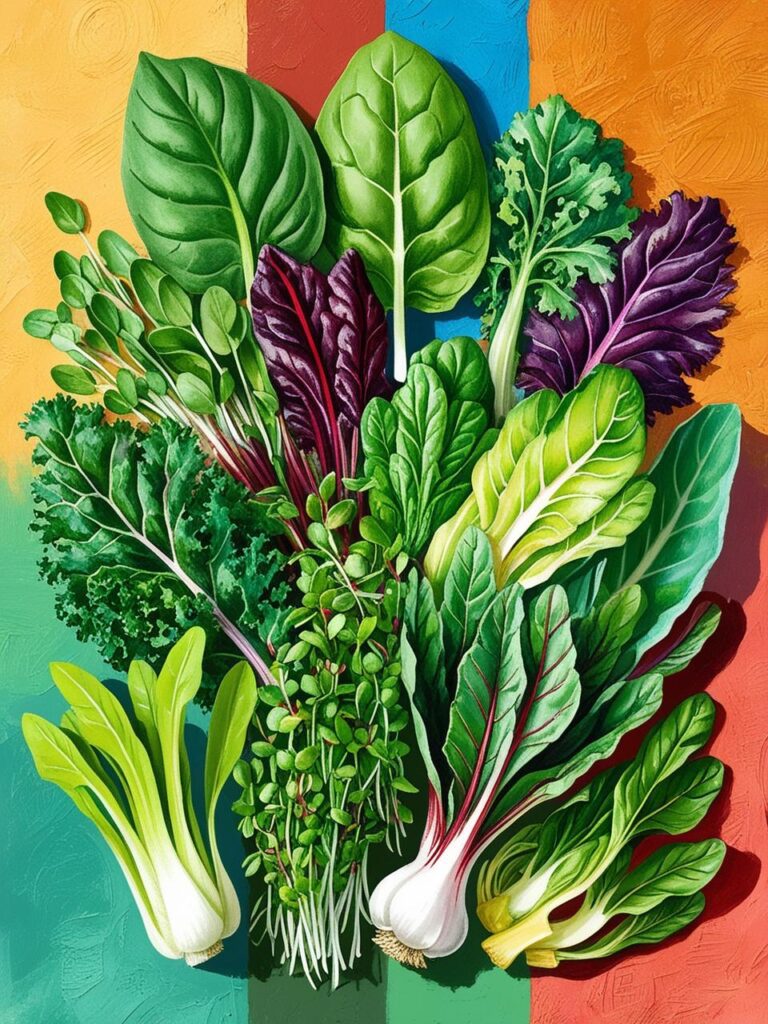
Especially the ones people often skip. Brussels sprouts, broccoli, artichokes, and leafy greens are loaded with fiber.
Even simple additions help. Throw spinach in your smoothie, add bell peppers to your lunch, roast some cauliflower for dinner.
Fruits
Fiber + natural sweetness. Berries, apples (with the skin!), pears, and oranges are all great choices.
I keep frozen berries on hand because they’re cheap, ready to use, and last for a long time.
Nuts and seeds
Fiber + healthy fats. Chia seeds have 10 grams of fiber per ounce!
Flaxseeds, almonds, and pumpkin seeds are all excellent additions to meals or snacks.
Making the Transition Without the Bloat

Let’s be real: if you suddenly jump from 10 grams of fiber to 35 grams, you’re probably going to feel uncomfortable. Bloating, gas, cramping—not fun.
Here’s what actually works:
- Increase slowly. Add one high-fiber food per day for a week. Then add another. Give your gut bacteria time to adapt and multiply.
- Drink more water. Fiber needs water to do its job. Without enough hydration, fiber can actually make constipation worse. Aim for at least 8 glasses daily, more if you’re active.
- Chew thoroughly. Digestion starts in your mouth. The more you break down food while chewing, the easier it is on your stomach and intestines.
- Try cooked vegetables first if raw ones bother you. Cooking breaks down some of the fiber structure, making it gentler on your system. As your gut heals, you’ll likely handle raw vegetables better.
I remember feeling so bloated when I first increased my fiber intake. I almost gave up! But then I slowed down, drank more water, and within two weeks, my body adjusted.
Now I eat 35+ grams of fiber daily with zero issues.
What Happens When You Prioritize Fiber for Gut Health

The changes don’t happen overnight, but when they do happen, they’re noticeable. Here’s what research shows, and what I’ve experienced personally:
- Your bathroom habits improve. Things become regular, easy, and comfortable. No more straining or feeling backed up.
- Your energy levels stabilize. Fiber slows down sugar absorption, preventing blood sugar spikes and crashes. You stop needing that 3 PM coffee just to function.
- You feel fuller longer. Fiber expands in your stomach and takes longer to digest. This means you’re not constantly thinking about your next meal.
- Your cholesterol may drop. Soluble fiber binds to cholesterol in your digestive system and helps remove it from your body. Some studies show reductions of 5-10% in LDL cholesterol.
- Your immune system gets stronger. Since about 70% of your immune system lives in your gut, healing your gut means better overall immunity.
- You might lose excess weight. This isn’t about restriction—it’s about nourishment. When your gut is healthy and you’re eating satisfying, fiber-rich foods, your body naturally finds its healthy weight.
Simple Ways to Add More Fiber Today
Don’t overthink this. Small changes add up fast:
#1: Start your day with oatmeal…
…topped with berries and ground flaxseed. That’s easily 10-12 grams of fiber before you even leave the house.
#2: Keep canned beans in your pantry.
Rinse them, add them to salads, soups, or grain bowls. Instant fiber boost.
#3: Snack on fruit instead of crackers.
An apple with almond butter gives you fiber, healthy fats, and natural sweetness.
#4: Replace half the meat in recipes with beans or lentils.
Tacos, pasta sauce, casseroles—they all work beautifully with this swap.
#5: Choose brown rice over white,
…whole grain bread over white, and whole wheat pasta over regular. These swaps add up to several extra grams per day.
#6: Add vegetables to everything.
Smoothies, sandwiches, pasta, stir-fries. You’d be surprised how many places vegetables can sneak in.
FAQs About Fiber for Gut Health
Q: How long does it take to see results from eating more fiber?
Most people notice changes within a week or two. Your digestion might improve first—more regular bathroom habits, less bloating.
Energy and mood improvements often follow within 2-4 weeks. Remember, your gut bacteria need time to multiply and adjust to their new fuel source.
Be patient with your body and consistent with adding fiber-rich plants.
Q: Can you eat too much fiber?
Yes, but it’s actually pretty hard to do if you’re getting fiber from whole foods rather than supplements.
Eating more than 70 grams daily might cause digestive discomfort, interfere with mineral absorption, or lead to intestinal blockage if you’re not drinking enough water.
Stick to 25-40 grams from varied plant sources, and you’ll be in the sweet spot.
Your body will tell you if it’s too much.
Q: Why do beans make me gassy, and will it get better?
Beans contain complex sugars called oligosaccharides that humans can’t digest, but gut bacteria can. When bacteria break them down, they produce gas.
The good news? Your body absolutely adapts. Start with smaller portions, rinse canned beans thoroughly (this removes some of those sugars), and increase gradually over 2-3 weeks.
Your gut bacteria will multiply and become more efficient at processing beans. Adding spices like cumin or fennel can also help reduce gas.
📖 Good Reads: How Not to Die, The China Study and Plant-Based Nutrition
In Essence: Support Your Gut With Plants
Your gut health affects everything—your energy, your mood, your immune system, and how you feel in your body every single day.
And the simplest way to support it? Eat more plants with plenty of fiber.
Fiber for gut health isn’t complicated or fancy. It’s just about adding more whole plant foods to your meals and letting your body do what it’s designed to do.
You don’t need to be perfect or follow strict rules. Just keep adding beans, whole grains, vegetables, fruits, nuts, and seeds to your plate.
Start where you are. Add one high-fiber food today. Then another tomorrow. Give your body time to adjust, drink plenty of water, and pay attention to how you feel.
The changes might be subtle at first, but they’ll build into something you can’t ignore.
Your gut is literally waiting to heal. Give it the fiber it needs, and watch what happens.
⭐ What’s your favorite high-fiber food that you’ve added to your meals, and how has it changed the way you feel? Share in the comments below!