This post may contain affiliate links. If you purchase through these links, I may earn a small commission at no extra cost to you. This helps keep Pine+Mango running. Thank you for your support! Read our full disclosure here.
Ever open your kitchen cabinet and wonder why you’re storing thirty different bottles of supplements you’re not even sure you need?
I’ve been there. Spent way too much money on pills that promised everything from glowing skin to superhuman energy.
The supplement industry is a billion-dollar machine, and they’re really good at making you feel like you’re missing out if you don’t buy their latest product.
But here’s what I learned after years of falling for the hype: when you’re eating plenty of plant foods, your body gets most of what it needs from actual food.
Shocking, right?
The truth is, you don’t need a pharmacy in your pantry. You need maybe two or three essential plant-based supplements, max. Everything else? That’s just marketing noise trying to convince you that whole foods aren’t enough.
Let me save you the money, the confusion, and the cabinet space by breaking down exactly which supplements actually matter when you’re eating more plants.
Subscribe to Our Nourished Newsletter
Get free weekly guidance for your plant-based journey, straight to your inbox.
- The Real Deal: Which Supplements You Actually Need
- What You DON'T Need (Despite What Social Media Tells You)
- How to Choose Quality Supplements
- The Bottom Line on What Your Body Actually Needs
- FAQs About Essential Plant-Based Supplements
- In Essence: Supplements Made Easy
- Subscribe to Our Nourished Newsletter
The Real Deal: Which Supplements You Actually Need
Here’s the thing that nobody wants to tell you because it doesn’t sell products: a well-planned approach to eating more plant foods covers almost all your nutritional bases.
Almost.
The keyword here is “almost.” There are a couple of nutrients that are genuinely hard to get from plants alone, and pretending otherwise isn’t helpful. But the list is short.
Really short.
1. Vitamin B12: The Non-Negotiable One
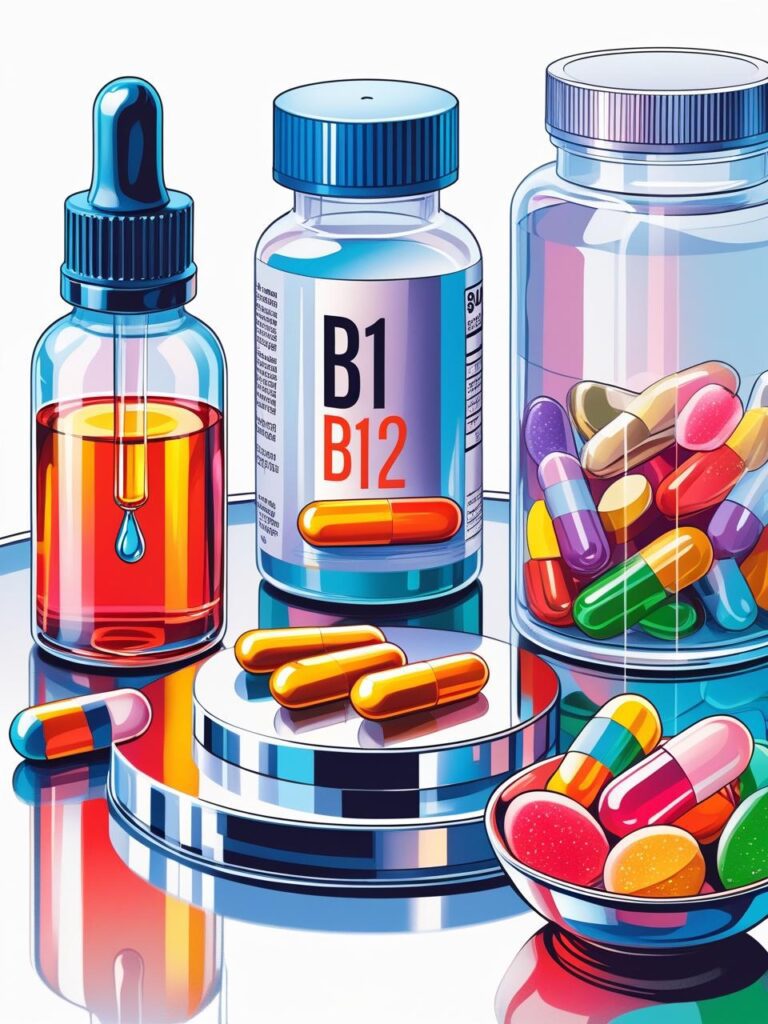
B12 is the big one, and there’s no way around it. This vitamin doesn’t come from plants or animals — it comes from bacteria in soil and water. Our ancestors got it from eating unwashed vegetables and drinking from streams.
These days? Our food is too clean, which is mostly great for not getting sick, but not so great for B12.
Animals get B12 from eating foods contaminated with these bacteria or from supplements added to their feed. So even if you’re not eating exclusively plants, you might still be low on B12 because the animals you’re eating were supplemented too.
Everyone’s supplementing somewhere down the line.
What you need to know:
- Take a B12 supplement regularly (either cyanocobalamin or methylcobalamin forms work)
- You need about 250 mcg daily or 2,500 mcg weekly
- B12 deficiency sneaks up slowly but can cause serious nerve damage, so don’t skip this one
I take mine every morning before breakfast. It’s a habit that I don’t even think about it anymore, like brushing my teeth.
2. Vitamin D3: The Sunshine Vitamin
Unless you’re spending significant time in direct sunlight every single day (and most of us aren’t), you probably need vitamin D. This one isn’t specific to eating plants — it’s an issue for pretty much everyone living in modern indoor-focused societies.
Your body makes vitamin D when your skin is exposed to UVB rays from the sun. But if you live far from the equator, wear sunscreen (which you should), or spend most of your day inside, you’re probably not getting enough.
Here’s what matters:
- Look for vitamin D3 (cholecalciferol) derived from lichen if you want a plant source
- Most people need 1,000-2,000 IU daily, but some need more
- Consider getting your levels tested to know where you stand
I learned this the hard way after feeling exhausted for months and finally getting blood work done. My vitamin D was in the basement. Once I started supplementing, the difference was night and day.
3. Omega-3 Fatty Acids: The Maybe Supplement
This one’s a little more nuanced. You can get omega-3s from plant sources like flaxseeds, chia seeds, hemp seeds, and walnuts.
These contain ALA (alpha-linolenic acid), which your body can convert to EPA and DHA — the forms your brain and heart really want.
But here’s the catch: that conversion isn’t super efficient. Your body converts maybe 5-10% of ALA into EPA and DHA. For some people, that’s enough. For others, not so much.
Consider an algae-based omega-3 supplement if:
- You’re pregnant or nursing
- You have a family history of heart disease
- You’re not eating omega-3-rich plant foods daily
- You want extra insurance for brain health
The good news? Algae supplements give you EPA and DHA directly (the same way fish get it — from eating algae). Skip the middleman.
Build Your Plant-Based Blueprint for FREE Today!
What You DON’T Need (Despite What Social Media Tells You)
Let me save you some money right now.
- Protein powders: Unless you’re a serious athlete with specific training needs, you’re getting plenty of protein from beans, lentils, whole grains, nuts, and seeds. The protein deficiency myth is just that — a myth.
- Multivitamins: Most of these are poorly absorbed and just create expensive pee. You’re better off spending that money on colorful vegetables. One exception: if you’re pregnant or planning to become pregnant, a prenatal vitamin makes sense.
- Collagen supplements: Your body makes its own collagen from vitamin C and amino acids. Eat some citrus fruits and beans, and you’re set. Those expensive collagen powders? They’re broken down into amino acids in your gut anyway, so your body can’t tell the difference between collagen and any other protein source.
- Spirulina, chlorella, and other green powders: These are fine if you like them, but they’re not necessary. They’re basically very expensive ways to get nutrients you could get from eating leafy greens and other vegetables. Marketing makes them sound magical, but they’re just food.
- Iron supplements: Most people eating plant foods get plenty of iron from beans, lentils, tofu, quinoa, and dark leafy greens. Your body actually absorbs iron better when you eat it with vitamin C (hello, tomatoes and bell peppers). Only supplement if blood work shows you’re actually deficient.
How to Choose Quality Supplements
Not all supplements are created equal, and the industry isn’t well regulated. Here’s what I look for:
Look for third-party testing certifications like USP, NSF, or ConsumerLab. These verify that what’s on the label is actually in the bottle. Read labels carefully and avoid products with a million extra ingredients you don’t recognize.
Buy from reputable brands, even if they cost a bit more. Your health isn’t the place to bargain hunt for the cheapest option.
Store supplements properly — away from heat, light, and moisture — so they stay effective.
The Bottom Line on What Your Body Actually Needs
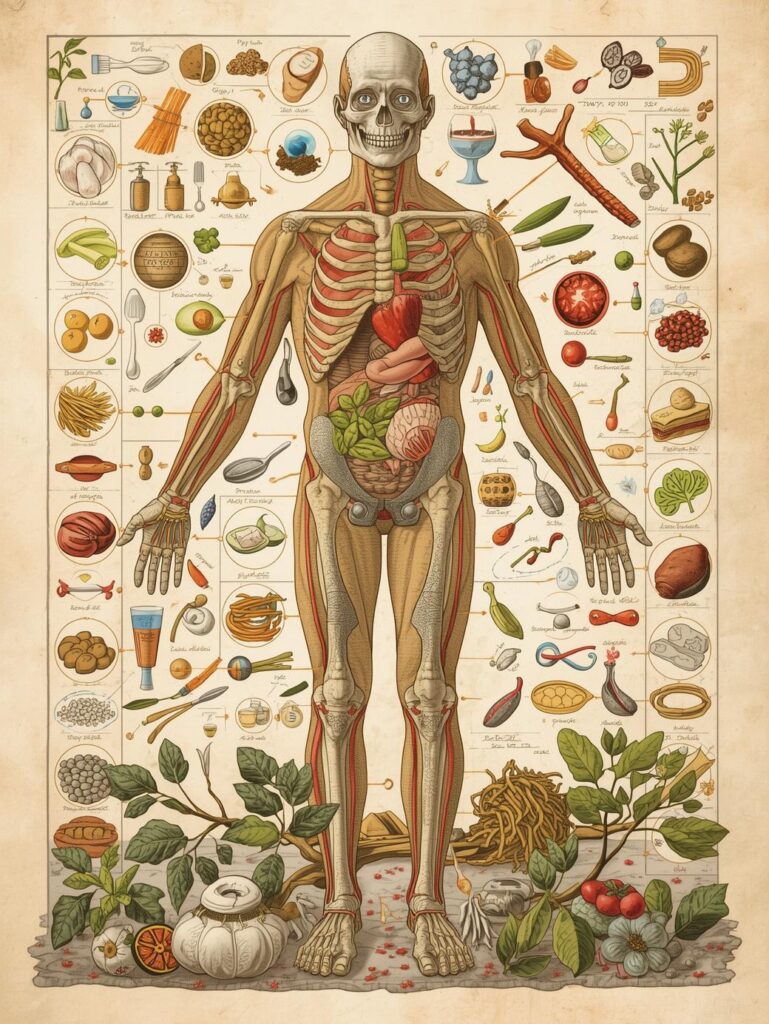
Your body is incredibly efficient at pulling nutrients from real, whole plant foods.
Beans give you iron and zinc. Leafy greens provide calcium and vitamin K. Whole grains offer B vitamins and selenium. Nuts and seeds deliver healthy fats and vitamin E.
The magic happens when you eat a variety of these foods throughout your day and week.
Your body doesn’t need you to stress about hitting exact nutrient targets at every meal. It needs you to consistently nourish it with colorful, whole plant foods.
These essential plant-based supplements are there to fill specific gaps, not to replace food. They’re insurance, not the main event.
FAQs About Essential Plant-Based Supplements
Q: What are the most essential plant-based supplements I need to take?
The two absolute essentials are vitamin B12 and vitamin D3. B12 is critical because it’s not reliably available from plant sources in our modern food system, and deficiency can cause serious nerve damage.
Vitamin D is important for most people regardless of how they eat, since we spend so much time indoors. A third consideration is algae-based omega-3s if you’re not regularly eating flaxseeds, chia seeds, hemp seeds, or walnuts.
Everything else can typically come from food if you’re eating a varied selection of whole plant foods.
Q: How do I know if I need more supplements than just B12 and D?
Get blood work done. Seriously, it’s the only way to know for sure what your body needs. Work with a doctor or registered dietitian who understands plant-based nutrition — not all of them do.
They can test for common deficiencies like iron, vitamin D, B12, and omega-3 levels. Don’t guess based on how you feel or what someone on social media says you need.
Your body’s needs are unique to you, and blood tests give you actual data to work with instead of expensive guesses.
Q: Are plant-based supplements better than regular ones?
Not necessarily. What matters most is whether the supplement is well-absorbed and third-party tested for quality.
For B12, both cyanocobalamin and methylcobalamin work well — the form doesn’t matter much. If you need vitamin D, lichen-derived D3 is a plant source, but regular D3 works just as well.
For omega-3s, algae-based supplements are actually superior to fish oil because they’re more sustainable and don’t come with ocean pollutants. Choose based on quality and what your body needs, not marketing labels.
📖 Good Reads: How Not to Die, The China Study and Plant-Based Nutrition

In Essence: Supplements Made Easy
Listen, I know it feels overwhelming when you’re starting to eat more plant foods and everyone has an opinion about what you should be taking. But it doesn’t have to be complicated.
The truth is beautifully simple: B12 and vitamin D are your essentials. Maybe algae-based omega-3s if you’re not eating seeds and walnuts regularly. That’s it.
Everything else comes from your plate when you’re eating a colorful variety of whole plant foods.
Your body knows what to do with real food. Trust it. Feed it well. And skip the supplement aisle circus unless you actually need something specific.
You don’t need a medicine cabinet full of pills to be healthy. You need good food, some sunshine when you can get it, and those couple of essential plant-based supplements that genuinely matter.
Everything else is just noise designed to separate you from your money.
Take what you need, leave the rest, and spend your energy on cooking delicious meals instead of researching the latest supplement trend. Your body — and your wallet — will thank you.
⭐ What’s your biggest frustration with supplement confusion? Have you found yourself with a cabinet full of bottles you don’t use, or are you still figuring out what you actually need? Share your experience in the comments — let’s help each other cut through the noise!