This post may contain affiliate links. If you purchase through these links, I may earn a small commission at no extra cost to you. This helps keep Pine+Mango running. Thank you for your support! Read our full disclosure here.
Ever feel like your body just doesn’t handle dairy the way it used to?
Maybe it’s the bloating after a bowl of ice cream, the congestion after your morning latte, or that general heavy feeling that settles in after eating cheese.
You’re not imagining it, and you’re definitely not alone.
Millions of people are discovering that their bodies feel better when they limit or remove dairy from their meals.
Here’s the good news: the world of dairy alternatives has exploded in the best possible way. We’re not talking about sad, cardboard-tasting substitutes anymore.
This shift isn’t about deprivation or following some restrictive rules. It’s about finding options that make your body feel amazing while still enjoying the foods you love.

Subscribe to Our Nourished Newsletter
Get free weekly guidance for your plant-based journey, straight to your inbox.
- Why People Are Making the Switch (And Why It Matters)
- Plant Milk: Your Gateway to Dairy-Free Living
- Plant-Based Yogurt: Creamy, Tangy, Perfect
- Plant-Based Cheese: Yes, It Actually Melts Now
- Beyond Milk and Cheese: The Full Dairy Alternative Experience
- How to Actually Make the Switch (Without Losing Your Mind)
- Remember: Whole Foods First, Always
- What Your Body Might Notice
- The Money Question
- FAQs About Dairy Alternatives
- In Essence: You've Got This
- Subscribe to Our Nourished Newsletter
Why People Are Making the Switch (And Why It Matters)
Let me be straight with you. I grew up believing dairy was essential, that I needed it for strong bones, and that giving it up meant sacrificing flavor and satisfaction.
Then I tried removing dairy for just two weeks. Just to see what would happen.
My skin cleared up in a way that no expensive cream ever managed. The afternoon energy crashes disappeared. My digestion became… easy. No more bloating, no more discomfort, just feeling light and energized after meals.
I wasn’t expecting any of this, which made it even more powerful.
About 68% of the world’s population has some degree of lactose malabsorption, which means their bodies struggle to properly digest dairy.
Even if you don’t have a diagnosed intolerance, dairy can trigger inflammation, digestive issues, and skin problems for many people.
But this isn’t just about avoiding discomfort. Plant-based dairy alternatives typically contain less saturated fat, no cholesterol, and come without the hormones and antibiotics often found in conventional dairy products.
Your body doesn’t have to work as hard to process them, which means more energy for you and less stress on your system.
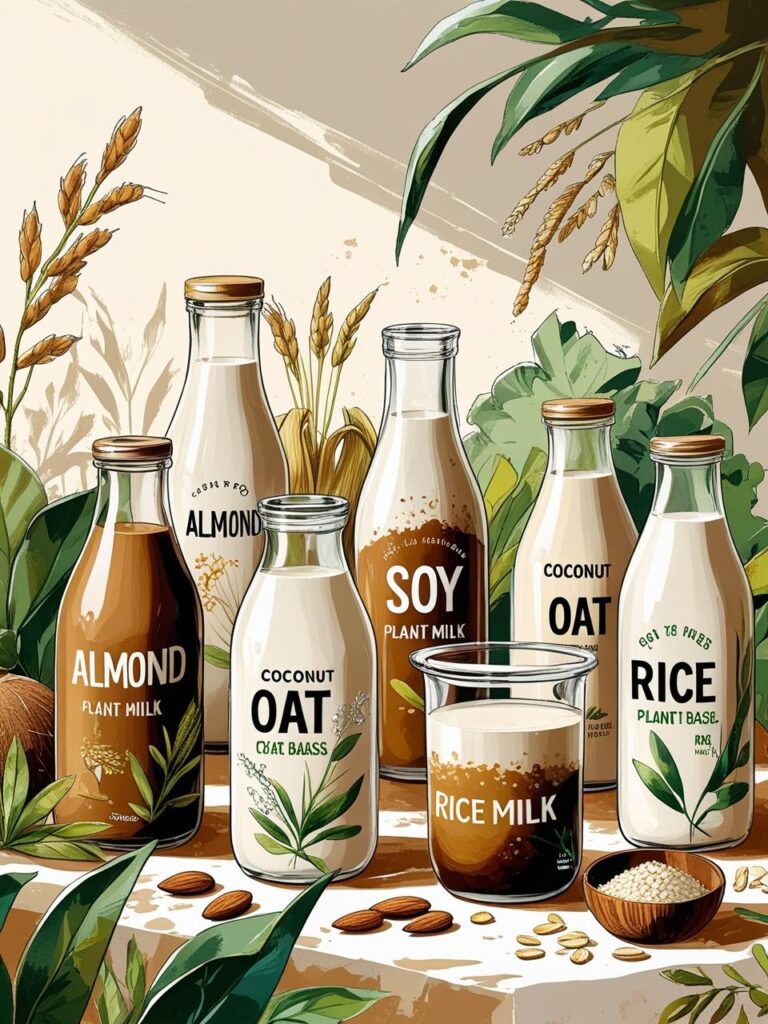
Plant Milk: Your Gateway to Dairy-Free Living
Oat Milk: The Creamy Favorite
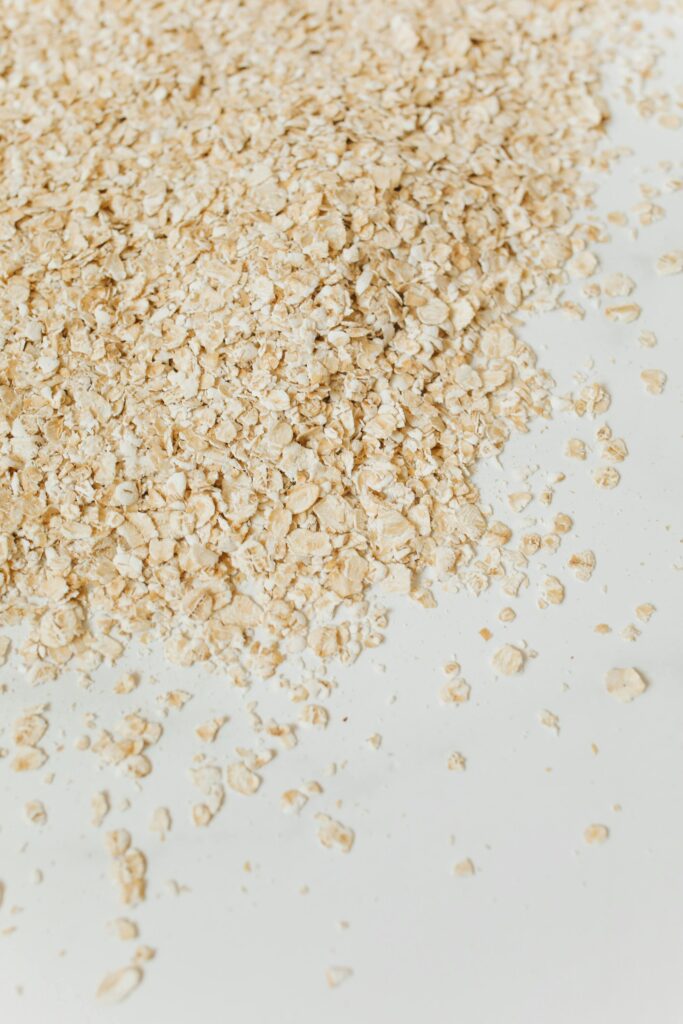
Oat milk changed everything for me. This stuff is naturally sweet, has a thick and creamy texture, and froths like an absolute dream in coffee.
The texture is what gets people every time. It’s substantial enough to feel satisfying but doesn’t leave you with that heavy dairy feeling.
Plus, it’s often more affordable and sustainable than nut-based options.
Best for: Coffee drinks, lattes, hot chocolate, creamy soups, overnight oats
Almond Milk: Light and Versatile
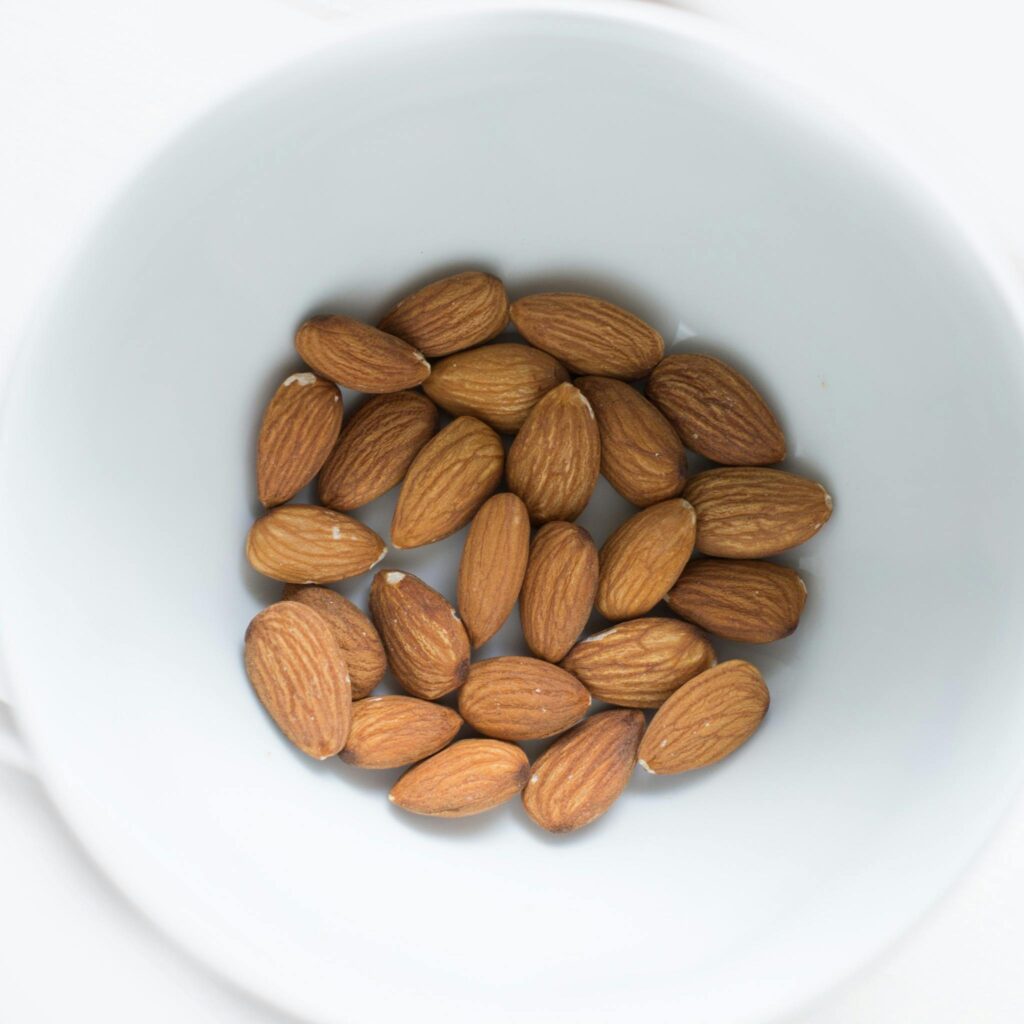
Almond milk is where most people start, and it’s easy to see why. It’s light, slightly nutty, and works in just about everything.
I always keep unsweetened almond milk in my fridge because it’s my reliable go-to for smoothies, oatmeal, and baking.
Best for: Coffee, smoothies, cereal, light cooking, baking
Soy Milk: The Protein Powerhouse
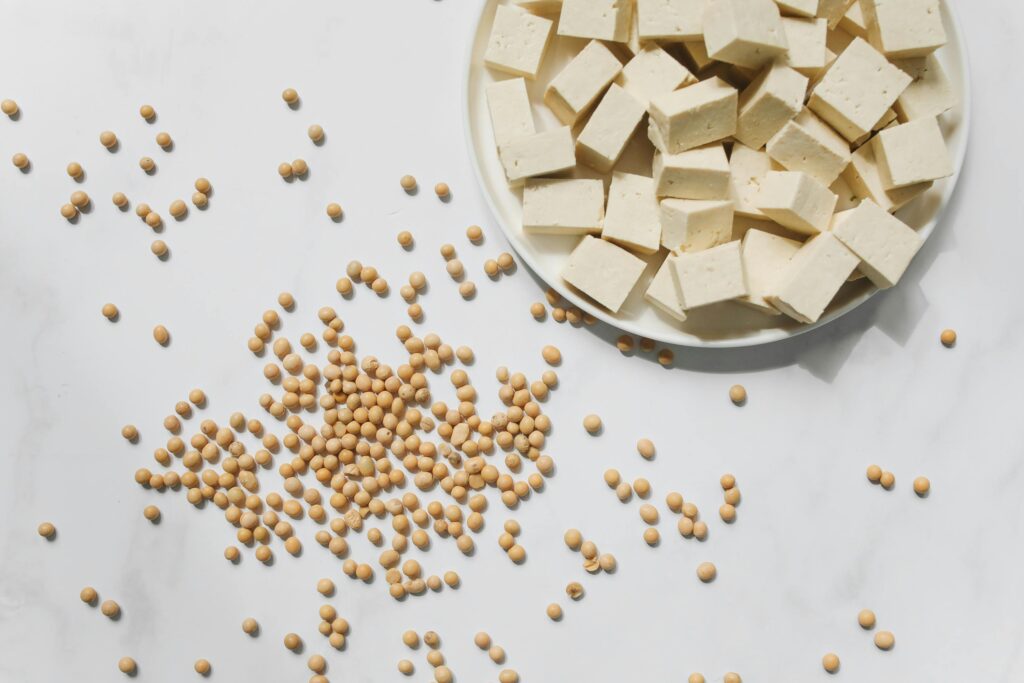
Soy milk deserves more love. It has the most protein of any plant milk – usually around 7-9 grams per cup, which is comparable to dairy milk. That makes it incredible for anyone who needs extra protein but wants to avoid dairy.
It behaves most like dairy milk in recipes, which makes converting your favorite dishes ridiculously easy.
Best for: Baking, cooking, creamy sauces, protein needs
Choose: Organic when possible to avoid GMO concerns.
Coconut Milk: The Rich Indulgence
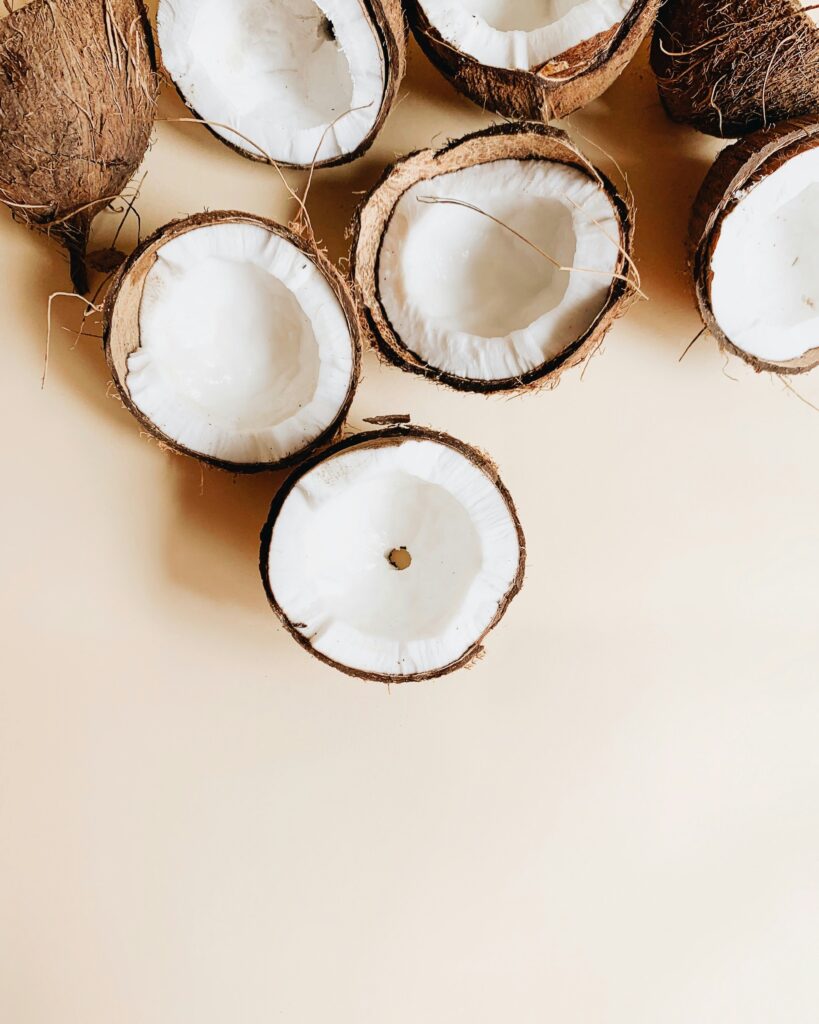
Coconut milk feels like a treat. The refrigerated beverage version brings subtle tropical vibes and a richness that makes everything feel more special.
Canned coconut milk is a different product entirely – much thicker and fattier, perfect for curries and sauces. The beverage version is lighter and works beautifully in iced drinks and smoothies.
Best for: Smoothie bowls, tropical recipes, iced coffee, Thai and Indian cooking
Consider: The coconut flavor is noticeable, so it won’t work for every recipe.
Other Options Worth Knowing
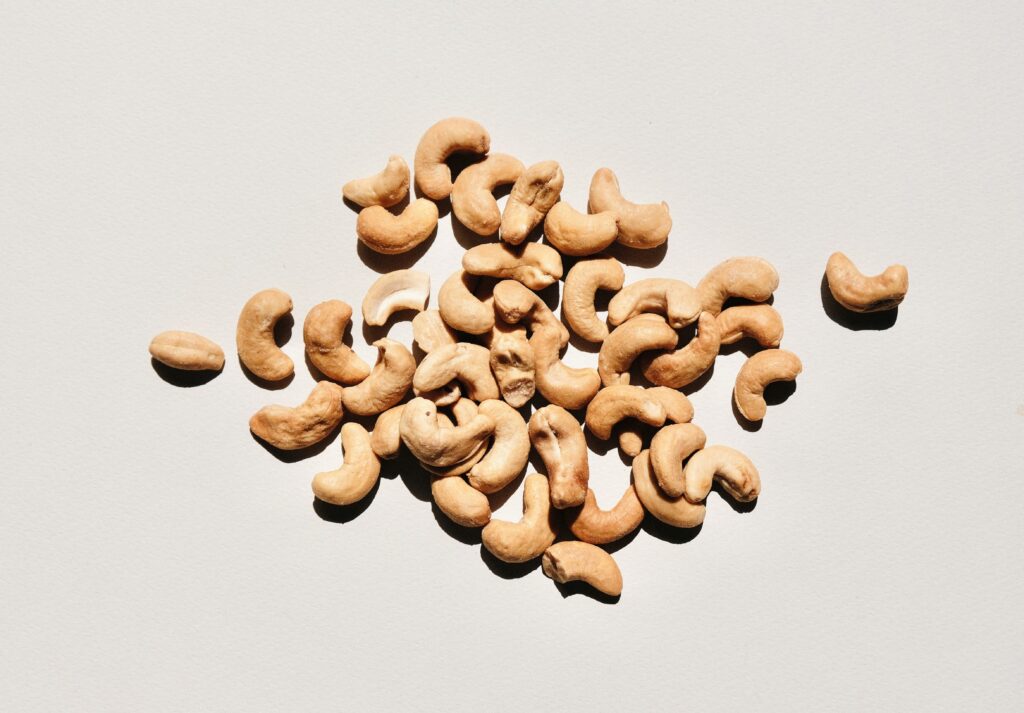
- Cashew milk is super creamy and takes on whatever flavor you’re working with. It’s basically the chameleon of plant milks.
- Pea milk is newer but impressive, with protein levels comparable to dairy milk and a neutral taste. If you want protein without soy, this is your friend.
- Hemp milk offers omega-3s and has an earthy, nutty flavor that’s definitely an acquired taste.
- Rice milk is the most hypoallergenic option, perfect for anyone with nut or soy sensitivities.
Plant-Based Yogurt: Creamy, Tangy, Perfect
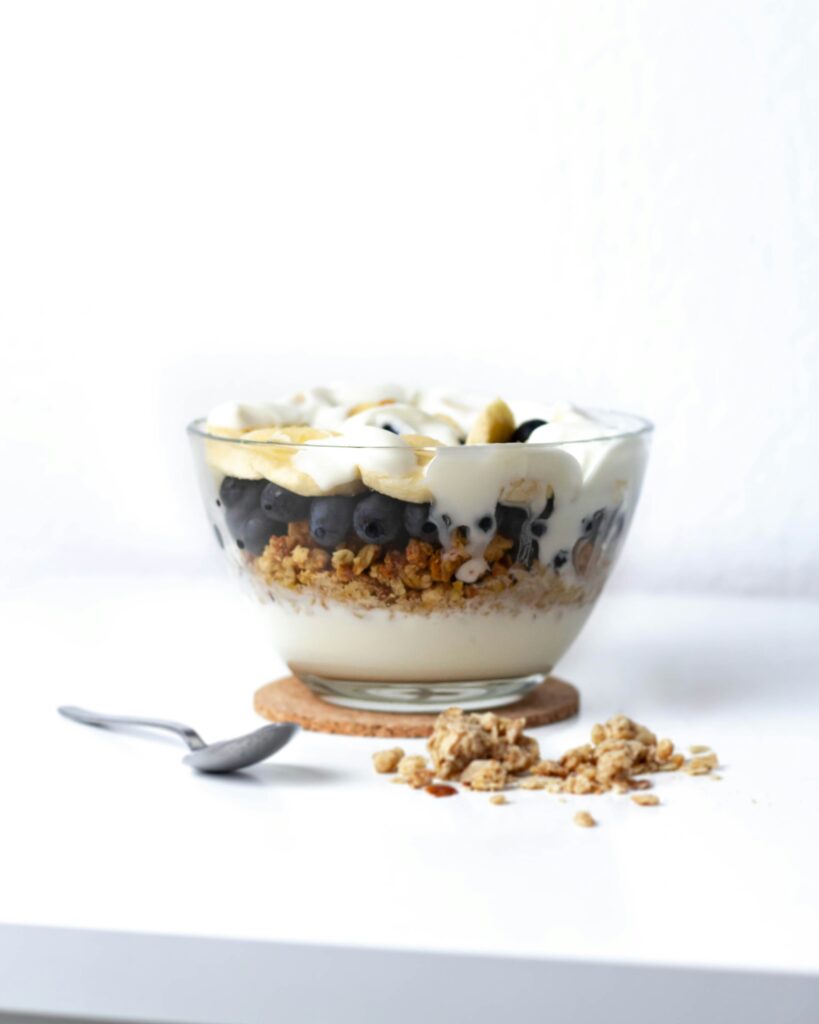
The yogurt category has come so far that sometimes I forget I’m eating a dairy alternative. The options now are incredible, and honestly, many taste better than dairy yogurt ever did.
Coconut Yogurt: Thick and Luxurious
Coconut yogurt is my absolute favorite. It’s thick, creamy, and has that perfect tang you want in yogurt. The fat content makes it feel indulgent, and it holds up beautifully in parfaits or as a base for smoothie bowls.
- Best for: Parfaits, smoothie bowls, eating plain with fruit and granola, Indian and Middle Eastern recipes
- Bonus: The probiotics in fermented coconut yogurt support gut health just like dairy yogurt.
Almond and Cashew Yogurt: Light and Smooth
These nut-based yogurts are lighter than coconut versions but still creamy and satisfying. They work beautifully in both sweet and savory applications.
- Best for: Morning bowls, lighter snacks, salad dressings, dips
- Pro tip: Cashew yogurt makes an incredible base for ranch dressing and tzatziki sauce.
Oat Yogurt: Naturally Sweet
Oat yogurt brings natural sweetness and a pleasant, mild flavor. It’s perfect for anyone who finds coconut yogurt too rich or doesn’t want the coconut taste.
- Best for: Kids’ snacks, breakfast bowls, baking substitutions
- Note: Check for added sugars – some brands go overboard.
Soy Yogurt: High Protein
For protein seekers, soy yogurt delivers. It has a firmer texture and more protein than most other plant yogurts.
- Best for: Post-workout snacks, high-protein breakfast bowls, smoothies
- Choose: Organic and non-GMO versions when possible.
Plant-Based Cheese: Yes, It Actually Melts Now
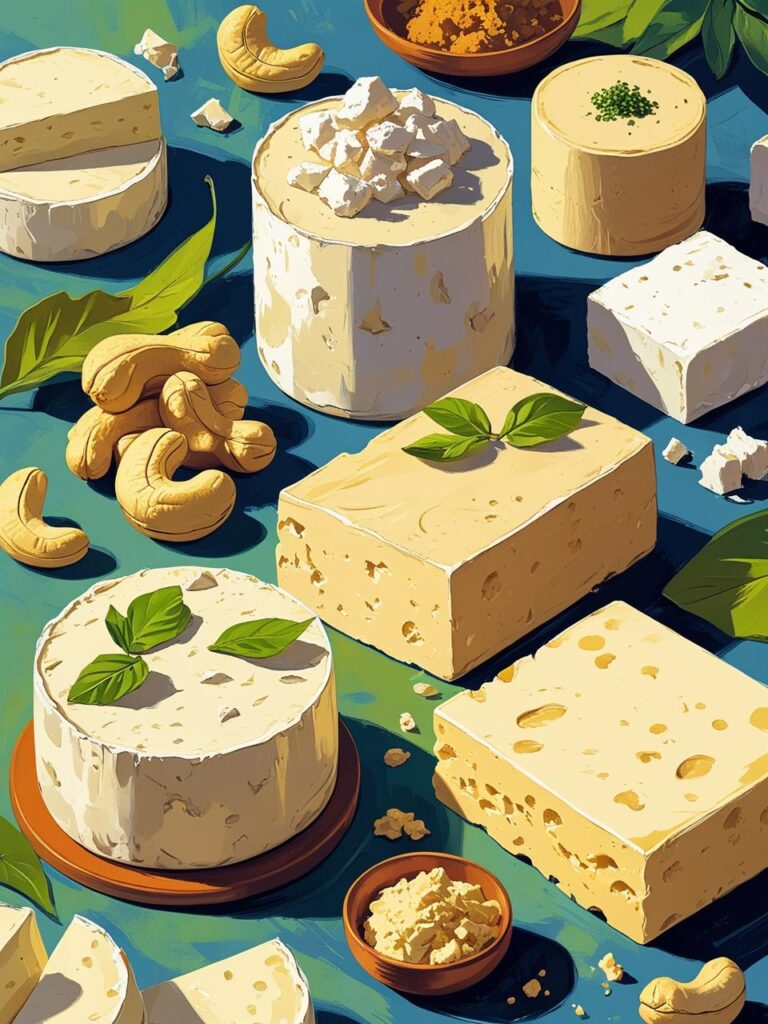
Okay, I’ll admit it. Plant-based cheese used to be terrible. Like, truly awful.
But the game has completely changed. Plant-based cream cheese is seeing strong growth, and meltable cheese alternatives have improved dramatically.
But let’s get real for a second. Cheese alternatives are probably the most processed items in the dairy alternative world. They’re made with oils, starches, and various ingredients to mimic cheese’s texture and melting properties.
That doesn’t make them evil, but it does mean you should use them sparingly and intentionally.
Build Your Plant-Based Blueprint for FREE Today!
Cashew Cheese: The Fancy Option
Cashew cheese is where artisan cheese-makers shine. You can find aged varieties, herb-crusted wheels, and spreads that rival any dairy cheese board.
- Best for: Cheese boards, crackers, fancy occasions, impressing guests
- Try: Making your own at home – it’s easier than you think and way cheaper. Homemade cashew cheese is literally just blended cashews with seasonings. Way less processed than store-bought.
Coconut-Based Shreds: For Melting
These are the ones that actually melt! Technology has come so far that coconut oil-based shreds now stretch, bubble, and brown just like dairy cheese.
- Best for: Pizza, quesadillas, nachos, grilled cheese, casseroles
- Reality check: They’re not identical to dairy cheese, but they’re close enough that you’ll stop missing it. Use them for special occasions, not as an everyday thing.
Almond and Soy Cheese: The Versatile Middle
These work well in cooked dishes where you need cheese flavor and texture without necessarily needing perfect melting.
- Best for: Lasagna, stuffed shells, mixed into sauces, topping for baked dishes
- Heads up: Some have a slightly grainy texture – find your favorite brand through trial and error.
Nut-Free Options
For those with nut allergies, there are potato and tapioca-based cheeses that work surprisingly well.
- Best for: School lunches, allergy-friendly cooking, anyone avoiding nuts
- Note: These tend to be softer and work better in cooked applications.
Beyond Milk and Cheese: The Full Dairy Alternative Experience
Plant-Based Butter
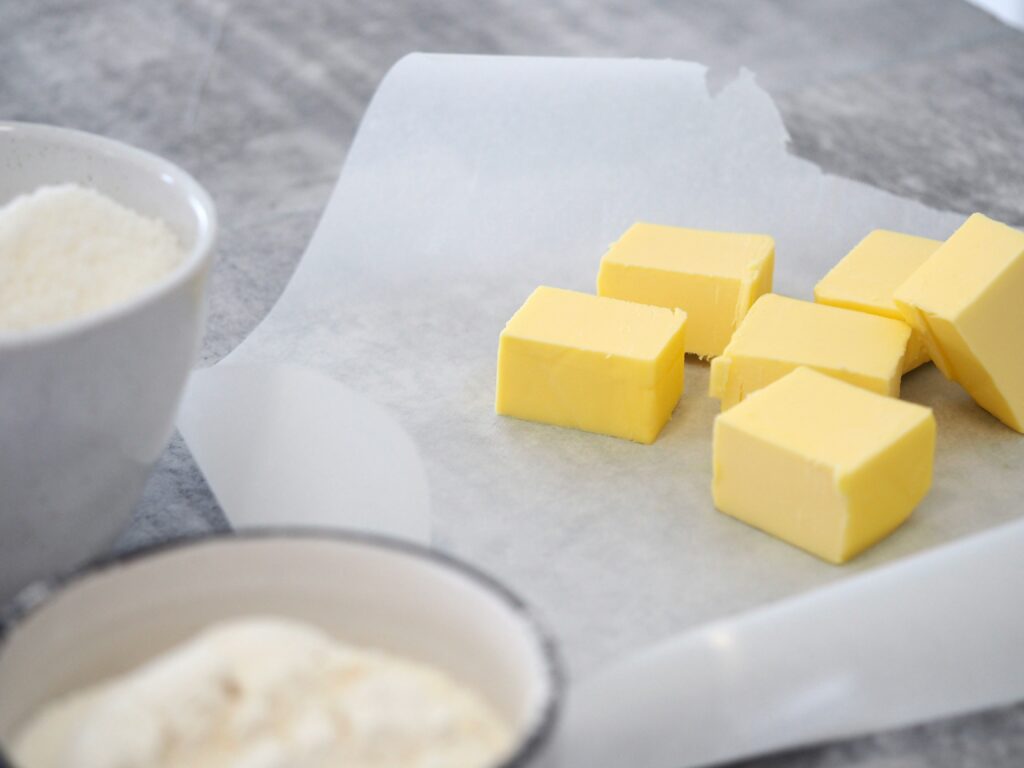
Butter alternatives have gotten really good. Many are made from coconut oil, avocado oil, or blends of plant oils that spread easily and taste rich.
- Best for: Toast, baking, cooking, anywhere you’d use regular butter
- Baking tip: They work 1:1 in most recipes, but your baked goods might brown slightly faster.
Dairy-Free Ice Cream
The non-dairy ice cream market is projected to grow at 14.2% annually through 2030, and you can taste why. Cashew, coconut, oat, and almond-based ice creams are now available in every flavor imaginable.
- Favorites: Coconut-based for creaminess, oat-based for texture similar to dairy, cashew-based for richness
- Real talk: Some brands are better than others. Try a few before you write them off.
Plant-Based Cream Cheese
This is where dairy alternatives really shine. Cashew and almond-based cream cheeses spread beautifully, taste amazing, and work in both sweet and savory recipes.
- Best for: Bagels, frosting, cheesecake, dips, stuffed french toast
- Bonus: Often lower in fat and calories than dairy cream cheese.
Non-Dairy Sour Cream
Cashew and coconut-based sour creams are tangy, creamy, and perfect for all your favorite toppings and recipes.
- Best for: Tacos, baked potatoes, dips, dolloping on chili, Mexican food
- Make your own: Blend soaked cashews with lemon juice and salt. Done. Way less processed and cheaper too.
Coffee Creamers
Plant-based creamers now come in every flavor imaginable. Oat, coconut, and almond-based versions create that perfect creamy swirl in your morning coffee.
Best for: Coffee, tea, hot chocolate, anywhere you want rich creaminess
Pro tip: Barista blends are formulated not to curdle in hot drinks.
How to Actually Make the Switch (Without Losing Your Mind)
#1: Start With One Thing
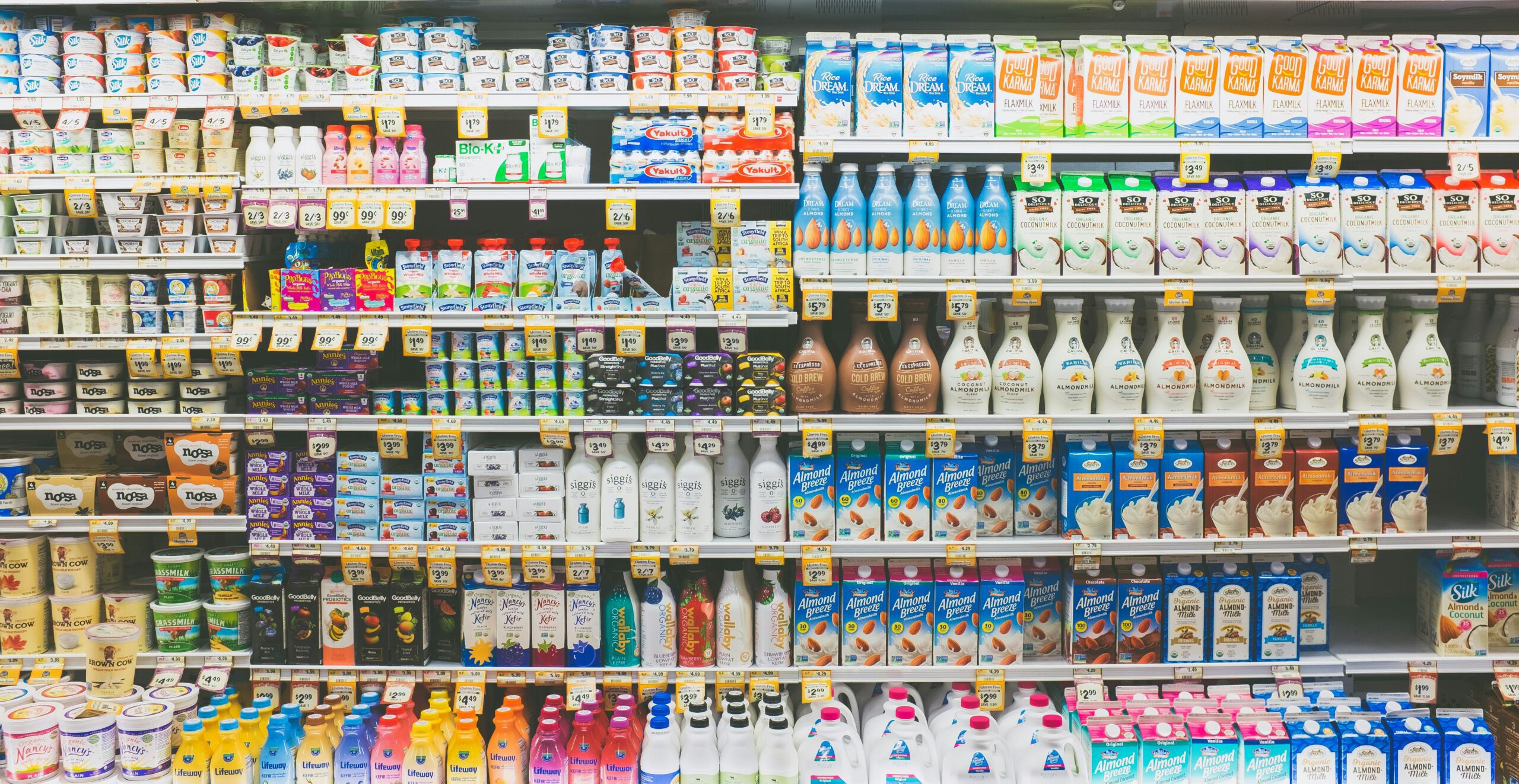
Don’t try to replace everything at once. Pick one dairy product and swap it for a plant-based version. Most people start with milk because it’s the easiest transition.
Use your new plant milk for two weeks. Let your taste buds adjust. Then move on to the next item.
This gradual approach actually sticks, unlike going cold turkey and feeling overwhelmed.
#2: Read Ingredients Like Your Life Depends On It
The shortest ingredient lists are usually the best. You want to see the plant ingredient, water, maybe a natural stabilizer, and that’s it.
Avoid products with tons of added sugar, random oils, or ingredients you can’t pronounce. And seriously, skip anything with carrageenan if you can – it causes digestive issues for some people.
If the ingredient list looks like a chemistry experiment, put it back on the shelf. You want minimally processed alternatives that are as close to whole foods as possible.
#3: Choose Unsweetened When Possible
Original or sweetened versions often pack 5-10 grams of added sugar per serving. That adds up fast.
Unsweetened varieties let you control sweetness yourself, and honestly, you adapt to the natural flavors within days.
Your taste buds will adjust faster than you think. What tastes bland now will taste perfect in two weeks.
#4: Match the Product to the Task
Not all dairy alternatives work for everything.
Thin, watery plant milk won’t work in creamy sauces.
Save your premium artisan nut cheese for occasions when you’ll actually taste it, and use the meltable shreds for everyday cooking.
#5: Give Your Taste Buds Time
This is crucial. Your taste buds are used to dairy. Plant-based alternatives taste different, and that’s okay.
Give yourself two full weeks to adjust before deciding you don’t like something.
After that adjustment period, dairy products will probably taste weird to you. Your palate shifts faster than you think.
Remember: Whole Foods First, Always
This is the most important guideline of all. Dairy alternatives should enhance whole plant foods, not replace them.
Your meals should be built around vegetables, fruits, whole grains, legumes, nuts, and seeds. The alternatives? They’re accessories. They make things taste good and help you transition, but they’re not the foundation.
If you find yourself eating lots of plant-based cheese, butter, ice cream, and cream cheese but very few actual plants, you’ve missed the point.
The goal isn’t to swap processed dairy for processed alternatives. The goal is to fill your plate with whole plant foods and use minimal alternatives when they truly enhance your meals.
Whole foods are the medicine. The alternatives are just there to make life easier and more delicious.
What Your Body Might Notice

I can’t promise miracles, but I can tell you what I experienced and what countless others report when they limit or remove dairy and focus on whole plant foods.
- Digestion gets easier. No more bloating, no more heaviness, no more that-weird-feeling-after-eating thing. Your body just processes food more smoothly.
- Skin often clears up. Within a few weeks, many people notice fewer breakouts, less redness, and reduced puffiness. Dairy and inflammation are linked for lots of people.
- Energy levels stabilize. Without the blood sugar spikes from dairy and with more whole plant foods fueling you, you get steady, sustained energy instead of crashes.
- You might actually enjoy food more. When you’re not uncomfortable after eating and you’re tasting the natural flavors of whole foods, you can focus on actual nourishment. It’s a game-changer.
- Cravings shift. This is the wildest part. When you’re eating mostly whole plant foods with occasional dairy alternatives instead of the other way around, your body starts craving what nourishes it. Fresh fruit starts tasting like candy. Vegetables become satisfying. Your internal compass recalibrates.
The Money Question
Look, dairy alternatives are often more expensive than dairy. But before you close this page, consider a few things.
You can make your own. Almond milk, cashew cream, and nut cheeses are surprisingly easy to make at home for a fraction of the cost. Homemade versions are also way less processed.
Store brands have gotten really good. Don’t feel pressured to buy expensive name brands. I’ve done blind taste tests, and store brands often win.
Watch for sales and stock up. Most dairy alternatives have long shelf lives, especially the shelf-stable varieties.
But here’s the real money saver: when you fill your plate with whole plant foods instead of relying heavily on processed alternatives, your grocery bill actually goes down.
The expensive part of plant-based eating is buying all the specialty products. The affordable, sustainable part is cooking with actual plants.
FAQs About Dairy Alternatives
Q: Are dairy alternatives actually healthier than regular dairy?
It depends on your body and which alternatives you’re choosing. Plant-based alternatives are easier to digest, typically lower in saturated fat, and free from the hormones and antibiotics found in conventional dairy.
Most are fortified with calcium and vitamin D, so you’re not missing out nutritionally. But here’s the key: the healthiest option is always whole plant foods.
Q: Can I use dairy alternatives in all my regular recipes?
Absolutely! The trick is matching the right alternative to the job.
Use soy or oat milk for baking because they’re thicker and more neutral. Use cashew cream for rich sauces. For savory cooking, always go unsweetened – trust me on this.
In most recipes, you can swap 1:1, but if something needs extra richness, add a bit of plant-based butter or use full-fat coconut milk.
Q: Why do some plant milks curdle in my coffee?
Plant milk curdles when there’s a big temperature difference or when the coffee is very acidic.
Here’s the fix: warm your plant milk slightly before adding it to coffee, or let your coffee cool for 30 seconds before pouring in cold plant milk.
And here’s another option: try your coffee black or with just a tiny splash of plant milk. You might find you actually prefer the taste of good coffee without drowning it in creamer.
📖 Good Reads: How Not to Die, The China Study and Plant-Based Nutrition

In Essence: You’ve Got This
Switching to dairy alternatives isn’t about perfection or doing everything at once. It’s about taking small steps toward feeling better in your body while remembering that whole plant foods are always your foundation.
Start with one product. Get comfortable with it. Then try another. Before you know it, you’ll have your favorites figured out, and none of this will feel hard or weird anymore.
Your taste buds are more adaptable than you think. What seems different or strange now will become your new normal within a couple of weeks.
And the benefits – the way your body feels, the energy you have, the lightness in your system – make every bit of the adjustment worth it.
Remember, you’re not giving anything up. You’re gaining freedom from discomfort, freedom from heaviness, and freedom to nourish your body in a way that actually feels good.
This is about adding abundance through whole plant foods, with occasional dairy alternatives to make the journey easier and more delicious.
⭐What dairy product are you most nervous about replacing, or if you’ve already made the switch, which dairy alternative surprised you the most? I want to hear your real experiences – the wins, the fails, and everything in between!