This post may contain affiliate links. If you purchase through these links, I may earn a small commission at no extra cost to you. This helps keep Pine+Mango running. Thank you for your support! Read our full disclosure here.
Ever notice how some mornings you wake up feeling puffy, achy, or just… off? Like your body’s staging a protest you didn’t sign up for?
That’s inflammation talking. But here’s what’s amazing: the foods sitting in your kitchen right now have more power to calm that internal fire than you might think.
I remember standing in front of my fridge one morning, joints aching, wondering why my body felt like it was constantly fighting itself.
Turns out, I was fueling the flames without even knowing it.
When I started swapping out inflammatory foods for plants that actually soothe inflammation, everything shifted. The puffiness eased. The joint pain quieted down.
My body finally felt like it was on my side again.
Today, we’re diving into the simple anti-inflammatory plant foods that act like nature’s own medicine. No complicated protocols. No hard-to-find ingredients.
Just real food that helps your body heal.
Subscribe to Our Nourished Newsletter
Get free weekly guidance for your plant-based journey, straight to your inbox.
- What Is Inflammation (And Why Should You Care?)
- The Simple Anti-Inflammatory Plant Foods to Add Now
- 1. Berries: Tiny but Mighty
- 2. Leafy Greens: The Underdog Heroes
- 3. Tomatoes: The Lycopene Powerhouse
- 4. Fatty Plant Foods That Fight Fire with… Good Fat
- 5. Colorful Vegetables: Eat the Rainbow
- 6. Ginger and Turmeric: The Spice Stars
- 7. Whole Grains: Yes, Really
- 8. Beans and Legumes: The Budget-Friendly Champions
- 9. Green Tea: Sip Your Way to Less Inflammation
- 10. Mushrooms: The Underrated Fungus
- Foods That Fuel the Fire (What to Reduce)
- How to Build an Anti-Inflammatory Plate
- Practical Tips from Someone Who's Been There
- FAQs About Best Anti-Inflammatory Foods
- In Essence: Fight Inflammation Now
- Subscribe to Our Nourished Newsletter
What Is Inflammation (And Why Should You Care?)

Think of inflammation as your body’s alarm system.
When you get a cut or catch a cold, inflammation rushes in like emergency responders — that’s acute inflammation, and it’s actually helpful.
But chronic inflammation? That’s different. That’s when your alarm system never shuts off.
It keeps buzzing in the background, day after day, wearing down your joints, your blood vessels, your energy levels. And it’s linked to everything from arthritis to heart disease to that brain fog that makes you forget why you walked into a room.
The wild part? What you eat directly influences whether that alarm stays on or finally gets to rest.
The Simple Anti-Inflammatory Plant Foods to Add Now
1. Berries: Tiny but Mighty
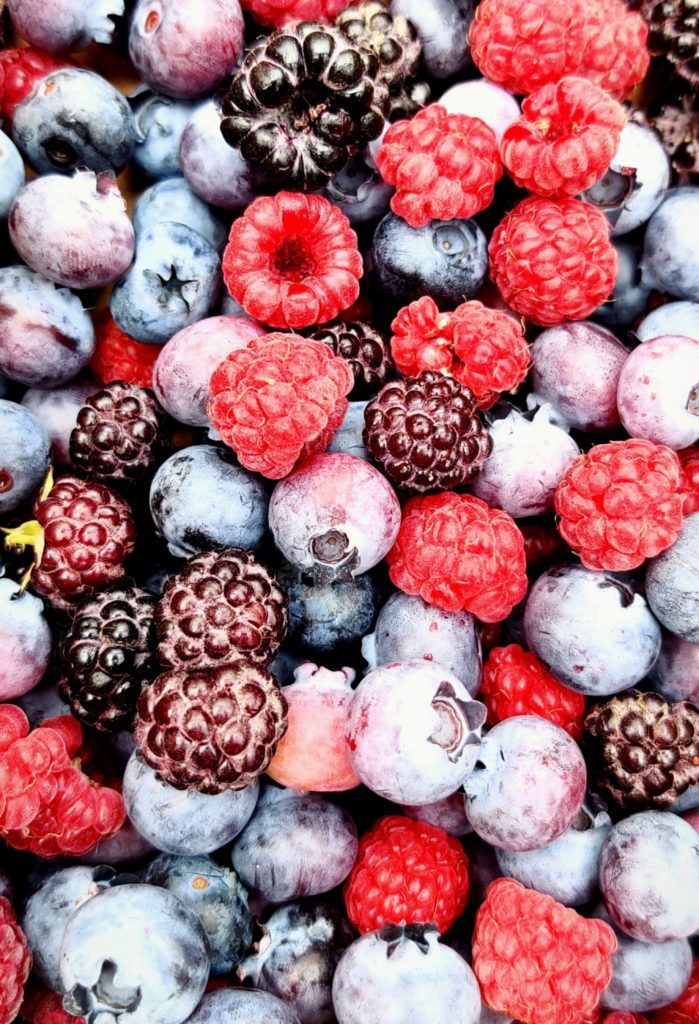
Blueberries, strawberries, raspberries, blackberries — these little gems pack serious anti-inflammatory power.
They’re loaded with antioxidants called anthocyanins that reduce inflammatory markers in your blood.
I started tossing a handful of frozen blueberries into my morning oatmeal, and honestly? It’s the easiest upgrade I’ve ever made. Frozen berries are just as nutritious as fresh ones, and they’re cheaper too.
Quick tip: Buy frozen organic berries in bulk. They last forever and you can sprinkle them on everything — smoothies, salads, even just eating them straight from the freezer like nature’s candy.
2. Leafy Greens: The Underdog Heroes
Spinach, kale, collard greens, Swiss chard — these aren’t just trendy health foods.
They’re packed with vitamin K, which plays a crucial role in reducing inflammation. Plus, they’ve got tons of antioxidants that protect your cells from damage.
And no, you don’t need to choke down a giant salad every day. I sneak spinach into pasta sauce, blend it into smoothies where you can’t even taste it, or sauté it with garlic as a side dish.
Your body doesn’t care how fancy it looks. It just wants those nutrients.
3. Tomatoes: The Lycopene Powerhouse
Here’s something cool: cooked tomatoes are actually better for you than raw ones when it comes to fighting inflammation.
That’s because cooking releases lycopene, a powerful antioxidant that’s been shown to reduce inflammatory compounds.
Tomato sauce, roasted tomatoes, even ketchup (the kind without loads of added sugar) — they all count. I keep cans of crushed tomatoes in my pantry because they make quick weeknight meals possible and give my body what it needs.
4. Fatty Plant Foods That Fight Fire with… Good Fat
- Walnuts: These wrinkly little brain-shaped nuts are rich in omega-3 fatty acids, which actively combat inflammation. Just a small handful a day makes a difference.
- Flaxseeds and chia seeds: Grind them up (your body can’t absorb whole flaxseeds) and sprinkle them on anything. They’re packed with alpha-linolenic acid (ALA), an omega-3 that your body converts into inflammation-fighting compounds.
- Avocados: Yes, they’re having a moment, but the hype is real. They contain healthy monounsaturated fats and compounds that reduce inflammation markers.
I keep ground flaxseed in my fridge and add a tablespoon to my smoothies. You don’t taste it, and your body gets a daily dose of omega-3s without any fuss.
5. Colorful Vegetables: Eat the Rainbow
Bell peppers, beets, carrots, sweet potatoes, broccoli, cauliflower — the more colorful your plate, the more anti-inflammatory compounds you’re getting.
Each color represents different phytonutrients that work together to calm inflammation.
Roasting vegetables brings out their natural sweetness and makes them irresistible. Toss them with a bit of olive oil and your favorite spices, throw them in the oven, and you’ve got an anti-inflammatory side dish that actually tastes good.
Build Your Plant-Based Blueprint for FREE Today!
6. Ginger and Turmeric: The Spice Stars
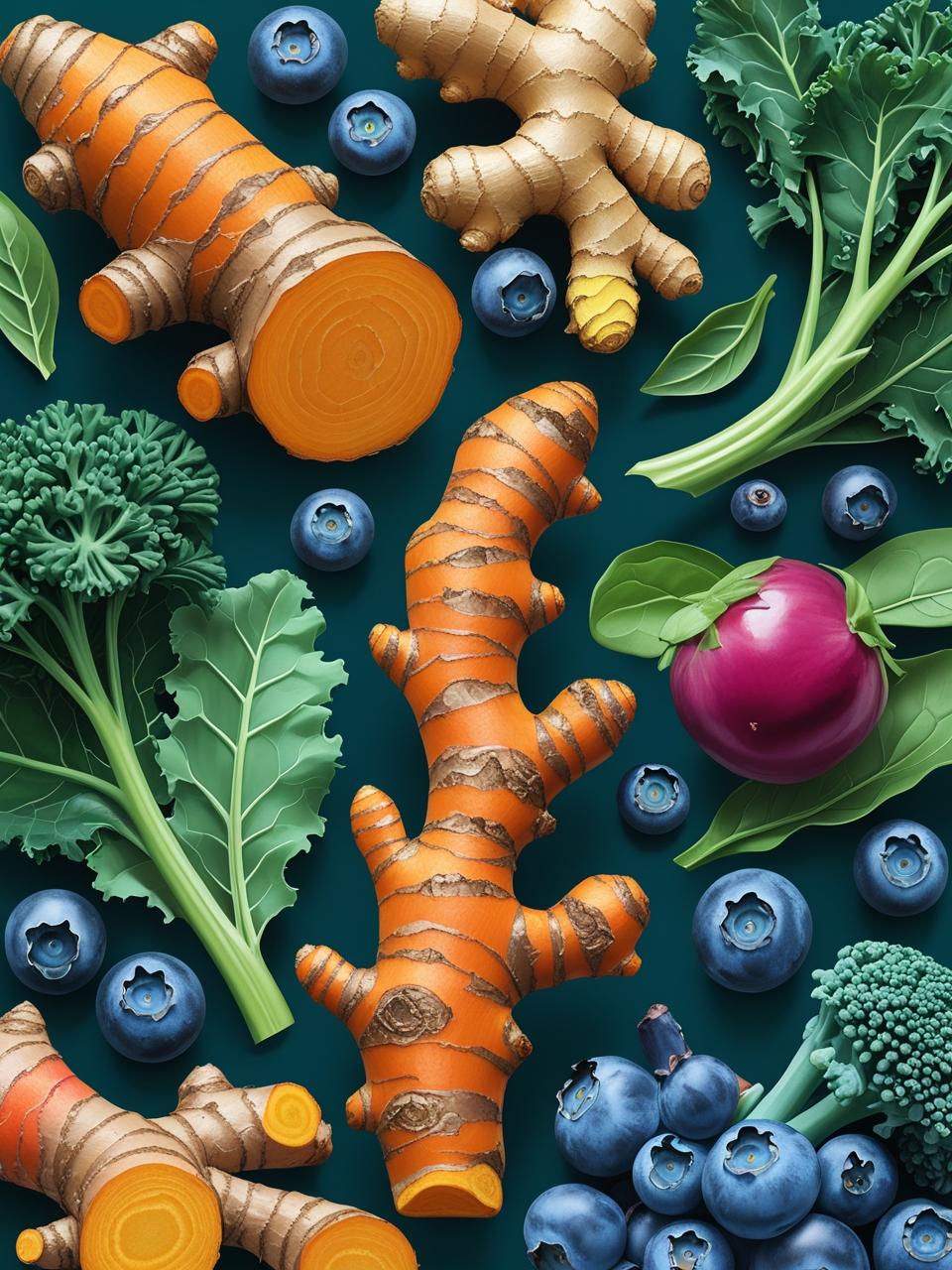
These two deserve their own spotlight. Ginger contains gingerol, and turmeric contains curcumin — both are powerful anti-inflammatory compounds that have been used medicinally for thousands of years.
Fresh ginger in your tea or smoothies works wonders. Turmeric needs a little black pepper to be absorbed properly, so whenever you use it, add a pinch of black pepper too.
I grate fresh ginger into stir-fries and soups. The warming sensation isn’t just in your mouth — it’s actually helping reduce inflammation throughout your body.
7. Whole Grains: Yes, Really
Oats, quinoa, brown rice, farro — these aren’t the enemy. Refined grains can promote inflammation, but whole grains do the opposite.
They’re rich in fiber, which feeds your gut bacteria and produces short-chain fatty acids that reduce inflammation.
Swap white rice for brown rice. Choose steel-cut oats over instant packets loaded with sugar. These small switches add up.
8. Beans and Legumes: The Budget-Friendly Champions
Lentils, chickpeas, black beans, kidney beans — these humble foods are among the best anti-inflammatory foods you can eat. They’re packed with fiber, antioxidants, and plant compounds that reduce inflammatory markers.
Plus, they’re dirt cheap. A can of chickpeas costs less than a fancy coffee and provides multiple servings of inflammation-fighting nutrition.
I always have canned beans in my pantry. Rinse them well (to reduce sodium) and toss them into salads, soups, or mash them up for quick bean dips.
9. Green Tea: Sip Your Way to Less Inflammation
Green tea contains catechins, particularly EGCG, which has potent anti-inflammatory effects. You don’t need to drink gallons of it — even one or two cups a day can make a difference.
I brew a big pot in the morning and sip it throughout the day, hot or iced depending on the season.
10. Mushrooms: The Underrated Fungus
Shiitake, maitake, portobello, cremini — mushrooms contain unique compounds that support your immune system and reduce inflammation.
They’re also one of the few plant sources of vitamin D when exposed to sunlight.
Sautéed mushrooms are my go-to pizza topping, pasta addition, or standalone side dish. They’re meaty, satisfying, and doing quiet work to calm inflammation.
Foods That Fuel the Fire (What to Reduce)

Let’s be honest, knowing what helps is only half the picture. Some foods actively promote inflammation, and reducing them makes room for the good stuff to work better.
- Highly processed foods loaded with refined sugars and trans fats are inflammation’s best friends. Think packaged snacks, sugary drinks, fried fast food, and baked goods made with vegetable shortening.
- Excess added sugars cause blood sugar spikes that trigger inflammatory responses. That doesn’t mean you can never have dessert, but swapping your daily soda for water with lemon makes a massive difference.
- Refined carbohydrates like white bread, pastries, and sugary cereals break down quickly into sugar in your body, causing the same inflammatory response.
I’m not saying never eat these foods again. I’m saying notice how you feel after eating them. Your body will tell you what’s working and what’s not if you pay attention.
How to Build an Anti-Inflammatory Plate
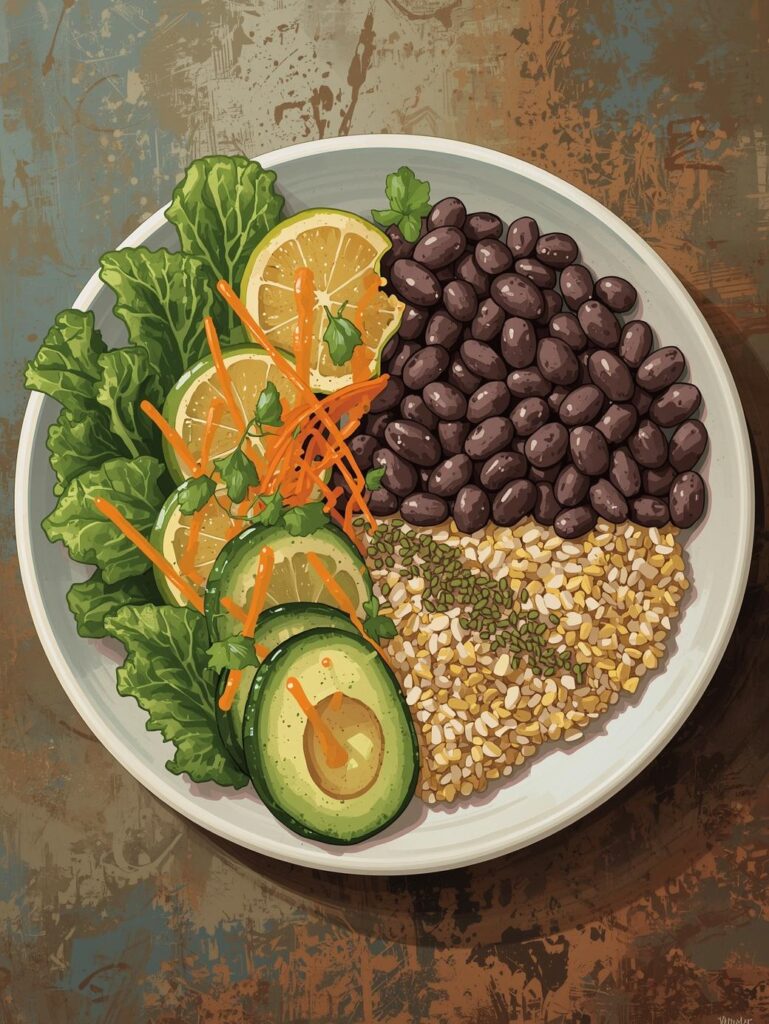
Here’s the simple formula I use: fill half your plate with colorful vegetables, a quarter with whole grains or starchy vegetables, and a quarter with beans or legumes.
Add some healthy fats (avocado, nuts, seeds, olive oil) and herbs and spices for flavor.
That’s it. No measuring. No strict rules. Just more plants, more color, more whole foods.
Sample day:
- Breakfast: Oatmeal with berries, walnuts, ground flaxseed, and a sprinkle of cinnamon
- Lunch: Big salad with mixed greens, chickpeas, roasted vegetables, and a lemon-tahini dressing
- Dinner: Stir-fried vegetables with tofu or tempeh over brown rice, ginger, and garlic
- Snacks: Apple slices with almond butter, or veggies with hummus
Nothing fancy. Nothing complicated. Just real food that helps your body heal.
Practical Tips from Someone Who’s Been There
1. Start small. You don’t have to overhaul everything overnight. Add one of the best anti-inflammatory foods to each meal this week. That’s it.
2. Batch cook. Make a big pot of lentil soup or roast a bunch of vegetables on Sunday. Future you will be so grateful.
3. Keep it simple. You don’t need complicated recipes. Steamed broccoli with lemon juice is anti-inflammatory. A baked sweet potato is anti-inflammatory. Simple works.
4. Listen to your body. After a few weeks of eating more anti-inflammatory foods, notice how you feel. Do you have more energy? Less joint pain? Better digestion? Your body is giving you feedback.
5. Don’t aim for perfection. I still eat foods that aren’t “optimal” sometimes, and that’s okay. This isn’t about being perfect. It’s about making choices that support your body most of the time.
FAQs About Best Anti-Inflammatory Foods
Q: How long does it take to see results from eating anti-inflammatory foods?
Some people notice changes within a few days — better energy, less bloating, improved digestion.
But for deeper inflammatory conditions like joint pain or chronic inflammation, it typically takes 2-3 weeks of consistent eating to see meaningful improvement.
Your body needs time to reduce existing inflammation and adjust to the new fuel you’re giving it. Be patient with yourself.
Q: Can I eat these foods if I’m not experiencing obvious inflammation?
Absolutely! The best anti-inflammatory foods aren’t just for people with diagnosed inflammatory conditions. They support overall health, boost your immune system, improve gut health, and help prevent chronic diseases before they start.
Think of them as preventive maintenance for your body. Plus, chronic inflammation often builds silently for years before symptoms appear, so eating these foods now is protecting your future self.
Q: Do I need to eat organic produce to get anti-inflammatory benefits?
No, you don’t. While organic produce reduces pesticide exposure, conventional fruits and vegetables still provide powerful anti-inflammatory compounds.
If budget is a concern, focus on the “Dirty Dozen” (foods with higher pesticide residues like strawberries and spinach) for organic purchases, and buy conventional for the “Clean Fifteen” (like avocados and onions).
The most important thing is eating more plant foods, period. Don’t let perfect be the enemy of good.
📖 Good Reads: How Not to Die, The China Study and Plant-Based Nutrition

In Essence: Fight Inflammation Now
Your body wants to heal. It’s designed to heal.
But it needs the right building blocks, and the best anti-inflammatory foods provide exactly that.
This isn’t about restriction or following another set of rigid rules. It’s about discovering that when you feed your body foods that calm inflammation instead of fueling it, everything gets easier.
Your energy stabilizes. Your joints feel better. That constant background discomfort finally quiets down.
Start with one meal. Add berries to your breakfast. Toss some beans into your lunch. Roast vegetables for dinner.
Small changes create momentum, and momentum creates transformation.
You don’t need to be perfect. You just need to be consistent. Your body will meet you halfway — I promise.
⭐ What’s one anti-inflammatory food you’re excited to add to your meals this week, and what’s holding you back from eating more plants? Share your experiences in the comments below!