This post may contain affiliate links. If you purchase through these links, I may earn a small commission at no extra cost to you. This helps keep Pine+Mango running. Thank you for your support! Read our full disclosure here.
You’re exhausted from trying everything, aren’t you? The supplements, the wellness trends, the expensive programs that promise transformation but leave you feeling emptier than before.
Here’s what nobody tells you: sometimes the most powerful medicine doesn’t come in a bottle or require a subscription. It’s already waiting for you outside your door.
Nature therapy for beginners isn’t some woo-woo concept dreamed up by wellness influencers. It’s a return to something we’ve known instinctively forever but somehow forgot in our climate-controlled, screen-lit lives.
Your body remembers what it needs, even if your mind has been too busy to notice.

Subscribe to Our Nourished Newsletter
Get free weekly guidance for your plant-based journey, straight to your inbox.
- What Nature Therapy Actually Is
- Why Your Body Craves the Outdoors
- The Real Benefits for Beginners
- Your First Week: A Beginner's Guide to Nature Therapy
- Building Your Practice: Weeks 2-4
- What It Actually Feels Like (The Honest Truth)
- Common Beginner Obstacles and How to Handle Them
- Pairing Nature Therapy with Plant-Based Eating
- Making It Last Beyond the Novelty Phase
- FAQs About Nature Therapy for Beginners
- In Essence: Let the Outdoors In
- Subscribe to Our Nourished Newsletter
What Nature Therapy Actually Is
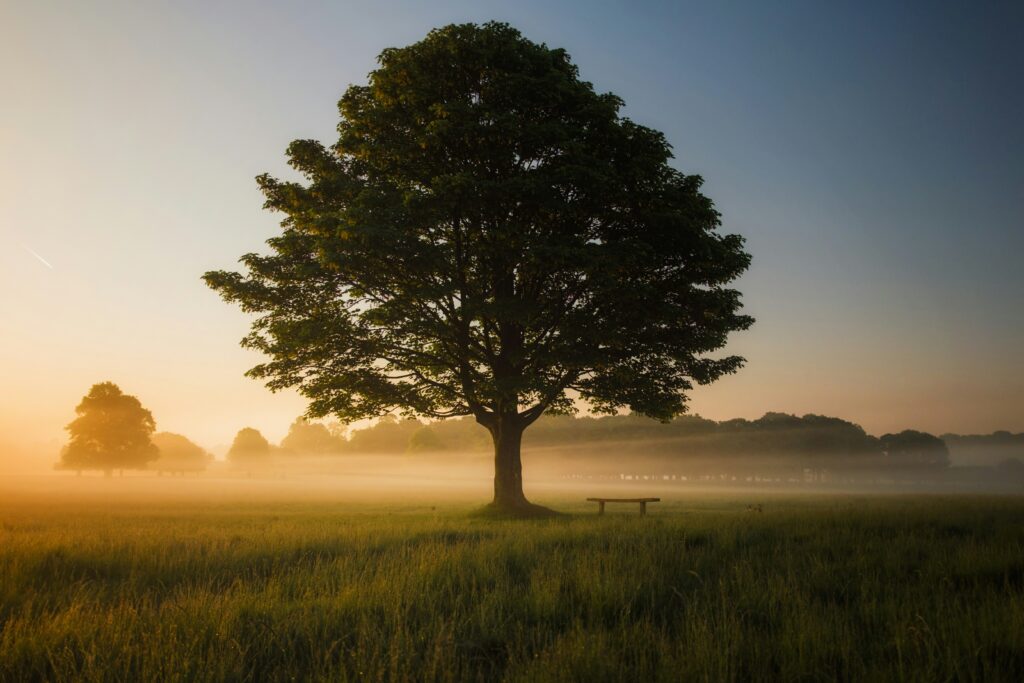
Nature therapy (also called ecotherapy or forest bathing) is the intentional practice of spending time outdoors to improve your physical and mental health.
That’s it. No fancy equipment, no expert to follow, no monthly fees.
The Japanese have a term for it: shinrin-yoku, which translates to “forest bathing.” But you don’t need a forest.
A park works. Your backyard works. Even a tree-lined street can offer benefits if you’re truly present.
This isn’t about hiking ten miles or becoming an outdoorsy person overnight.
It’s about giving yourself permission to slow down and let nature do what it does best: remind you that you’re part of something bigger, calmer, and infinitely more grounded than the chaos inside your head.
Why Your Body Craves the Outdoors

Your ancestors lived outside. They walked barefoot on earth, felt sun on their skin, and breathed air that hadn’t been filtered through vents. Their bodies knew the rhythm of seasons, the feel of wind, the smell of rain coming.
You carry that same biology. Your nervous system is wired for natural light, fresh air, and the subtle sounds of rustling leaves or bird songs.
When you’re cut off from these things, something fundamental feels off.
Research backs this up. Studies show that spending just 20 minutes in nature significantly lowers cortisol levels—that’s your stress hormone.
Other research found that people who spend at least 120 minutes per week in nature report better health and wellbeing. Your immune system gets stronger. Your blood pressure drops. Even your focus sharpens.
But beyond the science, there’s something you can only understand through experience. When you stand under trees and actually pay attention, something shifts.
The constant mental chatter quiets down. Your breath deepens. You remember what it feels like to just be instead of constantly doing.
The Real Benefits for Beginners

Sure, nature reduces stress. But that’s just scratching the surface.
1. It Recalibrates Your Nervous System
Your body gets stuck in fight-or-flight mode from daily life—traffic, emails, bills, responsibilities. Nature activates your parasympathetic nervous system, the“rest and digest” mode.
This is where healing happens. Your heart rate slows. Your digestion improves. Muscles release tension you didn’t even know you were holding.
2. It Grounds Your Energy
Walking barefoot on grass, dirt, or sand (called earthing or grounding) allows electrons from the earth to enter your body. This isn’t mystical—it’s physics. These electrons act as antioxidants, reducing inflammation and improving sleep.
I was skeptical too until I tried it. Standing barefoot on morning grass while drinking tea became my reset button.
3. It Fixes Your Sleep
Exposure to natural light, especially in the morning, regulates your circadian rhythm.
Your body produces melatonin at the right times. You fall asleep easier and wake up feeling actually rested instead of dragging yourself out of bed.
4. It Changes Your Relationship with Food
When you’re stressed, you crave junk. Your body seeks quick energy to deal with perceived threats.
When your nervous system calms down through time outdoors, those frantic cravings ease. You naturally want foods that nourish instead of just foods that numb.
5. It Reconnects You with Yourself
This is the big one. When you’re surrounded by honking cars and buzzing phones, it’s easy to lose touch with your own thoughts and feelings.
Nature strips away the noise. You hear yourself again. You remember what you actually want, not what everyone else says you should want.
Your First Week: A Beginner’s Guide to Nature Therapy
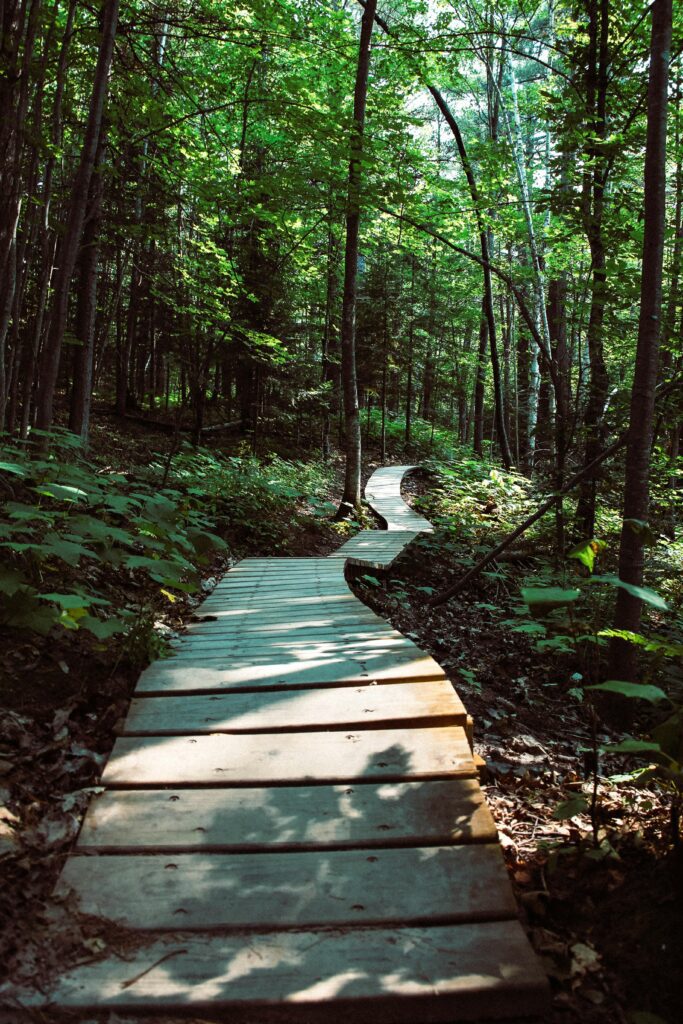
You don’t need hiking boots or a national park membership. Start simple.
Day 1-2: Just Step Outside
Five minutes. That’s all. Stand in your yard or on your balcony. Notice the temperature on your skin. Look up at the sky. Feel the ground under your feet.
No phone, no agenda. Just be there.
Day 3-4: Engage Your Senses
Same five minutes, but now pay attention deliberately.
What do you hear? Birds, wind, distant traffic? What do you smell? Fresh air, flowers, earth after rain? What do you see? Clouds moving, leaves rustling, light changing?
This sensory focus is the foundation of nature therapy for beginners.
Day 5-7: Find Your Spot
Locate one outdoor place within 10 minutes of your home. A park bench. A walking path. Or maybe a quiet corner with trees.
Visit it at least twice. Sit for 10 minutes each time. Watch the birds. Notice the plants. Let your mind wander.
Building Your Practice: Weeks 2-4

Week Two: Make It a Ritual
Pick one daily activity to move outside. Drink your morning coffee on the porch. Eat lunch on a park bench. Take your evening stretch to the backyard.
Anchor the habit to something you already do.
Week Three: Try Different Times
Nature feels different in morning versus evening. Experience both. Morning light energizes. Evening air calms. Notice which resonates with you.
There’s no wrong answer.
Week Four: Deepen the Practice
Try these beginner-friendly activities:
- Walk slowly and pay attention to textures, sounds, and smells instead of rushing to get steps in
- Touch trees, feel bark, hold leaves—engage your senses actively
- Sit with your back against a tree trunk for 15 minutes
- Practice barefoot walking on grass or dirt for grounding
- Watch a sunrise or sunset once this week
- Listen to nothing but natural sounds for 20 minutes
What It Actually Feels Like (The Honest Truth)
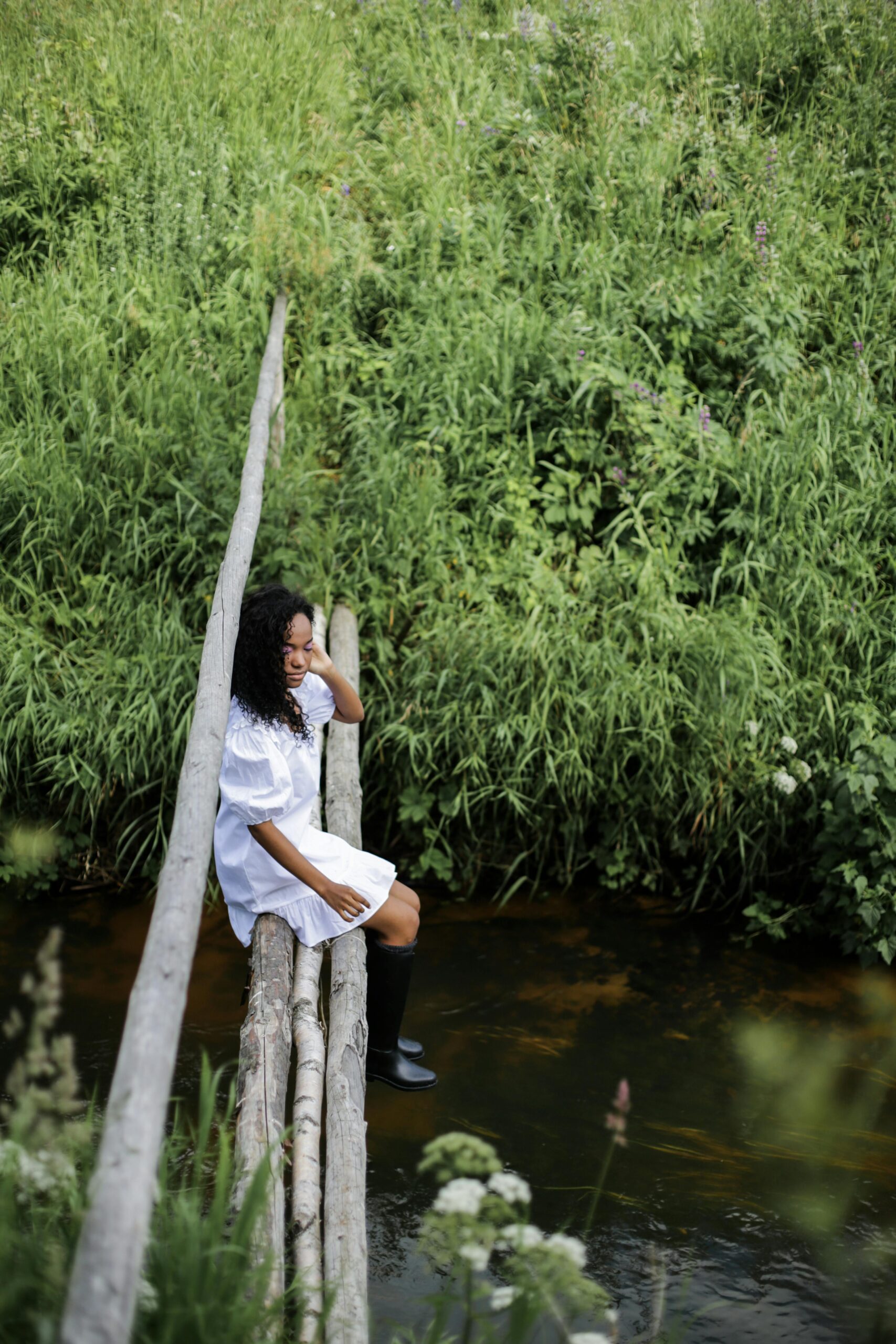
The first few times, your brain will fight you. It’ll tell you this is boring, pointless, a waste of time. You’ll think about your to-do list. You’ll want to check your phone.
Push through that. Keep showing up.
Then one day, something clicks. You will notice how the light filters through leaves. You’ll hear a bird you’ve never paid attention to before. You’ll take a deep breath and realize your shoulders have dropped two inches.
That’s when you understand: you’re not doing nature therapy to your body. You’re letting nature do what it’s always done—create the conditions for healing.
You’re just finally paying attention.
For me, it started with sitting on my back steps for five minutes before work. I felt ridiculous at first, like I should be doing something productive. But I kept at it. Within two weeks, those five minutes became the most grounded part of my day.
My morning anxiety eased. I stopped reaching for sugar by 10 a.m. My whole nervous system recalibrated.
Now I can’t imagine starting a day without at least a few minutes outside. It’s not optional anymore—it’s essential.
Common Beginner Obstacles and How to Handle Them
“I don’t have time.
You have five minutes. You scroll social media longer than that. Start with five minutes before your morning routine. That’s it.
“I live in a city with no nature nearby.”
Find one tree. One patch of grass. One potted plant on your balcony. Even looking at the sky counts. Nature exists everywhere; you just have to notice it.
“The weather is terrible.”
Bundle up or get an umbrella. Rain and cold are part of nature too. Some of my most grounding moments happened in drizzle and wind. Your body adapts when you let it.
“I feel silly just sitting outside.”
Good. Feeling silly means you’re doing something countercultural. You’re choosing presence over productivity. That discomfort is your nervous system learning a new pattern.
“I get bored.
You’re not supposed to be entertained. Boredom is your mind detoxing from constant stimulation. Sit with it. On the other side of boredom is peace.
“I don’t know if I’m doing it right.”
Here’s the secret: there’s no wrong way to do nature therapy. If you’re outside and paying attention, you’re doing it right. Let go of perfection.
Pairing Nature Therapy with Plant-Based Eating

Here’s something beautiful: nature therapy and eating more plants work together perfectly.
When you spend time outside, you naturally start craving whole foods. Your body recognizes plants as part of the same living ecosystem you’re connecting with.
Processed food feels wrong after you’ve been breathing fresh air and touching earth.
Try this: after your nature time, notice what you reach for. You might find yourself wanting fruit instead of candy. A salad instead of chips. Your body knows what it needs when it’s calm.
Also, eating outdoors changes the experience entirely. Take your breakfast to the backyard. Pack fresh fruit and veggies for a park lunch.
When you eat while surrounded by growing things, you remember that food is meant to nourish, not punish.

Get Your FREE Plant-Forward Grocery List Today!
Making It Last Beyond the Novelty Phase
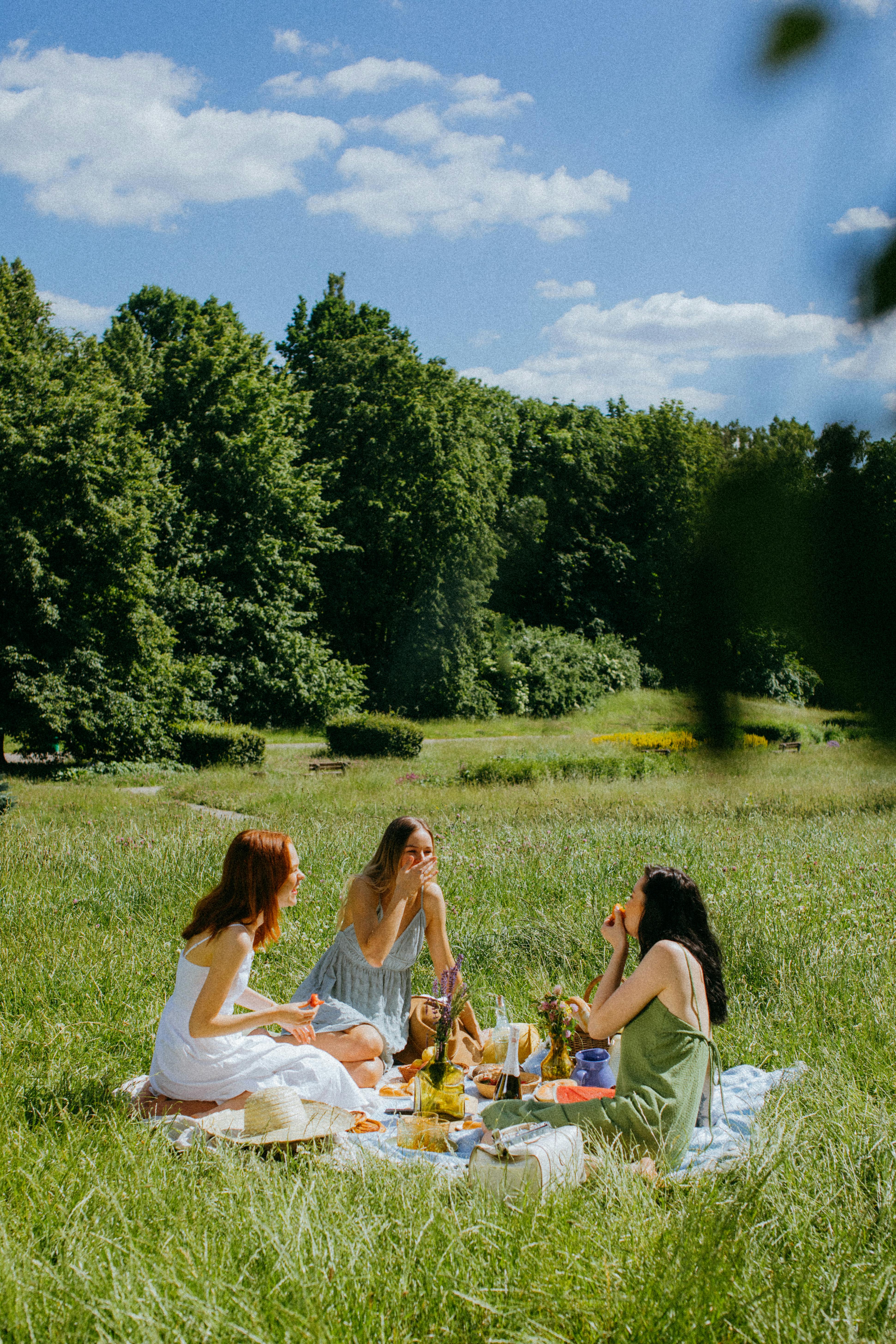
The first week feels exciting. Week two, you’re still motivated. By week three, life gets busy and it’s tempting to skip your nature time.
Here’s how to make it stick:
- Link it to something non-negotiable. I drink tea every morning, so I drink it outside. Can’t skip tea, can’t skip nature time.
- Track it simply. Mark an X on your calendar for every day you spend at least 10 minutes outside. Visual progress is motivating.
- Notice the difference. Pay attention to how you feel on days you go outside versus days you don’t. Your body will tell you what’s working.
- Let go of perfection. Some days you’ll get 5 minutes. Some days 30. Both count. Show up however you can.
- Find your why. Why does this matter to you specifically? Better sleep? Less anxiety? More energy for your kids? Connect the practice to something you genuinely care about.
FAQs About Nature Therapy for Beginners
Q: How do I start nature therapy if I’ve never done anything like this?
Start with just five minutes in your backyard or nearest outdoor space. Stand still, breathe deeply, and notice what you see, hear, and feel.
That’s it. No special skills or equipment needed. Consistency matters more than duration when you’re beginning.
Q: Does it count if I’m just in my backyard?
Absolutely. You don’t need wilderness. Any contact with natural elements—grass, trees, sky, birds, soil—counts.
Your backyard offers the same nervous system benefits as a forest if you’re truly present.
Q: How long before I notice results as a beginner?
Most people feel calmer after just one 20-minute session. For lasting changes in stress levels, sleep, and mood, aim for consistency over several weeks.
Your body responds quickly, but deeper healing unfolds over time.
📖 Good Reads: Forest Bathing: How Trees Can Help You Find Health and Happiness and The Nature Fix: Why Nature Makes Us Happier, Healthier, and More Creative

In Essence: Let the Outdoors In
Nature therapy isn’t another thing to add to your overwhelming wellness routine. It’s the opposite—it’s permission to stop trying so hard and let something bigger take over for a while.
You don’t need to become a hiker or outdoorsy person. You just need to step outside, pay attention, and let your body remember what it already knows. Five minutes today. Ten tomorrow. However it unfolds for you is exactly right.
The healing happens when you show up, not when you master it.
Your body has been asking for this. The tiredness, the tension, the constant craving for something you can’t name—part of that is your system begging for nature’s rhythm.
Give it what it needs.
Start tomorrow morning. Or tonight. Or right now. Step outside, take three deep breaths, and notice one thing you wouldn’t have noticed before reading this.
That’s where it begins.
⭐ Let’s talk: What’s one small way you could bring more nature into your daily routine this week? What’s been stopping you, and how might you work around that? – Share in the comments below!