This post may contain affiliate links. If you purchase through these links, I may earn a small commission at no extra cost to you. This helps keep Pine+Mango running. Thank you for your support! Read our full disclosure here.
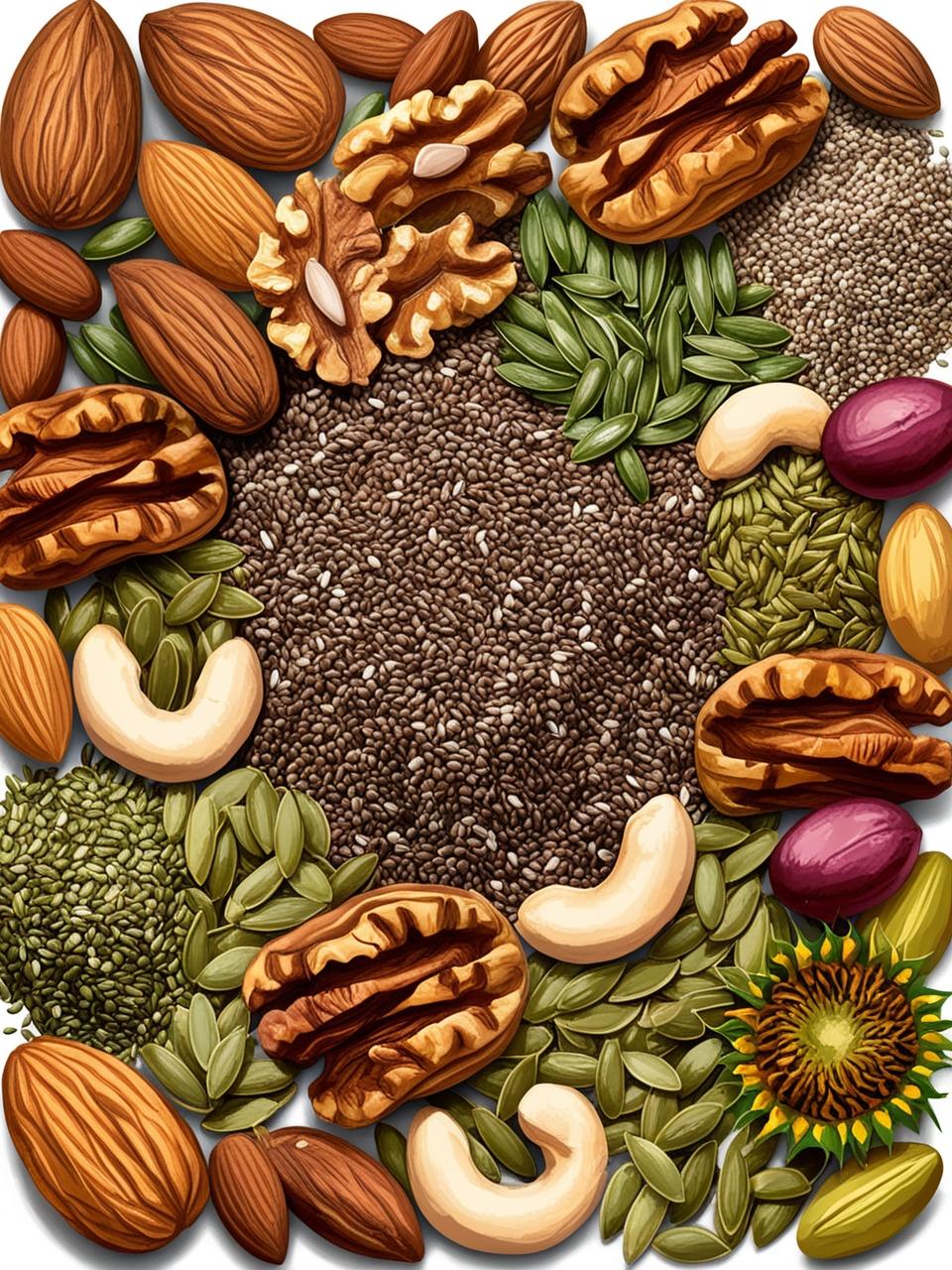
Ever stand in the bulk food aisle, totally overwhelmed by all those bins of nuts and seeds, wondering which ones are actually worth your money?
I get it. I used to grab whatever was on sale, toss them in my cart, and hope for the best.
But here’s what I’ve learned: not all nuts and seeds are created equal when it comes to nutrition.
Some are absolute powerhouses that deliver healthy fats, protein, minerals, and compounds your body desperately needs.
Let me walk you through the most nutrient-dense options that have earned permanent space in my pantry—and why your body will thank you for making room for them too.
Subscribe to Our Nourished Newsletter
Get free weekly guidance for your plant-based journey, straight to your inbox.
- Why Nuts and Seeds Are Non-Negotiable
- Most Nutrient-Dense Nuts & Seeds
- Almonds: The All-Around Powerhouse
- Walnuts: Your Brain's Best Friend
- Chia Seeds: Tiny But Mighty
- Flaxseeds: The The Hormone Balancer
- Pumpkin Seeds: The Mineral Miracle
- Hemp Seeds: The Protein Champion
- Hazelnuts: The Underrated Gem
- Cashews: The Creamy Converter
- Sesame Seeds: The Ancient Superfood
- Pistachios: The Complete Package
- Sunflower Seeds: The Budget-Friendly Option
- FAQs About Nutrient-Dense Nuts and Seeds
- In Essence: Small Foods with Big Benefits
- Subscribe to Our Nourished Newsletter
Why Nuts and Seeds Are Non-Negotiable
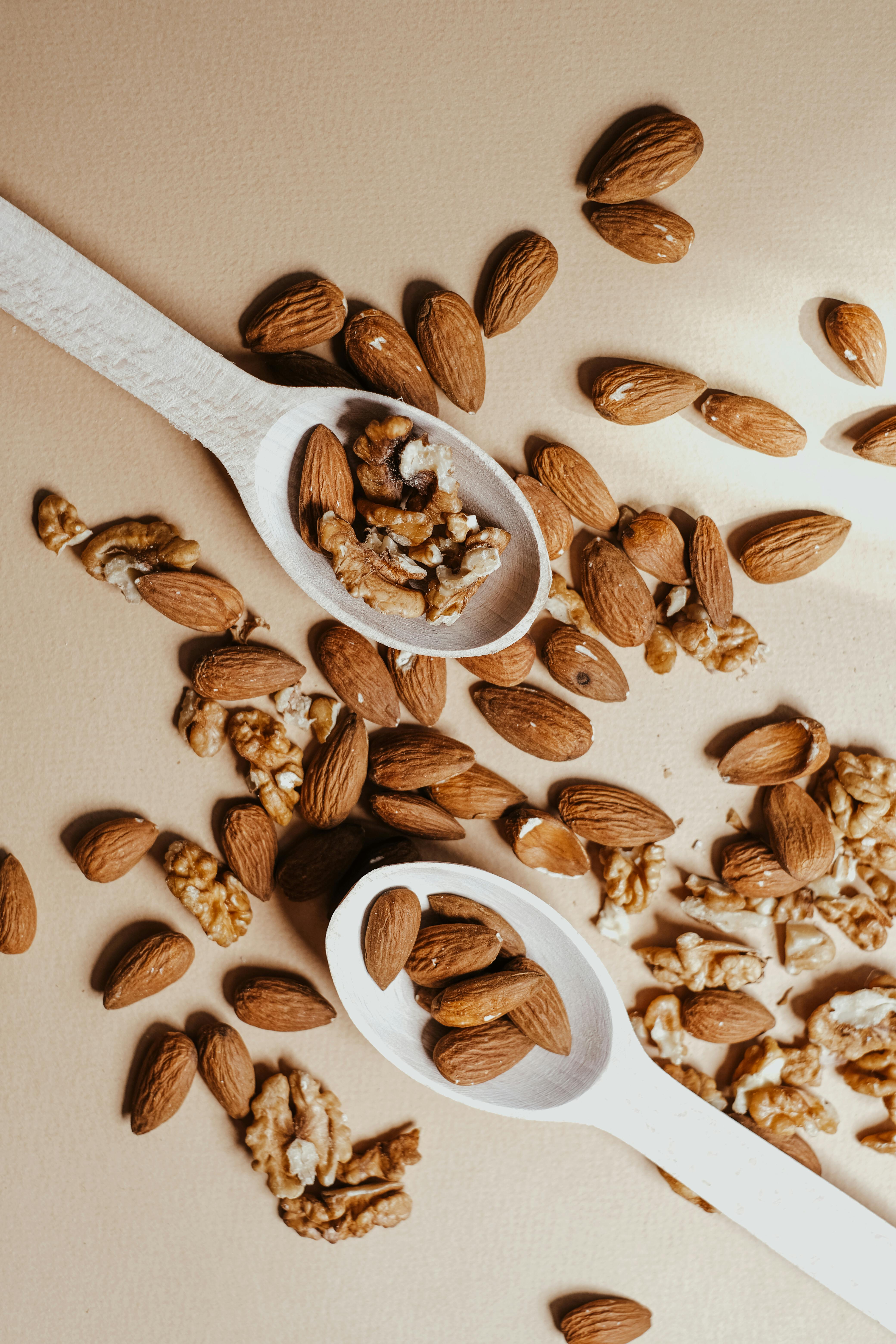
Before we dive into the specifics, let’s talk about why these little foods pack such a massive nutritional punch.
Nuts and seeds provide healthy fats that your brain needs to function properly. They’re loaded with minerals like magnesium, zinc, and selenium that most people don’t get enough of.
Plus, they contain plant protein and fiber that work together to keep your blood sugar stable and your hunger satisfied for hours.
When I first started eating more plants, I worried constantly about getting enough protein and healthy fats. Nuts and seeds solved both problems at once.
They became my secret weapon for feeling full and energized between meals without reaching for processed snacks that left me feeling terrible.
Most Nutrient-Dense Nuts & Seeds
Almonds: The All-Around Powerhouse
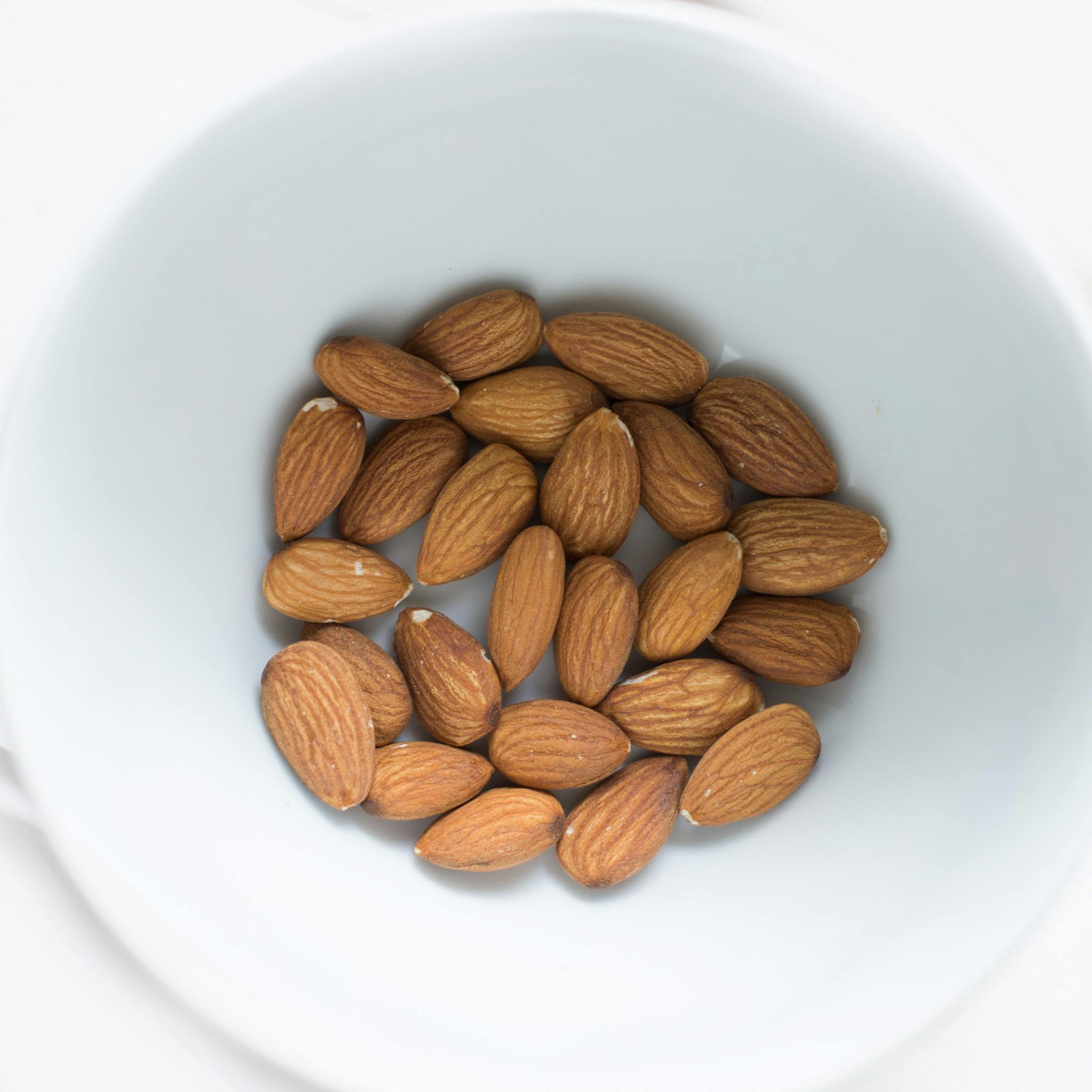
Almonds are probably sitting in your pantry right now, and for good reason.
They’re exceptionally high in vitamin E, a powerful antioxidant that protects your cells from damage and supports healthy skin. Just one ounce (about 23 almonds) provides nearly half your daily vitamin E needs.
They’re also rich in magnesium, which helps with everything from muscle function to mood regulation.
Additional benefits:
- Excellent source of fiber that supports digestive health
- Contains calcium for bone strength
- Rich in riboflavin, which helps your body produce energy
- May help lower LDL cholesterol levels
How to use them: Slice them over your morning oatmeal, blend them into creamy almond butter, toss whole almonds with roasted vegetables, or soak them overnight for easier digestion.
Walnuts: Your Brain’s Best Friend
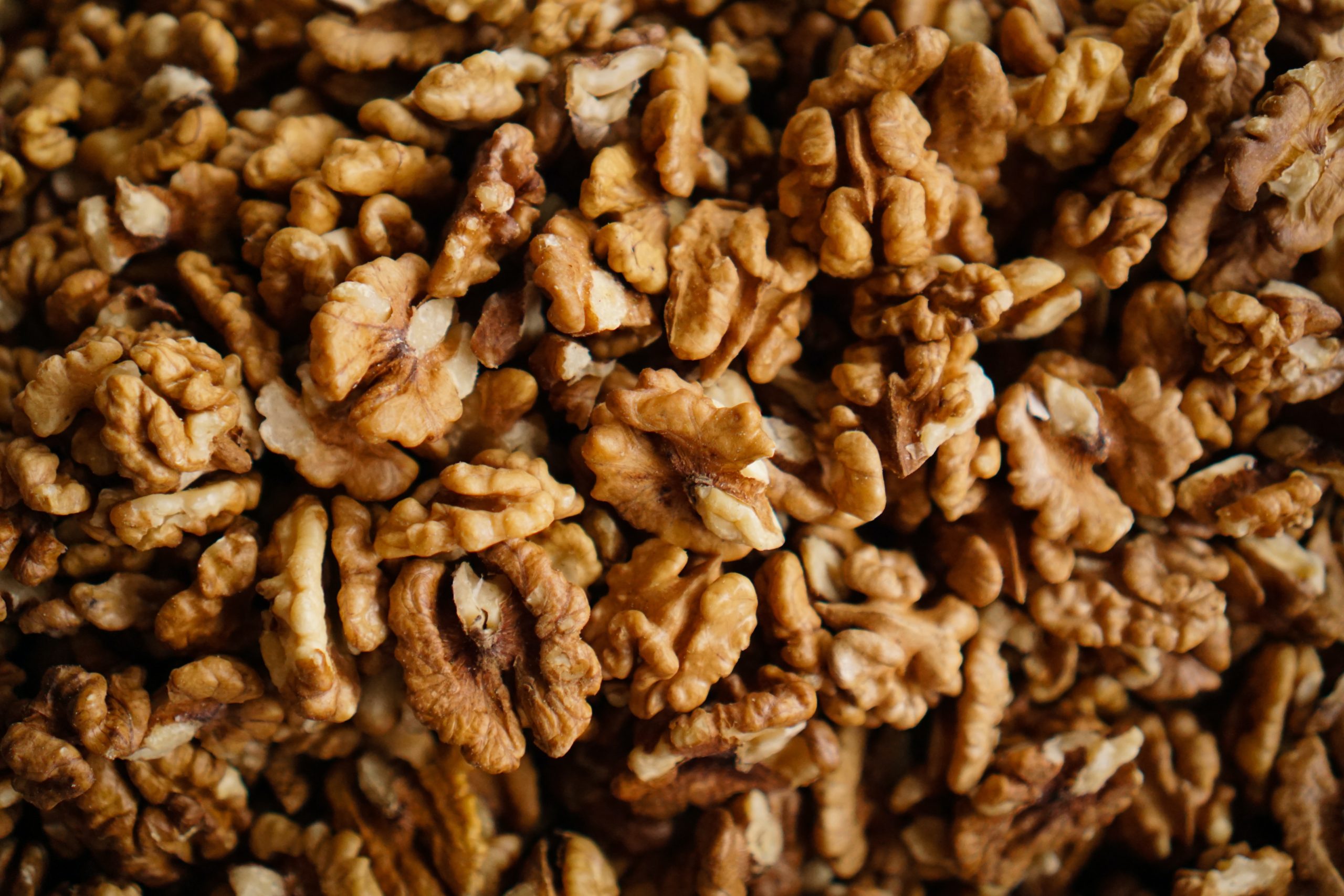
Walnuts look like tiny brains for a reason—they’re incredible for cognitive function.
They contain more omega-3 fatty acids than any other nut, specifically alpha-linolenic acid (ALA), which your body converts to EPA and DHA. These fats support brain health, reduce inflammation, and may even improve mood.
Research suggests that eating walnuts regularly may help protect against age-related cognitive decline.
Additional benefits:
- High in antioxidants that fight oxidative stress
- Contains copper for healthy connective tissue
- Rich in manganese for bone health and metabolism
- May support heart health by improving blood vessel function
How to use them: Chop them into banana bread, blend into pesto instead of pine nuts, add to grain bowls for crunch, or eat them straight as an afternoon snack.
Chia Seeds: Tiny But Mighty
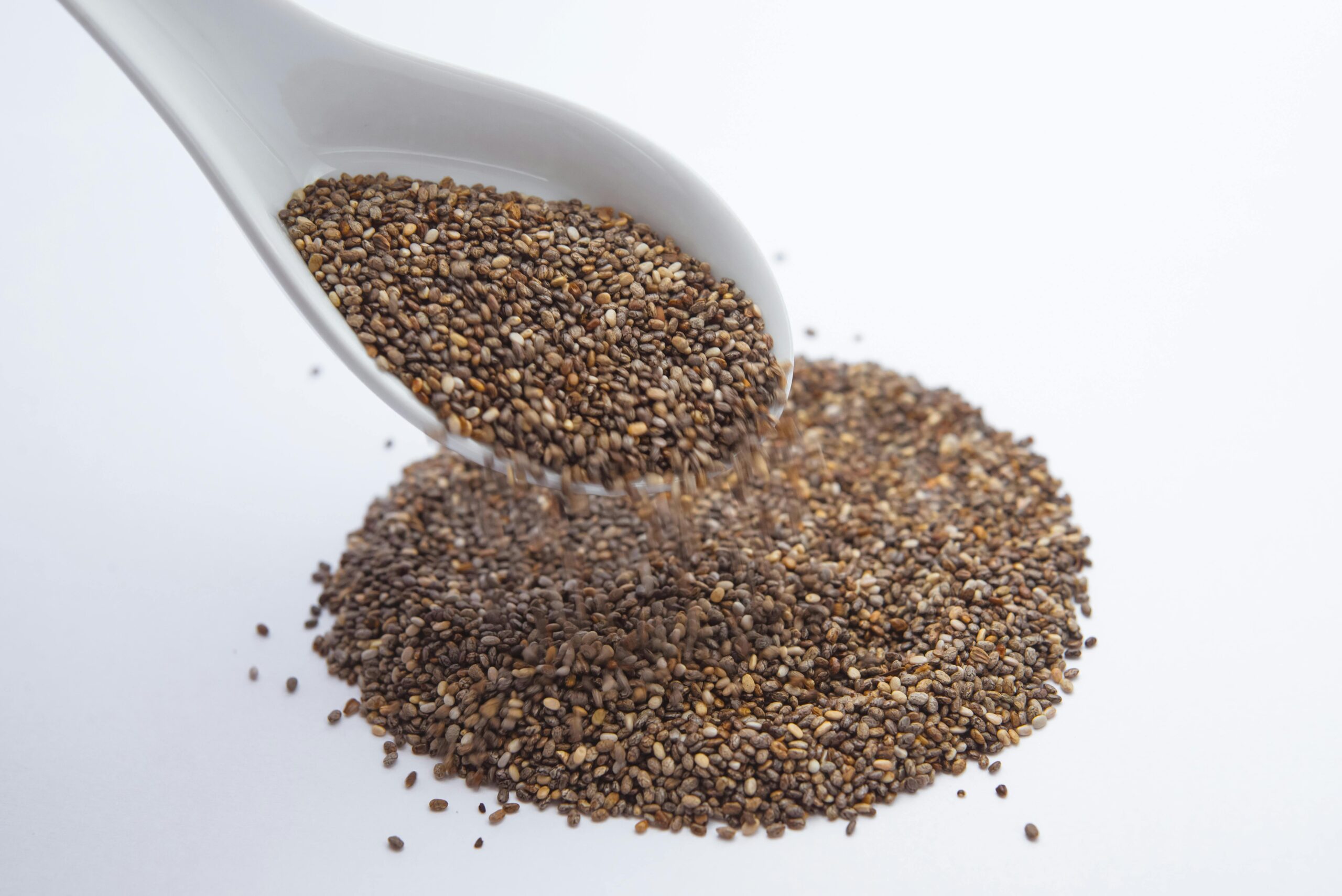
These tiny seeds expand in liquid to form a gel, which slows digestion and helps stabilize blood sugar. They’re loaded with omega-3 fatty acids, fiber, and calcium.
Just two tablespoons of chia seeds provide nearly 10 grams of fiber—that’s about a third of what most people need daily.
Additional benefits:
- Excellent source of phosphorus for bone and tooth health
- Contains manganese for enzyme function
- Rich in protein with all nine essential amino acids
- May help reduce inflammation markers in the body
How to use them: Make chia pudding by soaking them in plant milk overnight, stir into smoothies for thickness, sprinkle over yogurt, or use as an egg replacement in baking (1 tablespoon chia + 3 tablespoons water = 1 egg).
Flaxseeds: The The Hormone Balancer
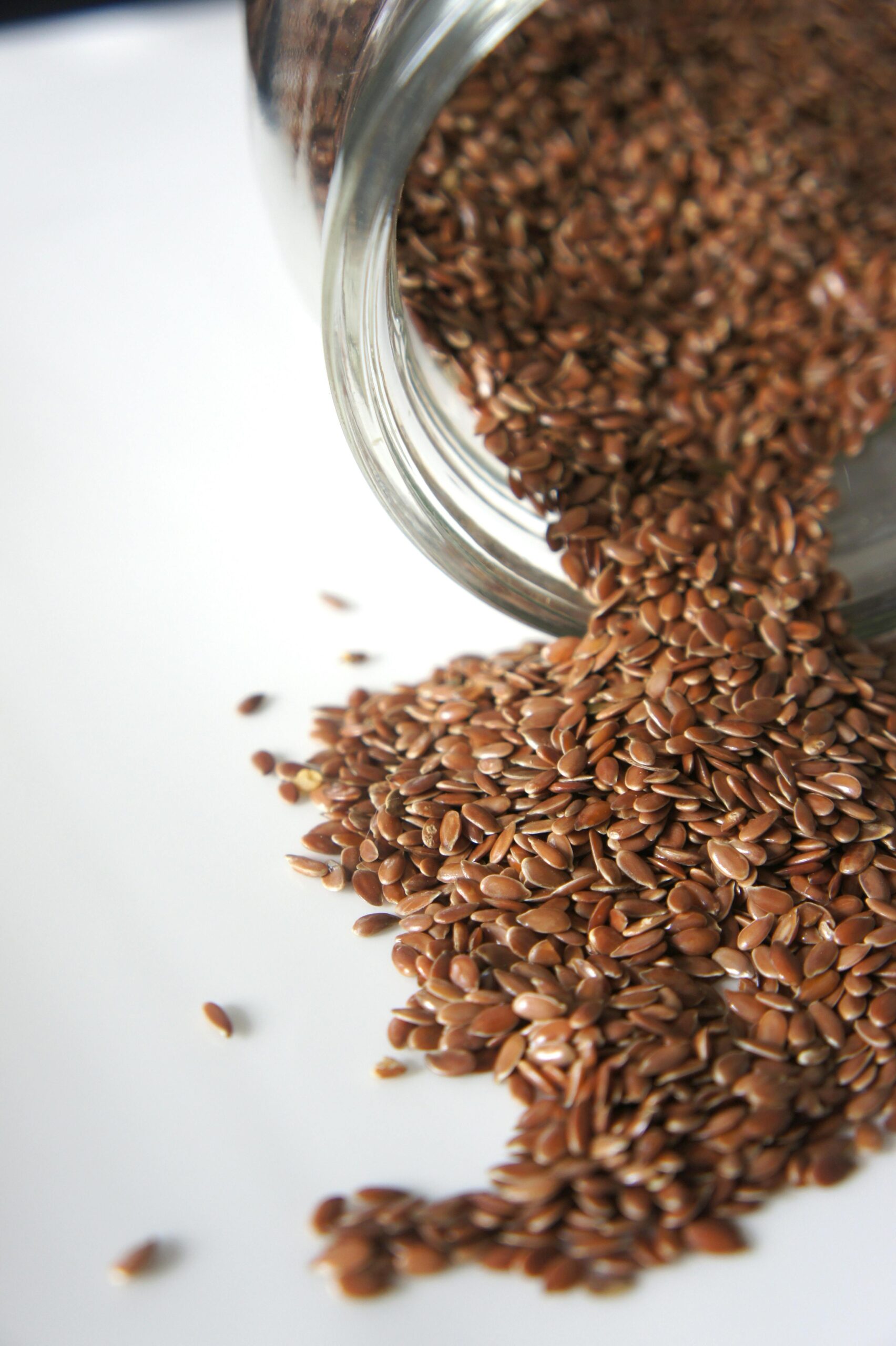
Flaxseeds contain lignans, plant compounds that may help balance hormones and support breast health. Like chia seeds, they’re rich in omega-3 ALA, but you need to grind them first for your body to absorb their nutrients.
Whole flaxseeds just pass right through your digestive system.
Additional benefits:
- High in soluble fiber that feeds beneficial gut bacteria
- May help lower cholesterol levels
- Contains thiamine for energy metabolism
- Rich in magnesium for muscle and nerve function
How to use them: Grind them fresh in a coffee grinder, add to smoothies or oatmeal, mix into baked goods, or sprinkle over salads. Store ground flaxseeds in the fridge to prevent the oils from going rancid.
Pumpkin Seeds: The Mineral Miracle
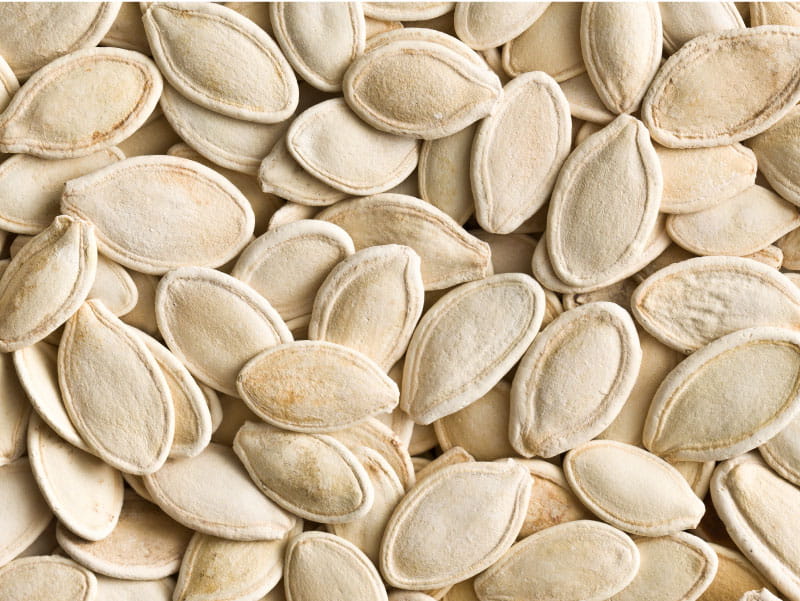
Pumpkin seeds (also called pepitas) are one of the best plant sources of zinc you’ll find.
Zinc supports immune function, wound healing, and healthy skin. These seeds are also incredibly rich in magnesium—just one ounce provides nearly 40% of your daily needs.
Additional benefits:
- Excellent source of iron for oxygen transport in blood
- Contains phosphorus for bone health
- Rich in antioxidants including carotenoids and vitamin E
- May support prostate and bladder health
How to use them: Roast with spices for a crunchy snack, blend into pesto, sprinkle over soups, add to granola, or toss into stir-fries for texture.
Hemp Seeds: The Protein Champion
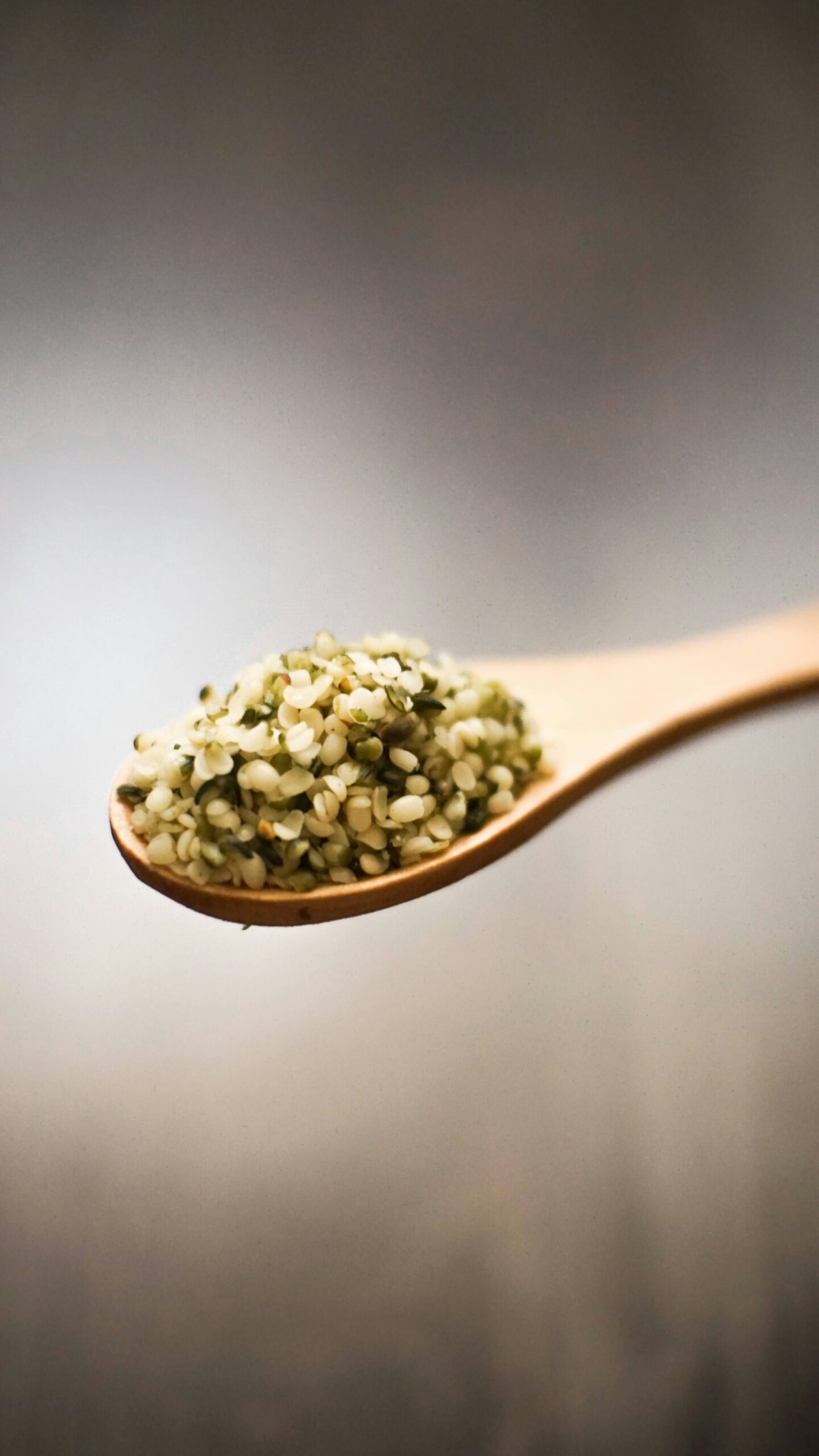
Hemp seeds have this mild, slightly nutty flavor that works with just about everything.
They’re one of the few plant foods that provide complete protein, meaning they contain all nine essential amino acids your body needs. Three tablespoons deliver about 10 grams of protein.
They’re also incredibly easy to digest compared to other seeds.
Additional benefits:
- Rich in gamma-linolenic acid (GLA), an omega-6 fat that may reduce inflammation
- Contains magnesium for hundreds of enzyme reactions
- Excellent source of vitamin E
- May support heart health by improving cholesterol ratios
How to use them: Sprinkle over literally anything—salads, smoothie bowls, pasta, roasted vegetables. Blend into smoothies, stir into hummus, or make hemp milk by blending with water and dates.
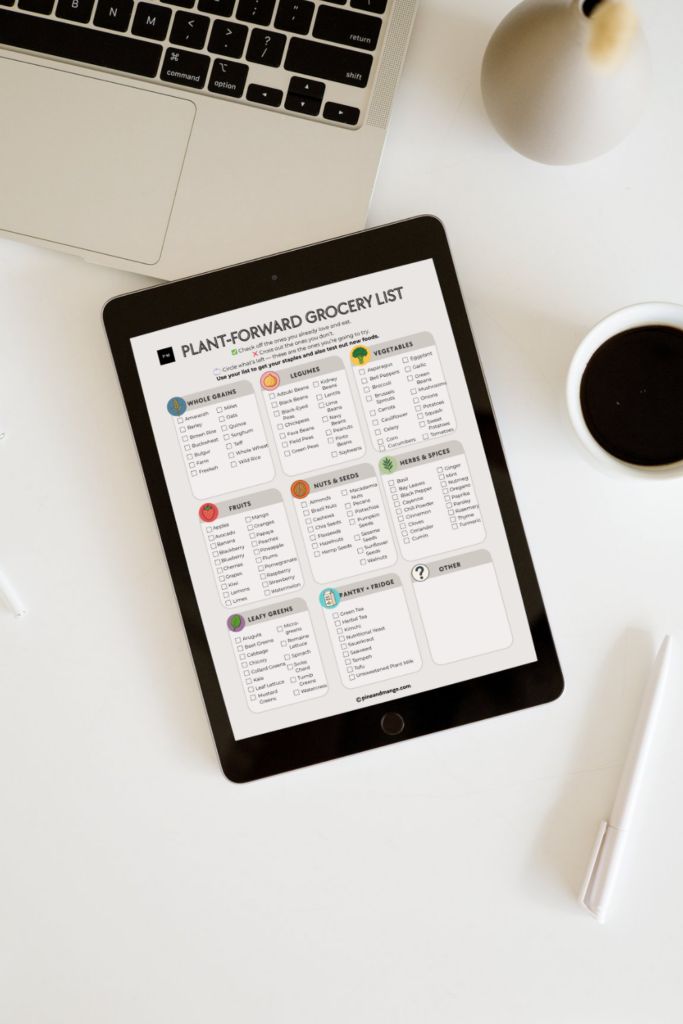
Get Your FREE Plant-Forward Grocery List Today!
Hazelnuts: The Underrated Gem
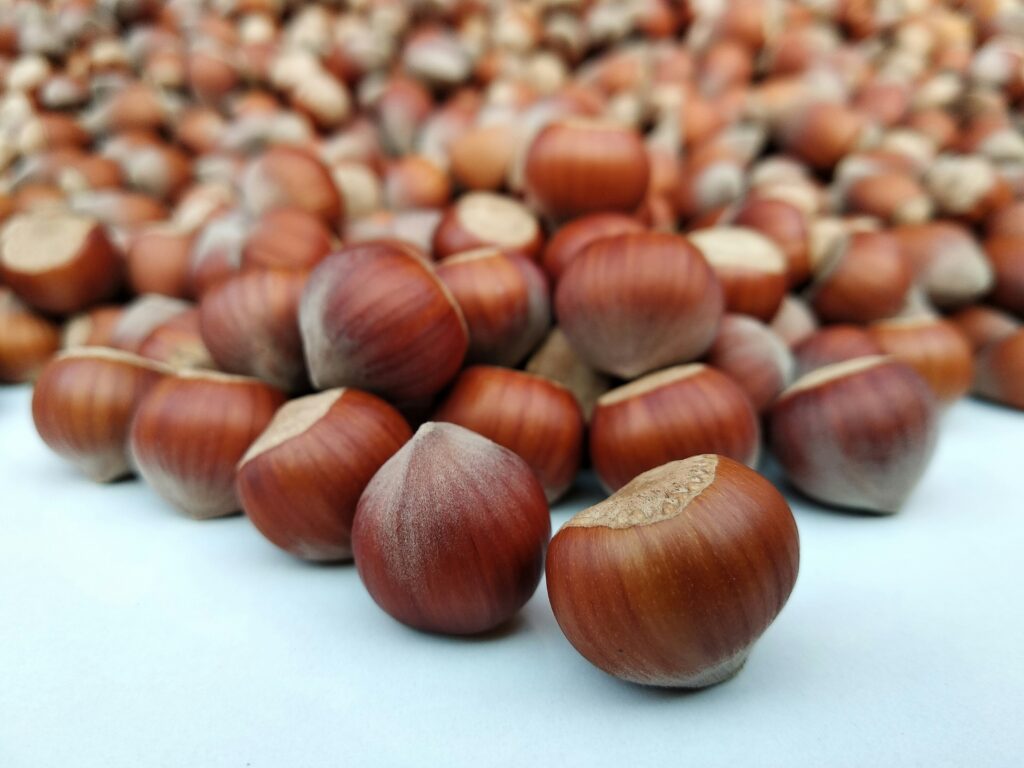
Hazelnuts don’t get nearly enough love, and that’s a shame.
They’re exceptionally high in folate, a B vitamin that supports cell growth and is especially important during pregnancy. They also contain impressive amounts of vitamin E, manganese, and copper.
Additional benefits:
- High in monounsaturated fats that support heart health
- Contains proanthocyanidins, antioxidants that may protect brain cells
- Rich in thiamine for energy production
- May help reduce inflammation markers
How to use them: Make homemade chocolate hazelnut spread (way better than store-bought), roast and chop over green beans, blend into coffee for natural sweetness, or crush and use as a coating for baked tofu.
Cashews: The Creamy Converter
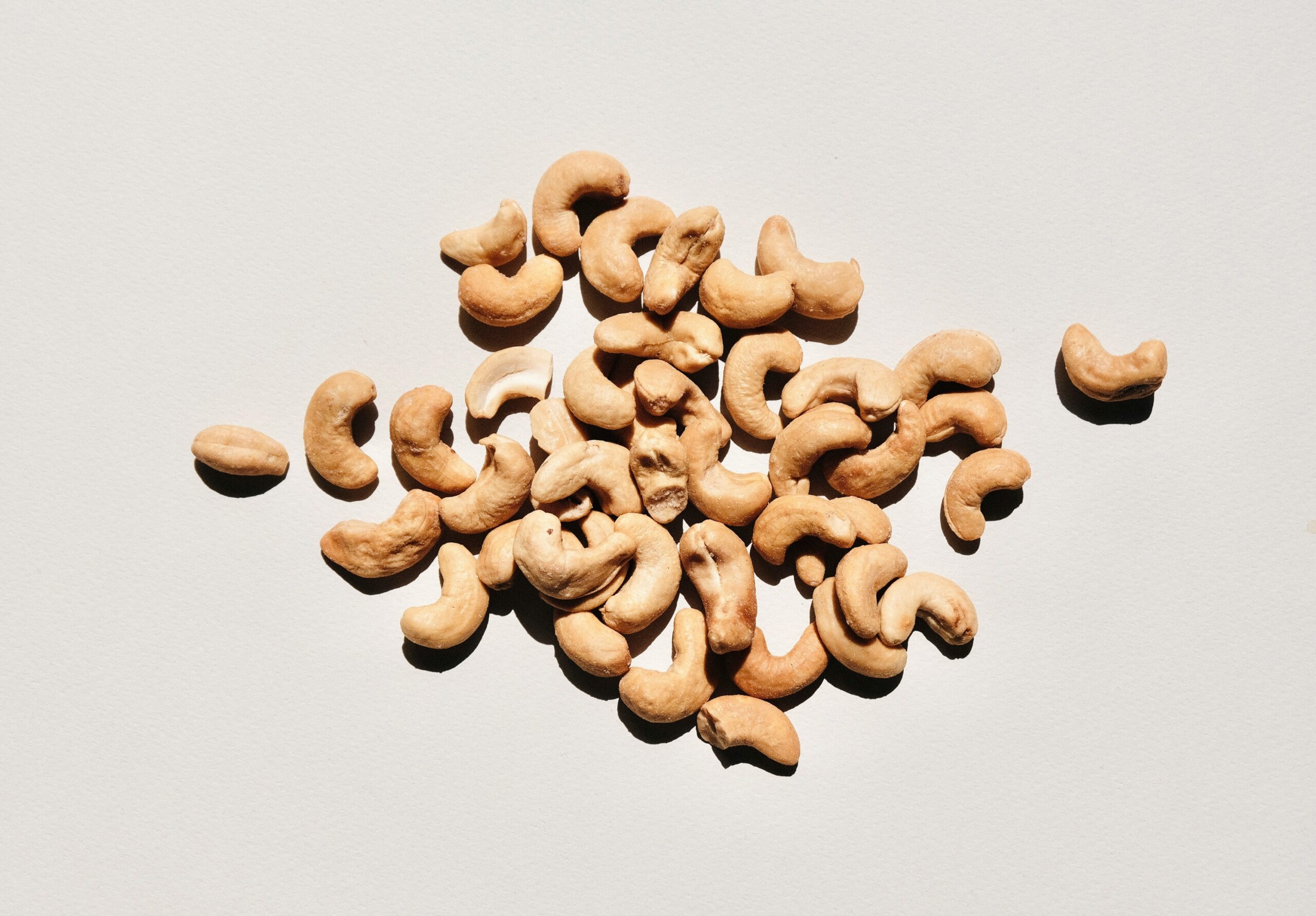
Cashews are softer than most nuts, which makes them perfect for creating dairy-free sauces, cheeses, and desserts.
Nutritionally, they’re loaded with copper, which helps your body form red blood cells and maintain healthy bones and immune function. They also provide good amounts of magnesium and zinc.
Additional benefits:
- Contains iron for energy and oxygen transport
- Rich in vitamin K for blood clotting and bone health
- Provides phosphorus for strong bones and teeth
- May support eye health due to antioxidant content
How to use them: Soak and blend into creamy pasta sauces, make cashew cream for soups, process into cashew cheese, blend into smoothies for richness, or roast with curry spices for a savory snack.
Sesame Seeds: The Ancient Superfood
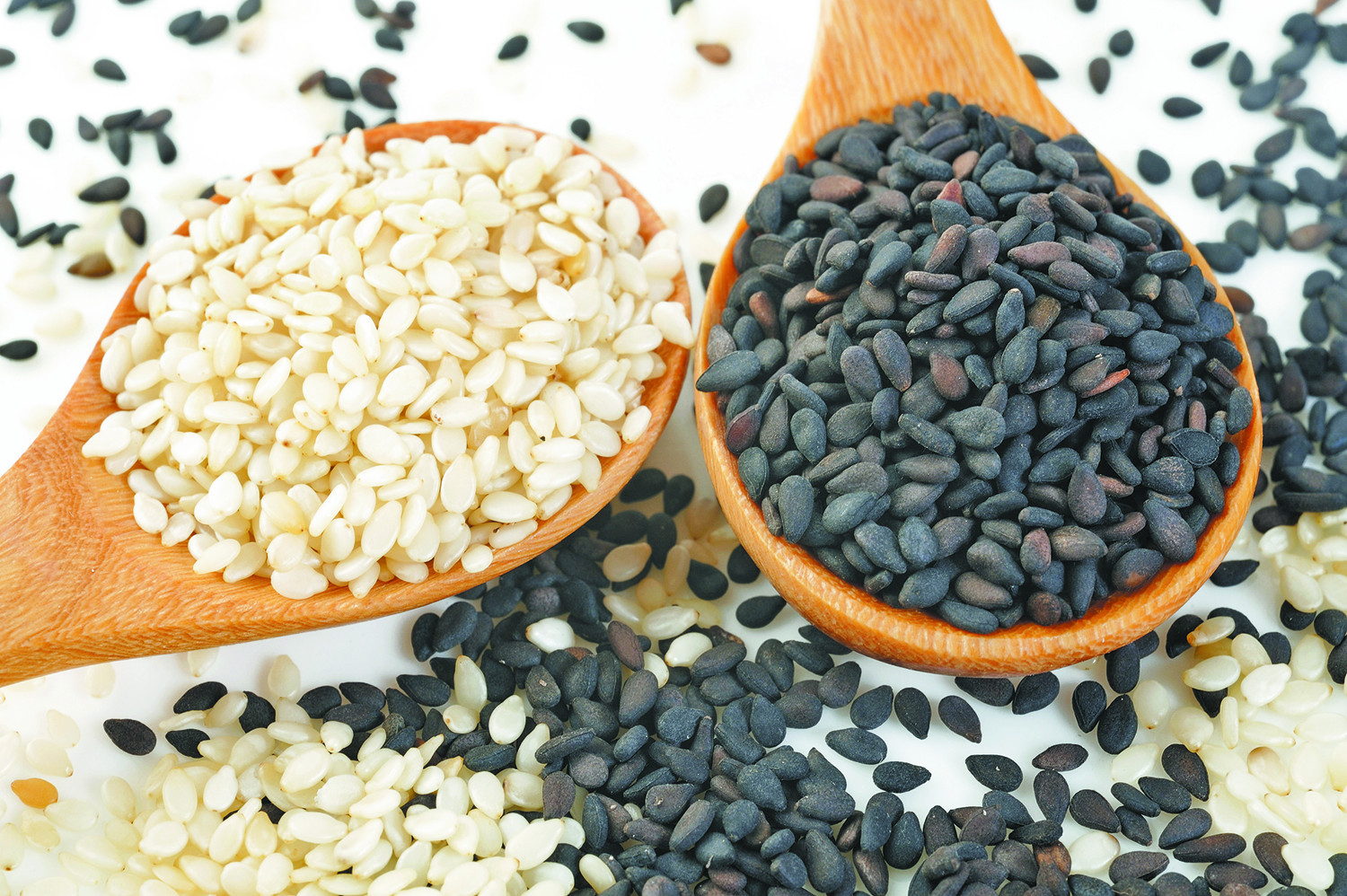
Sesame seeds have been cultivated for thousands of years, and cultures around the world recognize their value.
They’re one of the best plant sources of calcium—just one tablespoon provides about 9% of your daily needs.
They also contain unique compounds called sesamin and sesamolin, which are antioxidants that may support liver health and reduce inflammation.
Additional benefits:
- Excellent source of copper for connective tissue health
- Rich in manganese for bone formation and metabolism
- Contains zinc for immune function
- May help lower blood pressure and cholesterol
How to use them: Toast them to enhance flavor, blend into tahini for hummus or dressings, sprinkle over stir-fries or grain bowls, or add to homemade granola bars.
Pistachios: The Complete Package
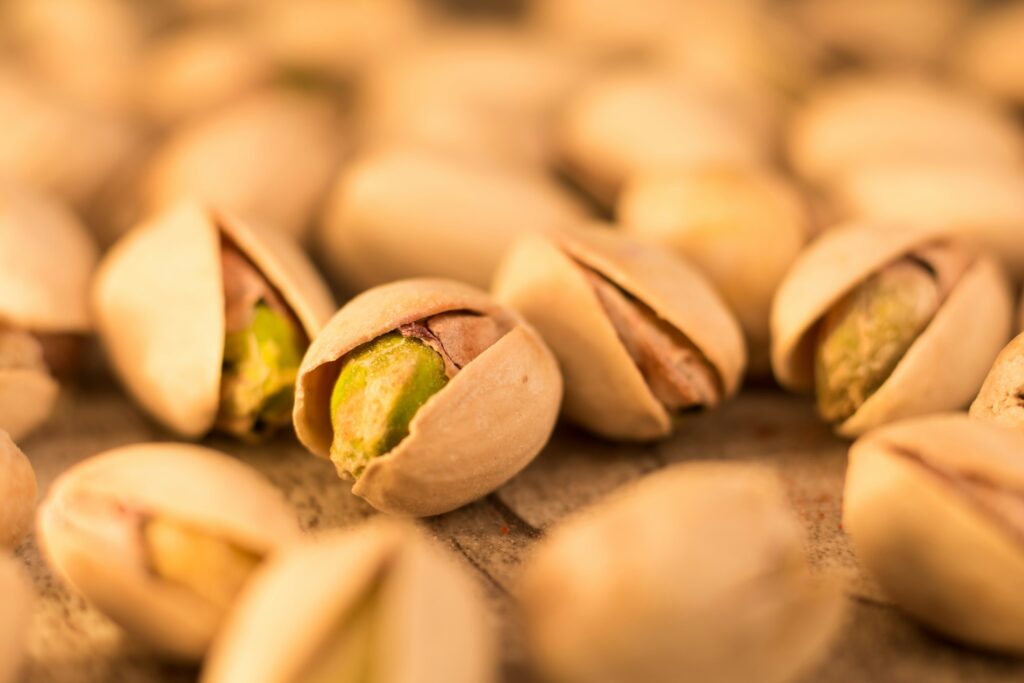
Pistachios are one of my favorite afternoon snacks because they’re so satisfying.
They contain lutein and zeaxanthin, antioxidants that specifically support eye health and may reduce the risk of age-related vision problems.
They’re also rich in protein and fiber, which work together to keep you full. Plus, the act of shelling them slows you down—it’s built-in portion control!
Additional benefits:
- High in vitamin B6 for brain development and immune function
- Contains thiamine for nervous system health
- Rich in phosphorus for bone and tooth structure
- May help improve gut bacteria diversity
How to use them: Eat them in the shell as a mindful snack, chop and sprinkle over fruit, blend into pesto, crush as a coating, or add to homemade energy balls.
Sunflower Seeds: The Budget-Friendly Option
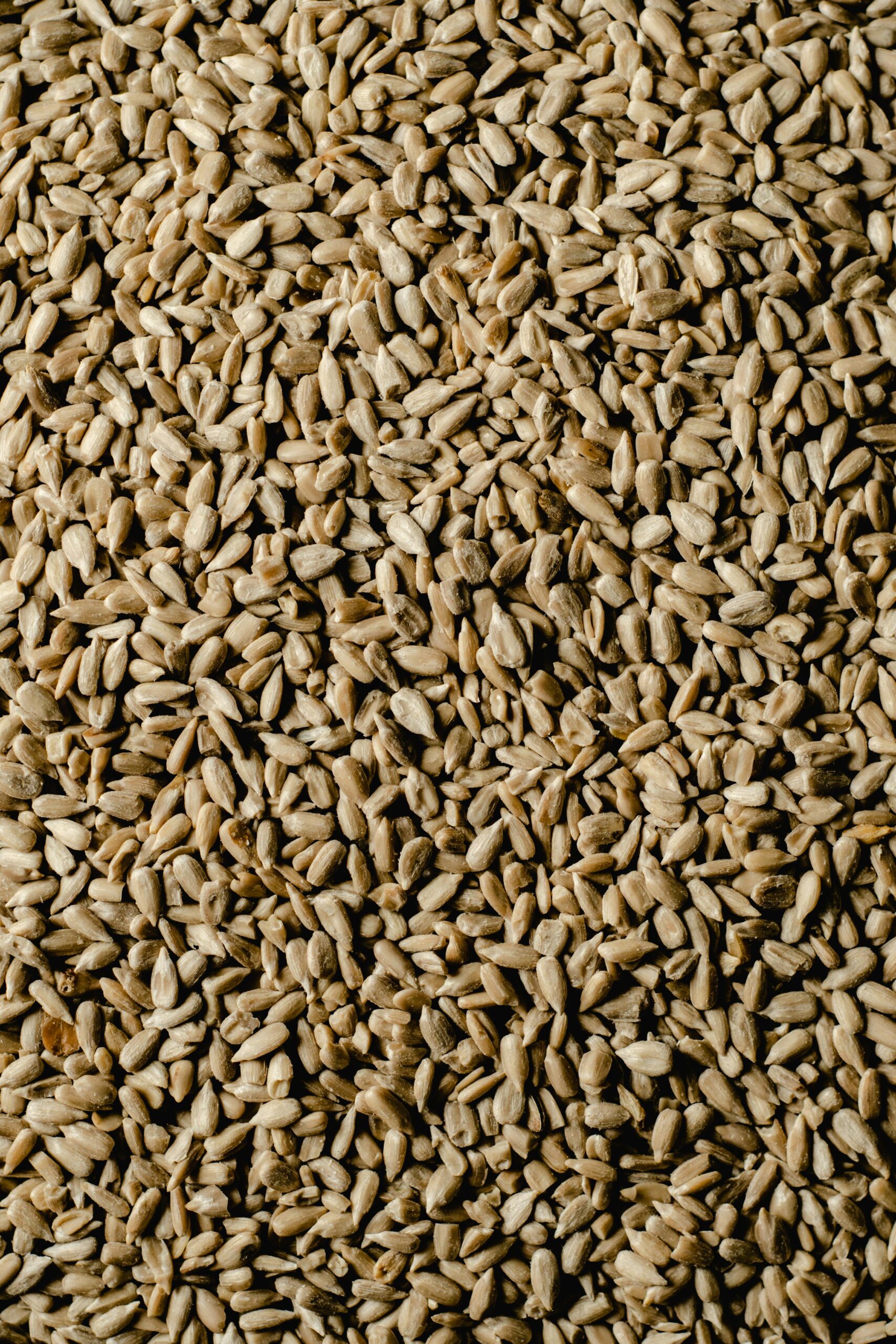
Sunflower seeds are affordable, accessible, and absolutely packed with nutrients.
They’re one of the best sources of vitamin E you can find—just one ounce provides 49% of your daily needs.
They’re also incredibly rich in selenium, a mineral that supports thyroid function and acts as a powerful antioxidant.
Additional benefits:
- Excellent source of copper for iron absorption
- Contains folate for cell growth and DNA synthesis
- Rich in vitamin B5 for energy production
- May help reduce inflammation and support heart health
How to use them: Sprinkle over salads for crunch, blend into sunflower seed butter (great for nut-free households), add to baked goods, roast with spices, or toss into homemade trail mix.
FAQs About Nutrient-Dense Nuts and Seeds
Q: What’s the healthiest nut or seed to eat every day?
There’s no single “healthiest” option because different nuts and seeds provide different nutrients.
Walnuts excel in omega-3 fats, pumpkin seeds dominate in zinc, and sesame seeds lead in calcium.
The healthiest approach is rotating through several types to get a variety of nutrients rather than relying on just one.
Q: How many nuts and seeds should I eat daily?
Most research suggests about one to two ounces (roughly a small handful or 2-4 tablespoons of seeds) provides significant health benefits without overdoing calories.
Listen to your body—some people feel best with more, others with less. There’s no magic number that applies to everyone.
Q: Do I need to soak nuts and seeds before eating them?
Soaking isn’t necessary for nutrition, but some people find soaked nuts easier to digest. Soaking can reduce phytic acid, which may improve mineral absorption slightly.
I soak almonds and cashews when I’m making creamy sauces because it makes blending easier, but I eat most nuts and seeds unsoaked without any issues.
📖 Good Reads: How Not to Die, The China Study and Plant-Based Nutrition

In Essence: Small Foods with Big Benefits
These nutrient-dense nuts and seeds aren’t about perfection or following another set of rules.
They’re simply tools in your kitchen that make nourishing yourself easier and more delicious. Start with one or two that sound appealing, add them to meals you’re already making, and notice how your body responds.
These small additions create big shifts over time.
Your body knows what it needs—these foods just help you give it what it’s asking for. No stress, no pressure, just simple nourishment that feels good.
Welcome to eating that actually supports you. Your body’s been waiting for this.
⭐ What’s your favorite way to use nuts and seeds? Have you discovered any creative combinations or recipes that surprised you? Share in the comments—I’d love to hear what’s working in your kitchen!