This post may contain affiliate links. If you purchase through these links, I may earn a small commission at no extra cost to you. This helps keep Pine+Mango running. Thank you for your support! Read our full disclosure here.
Ever notice how you can chug water all day and still feel thirsty, tired, or just… off?
Here’s something wild: drinking water is only part of the hydration story.
Your body actually absorbs and uses water way more efficiently when it comes packaged with nutrients, minerals, and natural sugars — exactly the way nature intended.
And guess what delivers all of that? Whole plant foods.
I remember the summer I finally ditched the endless water bottles and started eating my hydration instead. My skin looked better, my energy stopped crashing at 3 PM, and those annoying headaches? Gone.
It felt like I’d unlocked a cheat code my body had been waiting for all along.
Let’s talk about the most hydrating foods you can eat — the ones that’ll actually make you feel good from the inside out.
Subscribe to Our Nourished Newsletter
Get free weekly guidance for your plant-based journey, straight to your inbox.
Why Food Hydrates Better Than Water Alone
Okay, so water is essential. We all know that.
But here’s the thing: when you drink plain water, it passes through your system pretty quickly.
Plant foods, on the other hand, release water slowly as you digest them. They come loaded with electrolytes like potassium, magnesium, and sodium — the stuff your cells actually need to hold onto that water and use it.
Think of it like this: water is the delivery truck, but electrolytes are the ones unloading the goods where they’re needed.
Plus, hydrating foods give you fiber, vitamins, and antioxidants all at once. You’re not just quenching thirst — you’re nourishing your entire body.
That’s the difference between surviving and thriving.
The Most Hydrating Foods You Need to Know
Cucumbers (96% water)
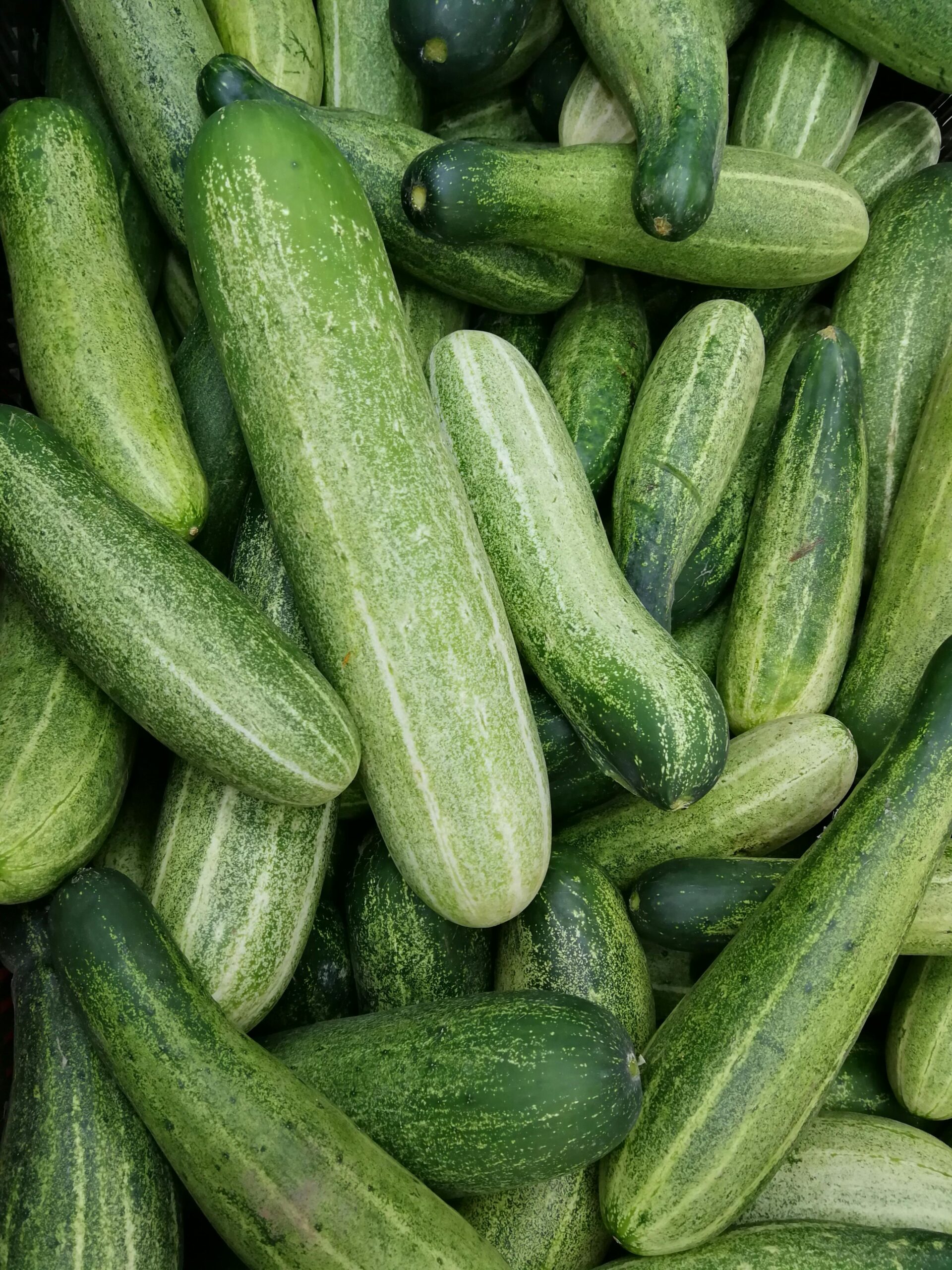
Cucumbers are basically nature’s water bottle. They’re crisp, refreshing, and ridiculously hydrating.
Slice them up for salads, blend them into a green smoothie, or just munch on them with a pinch of sea salt and lime.
They’re also packed with silica, which supports healthy skin and joints. I started keeping a container of sliced cucumbers in my fridge, and it’s become my go-to snack when I need a quick refresh.
Lettuce (96% water)
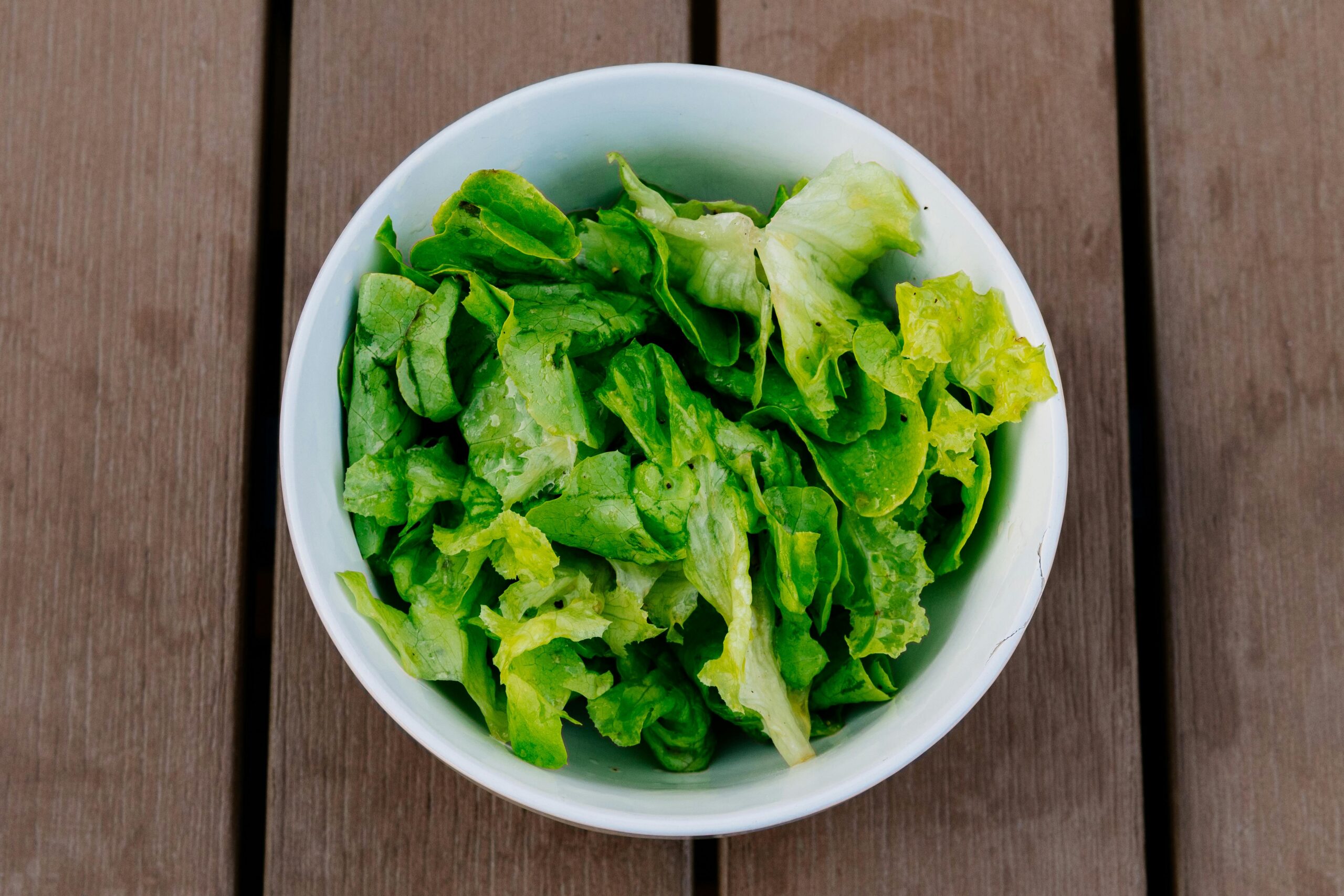
Leafy greens like romaine, iceberg, and butterhead lettuce are hydration heroes. They’re light, refreshing, and incredibly versatile.
Build a big, colorful salad and you’re eating your water while loading up on vitamins A and K.
The key is to make salads you actually want to eat. Toss in some seeds, nuts, colorful veggies, and a tangy dressing. Hydration shouldn’t feel like a chore.
Celery (95% water)
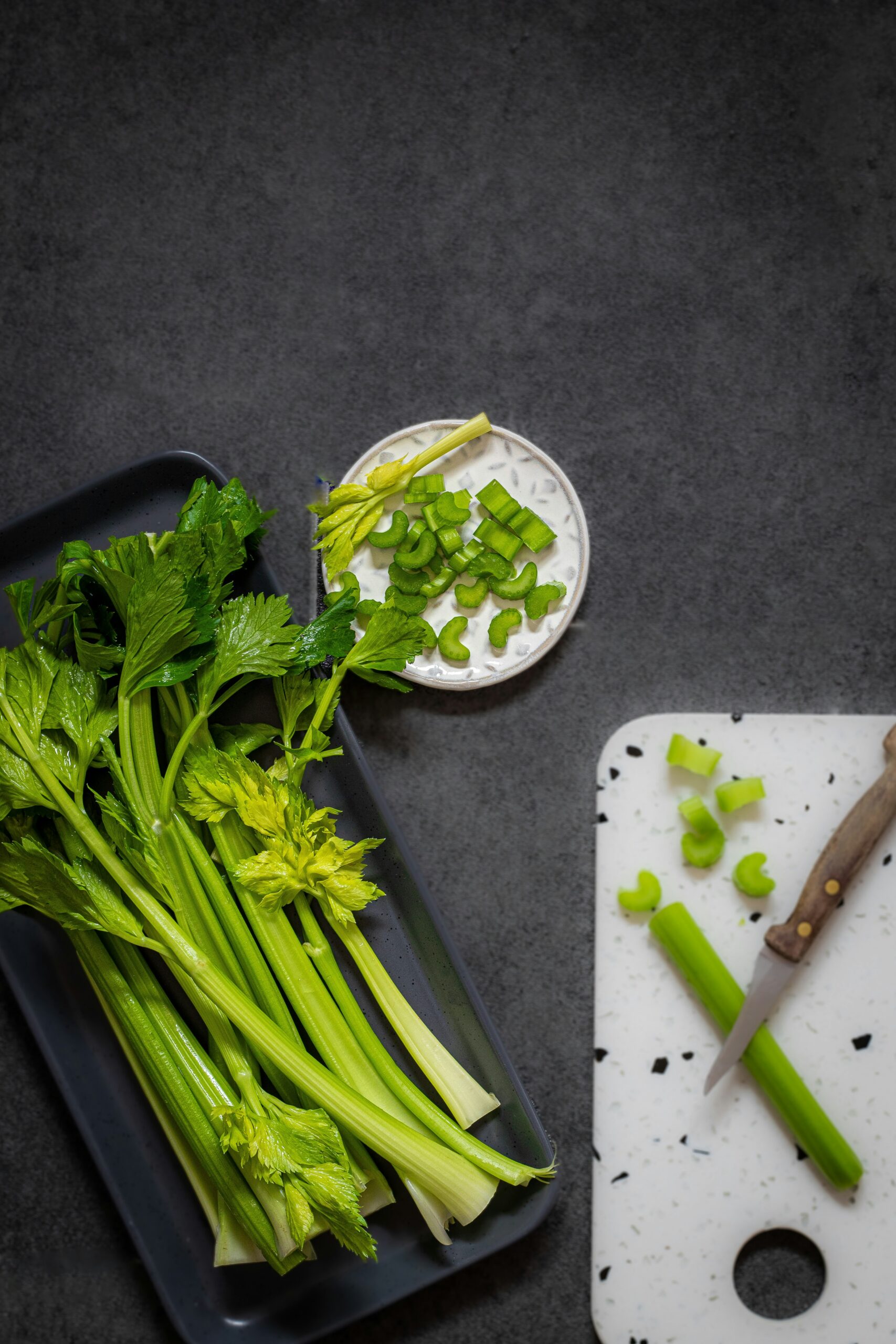
I know, I know — celery gets a bad rap for being boring. But hear me out.
This crunchy veggie is one of the most hydrating foods out there, and it’s packed with sodium (the good kind) and potassium. That combo is perfect for replenishing electrolytes after a workout or a long day in the heat.
Dip it in almond butter, chop it into soups, or juice it for a mineral-rich boost. Your body will thank you.
Radishes (95% water)
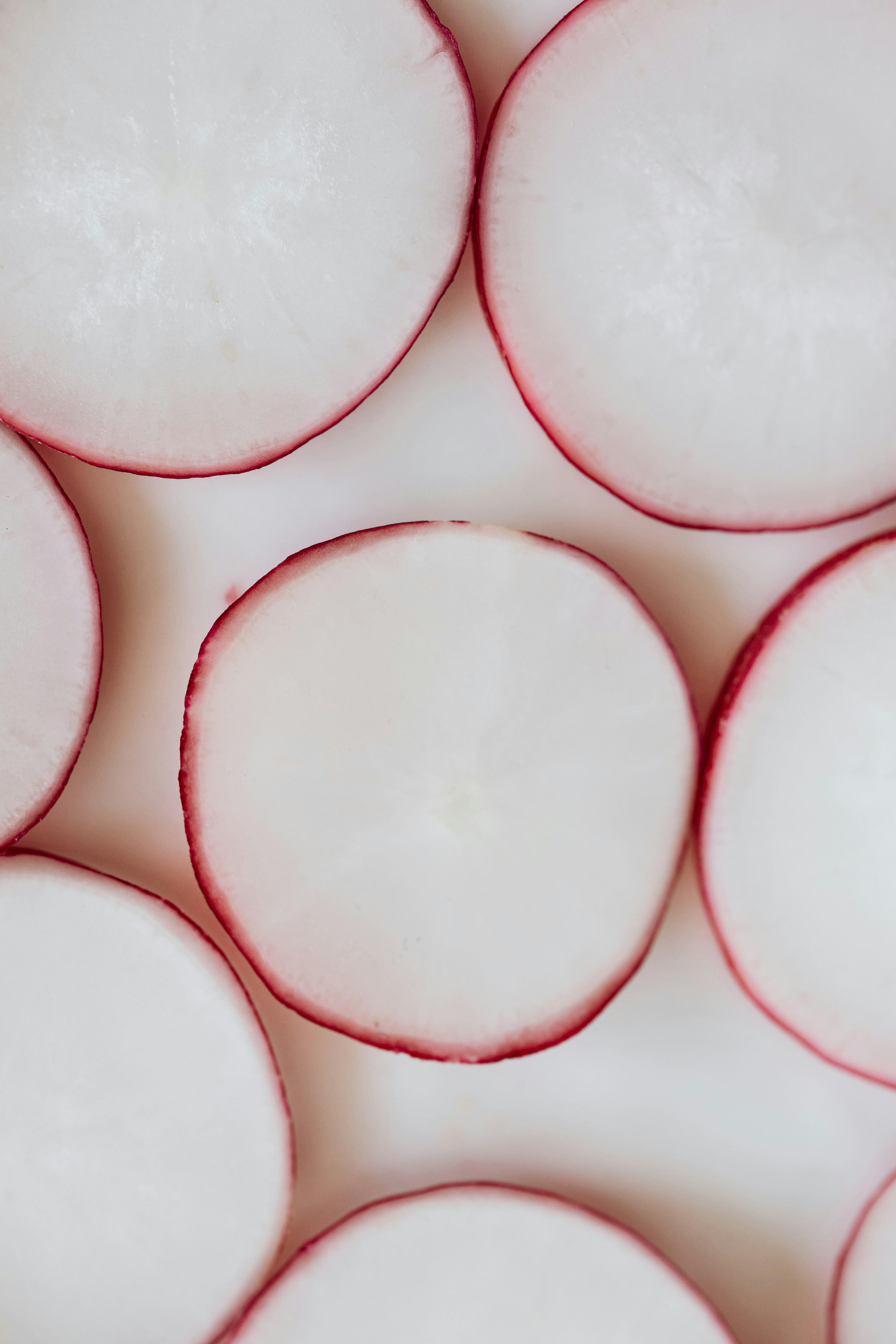
Radishes are spicy, crunchy, and seriously underrated.
These little powerhouses are loaded with water and vitamin C, plus they add a zingy kick to salads and grain bowls. They’re also great for digestion and liver support.
I love slicing them thin and adding them to tacos or roasting them with a drizzle of olive oil. Roasted radishes taste nothing like raw ones — they get sweet and mellow, almost like little potatoes.
Tomatoes (94% Water)
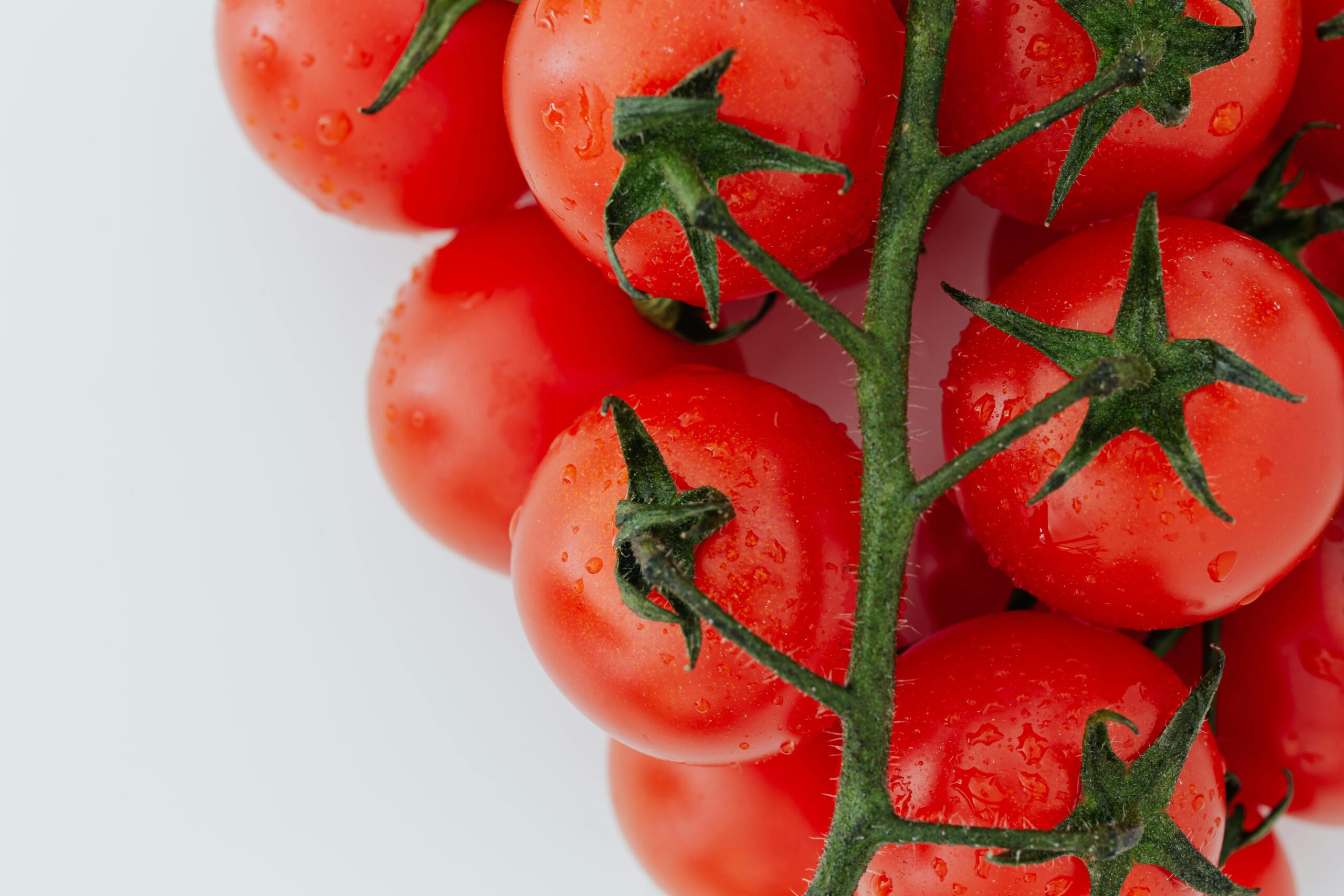
Tomatoes are juicy, flavorful, and one of the most hydrating foods you can eat. They’re rich in lycopene, potassium, and vitamin C.
Whether you eat them fresh in a salad, roasted with herbs, or blended into a gazpacho, they’re doing serious work for your hydration levels.
Cherry tomatoes are my jam — sweet, snackable, and perfect for when you need a quick bite.
Zucchini (94% water)
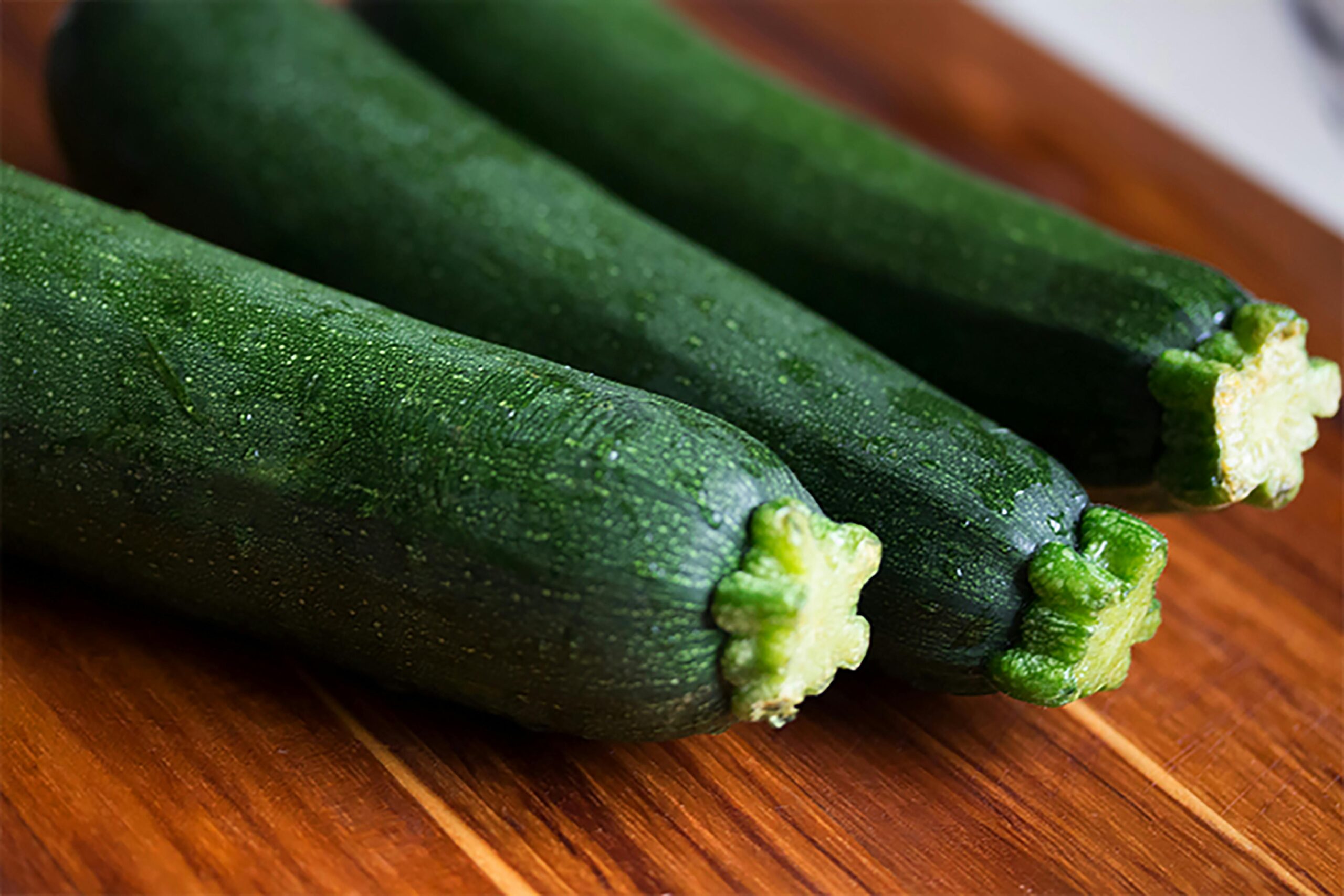
Zucchini is mild, versatile, and crazy hydrating.
You can spiralize it into noodles, grill it, bake it into bread, or blend it into smoothies (trust me on this one — you won’t even taste it). It’s a sneaky way to boost your water intake while adding fiber and nutrients to your meals.
I started adding raw zucchini to my morning smoothies, and it makes them so creamy and filling without any weird flavor.
Watermelon (92% water)
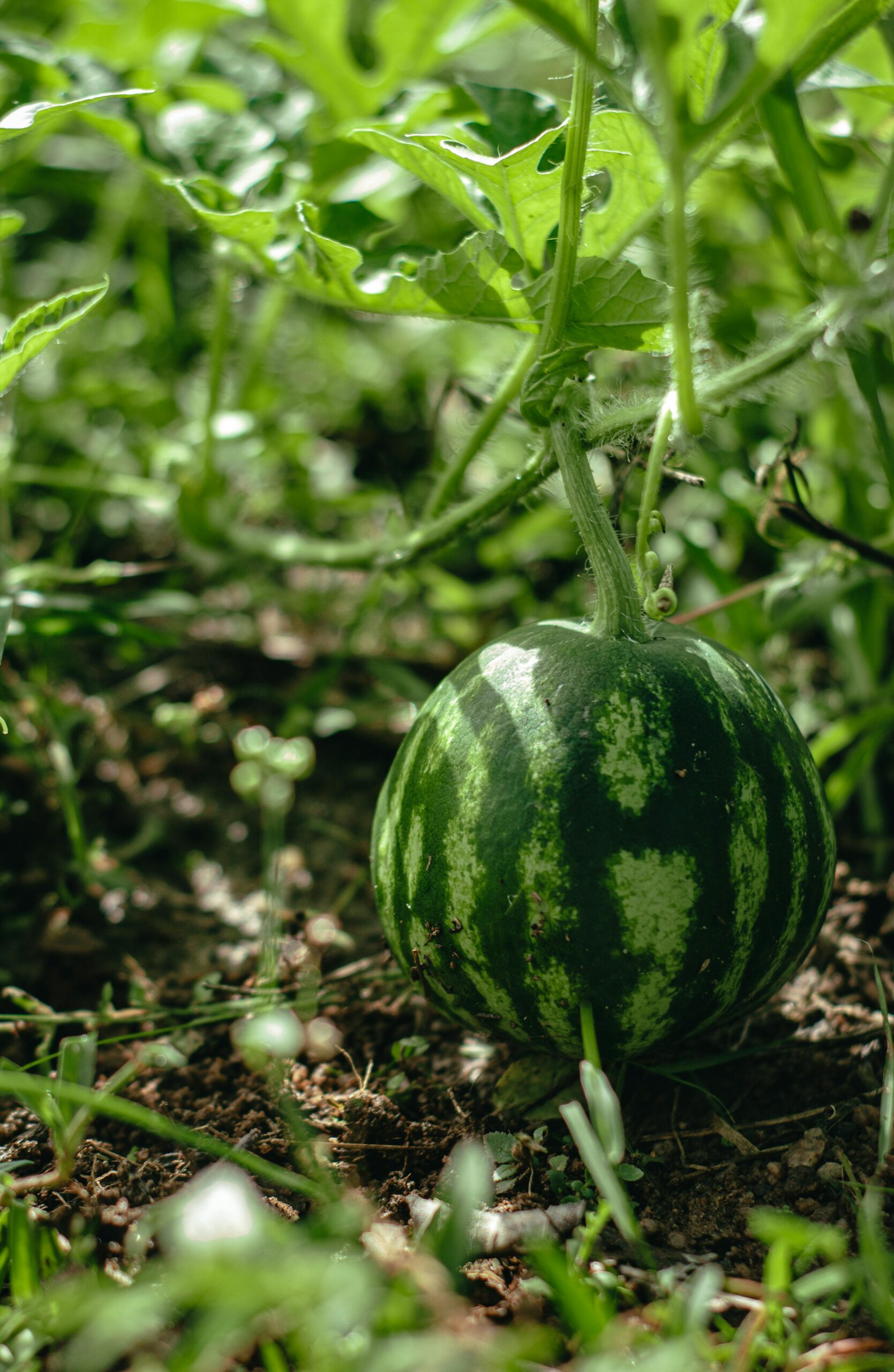
Is there anything more refreshing than biting into cold watermelon?
This fruit is a hydration powerhouse and a serious energy booster. It’s loaded with lycopene (great for your heart and skin) and natural sugars that give you quick, clean energy without the crash.
Pro tip: freeze watermelon chunks and blend them into a slushy. It’s like a treat and a hydration session rolled into one.
Asparagus (92% water)
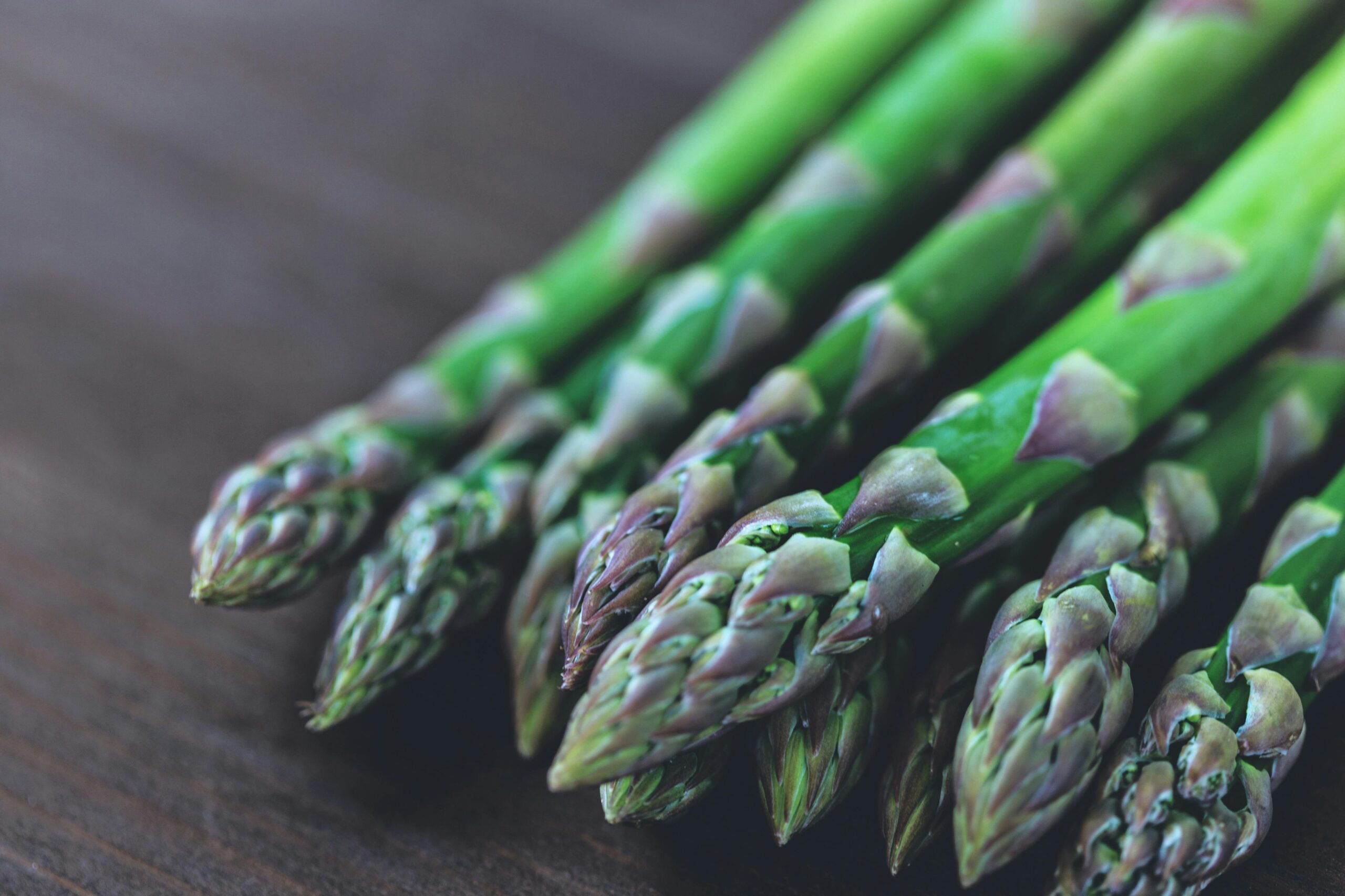
Asparagus doesn’t get enough credit for how hydrating it is.
These green spears are packed with water, folate, and vitamins A, C, and K. They’re also a natural diuretic, which means they help flush out excess salt and support kidney health.
Steam them, roast them with garlic, or toss them on the grill. They’re delicious, filling, and way more hydrating than most people realize.
Bell Peppers (92% water)
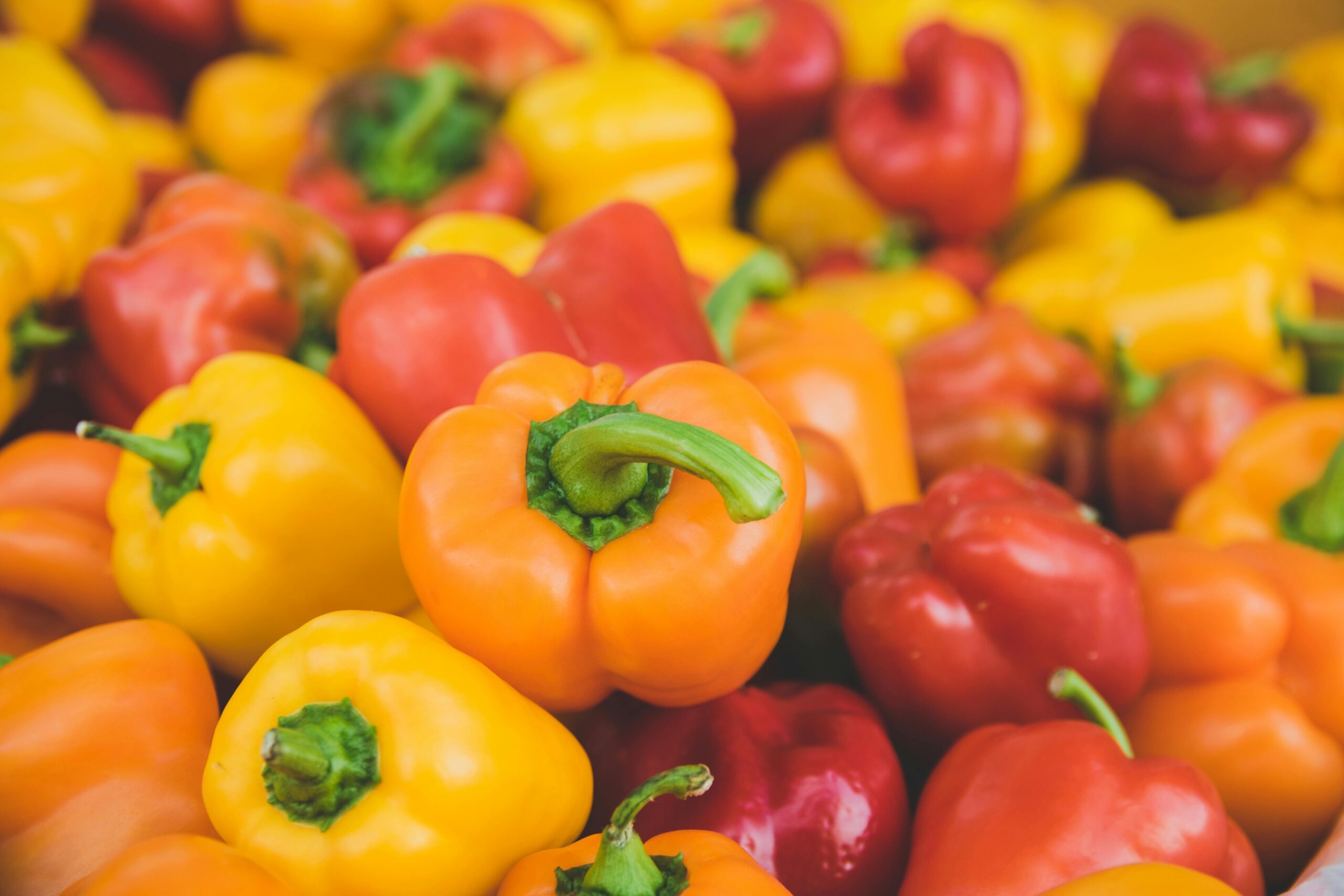
Crunchy, sweet, and incredibly hydrating, bell peppers are loaded with water and vitamin C.
The red ones have even more antioxidants than the green ones, but honestly, they’re all great.
Slice them up for snacking, roast them with a drizzle of olive oil, or toss them into stir-fries. They add crunch, color, and serious hydration to any meal.
Mushrooms (92% water)
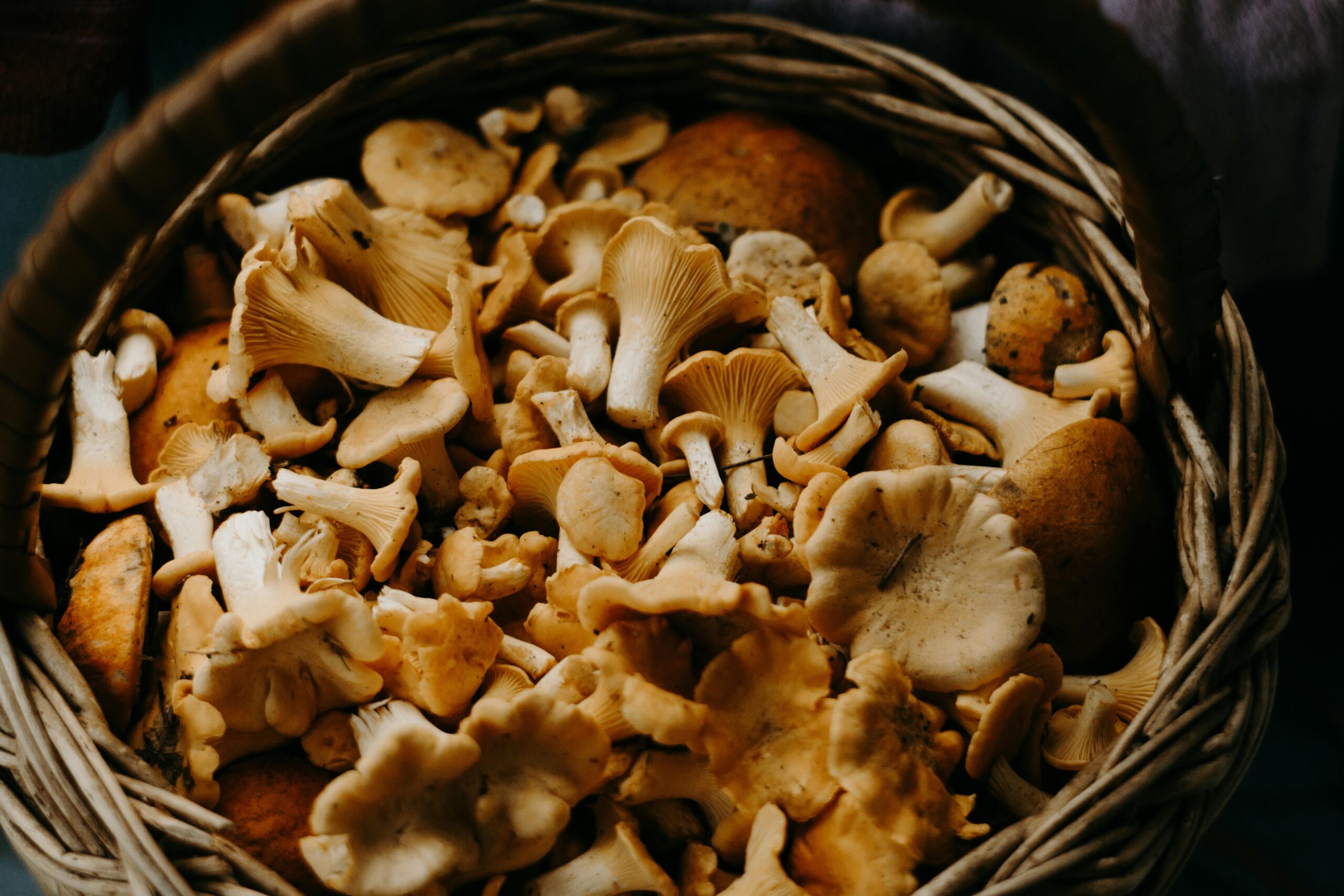
Mushrooms are meaty, satisfying, and surprisingly hydrating.
They’re also one of the few plant foods that provide vitamin D (especially if they’ve been exposed to sunlight). Plus, they’re loaded with B vitamins and minerals that support energy and immune function.
Sauté them with garlic and herbs, add them to pasta, or stuff them for a hearty meal. They’re way more hydrating than you’d think.
Cauliflower (92% water)
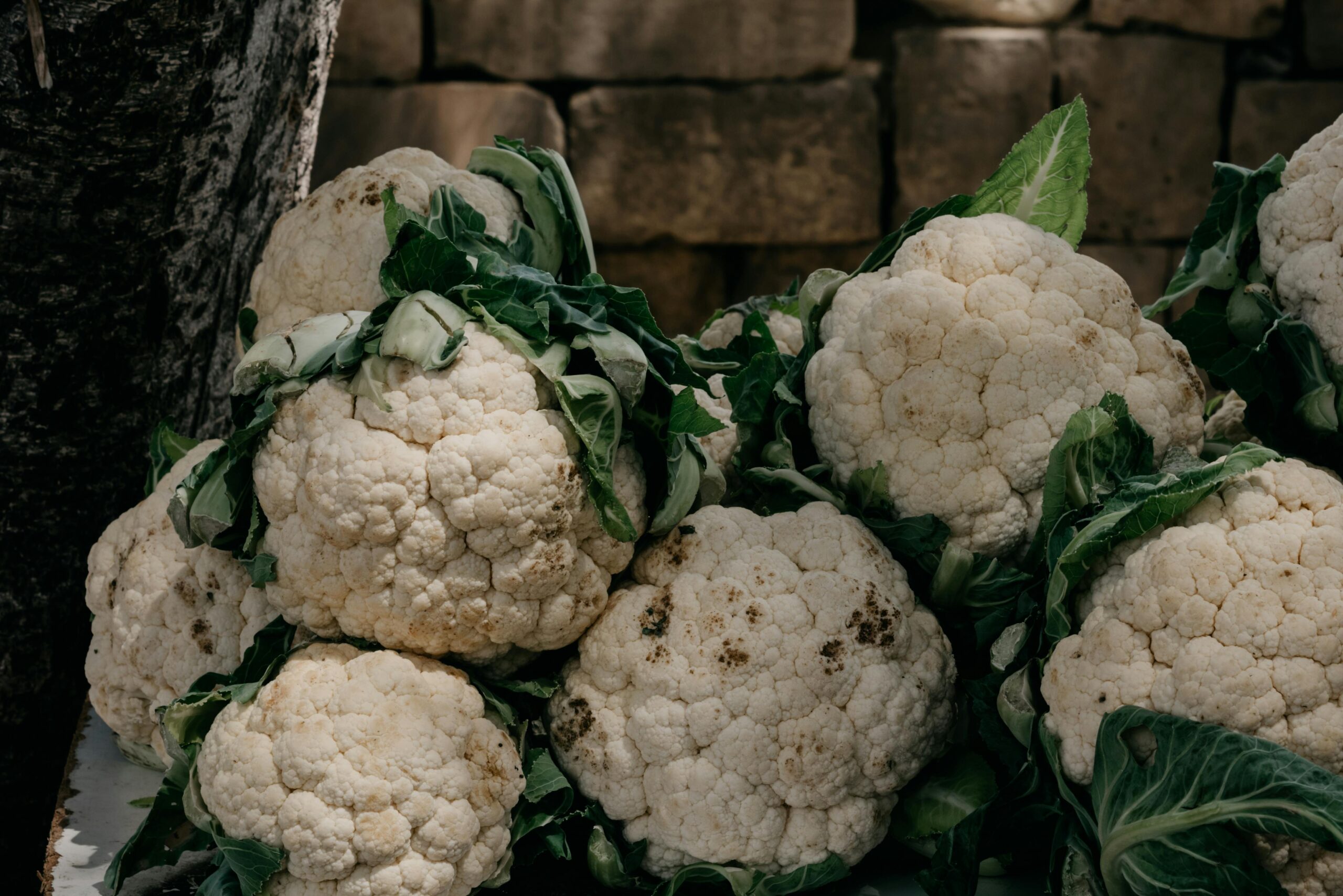
Cauliflower is the chameleon of hydrating foods.
You can rice it, mash it, roast it, or blend it into soups. It’s mild in flavor, which makes it super versatile, and it’s packed with water, fiber, and vitamin C.
I love roasting cauliflower until it’s golden and crispy. It becomes this amazing combination of tender and crunchy, and it’s so satisfying you won’t even miss heavier foods.
How to Eat More Hydrating Foods Every Day

- Start your morning with fruit. A bowl of melon, berries, or an orange sets the hydration tone for your whole day.
- Build bigger salads. Load up on lettuce, cucumbers, tomatoes, and peppers. Make them colorful, crunchy, and satisfying.
- Snack on veggies. Keep sliced cucumbers, celery, and bell peppers ready to grab. Pair them with hummus or nut butter for a satisfying snack that hydrates and fuels you.
- Blend hydrating smoothies. Toss watermelon, cucumber, strawberries, and a handful of greens into a blender. Add coconut water or plain water and blend until smooth. It’s like drinking liquid energy.
- Add veggies to every meal. Sauté zucchini with your breakfast, toss tomatoes into your lunch, or roast bell peppers for dinner. The more plants on your plate, the more hydrated you’ll be.
The Connection Between Hydration and Health

Energy
Here’s something nobody talks about enough: dehydration is one of the biggest reasons you feel tired, foggy, and cranky.
Even mild dehydration can mess with your mood, focus, and energy levels.
When I started eating more hydrating foods, I noticed my energy became way more stable. No more 2 PM crashes. No more reaching for caffeine just to get through the afternoon.
My body finally had what it needed to function the way it was designed to.
Hydrating foods give you steady energy because they release water and nutrients slowly. You’re not just getting a quick fix — you’re fueling your cells in a way that lasts.
Skin
Want glowing skin? Start eating your water.
I used to spend so much money on creams and serums, thinking I could fix my dull, dry skin from the outside.
Turns out, the real glow comes from the inside. When you’re properly hydrated at a cellular level, your skin shows it. It looks plumper, clearer, and healthier.
Hydrating foods deliver water along with vitamins and antioxidants that protect your skin from damage and support collagen production.
It’s like a spa treatment you can eat.
Electrolytes: The Missing Piece
Water alone isn’t enough if you’re sweating, stressed, or just living a busy life. You need electrolytes to help your body actually use that water.
The good news? Most hydrating foods are naturally rich in electrolytes.
Cucumbers, celery, tomatoes, and melons all deliver sodium, potassium, and magnesium — the holy trinity of hydration.
You don’t need fancy sports drinks or powders. Just eat more plants, and your body will balance itself out.
FAQs About Most Hydrating Foods
Q: What is the number one most hydrating food?
Cucumbers take the crown at 96% water content, but lettuce and celery are tied for a close second at 95-96%. All three are incredibly hydrating and packed with electrolytes that help your body hold onto that water.
The key is to eat a variety of hydrating foods throughout the day so you’re getting different nutrients along with the water.
Q: Can eating hydrating foods replace drinking water?
Not entirely, but they definitely help. Hydrating foods can provide a significant portion of your daily water needs, especially if you’re eating lots of fruits and veggies.
Think of it as a team effort: drink water throughout the day and eat water-rich plant foods to keep your hydration levels steady and balanced.
Q: What are the best hydrating foods for post-workout recovery?
Watermelon, bell peppers, and celery are all excellent choices.
Watermelon helps reduce muscle soreness thanks to its natural sugars and amino acids. Bell peppers (especially the red ones) provide vitamin C and quick energy. Celery replenishes sodium and potassium lost through sweat.
Pair these with a handful of nuts or seeds for protein, and you’ve got a perfect recovery snack.
📖 Good Reads: How Not to Die, The China Study and Plant-Based Nutrition
In Essence: Eat Your Water
Hydration isn’t just about chugging water until you feel like a balloon. It’s about nourishing your body with foods that deliver water, electrolytes, vitamins, and minerals all at once.
The most hydrating foods do more than quench your thirst. They energize you, clear your skin, balance your mood, and help your body function the way it’s meant to.
Start small. Add a handful of berries to your breakfast. Snack on cucumbers instead of chips. Build a big, colorful salad for lunch.
These little shifts add up fast, and before you know it, you’ll feel lighter, brighter, and more alive.
Your body knows what it needs. Give it the good stuff, and watch what happens.
⭐What’s your favorite way to eat your water? Drop a comment and share your go-to hydrating snack or meal!