This post may contain affiliate links. If you purchase through these links, I may earn a small commission at no extra cost to you. This helps keep Pine+Mango running. Thank you for your support! Read our full disclosure here.
Ever woken up drenched in sweat at 3 AM, wondering if your body has completely lost its mind? Or felt like bursting into tears over something that wouldn’t normally faze you?
Welcome to perimenopause and menopause, my friend. These hormonal shifts are as natural as the seasons changing, yet they can feel utterly overwhelming.
But here’s what most people don’t realize: the foods on your plate have incredible power to ease these transitions. I’m talking about real relief from hot flashes, mood swings, brain fog, and that exhausting fatigue that makes you want to nap at noon.
Since turning 40, I’ve felt those telltale signs creeping in. The irregular cycles, the unexpected bloating, the bone-deep tiredness that caffeine couldn’t touch.
And you know what changed everything for me? Loading up on plant foods. Not as punishment or restriction, but as genuine nourishment that my changing body was actually craving.
Let me show you how these colorful, vibrant foods can become your greatest allies during this transition.
Subscribe to Our Nourished Newsletter
Get free weekly guidance for your plant-based journey, straight to your inbox.
- Why Your Body Needs Plants Right Now
- The Powerhouse Foods That Make a Real Difference
- How to Actually Eat This Way (Without Losing Your Mind)
- What About Hot Flashes and Night Sweats?
- Supporting Your Mood and Mental Clarity
- Building Strong Bones Without Dairy
- Managing Weight Changes During This Transition
- Practical Daily Eating Framework
- What About Supplements?
- FAQs About Foods That Ease Menopause
- In Essence: Your Body Knows What It Needs
- Subscribe to Our Nourished Newsletter
Why Your Body Needs Plants Right Now

Here’s what’s happening inside your body during perimenopause and menopause: estrogen levels are dropping.
This single change affects everything from your temperature regulation to your mood, bone density, and even how your body stores fat.
Plant foods contain phytoestrogens, which are natural compounds that gently mimic estrogen in your body. They’re not strong enough to cause problems, but they’re perfect for filling in some of those hormonal gaps.
Think of them as nature’s gentle helpers during this transition.
But it goes deeper than that. Plants are packed with fiber, which helps your body eliminate excess hormones through digestion. They’re loaded with antioxidants that fight inflammation (which skyrockets during menopause).
And they provide the vitamins and minerals your bones, heart, and brain desperately need right now.
The Powerhouse Foods That Make a Real Difference
Let’s get specific about which plants actually help. This isn’t about eating perfectly or following rigid rules. It’s about knowing which foods pack the biggest punch so you can weave them into your life.
1. Flaxseeds are your new best friend.
These tiny seeds contain lignans, a type of phytoestrogen that research shows can reduce hot flash frequency. Just two tablespoons of ground flaxseed daily made a noticeable difference for me.
Sprinkle them on oatmeal, blend them into smoothies, or stir them into yogurt.
2. Soy foods get a bad rap they don’t deserve.
Edamame, tofu, tempeh, and miso are all rich in isoflavones, another form of phytoestrogen. Studies from Asian countries, where women eat soy regularly, show significantly fewer menopause symptoms compared to Western countries.
I’m not saying you need to eat tofu every day, but adding it a few times a week? That’s doable.
3. Leafy greens support your bones.
When estrogen drops, your bones lose density faster.
Kale, collards, bok choy, and spinach provide calcium and vitamin K, both crucial for bone health. Plus, they’re anti-inflammatory powerhouses. I throw a handful into everything now—soups, stir-fries, even pasta sauce.
4. Berries calm inflammation.
The antioxidants in blueberries, strawberries, and raspberries help reduce the inflammatory response your body has during this transition. Inflammation contributes to weight gain, joint pain, and mood swings.
A cup of mixed berries as a snack or in your morning meal? Simple and delicious.
5. Nuts and seeds provide healthy fats.
Your brain is about 60% fat, and during menopause, it needs extra support.
Walnuts, almonds, pumpkin seeds, and sunflower seeds offer omega-3 fatty acids that support cognitive function and mood regulation. They also help keep you full, which matters when your metabolism is shifting.
How to Actually Eat This Way (Without Losing Your Mind)
I know what you’re thinking. “This sounds great and all, but I barely have time to eat lunch, let alone prepare all these special foods.”
I get it. Here’s how I made this work without overhauling my entire life overnight:
#1: Start with breakfast.
Seriously, this one meal can set your whole day on a better path.
I make microwave oats with ground flaxseed, berries, and a handful of walnuts. It takes three minutes from start to finish, and it keeps me steady all morning without the energy crash.
#2: Make plants the star of your plate, not an afterthought.
Instead of building meals around meat and adding a sad little side of vegetables, flip it.
Build your meal around roasted vegetables, a big colorful salad, or a veggie-packed stir-fry. Add some beans or tofu for protein, and you’re done.
#3: Keep it simple on busy days.
Frozen vegetables are just as nutritious as fresh ones. Canned beans save time and money. Pre-washed greens eliminate excuses.
Some nights, my meal is just roasted sweet potatoes, canned chickpeas, and whatever greens I have, all tossed together with olive oil and lemon juice. It takes 25 minutes, and my body loves it.
#4: Snack smarter.
I used to reach for chips or cookies when energy dipped. Now I keep cut veggies with hummus, apple slices with almond butter, or a small bowl of edamame within reach.
The shift happened gradually, but my cravings actually changed. My body started wanting the foods that made it feel good.
What About Hot Flashes and Night Sweats?

Let’s talk about the symptom that makes you want to throw open windows in January.
Hot flashes are triggered by your hypothalamus (your body’s thermostat) going a bit haywire as estrogen fluctuates. Certain foods can make them worse, while others help stabilize things.
Foods that helped me reduce hot flashes:
- Ground flaxseed (two tablespoons daily)
- Soy foods (edamame, tofu, tempeh) several times per week
- Plenty of water throughout the day
- Cooling foods like cucumber, watermelon, and leafy greens
Foods that triggered more hot flashes for me:
- Caffeine (I switched to green tea and cut back to one cup)
- Spicy foods (sadly, I had to dial back the hot sauce)
- Alcohol (even one glass could trigger night sweats)
- Refined sugar (those afternoon cookies weren’t worth it)
One practical tip that helped tremendously: I started eating smaller, more frequent meals. Big meals seemed to trigger heat surges, probably because digestion itself generates heat. Eating every three to four hours kept everything more stable.
Supporting Your Mood and Mental Clarity
The emotional rollercoaster of menopause is real, and it’s not “all in your head.” Your brain has estrogen receptors everywhere, so when those levels drop, neurotransmitter production gets disrupted.
Plant foods rich in B vitamins support neurotransmitter production. Leafy greens, beans, lentils, and whole grains all provide these crucial nutrients.
I noticed my mood was more stable on days when I ate a big salad with beans for lunch compared to days when I grabbed something quick and processed.
Omega-3 fatty acids from walnuts, flaxseed, and chia seeds support brain function and can help with that frustrating brain fog.
You know that feeling when you walk into a room and completely forget why? Yeah, that one. These foods genuinely helped me feel sharper.
Complex carbohydrates from whole grains, sweet potatoes, and squash provide steady glucose to your brain without the spikes and crashes of refined carbs.
This matters more than you’d think. Your brain runs on glucose, and during menopause, it becomes more sensitive to fluctuations.
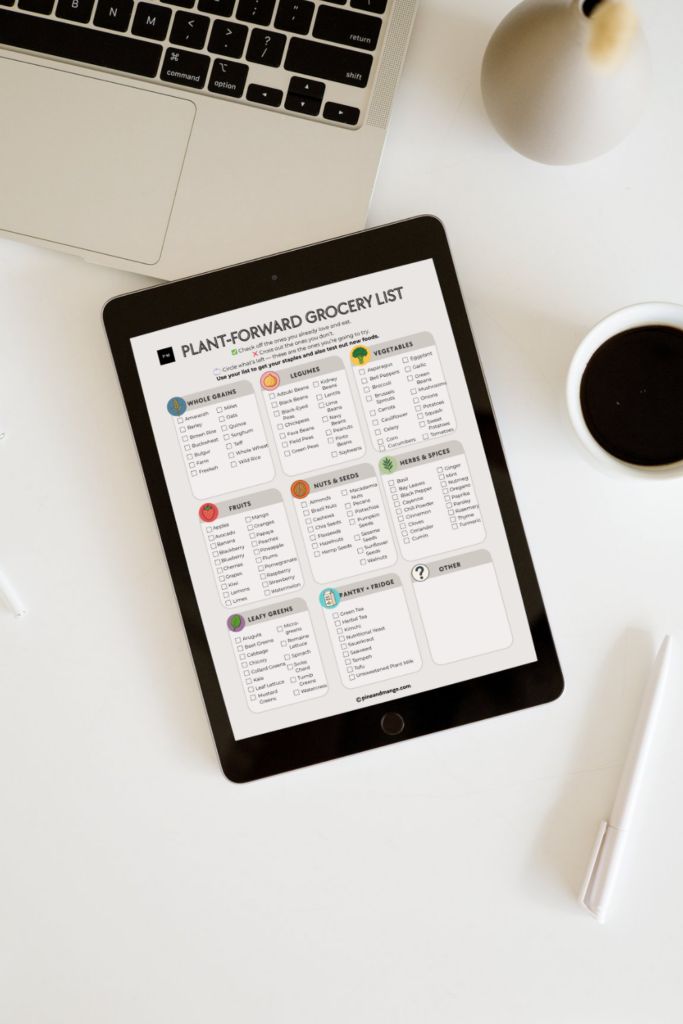
Get Your FREE Plant-Forward Grocery List Today!
Building Strong Bones Without Dairy
Here’s something that worried me: osteoporosis risk increases significantly after menopause. Everyone says “drink milk for strong bones,” but there’s another way.
Many plant foods provide calcium that your body can actually absorb well:
- Collard greens, kale, and bok choy
- Fortified plant milk (almond, soy, oat)
- Tofu made with calcium sulfate
- Tahini and almonds
- Figs and oranges
But here’s what matters even more: weight-bearing exercise and vitamin D. I started taking daily walks and doing some light strength training.
The combination of plant-based calcium, sunshine (or a vitamin D supplement), and movement? That’s what actually protects your bones.
Magnesium also plays a huge role in bone health, and most people don’t get enough. Pumpkin seeds, black beans, spinach, and dark chocolate (yes, really!) provide magnesium. I sprinkle pumpkin seeds on everything now.
Managing Weight Changes During This Transition
Let’s address the elephant in the room: many women gain weight during menopause, especially around the middle. This isn’t about vanity; belly fat specifically increases health risks.
When I started focusing on plant foods, something interesting happened. I wasn’t restricting calories or following rules, but my body naturally found a healthier balance. Here’s why this happens:
Plant foods are high in fiber, which keeps you full longer and feeds the good bacteria in your gut. These bacteria influence everything from inflammation to how your body stores fat.
The more plants I ate, the less I craved processed foods that never really satisfied me anyway.
Plants are nutrient-dense but not calorie-dense. You can eat a huge plate of vegetables, beans, and whole grains and feel completely satisfied without consuming excessive calories.
Compare that to processed foods, where you can eat a small portion and still feel hungry an hour later.
The protein in beans, lentils, tofu, and tempeh helps maintain muscle mass, which naturally declines during menopause. Muscle mass determines your metabolic rate, so preserving it matters.
I made sure every meal had a good protein source from plants, and I noticed I felt stronger and more energized.
Practical Daily Eating Framework
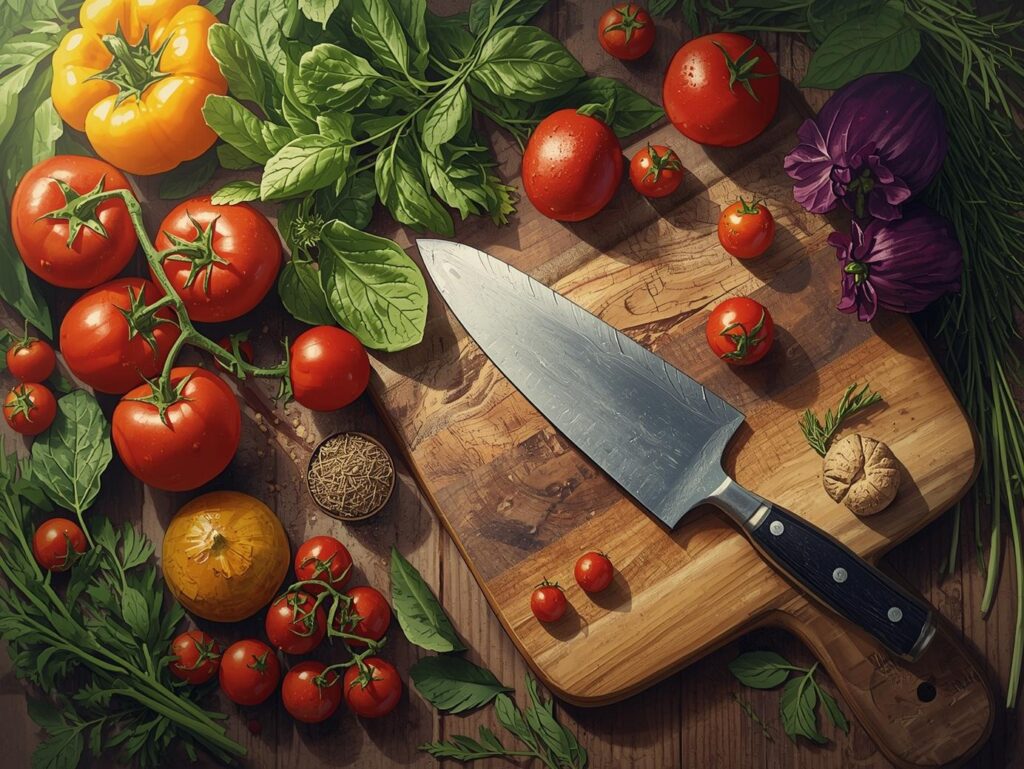
Here’s what a typical day looks like for me now. Nothing fancy, just real food that makes my body happy.
- Morning: Oatmeal with ground flaxseed, blueberries, walnuts, and a splash of almond milk. Or a smoothie with spinach, frozen banana, berries, flaxseed, and soy milk.
- Midday: A huge salad with mixed greens, chickpeas, cucumber, tomatoes, avocado, pumpkin seeds, and a simple olive oil and lemon dressing. Or leftover veggie stir-fry with tofu and brown rice.
- Afternoon: Apple slices with almond butter, or edamame with a sprinkle of sea salt, or carrots with hummus.
- Evening: Something warm and comforting. Maybe black bean tacos with lots of veggies and salsa. Or a lentil soup with crusty whole grain bread. Or roasted vegetables with tempeh and quinoa.
- After dinner: If I want something sweet, I go for fresh fruit or a couple squares of dark chocolate.
Notice there’s no perfection here. Some days I eat more cooked foods, some days more raw. Some days I’m super hungry, some days less so. I listen to what my body needs and trust it more now than I ever did before.
What About Supplements?
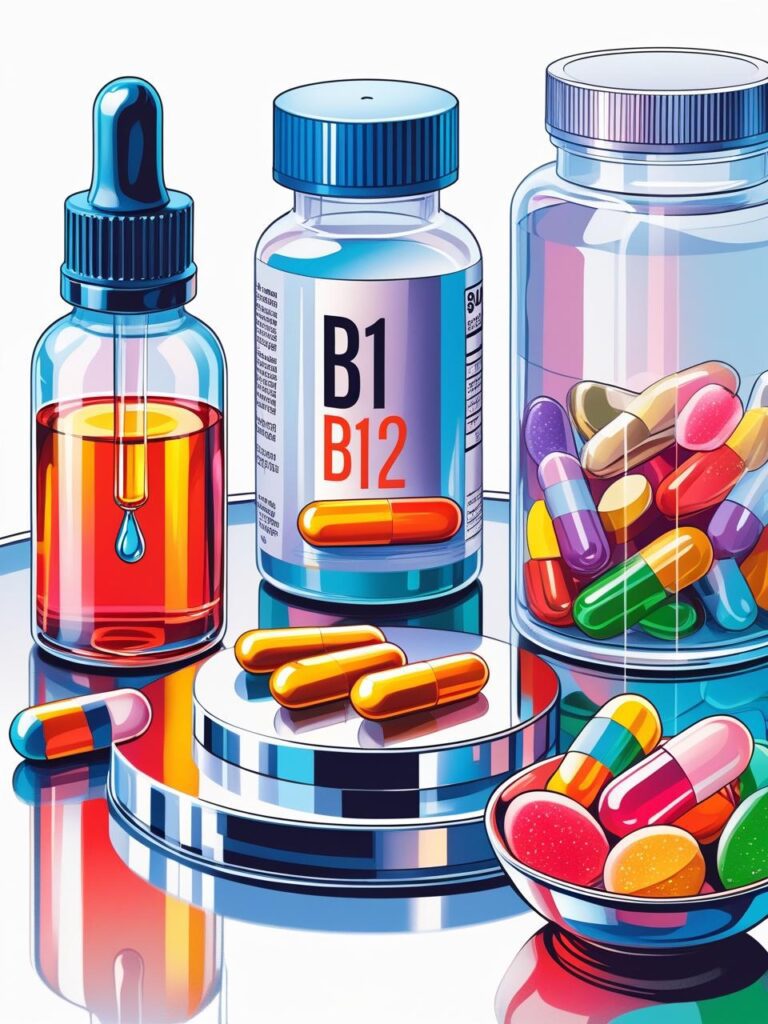
While whole plant foods should be your foundation, some supplements can support you during this transition. I’m not a doctor, so definitely talk to yours, but here’s what research supports:
- Vitamin D: Most people are deficient, and it’s crucial for bone health and mood. I take 2000 IU daily, especially in winter.
- Vitamin B12: This one’s important if you’re eating mostly plants. B12 comes from bacteria, and we used to get it from soil on vegetables. Now that everything is super clean, supplementation makes sense. I take 500 mcg a few times per week.
- Omega-3: If you don’t eat fatty fish, an algae-based omega-3 supplement provides EPA and DHA, the forms your brain loves. I take one daily.
But here’s the thing: supplements don’t replace the magic of whole foods. They support what you’re already doing with your meals. Think of them as insurance, not the foundation.
FAQs About Foods That Ease Menopause
Q: Can foods really ease menopause symptoms or do I need hormone therapy?
Foods that ease menopause symptoms work incredibly well for many women, especially those with mild to moderate symptoms.
The phytoestrogens in plant foods provide gentle hormonal support that can significantly reduce hot flashes, mood swings, and other discomforts. However, they’re not a replacement for hormone therapy if you truly need it.
If your symptoms are severe and affecting your quality of life, talk to your healthcare provider about all options. For many women, including me, eating more plants significantly reduces symptoms without needing medical intervention.
But everyone’s experience is different, and there’s no shame in needing extra support.
Q: How quickly will I notice foods easing my menopause symptoms?
In my experience, some changes happen quickly while others take time. I noticed better digestion and more stable energy within the first week.
Hot flashes started decreasing after about three to four weeks of consistent plant-focused eating. Mood improvements took a bit longer, maybe six to eight weeks, as my body adjusted and inflammation decreased.
The key word is consistent. Eating a big salad once won’t transform anything. But making plants the foundation of your meals day after day? That’s when the magic happens.
Give yourself at least a month of really committing to this way of eating before deciding if it’s working for you.
Q: Do I have to give up all animal products for foods to ease menopause?
Absolutely not. This isn’t about restriction or following rigid rules. It’s about abundance and adding more plant foods to your life.
Some people feel best eating mostly plants with occasional animal products. Others feel great going fully plant-based. I focus on making plants the star of my meals, and I don’t stress about being perfect.
What matters most is increasing those phytoestrogen-rich foods, fiber, and anti-inflammatory compounds that plants provide.
Start by adding, not subtracting. See how you feel. Let your body guide you rather than following someone else’s rules about what you“should” do.
📖 Good Reads: How Not to Die, The China Study and Plant-Based Nutrition
In Essence: Your Body Knows What It Needs
Here’s what I want you to remember: this transition isn’t something to fear or fight. It’s a natural phase of life, and your body is incredibly resilient when you give it the right support.
The foods that ease menopause aren’t a magic cure, but they’re the closest thing I’ve found to one.
They work with your body’s natural processes instead of against them. They reduce inflammation, provide gentle hormonal support, stabilize your energy, and nourish you deeply.
You don’t need to be perfect at this. I’m certainly not. Some days I eat more processed foods or don’t get as many vegetables as I’d like. That’s okay.
This is about progress and learning what makes your unique body feel good during this specific time in your life.
Your body is changing, yes. But it’s not betraying you. It’s transitioning into a new phase, and it needs your compassion and support more than ever. Feed it foods that make it feel loved, nourished, and cared for.
You’ve got this. And I’m right here with you, figuring it out one meal at a time.
⭐What menopause symptoms are you experiencing right now, and which plant foods are you most excited to try? Share your experience in the comments below so we can support each other through this journey.