This post may contain affiliate links. If you purchase through these links, I may earn a small commission at no extra cost to you. This helps keep Pine+Mango running. Thank you for your support! Read our full disclosure here.
Ever feel tired after lunch, even though you just ate? Here’s the thing: the carbs you’re choosing might be working against you instead of for you.
I used to think all carbs were basically the same—bread, pasta, potatoes, whatever. But when I started paying attention to how different foods made me feel, everything changed.
Some carbs left me energized for hours, while others had me crashing on the couch within an hour.
Healthy carb sources are the foundation of a thriving, energized life. They’re not just fuel—they’re packed with fiber, vitamins, minerals, and phytonutrients that your body actually needs to function properly.
The best part? When you focus on whole plant foods, you never have to count, measure, or restrict. You just eat real food and feel amazing.
Let me show you how to choose carbs that work with your body, not against it.

Subscribe to Our Nourished Newsletter
Get free weekly guidance for your plant-based journey, straight to your inbox.
- What Makes These Carbs Healthy
- How Healthy Carb Sources Fuel Your Body
- The Best Whole Food Carb Sources
- Moving From Restriction to Abundance
- Practical Tips for Adding More Healthy Carbs
- Understanding Carb Quality Over Quantity
- Busting Common Carb Myths
- How to Handle the Transition
- FAQs About Healthy Carb Sources
- In Essence: Quality Is Key
- Subscribe to Our Nourished Newsletter
What Makes These Carbs Healthy
Not all carbs are created equal, and that’s actually great news for you.
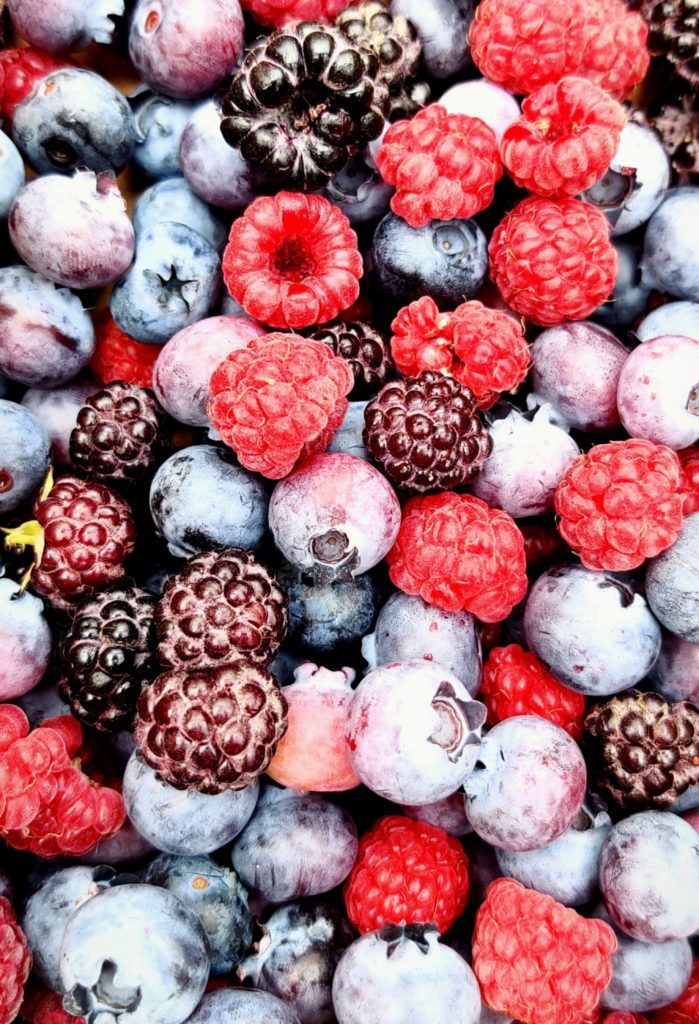
Healthy carb sources come from whole foods—things that grow in the ground or on trees. We’re talking about sweet potatoes, oats, quinoa, beans, lentils, fruits, and vegetables.
These foods contain natural fiber, which slows down digestion and keeps your blood sugar stable. That means no more energy crashes or hangry moments at 3 PM.
Refined carbs, on the other hand, have been stripped of their fiber and nutrients. White bread, white rice, and pastries might taste good in the moment, but they spike your blood sugar fast and drop it even faster.
Your body processes them so quickly that you’re hungry again within an hour.
The difference comes down to one simple thing: whole foods keep everything nature intended intact.
When you eat an apple, you get fiber, vitamins, antioxidants, and yes, natural sugars—but they’re packaged together in a way that nourishes your body. When you drink apple juice, you get mostly sugar without the fiber to balance it out.
How Healthy Carb Sources Fuel Your Body
Your body runs on glucose—it’s basically your cells’ preferred fuel source. When you eat carbs, your body breaks them down into glucose for immediate energy or stores it for later use.
Here’s where it gets interesting. Complex carbs from whole plant foods take longer to break down, which means they provide steady, sustained energy throughout the day.
It’s like having a slow-burning log in your fireplace instead of quick-burning kindling.
Fiber is the real MVP here. It slows down how fast sugar enters your bloodstream, preventing those awful spikes and crashes.
This is why you can eat a huge bowl of oatmeal topped with berries and feel satisfied for hours, but a couple donuts leave you starving by mid-morning.
Your brain especially loves steady glucose. When you eat whole plant carbs regularly, you’ll notice better focus, improved mood, and clearer thinking.
I used to get foggy-headed every afternoon, but once I switched to eating more whole grains and starchy vegetables, that completely disappeared.
The Best Whole Food Carb Sources
Let’s get specific about what you should actually be eating. These are the carbs that’ll keep you satisfied and energized all day long.
Starchy Vegetables
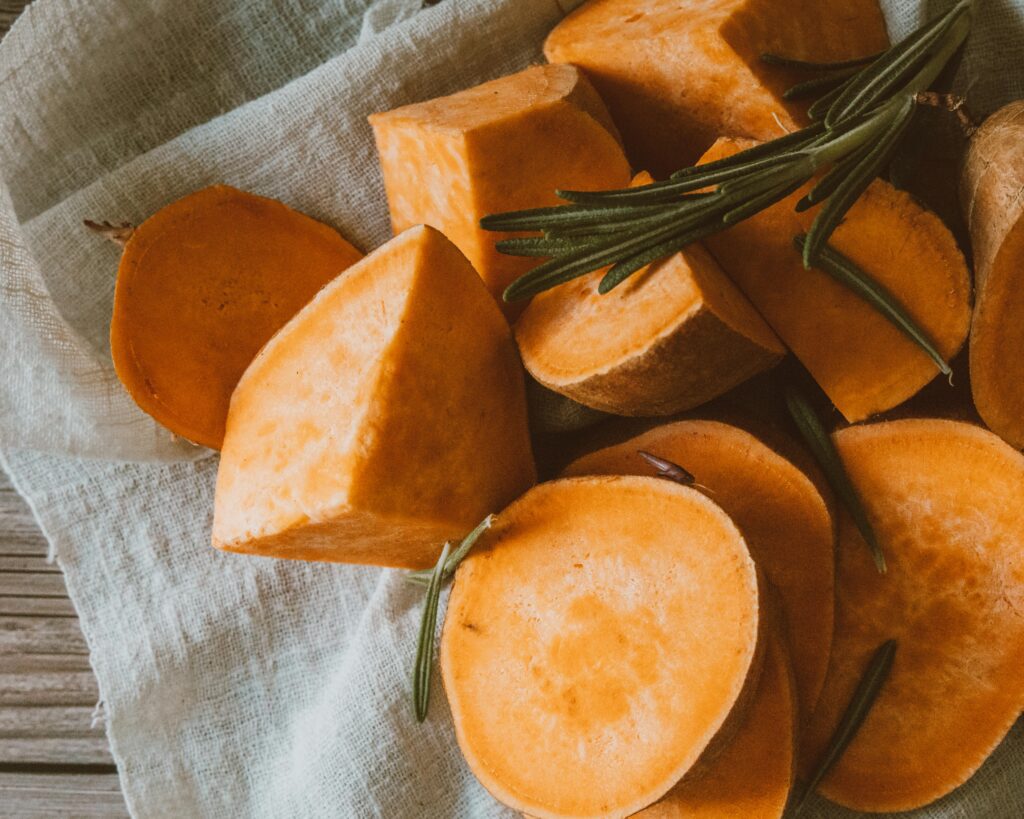
- Sweet potatoes (my personal favorite—roasted with just a bit of cinnamon)
- Regular potatoes (yes, they’re totally healthy!)
- Butternut squash
- Corn
- Peas
Whole Grains
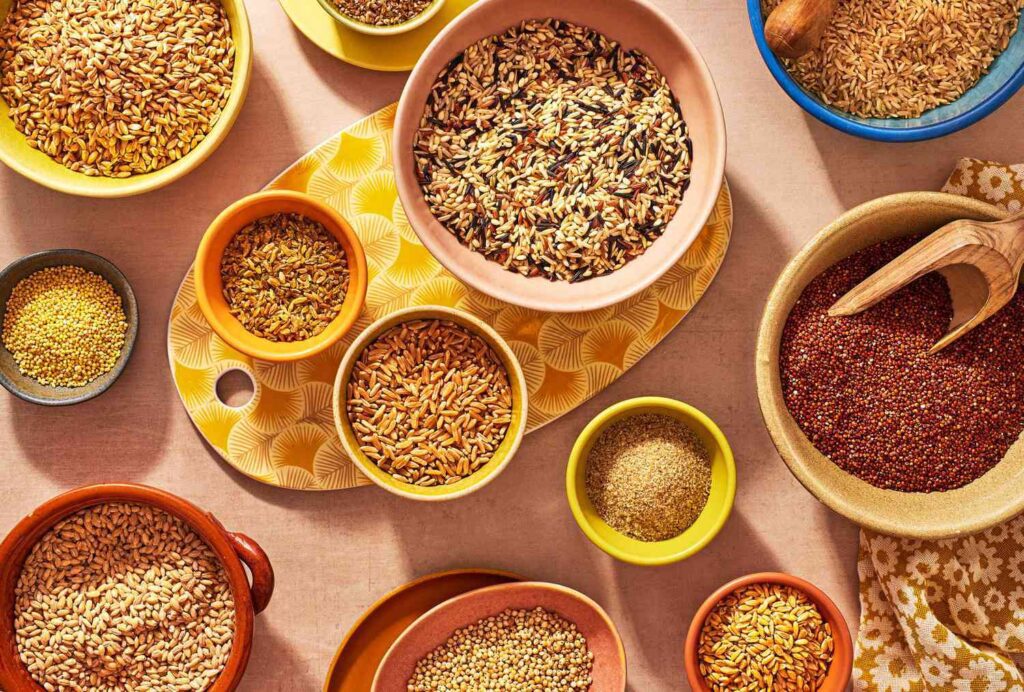
- Oats (steel-cut or rolled, not instant packets)
- Brown rice
- Quinoa
- Barley
- Whole wheat bread (check the ingredients—should say “whole”)
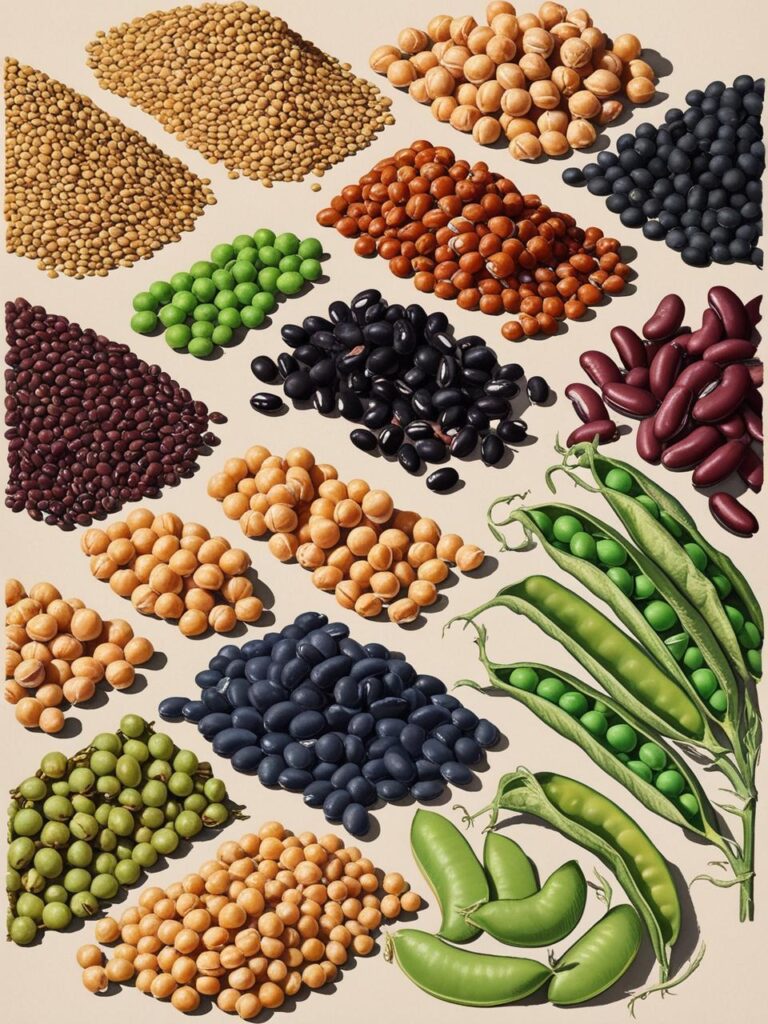
Legumes
- Black beans
- Chickpeas
- Lentils (red, green, brown—they’re all fantastic)
- Kidney beans
- Split peas
Fruits
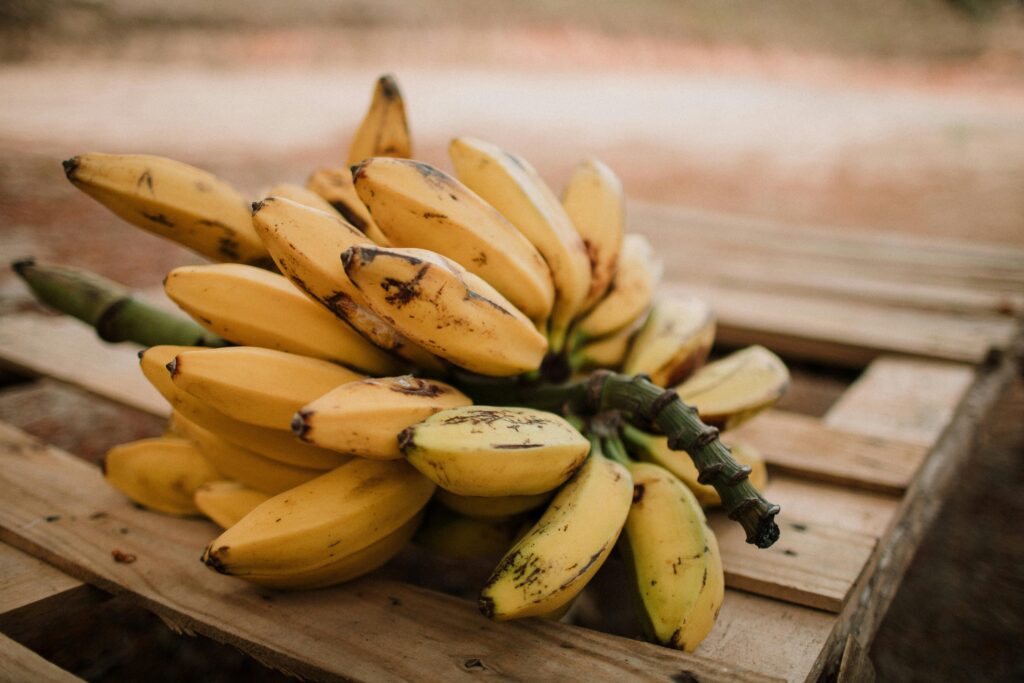
- Bananas (perfect pre-workout snack)
- Berries (packed with antioxidants)
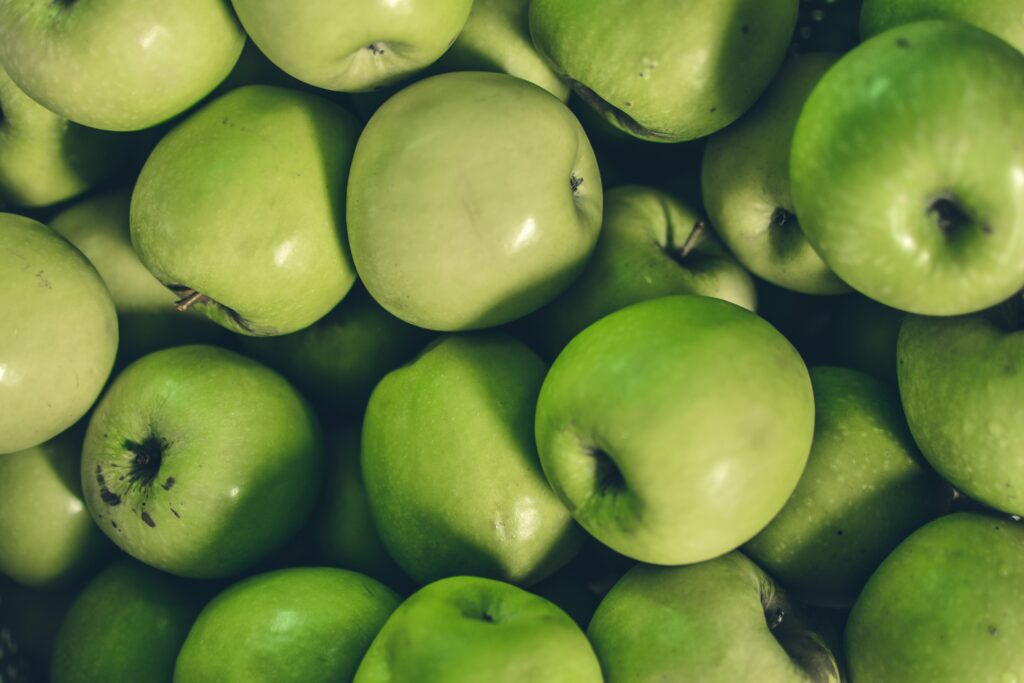
- Apples
- Oranges
- Mangoes
These foods aren’t just carbs—they’re complete packages of nutrition.
A bowl of lentils gives you protein, iron, fiber, and B vitamins along with those energizing carbs. A baked sweet potato provides vitamin A, potassium, and fiber.
You’re not just filling your stomach; you’re truly nourishing your body.
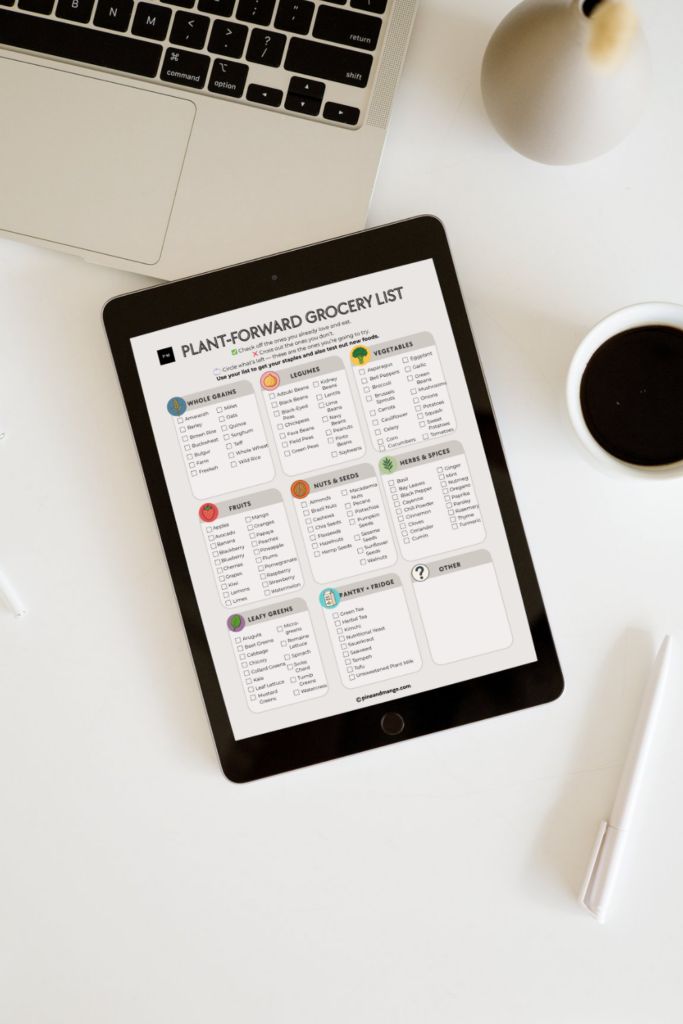
Get Your FREE Plant-Forward Grocery List Today!
Moving From Restriction to Abundance
If you’ve spent years counting carbs or avoiding them altogether, this might feel weird at first. I get it—I was there too.
The shift from restriction to abundance means trusting your body again. It means filling your plate with colorful, whole plant foods and actually enjoying them without guilt or fear.
No more tiny portions that leave you unsatisfied. No more obsessing over numbers.
Start by adding, not subtracting. Keep eating what you normally eat, but add a serving of beans to your lunch. Throw some berries on your breakfast. Roast a sweet potato for dinner.
You’ll naturally start craving these foods more because they make you feel good.
Your body knows what it needs. When you give it real, whole foods, it responds by regulating your appetite naturally. You’ll find yourself eating until you’re satisfied—not stuffed, not starving—just satisfied.
That’s the beauty of plant-abundance eating.
Practical Tips for Adding More Healthy Carbs
Making this shift doesn’t have to be complicated. Here are some realistic ways to get started today.
- Breakfast: Swap your cereal for a big bowl of oatmeal topped with banana, walnuts, and cinnamon. Or try whole grain toast with mashed avocado and tomato slices. Both options keep you full until lunch without the mid-morning crash.
- Lunch: Build your meals around a hearty grain or legume base. Think quinoa bowls, bean burritos, or lentil soup with whole grain bread. These meals are filling, affordable, and easy to prep ahead.
- Dinner: Make starchy vegetables the star of your plate. Baked sweet potatoes stuffed with black beans and salsa. Brown rice stir-fry loaded with vegetables. Whole wheat pasta with marinara sauce and roasted vegetables.
- Snacks: Keep it simple with fresh fruit, air-popped popcorn, or hummus with veggie sticks. These snacks satisfy you without derailing your energy.
Batch cooking is your best friend here. Cook a big pot of beans or a large batch of brown rice on Sunday, and you’ve got ready-to-eat carbs all week long. Same goes for roasting a bunch of sweet potatoes at once—they reheat beautifully.
Understanding Carb Quality Over Quantity
Stop worrying about how many carbs you’re eating. Seriously, just stop.
The quality of your carbs matters infinitely more than the quantity. You could eat 300 grams of carbs from whole plant foods and thrive, or you could eat 100 grams from refined junk and feel terrible.
The number isn’t the issue—the source is.
Whole plant carbs come packaged with everything your body needs to process them properly. The fiber regulates digestion. The vitamins and minerals support metabolic function. The phytonutrients protect your cells from damage.
It’s all designed to work together.
When someone tells you to “cut carbs,” what they really mean (or should mean) is cut the refined junk. Nobody ever got unhealthy from eating too many sweet potatoes or too much fruit.
But plenty of people feel awful from eating too much white bread and pastries.
Focus on eating a variety of whole plant foods, and let your body handle the rest. Trust me, it knows what to do.
Busting Common Carb Myths
Let’s clear up some confusion, because there’s a lot of nonsense floating around about carbs.
Myth #1: Carbs make you gain weight.
Truth: Excess calories from any source can lead to weight gain, but whole plant carbs are actually some of the most filling, nutrient-dense foods available.
People eating whole food plant-based typically maintain healthy weights effortlessly.
Myth #2: Fruit has too much sugar.
Truth: The sugar in whole fruit comes with fiber, water, vitamins, and antioxidants. Your body processes it completely differently than added sugars.
No one ever developed health problems from eating too many apples.
Myth #3: You need to avoid carbs at night.
Truth: Your body doesn’t suddenly stop processing food after 6 PM. Eating carbs at night can actually help you sleep better by supporting serotonin production.
Listen to your hunger cues, not arbitrary rules.
Myth #4: All white foods are bad.
Truth: Regular potatoes, cauliflower, and white beans are all incredibly nutritious. The color doesn’t determine nutritional value—the level of processing does.
The truth is simple: eat whole plant foods, and you’ll be fine. Stop overthinking it.
How to Handle the Transition
Your body might need a minute to adjust, especially if you’re coming from a low-carb or heavily processed way of eating.
You might experience more bathroom trips initially as your fiber intake increases. That’s normal and temporary. Your digestive system just needs time to adapt to processing real food again.
Drink plenty of water and be patient with yourself.
Some people feel more energized immediately, while others take a few weeks to adjust. If you’ve been restricting carbs for a long time, your body might hold onto water initially as it replenishes glycogen stores.
This is healthy and normal—it’s not fat gain, just your body restoring what it needs.
Start gradually if you need to. You don’t have to overhaul everything overnight. Add one new whole food carb source each week. Try different preparation methods to find what you enjoy.
This is a marathon, not a sprint.
FAQs About Healthy Carb Sources
Q: Will eating healthy carb sources spike my blood sugar?
Whole plant foods won’t spike your blood sugar the way refined carbs do. The fiber in whole grains, legumes, fruits, and starchy vegetables slows down digestion and creates a gradual, steady rise in blood sugar rather than a sharp spike.
Even people managing blood sugar issues often find they can eat generous amounts of whole plant foods without problems. If you have specific medical concerns, work with a healthcare provider who understands plant-based nutrition.
Q: How many carbs should I eat per day?
Stop counting. Seriously, put down the tracking app and just eat whole plant foods when you’re hungry until you’re satisfied.
Different people need different amounts based on activity level, metabolism, and individual needs. Your body will naturally regulate your intake when you’re eating real, unprocessed foods.
Focus on variety and abundance, not numbers.
Q: Do I need to combine plant proteins to get complete nutrition?
No, this myth needs to die already. Your body pools amino acids throughout the day, so as long as you’re eating a variety of whole plant foods, you’re getting everything you need.
You don’t need to combine specific foods at specific meals. Just eat beans, grains, vegetables, fruits, nuts, and seeds throughout your day, and you’re covered.
Your body is smarter than we give it credit for.
📖 Good Reads: How Not to Die, The China Study and Plant-Based Nutrition
In Essence: Quality Is Key
Carbs aren’t something to fear or restrict—they’re the foundation of a thriving, energized life.
When you shift from refined, processed carbs to whole plant foods, everything changes. Energy stabilizes. Cravings diminish. Your body starts working with you instead of against you.
And the best part? You get to eat abundantly without counting, measuring, or restricting.
Start where you are. Pick one or two whole food carb sources that sound appealing and add them to your meals this week. Maybe it’s a big bowl of oatmeal for breakfast, or roasted sweet potatoes with dinner.
Remember, this isn’t about perfection. It’s about progress, abundance, and reconnecting with real food. Your body knows what to do with whole plant carbs—it’s been designed to thrive on them.
Trust the process, trust yourself, and enjoy the journey.
⭐ What’s your favorite whole food carb source, and how do you like to prepare it? Drop a comment below and let’s inspire each other with ideas!