This post may contain affiliate links. If you purchase through these links, I may earn a small commission at no extra cost to you. This helps keep Pine+Mango running. Thank you for your support! Read our full disclosure here.
Ever hit that 3 PM wall so hard you’d swear your body just shut down without asking?
I used to keep energy bars stashed everywhere — my purse, my car, my desk drawer. I thought I needed them to survive the day.
But guess what: those quick fixes were actually making things worse.
Real, lasting energy doesn’t come from a wrapper or a can. It comes from whole plant foods that work with your body, not against it. And once I figured this out, everything changed.
No more crashes. No more desperate coffee runs. Just steady, reliable energy that carried me through my entire day.
Let me show you exactly which plant energy foods transformed how I feel — and how they can do the same for you.
Subscribe to Our Nourished Newsletter
Get free weekly guidance for your plant-based journey, straight to your inbox.
- What Makes Plant Foods So Energizing?
- The Best Plant Energy Foods for Steady Fuel
- How Plant Energy Foods Work in Your Body
- Simple Ways to Add Plant Energy Foods Daily
- What Drains Your Energy (And What to Reduce)
- Listening to Your Body's Energy Signals
- FAQs About Plant Energy Foods
- In Essence: Transform Your Energy
- Subscribe to Our Nourished Newsletter
What Makes Plant Foods So Energizing?
Plant foods are energy powerhouses, and there’s actual science behind why they work so well.
Unlike processed snacks that spike your blood sugar and leave you crashed an hour later, whole plant foods deliver a steady stream of fuel your body knows exactly what to do with.
Here’s the thing: plants contain complex carbohydrates that break down slowly. Your body converts these carbs into glucose — your cells’ preferred energy source.
But unlike simple sugars, complex carbs release glucose gradually, keeping your energy stable for hours.
Plus, plant foods come packed with fiber, vitamins, minerals, and phytonutrients that support every single energy-producing process in your body.
Your cells have these tiny powerhouses called mitochondria that create energy, and guess what they need to function? B vitamins, iron, magnesium, and antioxidants — all abundant in plants.
The Best Plant Energy Foods for Steady Fuel

Not all plant foods affect your energy the same way. Some give you that quick boost when you need it, while others provide long-lasting stamina.
I’ve learned through trial and error which ones actually deliver.
1. Whole Grains That Keep You Going
Oats became my morning non-negotiable. A bowl of oatmeal with some berries and ground flax keeps me satisfied and focused until lunch — no snacking required.
Brown rice, quinoa, and whole grain bread work the same magic.
These foods digest slowly, releasing energy bit by bit instead of all at once. The fiber content means your blood sugar stays stable, and you avoid those awful energy dips that used to wreck my afternoons.
2. Legumes: The Unsung Energy Heroes
Beans, lentils, and chickpeas might not sound exciting, but they’re absolute game-changers for sustained energy. I threw some black beans into my lunch salad one day and noticed I didn’t hit that usual mid-afternoon slump.
Now they’re in my meal rotation constantly.
Legumes combine complex carbs with protein and iron — a triple threat for energy production. Your body breaks them down slowly, providing hours of steady fuel.
Plus, the iron helps carry oxygen to your cells, which is crucial for feeling energized.
3. Fruits for Quick, Clean Energy
When I need energy fast, I reach for fruit.
Bananas, apples, oranges, berries — they all contain natural sugars that give you a lift without the crash that comes from processed sweets.
The difference? Fruit’s natural sugars come bundled with fiber, vitamins, and water. This package deal means your body processes the sugar more slowly, and you get actual nutrients along with the energy boost.
I keep bananas on my counter and grab one before workouts or when I’m dragging between meals.
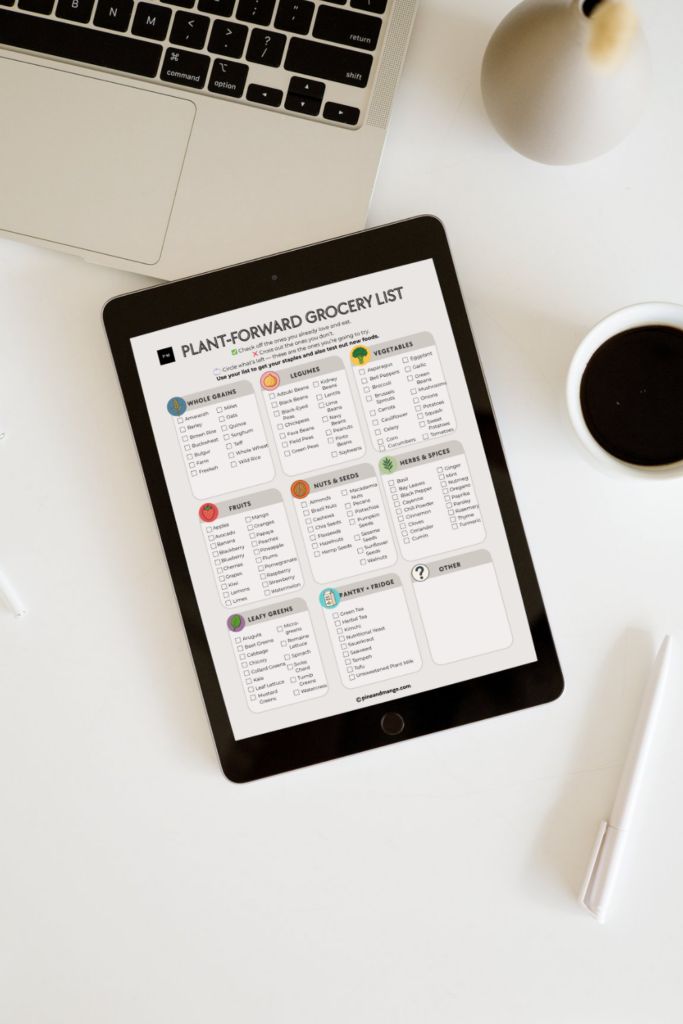
Get Your FREE Plant-Forward Grocery List Today!
4. Leafy Greens and Energy Production
This one surprised me. I always knew greens were “healthy,” but I didn’t realize how directly they impact energy.
Spinach, kale, collards, and other dark leafy greens contain iron, magnesium, and B vitamins — all essential for turning food into usable energy.
I started adding a handful of spinach to my morning smoothie, and within a week, I noticed I felt more alert in the mornings.
Sounds too simple to be true, but it worked.
5. Nuts and Seeds for Lasting Power
A small handful of almonds or some pumpkin seeds became my go-to afternoon snack. Nuts and seeds provide healthy fats, protein, and magnesium — a combination that sustains energy without weighing you down.
The healthy fats slow digestion, which means the energy release is super gradual. I’m talking hours of sustained fuel from just a quarter cup of nuts.
Ground flaxseed or chia seeds in oatmeal or smoothies work beautifully too.
6. Root Vegetables for Grounding Energy
Sweet potatoes, beets, and carrots might seem basic, but they’re packed with complex carbs and nutrients that support steady energy.
I roast a batch of sweet potatoes every week and eat them with lunch or dinner.
These starchy vegetables break down slowly, providing long-lasting fuel. The natural sweetness satisfies cravings without spiking your blood sugar.
Beets also contain nitrates that improve blood flow, getting more oxygen to your cells for better energy production.
How Plant Energy Foods Work in Your Body
Understanding the “why” behind plant energy foods made everything click for me. Your body runs on glucose, which comes from breaking down carbohydrates.
When you eat whole plant foods, you’re giving your body exactly what it needs in the form it prefers.
Simple carbs (like white bread or candy) flood your bloodstream with glucose all at once. Your pancreas freaks out and releases a ton of insulin to deal with it. Your blood sugar spikes, then crashes hard.
That’s the energy rollercoaster I rode for years.
Complex carbs from plants release glucose gradually. Your blood sugar stays steady. Your energy stays steady. You feel good for hours instead of minutes. It’s that simple.
The fiber in plant foods slows everything down in the best way possible. It regulates how quickly sugar enters your bloodstream and keeps your digestive system moving.
Plus, all those vitamins and minerals act as cofactors in energy production — your cells literally cannot make energy efficiently without them.
Simple Ways to Add Plant Energy Foods Daily
You don’t need to overhaul everything at once. I started small, and that’s exactly what I recommend.
- Morning boost: Add berries and ground flax to your breakfast. Oatmeal with banana and walnuts became my standard, and it takes maybe five minutes to make.
- Lunch power: Toss chickpeas or black beans into salads or grain bowls. They add substance, flavor, and hours of energy. I keep canned beans in my pantry for easy weekday lunches.
- Afternoon rescue: When the energy dip hits, reach for fruit and a handful of nuts instead of whatever’s in the vending machine. An apple with almond butter is honestly just as satisfying as a candy bar once your taste buds adjust.
- Dinner foundation: Build meals around protein, whole grains and roasted vegetables. Black beans, roasted sweet potato and broccoli is ridiculously simple but keeps me satisfied all evening.
- Snack smart: Keep sliced veggies, hummus, trail mix, and fresh fruit visible and ready. I learned that if healthy options aren’t convenient, I won’t eat them. Prep matters.
What Drains Your Energy (And What to Reduce)
Adding plant energy foods helped me tremendously, but I also had to address what was sabotaging my energy in the first place.
#1: Refined sugars and processed foods were the biggest culprits.
Every time I ate something from a package with ingredients I couldn’t pronounce, I’d feel tired within an hour or two. The energy spike was immediate but fake — it never lasted.
#2: Excess caffeine was another trap.
I thought I needed multiple cups of coffee to function, but they were actually masking my underlying exhaustion and creating a dependency cycle.
When I started fueling my body properly with plant foods, my coffee intake naturally decreased because I didn’t need it as much.
#3: Dehydration wrecks energy levels too.
I started drinking more water throughout the day, especially with meals, and noticed a difference. Sometimes what feels like fatigue is actually thirst.
Listening to Your Body’s Energy Signals

Your body is constantly communicating with you about what it needs. I had to relearn how to listen after years of ignoring those signals.
Real hunger feels different than cravings. Real hunger builds gradually, and it’s satisfied by nourishing food.
Cravings hit suddenly and demand specific processed items — that’s usually blood sugar talking, not actual hunger.
When I feel tired now, I check in with myself first. Am I actually hungry? Thirsty? Did I eat enough at my last meal?
Usually, the answer reveals exactly what I need.
Sometimes it’s a snack with protein and healthy fat. Sometimes it’s just water and a short walk.
Paying attention to how different foods make you feel is everything. After eating, do you feel energized or sluggish? Alert or foggy? Your body knows what works, and it will tell you if you’re paying attention.
FAQs About Plant Energy Foods
Q: What plant foods give you energy fast?
Fruits like bananas, apples, and berries provide quick energy because they contain natural sugars that your body can use right away.
The difference between fruit and processed sugar is that fruit comes with fiber, vitamins, and water, which means the energy is clean and won’t crash you later.
For the fastest boost, eat fruit on its own or with a small handful of nuts.
Q: How long does it take to feel more energized from eating plant foods?
Most people notice a difference within a few days to two weeks of consistently eating more whole plant foods.
Your energy won’t transform overnight, but you might notice you’re less tired in the afternoons or sleeping better within the first week.
The longer you stick with it, the more dramatic the change becomes. I felt noticeably better after about 10 days, and by a month, my energy was completely different.
Q: Can you get enough protein from plants for good energy?
Absolutely. Protein from plants like beans, lentils, quinoa, nuts, and seeds provides everything your body needs for sustained energy.
Your body breaks down protein into amino acids, which support muscle function, hormone production, and cellular repair — all crucial for feeling energized.
The myth that you need to combine specific plant proteins at every meal is outdated.
Just eat a variety of whole plant foods throughout the day, and your body gets what it needs.
📖 Good Reads: How Not to Die and Plant-Based Nutrition
In Essence: Transform Your Energy
Plant foods changed my life, and I’m not exaggerating.
The constant fatigue, the desperate need for caffeine, the afternoon crashes — all of that faded when I started fueling my body with whole plant foods instead of processed junk.
Your body wants to feel good. It wants steady energy, mental clarity, and strength to carry you through your day.
Give it the fuel it’s designed to run on, and it will absolutely deliver. I promise you that.
Remember: this is your journey. What works for someone else might not work exactly the same for you, and that’s okay. Pay attention to your body’s signals, experiment with different plant foods, and find your own rhythm.
The energy you’re looking for is already within reach — you just need to fuel it properly.
⭐ What’s your biggest energy challenge during the day, and which plant food are you most excited to try for sustained energy? Share your experiences – we learn best from each other’s journeys!